We are currently open! 12:34:21PM
Our Services



✖
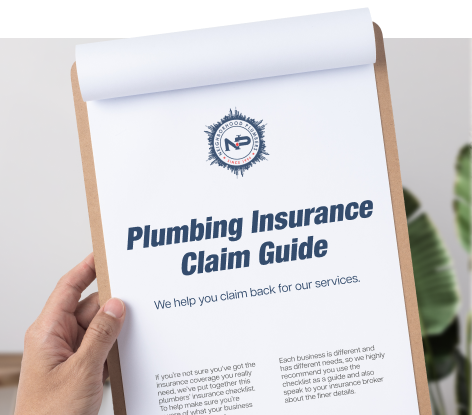
When it comes to what can be claimed and what is not covered there is a lot of noise out there. Our intention with this guide is that we hope that we can limit the complexity that comes with the claims process and what you can do to better prepare for a claim.
Plumbing failures are a major cause of structural loss and financial stress to property owners who may not have anticipated the problem. Flooring, ceilings, walls and electrical installation can be destroyed within minutes by the burst pipes, leaking fixtures, blocked drains, and faulty water systems. Following a good plumbing insurance claims guide assists homeowners in doing the right thing during plumbing emergencies and in providing the right documentation to the insurance companies to process claims.
At Neighborhood Plumbers, skilled plumbing experts can help property owners by inspecting damaged systems and writing any technical report and even professional repairs when filing an insurance claim. Most insurance firms demand licensed plumbers who will verify the cause of the failure of the plumbing before compensation is approved. This is the reason why it is necessary to deal with efficient technicians who are aware of plumbing insurance cover requirements.
Following a clear guide ensures that homeowners respond quickly to plumbing emergencies, prevent further property damage, and collect proper documentation to support insurance applications. By combining prompt action with professional plumbing expertise, property owners can resolve damage efficiently and protect their investments.
Plumbing systems play a crucial role in the safe functioning of a residential or any other commercial property. Water damage could occur due to the failure of pipes or malfunctioning of drainage systems, which can affect structural materials, insulation, furniture, and electrical systems. Knowing how plumbing insurance coverage works helps property owners determine which types of plumbing damage may qualify for insurance reimbursement. Insurance companies typically assess claims based on whether damage occurred suddenly or gradually. Sudden plumbing failures such as burst pipes are often covered, while long-term neglect or maintenance issues may not qualify. This explains the reason why homeowners ought to be familiar with the situations in their insurance coverage plans prior to the occurrence of emergencies.
The insurance companies need a detailed record that provides the cause of the damage to the plumbing. Licensed plumbers perform the inspection of the system and reveal the point of failure and write professional reports. The reports of this kind assist in justifying insurance claims through the exposition of clear technical explanations to insurers.
Visual documentation is essential when filing claims. Plumbers often capture photos and videos of damaged pipes, leaking fixtures, and affected building structures. These records demonstrate the extent of plumbing failures and help insurers verify claims under applicable plumbing insurance coverage policies.
Insurance providers require itemised repair estimates that outline labor, materials, equipment usage, and compliance requirements. Professional plumbers prepare detailed cost assessments that help insurance adjusters determine compensation for approved plumbing repairs.
Plumbing emergencies can escalate quickly if immediate action is not taken. Water leaks may spread through walls and flooring within minutes, causing extensive structural damage. Following a structured insurance claims guide ensures that property owners respond correctly and protect their insurance claim eligibility. Homeowners should act quickly to reduce damage and document the situation before major repairs begin. Proper documentation and timely reporting help insurers evaluate claims accurately.
Turning off the property’s main water valve stops ongoing leaks and prevents additional water from spreading through the plumbing system. This is the first step recommended in our insurance claims guide.
When severe leaks or pipe bursts occur, contacting professionals for urgent plumbing repairs helps stabilise the system and prevent further structural damage. Licensed plumbers also document the incident, which strengthens insurance claim submissions.
Before extensive repairs begin, property owners should photograph damaged areas, leaking pipes, and water exposure zones. This evidence helps insurers understand the scope of the incident and evaluate claims more efficiently.
Insurance providers rely heavily on technical reports prepared by licensed plumbers. These professionals identify the root cause of plumbing failures and determine whether the damage qualifies under insurance coverage guidelines. Working with experienced technicians ensures that reports meet professional standards and include detailed repair documentation required by insurers.
Licensed plumbers analyse damaged pipes, pressure levels, and drainage systems to determine the exact reason for plumbing failure. Identifying whether corrosion, pressure imbalance, or blockage caused the damage helps support insurance claims.
Professional plumbers document all recommended repairs, including pipe replacement, valve installation, and drainage restoration. These reports provide insurers with clear information about repair scope and expected costs.
Insurance companies require confirmation that repairs comply with plumbing codes and safety regulations. Licensed professionals ensure that all repair work meets Melbourne building standards.
Although insurance provides financial protection, prevention remains the most effective strategy for avoiding costly plumbing emergencies. Regular maintenance and system inspections allow homeowners to detect minor issues before they become severe problems. Many property owners combine preventive maintenance with a reliable insurance claims guide to ensure both protection and preparedness.
Scheduled inspections allow plumbers to detect pipe corrosion, loose connections, and drainage blockages early. Addressing these issues promptly reduces the risk of major water damage events.
Older properties may contain outdated pipe materials that deteriorate over time. Upgrading plumbing systems improves durability and reduces the likelihood of future insurance claims.
Excessive water pressure places strain on pipes and plumbing fixtures. Pressure regulators help maintain safe system operation and prevent pipe bursts.
Many homeowners are unsure which plumbing problems qualify for insurance claims. While policy details vary, several types of damage are commonly included under insurance coverage. Understanding these situations helps property owners prepare for emergencies and follow the proper guide when problems arise.
Rapid pipe bursts caused by pressure fluctuations or material failure often result in severe water damage. Insurance policies frequently cover these incidents if they occur unexpectedly.
Appliances connected to plumbing systems, such as dishwashers or washing machines, can cause water leaks if connections fail. Insurance providers may cover resulting structural damage.
Blocked sewer lines or drain systems can force wastewater into sinks, bathtubs, or flooring. Professional documentation helps insurers evaluate these incidents.
Handling plumbing damage and insurance paperwork can be challenging without professional guidance. Property owners often require assistance from licensed plumbers who understand both plumbing systems and insurance documentation requirements.
With expert support from Neighborhood Plumbers, homeowners gain access to experienced professionals who follow a comprehensive plumbing insurance claims guide when responding to plumbing emergencies. From initial damage inspections to completing repairs and preparing technical documentation, skilled plumbers help streamline the entire insurance claim process.
By working with professionals who understand plumbing insurance coverage requirements, property owners can resolve plumbing failures quickly and restore safe plumbing systems while ensuring insurance claims are processed efficiently.
A plumbing insurance claim allows homeowners to request compensation from their insurer for sudden plumbing damage, including leaks, burst pipes, and water damage.
Plumbing insurance coverage may include pipe repairs if damage occurs suddenly and accidentally, but gradual wear, corrosion, or poor maintenance is usually excluded.
You should contact a licensed plumber immediately after damage occurs to inspect the system, document issues, and perform urgent plumbing repairs.
Yes, many insurers require inspection reports from licensed plumbers to confirm the cause of damage and verify repair costs.
Professional plumbers provide inspection reports, damage documentation, and repair estimates that support water damage insurance claims and speed up claim approvals.
The first thing that you should do when you are faced with water damage is turn off the source of the leaking pipe or clogged drain. You can do this by turning off the water mains.
With handheld device capabilities these days documentation is quite simple and straightforward. Take photos and videos of the damage and be sure to write clear notes.
Every insurer has different protocols so it is important to understand and read the fine print for your particular coverage. Have your policy number at hand when contacting your provider.
Your insurer should contact you to arrange a time to inspect the damage and make their own assessment.
Should your claim be successful your insurer will arrange for repair and replacement of the water damage.
The most common is burst pipes in the wall or under the ground. Due to access issues and needing to cut through to fix the issue we recommend our customers go through insurance to claim back on their waterproofing, plaster work, and tiles. In some cases the water spreads and can go through the electrical, in that case we also recommend going through insurance.
This all depends on the customers insurance policy but rule of thumb for us is that Plumbing is not covered but damages are anything that we destroy to get access to the damaged pipe.
Insurance companies require documentation. By documenting step by step what we need to remove or break we can keep a proper paper trail for your claim requirements. We can also notify the insurance company of why and what we need to do to get access, what was the location of the burst or damage to determine a claim going.
Simply enter your details below and we’ll get back to you as soon as possible!