We are currently open! 12:34:21PM
Our Services



✖


Your home’s plumbing system works quietly in the background every day. From supplying clean water for showers and cooking to carrying wastewater safely away, pipes play an essential role in keeping your household comfortable. However, because most plumbing pipes are hidden behind walls, beneath floors or underground, homeowners often overlook their condition until something goes wrong.
A small leak, unusual water pressure, rusty-looking water or a recurring drain blockage may seem like a minor inconvenience. Left unresolved, however, these warning signs can develop into significant plumbing problems, resulting in water damage, expensive repairs and unnecessary disruption.
This is why regular Pipe Maintenance Melbourne homeowners can rely on is important for protecting their properties. Understanding how your plumbing system works, recognising early warning signs and arranging timely inspections can help prevent avoidable damage.
This practical Pipe Maintenance Guide explains how to look after household pipes, improve their lifespan and identify problems before they become expensive. Whether you live in an older Melbourne property or a recently built home, the right maintenance habits can make a meaningful difference to your plumbing system.
Plumbing pipes are exposed to everyday wear and tear. Water pressure, temperature changes, mineral deposits, corrosion and ground movement can gradually affect their condition.
Melbourne homes also have different plumbing requirements depending on their age, construction materials, location and previous maintenance history. An older property may have ageing metal pipework, while a newer home may use modern copper or approved plastic piping.
Regular maintenance helps homeowners identify developing issues rather than waiting for a pipe to fail.
Here are some important reasons to maintain your plumbing system:
For homeowners, preventative pipe maintenance is not about replacing every old pipe. It is about understanding the condition of the existing system and taking appropriate action at the right time.
One of the first steps towards effective Pipe Maintenance is understanding what type of pipes your property uses.
Different materials have different strengths, limitations and maintenance requirements. Knowing what is installed can help you recognise potential problems and make better decisions when repairs are needed.
Copper pipes have been widely used in Australian residential plumbing because they are durable and suitable for water supply systems.
However, copper is not completely resistant to deterioration. Corrosion can develop under certain water conditions, particularly where pipes are exposed to unsuitable materials, aggressive environments or poor installation practices.
Watch for:
A plumber can investigate whether the issue is isolated or indicates broader deterioration.
Some older Melbourne properties may still contain galvanised steel pipes.
These pipes have a protective zinc coating, but this coating can deteriorate over time. Internal rust and mineral accumulation may gradually restrict water flow.
Common warning signs include:
If several taps experience similar problems, the issue may involve the main supply pipework rather than individual tap fittings.
Modern plumbing systems may use approved plastic materials such as PEX or other suitable piping products.
These systems offer flexibility and resistance to certain types of corrosion. However, they still require correct installation, suitable fittings and protection against physical damage, excessive temperatures and environmental exposure.
Practical tip: If you have recently purchased an older home, ask a licensed plumber to identify the visible pipe materials and assess any accessible sections of the plumbing system.
Water pressure affects how your plumbing system performs every day. Excessively high pressure can place unnecessary stress on pipe joints, valves, flexible connectors and appliances.
On the other hand, consistently low pressure may indicate restrictions, leaks, faulty fittings or supply-related issues.
Pay attention to changes such as:
A single tap with low flow may simply have a blocked aerator or showerhead. However, if several fixtures are affected, the problem may be further along the plumbing system.
A qualified plumber can measure the pressure and determine whether it is appropriate for the property’s plumbing and connected appliances.
Depending on the findings, the solution may involve:
Avoid installing pressure-control devices or adjusting plumbing components without understanding the system’s requirements.
Maintaining appropriate Water Pressure is an important part of extending pipe lifespan because it helps reduce unnecessary stress on the entire system.
A hidden leak can continue for weeks or months before becoming obvious.
Water may escape behind a bathroom wall, beneath a kitchen cabinet, under a concrete slab or through an underground supply pipe. By the time visible damage appears, moisture may already have affected surrounding materials.
This makes regular Leak Detection an essential part of residential plumbing care.
Look for these common indicators:
Not every damp patch indicates a plumbing leak. Roof problems, condensation, drainage issues and external moisture can create similar symptoms. Proper investigation is important before deciding what needs repair.
Melbourne homeowners can use their water meter as an initial check.
Follow these steps:
A change in the reading may indicate continuous water consumption or a leak. However, some appliances and systems can use water automatically, so check these before drawing conclusions.
For a more detailed investigation, a plumber may use acoustic equipment, thermal imaging where suitable, pressure testing or specialised inspection tools.
Expert insight: A recurring damp patch that disappears and returns should never be ignored. Even if the area looks dry, moisture may still be present inside the wall or beneath the flooring.
Waiting until a pipe bursts is not a sensible maintenance strategy.
A professional Plumbing Inspection can identify visible deterioration, loose connections, corrosion, unusual pressure conditions and other developing issues.
The appropriate inspection frequency depends on the property’s age, pipe materials, previous repair history and overall condition.
A residential plumbing assessment may cover:
Where necessary, the plumber may recommend additional testing rather than assuming the entire system is in good or poor condition based on a visual check.
Consider arranging an assessment when:
A professional inspection gives you a clearer understanding of the system’s condition and helps prioritise maintenance work.
Pipes can be affected by temperature changes, accidental impacts and unsuitable storage or renovation activities.
Although Melbourne does not experience the same prolonged freezing conditions as some colder regions, exposed pipework can still be affected by cold weather and temperature fluctuations.
Pipes located in roof spaces, external areas, garages and other exposed locations may benefit from suitable insulation.
Proper insulation can help reduce temperature-related stress and protect vulnerable sections from environmental exposure.
Use insulation products suitable for the pipe material and installation location. Ensure that any work near hot water equipment follows the manufacturer’s safety requirements.
Many household plumbing problems begin during ordinary maintenance or renovation work.
For example, drilling into a wall to install shelving or fixing a garden post can accidentally damage concealed water pipes.
Before carrying out work that involves drilling, cutting or excavation:
Never assume that a pipe runs in a predictable straight line behind a wall.
Tree roots are a common concern for underground drainage systems.
Roots naturally seek moisture and can enter existing cracks, loose joints or damaged sections of drainage pipes. Once inside, they may gradually collect debris and restrict wastewater flow.
The problem can be particularly disruptive when blockages return after temporary clearing.
Watch for:
Consider the following precautions:
A camera inspection can help identify cracks, root entry, displaced joints and other internal drainage problems.
In some cases, targeted repairs may resolve the problem without replacing the entire drainage line.
Although drainage pipes and water supply pipes perform different functions, both require regular care.
Household drains collect soap residue, grease, hair, food particles and other materials. Over time, these substances can accumulate and restrict wastewater flow.
No. Strong chemical cleaners are not suitable for every blockage or pipe material.
Repeated or incorrect use can create safety risks and may damage certain plumbing components. Mixing different cleaning chemicals can also produce dangerous reactions.
For a minor accessible blockage, a suitable plunger may help. Persistent or recurring blockages should be investigated by a plumber who can identify the actual cause.
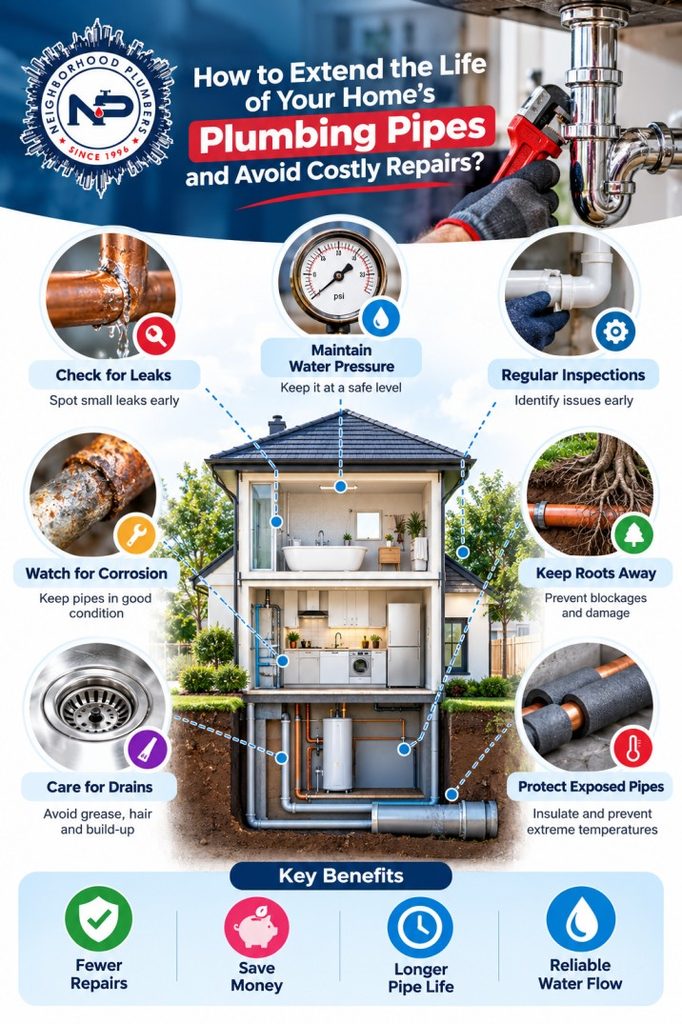
Small plumbing faults rarely improve simply because they are left alone.
A loose connection may begin as a minor drip but eventually cause water damage. A small crack in a drainage pipe may allow roots to enter and create a larger obstruction.
Arranging appropriate Pipe Repairs Melbourne homeowners need at an early stage can help prevent more extensive damage.
| Plumbing problem | Possible cause | Recommended action |
|---|---|---|
| Dripping pipe joint | Worn seal or loose connection | Professional assessment and repair |
| Low water flow | Restriction, leak or pressure issue | Check pressure and pipe condition |
| Rusty-looking water | Internal corrosion or sediment | Investigate water quality and pipework |
| Repeated drain blockage | Roots, debris or damaged drainage | Consider CCTV inspection |
| Damp wall or ceiling | Possible concealed leak | Arrange leak investigation |
| Water hammer | Pressure or pipe support issue | Inspect the plumbing system |
The decision depends on the location, extent and cause of the damage.
A localised leak in an otherwise sound pipe may only require a targeted repair. However, repeated failures, widespread corrosion or significant internal deterioration may indicate that replacing an affected section is a more practical long-term option.
A good assessment should explain:
This approach avoids unnecessary replacement while reducing the risk of repeated repairs.
Consistent maintenance is easier when it becomes part of your household routine.
You do not need to inspect every pipe every week. Instead, combine simple visual checks with periodic professional assessments.
This is a practical starting schedule, not a compulsory maintenance standard. Older properties or homes with a history of leaks may need more frequent attention.
The lifespan of plumbing pipes varies significantly depending on their material, installation quality, water conditions, maintenance history and operating environment.
For example, a well-installed copper system may remain serviceable for decades, while poorly maintained or deteriorating galvanised steel pipework may develop restrictions and leaks much earlier.
There is no single replacement age that applies to every household plumbing system.
Address corrosion early: Visible corrosion, staining and recurring leaks deserve investigation before deterioration spreads.
Maintain suitable pressure: Excessive pressure can place additional stress on pipework and fittings.
Prevent unnecessary blockages: Appropriate drain habits reduce the likelihood of recurring restrictions and associated problems.
Protect exposed pipes: Suitable insulation and physical protection help reduce environmental and accidental damage.
Use compatible materials: When repairs are needed, the replacement fittings and pipes must be appropriate for the existing plumbing system.
Keep repair records: Documenting previous leaks, replacements and inspections helps plumbers understand the system’s history.
The main objective of extending pipe lifespan is not to make old plumbing last indefinitely. It is to maintain safe, reliable performance and replace deteriorating sections before they cause serious damage.
Even homeowners who regularly check their plumbing can make mistakes that increase the likelihood of damage.
A slow drip may seem harmless, but continuous moisture can damage cabinets, floors and nearby building materials.
Better approach: Investigate recurring leaks promptly, even when the water loss appears small.
Weak flow from one tap may indicate a simple fitting problem. Low pressure throughout the property may point to a larger issue.
Better approach: Compare different fixtures and arrange an assessment if the change is widespread or persistent.
Chemical products do not resolve every underlying drainage problem.
Better approach: Use suitable basic methods for minor blockages and seek professional assistance for recurring issues.
Working on regulated plumbing without the appropriate qualifications can create safety, compliance and insurance problems.
Better approach: Use a properly licensed or registered plumbing practitioner for regulated plumbing work in Victoria.
Replacing one damaged section may not solve the problem if excessive pressure, corrosion or ground movement is affecting the surrounding system.
Better approach: Ask for an explanation of the underlying cause before approving major work.
Some plumbing problems require prompt professional attention rather than routine monitoring.
Contact a licensed plumber if you notice:
If water is near electrical equipment, keep away from the affected area and contact the appropriate emergency services or utility provider where necessary. Do not touch wet electrical fittings.
In Victoria, plumbing work must be carried out by an appropriately licensed or registered practitioner, or by a person working under the required supervision. Only a licensed plumber can issue a plumbing compliance certificate.
Homeowners should check the practitioner’s licence details and confirm that their licence covers the type of work required.
At Neighborhood Plumbers, a practical approach to residential plumbing care starts with understanding the problem, checking the condition of the affected pipework and recommending an appropriate solution. For homeowners, this means focusing on the cause of the issue rather than simply treating its visible symptoms.
Your home’s plumbing system deserves attention long before a burst pipe or major leak occurs. Understanding pipe materials, monitoring water pressure, identifying hidden leaks and arranging appropriate inspections can help prevent unnecessary damage.
A consistent approach to Pipe Maintenance Melbourne homeowners can follow does not need to be complicated. Simple household checks, sensible water usage habits and timely professional assistance can make a significant difference to plumbing performance.
Use this Pipe Maintenance Guide as a starting point for better residential plumbing care. Remember that preventative pipe maintenance is about identifying problems early, making informed repair decisions and extending pipe lifespan wherever the condition of the system allows.
Neighborhood Plumbers encourages homeowners to take plumbing warning signs seriously and seek professional advice when something does not look right. Looking after your pipes today can help reduce avoidable disruption and protect your home for years to come.
The frequency depends on your home’s age, pipe materials, plumbing condition and previous repair history.
A newer property with modern plumbing and no history of leaks may only need routine visual checks and professional attention when a problem develops or an assessment is otherwise recommended.
Older properties, particularly those with galvanised steel pipes, recurring leaks or unexplained pressure changes, may benefit from more regular professional inspections.
A useful approach is to check visible plumbing monthly, monitor water usage and arrange a professional assessment whenever warning signs appear.
The earliest signs are often subtle.
Look for small water stains, unexplained dampness, green corrosion around copper fittings, rusty-looking water, changes in water pressure and unexpected increases in water consumption.
You may also notice that several taps are producing weaker flow or that plumbing fixtures make unusual noises.
If the same problem keeps returning after a minor repair, the underlying pipework should be investigated rather than repeatedly treating the symptom.
Yes. Excessively high water pressure can increase stress on pipe joints, flexible hoses, valves and connected appliances.
Over time, this may contribute to leaks or premature component failure.
A plumber can measure the pressure and determine whether a pressure-reducing valve or another corrective measure is appropriate.
Avoid adjusting pressure-control equipment without professional guidance, as the correct setting depends on the property’s plumbing configuration and applicable requirements.
It depends on the condition and extent of deterioration.
If one isolated section has developed a leak and the surrounding pipework is in good condition, a targeted repair may be suitable.
However, widespread corrosion, repeated leaks, significant internal restrictions or multiple failing connections may make replacement more practical.
A professional assessment should consider the pipe material, damage location, expected remaining service life and the risk of future failures.
Replacing only what is necessary can be sensible, provided the repair addresses the underlying problem.
Start by turning off taps, appliances and other water-using systems. Record your water meter reading, wait without using water and check the meter again.
If the reading changes, repeat the test to rule out accidental water consumption or automatic appliances.
Also inspect cupboards, walls, ceilings and floors for dampness, discolouration or unusual smells.
Remember that a meter test can indicate unexplained water use but cannot identify the exact location of a leak. A licensed plumber may use specialised leak detection equipment to locate concealed problems accurately.