We are currently open! 12:34:21PM
Our Services



✖
Why we are the People’s No.1 Choice
A leaking tap, slow-draining shower or sudden drop in water pressure can seem like a minor inconvenience until it starts damaging your home. If you need a plumber Bayswater residents can turn to for practical solutions, knowing what to look for and when to act can make a real difference. Small plumbing faults may develop behind walls, beneath floors or outside the property, where they can go unnoticed for weeks. Acting early helps you understand the problem, limit potential water damage and make better decisions about repairs rather than waiting until a manageable fault becomes an expensive disruption.
People often struggle to work out whether a plumbing issue needs immediate attention or can safely wait until a convenient appointment. That uncertainty can lead to wasted water, recurring blockages and unnecessary repair costs. Bayswater households also need to consider changing weather, garden drainage, ageing pipework and the demands placed on kitchens and bathrooms. This guide explains common plumbing warning signs, drainage concerns, emergency precautions and the checks worth making before hiring a tradesperson. Neighbourhood Plumbers is the business featured on this page, with the focus kept on useful information that helps local residents make informed decisions about their properties.
Modern household plumbing involves more than taps and pipes. Water supply, hot-water equipment, sanitary drainage, stormwater systems and gas appliances each have different requirements. Renovations, additional bathrooms and newer appliances can also change how much demand a home’s existing system must handle. A property that worked well for years may develop problems when older pipes, worn seals or an undersized drainage system are put under greater pressure.
There is no single plumbing issue that affects every Bayswater property. The right solution depends on the building, the age and condition of its fittings, the location of the fault and whether the affected pipe serves one fixture or several.
In Victoria, plumbing work must be undertaken by a practitioner with the appropriate registration or licence, except where specific rules apply to apprentices. The Building and Plumbing Commission explains the distinction between registration and licensing and the work each permits. Some work also requires a plumbing compliance certificate.
Different plumbing faults call for different approaches. Identifying the symptoms accurately helps a tradesperson investigate the cause instead of treating only what is visible.
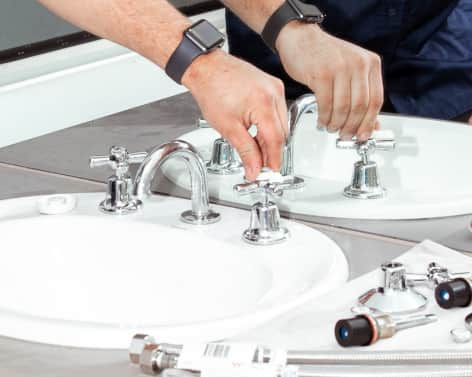
Common household jobs include leaking taps, running toilets, damaged pipework, low water pressure, faulty hot-water systems and fixtures that no longer drain properly. A dripping tap might need a replacement washer or cartridge, while persistent dampness around a wall could point to a concealed leak that needs further investigation.
For example, a toilet that continues running after flushing may waste water even when the bathroom looks dry. Replacing a worn component can resolve the fault, but the correct part depends on the toilet’s design and condition.
Pro tip: Take a clear photo or short video of the symptom before the appointment, provided doing so is safe. A fault that appears intermittently may not be active when the tradesperson arrives.
A slow kitchen sink or shower drain is easy to dismiss, especially when the water eventually disappears. However, recurring blockages can indicate an underlying problem that household drain cleaners will not fix. Grease, food scraps, hair, soap residue, foreign objects and tree roots can all contribute to drainage issues, depending on the location and condition of the pipes.
Start by observing which fixtures are affected. If one basin drains slowly, the blockage may be close to that fixture. If multiple drains are slow, gurgling or backing up, the problem may involve a shared drain or a larger section of the system.
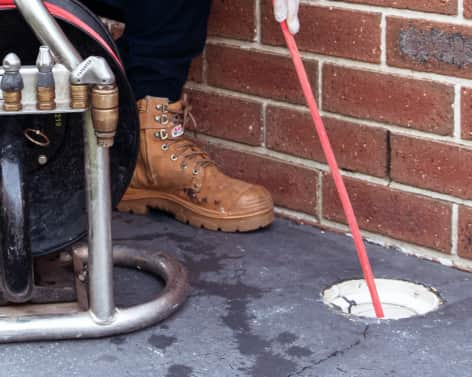
Imagine a household where the kitchen sink blocks every few weeks. Clearing the visible debris may provide temporary relief, but recurring symptoms suggest the cause needs to be investigated. A plumber may use suitable drain-clearing equipment or a drain camera to assess the pipe’s condition, depending on the circumstances.
Persistent sewage smells, wet patches near an outdoor drain, repeated backups or gurgling toilets can indicate a more serious drainage fault. Do not lift heavy inspection covers or enter a drain pit yourself. If wastewater is overflowing, keep children and pets away from the affected area and arrange appropriate assistance.
Responsibility for repairs can depend on where the problem sits in the network. Yarra Valley Water’s repair guidance explains the general division between water authority infrastructure and private property plumbing. Check with the relevant water authority before assuming every sewer fault is the homeowner’s responsibility.
Finding someone quickly is important when a leak interrupts daily life, but speed should not replace basic checks. A suitable tradesperson should be able to explain the proposed work, identify relevant qualifications and give you a clear understanding of likely costs.
If you search for a plumber near me, compare the actual service offered rather than relying on proximity or a short online description alone. Check whether the tradesperson handles your particular issue and whether their registration or licence covers the work required.
Confirm the relevant credentials. Ask for the practitioner’s details and verify them through the Building and Plumbing Commission. Plumbing accreditation applies to individuals and to specific classes of work, so do not assume every practitioner is authorised to complete every type of job.
Request a clear scope of work. The quote should describe the fault being addressed, the proposed repair, expected materials, labour charges and any call-out or after-hours fees. If the cause is uncertain until inspection, ask how additional work will be priced and approved.
Compare like with like. The lowest quote may exclude testing, replacement parts or reinstatement work that another quote includes. Consumer Affairs Victoria’s guidance on getting quotes recommends checking what is covered and understanding the terms before committing.
Ask about documentation. For applicable work, ask whether a compliance certificate is required and who will provide it. The official rules explain when a certificate is needed, including certain gas installations and specified drainage work.
These checks are particularly useful when looking for a licensed plumber Knox or comparing providers across neighbouring suburbs. A local service area alone does not establish qualifications, quality or availability.
Some faults can wait for a planned visit; others require immediate action to reduce risks to people and property. A burst pipe, uncontrolled leak or sewage overflow should not be treated like a dripping tap.
Contact an appropriate professional promptly if water is spreading through the property, a pipe has burst, toilets or drains are overflowing with wastewater, or the water supply has failed unexpectedly and the cause is unclear. If water is near electrical equipment, avoid the area and do not touch wet switches or appliances. Contact emergency services if there is an immediate danger to people.
For a suspected gas leak, do not operate electrical switches, create flames or attempt to locate the leak yourself. Move away from the affected area and contact the relevant gas emergency service from a safe location. Energy guidance and emergency contacts are available through Energy Safe Victoria’s government safety information.
An emergency plumber may be needed outside ordinary business hours, but availability and response times vary. Before confirming a call-out, explain the symptoms and ask about the estimated arrival window, applicable rates and what immediate steps you should take while waiting.
An affordable plumber Bayswater search should lead to a fair comparison, not simply the smallest advertised price. The final cost can depend on access, fault severity, parts, labour, equipment and whether work is required after hours.
Preventive maintenance can also help you spot trouble earlier. Check visible pipes and under-sink cupboards for dampness, keep outdoor grates free of leaves, and watch for recurring drain problems. Know where your water isolation valve is located and make sure it can be accessed safely. Avoid attempting gas repairs or concealed pipework yourself.
Pro tip: Keep records of recurring faults, previous repairs and appliance details. This gives a tradesperson a useful history and can help distinguish a new issue from one that has never been fully resolved.
The best plumbing decision usually starts with three things: recognising warning signs early, understanding the likely cause and choosing a properly qualified professional for the work. Whether you are dealing with a minor leak, persistent drainage trouble or a sudden loss of water, clear information can make the next step easier.
Neighbourhood Plumbers is presented here as a local service option for residents comparing plumbing help around Bayswater. Before booking, confirm the service area, availability, relevant credentials and costs for your particular job. For more guidance, explore our related article on 24/7 plumbing services to understand what to ask when arranging urgent assistance.
Arrange professional help when a leak continues, water pressure changes without explanation, a toilet keeps running, a hot-water system stops working or a drain repeatedly blocks. If water is spreading quickly, sewage is backing up or a pipe has burst, treat the situation as urgent and take safe steps to limit damage.
You can help the tradesperson by identifying which fixtures are affected, when the problem began and whether it has happened before. If it is safe, shut off the relevant water supply and keep the affected area clear. Do not remove concealed fittings or attempt repairs that could worsen the damage.
Before work begins, ask what inspection is needed, what the likely repair involves and whether the quote includes parts, labour and any call-out charge. Some faults cannot be priced accurately until the cause is confirmed, so ask how any change in scope will be handled.
No. A slow drain may be caused by a local build-up of hair, soap, food residue or grease. However, a blockage that returns soon after clearing, affects several fixtures or causes wastewater to back up may require a more thorough inspection.
Start by noting which drains are affected and avoid pouring multiple chemical products into the pipe. Mixing drain cleaners can be dangerous, and harsh products may complicate later work. If more than one fixture is gurgling or backing up, stop using affected plumbing where practical and seek professional advice.
A tradesperson may recommend mechanical clearing or a camera inspection depending on the symptoms and pipe layout. These methods can help distinguish a simple obstruction from issues such as root intrusion or damaged pipework. The right approach depends on the evidence found during inspection, rather than the symptom alone.
Ask for the practitioner’s full name and registration or licence details, then check the relevant records through the Building and Plumbing Commission. In Victoria, registration and licensing are not interchangeable: the work a practitioner may undertake depends on their accreditation and the class of plumbing involved.
You should also ask whether the proposed job requires a compliance certificate and, if it does, who will issue it. Keep your quote, invoice and any relevant certificate with your property records. These documents can be useful if you need to understand what work was completed or discuss a later problem.
A business’s website, online reviews or service-area listing can help you compare options, but these details do not replace checking the practitioner’s credentials. If anything is unclear, ask for an explanation before agreeing to the work.
Not always, but urgent work outside normal business hours may involve higher call-out or labour rates. Pricing varies between providers and depends on the time, location, type of fault, access and parts required. Do not assume that every service advertised as an emergency option has the same pricing structure.
When arranging a visit, explain the issue and ask whether the call-out fee is separate from labour and materials. Request the estimated arrival window and ask how the tradesperson will seek approval if inspection reveals additional work. If the final cost cannot be confirmed before diagnosis, ask for the pricing method and the point at which you will be consulted.
For a serious leak, sewage overflow or burst pipe, delaying action to compare every available quote may increase damage. Take reasonable safety steps first, then seek clear cost information as soon as practical.
Responsibility depends on the type of pipe, its location and the relevant water authority’s rules. A water authority may be responsible for parts of the network, while the property owner is generally responsible for private plumbing within the property. Sewer connection arrangements can vary, so the boundary should be checked rather than guessed.
Yarra Valley Water provides guidance on the division of responsibilities for water and sewer repairs. If you are unsure where the fault sits, contact the relevant water authority and explain the symptoms before authorising excavation or major repairs. A plumber may help identify the location and nature of the fault, but that does not automatically determine who must pay.
For rental properties, notify the landlord or property manager promptly and follow the appropriate urgent-repair process. Keep photos, dates and any written advice you receive, as these records can help clarify what happened and which party needs to arrange the next step.
Hidden leaks can develop behind walls, beneath floors or around concealed pipe connections, so you may not notice them immediately. Common warning signs include unexplained increases in water usage, damp patches, peeling paint, musty smells, warped flooring and the sound of running water when taps and appliances are switched off.
If you suspect a leak, check accessible cupboards and exposed pipework for moisture. You can also monitor your water meter when no water is being used, provided all household appliances and fixtures are switched off. Unexpected movement may indicate a leak, although the result should be investigated rather than treated as definitive proof.
Avoid cutting into walls or lifting flooring to locate the problem yourself. A qualified plumber can assess the symptoms and determine whether further leak detection is appropriate. Early investigation may help limit water damage and reduce the risk of mould developing in damp areas.
A hot-water system that runs cold too quickly may be struggling with increased household demand, a faulty component, sediment build-up or an issue with its heating mechanism. The likely cause depends on whether your system uses gas, electricity, a heat pump or solar technology.
Start by noting when the problem occurs. If hot water runs out only after several people shower in succession, demand may exceed the system’s capacity. If the supply suddenly becomes unreliable or the water temperature changes unexpectedly, the unit may need professional assessment.
Check the manufacturer’s instructions and arrange an inspection if the problem persists. Do not remove covers, adjust gas components or attempt electrical repairs yourself. A qualified tradesperson can assess whether a repair is appropriate or whether the system’s age, condition and running costs make replacement worth considering. The most economical option depends on the fault and the system’s overall condition.
Preventing recurring plumbing faults starts with paying attention to small changes rather than waiting for a complete failure. Check visible pipes and connections periodically, look beneath sinks for moisture, clean accessible drain strainers and keep outdoor drainage grates clear of leaves and garden debris.
In the kitchen, avoid disposing of cooking fats, oils and food scraps through the sink. In bathrooms, remove hair from drain covers and investigate slow drainage before it becomes a repeated blockage. Keep track of repairs, including when a problem started and whether the same fixture has needed attention before.
If a blockage, leak or pressure issue returns after repair, explain the history to your plumber. Repeatedly treating the symptom without identifying the cause may lead to further call-outs. A suitable maintenance plan should reflect the property’s age, pipework, plumbing fixtures and previous issues rather than relying on a fixed schedule for every home.
In the 30+ years we have been operating we have built the business through trust and consistently delivering quality Bayswater Plumbing solutions.
With our wealth of knowledge and experience with Bayswater Plumbing concerns, we are a safe bet that we can provide you with a solution to any situation.
As professionals we also need to think about the future and how to prevent any Plumbing problems occurring again or if it is a replacement ensuring that it lasts! As a starting point, we will conduct a Free onsite assessment
and from the first visit we will be able to advise on next steps and take you through the process step by step.
Our staff are trained on using the right tools for every situation! You name it, WE HAVE SEEN IT ALL in terms of what causes the need for a Plumber in Bayswater!
Our Plumbers are no strangers to working on the family home and are prepared for anything! Bayswater Plumbing problems can get complex very quickly if not fixed promptly, so call us now for a Free Consultation!
As we have said before Plumbing has evolved. The list below highlights some of the technology that we use for Bayswater Plumbing jobs.
The scale of Plumbing problems can make for tricky situations where if they are not addressed early on, could cause major disruptions for commercial properties.
No matter the severity of your Bayswater Plumbing job, Neighborhood Plumbing will provide you with ‘stress free’ plumbing outcomes so that you can maintain on running the day to day operation.
Our extensive experience in the Bayswater Plumbing game and wealth of knowledge from the team ensures that we can fix any Bayswater Plumbing issue ranging from clogged drains, sewers, burst pipes and line breaks.
Let Neighborhood Plumbing do all the hard work for you. We are consistent when it comes to getting the job done right the first time. This has kept us at the forefront of the Plumbing industry. With 30+ years industry experience, there’s nothing we cannot manage.
Our extensive experience in the Bayswater Plumbing game and wealth of knowledge from the team ensures that we can fix any Bayswater Plumbing issue ranging from clogged drains, sewers, burst pipes and line breaks.
We are consistent when it comes to getting the job done right the first time. This has kept us at the forefront of the Plumbing industry. With 30+ years industry experience, there’s nothing we cannot manage.
Simply enter your details below and we’ll get back to you as soon as possible!