We are currently open! 12:34:21PM
Our Services



✖
Why we are the People’s No.1 Choice
A drain that backs up after heavy rain, a hot shower that suddenly turns cold or an unexplained damp patch can quickly disrupt life at home. If you need a plumber Belgrave South residents can call for practical assistance, knowing which warning signs matter can help you respond before a small fault causes further damage. Properties around Belgrave South can have different maintenance needs depending on their age, pipework, garden layout and drainage arrangements. A sensible approach starts with recognising the symptoms, taking safe immediate steps and understanding when a qualified tradesperson needs to investigate the problem properly.
People often struggle to decide whether a plumbing fault can wait or needs attention straight away. A dripping tap may be inconvenient, but a burst pipe, sewage overflow or suspected gas leak presents a different level of risk. Sloping blocks, established gardens and changing weather can also make it important to pay attention to outdoor drainage and the condition of exposed pipework. This guide covers common household faults, drainage concerns, gas safety and ways to compare service providers. Neighbourhood Plumbers is the business featured on this page, while the advice is designed to help homeowners make informed decisions without relying on guesswork.
Household plumbing involves several connected systems, including drinking-water supply, sanitary drainage, stormwater management and hot-water equipment. Where gas appliances are installed, gasfitting adds another area in which correct installation and maintenance matter.
The condition of these systems varies from property to property. Older pipework may deteriorate, renovations can change water demand, and tree roots may affect underground drains when they reach vulnerable joints or existing cracks. A garden that slopes towards a house can also make surface-water management important, although the correct solution depends on the property’s layout and existing drainage.
In Victoria, plumbing practitioners need the appropriate registration or licence for the work they undertake. The Building and Plumbing Commission explains that registration and licensing provide different levels of authorisation, and certain work requires a compliance certificate issued by a licensed practitioner.
Homeowners should understand three basic points:
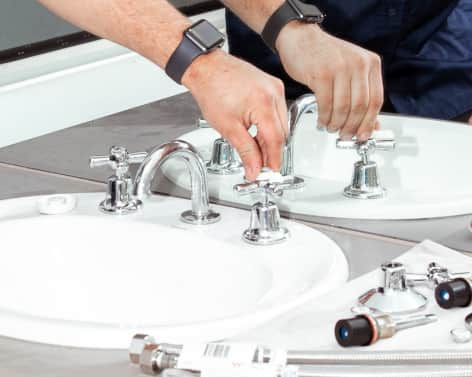
Plumbing faults often begin with small changes that are easy to overlook. A toilet that keeps refilling, a tap that drips overnight or a sink that drains more slowly than usual can indicate a component needs attention.
Other warning signs include unexplained changes in water pressure, moisture beneath cupboards, damaged pipe connections and hot-water systems that stop working reliably. The challenge is to determine whether the problem is isolated to one fitting or affects a wider section of the property.
Step 1: Observe the pattern.
Step 2: Record the details.
Step 3: Reduce the risk of further damage.
Step 4: Arrange an appropriate assessment.
Imagine a toilet that continues running long after flushing. The cause might be a worn seal or a faulty inlet valve, but the correct component depends on the toilet’s design. Replacing parts without identifying the cause can leave the original problem unresolved.
Pro tip: If the same fault returns after a repair, explain that history rather than describing it as a new problem. Previous symptoms and repair details can help narrow down the investigation.
Drainage deserves attention when a property has established landscaping, outdoor paved areas or changes in ground level. Water that collects near a building may come from several sources, including blocked gutters, surface runoff, stormwater problems or leaking plumbing. These possibilities need to be distinguished before deciding on a solution.
When drains start moving slower than normal, there could be a simple obstruction that needs to be cleared. An issue that is reoccurring, along with the smell of sewage, and backed up water across a few of the drains, should be investigated further.
If a drain begins to move slowly, it’s best to identify if more than one fixture has an issue. If only one basin drain is an issue, debris should be removed that may have accumulated over the drain. For gurgling drains in a few of the fixtures, it may be the issue is a shared section of the drains that is the problem.
For blockages that are relatively minor and easily accessible, you can remove debris that may have collected on the drain cover and follow the manufacturer’s cleaning recommendations. Avoid using drain cleaners in combination with one another or repeated application of chemical cleaners to your drainage system.
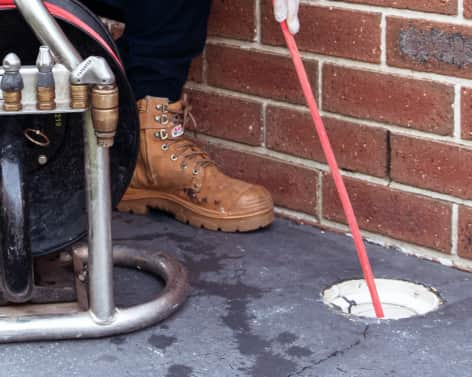
In case of the problem occurring repeatedly, it’s recommended that you hire a professional. This could entail mechanical removal or an assessment with the aid of a camera. The extent of the pipework and the nature of the issue would determine which method to use.
After rainfall, observe where water collects and whether it drains away as expected. Check that accessible outdoor grates are not covered by leaves, mulch or garden debris. Also look for unusual wet patches that persist when there has been no recent rain.
For example, a damp section of lawn beside an underground pipe could have several explanations. It might be related to irrigation, surface water or a leaking pipe. Its location alone is not enough to establish the cause.
Do not dig around underground services without first identifying their location. If sewage is overflowing, keep people and pets away from the affected area and seek appropriate assistance.
Yarra Valley Water provides useful information on responsibility for water and sewer repairs. The responsible party can depend on the location of the fault and the relevant connection point, so confirm the details before assuming every repair is the homeowner’s responsibility.
Gas appliances can provide hot water, heating and cooking facilities, but faults need to be treated carefully. A problem with an appliance, gas connection or ventilation arrangement should not be approached like an ordinary leaking tap.
Unusual appliance behaviour, a persistent gas smell or signs of damage around gas equipment deserve prompt attention. Never assume that an appliance is safe simply because it still operates.
If you suspect a gas leak, avoid flames, do not operate electrical switches and do not attempt to locate the leak yourself. Move away from the affected area and contact the emergency plumber Belgrave South from a safe location.
Do not dismantle a gas appliance, adjust gas fittings or attempt a repair. Gasfitting work must be undertaken by a suitably qualified and authorised practitioner. Energy Safe Victoria provides official information about gas and electrical safety at home.
Liquefied petroleum gas (LPG) and natural gas are not interchangeable without the correct appliance suitability and authorised work. Energy Safe Victoria warns that using an appliance with the wrong gas type can be hazardous.
If your home uses bottled gas, confirm that the practitioner has the appropriate qualifications and experience for the installation or fault. An LPG gas plumber Belgrave South homeowners consider should be able to explain the required work, relevant safety requirements and any documentation needed after the job.
Before approving an installation or replacement, ask about appliance compatibility, installation requirements, ventilation and ongoing maintenance. The appropriate arrangement depends on the appliance, property and gas supply.
Pro tip: Keep the appliance model details and previous service records available. They may help the tradesperson identify the equipment and understand any earlier issues without relying on assumptions.
Choosing a tradesperson involves more than finding the closest listing. Homeowners need to understand the scope of work, the relevant qualifications, the likely cost and what happens if the initial diagnosis changes.
A search for a plumber near me can help identify possible providers, but distance alone does not prove that a person is qualified for the specific job. Check the work they undertake and confirm their current credentials through the relevant Victorian authority.
Consumer Affairs Victoria recommends comparing quotes carefully and understanding what each one covers. Its guidance on getting quotes explains why a low headline price may not include all the work or materials needed.
This is useful when comparing a licensed plumber Yarra Ranges homeowners may consider for a particular job. A provider advertising a wider service area, including a plumber Dandenong Ranges search, should be able to confirm whether the property is covered and whether the required service is available.
If you are comparing a cheap plumber Belgrave South listing, look beyond the advertised rate. A lower price can represent good value when the scope is equivalent, but an incomplete quote may leave essential work excluded. Ask for a clear explanation rather than assuming that the cheapest or most expensive option is automatically the right choice.
For urgent faults, a 24 hour plumber Belgrave South search may help locate after-hours options. However, availability, response times and charges vary. Confirm these details directly before relying on a stated service window.
Three habits can make plumbing problems easier to manage: notice changes early, take safe steps to limit damage and choose a qualified professional whose quote clearly explains the work. These habits are useful whether the issue involves a leaking fitting, a blocked drain or a gas appliance that needs attention.
Neighbourhood Plumbers is the business featured on this page for readers considering local plumbing support. Before booking, confirm the actual service area, availability, credentials and charges for your particular job. For further guidance, explore our article on bathroom plumbing services to understand the plumbing considerations involved in maintaining or upgrading a bathroom.
Arrange a professional assessment if you notice persistent leaks, recurring drainage problems, unexplained changes in water pressure, a toilet that continues running or a hot-water system that repeatedly fails. These symptoms can have several causes, so identifying the fault is more useful than guessing which part needs replacement.
A burst pipe, uncontrolled leak or sewage overflow needs more urgent attention. If it is safe, isolate the water supply and keep people away from the affected area. If water is near electrical equipment, do not touch wet switches or appliances.
Before the appointment, note when the issue started and whether it has happened previously. Ask what inspection is required, what the proposed repair includes and whether additional charges could apply. If the cause cannot be confirmed until inspection, request a clear explanation of how further work will be priced and approved.
A recurring blockage may mean the original cause has not been fully addressed. Hair, grease and food debris can build up in household drains, while underground drainage may be affected by roots, damaged pipework or an obstruction further along the system.
Start by noting which fixtures are affected and how frequently the problem returns. A blockage confined to one sink may have a different cause from several drains that gurgle or back up together. Avoid mixing chemical cleaners or repeatedly using products that may be unsuitable for the plumbing.
If the issue continues, arrange an assessment to identify the cause. Depending on the symptoms, a tradesperson may recommend mechanical clearing or a camera inspection. These approaches can help determine whether the problem is a local obstruction or something that needs a more extensive repair.
No. Gasfitting work should be completed by a practitioner with the appropriate qualifications and authorisation. Gas appliances involve combustion, gas connections and ventilation requirements, and incorrect work can create serious safety risks.
If an appliance is not working properly, stop using it if you suspect a safety issue and follow the relevant emergency guidance. If you smell gas, avoid flames and electrical switches, move away from the area and contact the relevant gas emergency service from a safe location.
For planned work, confirm that the practitioner is authorised for the specific gasfitting task. Ask whether the appliance is suitable for the gas supply and what documentation is required after installation or repair. Energy Safe Victoria provides guidance on gas safety and appliance suitability, including the important differences between LPG and natural gas.
Start by observing how water moves around the property during and after rainfall. Look for persistent pooling near the building, blocked outdoor grates, water flowing towards the house or damp areas that remain long after the weather clears.
Keep accessible stormwater grates free from leaves and garden debris. Check visible plumbing for leaks and avoid planting or allowing trees to grow where roots could damage vulnerable underground services. Do not assume every wet patch indicates a broken pipe, as irrigation and surface runoff can produce similar symptoms.
If drainage problems recur, arrange an assessment before undertaking excavation or major landscaping changes. The appropriate solution depends on the property’s levels, existing drainage layout and the source of the water. Identify underground services before digging and seek council or relevant authority guidance if permits or regulated drainage work may be involved.
Ask each provider to describe the fault, the proposed repair and what the quoted price includes. Depending on the job, costs may cover labour, parts, inspection, travel, call-out charges and testing. If the problem cannot be diagnosed fully before inspection, ask how additional work will be approved and priced.
Where practical, compare written quotes for the same scope rather than comparing headline prices alone. Check whether the practitioner’s credentials cover the required work and whether any compliance certificate is necessary. Keep the quote and invoice for your records.
A very low quote is not automatically poor value, just as a high quote does not automatically mean better work. What matters is whether the proposed solution is appropriate, the pricing is transparent and the practitioner can explain the reasoning. Consumer Affairs Victoria offers guidance on comparing quotes and checking tradespeople before committing.
In the 30+ years we have been operating we have built the business through trust and consistently delivering quality Belgrave South Plumbing solutions.
With our wealth of knowledge and experience with Belgrave South Plumbing concerns, we are a safe bet that we can provide you with a solution to any situation.
As professionals we also need to think about the future and how to prevent any Plumbing problems occurring again or if it is a replacement ensuring that it lasts! As a starting point, we will conduct a Free onsite assessment
and from the first visit we will be able to advise on next steps and take you through the process step by step.
Our staff are trained on using the right tools for every situation! You name it, WE HAVE SEEN IT ALL in terms of what causes the need for a Plumber in Belgrave South!
Our Plumbers are no strangers to working on the family home and are prepared for anything! Belgrave South Plumbing problems can get complex very quickly if not fixed promptly, so call us now for a Free Consultation!
As we have said before Plumbing has evolved. The list below highlights some of the technology that we use for Belgrave South Plumbing jobs.
The scale of Plumbing problems can make for tricky situations where if they are not addressed early on, could cause major disruptions for commercial properties.
No matter the severity of your Belgrave South Plumbing job, Neighborhood Plumbing will provide you with ‘stress free’ plumbing outcomes so that you can maintain on running the day to day operation.
Our extensive experience in the Belgrave South Plumbing game and wealth of knowledge from the team ensures that we can fix any Belgrave South Plumbing issue ranging from clogged drains, sewers, burst pipes and line breaks.
Let Neighborhood Plumbing do all the hard work for you. We are consistent when it comes to getting the job done right the first time. This has kept us at the forefront of the Plumbing industry. With 30+ years industry experience, there’s nothing we cannot manage.
Our extensive experience in the Belgrave South Plumbing game and wealth of knowledge from the team ensures that we can fix any Belgrave South Plumbing issue ranging from clogged drains, sewers, burst pipes and line breaks.
We are consistent when it comes to getting the job done right the first time. This has kept us at the forefront of the Plumbing industry. With 30+ years industry experience, there’s nothing we cannot manage.
Simply enter your details below and we’ll get back to you as soon as possible!