We are currently open! 12:34:21PM
Our Services



✖
Why we are the People’s No.1 Choice
A small issue like a toilet refilling can become a headache down the road. Most people ignore these signs when they start to appear. Most people assume the issue will just fix itself over time. Most of these signs mean your system has larger, more complex problems. Finding a good Plumber Bundoora is knowing how to interpret your home. Most people make a quick call and describe their issue to the plumber. Depending on the size and severity of the issue, a quick call is not enough. You need to assess if it’s a quick fix on one item or if the whole plumbing system is shot. Addressing plumbing issues early on helps with conserving water, minimizing additional damages, and reducing the stress of finding someone to fix it.
People often struggle to tell whether a plumbing issue needs immediate attention or can wait until a convenient appointment. That uncertainty matters when a leak spreads behind a wall or a blocked waste pipe begins backing up into a bathroom. Neighbourhood Plumbers understands that homeowners want practical answers, clear communication and repairs suited to the actual fault. This guide explains common warning signs, drainage concerns, emergency precautions and the checks worth making before booking a tradesperson. You will also learn how to compare quotes and understand when a water authority, rather than a private plumber, may need to be contacted.
Bundoora includes established residential streets, family homes, townhouses and newer developments. Different property layouts can bring different maintenance needs. Older fittings may wear out, while landscaping, building movement and accumulated debris can contribute to drainage or pipe problems. These are possibilities to investigate, not proof that every home in the suburb has the same faults.
Household plumbing works through connected supply pipes, fixtures, waste pipes and drainage lines. Clean water enters the property, while wastewater flows through traps and drains towards the sewer connection. Roof drainage and stormwater systems have a separate role in directing rain away from buildings.
A fault in one part can sometimes look like a problem somewhere else. For example, water appearing near a bathroom wall may originate from a leaking fitting, a supply pipe or a failed seal. The visible stain alone cannot confirm the cause.
Victoria’s Building and Plumbing Commission advises consumers to engage appropriately licensed or registered plumbing practitioners and provides a directory for checking credentials. Only a licensed plumber can issue a plumbing compliance certificate where one is required. Read the official guidance on engaging a plumber before arranging regulated work.
For homeowners, three habits are particularly useful: noticing changes early, knowing where the water isolation valve is, and arranging qualified help when a problem exceeds simple household maintenance. Keeping invoices and repair details can also make future troubleshooting easier.
Often water damage does not come from a obvious location. The pipe causing the ceiling to leak could be a few rooms away. You could have a base cabinet that begins to swell with no apparent reason until it starts to drip. Addressing the root cause is crucial as fixing the apparent issue without dealing with the cause is a quick recipe for recurring issues.
You should become suspicious if there are unexplained rises in water usage or persistent musty smells. Painting which appears to be bubbling, loose tiles, and discoloration around fixtures can be indicators of issues with your plumbing. Your faucets might continue to drip. If they do, there could be worn washers, a damaged cartridge or another issue with the tap. A toilet can also intermittently start to run which is usually indicative of a malfunctioning inlet valve or a failing flush mechanism.
Take a situation where a homeowner notices some dampness below their sink. Drying the cabinet helps temporarily, but the area becomes wet again after the sink is used. That pattern gives a tradesperson a useful clue: the fault may relate to the waste connection, trap or supply fittings. Inspection is still needed to confirm the cause.
If you suspect a hidden leak, ask whether the proposed diagnostic approach can narrow down the source before walls, floors or cabinetry are opened. The suitable method depends on the property’s layout and the type of pipework involved.
Pro tip: Do not assume every damp patch comes from a water pipe. Roof leaks, condensation and failed waterproofing can produce similar signs, so diagnosis should come before committing to a repair.
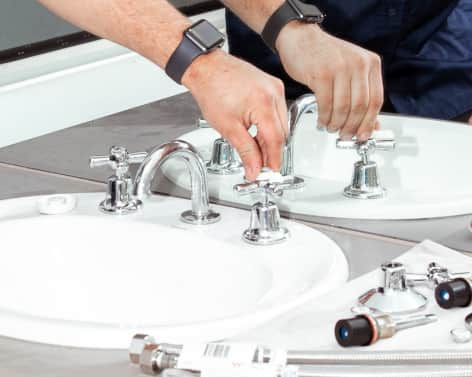
For smaller fixture problems, ask whether leaking tap repairs can be completed during the same visit as other maintenance. Grouping compatible jobs may reduce repeat appointments, depending on access and the parts required.
A drain that repeatedly slows down needs more than repeated short-term clearing. Hair, grease, soap residue and food scraps can collect in household waste pipes. Outdoor drainage and sewer lines may have different causes, including root intrusion, damaged pipe sections or accumulated debris.
The important question is not simply whether water can flow again. It is why the blockage developed and whether the same issue is likely to return.
A single slow bathroom basin may indicate a local blockage. Several fixtures draining poorly at the same time can point to a problem farther along the drainage system. Gurgling sounds, unpleasant odours or wastewater returning through a floor drain are additional reasons to seek prompt assessment.
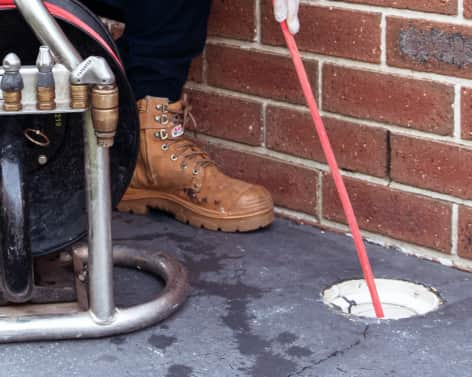
A practical example is a household that clears a kitchen sink but experiences another blockage a few days later. The repeated symptom may mean residue remains in the pipe or the original cause has not been addressed. A professional can assess whether mechanical clearing, a camera inspection or another approach is appropriate.
Avoid pouring multiple chemical cleaners into a blocked pipe, particularly if standing water is present. Mixing products can create hazardous reactions, and aggressive chemicals may complicate later work. Do not continue flushing toilets or running taps if wastewater is backing up.
For a persistent issue, ask the tradesperson to explain what they found and why the recommended solution fits the evidence. If a camera inspection is proposed, ask whether the footage or findings can be explained to you. If a replacement is recommended, request a clear explanation of why cleaning or a smaller repair would not be suitable.
Drainage responsibility can also depend on the location of the fault. Yarra Valley Water’s repair-responsibility guidance explains the distinction between water authority assets and private plumbing. If the problem may involve the authority’s sewer or water infrastructure, contact the authority before assuming you must arrange and pay for all repairs.
Not every plumbing problem is an emergency, but certain situations can damage property quickly or create health and safety concerns. A major leak, a burst supply pipe, sewage overflowing indoors or a complete loss of essential water service may require urgent attention. The response should be proportionate to the danger rather than based only on how inconvenient the fault feels.
If a pipe bursts inside the property, turn off the water supply at the appropriate isolation point if it is safe to reach. Move belongings away from the affected area and avoid contact with water near electrical outlets, appliances or wiring. If water is entering an unsafe electrical area, keep clear and seek appropriate emergency assistance.
For a suspected gas leak, do not treat it as an ordinary plumbing repair. Energy Safe Victoria advises people who smell gas to avoid flames and electrical switches, ventilate the area if safe, keep people away and contact the relevant gas distributor using the emergency number on the gas bill.
A useful example is a laundry hose that splits while the household is away from the room. Stopping the water supply can limit additional damage, but soaked flooring and nearby cabinetry may still need assessment after the immediate leak is controlled.
Describe where the fault is, whether water is still flowing, which fixtures are affected and whether you can safely isolate the supply. Ask about availability, likely call-out charges and how urgent work will be priced. A provider advertising a 24 hour plumber Bundoora service should still explain what response it can offer and whether additional after-hours charges apply. Do not attempt complex pipe repairs, gas work or electrical work yourself. A qualified professional can assess the risk, identify the cause and explain the next steps.
The nearest search result is not automatically the right choice. When searching for a plumber near me, check whether the person can carry out the particular type of work required, communicates clearly and provides a written scope. A low initial price may not reflect the final cost if important parts of the job have been excluded.
Ask for the practitioner’s registration or licence details and verify them through the Victorian regulator’s directory. Check whether the quote covers labour, materials, access requirements, testing, clean-up and disposal. For larger or less straightforward work, ask whether additional investigation could change the price and how that would be approved.
Consumer Affairs Victoria recommends comparing quotes based on the same detailed description of the job and checking a tradesperson’s credentials and references. Its home improvement checklist offers useful guidance on obtaining quotes and putting agreed work in writing.
If you are comparing an affordable plumber Bundoora option, look beyond the headline price. A detailed quote that explains the proposed repair can be easier to evaluate than a vague estimate that leaves out likely costs.
The same principle applies when you need a licensed plumber Banyule for work in the wider area: confirm the relevant registration or licence class, rather than relying on a website’s wording alone. For homeowners looking across the plumber north east Melbourne service area, travel charges and availability may also vary, so clarify those details before confirming the appointment.
Good plumbing decisions begin with three simple habits: recognise warning signs, act promptly when damage or safety risks arise, and verify the qualifications of the person carrying out the repair. A recurring leak or blockage deserves proper diagnosis rather than repeated guesswork. Neighbourhood Plumbers encourages homeowners to ask clear questions, understand the proposed work and keep written records of repairs. If you are unsure whether a fault needs urgent attention, explain the symptoms and ask for guidance. Explore our related guide to burst pipe repair Bundoora for practical steps to take when a supply pipe fails.
Arrange a professional assessment when a leak continues, a drain repeatedly blocks, water pressure changes unexpectedly or a toilet will not stop running. A burst pipe, indoor sewage overflow or leak near electrical equipment needs more urgent attention. If it is safe, isolate the relevant water supply and keep people away from hazardous areas. Explain the symptoms clearly when you call so the tradesperson can assess the urgency. For example, tell them whether water is actively escaping, whether multiple fixtures are affected and when the problem began. The right response depends on the cause and severity, so avoid assuming every plumbing fault needs the same repair.
Recurring blockages may result from grease, hair, soap residue, foreign objects, tree roots or damaged pipework. The likely cause depends on which fixture is affected and where the blockage occurs. If one basin drains slowly, the issue may be local. If several fixtures are affected or wastewater backs up, the problem could be farther down the drainage line. Avoid repeatedly using chemical cleaners, particularly when water is standing in the pipe. If the blockage returns, ask a qualified plumber to investigate its cause. Depending on the symptoms, mechanical clearing or a camera inspection may be appropriate. The goal is to address the underlying fault, not just restore temporary flow.
Inspect visible pipes and flexible hoses periodically, check beneath sinks for dampness, and pay attention to unexplained changes in water use. Repair dripping fixtures rather than allowing them to continue for months. New stains, bubbling paint or a persistent musty smell deserve attention, especially if they appear near plumbing fixtures. These signs do not always indicate a plumbing leak; condensation and roof problems can look similar. If you suspect a hidden leak, note when the signs appear and whether they change after using a fixture. A qualified plumber can investigate and recommend suitable testing before invasive repairs are considered. Early diagnosis may help limit damage to cabinets, flooring and walls.
A burst pipe, rapidly spreading leak, indoor sewage overflow or suspected gas leak should be treated seriously. If water is close to electrical equipment, do not enter the affected area or touch wet switches. For suspected gas leaks, follow Energy Safe Victoria’s safety guidance and contact the gas distributor using the emergency number on your gas bill. For a water leak, turn off the relevant supply only if it is safe to do so. When requesting help, explain where the problem is, whether water is still flowing and which fixtures are affected. Do not attempt complex repairs yourself. A qualified professional can assess the situation and advise on the next steps.
That depends on where the fault is located and which pipe or asset is affected. Water authorities maintain certain water and sewer infrastructure, while property owners are generally responsible for internal plumbing and some private pipework. The exact boundary can vary by connection and situation. If you notice a leak near the street, a water meter or a sewer connection, contact the relevant water authority and describe what you have observed. Ask whether the fault falls within its responsibility before arranging substantial work. Do not assume that every outdoor leak belongs to the authority or that every sewer issue must be paid for privately. Check the authority’s current repair-responsibility guidance.
A useful quote should describe the proposed work, parts and materials, labour charges, call-out or after-hours fees, and any exclusions. For diagnostic work, ask whether additional investigation could change the price. If the job changes after work begins, request a clear explanation and approval of the revised scope before proceeding where practical. Comparing quotes is more meaningful when each tradesperson is pricing the same work. For example, one quote may include replacing a damaged section of pipe, while another may cover only a temporary repair. The cheapest option may not include the same materials, testing or clean-up. Review the details and ask questions before deciding.
Checking a plumber’s credentials helps you confirm that the practitioner is authorised for the type of work you need. Plumbing can affect sanitation, water quality, gas safety and the condition of your property. In Victoria, the Building and Plumbing Commission provides information to help consumers check plumbing practitioners and understand relevant requirements. Ask for the practitioner’s registration or licence details and verify them through the official directory. For regulated work, ask whether a plumbing compliance certificate is required and ensure you receive the relevant documentation. A professional-looking website or positive review is not a substitute for checking credentials. Confirming qualifications before work starts helps you make a more informed decision.
Start by identifying the problem and checking whether the plumber handles that type of repair. Review their registration or licence, service information and recent customer feedback, while remembering that reviews alone cannot guarantee workmanship. Ask about availability, call-out fees, estimated costs and whether the quote includes materials and testing. A reliable professional should explain the proposed work in understandable terms and tell you if further investigation may be needed. For example, a recurring drain blockage may require diagnosis before anyone can give a firm repair price. Compare written quotes on the same scope of work rather than choosing only by the lowest figure. Clear communication and verified qualifications are useful starting points.
In the 30+ years we have been operating we have built the business through trust and consistently delivering quality Bundoora Plumbing solutions.
With our wealth of knowledge and experience with Bundoora Plumbing concerns, we are a safe bet that we can provide you with a solution to any situation.
As professionals we also need to think about the future and how to prevent any Plumbing problems occurring again or if it is a replacement ensuring that it lasts! As a starting point, we will conduct a Free onsite assessment
and from the first visit we will be able to advise on next steps and take you through the process step by step.
Our staff are trained on using the right tools for every situation! You name it, WE HAVE SEEN IT ALL in terms of what causes the need for a Plumber in Bundoora!
Our Plumbers are no strangers to working on the family home and are prepared for anything! Bundoora Plumbing problems can get complex very quickly if not fixed promptly, so call us now for a Free Consultation!
As we have said before Plumbing has evolved. The list below highlights some of the technology that we use for Bundoora Plumbing jobs.
The scale of Plumbing problems can make for tricky situations where if they are not addressed early on, could cause major disruptions for commercial properties.
No matter the severity of your Bundoora Plumbing job, Neighborhood Plumbing will provide you with ‘stress free’ plumbing outcomes so that you can maintain on running the day to day operation.
Our extensive experience in the Bundoora Plumbing game and wealth of knowledge from the team ensures that we can fix any Bundoora Plumbing issue ranging from clogged drains, sewers, burst pipes and line breaks.
Let Neighborhood Plumbing do all the hard work for you. We are consistent when it comes to getting the job done right the first time. This has kept us at the forefront of the Plumbing industry. With 30+ years industry experience, there’s nothing we cannot manage.
Our extensive experience in the Bundoora Plumbing game and wealth of knowledge from the team ensures that we can fix any Bundoora Plumbing issue ranging from clogged drains, sewers, burst pipes and line breaks.
We are consistent when it comes to getting the job done right the first time. This has kept us at the forefront of the Plumbing industry. With 30+ years industry experience, there’s nothing we cannot manage.
Simply enter your details below and we’ll get back to you as soon as possible!