Tag Archives: Blocked Drains in Alphington

Expert Drain Maintenance Tips for Preventing Blocked Drains in Alphington

Drain maintenance is an essential thing for homeowners. It could be noticeable that a sink is draining slower than usual, or water is flowing back up the plug hole, or there may even be a strange smell coming from the drain. These small signs should not be ignored, as they could prevent a larger plumbing issue from occurring. 

We all know that blocked drains in Alphingtonare rarely a sudden occurrence, as most people will often discover there is an issue with the flow of water in their home.

Good drain maintenance in Alphington helps prevent recurring blockages, and rather than an extensive clean once a week, there are a few key things a homeowner could do to prevent the build-up of unwanted blockages.

Now we will explore some of the best ways to look after your drains, what a homeowner should be looking out for and when to seek professional help, as well as how regular drain cleaning in Alphington can help.

Why Drain Maintenance Matters

Drains are a part of everyone’s home system, but they can seem to be neglected until there is a major problem. Whether it be the kitchen sink, a bath or toilet, or even an outdoor drain, they all collect unwanted materials that can build up inside the pipes over time. Prevention is the best way to ensure that drains keep working efficiently, and preventative drain maintenance will ensure that any build-up is cleared before it can cause any problems. So, prevent blocked drains in Alphington and keep your system problem-free. 

Watch for Slow-Draining Water

Slow drainage is one of the easiest warning signs to spot. A sink should normally drain without water sitting for a long period. If water starts taking noticeably longer to disappear, pay attention. One slow drain may have a local blockage. Several slow drains can be more concerning. Healthy drainage systems are always needed. 

Do Not Pour Grease Down the Sink

Kitchen grease is a common drainage problem. Hot grease may look harmless when it goes down the sink. But it can cool as it moves through the pipe. The grease can then stick to the pipe wall.

Other materials can attach to this layer. Over time, the opening can become smaller. It is one of the easiest steps in a homeowner plumbing checklist. 

Use Sink Strainers

A sink strainer is a small item, but it has a useful job. It can catch food particles before they enter the kitchen drain. It can also catch larger pieces of debris that would otherwise move into the pipe. 

Empty the strainer regularly. Do not allow collected food waste to sit there for days. The same principle applies to bathroom drains. A suitable hair catcher can reduce the amount of hair entering the pipe.

These items do not replace proper drain cleaning, but they can reduce the amount of material entering your drainage system.

Keep Hair Out of Bathroom Drains

Hair is a common bathroom drain problem. A few strands are unlikely to cause an immediate blockage. The problem can develop when hair mixes with soap residue and other material.

The resulting mass can become difficult for water to pass through. Check shower and basin drains regularly. Remove visible hair before it enters the pipe. This takes only a few minutes. It is much easier than dealing with a completely blocked shower drain later.

Be Careful About What You Flush

The toilet is designed for human waste and toilet paper. Other items should not normally be flushed. This includes many household products, wipes, paper products, and personal care items.

Even products labelled as flushable can behave differently in different drainage systems. If an item does not break down easily, it can contribute to a blockage. When in doubt, place it in the appropriate waste bin instead.

Check Outdoor Drains

While people may not neglect their drains indoors, they frequently overlook outdoor drains. These outdoor drains may accumulate leaves, grass, soil, and even small tree limbs.

As a result of heavy rains, these materials can be washed into the drain opening. Include outdoor drains in your regular inspection. Checking them every few weeks may do wonders. Inspection after rains is also recommended. Do not reach into an unknown or damaged drain.

Look After Your Downpipes

Downpipes play an important role in moving rainwater away from the property. Leaves and other debris can enter guttering. This material may then move towards drainage points.

Blocked or restricted downpipes can contribute to water overflow. Check gutters and downpipes as part of seasonal property maintenance. The exact frequency depends on the property. Homes surrounded by trees may need more frequent checks than properties with little vegetation nearby.

Do Not Ignore Bad Drain Smells

A bad smell coming from a drain is worth investigating. The smell may have a simple cause. It could also indicate organic material or other build-up inside the drainage system.

Do not try to cover the smell with air fresheners. Find the source instead. A persistent odour combined with slow drainage deserves more attention.

Avoid Excessive Chemical Drain Cleaners

Chemical drain cleaners are widely available. They may seem like an easy solution. However, they are not suitable for every drainage problem.

A chemical product may not remove a serious obstruction. It also does not repair damaged pipes or resolve problems such as tree root intrusion.

If a blockage keeps returning, repeatedly using chemicals may simply delay proper investigation. For persistent problems, professional drain maintenance is usually a more useful approach than repeatedly treating the symptoms.

Understand When Drain Cleaning Is Needed

Preventive drain cleaning services in Alphington may be necessary where there is evidence of accumulation or past issues with blockages. The appropriate technique varies depending on the nature of the plumbing system and what causes its problems.

Mechanical devices can be employed to deal with a localised blockage by a plumber. High-pressure water jetting could be an option where there are heavy deposits in the pipes and the pipe is suitable for it. There is no one-size-fits-all solution to drain cleaning.

Consider a CCTV Drain Inspection for Pipe Cleaning

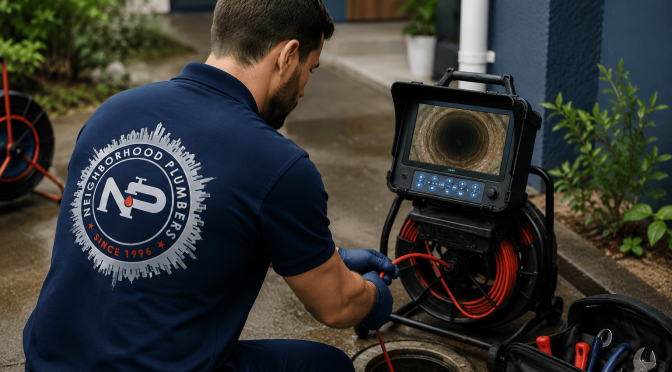
Sometimes the cause cannot be seen from the outside. A CCTV drain inspection can provide a view inside an accessible drainage pipe.

A small camera can help identify visible issues such as:

  • Cracks
  • Root intrusion
  • Heavy deposits
  • Misaligned pipe sections
  • Foreign objects
  • Structural damage

This can be particularly helpful when drain cleaning in Alphington is necessary. 

Be Careful Around Tree Roots for Sewer Care

Trees add value to many properties. But roots can create drainage problems. Roots naturally seek water. If a drainage pipe has a damaged joint or crack, roots may enter through the opening.

Once inside, they can collect other material. The blockage can then become larger. If you notice repeated outdoor drainage problems near large trees, tell the plumber.

Do not assume that ordinary cleaning will permanently solve the issue. If there is structural damage, the pipe may need repair. So, blocked drains in Alphington are often caused by tree roots. Neighborhood Plumbers can help you solve your emergency plumbing issues quickly. 

Create a Simple Plumbing Checklist

You do not need a complicated maintenance plan. A simple checklist can be enough.

Every Week

  • Check sinks and showers for slow drainage.
  • Remove visible hair and debris.
  • Avoid putting grease down the kitchen sink.

Every Month

  • Check accessible drain covers.
  • Look for unusual smells.
  • Check outdoor drainage points.
  • Look for signs of standing water.

Every Few Months

  • Inspect gutters and downpipes where appropriate.
  • Review any recurring drainage problems.
  • Arrange professional advice if warning signs continue.
  • The exact schedule depends on your property.
  • A home surrounded by mature trees may require more frequent checks.

Choose Professional Plumbing Maintenance

Professional drain maintenance in Alphington is useful when homeowners need more than basic household prevention. A qualified plumber can assess the drainage system and recommend suitable maintenance. 

This is especially important for properties with:

  • Older drainage pipes
  • Repeated blockages
  • Large trees nearby
  • Slow-draining fixtures
  • Persistent drain smells
  • Previous pipe repairs

Professional maintenance should be based on the actual condition of the drainage system. It should not simply involve unnecessary cleaning.

Final Thoughts on Drain Cleaning in Alphington

We all know that blocked drains in Alphington are really common. But regular maintenance can keep your system running well. Good drainage maintenance starts with simple habits. Keep grease out of sinks. Use strainers. Remove hair. Watch outdoor drains. Pay attention to slow water and unusual smells. These small steps can reduce the amount of material entering your pipes. But prevention has limits. That is where professional drain maintenance in Alphington can help.

Regular drain cleaning in Alphington should be based on the condition and history of the drainage system. The goal is not simply to clear a blockage. It is to understand why the blockage happened and reduce the chance of it returning. Neighborhood Plumbers can be called if there is a plumbing necessity. 

FAQs

1. How often should I check my drains?

Checking your home drain monthly is an ideal way to start. The signs of a problem could include slow draining, bad odour, gurgling sounds, or water standing at your drain point. In some cases where your home has an old plumbing system or trees, you will need more frequent checks.

2. What is the best way to prevent kitchen drain blockages?

The basic way is to avoid putting grease, oil, and food remains into your sink. Use an appropriate strainer in your kitchen drain and empty it regularly to minimise the material going into your pipes.

3. When should I call a professional for drain maintenance?

You can seek a professional service when your drain keeps clogging, drains too slow, produces bad smells, or makes strange sounds. Professional assistance can be sought when a drain is prone to 2 or 3 blockages.

4. Can tree roots cause blocked drains?

Yes. Tree roots can easily get into the joint or cracked drainage pipes and block the passage of water. Persistent clogging near trees needs an expert to determine the right course of action. 

5. Is drain cleaning the same as drain maintenance?

Not exactly. Drain cleaning focuses on removing material from the pipe. Drain maintenance is broader. It can include checking warning signs, inspecting the system, cleaning when needed, and addressing issues that may cause future blockages.

Drain Snaking vs High-Pressure Water Jetting for Blocked Drains in Alphington: Which Method Lasts Longer?

An obstruction in a drain starts with a minor warning sign. It could be slow drainage. It could be a gurgling noise. It could be a nasty odour. After some time, the water will not drain anymore.

From here, it becomes clear that there is no need for you to seek any immediate help. Two very common ways that can be used for clearing clogged drains are drain snaking and hydro jetting.

Drain snaking will be helpful in case you have a simple blockage. On the other hand, when there is an accumulation of grease and sludge inside your pipes, hydro jetting should be considered. When it comes to blocked drains in Alphington, knowing the difference is crucial.

Drain snaking breaks or removes any obstruction, while water jetting cleanses the inside of the pipe using high-pressure water. A high pressure drain cleaning in Alphington might be very useful. Getting a blocked drain plumber in Alphington can help you with blocked drains and other plumbing issues. 

What Causes Blocked Drains?

Drains in the outside area can be clogged by dirt and garden waste. Older sewers can have a much more serious problem. Roots from trees can enter broken joints or holes. Broken or crushed pipes can also cause water not to flow well.

Common causes include:

  • Hair and soap build-up
  • Food waste
  • Grease and oil
  • Dirt and sediment
  • Foreign objects
  • Tree roots
  • Pipe scale
  • Damaged pipe sections
  • Heavy sludge

The cause matters.

Removing the blockage is only one part of the job. If a large amount of material remains inside the pipe, the problem may return.

What Is Drain Snaking?

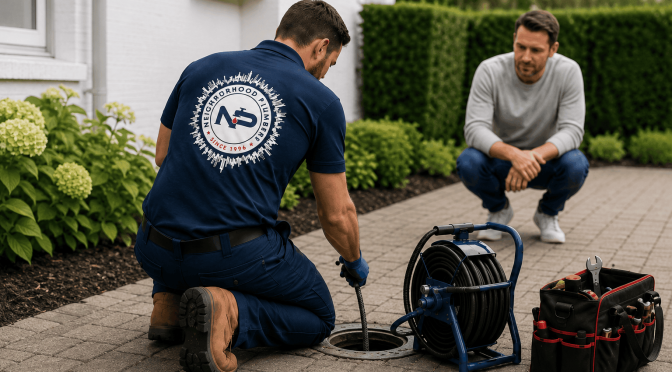
A drain snaking is one of the conventional ways of clearing drains. The plumber pushes a flexible cable inside the clogged drain pipe. There is a device at the end of the cable, which will cut the blockage or retrieve it.

The plumber pushes the cable through the drain pipe until he gets to the obstruction.

He then tries to push the cable through the obstruction. Based on the nature of the obstruction, it can either be broken up or retrieved through the process.

Drain snaking can be effective in clearing several common obstructions. For instance, if there is an obstruction from hair and soap scum in the bathroom drain pipe, then there is a possible solution using a proper drain snake.

This technique is quite simple. But there is one critical drawback. The drain snake might just create a way through the obstruction without cleaning the whole pipe. 

How Does Drain Snaking Work?

The process is usually simple. First, the plumber identifies a suitable access point. The drain cable is then inserted into the pipe.

Once resistance is felt, the cable is worked through the blockage. The tool at the end can cut, loosen, or grab material. After the blockage is opened, the plumber checks whether water is flowing again. A basic blockage may be cleared relatively quickly. But speed should not be the only consideration.

Imagine a pipe that has a thick layer of grease around its inner wall. A snake may open a small path through the grease. Water can then flow again. But some grease remains attached to the pipe. Over time, more material can stick to the same area. That is one reason a drain may block again.

What Is High-Pressure Water Jetting?

High-pressure water jetting is another method for hydro jetting. Instead of using a mechanical cable, the plumber sends a specialised hose into the drain.

A jetting nozzle releases water at high pressure. The water helps break up and wash away material inside the pipe. The nozzle can be selected according to the type of work required. Different nozzle designs can perform different jobs.

For example, one nozzle may be suitable for general cleaning. Another may be designed to help deal with roots or heavier deposits.

How Does Hydro Jetting Clean a Pipe?

The water jets are directed along the inside of the pipe. The force of the water helps remove material attached to the pipe walls.

This can include:

  • Grease
  • Sludge
  • Sediment
  • Soap residue
  • Dirt
  • Organic material
  • Some root-related debris

Drain Snaking vs High-Pressure Water Jetting

Both methods have a place in drain cleaning. The main difference is how they deal with the blockage.

FeatureDrain SnakingHigh-Pressure Water Jetting
Main actionBreaks or removes blockageCleans and flushes pipe
UsesMechanical cableHigh-pressure water
Good for simple blockagesYesYes
Removes pipe-wall build-upLimitedOften more effective
Grease removalCan be limitedOften suitable
General pipe cleaningLimitedStrong option
Root-related debrisMay help cut rootsMay help remove debris
Pipe condition checkImportantVery important
Long-term resultDepends on causeDepends on cause and pipe condition

Which Method Lasts Longer?

This is the question most homeowners want answered. There is no fixed number of weeks or months that applies to every drain. A drain may stay clear for a long time after either method. Another drain may block again quickly. Why? Because the cleaning method is only one part of the equation. Consider two examples.

Example 1: Simple Hair Blockage

A bathroom drain is blocked by a large amount of hair. A drain snake removes the material. The pipe itself is clean and in good condition. In this case, snaking may provide a long-lasting result.

Example 2: Heavy Grease Build-Up

A kitchen drain has thick grease and food residue attached to the inside of the pipe. A snake opens a narrow path. Water flows again.

But a significant amount of grease remains. In this situation, the blockage may return sooner. A suitable hydro jetting process may provide a more thorough clean. So, which method lasts longer? For a simple obstruction, either method may work well.

For heavy internal build-up, high-pressure water jetting may provide a more thorough clean and may reduce the chance of the same type of build-up returning.

However, no responsible plumber should guarantee a specific lifespan without knowing the condition and cause of the blockage. For long-term blockage prevention, plumbers can be helpful. 

When Is Drain Snaking a Good Choice?

Drain snaking can be a practical option when the blockage is localised.

It may be suitable for:

  • Hair blockages
  • Small foreign objects
  • Simple bathroom blockages
  • Localised kitchen blockages
  • Some soft organic blockages
  • Situations where access is limited

When Is High-Pressure Hydro Jetting Better?

High pressure drain cleaning in Alphington can be useful when the problem involves material spread across the inside of the pipe.

It may be considered for:

  • Heavy grease
  • Sludge
  • Scale
  • Sediment
  • Repeated blockages
  • Extensive pipe build-up
  • Some root-related debris
  • General pipe cleaning

For example, suppose a drain has blocked 3 times in 6 months. Simply clearing the opening each time may not address the reason for the repeated problem.

A plumber may recommend a more thorough cleaning method. Hydro jetting can clean a larger section of the pipe rather than simply opening one blocked point.

What About Tree Roots in Sewer Pipes?

Tree roots can cause difficult drainage problems. Roots can enter through small cracks, joints, or damaged sections of pipe.

Once inside, they can catch other material. The blockage can then become larger. Sewer pipes affected by roots need careful assessment.

A drain snake with a suitable cutting head may help remove root material. Hydro jetting may also be used in some situations to remove root debris and clean the pipe. But neither method repairs a damaged pipe.

If roots are entering through a structural defect, the underlying pipe problem needs attention. Otherwise, the blockage may return. This is a good example of why repeated drain cleaning should not simply be treated as a series of unrelated blockages.

Can a CCTV Drain Inspection Help?

A small inspection camera can show conditions that cannot be seen from outside.

It may help identify:

  • Cracks
  • Root intrusion
  • Pipe displacement
  • Heavy deposits
  • Structural damage
  • Foreign objects
  • Other visible pipe problems

How to Prevent Future Blocked Drains

The best blockage is the one you avoid. Simple habits can reduce the amount of material entering your drains. Professional drain clearing can prevent many hazards. 

In the Kitchen

Do not pour cooking oil or grease down the sink. Let grease cool and dispose of it correctly. Use a suitable sink strainer to catch food particles.

In the Bathroom

Use a hair catcher where appropriate. Avoid flushing unsuitable materials. Do not treat the toilet as a general waste bin.

Around the Property

Keep leaves and garden debris away from drainage openings. Watch for slow drainage. Deal with small warning signs early. A slow drain can be easier to investigate than a completely blocked drain.

Final Thoughts: Choose between Drain Cleaning Methods

A blocked drain should not be ignored, especially when the same problem keeps coming back. Blocked drains in Alphington can have different causes, from hair and grease to heavy build-up or tree roots. The right cleaning method depends on the blockage and the condition of the pipe.

High pressure drain cleaning in Alphington can be a useful option when pipes need a more thorough clean. It can help remove grease, sludge, and other material from the pipe walls. For smaller or localised blockages, drain snaking may be suitable.

If the problem continues, speak with a qualified blocked drain plumber in Alphington. Professional diagnosis may assist in identifying the problem and helping to avoid future clogs. Early action will decrease the probability of water flowing back into your home. Call Neighbourhood Plumbers if you find any plumbing emergency. 

FAQs

1. Is drain snaking better than hydro jetting?

Neither method is always better. Drain snaking can work well for simple blockages. Hydro jetting may be more suitable for heavy grease, sludge, and internal pipe build-up. The plumber should assess the blockage and pipe condition first.

2. How long does drain snaking last?

There is no fixed timeframe. A simple blockage may stay clear for a long period if the pipe is otherwise healthy. If the underlying cause remains, however, the drain could block again within weeks or months.

3. Does hydro jetting prevent future blockages?

Hydro jetting can remove material attached to the inside of a pipe, which may help reduce recurring build-up. It cannot guarantee that a drain will never block again. Pipe damage, roots, poor drainage, and household use can still cause problems.

4. Can hydro jetting remove tree roots?

Hydro jetting can help remove some root material and debris from suitable pipes. However, it does not repair a damaged pipe where roots are entering. Repeated root intrusion may require further investigation and a permanent repair.

5. When should I call a blocked drain plumber?

Call a blocked drain plumber in Alphington when water drains very slowly, backs up, produces unusual smells, or stops flowing. Repeated blockages also deserve professional attention because they may indicate an underlying pipe problem.

How We Solved a Recurring Tree Root Drain Blockage for an Alphington Homeowner?

A blocked drain is frustrating enough when it happens once. When the same drain keeps backing up after being cleared, however, the problem is usually deeper than a simple build-up of hair, grease, soap, or debris.

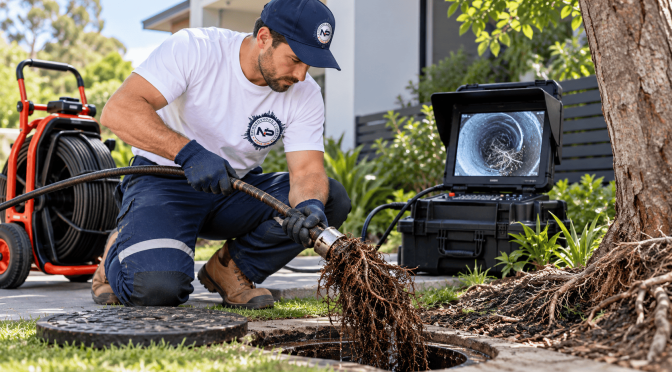
That was the situation faced by an Alphington homeowner who had experienced repeated drainage problems despite having the line cleared several times. The immediate blockage would disappear, but within weeks or months, slow drainage and wastewater backup would return. The investigation eventually revealed a Tree Root Drain Blockage caused by roots entering the underground drainage line.

This type of problem requires more than repeatedly clearing the symptoms. The underlying cause needs to be identified, assessed, and addressed appropriately.

For homeowners dealing with Blocked Drains in Alphington, this case provides a useful example of how drainage specialists can approach a recurring blockage, why tree root intrusion is particularly troublesome, and when techniques such as CCTV inspection and mechanical root removal can make a significant difference.

Why Was This Drain Blocking Again?

Recurring drainage problems can be difficult to diagnose because the symptoms often look similar regardless of the underlying cause.

A homeowner may notice:

  • Water draining slowly from sinks or showers
  • Toilets taking longer to empty
  • Gurgling sounds from drains
  • Unpleasant sewage smells
  • Water pooling around an outdoor drain
  • Wastewater returning through floor drains
  • A blockage that disappears temporarily after cleaning
  • Multiple blockages affecting the same section of plumbing

In this Alphington case, the repeated nature of the problem was the most important clue.

If a drain has been cleared correctly but becomes blocked again relatively quickly, it is worth asking a more important question: What is causing the blockage to return?

Possible causes include damaged pipes, collapsed sections, incorrect pipe gradients, accumulated grease, foreign objects, sediment, or tree root intrusion.

Where mature trees are growing near underground drainage infrastructure, roots deserve particular attention.

Tree Roots: Why Can They Enter Drain Pipes?

Tree roots naturally seek moisture and nutrients. Underground drainage pipes can provide an attractive environment because they carry water and may have small amounts of moisture surrounding joints or imperfections.

Healthy, intact modern pipes generally provide a strong barrier. Problems can develop when a pipe has:

  • Cracked or fractured sections
  • Loose or deteriorated joints
  • Small gaps between pipe connections
  • Structural movement
  • Age-related deterioration
  • Poorly sealed joints
  • Existing damage caused by ground movement

A root does not necessarily need a large opening to begin entering a drainage pipe. A small weakness can provide an initial pathway. Once inside, the root system can continue growing.

The result can be a progressively narrowing pipe.

At first, wastewater may continue flowing normally. As roots become denser, however, toilet paper, grease, sediment, and other material can become trapped around them. The root growth effectively creates a net that catches additional debris.

This is one reason a Tree Root Drain Blockage can return soon after a conventional drain clearing.

What Made This Alphington Drainage Problem Different?

The homeowner had already experienced temporary relief from previous blockage-clearing work.

That information changed the investigation.

Rather than assuming another blockage was simply more of the same material, an experienced drainage professional would consider the history of the line. A recurring blockage in the same location suggests that the obstruction may have an underlying structural or environmental cause.

The surrounding property also matters.

Alphington has established residential areas where mature landscaping and older underground infrastructure can coexist. Trees can provide significant environmental and aesthetic value, but their root systems can extend well beyond the visible canopy.

This means a tree does not have to be immediately beside an inspection point for its roots to potentially affect underground drainage.

The objective was therefore not simply to restore flow for another few weeks. The objective was to determine why the blockage kept returning.

Blocked Drains: Finding the Actual Cause

A professional drainage investigation should begin with the symptoms but should not stop there.

One useful approach is to establish a basic history:

  1. Where does the blockage occur?
  2. How frequently does it return?
  3. Has the same drain been cleared previously?
  4. Which fixtures are affected?
  5. Does the problem worsen after heavy rain?
  6. Are there mature trees near the drainage route?
  7. Has the property experienced ground movement or landscaping changes?
  8. Are there unusual smells, sounds or wastewater overflow?

These questions help narrow the possible causes.

For example, a single slow bathroom basin may have a localised obstruction. Several fixtures becoming affected at the same time may indicate a problem further downstream in the main drainage line.

A recurring blockage after previous clearing is another important warning sign.

The goal is to move from treating a symptom to diagnosing the system.

CCTV Inspection: Seeing Inside the Drain

One of the most useful diagnostic tools for recurring drainage problems is a CCTV Inspection.

Instead of relying entirely on what can be seen from an access point, a drain camera can travel through the pipe and provide visual information about the internal condition of the line.

Depending on the circumstances, a CCTV survey may reveal:

  • Root growth
  • Cracked pipes
  • Broken joints
  • Displaced pipe sections
  • Heavy sediment
  • Grease accumulation
  • Foreign objects
  • Corrosion
  • Deformation
  • Partial collapses
  • Areas where wastewater flow is restricted

For a suspected Tree Root Drain Blockage, this visual evidence is particularly valuable.

It can help establish whether roots are merely present or whether they are actually restricting the pipe. It can also help identify the approximate location and severity of the intrusion.

This distinction matters because seeing roots does not automatically mean the entire drainage system needs replacement.

How Did We Confirm the Tree Root Intrusion?

In the Alphington homeowner’s situation, the recurring nature of the blockage prompted a closer inspection rather than another routine clearing attempt.

The drainage line was assessed to determine where the obstruction was located and what was causing it.

The investigation identified root growth within the affected section of pipe.

This explained why previous clearing had only provided temporary results.

Removing the material blocking the pipe restored the immediate flow, but the underlying root intrusion remained. As the roots continued to grow and collect debris, the same section became restricted again.

This is a common pattern with recurring root-related drainage problems.

The important lesson is simple: if the same blockage keeps returning, investigate the reason before repeatedly treating the symptom.

Tree Root Removal Alphington: What Happens During Root Removal?

When roots have entered a drain, the appropriate removal technique depends on the pipe’s condition, root density, and accessibility.

Mechanical drain-cleaning equipment can be used in suitable circumstances to cut through and remove root growth from the inside of the pipe.

The process generally involves:

1. Locating the affected section

The blockage and root intrusion need to be located as accurately as practical.

2. Assessing pipe condition

Root cutting inside a severely damaged or collapsed pipe may not be an appropriate long-term solution.

3. Removing the obstruction

Suitable equipment can break through accumulated root growth and restore the internal diameter of the pipe.

4. Flushing and cleaning

The line may then be thoroughly cleaned to remove remaining debris and loosened material.

5. Re-inspecting the pipe

A follow-up inspection can help establish whether the obstruction has been adequately removed and whether additional structural defects are present.

For homeowners searching for Tree Root Removal Alphington, this diagnostic-first approach is important. Root removal should not be viewed as a one-size-fits-all treatment.

The condition of the pipe determines what should happen next.

Why Simply Cutting the Roots May Not Be Enough?

Root cutting can restore drainage capacity, but it does not necessarily eliminate the reason roots entered the pipe.

Think of it as removing growth from a damaged section rather than automatically repairing the damaged section itself.

If a pipe has a significant crack or failed joint, roots may eventually return.

The appropriate long-term response depends on factors such as:

  • The size and location of the pipe
  • The extent of structural damage
  • Root density
  • Accessibility
  • The age of the drainage system
  • The location of surrounding vegetation
  • The cost and practicality of different repair options

In some situations, regular professional cleaning may be reasonable. In others, a damaged section may require repair or replacement.

That is why a proper diagnosis is more valuable than automatically recommending the most extensive intervention.

Tree Roots: What Should Homeowners Look For?

Homeowners cannot see underground root intrusion directly, but there are warning signs that should not be ignored.

Slow Drainage That Keeps Returning

If a drain repeatedly becomes slow after being cleared, investigate further.

Gurgling Sounds

Gurgling can indicate restricted airflow or drainage within a partially obstructed pipe.

Repeated Toilet Problems

If multiple toilets or fixtures experience drainage issues, the problem may be located further along the main drainage line.

Persistent Outdoor Drain Problems

Overflowing or slow-flowing external drains can indicate restrictions in underground pipework.

Unpleasant Drain Odours

Persistent sewage-related smells may indicate drainage problems, although smells alone cannot confirm root intrusion.

Problems Near Established Trees

Mature trees near drainage infrastructure do not automatically mean there is a blockage. However, they can increase the relevance of root intrusion when combined with recurring drainage symptoms.

How Did We Prevent the Problem From Becoming a Bigger Repair?

The biggest advantage of identifying a recurring Tree Root Drain Blockage early is that it allows the homeowner to understand the condition of the drainage system before a more serious failure occurs.

A severely compromised pipe can eventually experience:

  • Major flow restrictions
  • Repeated wastewater backups
  • Pipe collapse
  • Ground saturation
  • Damage to surrounding landscaping
  • More extensive excavation requirements

Early diagnosis does not guarantee that expensive repairs can always be avoided. It does, however, provide better information for deciding what should happen next.

This is where long-term drain repair becomes relevant.

A repair strategy should be based on the actual condition of the pipe rather than simply the presence of roots.

Long-Term Drain Repair: When Is It Necessary?

Not every root intrusion requires immediate pipe replacement.

If the pipe is structurally sound and the issue is primarily organic root growth, appropriate cleaning and ongoing monitoring may be sufficient for a period of time.

However, long-term drain repair should be considered where inspections identify significant structural problems.

Potential indicators include:

  • Repeated root intrusion after professional cleaning
  • Large cracks
  • Broken pipe sections
  • Separated joints
  • Significant deformation
  • Pipe collapse
  • Persistent leakage
  • Severe deterioration
  • Recurring blockages despite appropriate maintenance

Modern drainage repair methods may offer alternatives to extensive excavation in some situations, depending on the specific circumstances.

The right choice should be based on inspection findings, access, pipe material, and the severity of the defect.

Drain Cleaning Services in Alphington: What Should You Expect?

Quality drain cleaning services in Alphington should focus on restoring drainage while considering why the blockage occurred.

For a straightforward local blockage, cleaning may solve the problem.

For recurring blockages, however, a more comprehensive approach may involve:

  • Initial assessment
  • Drain location
  • Appropriate clearing equipment
  • Root removal where necessary
  • Pipe cleaning
  • CCTV inspection
  • Condition assessment
  • Recommendations based on findings

Homeowners should be cautious about assuming that the cheapest immediate clearing option is always the most economical solution.

If a $200 clearing job needs to be repeated several times because the underlying issue remains unidentified, the total cost can quickly exceed the cost of proper diagnosis.

The most useful question is often not “How quickly can the drain be cleared?” but “Why does this drain keep blocking?”

Experienced Drainage Specialists: What Makes Their Approach Different?

Experience matters most when a drainage problem does not follow the usual pattern.

An experienced drainage professional understands that different symptoms can have very different causes.

For example, a blocked kitchen sink may be caused by grease and food residue, while a recurring external blockage could involve roots, structural defects, or a damaged underground connection.

Experienced drainage specialists typically consider:

  • The property’s drainage history
  • Pipe configuration
  • Access points
  • Surrounding landscaping
  • Pipe age and material
  • Previous repair work
  • Blockage frequency
  • Results from inspections

They also know when not to make assumptions.

A camera inspection showing roots in a pipe is useful evidence. A camera inspection showing roots alongside a damaged joint provides more information and may change the recommended solution.

This evidence-based approach helps homeowners make better maintenance and repair decisions.

Common Mistakes Homeowners Make With Recurring Drain Blockages

Mistake 1: Assuming Every Blockage Is a One-Off

A blockage that happens once may be isolated.

A blockage that happens repeatedly deserves further investigation.

Mistake 2: Ignoring Slow Drainage

Many serious blockages begin as a gradual reduction in flow.

Waiting until wastewater overflows can make the situation more disruptive.

Mistake 3: Using Excessive Chemical Drain Cleaners

Chemical products may provide temporary relief for certain types of organic build-up, but they are not a substitute for diagnosing structural or root-related drainage problems.

They may also create risks for plumbing materials, occupants, and anyone subsequently working on the system.

Mistake 4: Cutting Nearby Trees Without Evidence

A nearby tree does not automatically mean its roots are responsible for a blockage.

Tree removal can be a major decision and should not be based solely on suspicion.

First, establish whether roots are actually affecting the drainage line and assess the condition of the pipe.

Mistake 5: Repeating the Same Drain-Clearing Method

If the same method has repeatedly produced only temporary results, doing the same thing again may not address the cause.

Recurring problems call for a different level of investigation.

Practical Tips for Preventing Future Drain Problems

No maintenance strategy can guarantee that underground drainage will never develop problems, but homeowners can reduce avoidable risks.

Keep Trees and Drainage Infrastructure Under Observation

If a property contains mature vegetation and an older drainage system, recurring drainage problems should be investigated promptly.

Do Not Flush Problem Materials

Avoid putting wipes, sanitary products, oils, grease and unsuitable materials into household drainage systems.

Respond to Early Warning Signs

Slow drainage, gurgling and repeated minor blockages are worth investigating before they become major backups.

Keep Records of Previous Drain Work

Knowing where a drain was previously blocked and what was found can help future professionals diagnose recurring issues more efficiently.

Consider Periodic Inspection for Persistent Problems

If a drainage line has a known history of root intrusion or structural defects, periodic professional assessment may be more practical than waiting for another emergency.

Expert Advice: What Would We Do Differently Next Time?

The biggest practical lesson from this Alphington case is that recurrence is evidence.

It does not tell you exactly what the problem is, but it tells you that the initial explanation may be incomplete.

If a drain has been cleared several times and continues to block, I would recommend stepping back and asking:

What changed?

Where exactly is the blockage occurring?

Is the same section repeatedly affected?

Could roots be entering through a damaged joint?

Is there evidence of a structural pipe problem?

Would a CCTV Inspection provide information that conventional clearing cannot?

These questions shift the focus from emergency response to diagnosis.

For homeowners, that can save considerable frustration.

The objective is not necessarily to perform the biggest repair. It is to identify the smallest appropriate intervention that properly addresses the underlying problem.

What Can Homeowners Learn From This Alphington Case?

The homeowner’s recurring blockage was not simply a matter of poor household drain habits.

The repeated symptoms were connected to a deeper issue: root growth within the drainage line.

Once the cause was identified, the drainage problem could be approached more strategically.

This case demonstrates several important principles:

  • Repeated blockages should not automatically be treated as isolated incidents.
  • Mature trees can be relevant when investigating recurring underground drainage problems.
  • Root intrusion is often associated with weaknesses in a pipe rather than roots simply penetrating an otherwise perfect pipe.
  • CCTV inspection can provide valuable evidence about underground pipe conditions.
  • Root removal may restore flow but does not always address underlying pipe defects.
  • Long-term repairs should be based on the condition of the drainage infrastructure.
  • Professional diagnosis can help homeowners avoid repeatedly paying for temporary solutions.

For anyone experiencing Blocked Drains in Alphington, the key is to look beyond the immediate symptom.

Final Takeaway: Solving a Tree Root Drain Blockage Properly

A recurring Tree Root Drain Blockage can be one of the more persistent drainage issues a homeowner encounters. The roots may be removed, and the water may begin flowing again, but if the underlying pipe condition is not understood, the problem can return.

The Alphington homeowner’s experience shows why recurring drainage problems deserve a diagnostic approach.

Rather than repeatedly clearing the same blockage without investigating its cause, homeowners can benefit from establishing where the problem occurs, inspecting the affected section, and determining whether root intrusion, structural damage, or another issue is responsible.

A CCTV Inspection can be particularly useful when the problem is underground and difficult to assess from the surface.

The most important question is therefore not simply “How do I unblock my drain?”

It is “Why does my drain keep blocking?”

Answering that question is often the first step toward a more reliable and cost-effective drainage solution.

Frequently Asked Questions

What causes a Tree Root Drain Blockage?

A Tree Root Drain Blockage generally develops when roots enter a drainage pipe through a crack, damaged joint, gap or other weakness. Once inside, roots can grow and trap toilet paper, sediment, grease, and other debris. This progressively reduces the available space for wastewater to flow. The blockage can therefore become recurring rather than remaining a one-time obstruction.

How can I tell if tree roots are blocking my drain?

You cannot reliably confirm root intrusion simply by looking at surface symptoms. Recurring blockages, slow drainage, gurgling, outdoor drain overflow, and problems occurring near established trees can provide clues, but they are not conclusive. A CCTV Inspection can provide much stronger evidence by showing whether roots are inside the pipe and identifying the affected section.

Can tree roots be removed without replacing the entire drain?

In some situations, yes. If the drainage pipe remains structurally sound, appropriate root removal and cleaning may restore effective flow without replacing the pipe. However, if roots have entered through a significant crack, failed joint, or severely damaged section, removing the roots alone may only provide temporary relief. The condition of the pipe should be assessed before deciding whether further repair is necessary.

How often should a drain with previous root intrusion be inspected?

There is no universal inspection interval because the appropriate frequency depends on the pipe condition, severity of previous root growth, surrounding vegetation, and history of recurrence. A drainage professional can recommend a practical monitoring approach after inspecting the line. If symptoms such as slow drainage or repeated blockages return, the system should be reassessed rather than waiting for a complete backup.

Should I remove a tree if its roots are blocking my drain?

Not necessarily. A nearby tree does not automatically mean it should be removed. The first step is to establish whether its roots are actually affecting the drainage system and whether the pipe has an underlying defect. Depending on the circumstances, professional root removal, pipe repair, ongoing monitoring, or another drainage solution may be appropriate. Tree removal should be considered separately and, where necessary, with advice from a qualified arborist.

Blocked Drains in Alphington Repair Costs and What Influences the Final Price

A blocked drain rarely arrives at a convenient time. One day, your kitchen sink may drain slowly. The next, wastewater could back up through a floor drain, toilet, or shower. When that happens, one of the first questions homeowners ask is simple: How much will it cost to fix?

The answer depends on what is causing the blockage, where it is located, how severe the problem is, and whether additional repairs are needed.

This Blocked Drain Cost Guide explains the main factors that influence the price of dealing with Blocked Drains in Alphington, from simple household blockages to damaged pipes and deeper drainage problems.

If you are comparing Drain Repairs in Alphington, looking into residential drain cleaning in Alphington, or trying to understand a drainage repair estimate, knowing what affects the final cost can help you make a more informed decision.

Why Do Blocked Drains in Alphington Have Different Repair Costs?

There is no single price for every blocked drain because the problem can occur at different points within a drainage system.

A blockage close to a sink may be relatively straightforward to locate and clear. A blockage deep underground can require specialist equipment, inspection, excavation, or pipe repairs.

Several factors can influence the final cost, including:

  • Location of the blockage
  • Severity of the obstruction
  • Type of blockage
  • Accessibility of the affected pipe
  • Length of the affected drainage line
  • Condition of the existing pipe
  • Equipment required
  • Whether CCTV inspection is necessary
  • Whether excavation is required
  • Emergency or after-hours attendance
  • Additional repairs discovered during the inspection

This is why a responsible plumber should investigate the problem before providing a final drain repair pricing figure.

What Usually Causes a Blocked Drain?

Understanding the cause is important because different blockages require different approaches.

Common causes include:

Grease and Food Waste

Kitchen drains can accumulate grease, oils, food particles, and other materials over time.

Pouring cooking oil down the sink may seem harmless because it is liquid when hot. As it cools inside the pipe, however, it can stick to the pipe walls and collect other debris.

Eventually, the opening becomes smaller and water drains more slowly.

Hair and Soap Residue

Bathroom drains commonly collect hair, soap residue, skin particles, and other debris.

A shower that drains slowly is often an early warning sign.

Ignoring it can allow the obstruction to become larger.

Tree Roots

Tree roots can enter damaged or poorly sealed underground pipes while searching for water.

Once inside, roots can continue growing and collect other materials.

A root-affected drain may repeatedly block even after temporary clearing.

Foreign Objects

Objects accidentally flushed or washed down a drain can create obstructions.

This can include wipes, sanitary products, excessive paper, toys, food packaging, and other unsuitable materials.

Damaged or Collapsed Pipes

Sometimes the blockage is not simply debris.

Cracked, displaced, collapsed, or heavily deteriorated pipes can restrict wastewater flow and cause recurring drainage problems.

In these situations, clearing the blockage alone may only provide temporary relief.

Drain Repairs and the Cost of Different Problems

The type of work required is one of the biggest influences on the final price.

Simple Drain Clearing

If the pipe is structurally sound and the blockage is accessible, the solution may involve clearing the obstruction.

The plumber may use appropriate mechanical or high-pressure equipment depending on the circumstances.

This type of job is generally less complicated than repairing a damaged underground pipe.

However, the exact cost still depends on accessibility, blockage severity, equipment, and time required.

CCTV Drain Inspection

When the cause is uncertain, or the blockage keeps returning, a CCTV drain inspection can be useful.

A small inspection camera can travel through the drainage line and provide information about what is happening inside the pipe.

The inspection may identify:

  • Tree root intrusion
  • Cracks
  • Pipe displacement
  • Structural damage
  • Heavy buildup
  • Foreign objects
  • Recurring blockage points

This can prevent guesswork.

For example, if a drain has been cleared several times but keeps blocking every few weeks, simply clearing it again may not be the most economical long-term solution.

Finding the underlying issue can help determine what repair is actually needed.

High Pressure Drain Cleaning

High-pressure water cleaning can be useful for certain types of drainage buildup.

Depending on the pipe and obstruction, professional equipment can remove accumulated material from the internal walls of the drainage line.

This can be particularly useful when a pipe has significant grease, sediment, or other buildup.

However, high-pressure cleaning is not automatically the right solution for every pipe.

A severely damaged or fragile pipe needs to be assessed before aggressive cleaning methods are used.

Drain Cleaning and What Affects the Price?

The phrase “drain cleaning” can describe very different levels of work.

Clearing a small obstruction near an accessible fixture is not the same as cleaning a long underground drainage line.

Factors that can affect the cost include:

The Location

A blockage under a kitchen sink may be easier to access than one located deep underground.

The Depth

The deeper the affected pipe, the more difficult access can become.

The Type of Blockage

Grease, roots, sediment, foreign objects, and structural problems may require different equipment and techniques.

The Length of the Drainage Line

A longer affected section may require more time and specialist equipment.

Recurring Problems

If the same drain repeatedly blocks, further investigation may be necessary.

A professional should explain what they believe is causing the problem rather than repeatedly charging for temporary clearing without addressing the underlying cause.

Blocked Drain Cost Guide for Homeowners

The most useful way to understand drainage costs is to think in terms of levels of complexity, rather than expecting one fixed price.

Lower Complexity

This may involve an accessible blockage with a clear cause and no evidence of pipe damage.

The work may primarily involve clearing the obstruction.

Moderate Complexity

This may involve a deeper blockage, difficult access, extensive buildup, or the need for specialist equipment or inspection.

The plumber may need additional time to locate and resolve the problem.

Higher Complexity

This can involve damaged underground pipes, extensive root intrusion, collapsed sections, excavation, pipe replacement, or other structural work.

The final cost can be substantially higher because the work involves more than simply removing an obstruction.

This is why homeowners should be cautious about advertisements promising an identical low price for every type of blocked drain.

A genuine drainage problem needs to be assessed according to its actual circumstances.

What Is Included in a Drainage Repair Estimate?

Before approving significant work, ask what the estimate covers.

A useful drainage repair estimate should make the proposed work understandable.

Depending on the situation, it may identify:

  • Initial attendance
  • Inspection or diagnosis
  • Drain clearing
  • Specialist equipment
  • CCTV inspection
  • Labour
  • Replacement components
  • Excavation
  • Pipe repair
  • Waste disposal
  • Additional work if required

Ask whether the quoted amount is fixed, estimated, or dependent on the condition discovered during the job.

This distinction matters.

For example, a plumber may be able to estimate the cost of clearing an accessible blockage but may not know the full repair cost until a damaged underground pipe has been inspected.

A transparent explanation is more useful than an artificially precise price given without diagnosis.

Emergency Plumbing and Blocked Drains

Some drainage problems should be treated more urgently than others.

A slow bathroom sink is inconvenient, but sewage backing up into a home is a different situation.

You may need Emergency Plumbing assistance when you experience:

  • Sewage overflow
  • Significant wastewater backup
  • Multiple blocked fixtures
  • A blocked toilet with overflowing wastewater
  • Strong sewage odours accompanied by drainage failure
  • Water backing up through floor drains
  • A drainage failure affecting essential household use

The longer contaminated wastewater remains inside a property, the greater the potential hygiene and property concerns.

If wastewater is overflowing, avoid unnecessary contact with it and keep children and pets away from the affected area.

Why Multiple Blocked Fixtures Matter?

If only one sink is blocked, the problem may be local.

But if your toilet, shower, laundry, and sinks are all draining slowly at the same time, the problem may be further down the main drainage system.

This distinction can save time during diagnosis.

Imagine a homeowner notices that the kitchen sink is slow, then the shower starts draining slowly a few days later. Eventually, the toilet begins backing up.

Treating each fixture separately may miss the bigger issue.

The symptoms together suggest that the problem may involve a shared drainage line.

Sewer Repairs and Structural Drain Problems

Not every drainage problem is caused by something that can simply be removed.

Underground pipes can deteriorate over time.

Potential structural problems include:

  • Cracked pipes
  • Broken sections
  • Misaligned joints
  • Collapsed pipes
  • Tree root intrusion
  • Corrosion or deterioration
  • Ground movement
  • Pipe deformation

These issues may require Sewer Repairs or another form of structural drainage work.

Why Pipe Condition Matters

Suppose a pipe has a large crack that allows tree roots to enter.

A plumber might clear the roots today, but if the damaged section remains, the roots may return.

The homeowner could then experience another blockage months later.

In that situation, the long-term solution may involve repairing or replacing the affected pipe rather than repeatedly clearing it.

This is one reason professional drain solutions should focus on the cause, not just the immediate symptom.

Plumbing Costs and What Homeowners Should Ask

Drainage problems can be stressful, and that is exactly when clear communication becomes important.

Before approving non-emergency work, ask:

What is causing the blockage?

Where is the blockage located?

How will you confirm the cause?

Does the pipe appear structurally sound?

Is CCTV inspection recommended?

What equipment will be required?

Is this an estimated or fixed price?

What happens if additional damage is discovered?

Does the estimate include labour and equipment?

These questions do not require technical expertise.

They simply help you understand what you are paying for.

How Can You Reduce Drain Repair Costs?

The cheapest drainage solution is not always the lowest-cost option over time.

If a drain keeps blocking, repeatedly paying for basic clearing can eventually cost more than investigating the underlying problem.

Early attention can help.

Watch for warning signs such as:

  • Slow drainage
  • Gurgling sounds
  • Bad odours
  • Water pooling
  • Repeated toilet blockages
  • Wastewater backing up
  • Multiple fixtures draining slowly

Do not wait until the drainage system completely fails if these symptoms are becoming more frequent.

Common Mistakes Homeowners Make

Pouring Chemical Drain Cleaners Into Every Blockage

Chemical products are not a universal solution.

They may not address the actual cause of a serious obstruction and can create safety concerns for anyone working on the drainage system later.

Continuing to Use a Repeatedly Blocked Drain

If a drain blocks every few weeks, there is probably a reason.

Repeated clearing without investigation may only treat the symptom.

Ignoring Tree Root Problems

If roots have entered a drainage line, removing the visible blockage may not solve the underlying structural issue.

Assuming the Cheapest Quote Is the Best Quote

A quote that excludes inspection, equipment, repairs, or other necessary work may not actually be the cheapest final solution.

Compare what each estimate includes.

Attempting Underground Repairs Without Proper Equipment

Excavating a drainage line without knowing exactly where the problem is can cause unnecessary property damage.

Professional diagnosis should come first.

Practical Tips for Preventing Blocked Drains in Alphington

Prevention starts with everyday habits.

Keep Grease Out of Kitchen Drains

Allow cooking fats and oils to cool and dispose of them appropriately instead of washing them down the sink.

Use Drain Screens

Screens can help catch hair, food particles, and other debris before they enter the pipe.

Be Careful With What Goes Down Toilets

Only flush materials suitable for the plumbing system.

Watch for Early Warning Signs

A slowly draining fixture is often easier to address than a completely blocked drainage line.

Maintain Outdoor Areas

If your property has mature trees near underground drainage lines, recurring root-related issues may warrant professional investigation.

Expert Advice on Getting a Fair Drainage Price

When dealing with Blocked Drains in Alphington, focus on diagnosis, scope, and transparency rather than searching for one universal price.

A professional assessment should explain what has been found and why a particular repair is recommended.

For example, if a plumber recommends replacing a section of underground pipe, ask what evidence supports that recommendation.

If CCTV footage shows a collapsed or badly damaged section, the proposed repair has a clear basis.

If the drain simply has a removable obstruction, extensive replacement may not be necessary.

This approach helps homeowners make decisions based on evidence.

It also supports better long-term maintenance because you understand what happened and what can be done to reduce the chance of recurrence.

Final Thoughts

Understanding drainage costs starts with understanding the problem itself.

A simple blockage, recurring root intrusion, damaged pipe, and collapsed underground drain are very different situations. They require different equipment, levels of labour, and repair strategies.

This Blocked Drain Cost Guide is intended to help homeowners understand why Blocked Drains in Alphington can have significantly different repair costs and why an accurate diagnosis matters before major work is approved.

Whether you need Drain Repairs in Alphington, residential drain cleaning in Alphington, or more extensive sewer work, ask what is causing the problem, what solution is being recommended, and what the estimate actually includes.

Most importantly, do not ignore repeated warning signs. Slow drainage, unusual smells, gurgling, wastewater backup, and recurring blockages can all indicate that a larger drainage issue is developing.

A well-diagnosed problem allows you to choose professional drain solutions based on the actual condition of the system rather than simply treating the same symptom again and again.

Frequently Asked Questions

How much does it cost to fix a blocked drain in Alphington?

There is no single price because blocked drains vary significantly. A straightforward accessible blockage can require much less work than a deep blockage involving CCTV inspection, high-pressure cleaning, tree roots, excavation, or damaged underground pipes. The most reliable approach is to obtain a clear assessment of the cause and understand which services, equipment, labour, and repairs are included in the estimate.

What makes drain repair pricing more expensive?

Several factors can increase drain repair pricing, including difficult access, deeper blockages, severe root intrusion, structural pipe damage, specialist equipment, CCTV inspection, excavation, and emergency attendance. A recurring blockage can also increase the overall cost if the underlying cause needs to be investigated and repaired instead of simply cleared.

Is CCTV drain inspection worth the additional cost?

It can be particularly useful when a blockage is recurring, difficult to locate, or suspected to involve pipe damage or tree roots. A camera inspection provides visual information about the inside of the drainage line. This can help distinguish between a removable obstruction and a structural problem, making it easier to plan an appropriate repair rather than relying entirely on guesswork.

Why does my drain keep blocking after it has been cleaned?

Repeated blockages can indicate that the original cause has not been addressed. Possible reasons include tree roots, pipe damage, heavy internal buildup, poor drainage conditions, or a recurring foreign-object obstruction. If a drain repeatedly fails shortly after cleaning, it is worth investigating the underlying drainage line rather than continuing with the same temporary solution.

How can I get a more accurate drainage repair estimate?

Give the plumber as much information as possible, including which fixtures are affected, how long the problem has existed, whether wastewater is backing up, and whether the problem has happened before. Ask what inspection is required, what work is included, whether equipment and labour are covered, and whether the price is fixed or subject to additional work if hidden damage is discovered.

How CCTV Drain Inspections Help Prevent Blocked Drains in Alphington Without Digging

A blocked drain rarely starts with a dramatic warning. More often, the problem develops gradually: water drains a little slower, a sink gurgles, an unpleasant smell appears, or a toilet takes longer than usual to clear. By the time wastewater backs up, the underlying issue may already be significant.

For homeowners dealing with Blocked Drains in Alphington, identifying the cause early can make a major difference. A CCTV drain inspection provides a way to investigate drainage problems from inside the pipe without immediately excavating gardens, paving, flooring, or other surfaces.

Instead of guessing whether the problem is tree roots, accumulated debris, a damaged pipe, or a structural defect, plumbers can use a small inspection camera to see what is happening inside the drainage system. This makes CCTV technology valuable for both troubleshooting existing problems and identifying developing defects before they become major blockages.

This CCTV Drain Inspection Guide explains how the technology works, what plumbers look for, when an inspection is worthwhile, and why non-invasive investigation can lead to more targeted drain cleaning and pipe repairs.

What Is CCTV Drain Inspection?

A CCTV drain inspection uses a specialised waterproof camera attached to a flexible cable. The camera is inserted through an appropriate access point in the drainage system and moved through the pipe.

As the camera travels, it sends live images to a monitor. The plumber can examine the internal condition of the pipe and identify problems that would otherwise remain hidden underground.

Depending on the drainage layout and access available, the inspection can reveal:

  • Tree root intrusion
  • Accumulated grease and debris
  • Foreign objects
  • Cracked pipes
  • Broken or displaced pipe sections
  • Corrosion or deterioration
  • Pipe deformation
  • Connections and junctions
  • Recurring blockage points
  • Restrictions in the pipe
  • Other visible structural abnormalities

The major advantage is that the investigation can often be performed without digging up the entire suspected section of drainage.

This does not mean excavation is never necessary. If the inspection identifies a severely damaged or collapsed pipe, excavation or another repair method may eventually be required. The value of CCTV is that it helps determine where and why the problem exists before unnecessary physical work begins.

Why Are Blocked Drains in Alphington Difficult to Diagnose?

A drainage blockage is not always located directly beneath the fixture where symptoms appear.

For example, water backing up in a bathroom may be caused by a restriction further along the drainage line. Similarly, several slow-draining fixtures may indicate an issue in a shared section of pipe rather than a problem with one individual drain.

This makes surface-level diagnosis unreliable.

A homeowner may try plunging, chemical products, or basic drain cleaning and see temporary improvement. However, if the underlying issue is a damaged pipe or root intrusion, the blockage may return.

CCTV inspection allows the plumber to investigate the drainage pathway rather than treating only the visible symptom.

That distinction is particularly important when blockages are recurring.

How Does CCTV Drain Inspection Work?

The process is relatively straightforward, although the exact approach depends on the property’s drainage configuration.

1. The Drainage Symptoms Are Assessed

The plumber first considers what is happening.

Important questions include:

  • Which fixtures are affected?
  • How frequently does the blockage occur?
  • Does wastewater drain slowly or stop completely?
  • Are there unusual smells?
  • Is there gurgling?
  • Have previous drain cleaning attempts worked?
  • Are multiple fixtures affected?

These details help determine where to begin the investigation.

2. An Appropriate Access Point Is Located

The camera needs access to the drainage system.

Depending on the property, this may involve an inspection opening, drain access point, or another suitable entry location.

The objective is to access the pipe while minimising disruption to the surrounding property.

3. The Camera Travels Through the Pipe

The camera is guided through the drainage line while the plumber observes the footage.

Modern equipment can provide a detailed view of the pipe interior, allowing the operator to assess restrictions and visible defects.

4. The Plumber Identifies the Problem

The footage can help establish whether the issue involves roots, debris, a structural defect, or another obstruction.

This is where advanced drain diagnostics become useful.

Instead of simply saying that a pipe is blocked, the plumber can investigate the condition of the pipe itself.

5. Targeted Action Can Be Recommended

Once the cause is better understood, the appropriate response can be considered.

That may involve:

  • Drain cleaning
  • Root removal
  • Targeted pipe repairs
  • Further investigation
  • Replacement of damaged sections
  • Ongoing maintenance

The exact solution depends on what the inspection reveals.

What Can CCTV Drain Inspection Reveal?

A camera inspection is valuable because different causes of drainage problems require different responses.

Tree Root Intrusion

Tree roots are a common concern for underground drainage systems.

Roots naturally seek moisture, and existing joints, cracks, or small openings can provide opportunities for root intrusion.

Inside a pipe, roots can trap paper, grease and other debris. Over time, the restriction can become substantial enough to cause recurring blockages.

A CCTV inspection can show where root growth has entered the drainage line and how extensive the visible intrusion appears to be.

This information can help distinguish a simple obstruction from a potentially damaged pipe that may continue to allow root entry.

Grease and Organic Build-Up

Kitchen drainage systems can accumulate grease, fats and food residue.

These materials may adhere to pipe walls and gradually reduce the available flow area.

The problem can be particularly frustrating because water may continue to drain for some time before the restriction becomes severe.

A camera inspection can help establish whether internal build-up is contributing to the reduced flow.

Cracked or Broken Sewer Pipes

A blockage can sometimes be a symptom rather than the actual problem.

If a pipe has cracked or broken, debris and surrounding material may enter the drainage system. This can create recurring restrictions even after the pipe has been cleaned.

A CCTV inspection can provide visual evidence of visible structural defects and help identify the affected section.

Displaced Pipe Joints

Underground drainage pipes can contain joints where separate sections connect.

If a joint becomes displaced, the change in alignment can create a restriction where debris collects.

A camera provides an internal view that can help identify such irregularities.

Why Is Non-Invasive Drain Inspection Valuable?

Traditional investigation methods can involve excavation when the location or cause of a problem is unknown.

Digging may disturb:

  • Landscaping
  • Garden beds
  • Paving
  • Concrete
  • Driveways
  • Flooring
  • Other surfaces

That does not make excavation inherently wrong. Sometimes excavation is necessary to repair a damaged underground pipe.

The problem occurs when extensive digging begins before the actual location and nature of the defect are understood.

Non-invasive drain inspection can reduce unnecessary investigation by allowing the drainage system to be examined internally first.

For homeowners, this can mean a more informed repair decision.

The principle is simple:

Inspect first where practical, diagnose the problem, then determine the appropriate repair strategy.

How Does CCTV Help With Accurate Blockage Detection?

One of the biggest advantages of CCTV technology is improved localisation.

A plumber can potentially determine where a visible obstruction or defect occurs within the drainage line.

Some specialised camera systems may also incorporate distance measurements or locating technology, depending on the equipment being used.

This can be particularly useful when a repair requires access to a specific underground section.

Rather than excavating a broad area based on an estimate, the inspection information can help narrow the investigation.

This is one reason accurate blockage detection is so important when dealing with recurring drainage problems.

When Should You Consider CCTV Drain Inspection?

Not every slow drain necessarily requires a camera inspection.

A straightforward blockage that clears completely and does not return may be resolved through appropriate drain cleaning.

However, CCTV inspection becomes particularly useful when the situation is more complicated.

Consider an inspection when:

Why Does the Blockage Keep Coming Back?

Repeated blockages are an important warning sign.

If a drain has been cleared several times but the same problem continues, there may be an underlying structural or physical cause.

What If Multiple Drains Are Affected?

When several fixtures begin draining slowly or backing up, the problem may involve a shared drainage section.

An internal inspection can help investigate the affected pathway.

When Is Drain Cleaning Only Providing Temporary Relief?

If cleaning restores flow but the blockage returns shortly afterwards, it is worth investigating why.

The pipe may contain roots, structural defects, significant build-up, or another persistent obstruction.

What If You Suspect a Damaged Sewer Pipe?

If there are signs that the drainage infrastructure itself may be compromised, visual inspection can provide useful information before repair decisions are made.

How Can CCTV Drain Inspection Support Drain Cleaning?

CCTV and drain cleaning are not competing approaches.

They can work together.

For example, suppose a bathroom drain repeatedly backs up.

A plumber may clear the immediate restriction to restore flow. If the problem has a history of recurring, a camera inspection can then investigate whether something inside the pipe is causing the recurrence.

The inspection may reveal:

  • Root intrusion
  • Residual debris
  • Pipe deformation
  • A damaged joint
  • Another visible restriction

This provides a more complete picture than simply restoring water flow.

In practical terms, Drain Cleaning addresses the obstruction, while CCTV can help investigate the reason the obstruction developed or returned.

What Role Does CCTV Play in Sewer Pipes?

The condition of Sewer Pipes is not always obvious from above ground.

Underground pipes can deteriorate without producing visible surface signs until drainage performance is affected.

CCTV technology provides an internal perspective that can help assess visible conditions along accessible sections of the system.

This can be especially valuable for older drainage infrastructure or properties experiencing repeated problems.

However, homeowners should understand that a CCTV camera is a diagnostic tool, not a guarantee that every defect will be identified. Camera visibility can be affected by standing water, heavy obstruction, pipe configuration, access limitations, or other site conditions.

A responsible assessment should explain these limitations rather than treating camera footage as infallible.

How Can CCTV Reduce Unnecessary Pipe Repairs?

Repairing a drainage system without understanding the actual fault can lead to unnecessary work.

For instance, if a blockage is caused by accumulated debris but a property owner assumes that the entire pipe needs replacement, the proposed solution may be excessive.

Conversely, repeatedly cleaning a pipe that has a significant structural defect may only delay the necessary repair.

CCTV helps establish which situation is more likely.

This supports a more targeted approach to Pipe Repairs.

Depending on the inspection findings, the appropriate response might be a simple cleaning, localised repair, or more substantial replacement.

The goal should always be to match the repair to the actual condition of the drainage system.

What Are the Benefits of Advanced Drain Diagnostics?

Advanced drain diagnostics can provide several practical advantages.

Better Problem Identification

Seeing inside the pipe can provide information that surface symptoms cannot.

More Targeted Repairs

Knowing where a visible defect occurs can help inform the repair strategy.

Less Guesswork

Visual evidence can make discussions about the drainage problem more specific.

Better Planning

If excavation or repair is required, inspection findings may help establish the scope of work.

Useful Information for Recurring Problems

When a blockage repeatedly returns, understanding the underlying condition can be more valuable than repeatedly treating the symptom.

What Mistakes Should Homeowners Avoid?

Assuming Every Blockage Is a Simple Build-Up

Not every blockage is caused by hair, food or paper.

Structural defects and roots can also contribute to drainage restrictions.

Repeatedly Using Chemical Drain Products

Chemical drain products may not address the underlying cause of a recurring blockage and can create additional considerations for plumbing systems and personal safety.

Persistent problems deserve proper assessment.

Waiting Until Wastewater Backs Up

A slow drain is often easier to investigate than a completely failed drainage system.

Ignoring early warning signs can allow a developing restriction to become more disruptive.

Assuming Digging Is Always Required

Modern diagnostic equipment can often provide useful information before excavation is considered.

Assuming CCTV Always Means Pipe Replacement

An inspection does not automatically mean that the pipe needs to be replaced.

The findings should determine the response.

What Should You Ask a Plumber About CCTV Inspection?

Before arranging an inspection, homeowners can ask practical questions.

What area of the drainage system will be inspected?

Understand whether the camera will examine the affected branch, main drainage line, sewer connection, or another section.

Where is the suspected blockage?

Ask whether the plumber can identify the approximate location of the visible obstruction.

What did the camera actually show?

A useful assessment should explain the observed condition in understandable language.

Does the pipe require cleaning or repair?

The recommended response should relate directly to the inspection findings.

Are there limitations to the inspection?

Ask whether access, water, obstruction, pipe configuration, or other factors prevented complete visibility.

These questions help homeowners make decisions based on evidence rather than assumptions.

Expert Tips for Preventing Recurring Drain Problems

CCTV inspection is primarily diagnostic, so preventing future blockages also requires sensible drainage habits.

Keep Grease Out of Kitchen Drains

Allowing fats and grease to enter the drainage system can contribute to build-up.

Dispose of cooking fats appropriately rather than relying on hot water to carry them away.

Be Careful About What Goes Down Toilets

Toilets should not be treated as general waste disposal systems.

Items that do not break down appropriately can contribute to blockages.

Pay Attention to Slow Drainage

A gradual change in drainage speed can be an early indication that something is developing inside the pipe.

Investigate Recurring Problems

If the same drain repeatedly blocks, avoid treating every occurrence as an isolated incident.

Repeated symptoms are a reason to investigate the underlying cause.

Consider the Surrounding Landscape

Where underground drainage is located near established vegetation, root intrusion can be a consideration when blockages repeatedly occur.

A plumber can determine whether roots are actually present rather than assuming they are responsible.

How Does CCTV Inspection Change the Repair Process?

Consider a hypothetical Alphington homeowner whose kitchen and laundry drains have blocked three times within six months.

Initially, a standard cleaning restores the flow.

A few weeks later, the problem returns.

Instead of repeatedly treating the symptom, a CCTV inspection is performed.

The camera identifies a significant restriction in a shared drainage section and shows visible root intrusion around a pipe joint.

That information changes the conversation.

The homeowner now knows the recurring blockage is not simply random debris. The plumber can consider appropriate cleaning and determine whether the affected section requires further repair.

Without the inspection, repeated cleaning might continue without addressing the underlying issue.

This illustrates the practical value of CCTV: better information can lead to better decisions.

Is CCTV Drain Inspection Suitable for Every Property?

CCTV inspection can be useful across many residential drainage situations, but access and pipe configuration matter.

Older properties, complex drainage layouts, inaccessible sections, severe blockages, or heavily flooded pipes can affect what the camera can see.

A professional should assess whether the available access points are suitable and explain what can realistically be inspected.

The technology should be viewed as one part of a broader diagnostic process rather than a standalone solution for every drainage problem.

Why Is a Professional Diagnosis Important?

Drainage systems are underground, interconnected and sometimes difficult to interpret from symptoms alone.

A qualified plumber can combine:

  • Customer observations
  • Drainage symptoms
  • Physical inspection
  • CCTV footage
  • Drain cleaning results
  • Pipe configuration
  • Previous repair history

This broader assessment helps distinguish between an isolated blockage and a recurring infrastructure problem.

For homeowners experiencing Blocked Drains in Alphington, that distinction can be important when deciding whether to clean, repair, monitor, or investigate further.

Conclusion

CCTV technology has changed the way drainage problems can be investigated.

Rather than immediately excavating a garden, driveway or other surface, a camera can often provide an internal view of the drainage system first. This supports non-invasive drain inspection, more informed Drain Diagnosis, and more targeted decisions about cleaning and repairs.

For homeowners experiencing recurring Blocked Drains in Alphington, CCTV can help identify potential causes such as root intrusion, debris accumulation, damaged joints, cracks, or other visible restrictions.

The key point is that CCTV does not magically prevent a blockage. Its value lies in finding problems earlier, understanding why blockages occur, and reducing the guesswork involved in deciding what to do next.

A proper CCTV Drain Inspection Guide should therefore focus on diagnosis rather than simply selling technology. When used appropriately, camera inspection can help homeowners understand their drainage system, avoid unnecessary disruption, and make repair decisions based on what is actually visible inside the pipe.

If a drain repeatedly blocks, drains slowly, or shows other warning signs, investigating the underlying cause may be more useful than repeatedly treating the same symptom.

Frequently Asked Questions

What is CCTV drain inspection and how does it work?

CCTV drain inspection uses a waterproof camera attached to a flexible cable to view the inside of a drainage pipe. The camera is introduced through a suitable access point and moved through the pipe while the plumber watches the footage.

The inspection can reveal visible obstructions, tree roots, cracks, displaced joints, build-up and other abnormalities. Depending on the equipment, the plumber may also be able to estimate the location of an identified problem.

It is particularly useful when the cause of a blockage is uncertain or when the same problem keeps returning.

Why should I consider CCTV inspection for recurring blocked drains?

Recurring blockages can indicate that something more than temporary debris is restricting the drainage system.

For example, a pipe may have root intrusion, a damaged joint or another structural issue. Standard drain cleaning may restore flow temporarily without addressing the underlying cause.

CCTV inspection provides an opportunity to look inside the pipe and determine whether a persistent issue is visible. This can help inform whether further cleaning, monitoring or pipe repairs are appropriate.

Can CCTV drain inspection prevent a blocked drain?

CCTV inspection itself does not prevent a blockage. Its main purpose is diagnosis.

However, it can contribute to prevention by identifying developing problems before they become severe. For example, discovering visible root intrusion or significant build-up may allow the issue to be addressed before a complete blockage occurs.

For this reason, CCTV is best understood as a diagnostic and maintenance-planning tool rather than a preventative treatment on its own.

Does CCTV drain inspection mean my pipes need to be replaced?

No. A camera inspection does not automatically mean pipe replacement is required.

The footage may show a relatively straightforward obstruction that can be addressed through drain cleaning. Alternatively, it may reveal a structural defect requiring repair or further investigation.

The appropriate response depends on the condition of the pipe, severity of the problem, accessibility, age and other site-specific factors.

A good diagnosis should explain what was actually observed and why a particular repair is being recommended.

When is CCTV drain inspection better than simply cleaning the drain?

CCTV becomes particularly useful when a blockage is recurring, when multiple drains are affected, when previous cleaning has only provided temporary relief, or when there is concern about damaged sewer pipes.

If a single minor blockage clears completely and does not return, a camera inspection may not always be necessary.

The decision should be based on the symptoms and history of the drainage system. When the underlying cause is uncertain, CCTV can provide valuable information before more invasive work is considered.

7 Common Causes of Blocked Drains in Alphington Homes and When to Call a Plumber!

A slow-draining sink may seem like a minor household inconvenience, but it can be the first warning sign of a much larger drainage problem. When water starts pooling in the shower, the kitchen sink takes longer to empty, or an unpleasant smell comes from a floor drain, ignoring the symptoms can allow a small blockage to become a serious plumbing issue.

For homeowners dealing with Blocked Drains in Alphington, understanding what causes drainage problems can make it easier to respond before wastewater backs up into the property.

Alphington homes can have very different plumbing configurations depending on the property’s age, renovations, landscaping, and existing pipework. Some drainage issues are caused by everyday household use, while others develop underground and remain hidden until the blockage becomes severe.

The good news is that many common drainage problems can be identified early. Knowing what to look for, what preventative steps are worthwhile, and when to contact a plumber can help protect your home’s residential drainage systems and reduce the likelihood of recurring problems.

What Are the Most Common Drain Problems Alphington Homeowners Face?

The Common Drain Problems Alphington homeowners encounter are not always caused by the same thing. A blocked kitchen sink may have a completely different cause from a backed-up toilet or an outdoor drain overflowing after heavy rain.

Some common warning signs include:

  • Water draining noticeably slower than usual
  • Gurgling sounds from sinks or drains
  • Unpleasant drain odours
  • Water backing up through another fixture
  • Toilets flushing slowly
  • Shower water pooling around your feet
  • Repeatedly blocked drains
  • Outdoor drainage areas overflowing
  • Wet or unusually damp areas around underground pipework

One important point is that symptoms can sometimes appear in a different location from the actual blockage.

For example, if a bathroom drain is slow but the toilet is also making unusual gurgling sounds, the problem may extend beyond a single fixture. Treating only the visible symptom may provide temporary relief without resolving the underlying restriction.

Why Do Kitchen Drains Become Blocked?

Kitchen drains are particularly vulnerable because food residue, oils, fats, and other substances can enter the drainage system during everyday use.

What Happens When Grease Enters a Drain?

Cooking oils and fats may be liquid when poured into a pan, but they can cool and adhere to the inside of drainage pipes. Over time, other particles can stick to this residue, gradually reducing the available space for water to flow.

This process does not necessarily create an immediate blockage. A drain may work normally for months before becoming noticeably slower.

A typical example is a kitchen sink that begins draining slightly slower every few weeks. The homeowner may continue using it because the water still disappears. Eventually, the accumulated material becomes substantial enough to restrict the pipe.

How Can Food Waste Cause a Blockage?

Even with a sink strainer, small food particles can enter the drainage system. Rice, pasta, coffee grounds, vegetable scraps, and other materials can contribute to buildup.

Putting large amounts of food waste down the sink increases the likelihood of problems.

A simple preventative approach is to scrape plates into the bin before washing them and use an appropriate sink strainer.

Why Can Hair Cause Bathroom Blockages?

Hair is one of the most common contributors to bathroom drain restrictions.

When hair enters a shower or bathroom drain, it can combine with soap residue, shampoo, skin oils, and other materials. Instead of passing freely through the pipe, these substances can form a tangled mass that gradually restricts water flow.

What Are the Signs of a Hair-Related Blockage?

You may notice:

  • Water taking longer to drain
  • Water collecting around the shower drain
  • A gradually worsening drainage problem
  • Occasional gurgling
  • A drain that requires frequent cleaning

Hair-related blockages often start small. This is why early cleaning can be more effective than waiting until the shower stops draining completely.

However, repeatedly removing surface debris does not necessarily solve the problem if the blockage has moved deeper into the pipe.

How Can Tree Roots Cause Sewer Blockages?

Tree roots are a different type of drainage problem because they can affect underground pipework.

Roots naturally seek moisture and can enter damaged or compromised underground pipes through small gaps or joints. Once inside, they may continue growing and create an increasingly restrictive obstruction.

Why Are Root-Related Blockages Difficult to Identify?

Unlike a blockage directly beneath a sink, a root intrusion may be located several metres away from the affected fixture.

You might notice:

  • Repeated drainage problems
  • Multiple fixtures becoming slow
  • Persistent sewer odours
  • Unexplained wet patches
  • Recurring blockages despite previous cleaning

If a drain keeps becoming blocked after conventional cleaning, it is worth investigating why the blockage is returning.

This is where CCTV Inspection technology can be particularly useful. A small camera can be introduced into suitable pipework to help identify the internal condition of the drainage line.

Rather than guessing what is happening underground, a plumber can use visual information to determine whether roots, damaged sections, accumulated debris, or another obstruction may be contributing to the problem.

What Causes Sewer Blockages in Older Homes?

Older properties can have drainage systems that have undergone years of use, repairs, modifications, or renovations.

How Can Aging Pipework Affect Drainage?

Pipe materials can deteriorate over time, and underground sections may be affected by movement, corrosion, cracking, joint problems, or other structural issues depending on the system.

This does not mean every older home has defective drainage.

Instead, homeowners should pay attention to patterns. If a property repeatedly experiences blockages in the same area, simply clearing the obstruction each time may not be the most effective long-term approach.

An experienced plumber can determine whether the issue appears to be a straightforward blockage or whether further investigation is appropriate.

Why Can Flushing the Wrong Items Block a Toilet?

Toilets are designed to handle human waste and toilet paper. Flushing unsuitable materials can contribute to blockages.

Common examples include:

  • Wet wipes
  • Paper towels
  • Sanitary products
  • Cotton products
  • Excessive amounts of paper
  • Cleaning materials that are not designed to be flushed

Even products marketed as flushable may behave differently once they enter a drainage system. Homeowners should follow the manufacturer’s instructions and local wastewater guidance rather than assuming anything that can be flushed will break down quickly enough to avoid problems.

What Should You Do if a Toilet Starts Backing Up?

If water rises unusually high after flushing, stop using the toilet until the cause is understood.

Continuing to flush can turn a partial obstruction into an overflow, potentially spreading contaminated wastewater onto bathroom surfaces.

If plunging does not resolve a straightforward blockage, or if multiple fixtures are affected, professional assessment may be appropriate.

How Can Foreign Objects Create Blocked Drains?

Children, pets, household activities, and simple accidents can all introduce unexpected objects into drainage systems.

Small toys, packaging, excessive paper, cleaning materials, or other objects can become lodged in a pipe.

Unlike soft organic buildup, a solid object may not respond well to chemical drain products or basic plunging.

Trying to force an object deeper into a drainage pipe can make the situation worse. If you suspect something solid has entered a drain, professional assessment is usually a better approach than repeatedly applying chemicals or using excessive force.

Why Does Heavy Rain Sometimes Reveal Drainage Problems?

Rainfall can place additional demand on outdoor drainage infrastructure.

If an outdoor drain, stormwater system, or other drainage point is already restricted by leaves, dirt, sediment, or debris, increased water flow can expose the problem quickly.

What Should You Check After Heavy Rain?

Look for:

  • Standing water around outdoor drains
  • Slow water movement
  • Overflowing drainage points
  • Unusually wet sections of the garden
  • Water entering areas where it normally does not collect

It is important not to automatically assume that every outdoor drainage problem is a sewer blockage. Stormwater and wastewater systems serve different purposes, and identifying which system is affected is part of proper diagnosis.

When Should You Call a Plumber for Blocked Drains?

Not every slow drain requires an emergency callout, but certain situations should not be ignored.

You should consider contacting a plumber when:

  • The blockage keeps returning
  • Multiple drains are affected
  • Water backs up into another fixture
  • There is a persistent sewage smell
  • The toilet repeatedly overflows
  • Drainage problems are getting worse
  • You suspect damaged underground pipework
  • There is wastewater backing up into the home
  • DIY methods have failed

The biggest warning sign is recurrence.

If a drain is cleared today and becomes blocked again shortly afterward, the blockage may be a symptom rather than the actual problem.

What Is the Best Approach to Drain Cleaning Alphington?

Drain Cleaning Alphington homeowners arrange should address the nature and location of the blockage rather than rely on a one-size-fits-all solution.

Different blockages may require different techniques.

Depending on the situation, a plumber may use suitable mechanical equipment, water-based cleaning methods, inspection equipment, or other specialised techniques.

Why Is Diagnosis Important Before Drain Cleaning?

Imagine two properties with identical symptoms: both have a kitchen sink that will not drain.

At the first property, the cause might be accumulated grease near the kitchen waste line.

At the second, the restriction might be further downstream or related to a damaged section of pipe.

Both properties have a “blocked drain,” but the appropriate approach may be completely different.

That is why effective drain work starts with understanding the problem.

How Does CCTV Inspection Help Find Hidden Drainage Problems?

CCTV Inspection can provide useful information when a blockage is recurring, difficult to locate, or suspected to involve underground pipework.

A drainage camera can allow the plumber to inspect the inside of accessible pipe sections and look for conditions such as:

  • Root intrusion
  • Cracks
  • Misaligned joints
  • Heavy buildup
  • Foreign objects
  • Structural deterioration
  • Persistent obstructions

The major advantage is visibility.

Without an inspection, an underground drainage problem can become a process of clearing the blockage and waiting to see whether it returns.

With appropriate camera inspection, the plumber may be able to identify where the problem is and what type of issue is present.

CCTV does not automatically mean excavation or pipe replacement. In fact, accurate diagnosis can help avoid unnecessary work by showing whether a major structural problem actually exists.

What Are Recurring Drain Blockages Telling You?

Recurring drain blockages deserve more attention than a one-off blockage.

If the same drain becomes restricted repeatedly, ask why.

Possible explanations include:

  • Persistent grease accumulation
  • Tree root intrusion
  • Pipe damage
  • Incorrect drainage configuration
  • Foreign objects
  • Heavy sediment
  • A blockage located further downstream

For example, a homeowner might use a drain cleaner every few months whenever the bathroom becomes slow. While this may temporarily improve flow, the repeated pattern suggests that something is continuing to restrict the system.

At that stage, investigation may provide more value than repeating the same temporary treatment.

How Can You Protect Residential Drainage Systems?

Preventative maintenance does not require complicated routines.

What Can You Do in the Kitchen?

Avoid putting cooking oils, fats, coffee grounds, and large quantities of food scraps down the sink.

Use a strainer and dispose of solid waste appropriately.

What Can You Do in the Bathroom?

Use drain covers where practical to capture hair and debris.

Clean the cover regularly rather than allowing material to accumulate.

What Can You Do Outdoors?

Keep leaves, soil, and garden debris away from drainage points where possible.

After significant rainfall, check whether water is draining normally.

Why Does Preventative Maintenance Matter?

A drainage system is easy to ignore when everything works normally. Small preventative actions can reduce the amount of material entering the pipework and make early warning signs easier to notice.

What DIY Drain Cleaning Mistakes Should You Avoid?

DIY methods can be appropriate for simple surface-level issues, but aggressive approaches can create additional problems.

Why Should You Be Careful With Chemical Drain Cleaners?

Strong chemical products can present safety concerns and may not address the underlying cause of a recurring blockage.

Mixing different chemical drain products is particularly dangerous.

Always follow product instructions and avoid experimenting with combinations of cleaning chemicals.

What Happens When You Keep Using a Blocked Fixture?

Continuing to use a sink, toilet, or shower that is backing up can cause wastewater to overflow.

Once wastewater enters floors, cabinetry, walls, or other areas, the problem can become considerably more disruptive.

Why Is Repeated Plunging Not Always the Answer?

Plunging can sometimes clear a straightforward obstruction, but repeated failure suggests that the blockage may be deeper, more substantial, or caused by another issue.

The objective should be to restore reliable drainage, not simply make water disappear temporarily.

How Do You Choose the Right Plumbing Services in Alphington?

When searching for plumbing services in Alphington, focus on the contractor’s ability to diagnose drainage issues as well as clear them.

Ask practical questions such as:

  • What could be causing the blockage?
  • How will the blockage be located?
  • Is inspection required?
  • What equipment may be used?
  • Could the problem return?
  • What signs would indicate damaged pipework?
  • Will the plumber explain the recommended work before proceeding?

A trustworthy plumbing professional should be able to explain the proposed approach without relying on unnecessary technical jargon.

For significant drainage problems, look for licensed drain specialists with relevant experience in residential drainage systems.

What Are the Biggest Misconceptions About Blocked Drains?

Is a Slow Drain Just a Minor Problem?

Not always.

A slow drain can be an early indication of buildup or a developing obstruction. If the problem progressively worsens, early investigation may prevent a more disruptive blockage.

Does Boiling Water Fix Every Drain?

No.

While hot water may help with some minor kitchen residue, it is not a universal solution for tree roots, foreign objects, structural pipe problems, or substantial blockages.

Does a Drain Cleaner Remove the Root Cause?

Usually not.

A chemical product may affect certain types of buildup, but it cannot correct damaged pipes or remove every type of physical obstruction.

Does a One-Time Drain Cleaning Guarantee the Problem Is Gone?

Not necessarily.

If there is an underlying structural or recurring cause, the blockage may return.

What Expert Tips Can Help Alphington Homeowners Prevent Drain Problems?

A few practical habits can make a meaningful difference.

Pay attention to gradual changes.
Drainage rarely goes from perfect to severely blocked without warning. Slower flow, occasional gurgling, or odours may appear first.

Keep track of recurring problems.
If the same drain becomes blocked several times, record when it happens and what fixtures were affected. This information can help a plumber identify patterns.

Do not ignore multiple affected fixtures.
When several drains become slow simultaneously, the issue may be further down the drainage line rather than at an individual fixture.

Know the difference between cleaning and diagnosis.
Clearing an obstruction restores flow. Finding why the obstruction occurred can help prevent recurrence.

Consider CCTV when problems keep returning.
A camera inspection can be useful when conventional clearing does not provide a lasting solution.

Act quickly when wastewater backs up.
Preventing contaminated water from spreading through the property should be a priority.

When Is Professional Drainage Investigation Worthwhile?

Professional investigation becomes increasingly valuable when the problem is persistent, difficult to locate, or affecting multiple areas of the property.

A licensed plumber can assess the symptoms and determine whether the situation calls for straightforward cleaning, more detailed inspection, or investigation of the underground drainage system.

This is especially relevant for homes experiencing Blocked Drains in Alphington repeatedly.

The goal is not to recommend the most complicated solution. The goal is to determine what is actually happening and choose an appropriate response.

What Is the Key Takeaway About Blocked Drains in Alphington?

Most household drainage problems begin with something relatively ordinary: grease, hair, food particles, foreign objects, roots, sediment, or general buildup.

The problem becomes more serious when these causes are ignored or repeatedly treated without understanding why the blockage keeps returning.

For Alphington homeowners, watching for early symptoms, maintaining household drains, and responding appropriately to recurring issues can help protect their residential drainage systems.

If basic cleaning does not resolve the problem, multiple fixtures are affected, wastewater is backing up, or blockages repeatedly return, professional assessment is the sensible next step.

Understanding the Common Drain Problems Alphington properties experience can help homeowners act earlier and avoid turning a manageable drainage issue into a major plumbing disruption.

Conclusion

Blocked drains are more than an inconvenience when they become frequent or start affecting multiple parts of your home. Kitchen waste, hair, tree roots, foreign objects, aging pipework, unsuitable flushed materials, and outdoor debris can all contribute to drainage problems.

The key is knowing when a minor issue has become a pattern.

For homeowners dealing with Blocked Drains in Alphington, early attention can help identify the cause before a slow drain becomes a major backup. Regular maintenance, sensible household habits, and appropriate professional investigation can all contribute to healthier drainage.

If you are experiencing recurring blockages, unexplained drainage symptoms, or wastewater backups, consider having the issue assessed by an appropriately qualified plumbing professional rather than repeatedly treating the symptom.

FAQs

What should I do first when a drain becomes blocked?

Stop adding more water to the affected fixture and assess whether the problem is isolated or affecting multiple drains. For a simple sink or shower blockage, removing visible debris and using an appropriate plunger may help. If water is backing up, the blockage repeatedly returns, or several fixtures are affected, contact a plumber rather than continuing with repeated DIY attempts.

Why do my drains keep becoming blocked after they have been cleaned?

Recurring blockages can indicate that the original cause has not been addressed. There may be persistent buildup, roots, a foreign object, pipe damage, or an obstruction further along the drainage line. A plumber may recommend a more detailed assessment, including CCTV inspection where appropriate, to determine why the problem keeps returning.

When should I call a plumber instead of trying to clear a blocked drain myself?

Call a plumber when the blockage is severe, affects multiple fixtures, causes wastewater to back up, returns frequently, or does not respond to reasonable basic measures. You should also seek professional assistance if you suspect damaged underground pipework or root intrusion. Avoid repeatedly using strong chemicals or aggressive methods when the cause is unknown.

How can I prevent blocked drains in my Alphington home?

Keep food scraps, cooking fats, oils, and unsuitable materials out of kitchen drains. Use hair-catching drain covers in bathrooms and regularly clean them. Avoid flushing inappropriate items down toilets and keep outdoor drainage points clear of leaves and debris. Most importantly, respond to gradual changes in drainage rather than waiting for a complete blockage.

What is a CCTV inspection and when is it useful?

A CCTV inspection uses a small camera to view the inside of suitable drainage pipes. It can be useful when blockages are recurring, difficult to locate, or suspected to involve roots, damaged pipes, heavy buildup, or foreign objects. The information gathered can help a plumber understand the condition and location of the problem before recommending further work.

The 7 Most Common Causes of Blocked Drains We Find in Alphington Homes

A blocked drain rarely starts as a major plumbing emergency. More often, it begins with a slow bathroom drain, a kitchen sink that takes longer to empty, an unpleasant smell, or water that briefly pools around a floor waste.

By the time wastewater stops flowing altogether, the underlying problem may have been developing for weeks or even months.

For homeowners dealing with Blocked Drains in Alphington, understanding the cause is just as important as clearing the immediate obstruction. A plunger or drain cleaner may restore flow temporarily, but if the real issue is tree-root intrusion, damaged pipework, grease accumulation, or a recurring obstruction deeper within the drainage system, the blockage can return.

This guide looks at the seven most common causes of blocked drains found in residential properties, how to recognise the warning signs, what homeowners can do safely, and when it is better to contact licensed drain specialists.

The aim is not simply to clear a blocked pipe. It is to understand Common Drain Problems in Alphington, identify them earlier, and protect the long-term performance of your home’s drainage system.

Why Do Blocked Drains Keep Happening in Alphington Homes?

A residential drainage system is designed to transport wastewater away from bathrooms, kitchens, laundries and other fixtures efficiently.

When unwanted materials enter the pipework, deposits accumulate, or the pipe itself becomes damaged, the normal flow can gradually become restricted.

Several factors can contribute to this process, including:

  • Food scraps and cooking grease
  • Hair and soap residue
  • Excessive toilet paper or unsuitable items
  • Tree roots entering underground pipes
  • Foreign objects
  • Collapsed or damaged pipework
  • Poor drainage design or inadequate flow
  • Soil movement around underground services
  • Age-related deterioration
  • Recurring obstructions that were never completely removed

The important point is that not every blockage occurs for the same reason.

A bathroom blockage may require a completely different solution from an underground sewer obstruction. Correct diagnosis can therefore save time, prevent unnecessary work, and reduce the likelihood of the same problem returning.

What Are the 7 Most Common Causes of Blocked Drains?

1. What Happens When Hair and Soap Build Up in Bathroom Drains?

Hair is one of the most familiar causes of slow bathroom drainage.

When hair enters a shower or bathroom drain, it can become trapped around rough surfaces, existing deposits or other material inside the pipe. Soap residue and body oils can then attach to the accumulation.

Initially, the drain may still work normally.

Over time, however, the opening becomes increasingly restricted.

You might notice:

  • Water draining slowly from the shower
  • Water pooling around your feet while showering
  • A gurgling sound after the basin empties
  • Unpleasant smells
  • A blockage that becomes progressively worse

A common mistake is to wait until the drain stops completely.

A slow drain is often an early warning that something is restricting flow.

How Can Homeowners Reduce Bathroom Drain Blockages?

Simple preventative habits can make a difference.

Consider using suitable drain strainers in showers and basins to catch hair before it enters the pipework.

It is also sensible to avoid deliberately washing large amounts of hair, wipes, cotton products or other materials down the drain.

If a bathroom drain repeatedly becomes slow despite reasonable maintenance, the problem may be deeper than surface-level hair accumulation.

2. Why Does Grease Cause Kitchen Drain Problems?

Kitchen sinks are another common source of drainage problems.

Cooking oils, fats and grease can appear harmless when they are poured down a sink with hot water. However, as these substances travel through the drainage pipe, they can cool and adhere to internal surfaces.

Other food particles may then stick to the greasy coating.

The result can be a progressively narrowing pipe.

This type of obstruction can be particularly frustrating because the sink may initially drain normally and then become slower over time.

What Should You Never Put Down a Kitchen Drain?

Avoid deliberately disposing of:

  • Cooking oil
  • Fat
  • Grease
  • Coffee grounds
  • Large food scraps
  • Fibrous food waste
  • Materials that do not readily break down in water

Even when hot water temporarily improves flow, it does not necessarily remove the underlying deposit.

For significant accumulation, Drain Cleaning Alphington services may be required to physically remove the obstruction rather than simply pushing it farther through the system.

3. How Can Tree Roots Cause Sewer Blockages?

Tree roots are one of the more serious causes of underground drainage problems.

Roots naturally seek moisture and nutrients. If underground pipe joints have deteriorated, shifted or developed openings, roots can sometimes enter the drainage network.

Once inside, they can grow and create an increasingly dense obstruction.

This is particularly important when homeowners experience recurring drain blockages.

A blockage that repeatedly returns after basic clearing may indicate that something is continuously interfering with the pipe.

Potential warning signs include:

  • Repeatedly blocked toilets
  • Slow drainage across multiple fixtures
  • Gurgling sounds
  • Persistent sewage odours
  • Wastewater backing up
  • Blockages that return shortly after clearing

A tree-root problem generally requires more than simply removing the immediate obstruction.

The underlying pipe condition needs to be assessed so the appropriate long-term solution can be considered.

4. What Foreign Objects Can Block Residential Drains?

Not every blockage is caused by gradual buildup.

Sometimes an object enters the drainage system and becomes lodged inside the pipe.

In bathrooms, unsuitable items may include wipes, sanitary products, cotton products and other materials that should not be flushed.

In kitchens, larger food scraps or objects accidentally dropped into a sink can also contribute to blockages.

Children can occasionally place small objects where they should not go, while household maintenance or renovation work can introduce construction debris into drainage points.

The problem becomes more complicated when the object travels deeper into the system.

A plunger may not remove it, and aggressive DIY attempts can potentially move the obstruction further into the pipe.

If a blockage begins suddenly after an object may have entered the drainage system, tell the plumber what happened. That information can help guide the diagnostic process.

When Do Sewer Blockages Become a Bigger Problem?

5. Why Can Damaged or Collapsed Pipes Cause Blockages?

Sometimes the blockage is actually a symptom of a damaged drainage pipe.

Underground pipework can deteriorate due to age, ground movement, root intrusion, corrosion depending on the pipe material, poor installation, or physical damage.

A damaged section may create a lip, crack, displaced joint or collapsed area where debris becomes trapped.

This can produce a cycle:

  1. Wastewater enters the pipe.
  2. Debris catches on the damaged section.
  3. More material accumulates.
  4. Water flow becomes restricted.
  5. The drain blocks.
  6. The blockage is cleared.
  7. The damaged section remains.
  8. The blockage returns.

This is why simply clearing a repeatedly blocked drain may not solve the underlying issue.

How Can a CCTV Inspection Help?

A CCTV Inspection can provide a visual assessment of the internal condition of accessible drainage pipework.

Instead of relying entirely on assumptions, a camera can help identify issues such as:

  • Root intrusion
  • Cracked sections
  • Displaced joints
  • Heavy deposits
  • Foreign objects
  • Structural deterioration
  • Significant restrictions

This type of investigation can be particularly useful when conventional clearing has only provided temporary relief.

6. What Happens When Too Much Waste Enters the Drainage System?

Every drainage system has practical limits.

When inappropriate material is repeatedly introduced into a pipe, deposits can accumulate faster than normal wastewater flow can carry them away.

This can happen in several parts of a home.

Laundry Drains

Lint, dirt and other material from washing can contribute to drainage problems when the system is already restricted.

Bathroom Drains

Hair, soap residue and unsuitable products can accumulate.

Kitchen Drains

Grease and food particles are common contributors.

Toilets

Toilets are designed to handle human waste and toilet paper, not household rubbish.

Flushing inappropriate products can contribute to obstruction and potentially create problems farther along the sewer line.

Good drainage maintenance starts with controlling what enters the system.

7. How Can Poor Drainage Design or Existing Plumbing Problems Cause Recurring Blockages?

Some drainage problems are related to the configuration or condition of the plumbing system itself.

A pipe with inadequate fall, poor connections, unsuitable installation, or an ongoing structural problem may not transport wastewater effectively.

In older properties, previous repairs or modifications can also influence how different sections of the system connect.

This can make diagnosis more complicated.

For homeowners experiencing Common Drain Problems in Alphington, the most useful question may therefore be:

“Why does this blockage keep coming back?”

If the answer is not established, repeatedly paying for temporary clearing may become more expensive over time.

A proper assessment can determine whether the issue is a simple obstruction or part of a larger drainage problem.

What Are the Warning Signs of a Developing Drain Problem?

A completely blocked drain is obvious.

The more useful skill is recognising the signs before the situation becomes severe.

Watch for:

  • Slow-moving water
  • Gurgling drains
  • Bad smells
  • Water backing up
  • Toilet levels changing unexpectedly
  • Multiple slow fixtures
  • Overflowing outdoor drains
  • Repeated blockages
  • Wet areas around drainage points
  • Sewage odours near external inspection points

One slow sink does not necessarily mean the entire sewer system has a problem.

However, when several fixtures begin behaving differently at approximately the same time, the obstruction may be farther downstream.

How Does Drain Cleaning Work?

What Is Professional Drain Cleaning Designed to Achieve?

Drain Cleaning is intended to remove an obstruction and restore appropriate flow.

The method used depends on the location, type and severity of the blockage.

A technician may first assess the symptoms and drainage layout before selecting an appropriate method.

Depending on the situation, equipment can include mechanical drain-cleaning tools or high-pressure water equipment.

The objective should not simply be to make water disappear temporarily.

A good diagnostic approach asks:

What caused the blockage?

Where is the obstruction located?

Is the pipe structurally sound?

Is there a reason the blockage is likely to return?

These questions help distinguish a one-off blockage from an ongoing drainage defect.

When Should You Call an Emergency Plumber in Alphington?

Some drainage problems can wait for a scheduled appointment.

Others should be addressed quickly.

You may need an emergency plumber in Alphington when wastewater is backing up into living areas, toilets cannot be used, sewage is overflowing, multiple fixtures are affected, or there is a significant risk of property damage or hygiene problems.

Particular attention is warranted when:

  • Sewage is entering the home
  • Multiple drains are blocked simultaneously
  • A toilet is overflowing
  • Wastewater is backing up through floor wastes
  • An external sewer drain is overflowing
  • The blockage is accompanied by unusual plumbing noises
  • Water damage is developing around affected areas

Do not continue using affected fixtures if doing so causes wastewater to rise.

Reducing additional water entering the system can help limit the immediate impact while professional assistance is arranged.

What Can Homeowners Do Before a Plumber Arrives?

If you have a blocked drain, there are several sensible steps you can take.

Stop Adding Water

If wastewater is backing up, avoid running taps, showers, washing machines or dishwashers connected to the affected drainage system.

Protect the Surrounding Area

Move valuables, furniture and household items away from potentially affected areas.

Avoid Harsh Chemical Experiments

Repeatedly pouring aggressive chemical drain products into a severely blocked pipe is not necessarily an effective solution.

It can also create hazards for anyone who later needs to work on the plumbing.

Record the Symptoms

Tell the plumber:

  • When the problem started
  • Which fixture is affected
  • Whether other drains are slow
  • Whether the problem has happened before
  • Whether sewage is involved
  • Whether any unusual item may have entered the drain

These details can help with diagnosis.

How Can You Prevent Recurring Drain Blockages?

Preventative maintenance starts with everyday habits.

Keep Food Waste Out of Sinks

Use a suitable waste collection method rather than treating the kitchen drain as a disposal system.

Use Drain Strainers

Strainers can help catch hair and larger particles before they enter bathroom and kitchen pipework.

Be Careful What You Flush

Only flush materials intended for toilet disposal.

Deal With Slow Drains Early

A slow drain should not automatically be treated as a minor inconvenience.

Early investigation may identify a developing obstruction before wastewater backs up.

Pay Attention to Repeated Problems

If the same drain blocks several times, ask why.

A recurring blockage can indicate a deeper restriction, root intrusion, damaged pipe, or other issue that needs investigation.

What Are the Biggest Mistakes Homeowners Make With Blocked Drains?

Mistake 1: Waiting Until the Drain Is Completely Blocked

A slow drain can be an early warning.

Waiting until wastewater has nowhere to go can turn a manageable issue into an urgent plumbing problem.

Mistake 2: Assuming a Plunger Has Solved Everything

A plunger may help with some simple blockages, but it cannot correct a damaged pipe or remove every type of deeper obstruction.

Mistake 3: Repeatedly Using Chemical Drain Cleaners

Chemical products may provide temporary relief in some situations, but they are not a substitute for proper diagnosis when the problem keeps returning.

Mistake 4: Ignoring Multiple Affected Fixtures

When the kitchen sink, bathroom drains and toilet begin showing symptoms, the issue may be located farther along the drainage system.

Mistake 5: Choosing a Solution Without Finding the Cause

Clearing the blockage is only half the job when there is an underlying drainage defect.

What Should You Ask Licensed Drain Specialists?

Before work begins, homeowners can ask practical questions such as:

Where do you believe the blockage is located?

What evidence supports that diagnosis?

Is this likely to be a one-off obstruction or a recurring problem?

Does the pipe appear structurally sound?

Would a CCTV Inspection be useful?

What cleaning method do you recommend and why?

Are there any signs of tree-root intrusion?

What can I do to prevent the problem from returning?

These questions encourage a diagnosis-led approach rather than focusing only on immediate pipe clearance.

How Do Residential Drainage Systems Need to Be Maintained?

Well-maintained residential drainage systems depend on both appropriate household use and attention to early warning signs.

Homeowners do not normally need to carry out complicated maintenance themselves.

Instead, focus on sensible prevention:

  • Keep inappropriate materials out of drains.
  • Remove hair from shower strainers regularly.
  • Dispose of cooking oils correctly.
  • Address slow drainage promptly.
  • Investigate recurring blockages.
  • Pay attention to sewage odours.
  • Arrange professional assessment when symptoms persist.

For older properties or homes with a history of repeated drainage issues, periodic professional assessment may be worthwhile.

What Does an Experienced Drain Specialist Look For?

An experienced drainage professional does more than identify where water has stopped flowing.

They look for patterns.

For example, if a single bathroom basin is slow, the issue may be local.

If several fixtures are affected, the obstruction may be farther downstream.

If the same external drain repeatedly overflows, there may be a persistent restriction or structural problem.

If the blockage returns shortly after cleaning, the original cause may still be present.

This pattern-based approach is particularly important when dealing with Blocked Drains in Alphington, because the correct solution depends on the location and nature of the problem rather than simply the fact that a drain is blocked.

Why Is Early Diagnosis Better Than Repeated Emergency Repairs?

Imagine two homeowners.

The first notices that a shower drain has been getting slower for several weeks. Instead of ignoring it, they arrange an assessment. The obstruction is identified before wastewater begins backing up, and appropriate cleaning restores the drainage system.

The second homeowner continues using the affected bathroom until the drain completely stops. Eventually, wastewater backs up, multiple fixtures become difficult to use, and the issue requires urgent attention.

The difference is not necessarily the original blockage.

It is how early the problem was recognised.

Early diagnosis does not guarantee that every drainage problem will be inexpensive or simple to fix. It does, however, provide a better opportunity to understand the problem before it escalates.

Conclusion

A blocked drain is often more than an inconvenience. It can be a warning that something inside the drainage system needs attention.

The seven common causes discussed here range from everyday buildup caused by hair, soap, grease and unsuitable waste to more complex problems involving tree roots, foreign objects, damaged pipes and persistent drainage restrictions.

For homeowners experiencing Blocked Drains in Alphington, the most important step is to look beyond the immediate symptom.

Ask:

What caused the blockage?

Where is it located?

Why has it happened?

Has it occurred before?

Could there be an underlying problem with the pipework?

What can be done to prevent it from returning?

Understanding Common Drain Problems in Alphington can help homeowners recognise warning signs earlier and make more informed decisions about maintenance and repairs.

Whether the issue requires straightforward Drain Cleaning, investigation with a CCTV Inspection, or assistance from licensed drain specialists, a diagnosis-led approach is usually more useful than repeatedly treating the same symptom.

The best time to investigate a recurring drainage problem is before it becomes a major backup.

Frequently Asked Questions

What is the most common cause of blocked drains in homes?

There is no single cause across every property, but household waste and gradual buildup are frequent contributors. Hair, soap residue, grease, food particles and unsuitable flushed items can restrict drainage over time. Underground issues such as tree roots or damaged pipes can also cause persistent blockages. The location of the blockage and the symptoms help determine the likely cause.

Why do my drains keep blocking after they have been cleaned?

A recurring blockage may indicate that the original cause has not been addressed. Possible explanations include heavy buildup, tree-root intrusion, a damaged pipe, a foreign object, or another persistent restriction. If the same drain repeatedly blocks shortly after cleaning, ask for the underlying cause to be investigated rather than continuing with temporary clearance alone.

When should I arrange a CCTV Inspection for a blocked drain?

A CCTV Inspection can be particularly useful when a blockage keeps returning, several fixtures are affected, root intrusion is suspected, or there is concern about the condition of underground pipework. The camera can provide visual information about the inside of accessible pipes and help determine whether the issue is simply an obstruction or a structural problem.

Is a blocked drain an emergency?

Not every blocked drain is an emergency. A slow basin may be suitable for a scheduled assessment, while sewage backing up into the home, overflowing toilets, or multiple affected fixtures can require urgent attention. If wastewater is entering living areas or there is a risk of property damage or hygiene issues, minimise water use and seek prompt plumbing assistance.

How can I prevent Common Drain Problems in Alphington?

Prevention starts with controlling what enters your drainage system. Keep grease, cooking oil, food scraps, hair, unsuitable wipes and other inappropriate materials out of drains. Use suitable strainers, respond to slow drainage early, and investigate recurring blockages. If a drainage problem repeatedly returns despite cleaning, professional diagnosis can help identify whether an underlying pipe or sewer issue is responsible.