

Tag Archives: Leak Detection in Melbourne

7 Warning Signs Requiring Leak Detection in Melbourne Homes

Water leaks rarely announce themselves with a burst pipe or a flooded floor. In many Melbourne homes, the first indication is much less obvious: a faint stain on the ceiling, a musty smell, a water bill that suddenly increases, or a tap that behaves differently from usual.

That is why Leak Detection in Melbourne is not simply about finding water after a major plumbing failure. It is also about recognising small changes before they develop into expensive repairs.

Melbourne homes experience a wide range of plumbing conditions, from older pipework in established suburbs to modern plumbing systems concealed behind walls, floors and cabinetry. A small leak can remain hidden for weeks or months, gradually affecting plasterboard, timber, insulation, flooring and other building materials.

The challenge for homeowners is knowing which warning signs deserve attention.

Some symptoms are easy to dismiss because they appear minor. Others may be mistaken for condensation, ageing materials or normal fluctuations in water usage. However, when several signs occur together, they can point towards an underlying plumbing problem.

This guide explains seven warning signs that should not be ignored, how professionals investigate them, and why Hidden Leak Signs are often more important than an obvious puddle of water.

Why Early Leak Detection Matters in Melbourne Homes

A leaking pipe does not necessarily release a large volume of water. A small, continuous leak can release water slowly into a wall cavity, beneath flooring, or underneath a concrete slab.

By the time the moisture becomes visible, surrounding materials may already have been affected.

Early leak detection can help homeowners:

  • Identify the source before damage spreads
  • Reduce unnecessary water loss
  • Limit structural water damage
  • Protect flooring, walls and cabinetry
  • Identify plumbing faults without unnecessary demolition
  • Prevent minor pipe problems from becoming major repairs
  • Understand whether a problem is related to supply plumbing, fixtures or drainage

Professional investigation is particularly useful when the location of the leak is unclear. Water can travel along timber, concrete, insulation and pipe channels, meaning the visible symptom is not always located directly above or beside the actual leak.

For example, a homeowner may notice a damp patch near a bathroom wall. It is tempting to assume the shower is responsible. However, the underlying issue could be a concealed pipe leak several metres away.

That is where a structured professional plumbing diagnosis becomes valuable.

1. Water Leaks That Are Not Immediately Visible

One of the most important warning signs is actually the absence of visible water.

A concealed plumbing leak can occur behind:

  • Bathroom walls
  • Kitchen cabinetry
  • Laundry walls
  • Ceiling cavities
  • Floor coverings
  • Concrete slabs
  • External walls
  • Areas around toilets and showers

If water is escaping inside a concealed area, it may never form a puddle.

Instead, homeowners may notice secondary symptoms such as swelling materials, unexplained smells, discolouration or changes in water usage.

What are Hidden Leak Signs to Watch For?

Some Hidden Leak Signs include:

  • An unexplained increase in water consumption
  • Damp or discoloured surfaces
  • Persistent musty odours
  • Peeling paint
  • Bubbling plaster
  • Mould appearing in an unusual location
  • Sounds of running water when fixtures are turned off
  • Flooring that becomes warped or unusually soft

A particularly useful observation is whether the water meter continues moving when every tap, toilet and water-using appliance is switched off.

A moving meter does not automatically prove there is a concealed leak, because some properties have other water-consuming systems. But it is a useful reason to investigate further.

2. Damp Walls and Unexplained Discolouration

Damp Walls Can Indicate More Than Condensation

Damp Walls are one of the most recognisable signs of a potential plumbing problem.

Look for:

  • Yellow, brown or darker patches
  • Paint bubbling or blistering
  • Peeling wallpaper
  • Soft plasterboard
  • Persistent moisture
  • Mould growth
  • Cracking or deterioration around wall surfaces

The location of the damp area can provide useful clues, but it should not be treated as proof of the leak’s exact location.

Water can move through wall cavities before appearing on the surface.

For instance, imagine a bathroom where a small pipe connection behind the wall begins leaking. The water may travel downward before becoming visible several centimetres away from the actual plumbing fault.

This is why cutting open a wall immediately is not always the best first step.

A professional assessment can help determine whether the moisture is associated with a plumbing line, fixture, waterproofing problem, or another source.

When Should Dampness Be Investigated?

Persistent dampness deserves attention when:

  • It remains after the area has dried naturally
  • It repeatedly returns
  • There is no obvious source of moisture
  • It appears near plumbing fixtures
  • Mould continues returning after cleaning
  • Paint or plaster is deteriorating

Ignoring recurring dampness can allow moisture-related damage to progress quietly.

3. Water Pressure Changes

Why Can Water Pressure Suddenly Drop?

A noticeable change in Water Pressure can sometimes indicate a plumbing problem.

However, pressure changes do not always mean there is a leak. Other possible causes include:

  • Municipal supply issues
  • Pressure-regulating equipment
  • Partially closed valves
  • Blocked fixtures
  • Corrosion or mineral buildup
  • Problems with pressure pumps
  • Multiple fixtures being used simultaneously

The important point is to pay attention to a change from the home’s normal behaviour.

Suppose your shower pressure has always been consistent but suddenly becomes weak, while other fixtures are also experiencing reduced flow. That pattern may justify further investigation.

A leak within a supply pipe can affect system performance depending on its location and severity.

Can Low Pressure Confirm a Pipe Leak?

No.

Low pressure alone cannot confirm a leak. A professional needs to consider the complete plumbing system and determine whether pressure loss is consistent with leakage or another fault.

This distinction matters because replacing pipes or opening walls based solely on low pressure can result in unnecessary work.

A proper Leak Detection Services assessment should focus on identifying evidence rather than assuming the cause.

4. Pipe Leaks and Unusual Plumbing Sounds

What Sounds Could Point to Pipe Leaks?

Your home’s plumbing can make normal sounds when water is being used. What matters is unexplained activity.

Possible warning sounds include:

  • Hissing
  • Dripping
  • Running water
  • Ticking or movement sounds
  • Occasional knocking
  • Water movement after all fixtures are turned off

A toilet that intermittently refills is one simple example. It may have a faulty valve rather than a concealed pipe leak.

However, hearing water movement inside a wall when no plumbing fixture is operating deserves further investigation.

An experienced plumber will normally consider the plumbing layout, fixture locations, water pressure and other available evidence before deciding where to investigate.

A Realistic Example

Consider a two-storey Melbourne home where the homeowner hears faint water movement behind a downstairs wall every evening.

There is no visible water.

Rather than immediately removing sections of plasterboard, a professional may first determine whether the sound corresponds with the home’s water supply system and whether the system behaves differently when fixtures are isolated.

This type of step-by-step investigation is one reason early leak detection can reduce unnecessary damage during diagnosis.

5. Unexpected Increases in Water Usage

An unexplained increase in your water bill can be one of the earliest clues that something is wrong.

Your water consumption naturally changes when:

  • More people are staying at home
  • Gardens require additional watering
  • New appliances are installed
  • Seasonal usage changes
  • A pool or other water system is being maintained

But if your household habits remain broadly consistent and consumption suddenly rises, investigate the reason.

A hidden leak may continuously consume water even when nobody is actively using the plumbing.

How Can Homeowners Check for Possible Water Loss?

A simple preliminary check is to:

  1. Stop using water throughout the property.
  2. Turn off taps and check toilets and appliances.
  3. Record the water meter reading.
  4. Wait for a period when no water should be consumed.
  5. Check whether the reading has changed.

This is not a substitute for professional testing, but it can provide useful evidence.

If the meter continues recording consumption despite no intentional water use, further investigation may be appropriate.

6. Mould, Musty Odours and Persistent Moisture

Mould does not always mean you have a plumbing leak.

Bathrooms, laundries and poorly ventilated areas naturally produce moisture. Condensation can also cause mould, particularly during colder weather.

The warning sign is persistent or unexplained moisture.

If mould repeatedly returns in one location despite appropriate cleaning and ventilation, consider whether moisture is entering from somewhere else.

Where Can Hidden Moisture Come From?

Potential sources include:

  • Concealed water supply pipes
  • Leaking shower plumbing
  • Faulty toilet connections
  • Laundry plumbing
  • Damaged seals
  • Roof or external water ingress
  • Failed waterproofing
  • Condensation

This is where proper diagnosis becomes important.

Treating mould without addressing the moisture source may only provide a temporary improvement.

If a plumbing leak is suspected, Water Leak Detection Melbourne professionals can investigate the plumbing system and help distinguish a plumbing-related moisture problem from other causes.

7. Plumbing Inspection Findings You Should Not Ignore

What Does a Plumbing Inspection Reveal?

A Plumbing Inspection can identify conditions that homeowners may not notice during everyday use.

Depending on the property and suspected issue, an inspection may consider:

  • Visible pipework
  • Fixtures and connections
  • Water pressure
  • Meter behaviour
  • Signs of moisture
  • Accessible pipe routes
  • Plumbing history
  • Unusual water usage
  • Areas where previous repairs have occurred

Older properties can require particular attention because pipe materials, fittings and previous modifications may vary considerably.

A home that has undergone several renovations may also contain plumbing changes that are not obvious from the current layout.

Why Does Plumbing History Matter?

Imagine a kitchen has been renovated, but the plumbing beneath the cabinetry is decades older than the visible fixtures.

A new tap may look perfectly modern while the concealed pipework supplying it remains old.

Likewise, a bathroom renovation can change fixtures without necessarily replacing every section of the underlying plumbing.

Understanding the property’s history helps professionals determine where potential problems may be located.

Early Leak Detection Can Prevent Structural Water Damage

Water is particularly destructive when it remains concealed.

A small leak may affect:

  • Plasterboard
  • Timber framing
  • Flooring
  • Skirting boards
  • Insulation
  • Cabinetry
  • Adhesives
  • Paint finishes
  • Other building materials

The longer moisture remains present, the greater the potential for deterioration.

This does not mean every suspected leak will result in major structural damage. Many plumbing problems are relatively straightforward when identified early.

The important factor is timing.

Early leak detection allows homeowners to investigate a problem while it may still be limited.

For example, discovering a leaking connection underneath a kitchen sink is very different from discovering months later that moisture has travelled beneath cabinetry and flooring.

How Professionals Approach Leak Detection

Professional leak investigation should be methodical rather than based on guesswork.

Step 1: Understand the Symptoms

The plumber first considers what the homeowner has observed.

Useful information includes:

  • When the problem started
  • Whether it is constant or intermittent
  • Where moisture appears
  • Whether water pressure changed
  • Whether water usage increased
  • Whether sounds occur at particular times

Step 2: Assess the Plumbing Layout

The plumbing configuration provides important context.

Supply lines, fixtures, bathrooms, kitchens, and other water-using areas are mapped against the symptoms.

Step 3: Test the System

Depending on the suspected fault, appropriate testing methods may be used to determine whether the plumbing system is losing water.

Step 4: Narrow Down the Location

The objective is to identify the likely source as accurately as practical before invasive work is considered.

Modern diagnostic approaches may reduce the need to immediately remove tiles, flooring, or wall sections.

Step 5: Recommend the Appropriate Repair

Once the cause is understood, the homeowner can make a more informed decision about repair requirements.

This is an important distinction between diagnosis and repair.

Finding the source first helps prevent a situation where multiple areas are opened or replaced simply because the actual leak location was uncertain.

Common Mistakes Homeowners Make

Waiting Until Water Becomes Visible

A leak does not need to produce a puddle before it becomes a problem.

Hidden moisture can cause damage without obvious surface water.

Assuming Mould Is Only a Ventilation Problem

Ventilation can certainly contribute to mould, but recurring mould may also indicate an ongoing moisture source.

Blaming the Nearest Fixture

If dampness appears beside a shower, homeowners often assume the shower is leaking.

Sometimes it is.

Sometimes the actual problem is behind the wall, beneath the floor, or elsewhere along the plumbing route.

Ignoring Small Changes in Water Pressure

A minor change may have an innocent explanation, but a persistent unexplained change deserves attention.

Repairing the Symptom Instead of Investigating the Cause

Painting over a stain can improve appearance without solving the underlying problem.

If the moisture source remains, the stain may eventually return.

Expert Tips for Melbourne Homeowners

If you suspect a leak, these practical steps can help:

1. Document changes early.
Take photographs of stains, mould, dampness, or damaged materials. Note when they appear and whether they become worse after plumbing use.

2. Check your water usage.
Compare current consumption with previous periods where household usage was similar.

3. Listen carefully.
Unusual sounds can provide useful clues, particularly when they occur while all fixtures are supposedly off.

4. Do not immediately demolish surfaces.
Removing tiles, cabinetry, or plaster before understanding the source can create unnecessary repair costs.

5. Consider the property’s age and renovation history.
Older pipework and previous alterations can influence where problems occur.

6. Act on recurring symptoms.
If a damp patch, smell, or pressure issue repeatedly returns, investigate rather than repeatedly treating the visible symptom.

7. Use professional diagnosis when the source is uncertain.
The purpose of professional leak detection is not simply to locate water. It is to determine what is happening within the plumbing system and identify the most likely source.

When Should You Call a Professional?

You should consider professional assessment when:

  • Water usage has increased without an obvious explanation
  • Dampness repeatedly returns
  • You hear unexplained water movement
  • Water pressure changes significantly
  • Mould continues appearing in one area
  • Flooring or walls become damaged
  • You suspect concealed pipework is leaking
  • A leak cannot be located visually
  • Previous plumbing repairs have not resolved the problem

Prompt investigation does not necessarily mean an expensive repair is required.

In many cases, the greatest benefit is simply knowing what is actually happening before making decisions about repair work.

Final Thoughts: Do Not Ignore the Small Signs

The biggest plumbing problems often start with something that seems insignificant.

A slightly higher water bill. A damp patch that keeps returning. A faint sound behind a wall. A change in shower pressure. A musty smell that was not there previously.

These symptoms do not automatically mean your home has a major plumbing failure. But they are worth paying attention to.

For Melbourne homeowners, Leak Detection in Melbourne is ultimately about finding the cause of unexplained water loss or moisture before the situation becomes more complicated.

Recognising Hidden Leak Signs, acting on recurring symptoms, and seeking a proper professional plumbing diagnosis when the source is uncertain can help protect the property and prevent avoidable damage.

When something about your home’s plumbing suddenly changes, don’t wait for a visible puddle to confirm there is a problem. Investigating the warning signs early is often the smarter approach.

Frequently Asked Questions

What are the most common Hidden Leak Signs in a Melbourne home?

Common Hidden Leak Signs include unexplained increases in water usage, persistent dampness, musty smells, mould that repeatedly returns, bubbling paint, damaged flooring, unusual plumbing sounds and unexplained changes in water pressure. None of these signs individually proves that a concealed leak exists. However, recurring or unexplained symptoms should be investigated, particularly when several appear together.

How can I tell whether Damp Walls are caused by a water leak?

Look at the pattern and behaviour of the moisture. A wall that repeatedly becomes damp despite normal ventilation may require investigation. Its proximity to bathrooms, kitchens, laundries or concealed plumbing can also provide clues. However, dampness can have several causes, including condensation, waterproofing problems and external water ingress. Professional testing is useful when the source cannot be established visually.

Can low Water Pressure mean there is a pipe leak?

It can, but low pressure does not automatically indicate a leak. Partially closed valves, blocked fixtures, pressure-regulating equipment, and problems with the local water supply can also cause pressure changes. If the pressure has changed noticeably throughout the property and there is no obvious explanation, a plumbing assessment can help determine the underlying cause.

How does professional leak detection find a leak without opening walls?

The exact approach depends on the plumbing system and suspected leak. A professional may use a combination of system testing, pressure assessment, visual inspection, and specialised detection equipment to narrow down the likely location. The aim is to gather enough evidence to identify the source before unnecessary invasive work is undertaken. This is particularly valuable when the visible moisture is not located near the actual leak.

Why is early leak detection important for preventing structural water damage?

Water can continue moving through concealed spaces long after a leak begins. Persistent moisture may affect plasterboard, timber, flooring, insulation and cabinetry. Identifying the source early can limit the amount of time those materials remain exposed to moisture. Early investigation also gives homeowners a better chance of addressing a plumbing fault before it develops into a larger repair problem.

The Hidden Water Leaks We Find Most Often in Melbourne Homes and How They Start

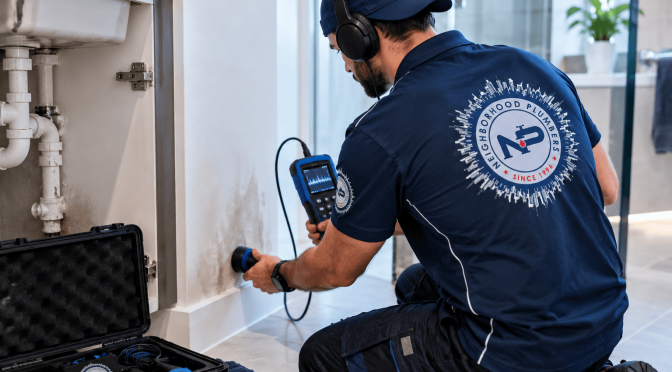
A dripping tap is easy to notice. A damp patch spreading across a wall is harder to ignore. But some of the most expensive plumbing problems begin with neither. Leak Detection in Melbourne often involves finding water that has been escaping quietly behind walls, beneath floors, inside ceilings, or around plumbing connections for weeks or even months.

These Hidden Water Leaks can be particularly difficult for homeowners because the visible damage is not always located where the leak actually starts. A stained ceiling may be caused by plumbing on the level above. A musty smell may indicate moisture behind a wall. Even an unexpectedly high water bill can be an early warning sign.

Professional water leak detection in Melbourne is therefore not simply about finding where water is visible. It is about identifying the source, understanding how the leak developed, assessing the extent of moisture migration and determining the most appropriate repair without creating unnecessary damage to the property.

This guide explains the hidden leaks commonly encountered in Melbourne homes, how they start, what warning signs homeowners should watch for and how modern non-invasive leak detection methods can help diagnose problems before they become major building issues.

Why Hidden Water Leaks Are So Difficult to Find?

Water does not always travel in a straight line.

Once water escapes from a pipe, fitting or waterproofed area, gravity, building materials and structural cavities can influence where it travels. Moisture may move along timber, masonry, insulation or concrete before eventually becoming visible.

This creates a common diagnostic problem.

The location where you see the damage may not be the location where the leak began.

For example, imagine a bathroom located above a living room. A small plumbing connection begins leaking beneath the bathroom floor. Instead of immediately appearing through the ceiling below, water may travel sideways through the floor structure before eventually producing a brown stain several metres away.

This is why simply opening the wall or ceiling at the first visible stain can be an inefficient approach.

A systematic Plumbing Inspection starts by determining the likely source and tracing the moisture pathway.

Leak Detection: The Hidden Leaks We Encounter Most Often

Different plumbing systems fail in different ways. Some leaks develop suddenly, while others are caused by gradual deterioration.

Here are several common categories worth understanding.

Leaking Water Supply Pipes

Pressurised water supply pipes can develop leaks because of age, corrosion, damaged connections, movement or deterioration of components.

A supply pipe leak can continue even when nobody is using a tap because the pipe remains under pressure.

Common warning signs include:

  • A water meter that continues moving when all fixtures are off
  • Unexpected increases in water consumption
  • Damp areas around walls or floors
  • Hissing or faint running-water sounds
  • Mould or persistent musty odours
  • Peeling paint or swollen skirting boards

A small pressurised leak can release water continuously, making early investigation important.

Shower and Bathroom Leaks

Bathrooms are among the areas where moisture-related problems can become complicated.

Not every bathroom leak originates from a damaged pipe. Water may enter the building structure through deteriorated seals, failed waterproofing, damaged grout or junctions around fixtures.

A shower leak may initially appear as:

  • Dampness in an adjoining room
  • Mould around skirting
  • Swollen flooring
  • Discolouration on a ceiling below
  • Persistent musty smells
  • Loose or damaged finishes

Determining whether the problem is plumbing-related or waterproofing-related is an important part of diagnosis.

Toilet Plumbing Leaks

Toilets have several potential leak points, including supply connections, cistern components, pan connections and seals.

Some toilet leaks are obvious because water is visible around the base.

Others are much less noticeable.

A slow leak can allow moisture to enter surrounding flooring or adjacent building materials without producing an obvious puddle.

Laundry Leaks

Washing machines, flexible hoses, taps, waste connections and nearby pipework can all contribute to leaks.

Laundry areas can be particularly deceptive because appliances may hide plumbing connections.

A homeowner might assume that a small amount of water appearing beside a washing machine is simply splash or condensation. Repeated moisture should not automatically be dismissed.

Hidden Plumbing Leaks Behind Walls

One of the more challenging situations in plumbing leak detection in Melbourne is a suspected leak inside a wall cavity.

Walls can conceal both hot and cold-water pipes. If a connection fails or a pipe develops a defect, water can accumulate within plasterboard, insulation or framing.

The first visible sign may be surprisingly subtle.

You might notice:

  • Paint bubbling
  • A soft section of plasterboard
  • A faint yellow or brown mark
  • Peeling wallpaper or paint
  • Mould growth
  • A musty smell
  • Skirting boards becoming swollen
  • A wall feeling unusually cool or damp

The important point is that visible damage should not be treated as proof of the exact leak location.

How Hidden Plumbing Leaks Start

Several factors can contribute to concealed pipe leaks.

Age: Plumbing components naturally deteriorate over time.

Movement: Building movement or pipe movement can place stress on joints and connections.

Corrosion: Certain materials and environmental conditions can contribute to pipe deterioration.

Poor installation: Incorrectly supported or connected pipework may be more susceptible to premature problems.

High pressure: Excessive or fluctuating water pressure can place additional stress on plumbing components.

Temperature changes: Hot-water systems and temperature cycles can contribute to expansion and contraction.

The cause matters because repairing the visible symptom without addressing the underlying problem can lead to recurrence.

Water Leaks Beneath Floors

A leak beneath a floor can be particularly difficult for a homeowner to identify.

Depending on the construction of the property, pipes may run beneath slabs, within subfloor spaces or through concealed areas.

A hidden leak may cause:

  • Damp flooring
  • Warped timber
  • Musty smells
  • Cracking or lifting finishes
  • Mould
  • Unexplained moisture
  • Warm or cool patches in some circumstances

In some situations, moisture can migrate significantly before becoming visible.

This is where non-invasive leak detection can provide an important diagnostic advantage.

Instead of immediately removing large sections of flooring, a technician can use appropriate detection equipment to investigate moisture patterns and identify areas requiring closer examination.

Moisture Damage: Why Small Leaks Can Become Big Problems

A plumbing leak does not need to be dramatic to cause significant damage.

Water can affect building materials gradually.

What Can Prolonged Moisture Do?

Depending on the location and duration, persistent moisture can contribute to:

  • Mould growth
  • Timber deterioration
  • Swollen flooring
  • Damaged plasterboard
  • Peeling paint
  • Staining
  • Deterioration of cabinetry
  • Damaged insulation
  • Unpleasant odours
  • Reduced indoor comfort

The longer moisture remains present, the greater the possibility that secondary damage will develop.

This is why Moisture Damage should be considered part of the diagnostic picture rather than merely a cosmetic issue.

A professional assessment should distinguish between the active water source and the resulting moisture damage.

How Non-Invasive Leak Detection Works

Modern leak diagnosis does not always require immediate demolition.

Depending on the suspected problem, professionals may use a combination of diagnostic techniques.

Acoustic Detection

Specialised acoustic equipment can help detect the sound produced by pressurised water escaping from pipework.

This can be useful where the pipe is concealed beneath a surface.

Thermal Imaging

Thermal imaging can identify temperature differences associated with moisture or water movement.

It is important to understand that a thermal camera does not simply “see a leak.” It detects thermal patterns that require professional interpretation.

Environmental conditions, insulation and surface materials can affect the results.

Moisture Measurement

Moisture meters can help identify elevated moisture levels in suitable building materials.

Comparing readings across different areas can help establish whether a suspicious section is unusually wet.

Pressure Testing

Where appropriate, pressure testing can help determine whether a pressurised plumbing system is losing pressure.

This can provide useful evidence when investigating suspected supply-line leaks.

Dye Testing

In certain situations, controlled dye testing can help determine whether water from a particular fixture or drainage point is entering another area.

The appropriate method depends on the suspected source.

The strongest diagnosis often comes from combining multiple observations rather than relying on one piece of equipment.

Residential Leak Diagnosis: A Practical Example

Consider a homeowner who notices a faint brown mark on a downstairs ceiling.

Their first assumption may be that a roof problem is responsible.

However, the room above contains a bathroom.

During a structured residential leak diagnosis, the technician may investigate:

  1. Whether the water supply system is losing pressure.
  2. Whether nearby plumbing fixtures show evidence of leakage.
  3. Whether moisture is concentrated around a particular area.
  4. Whether the bathroom floor or shower area has elevated moisture.
  5. Whether drainage or waterproofing issues could explain the symptoms.
  6. How the moisture pattern corresponds with the building layout.

The important lesson is that the ceiling stain is a symptom, not necessarily the source.

This type of systematic investigation can prevent unnecessary exploratory demolition.

Plumbing Inspection: When Should You Call a Professional?

You do not need to wait for obvious flooding.

Consider arranging an inspection if you notice unexplained changes such as:

  • A sudden increase in water usage
  • Damp patches without an obvious cause
  • Persistent mould
  • Musty smells
  • Peeling paint
  • Warped flooring
  • Repeated ceiling stains
  • Sounds of running water when fixtures are off
  • Moisture around plumbing fixtures
  • Recurrent damage after previous repairs

One particularly useful homeowner check is the water meter.

Turn off taps and water-using appliances and make sure nobody is using water. If the meter continues registering consumption, it may justify further investigation.

However, meter movement alone does not establish where the leak is located.

Why Melbourne Homeowners Should Not Ignore Small Leaks?

It is easy to postpone an investigation when the problem appears minor.

A tiny damp mark may seem harmless.

The difficulty is that the visible symptom does not tell you how long water has been present or how far it has travelled.

For example, a small plumbing leak inside a wall can continue every hour of the day. The volume released at any single moment may be small, but the cumulative effect can be substantial.

Early diagnosis can therefore help homeowners understand:

  • Whether there is an active leak
  • Where the leak is likely occurring
  • Whether water is still escaping
  • What materials may have been affected
  • What repair is actually required

Pipe Repairs: Why Finding the Source Comes First

Once a leak is identified, the repair should address the underlying failure rather than simply treating the visible damage.

For example, repainting a stained wall does not solve a leaking pipe.

Likewise, replacing damaged flooring without identifying the moisture source may result in the new material being exposed to the same problem.

The repair strategy depends on the type and location of the failure.

It may involve:

  • Replacing a damaged pipe section
  • Repairing a plumbing connection
  • Replacing a failed fitting
  • Repairing a fixture
  • Addressing drainage problems
  • Rectifying waterproofing defects where appropriate
  • Drying affected materials
  • Restoring damaged finishes

Good Pipe Repairs begin with an accurate diagnosis.

Common Mistakes Homeowners Make With Hidden Water Leaks

Mistake 1: Waiting Until There Is Visible Water

Many concealed leaks never produce obvious puddles.

Waiting for visible water can mean waiting until the building materials have already been affected.

Mistake 2: Assuming Every Damp Patch Is a Plumbing Leak

Moisture can originate from plumbing, condensation, rainwater ingress, drainage, waterproofing failures or other sources.

A proper diagnosis should consider competing explanations.

Mistake 3: Repairing the Visible Damage First

Painting, replacing plasterboard or changing flooring before finding the source can hide symptoms temporarily without solving the underlying problem.

Mistake 4: Assuming the Closest Pipe Is the Source

Water can travel through concealed spaces.

The closest visible pipe is not automatically responsible.

Mistake 5: Relying on One Diagnostic Method

No single detection method is appropriate for every leak.

Experienced professionals interpret equipment readings alongside building layout, plumbing configuration, moisture patterns and visible evidence.

Expert Advice for Preventing Hidden Water Leaks

You cannot prevent every plumbing failure, but regular attention can help identify warning signs earlier.

Know Where Your Main Water Shut-Off Is

Every homeowner should know how to shut off the property’s main water supply.

If a significant leak develops, shutting off the supply quickly can limit water damage while professional assistance is arranged.

Check Visible Connections

Occasionally inspect accessible areas around:

  • Toilets
  • Sinks
  • Washing machines
  • Hot-water equipment
  • Outdoor taps
  • Flexible hoses

Look for corrosion, moisture, deterioration or unusual movement.

Pay Attention to Water Bills

An unexplained increase in consumption can sometimes provide an early clue that water is being lost somewhere in the property.

Do Not Ignore Odours

A persistent musty smell can sometimes indicate moisture that is not immediately visible.

It does not prove a plumbing leak, but it is worth investigating when combined with other signs.

Investigate Repeated Damage

If the same area repeatedly develops staining, mould or deterioration after previous repairs, the original diagnosis may not have addressed the actual source.

What Makes a Good Leak Detection Investigation?

A quality investigation should answer more than:

“Where is the water?”

It should work toward answering:

“Where is the water coming from?”

“Is the leak currently active?”

“How did the leak likely start?”

“How far has moisture travelled?”

“What materials may have been affected?”

“What repair is required?”

“Is further investigation necessary?”

This distinction is important because the objective is not simply to find moisture. It is to establish a defensible diagnosis that supports the next repair decision.

Final Thoughts on Hidden Water Leaks

Hidden Water Leaks rarely announce themselves at the beginning. They often start with something small: a deteriorating fitting, a damaged pipe, a failed seal or a slow plumbing connection. Over time, that seemingly minor issue can produce moisture damage in places far removed from the original source.

For homeowners, recognising early warning signs is one of the most effective ways to reduce the risk of extensive damage.

If you notice unexplained dampness, unusual water consumption, persistent mould, musty smells or recurring staining, professional Leak Detection in Melbourne can help establish whether an active plumbing leak is responsible.

Whether the investigation involves water leak detection in Melbourne, acoustic testing, moisture measurement, thermal imaging or another suitable diagnostic method, the goal should always be the same: identify the source accurately, minimise unnecessary disruption and make the right repair based on evidence.

The sooner Hidden Water Leaks are properly diagnosed, the easier it is to make informed decisions about repairs and protect the home from avoidable Moisture Damage.

Frequently Asked Questions

What are the most common signs of a hidden water leak in a Melbourne home?

Common warning signs include unexplained increases in water consumption, damp or discoloured walls, ceiling stains, persistent musty smells, mould, swollen skirting boards, warped flooring and sounds of running water when fixtures are not being used. None of these signs proves the exact source by itself. For example, a ceiling stain could result from plumbing above, waterproofing failure or another source of water ingress. The pattern, location and building configuration need to be assessed together.

How does professional water leak detection find a leak behind a wall?

Professionals can use several diagnostic techniques depending on the suspected plumbing system and building construction. Acoustic equipment can detect sounds associated with pressurised leaks, while moisture meters can identify elevated moisture levels in suitable materials. Thermal imaging may reveal temperature patterns associated with moisture. Pressure testing can also help establish whether a pressurised system is losing water. Combining methods is often more reliable than relying on a single reading.

Can a hidden plumbing leak cause damage even if there is no visible water?

Yes. Water can remain inside wall cavities, flooring systems, ceilings or other concealed areas without immediately producing a puddle. Building materials may gradually absorb moisture, potentially contributing to staining, mould, deterioration or swelling. This is one reason unexplained odours, persistent dampness or recurring damage should not automatically be dismissed simply because there is no visible running water.

Should I repair the damaged wall or floor before finding the leak?

Generally, the water source should be identified and addressed before cosmetic restoration is completed. Painting over a stain or replacing damaged flooring without resolving an active leak can result in the same problem returning. A sensible sequence is to diagnose the source, stop or repair the leak, assess the affected area, allow appropriate drying where necessary and then restore damaged finishes.

When should Melbourne homeowners arrange leak detection?

Consider professional assessment when you notice unexplained water usage, recurring stains, damp patches, mould, musty odours, warped materials, unusual plumbing sounds or moisture around fixtures. You should also consider investigation when previous repairs have failed to prevent the same problem from returning. Early residential leak diagnosis can help determine whether the issue is an active plumbing leak or another source of moisture before unnecessary repair work is undertaken.