
Tag Archives: blocked drains in Craigieburn

Our Step-by-Step Process for Diagnosing a Blocked Drain Before Any Repairs Begin

A blocked drain can quickly disrupt your daily routine. Whether it’s a slow-draining kitchen sink, a shower that won’t empty properly, or an overflowing outdoor drain after heavy rain, the visible symptom is often only part of the problem. Many homeowners assume that clearing the blockage is enough, but experienced plumbers know that identifying the root cause is what prevents recurring issues.

This Drain Diagnosis Guide explains the professional process used to investigate Blocked Drains in Craigieburn before any repair work begins. Instead of relying on guesswork, today’s plumbing professionals use advanced technology and proven inspection methods to understand exactly what’s happening inside your drainage system. Knowing the cause first saves time, reduces unnecessary repairs, and helps homeowners make informed decisions.

Why Accurate Drain Diagnosis Matters Before Any Repair

A blocked drain is a symptom rather than the actual problem. The obstruction could be caused by tree roots, grease build-up, collapsed pipes, foreign objects, ageing infrastructure, or poor installation. Treating every blockage the same often results in temporary fixes that fail within weeks or months.

Professional plumbers approach drainage issues much like a doctor diagnosing an illness. Instead of immediately recommending repairs, they first gather evidence to understand why the blockage occurred.

This careful process delivers several benefits:

  • Prevents unnecessary excavation
  • Reduces repeat call-outs
  • Identifies hidden structural damage
  • Provides accurate repair recommendations
  • Saves homeowners money over the long term

When diagnosis comes first, repairs become far more effective.

Context: Why Craigieburn Homes Experience Drain Problems

As Craigieburn continues to grow, many properties combine older drainage infrastructure with newer home extensions and landscaping projects. Large trees, expanding root systems, increased household water usage, and ageing underground pipes all contribute to drainage problems.

Different homes experience different challenges.

Older properties often suffer from deteriorating clay pipes that crack over time.

Newer developments may experience blockages caused by construction debris, poor installation practices, or incorrect pipe gradients.

Environmental conditions also play a role. Heavy rainfall can overwhelm partially blocked stormwater systems, while long dry periods encourage tree roots to search aggressively for moisture inside underground pipes.

Understanding these local conditions helps plumbers perform a more targeted inspection.

Step 1: Listening to the Homeowner’s Experience

Before touching any equipment, experienced Plumbing Experts begin by asking questions.

The homeowner’s observations often provide valuable clues that help narrow down possible causes.

Common questions include:

  • Which fixtures are draining slowly?
  • Did the blockage occur suddenly or gradually?
  • Are multiple drains affected?
  • Have previous repairs been completed?
  • Are unusual smells present?
  • Does the problem worsen during rainfall?

For example, if every fixture backs up simultaneously, the blockage likely exists in the property’s main sewer line rather than a single sink or shower.

These early conversations frequently shorten inspection time and improve diagnostic accuracy.

Step 2: Initial Visual Drain Diagnosis

Drain Diagnosis Starts Above Ground

Before using specialised equipment, plumbers conduct a thorough visual assessment.

This includes checking:

  • Overflow relief gullies
  • Outdoor drains
  • Stormwater pits
  • Inspection openings
  • Sewer vents
  • Internal fixtures

Visible warning signs often include:

  • Standing water
  • Slow drainage
  • Water stains
  • Overflowing inspection points
  • Persistent odours
  • Gurgling sounds

These observations provide valuable information before more advanced inspection methods begin.

Step 3: CCTV Inspection Reveals the Real Cause

Why CCTV Inspection Has Changed Modern Plumbing

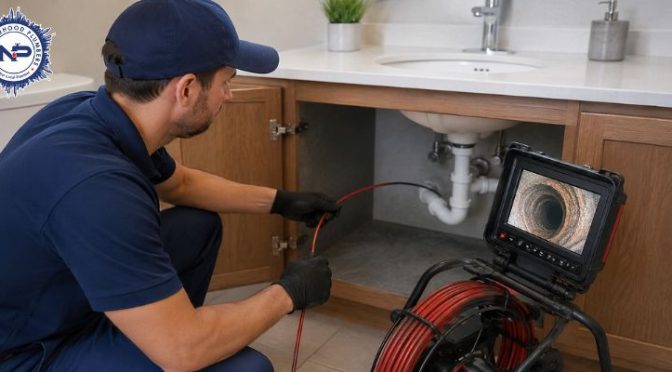
One of the biggest advances in modern plumbing is CCTV Inspection technology.

Rather than excavating pipes based on assumptions, plumbers insert a waterproof high-definition camera into the drainage system.

The live video feed shows:

  • Tree root intrusion
  • Grease accumulation
  • Pipe cracks
  • Misaligned joints
  • Broken sections
  • Foreign objects
  • Pipe corrosion

This visual evidence removes uncertainty and allows accurate planning before repairs begin.

CCTV Drain Inspection Craigieburn Provides Accurate Answers

A professional CCTV Drain Inspection Craigieburn allows plumbers to inspect the full length of underground drainage without damaging driveways, gardens, or landscaping.

During inspection, technicians record:

  • Pipe condition
  • Blockage location
  • Pipe material
  • Severity of damage
  • Water flow restrictions

The homeowner can often view the footage, making repair recommendations much easier to understand.

Instead of hearing “your drain needs replacing,” customers can actually see the problem themselves.

Step 4: Drain Camera Assessment Identifies Hidden Issues

Not every drainage problem is obvious.

A drain camera assessment frequently discovers multiple contributing factors inside the same pipe.

For example:

A kitchen drain may contain heavy grease deposits while tree roots have entered further downstream.

Simply removing the grease would provide only temporary relief because the root intrusion would continue restricting flow.

Camera technology also detects:

  • Bellied pipes holding stagnant water
  • Joint separation
  • Early pipe deterioration
  • Construction defects
  • Partial collapses

Finding every contributing issue allows repairs to address the complete problem instead of only the most obvious symptom.

Step 5: Professional Drain Inspection Confirms the Best Repair Method

Every blockage requires a different solution.

A professional drain inspection ensures repairs match the actual condition of the drainage system.

Possible recommendations include:

  • High-pressure water jetting
  • Root cutting
  • Localised pipe repair
  • Pipe relining
  • Section replacement
  • Preventative maintenance

Without proper inspection, homeowners sometimes pay repeatedly for temporary clearing services while the underlying structural issue remains unresolved.

Diagnosis prevents this costly cycle.

Step 6: Drain Cleaning Without Guesswork

Drain Cleaning Based on Evidence

Professional Drain Cleaning should never begin before understanding what caused the blockage.

Different obstructions require different techniques.

Grease build-up responds well to high-pressure jetting.

Tree roots often require specialised cutting equipment.

Foreign objects may need retrieval equipment.

Collapsed pipes cannot simply be cleaned because the structural damage must first be repaired.

Choosing the correct cleaning method protects pipe integrity while delivering longer-lasting results.

Step 7: When Sewer Repairs Become Necessary

Sewer Repairs Should Be the Last Decision, Not the First

Many homeowners worry that every blocked drain automatically means expensive excavation.

Fortunately, this is rarely true.

Only after diagnosis confirms structural failure do plumbers recommend Sewer Repairs.

Sometimes a small localised repair is sufficient.

In other situations, trenchless pipe relining can restore damaged sections without digging across the property.

Accurate blockage diagnosis ensures repairs remain proportional to the actual problem rather than based on assumptions.

Common Misconceptions About Blocked Drains

Many drainage myths continue to cost homeowners unnecessary money.

One common misconception is that chemical drain cleaners permanently solve blockages. In reality, these products often remove only part of the obstruction while potentially damaging certain pipe materials.

Another misunderstanding is believing that if water eventually drains away, the blockage has cleared itself. Slow drainage usually indicates a restriction that continues worsening over time.

Some homeowners also assume every blocked drain requires excavation. Modern inspection technology frequently identifies non-invasive repair options that avoid unnecessary digging.

Perhaps the biggest misconception is treating recurring blockages as isolated events. Multiple blockages often indicate a deeper structural problem that requires proper investigation.

Expert Tips for Preventing Future Drain Problems

Experienced plumbers recommend several practical habits that significantly reduce future drainage issues.

Avoid pouring fats, oils, and grease into kitchen sinks, as they solidify inside pipes over time.

Install drain strainers in showers and bathroom basins to capture hair before it enters the drainage system.

Schedule routine inspections if your property contains mature trees growing near underground sewer lines.

Never flush wipes, sanitary products, paper towels, or other non-flushable materials, even when packaging suggests they are suitable.

Most importantly, arrange an inspection whenever drains begin slowing rather than waiting for complete blockage. Early diagnosis is usually faster, less expensive, and less disruptive.

Final Thoughts

Diagnosing a blocked drain properly is about far more than clearing an obstruction. A structured investigation identifies the real cause, ensures repairs are necessary, and helps homeowners avoid recurring plumbing problems. By following a proven Drain Diagnosis Guide, plumbing professionals can recommend solutions based on evidence rather than assumptions, giving homeowners greater confidence in every repair decision.

When homeowners experience Blocked Drains in Craigieburn, working with experienced professionals who prioritise accurate diagnosis before repairs can make all the difference. Neighbourhood Plumbers follows a systematic inspection process that combines practical experience with modern technology to identify drainage issues accurately. Whether the cause is tree roots, pipe damage, or accumulated debris, the focus remains on delivering clear answers before recommending any repair. A professional CCTV Drain Inspection Craigieburn combined with experienced assessment helps ensure every solution is based on facts, allowing Neighbourhood Plumbers to provide informed recommendations that support long-term drainage performance.

Frequently Asked Questions

1. How long does a professional blocked drain inspection usually take?

Most residential drain inspections take between 30 minutes and two hours, depending on the complexity of the drainage system and the severity of the blockage. Simple obstructions may be identified quickly, while larger properties or recurring drainage problems often require more detailed camera inspections. Taking the time to complete a thorough diagnosis helps avoid unnecessary repairs later.

2. Can CCTV drain inspections find problems before they become serious?

Yes. CCTV technology is valuable not only for locating existing blockages but also for identifying early warning signs such as minor cracks, joint movement, root intrusion, corrosion, and developing pipe deformation. Detecting these issues early allows homeowners to plan maintenance before emergency failures occur, often reducing long-term repair costs.

3. Are tree roots always responsible for blocked drains?

No. Although tree roots are a common cause of sewer blockages, many other factors can restrict drainage. Grease accumulation, foreign objects, collapsed pipes, incorrect installation, pipe corrosion, and heavy sediment build-up can all create similar symptoms. A professional inspection is the only reliable way to determine the exact cause before repairs begin.

4. Why shouldn’t I rely on chemical drain cleaners?

Chemical drain cleaners often provide only temporary relief and may not remove the entire blockage. In some cases, repeated chemical use can damage certain pipe materials or create safety risks for plumbers working on the system later. Professional diagnosis followed by the correct cleaning method is generally safer and more effective.

5. How often should homeowners have their drains professionally inspected?

There is no universal schedule because every property is different. Homes with mature trees, older drainage systems, or a history of recurring blockages benefit from more frequent inspections. Even without obvious problems, arranging a professional assessment every few years can help identify developing issues before they become major repairs, supporting the long-term reliability of the drainage system.
What Are the Causes & Solutions Behind Blocked Drains in Craigieburn

Blocked drains are one of the most frustrating plumbing problems homeowners and businesses face. What starts as a slow-draining sink or unpleasant smell can quickly become a serious issue involving overflowing water, damaged pipes, and expensive repairs. When dealing with blocked drains in Craigieburn, understanding the root cause is essential. Temporary fixes may provide short-term relief, but long-term solutions require proper diagnosis and professional attention.

Many residents rely on experienced professionals like Neighborhood Plumbers to identify the source of drainage problems efficiently and restore normal water flow safely. Knowing what causes drain blockages and how plumbers solve them can help homeowners make informed decisions before the issue worsens.

Early Warning Signs of Drain Problems

Many serious drainage issues begin with small warning signs that homeowners ignore. Recognizing these symptoms early can help prevent emergency plumbing situations later.

Slow Draining Water

Water draining slowly from sinks, showers, or bathtubs usually indicates partial blockage inside the pipes. While this may seem minor initially, buildup generally worsens over time.

Unpleasant Odours

Foul smells coming from drains often signal trapped food waste, grease, or stagnant water inside the system.

Gurgling Noises

Strange bubbling or gurgling sounds occur when air becomes trapped due to restricted water flow.

Water Backups

Water returning through sinks, showers, or toilets is a serious warning sign that requires immediate professional attention.

Overflowing Outdoor Drains

Blocked stormwater drains can overflow during heavy rain, leading to flooding around the property.

Ignoring these symptoms often results in more extensive repairs later. Professional drain cleaning in Craigieburn helps identify and resolve problems before they escalate into emergencies.

Common Causes of Blocked Drains 

Understanding what causes drainage problems helps homeowners reduce the risk of recurring blockages.

Grease and Food Waste Buildup

Kitchen drains are among the most common areas for blockages. Cooking oils, grease, coffee grounds, and food scraps stick to pipe walls over time. Even when hot water is used, grease eventually hardens inside the pipes and traps additional debris.

Hair and Soap Residue

Bathroom drains frequently become blocked due to hair accumulation combined with soap scum buildup. This creates thick clogs that restrict water flow significantly.

Flushing Incorrect Items

Toilets are designed only for toilet paper and human waste. Items like wipes, paper towels, sanitary products, and cotton buds often cause major blockages. Even products labelled “flushable” may not break down properly inside plumbing systems.

Tree Root Intrusion

Tree roots naturally seek moisture and can enter underground pipes through small cracks or weak joints. Once inside, roots continue growing and block water flow. Tree root problems are particularly common in older drainage systems throughout suburban areas.

Damaged or Collapsed Pipes

Aging pipes may crack, shift, or collapse over time due to ground movement, corrosion, or wear. Structural pipe damage usually requires professional drain repair solutions rather than simple cleaning.

Neighborhood Plumbers regularly handles complex drainage issues involving both blockages and damaged underground plumbing infrastructure.

Professional Drain Cleaning Solutions

While minor clogs can sometimes be resolved temporarily with plungers, recurring or severe blockages usually require professional equipment and expertise.

High-Pressure Water Jetting

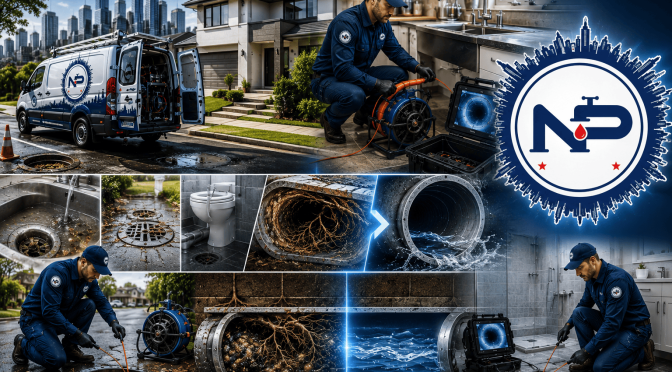
One of the most effective drain cleaning methods involves high-pressure water jetting. This process clears grease, debris, sludge, and tree roots from inside pipes without damaging the plumbing system.

Water jetting provides more thorough cleaning compared to chemical solutions or basic plunging methods.

CCTV Drain Inspections

Professional plumbers often use drain cameras to inspect underground pipes and identify hidden problems accurately.

CCTV inspections help locate:

  • Tree root intrusion
  • Pipe cracks
  • Collapsed sections
  • Heavy buildup
  • Foreign object blockages

This technology allows plumbers to diagnose problems efficiently without unnecessary digging.

Mechanical Drain Snaking

Drain snakes or augers are used to break apart stubborn clogs deep inside the pipes. This method works particularly well for hair blockages and smaller obstructions inside household drains.

Pipe Repairs and Replacements

When drains are damaged structurally, plumbers may recommend targeted repairs or pipe replacement solutions.

Neighborhood Plumbers use modern diagnostic tools to determine whether cleaning alone is sufficient or if deeper repairs are necessary.

Drain Cleaning and Preventative Plumbing Services

Preventative maintenance is often the best way to avoid major drainage emergencies. Many homeowners wait until problems become severe before contacting professionals, which typically increases repair costs. Routine plumbing services help identify early warning signs and maintain healthy drainage systems year-round.

Preventative maintenance may include:

  • Routine drain cleaning
  • CCTV inspections
  • Tree root management
  • Pipe condition assessments
  • Outdoor drain clearing
  • Grease buildup removal

Professional maintenance becomes especially valuable for older properties where pipe deterioration may already be developing.

Neighborhood Plumbers often advises homeowners to schedule periodic inspections if they experience repeated slow drains or frequent minor blockages.

Practical Tips to Prevent Drain Blockages

Homeowners can reduce the risk of blocked drains significantly by following simple preventative habits.

Dispose of Grease Properly

Never pour cooking oils or grease directly into sinks. Allow grease to cool and dispose of it separately.

Use Drain Covers

Drain strainers grab stray hairs along with bits of leftover food. Stuff like that might otherwise slip down into the plumbing.

Avoid Flushing Non-Flushable Items

Only flush toilet paper and waste. Wipes, tissues, and hygiene products should always go into the bin.

Clean Outdoor Drains Regularly

Leaves, dirt, and debris can block stormwater drains, especially during seasonal weather changes.

Schedule Professional Inspections

Most times a drain acts up again means something underneath isn’t right – best checked by someone who knows systems.

Drain Repair Solutions for Long-Term Plumbing Health

Not every blocked drain requires pipe replacement, but some situations involve more than simple clogs. Professional drain repair solutions become necessary when:

  • Pipes collapse
  • Tree roots cause severe damage
  • Drainage systems shift underground
  • Corrosion weakens pipe structures
  • Recurring blockages continue despite cleaning

Most repairs now create far less disruption compared to traditional excavation methods. Crews can patch problem areas within the pipeline without ever cutting into the ground deeply.

When it comes to drain issues, Neighborhood Plumbers checks how things are working before suggesting fixes that make sense at home. Their approach fits what your system actually needs, without overspending.

When to Call a Professional Plumber Immediately

Some drainage problems require urgent professional attention to avoid serious property damage. Contact a plumber immediately if you notice:

  • Multiple drains backing up simultaneously
  • Sewage smells inside the property
  • Overflowing toilets
  • Flooding around outdoor drains
  • Water backing up into showers or sinks
  • Repeated recurring blockages

Putting off fixes in these situations might result in weakened foundations, hygiene issues, or expenses that climb over time.

Protect Your Home with Proper Drain Maintenance

When drains get clogged, it’s not only a nuisance – left alone, small blockages might soon turn into big headaches for your home. Understanding the causes and warning signs allows homeowners to act early and protect their plumbing systems from expensive damage. Professional drain cleaning in Craigieburn provides long-term solutions by addressing the actual source of the blockage rather than simply masking symptoms.

Whether dealing with recurring slow drains, overflowing outdoor systems, or hidden underground pipe damage, experienced professionals like Neighborhood Plumbers help homeowners restore proper drainage safely and efficiently. With proper maintenance, preventative care, and timely repairs, property owners can avoid many of the common drainage problems affecting homes throughout Craigieburn.

FAQs

What causes blocked drains in Craigieburn most often?

Grease buildup, hair accumulation, tree roots, and flushed debris are among the most common drainage issues.

How do plumbers identify hidden drain blockages?

Professional plumbers use CCTV drain cameras to inspect underground pipes and locate hidden plumbing problems accurately.

Is high-pressure drain cleaning safe for pipes?

Yes, professional water jetting safely removes buildup without damaging properly maintained residential plumbing systems.

Can blocked drains damage my property?

Yes, untreated drainage issues may cause flooding, pipe damage, unpleasant odours, and expensive structural repair problems.

How often should drains be professionally cleaned?

Homes experiencing recurring drainage issues benefit from professional drain cleaning and preventative inspections every few years.

Emergency Blocked Drain Solutions in Craigieburn: What to Do Before the Plumber Arrives

Water suddenly stops moving one day without warning. Right after things look fine, sinks hold puddles instead of clearing. Toilets push waste upward when least expected. Pools form on floors near pipes that stay silent until now. If you’re dealing with blocked drains near Craigieburn, the first hour matters more than most people realize. Acting quickly and correctly can prevent water damage, reduce repair costs, and avoid a full plumbing emergency.

Most of the time, small leaks turn into big messes because nobody checks them right away. At Neighborhood Plumbers, we notice this again and again while working out in homes. Instead of waiting until things get worse, doing something basic can make a difference. The steps here are ones they’ve seen work when help is still on the way. Fixing stuff fast isn’t magic – it just takes knowing what to try first.

Understanding Why Blocked Drains Happen in the First Place

Most clogged pipes come from slow accumulation rather than an abrupt collapse.

Common Causes in Residential Properties:

  • Grease and oil solidifying in kitchen pipes
  • Hair and soap residue forming clogs in bathrooms
  • Flushing non-degradable items
  • Food scraps accumulating over time
  • Tree roots entering underground pipes
  • Pipe misalignment or aging infrastructure

In growing suburban areas, blocked drains in Craigieburn are often linked to a mix of modern usage habits and external environmental factors.

When you know why something happened, handling it gets easier – also stops it coming back again down the line.

Early Warning Signs Most People Ignore

Blockages that matter rarely strike fast. Slow buildup comes first, along with obvious hints if you’re paying attention.

Look Out For:

  • Water draining slower than usual
  • Gurgling sounds when water flows
  • Bad smells coming from drains
  • Water backing up in nearby fixtures

These are early indicators that something is restricting flow inside your pipes.

From experience, Neighborhood Plumbers often finds that ignoring these signs leads to emergency callouts that could have been avoided with early action.

Immediate Emergency Blocked Drain Solutions You Can Try

Even if things get stuck, keeping your cool helps. Doing what needs doing right away changes everything – pause first. A clear head turns problems smaller. Jumping ahead without panic shifts the outcome. Steps matter most when tension rises. Staying steady opens space for fixes.

Stop Using Water Immediately

This is the most important first step.

Why it matters:

  • Prevents overflow
  • Reduces internal pipe pressure
  • Stops the blockage from worsening

A little extra water might just force the blockage farther in. The more fluid added, the further it could shift inside.

Inspect for Visible Blockages

Sometimes the issue is right at the surface.

Check for:

  • Food debris in kitchen sinks
  • Hair buildup in bathroom drains
  • Foreign objects stuck near openings

Clearing what blocks the way often brings movement back right away when things are only slightly stuck.

Use Hot Water for Grease Build-Up

Bursts of warm water loosen oily buildup inside kitchen drains. Sometimes heat shifts what sticks along pipe walls.

How to apply:

  • Boil water
  • Pour it slowly into the drain
  • Repeat in stages

Best results happen when the blockage is just starting – nothing too stuck yet. Though it might fail if things are already jammed tight.

Use a Plunger Effectively

Still sitting under many sinks, a plunger handles clogged pipes better than expected.

Best practices:

  • Ensure a proper seal
  • Use controlled, consistent pressure
  • Avoid aggressive force

Used properly, this clears most everyday blockages around the home.

Try a Drain Snake for Deeper Obstructions

Deep inside pipes, a drain snake pushes further than any plunger ever could.

It’s effective for:

  • Hair clogs
  • Compact debris
  • Partial pipe obstructions

Professional tools used by Neighborhood Plumbers are more advanced, but basic versions can still help in simple situations

What NOT to Do During a Drain Emergency

What seems helpful at first might backfire in surprising ways.

Avoid These Mistakes:

  • Overusing chemical drain cleaners
  • Forcing objects into the pipe
  • Ignoring recurring issues
  • Flushing items to “push” the blockage through

Mistakes like these can push small issues into big repair bills.

Real-World Scenario: A Preventable Plumbing Emergency

A Craigieburn homeowner noticed their kitchen sink draining slowly but delayed taking action.

Over time:

  • Grease buildup worsened
  • The pipe became fully blocked
  • Water overflowed during use
  • Cabinets and flooring were damaged

The situation required extensive repair work.

Cases like this are commonly handled by Neighborhood Plumbers, often after the issue has escalated beyond a simple fix.

When a Blocked Drain Becomes an Emergency

Some clogs aren’t emergencies, yet a few need fast help. Though most can wait, certain ones demand quick action right away.

Call a Professional If:

  • Water backs up into multiple fixtures
  • You notice strong sewage odors
  • Toilets or outdoor drains overflow
  • Blockages keep recurring

When these signs show up, a specialist’s gear and knowledge becomes necessary to uncover what is really going wrong underneath.

Why DIY Fixes Don’t Always Solve the Problem

DIY methods are useful, but they have limits.

Common Reasons They Fail:

  • Blockages deep within the pipe network
  • Structural pipe damage
  • Tree root intrusion
  • Hardened or compacted debris

For recurring blocked drains near Craigieburn, professional inspection is often the only way to resolve the root cause.

Preventive Habits That Make a Big Difference

Preventing blockages is far easier than fixing them.

Simple but Effective Practices:

  • Never pour grease down the sink
  • Use drain strainers to catch debris
  • Dispose of food waste properly
  • Clean drains regularly
  • Schedule periodic inspections

From long-term experience, Neighborhood Plumbers emphasizes that prevention significantly reduces emergency plumbing issues.

Expert Insights: What Professionals Check First

When handling blocked drains in Craigieburn, professionals typically assess:

  • The exact location of the blockage
  • Pipe condition and material
  • Signs of recurring issues
  • External factors like tree roots

With tools such as drain cameras, spotting the real issue becomes clear, so fixes match what’s actually wrong. A clearer picture comes through when visuals guide the repair instead of guesses guiding the work.

Pro Tips from Real Plumbing Experience

  • Act as soon as you notice slow drainage
  • Avoid mixing chemical cleaners
  • Keep a plunger accessible at all times
  • Don’t rely on temporary fixes
  • Know when to stop DIY efforts

Out of actual events, these lessons emerged when fast moves kept things from falling apart.

The Bigger Risk: What Happens If You Wait Too Long

Delaying action can lead to:

  • Water damage to floors and walls
  • Mold and mildew growth
  • Structural damage
  • Increased repair costs

Most big plumbing problems start small. Waiting makes them worse. That truth shows up again on service calls. A tiny drip today means flooded walls tomorrow. Time changes everything here. What seems harmless grows costly fast. Every visit tells similar stories. Delay stacks the odds against fixing it cheap.

Handle It Smartly Until Help Arrives

Dealing with blocked drains near Craigieburn can be stressful, but the right approach keeps things under control.

The key is to:

  • Respond quickly
  • Use safe and effective methods
  • Avoid worsening the problem
  • Seek professional help when needed

When these steps are followed, clarity comes through steady effort while help is on the way. Arriving at stability happens quietly, without fanfare, just routine care holding things together.

FAQs

1. What should I do first when a drain gets blocked?

Stop using water immediately to prevent overflow and reduce pressure in the pipes.

2. Can hot water clear a blocked drain?

It can help with grease buildup but is ineffective for solid or deep blockages.

3. Is it safe to use chemical drain cleaners?

They can be used cautiously, but excessive use may damage pipes over time.

4. How do I know if the blockage is serious?

If multiple fixtures are affected or water backs up, it likely indicates a deeper issue.

5. How can I prevent future drain blockages?

Avoid grease disposal, use strainers, and address slow drainage early.