
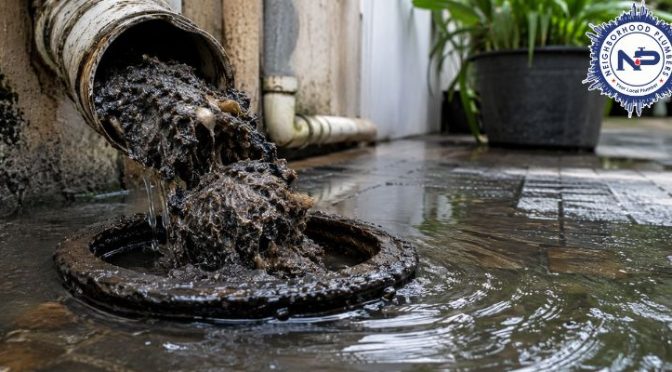
Older homes have plenty of character, but their plumbing systems often tell a different story. Many homeowners in Craigieburn live in properties built decades ago, where underground pipes have been quietly aging year after year. While these drainage systems may have worked well when first installed, time, shifting soil, tree roots, corrosion, and changing household demands can all increase the risk of drainage issues.
If you’ve experienced slow-draining sinks, recurring toilet backups, or unpleasant outdoor smells, you may already be dealing with Blocked Drains Craigieburn homeowners commonly face in older properties. Understanding why these issues occur can help you prevent expensive repairs and avoid emergency plumbing situations.
This guide explains the most common causes of drainage problems in older homes, how modern inspection technology helps identify hidden faults, and what homeowners can do to keep their drains flowing properly. We’ll also explore Older Home Drain Problems Craigieburn residents frequently encounter and practical ways to reduce future risks.
Understanding Why Older Homes Experience More Drainage Problems
Many plumbing systems installed 30 to 60 years ago were never designed for today’s water usage. Larger families, modern appliances, and increased wastewater output place much greater pressure on ageing drainage infrastructure.
Unlike newer PVC drainage systems, many older homes still contain:
- Clay pipes
- Earthenware drains
- Cast iron drainage lines
- Concrete sewer connections
While these materials served homes well for decades, they naturally deteriorate over time.
Common signs include:
- Frequent drain blockages
- Water pooling around drains
- Sewer odours
- Slow drainage throughout the home
- Multiple fixtures backing up together
These symptoms often indicate underlying pipe deterioration rather than a simple blockage.
Common Older Home Drain Problems Craigieburn Residents Experience
The phrase Older Home Drain Problems Craigieburn covers a wide range of drainage issues unique to ageing properties.
These commonly include:
Tree Root Intrusion
Older clay pipes often have small gaps between joints. Tree roots naturally seek moisture and can enter these tiny openings.
Over time, roots:
- Grow inside pipes
- Trap toilet paper
- Catch grease and debris
- Completely block wastewater flow
This is one of the leading causes of recurring blocked drains in established neighbourhoods.
Pipe Corrosion
Older metal pipes gradually corrode from the inside.
As corrosion builds:
- Internal pipe diameter becomes smaller
- Wastewater flow slows
- Debris accumulates more easily
- Pipes eventually crack or collapse
Unlike sudden plumbing failures, corrosion develops gradually over many years.
Ground Movement
Craigieburn’s soil naturally expands and contracts depending on weather conditions.
Over decades this movement can:
- Shift underground pipes
- Create pipe misalignment
- Crack joints
- Allow soil and roots to enter drainage systems
Even slight movement can interrupt normal water flow.
Grease Build-Up
Older pipes often have rough interior surfaces.
These surfaces trap:
- Cooking grease
- Soap residue
- Hair
- Food particles
Once grease hardens, additional debris sticks to it until the pipe becomes restricted.
Blocked Drains in Older Homes Often Develop Slowly
One misconception is that drain blockages happen overnight.
In reality, many Blocked Drains develop over months or even years.
A typical progression looks like this:
- Minor grease accumulation
- Small root intrusion
- Slower drainage
- Gurgling sounds
- Occasional overflow
- Complete blockage
By the time water backs up into sinks or showers, the drainage problem has often existed for quite some time.
Recognising these early warning signs can save homeowners significant repair costs.
Drain Cleaning Helps Prevent Major Plumbing Problems
Why Regular Drain Cleaning Matters
Many homeowners wait until water stops draining before calling a plumber.
However, preventative Drain Cleaning offers several long-term benefits:
- Removes grease deposits
- Clears early root growth
- Flushes accumulated sediment
- Restores proper water flow
- Reduces emergency callouts
Routine Drain Cleaning Craigieburn services are particularly valuable for older homes where drainage systems already have some level of wear.
Professional maintenance often identifies developing problems before they become major repairs.
Household Habits That Reduce Blockages
Good maintenance habits significantly reduce drainage problems.
Helpful practices include:
- Never pour cooking oil into sinks.
- Use drain strainers.
- Dispose of food scraps properly.
- Flush only toilet paper.
- Avoid chemical drain cleaners as a routine solution.
- Run hot water after washing greasy dishes.
While these won’t eliminate every issue, they greatly reduce preventable blockages.
CCTV Inspection Makes Hidden Problems Visible
Why Modern CCTV Inspection Is So Valuable
Years ago, locating underground drainage problems required excavation.
Today, CCTV Inspection technology allows plumbers to inspect the inside of drainage pipes without digging.
Small waterproof cameras travel through pipes and identify:
- Tree roots
- Pipe cracks
- Collapsed sections
- Corrosion
- Joint separation
- Grease accumulation
- Foreign objects
This makes diagnosis much faster and far more accurate.
Benefits of CCTV Drain Inspection Craigieburn
A professional CCTV drain inspection Craigieburn provides valuable information without unnecessary excavation.
Benefits include:
- Precise fault location
- Accurate repair planning
- Reduced property damage
- Faster repairs
- Lower labour costs
- Permanent record of pipe condition
Rather than guessing where a blockage exists, plumbers can see the exact cause.
Sewer Repairs Become More Common as Pipes Age
When Sewer Repairs Are Necessary
Not every blocked drain requires pipe replacement.
However, older drainage systems sometimes develop structural damage requiring Sewer Repairs.
Common reasons include:
- Broken clay pipes
- Collapsed pipe sections
- Severe root intrusion
- Pipe deformation
- Long-term corrosion
Repair decisions depend on pipe condition rather than blockage severity alone.
Signs Sewer Repairs May Be Needed
Homeowners should seek professional advice if they notice:
- Multiple blocked fixtures
- Sewage backing up indoors
- Wet patches in the yard
- Persistent sewer smells
- Repeated blockages despite cleaning
Ignoring these symptoms often leads to larger repairs later.
Drain Repairs vs Replacing the Entire System
When Drain Repairs Are Enough
Many homeowners worry they’ll need complete pipe replacement.
Fortunately, that’s often unnecessary.
Targeted Drain Repairs can fix:
- Individual cracked sections
- Localised root damage
- Minor pipe displacement
- Small joint failures
Modern repair techniques minimise excavation and preserve as much existing pipework as possible.
When Replacement Becomes the Better Option
Complete replacement may be recommended if:
- Pipes have collapsed repeatedly.
- Corrosion is widespread.
- Multiple sections have failed.
- Previous repairs no longer solve recurring issues.
A professional assessment helps determine the most cost-effective solution.
Real-Life Example: A Typical Older Craigieburn Home
Consider a family living in a home built over 40 years ago.
Initially they noticed:
- Slow bathroom drainage
- Occasional toilet bubbling
- Outdoor drain smells after heavy rain
Because the symptoms disappeared temporarily, they delayed investigation.
Several months later:
- Kitchen sink overflowed.
- Toilet backed up.
- Garden inspection point flooded.
A CCTV inspection revealed:
- Large tree roots
- Cracked clay pipe
- Heavy grease accumulation
Instead of replacing the entire drainage system, only one damaged section required repair alongside professional cleaning.
Early inspection could have prevented the emergency.
Common Mistakes Homeowners Make
Many drainage emergencies happen because homeowners unknowingly make avoidable mistakes.
These include:
Using Chemical Drain Cleaners Repeatedly
Strong chemicals rarely remove root blockages.
Instead, they may:
- Damage ageing pipes
- Accelerate corrosion
- Create hazardous working conditions
Professional mechanical cleaning is usually much safer.
Ignoring Slow Drains
Many people assume slow drainage is normal.
It isn’t.
Slow drainage often signals:
- Partial blockage
- Pipe damage
- Root intrusion
Early attention usually means simpler repairs.
Planting Trees Too Close to Sewer Lines
Large trees naturally seek moisture underground.
Planting them directly above drainage pipes significantly increases root intrusion risks.
Assuming One Cleared Blockage Solves Everything
If blockages repeatedly return, the underlying issue hasn’t been addressed.
Recurring problems almost always require further investigation.
Expert Tips for Protecting Older Drainage Systems
Experienced plumbers commonly recommend the following maintenance strategies:
Schedule Preventative Inspections
Waiting until drains fail usually increases repair costs.
Periodic inspections help identify:
- Early corrosion
- Small cracks
- Root growth
- Pipe movement
Watch for Seasonal Changes
Heavy rain often exposes hidden drainage weaknesses.
Monitor your property after storms for:
- Slow drainage
- Overflowing inspection points
- Yard flooding
- Sewer smells
Keep Accurate Plumbing Records
Knowing previous repair locations helps future plumbers diagnose issues faster.
Save reports from inspections and repairs whenever possible.
Address Small Issues Early
Minor drainage problems rarely improve on their own.
Prompt attention usually means:
- Less disruption
- Lower repair costs
- Reduced property damage
Why Older Craigieburn Properties Need More Preventative Maintenance
Age alone doesn’t mean a drainage system is failing.
Many older homes continue performing well thanks to regular maintenance.
The key difference is that ageing drainage infrastructure requires:
- More frequent inspections
- Preventative cleaning
- Earlier intervention
- Better monitoring
These proactive steps help extend pipe life and reduce emergency plumbing situations.
For homeowners managing Older Home Drain Problems Craigieburn, prevention is almost always more affordable than waiting for major failures.
Conclusion
Older properties offer charm and established neighbourhoods, but they also come with ageing underground plumbing systems that require extra attention. From tree root intrusion and corroded pipes to shifting soil and decades of accumulated debris, there are many reasons why Blocked Drains Craigieburn homeowners experience are more common in older homes.
Routine Drain Cleaning Craigieburn, early inspections, and modern diagnostic tools like CCTV cameras make it much easier to identify hidden issues before they become expensive emergencies. Whether it’s a minor blockage or a damaged sewer line, addressing drainage concerns promptly can extend the life of your plumbing system and reduce unexpected repair costs.
For homeowners seeking experienced guidance, Neighbourhood Plumbers recommends a preventative approach. Regular maintenance and timely inspections provide peace of mind while helping older drainage systems continue performing reliably for years to come.
Frequently Asked Questions
1. Why do older homes in Craigieburn experience blocked drains more often?
Older homes often contain clay, cast iron, or concrete drainage pipes that naturally deteriorate over time. Cracked joints, corrosion, shifting soil, and tree root intrusion all increase the likelihood of recurring drainage problems compared to newer PVC pipe systems.
2. How often should older homes have professional drain cleaning?
While every property is different, many plumbing professionals recommend preventative drain cleaning every 12 to 24 months for older homes. Properties with mature trees or a history of recurring blockages may benefit from more frequent maintenance to prevent serious build-up.
3. Is a CCTV drain inspection really necessary if the blockage clears?
Yes. Temporary improvements don’t always mean the underlying issue has been resolved. A CCTV inspection can identify hidden cracks, root intrusion, pipe collapse, or corrosion that may cause future blockages even after water begins flowing normally.
4. Can tree roots be removed without replacing all underground pipes?
In many cases, yes. Professional equipment can remove root intrusion, and only the damaged section of pipe may require repair. The need for full replacement depends on the overall structural condition of the drainage system rather than the presence of roots alone.
5. What are the earliest warning signs of serious drain problems?
Early indicators include slow-draining sinks, gurgling sounds from pipes, unpleasant sewer odours, recurring toilet blockages, water pooling around outdoor drains, and multiple plumbing fixtures draining slowly at the same time. Investigating these signs early often prevents larger and more expensive repairs.