
Tag Archives: Plumbing Maintenance

9 Plumbing Myths Craigieburn Homeowners Still Believe (According to Our Licensed Plumbers)

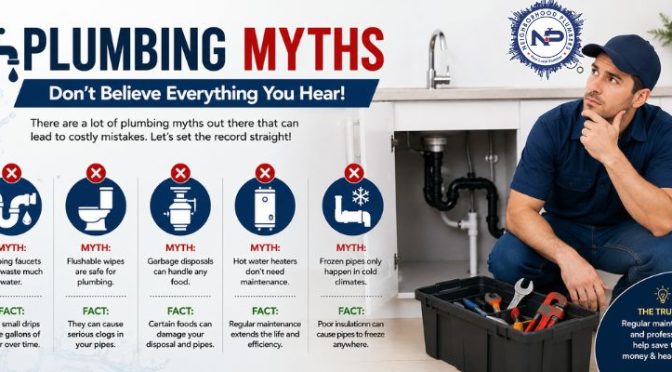
Homeowners often receive plumbing advice from family, neighbors, social media, or online forums. While some of that advice may have worked years ago, modern plumbing systems, updated building standards, and newer fixtures have changed the way many plumbing issues should be handled. Unfortunately, outdated beliefs continue to cause unnecessary repairs, water damage, and higher utility bills.

Many Plumbers in Craigieburn professionals are called out to homes where a simple misunderstanding has turned into a costly repair. From assuming a dripping tap is harmless to believing chemical drain cleaners are the best solution, these misconceptions can shorten the lifespan of your plumbing system.

In this guide, we’ll uncover the most common Plumbing Myths Craigieburn homeowners still believe, explain why they’re incorrect, and share practical advice based on years of real-world experience. Whether you own an older property or a newly built home, understanding these myths can help you make smarter decisions and protect your investment.

Why Plumbing Myths Continue to Spread

Plumbing is something most people don’t think about until something goes wrong. Because of this, homeowners often rely on quick internet tips or outdated DIY advice.

Many plumbing myths continue because:

  • A temporary fix appears to solve the problem.
  • Social media often oversimplifies plumbing repairs.
  • Older plumbing systems behaved differently.
  • Every home’s plumbing system is unique.

Experienced plumbers know that what works in one situation may cause significant damage in another.

Understanding Modern Home Plumbing Systems

Today’s plumbing systems include pressure-regulated water supplies, water-efficient fixtures, modern piping materials, backflow protection, and advanced drainage designs.

These systems require proper maintenance and informed decision-making. Following outdated advice can reduce efficiency and even void manufacturer warranties.

Following plumbing best practices helps homeowners extend the lifespan of their plumbing while reducing emergency repair costs.

Myth 1: A Small Leak Isn’t Worth Fixing

Why This Is Wrong

Many people assume a slow dripping tap or tiny pipe leak isn’t urgent.

In reality, small leaks often become major issues because they:

  • Waste thousands of liters of water annually
  • Increase water bills
  • Encourage mold growth
  • Damage cabinetry and flooring
  • Cause hidden structural deterioration

Real-Life Example

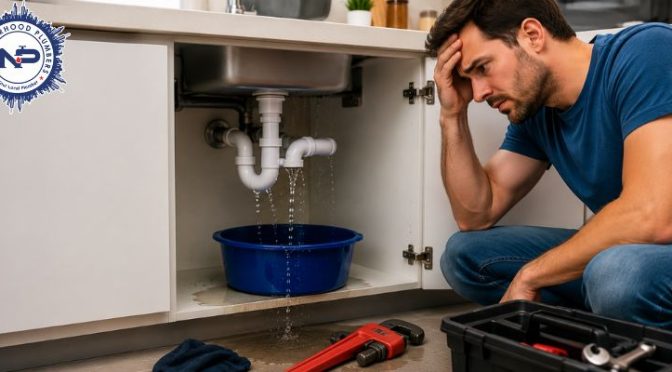
A Craigieburn homeowner ignored a slow leak beneath the kitchen sink for several months. By the time it was repaired, the cabinet base had swollen, mold had developed behind the wall, and replacing the cabinetry cost far more than repairing the original fitting.

Plumbing Tips

Always investigate unexplained moisture, damp smells, or dripping sounds before they become expensive repairs.

Myth 2: Chemical Drain Cleaners Are the Best Solution

Many homeowners immediately pour strong chemicals down blocked drains.

Although these products may temporarily clear minor blockages, repeated use often damages:

  • PVC pipes
  • Older metal plumbing
  • Rubber seals
  • Pipe joints

Professional Pipe Repairs often reveal corrosion caused by excessive chemical cleaners.

Instead, licensed plumbers use safer methods including:

  • Drain inspections
  • Mechanical augers
  • Hydro jet cleaning
  • Targeted blockage removal

These approaches solve the actual problem rather than masking it.

Myth 3: Everything Flushable Can Be Flushed

Packaging often claims certain wipes or hygiene products are “flushable.”

Unfortunately, many don’t break down quickly enough inside residential drainage systems.

Items that frequently create blockages include:

  • Baby wipes
  • Cleaning wipes
  • Cotton buds
  • Paper towels
  • Sanitary products
  • Dental floss

These materials combine with grease to form stubborn blockages that require professional removal.

Myth 4: No Visible Leak Means Everything Is Fine

Many homeowners only react when water becomes visible.

However, hidden Water Leaks frequently develop:

  • Inside walls
  • Under floors
  • Beneath concrete slabs
  • Behind bathroom tiles
  • Inside roof spaces

Warning signs include:

  • Unexpected water bill increases
  • Low water pressure
  • Damp smells
  • Bubbling paint
  • Warm floor areas
  • Mould patches

Early detection prevents thousands of dollars in structural repairs.

Myth 5: DIY Plumbing Always Saves Money

The internet has made DIY repairs look simple.

In reality, many emergency call-outs begin after unsuccessful DIY attempts.

Common mistakes include:

  • Incorrect pipe connections
  • Over-tightened fittings
  • Damaged threads
  • Wrong replacement parts
  • Poor waterproof sealing

Professional plumbers have specialized equipment, accurate diagnostics, and knowledge of Australian plumbing regulations.

Attempting complex repairs without proper experience often increases repair costs.

Myth 6: Plumbing Doesn’t Need Regular Maintenance

Many homeowners only think about plumbing after something fails.

Routine Plumbing Maintenance helps identify:

  • Early corrosion
  • Water pressure problems
  • Slow leaks
  • Aging valves
  • Blocked drains
  • Worn flexible hoses

Preventative maintenance typically costs far less than emergency repairs.

Expert Insight

Annual inspections can extend the lifespan of hot water systems, taps, toilets, and pipework while reducing unexpected breakdowns.

Myth 7: A Running Toilet Isn’t Serious

A constantly running toilet can waste hundreds of liters of water every day.

Common causes include:

  • Faulty inlet valves
  • Worn flush seals
  • Incorrect float settings
  • Damaged cistern components

Many homeowners become accustomed to the sound and ignore it.

Over several months, this seemingly small issue can significantly increase water bills.

Myth 8: Hot Water Clears Grease From Drains Forever

Hot water may temporarily move grease through household pipes.

However, once the grease cools, it solidifies further down the drainage system.

Over time it combines with:

  • Food particles
  • Soap residue
  • Hair
  • Mineral deposits

Eventually the drain becomes completely blocked.

Better alternatives include:

  • Wiping grease into household waste
  • Using sink strainers
  • Avoiding oil disposal through sinks

These simple habits dramatically reduce drain blockages.

Myth 9: Emergency Plumbing Is Only for Burst Pipes

Many homeowners assume Emergency Plumbing services are only necessary during major flooding.

Professional plumbers frequently respond to emergencies involving:

  • Gas leaks
  • Overflowing toilets
  • Sewer backups
  • No hot water
  • Major drain blockages
  • Hidden burst pipes
  • Sudden pressure loss

Ignoring these problems can quickly result in water damage, sanitation risks, or safety hazards.

Understanding when to seek immediate assistance protects both your home and your family.

Common Plumbing Mistakes Homeowners Should Avoid

Besides believing common myths, experienced plumbers regularly see homeowners make avoidable mistakes such as:

  • Ignoring unusual plumbing noises
  • Using incorrect replacement parts
  • Hanging heavy items from exposed pipes
  • Over-tightening tap fittings
  • Pouring grease into kitchen sinks
  • Delaying repairs until visible damage appears
  • Forgetting to inspect outdoor taps and irrigation systems

Avoiding these habits helps reduce long-term maintenance costs.

Expert Plumbing Advice for Craigieburn Homeowners

Years of working in local homes have shown that preventative care almost always costs less than emergency repairs.

Here are some practical recommendations:

Inspect Visible Plumbing Monthly

Look beneath sinks, around toilets, and near outdoor taps for early signs of moisture.

Know Your Main Water Shut-Off Valve

Every homeowner should know how to isolate the water supply during an emergency.

Schedule Preventative Inspections

Professional inspections identify developing issues before they become expensive.

Avoid Store-Bought “Quick Fixes”

Temporary sealants and harsh chemicals often delay proper repairs while causing additional damage.

Invest in Professional Repairs

Using licensed plumbing experts ensures repairs meet safety standards and remain reliable for years.

Why Professional Knowledge Matters

Modern plumbing systems are more advanced than many homeowners realize.

Experienced plumbers understand:

  • Local building requirements
  • Water pressure balancing
  • Drainage design
  • Pipe materials
  • Leak detection technology
  • Fixture compatibility
  • Long-term repair solutions

This level of expert plumbing advice helps homeowners avoid repeat problems while protecting their property’s value.

The Importance of Following Plumbing Best Practices

Good plumbing habits aren’t complicated—they’re consistent.

Following plumbing best practices means:

  • Fixing leaks early
  • Avoiding harmful chemicals
  • Scheduling maintenance
  • Using quality replacement parts
  • Responding quickly to warning signs

These simple actions extend the lifespan of your plumbing system while reducing future repair costs.

Conclusion

Many expensive plumbing problems begin with a simple misunderstanding. The Plumbing Myths Craigieburn homeowners still believe often lead to unnecessary damage, higher water bills, and avoidable emergency repairs.

Working with experienced Plumbers Craigieburn ensures problems are diagnosed correctly, repaired safely, and prevented from returning. Whether it’s fixing a hidden leak, maintaining your plumbing system, or identifying early warning signs, informed decisions always save money in the long run.

At Neighbourhood Plumbers, years of hands-on experience have shown that prevention is almost always more affordable than repair. By understanding the facts behind these common myths, homeowners can confidently care for their plumbing systems and avoid many of the costly mistakes seen every day.

Frequently Asked Questions

1. How often should household plumbing be professionally inspected?

Most homes benefit from a professional plumbing inspection every 12 months. Older properties, homes with large families, or houses that have experienced previous plumbing issues may require more frequent inspections. Regular check-ups help detect hidden leaks, corrosion, water pressure issues, and worn components before they become expensive problems.

2. Are chemical drain cleaners ever safe to use?

Occasional use may clear minor blockages, but repeated use can damage pipes, seals, and joints—especially in older plumbing systems. Professional drain cleaning methods remove the blockage without harming your plumbing, making them a safer long-term solution.

3. What are the earliest signs of hidden water leaks?

Early warning signs include higher-than-normal water bills, damp or musty smells, mould growth, bubbling paint, reduced water pressure, discoloured walls, and unexplained wet patches. Prompt investigation can prevent extensive structural damage.

4. Can regular plumbing maintenance actually reduce repair costs?

Yes. Preventative maintenance allows plumbers to identify small issues before they develop into major failures. Replacing a worn valve or repairing a minor leak is usually far less expensive than dealing with burst pipes, water damage, or emergency plumbing repairs.

5. When should I call a Licensed Plumber Craigieburn instead of attempting DIY repairs?

You should contact a Licensed Plumber Craigieburn whenever a repair involves water supply lines, gas systems, sewer drains, hot water systems, persistent leaks, or recurring blockages. Professional expertise ensures repairs are completed safely, comply with local regulations, and help prevent future plumbing problems.

5 Costly Plumbing Mistakes Broadmeadows Property Owners Can Easily Avoid

When it comes to owning a home or managing an investment property, plumbing problems are often ignored until they become expensive emergencies. Many Plumbers in Broadmeadows agree that the majority of major plumbing repairs they attend could have been prevented with timely inspections and basic maintenance.

A dripping tap may seem harmless. A slow drain might feel like an inconvenience rather than a problem. However, these seemingly minor issues can quickly develop into burst pipes, hidden water damage, mould growth, structural deterioration, and unexpectedly high water bills.

This guide explores the five most costly plumbing mistakes property owners make and, more importantly, how you can avoid them. Whether you own a family home, rental property, or commercial premises, understanding these common issues can help you save thousands of dollars while keeping your plumbing system operating efficiently.

One of the most effective ways to prevent these issues is by prioritising Plumbing Maintenance Broadmeadows, which helps identify hidden problems before they become emergencies.

Why Preventive Plumbing Mistakes Matters More Than Ever

Modern plumbing systems are designed to last for decades, but they are not maintenance-free. Every pipe, valve, fixture, and drainage system experiences wear over time.

In many Broadmeadows properties, especially older homes, plumbing systems often contain ageing components that gradually weaken due to:

  • Mineral build-up
  • Corrosion
  • Tree root intrusion
  • Ground movement
  • Seasonal temperature changes
  • Everyday household use

Waiting until something breaks usually means paying far more than the cost of prevention.

Experienced Plumbers in Broadmeadows regularly find that homeowners unknowingly ignore warning signs for months before calling for help.

Plumbing Maintenance: Mistake #1 — Ignoring Small Water Leaks

One of the biggest mistakes homeowners make is assuming a tiny leak isn’t urgent.

Why Small Leaks Become Big Problems

Even a slow drip can waste thousands of litres of water each year.

Hidden leaks behind walls or beneath flooring often cause:

  • Timber rot
  • Mould growth
  • Damaged plaster
  • Electrical hazards
  • Foundation movement

Many property owners only discover these leaks after noticing peeling paint or a musty smell.

Real-World Example

A Broadmeadows homeowner ignored a dripping laundry tap for nearly a year because it “wasn’t getting worse.”

Unfortunately, the leak travelled inside the wall cavity, damaging insulation and plasterboard. What could have been a simple repair turned into several thousand dollars in restoration work.

How to Avoid It

  • Check under sinks monthly.
  • Inspect outdoor taps.
  • Watch for unexplained increases in water bills.
  • Look for damp patches around walls and ceilings.
  • Schedule regular Plumbing Maintenance Broadmeadows inspections.

Pipe Repairs: Mistake #2 — Using DIY Fixes Instead of Permanent Repairs

Temporary plumbing fixes often become permanent habits.

Unfortunately, duct tape, pipe clamps, and sealants rarely solve the underlying issue.

Why DIY Repairs Often Cost More

Homeowners commonly attempt repairs using:

  • Waterproof tape
  • Epoxy putty
  • Flexible connectors
  • Temporary hose clamps

While these products have emergency uses, they are not long-term solutions.

Improper repairs may:

  • Increase water pressure problems
  • Cause hidden leaks
  • Lead to burst pipes
  • Void insurance claims in some situations

Professional Pipe Repairs focus on identifying the source—not simply covering the symptoms.

Expert Insight

Experienced plumbers frequently discover multiple hidden issues behind what initially appeared to be one leaking pipe.

Repairing the visible damage without diagnosing the cause often results in repeat failures.

Water Leaks: Mistake #3 — Waiting Too Long Before Calling a Professional

Many people hope plumbing problems will somehow fix themselves.

Unfortunately, plumbing systems rarely work that way.

Warning Signs That Should Never Be Ignored

Call experienced Plumbers in Broadmeadows if you notice:

  • Water pressure suddenly drops
  • Gurgling drains
  • Damp walls
  • Bubbling paint
  • Discoloured ceilings
  • Constantly running toilet
  • Wet patches in the garden
  • Unpleasant drain odours

These symptoms usually indicate much larger issues developing behind the scenes.

Why Delaying Costs More

Small repairs often become:

  • Pipe replacements
  • Ceiling restoration
  • Flooring replacement
  • Mould remediation
  • Structural drying

Early intervention almost always reduces repair costs significantly.

Home Plumbing: Mistake #4 — Treating Drains Like Rubbish Bins

Blocked drains remain one of the most common causes of emergency plumbing callouts.

Many homeowners unknowingly create recurring blockages through everyday habits.

What Should Never Go Down Household Drains?

Avoid flushing or washing away:

  • Cooking grease
  • Coffee grounds
  • Wet wipes
  • Cotton buds
  • Hair
  • Food scraps
  • Sanitary products
  • Excessive paper towels

Even products labelled “flushable” often contribute to major drain blockages.

Kitchen Drain Problems

Grease appears harmless while hot.

Once inside underground pipes, it cools and hardens.

Over time, it traps:

  • Soap residue
  • Food waste
  • Hair
  • Dirt

The result is a complete blockage requiring professional equipment.

Bathroom Drain Issues

Hair combines with soap residue to create stubborn clogs that chemical drain cleaners rarely solve completely.

Repeated chemical use can even damage older pipes.

Plumbing Services: Mistake #5 — Skipping Routine Maintenance

Many homeowners spend money fixing problems instead of preventing them.

Routine inspections remain one of the smartest investments for any property owner.

What Does Preventive Plumbing Maintenance Include?

Professional inspections typically involve checking:

  • Water pressure
  • Pipe condition
  • Tapware
  • Toilets
  • Hot water systems
  • Flexible hoses
  • Valves
  • Outdoor plumbing
  • Stormwater drainage

Regular Plumbing Maintenance helps identify issues before they become emergencies.

Long-Term Benefits

Preventive maintenance helps:

  • Extend plumbing lifespan
  • Reduce emergency callouts
  • Improve water efficiency
  • Lower utility bills
  • Prevent hidden water damage
  • Protect property value

Affordable Plumber Broadmeadows: Why Cheapest Isn’t Always Best

Many property owners search for the lowest quote.

However, selecting an affordable plumber Broadmeadows should involve more than comparing prices.

A quality plumber provides:

  • Accurate diagnosis
  • Proper repairs
  • High-quality materials
  • Transparent pricing
  • Long-term solutions

Poor workmanship often leads to repeat visits that ultimately cost more.

Value comes from solving the problem correctly the first time.

Trusted Plumber Broadmeadows: What Experience Really Looks Like

A trusted plumber Broadmeadows doesn’t simply repair pipes.

They investigate why the problem occurred.

Experienced plumbers often inspect:

  • Water pressure
  • Pipe age
  • Drain condition
  • Water quality
  • Ventilation
  • Previous repair quality

This bigger-picture approach helps prevent recurring problems.

Common Plumbing Myths That Cost Homeowners Money

Many plumbing misconceptions continue to circulate.

Here are some of the most common:

Myth: A slow leak isn’t serious.

Reality:
Even tiny leaks can cause major structural damage over time.

Myth: Chemical drain cleaners solve blockages.

Reality:
They often damage pipes while only partially clearing the obstruction.

Myth: Plumbing only needs attention when something breaks.

Reality:
Preventive inspections reduce emergency repairs dramatically.

Myth: All plumbers provide the same quality.

Reality:
Experience, equipment, diagnostic ability, and workmanship vary significantly.

Myth: Low water pressure is normal in older homes.

Reality:
It often signals hidden plumbing issues requiring investigation.

Practical Tips Every Broadmeadows Property Owner Should Follow

Simple habits can significantly extend the life of your plumbing system.

Monthly Checklist

  • Check taps for drips.
  • Inspect exposed pipes.
  • Test toilet flushing performance.
  • Clean sink strainers.
  • Monitor water bills.
  • Listen for unusual pipe noises.

Every Six Months

  • Inspect outdoor plumbing.
  • Check hot water system valves.
  • Look for signs of moisture around walls.
  • Test water pressure.

Annually

Arrange professional Plumbing Maintenance Broadmeadows to inspect your entire plumbing system.

Preventive servicing usually costs far less than emergency repairs.

When Should You Call Professional Plumbers?

Some plumbing issues should never be delayed.

Contact experienced Plumbers in Broadmeadows if you notice:

  • Burst pipes
  • No hot water
  • Sewer odours
  • Overflowing drains
  • Water stains
  • Gas hot water concerns
  • Repeated drain blockages
  • Sudden pressure loss

Prompt action can prevent secondary damage throughout your property.

Why Preventive Plumbing Saves More Than Just Money

Good plumbing maintenance protects far more than pipes.

It also protects:

  • Your home’s structure
  • Indoor air quality
  • Water efficiency
  • Appliance lifespan
  • Family health
  • Property value

Many expensive plumbing emergencies begin with warning signs that were present for weeks—or even months.

The earlier they’re identified, the simpler and more affordable the solution usually becomes.

Conclusion

Plumbing problems rarely appear without warning. Most costly repairs begin as small, manageable issues that gradually worsen over time. By recognising the warning signs, avoiding common mistakes, and investing in regular Plumbing Maintenance Broadmeadows, property owners can significantly reduce the risk of expensive emergencies.

Whether it’s repairing a small leak, addressing blocked drains, or scheduling routine inspections, taking proactive steps today helps protect your home, your finances, and your peace of mind.

If you’re unsure about the condition of your plumbing system, seeking advice from experienced Plumbers in Broadmeadows like Neighbourhood Plumbers can provide valuable insights and help identify potential issues before they become major repairs.

Frequently Asked Questions

1. How often should plumbing maintenance be carried out in a Broadmeadows home?

For most residential properties, a comprehensive plumbing inspection every 12 months is recommended. Older homes, properties with mature trees, or homes that have experienced previous plumbing issues may benefit from more frequent inspections. Preventive maintenance helps detect hidden leaks, worn components, and drainage issues before they become expensive problems.

2. What are the earliest signs that I may need Plumbing Repairs Broadmeadows?

Some of the earliest warning signs include reduced water pressure, slow-draining sinks, unusual pipe noises, damp patches on walls, unexpectedly high water bills, and persistent toilet leaks. Addressing these symptoms early often prevents more extensive repairs and water damage.

3. Can small plumbing leaks really cause major property damage?

Yes. Even a slow leak can allow moisture to build up inside walls, under flooring, or around structural timber. Over time, this can lead to mould growth, timber decay, damaged insulation, and costly restoration work. Small leaks are often inexpensive to repair when detected early.

4. Is preventive plumbing maintenance worth the cost?

Absolutely. Routine maintenance typically costs far less than emergency repairs resulting from burst pipes, severe blockages, or hidden leaks. Regular inspections also improve water efficiency, extend the life of plumbing fixtures, and reduce the likelihood of unexpected breakdowns.

5. How do I choose reliable Plumbers in Broadmeadows?

Look for plumbers with proven local experience, transparent pricing, strong customer reviews, appropriate licensing, and a focus on long-term solutions rather than temporary fixes. A reliable plumber will thoroughly investigate the cause of the problem, explain the available options, and recommend repairs based on your property’s specific needs rather than applying a one-size-fits-all approach.