
Tag Archives: Water Leaks

What We Learned From Plumbing Homes Across Alphington: The 7 Problems We Fix Most Often

Homes in Alphington have plenty of character, from established properties with ageing pipework to renovated homes with modern kitchens, bathrooms and upgraded fixtures. But regardless of a property’s age or renovation history, certain plumbing problems appear again and again.

For Plumbers in Alphington, this means many service calls are not caused by one dramatic failure. Instead, they often start with something small: a slow drain, a dripping tap, a toilet that keeps running or a water stain that gradually becomes more noticeable.

These issues are easy to dismiss when everything still appears to be working. The problem is that minor plumbing defects can develop into expensive repairs when they are left unresolved.

At Neighbourhood Plumbers, we believe homeowners benefit from understanding not only what goes wrong, but also why it happens and what warning signs should not be ignored.

This guide looks at seven of the Common Plumbing Problems in Alphington that homeowners are likely to encounter, what typically causes them, and what you can do to reduce the risk of a larger plumbing problem.

Why These Common Plumbing Problems Matter in Alphington

Every home has different plumbing requirements. An older property may have ageing pipework and drainage infrastructure, while a recently renovated home may have newer fixtures but more complex plumbing connections.

Local conditions, household habits, property age and previous repair work can all influence how a plumbing system behaves.

For residential plumbing Alphington, one of the most important lessons is that symptoms do not always reveal the underlying problem.

For example, a slow kitchen sink may appear to be nothing more than a blocked drain. However, repeated blockages could indicate a deeper drainage issue, unsuitable pipework or a developing restriction further along the system.

Similarly, a small water stain on a ceiling does not necessarily mean the ceiling itself is the problem. Water may have travelled from a leaking pipe or bathroom connection above it.

Understanding these differences helps homeowners make better decisions about when a DIY fix is appropriate and when professional investigation is warranted.

The 7 Common Plumbing Problems We See Most Often

1. Plumbing Repairs for Leaking Taps and Fixtures

A dripping tap is one of the easiest plumbing problems to ignore.

A few drops of water may not seem important, particularly when the tap continues to operate normally. But persistent dripping usually indicates that an internal component is no longer sealing correctly.

Depending on the fixture, the cause could include:

  • Worn washers or seals
  • Damaged cartridges
  • Loose or deteriorated connections
  • Corrosion
  • Excessive water pressure
  • Age-related deterioration

The practical issue is not simply the wasted water. A leaking connection can sometimes become progressively worse.

When should a dripping tap be investigated?

If tightening the handle or cleaning the aerator does not resolve the problem, repeatedly replacing temporary components may not be the best solution.

A plumber can determine whether the fixture should be repaired or whether replacement makes more sense based on its condition.

For homeowners considering Plumbing Repairs, this distinction matters. Spending repeatedly on a deteriorating fixture can eventually cost more than addressing the underlying issue properly.

2. Water Leaks That Are Difficult to See

Some of the most troublesome plumbing problems are the ones that remain hidden.

Visible leaks under a kitchen sink are usually easy to identify. Leaks inside walls, under floors or around concealed pipe connections can be much harder to detect.

Warning signs of hidden Water Leaks

Look for changes such as:

  • Damp or discoloured walls
  • Peeling paint
  • Swollen cabinetry
  • Musty smells
  • Persistent mould growth
  • Unexplained increases in water usage
  • Water stains on ceilings
  • Flooring that becomes unusually damp
  • Sounds of running water when fixtures are turned off

One common mistake is waiting for a large amount of visible water before investigating.

By that stage, moisture may already have affected surrounding building materials.

A practical approach is to treat unexplained moisture as a symptom worth investigating rather than simply cleaning up the visible area.

A real-world example

Imagine a homeowner notices a faint brown mark on a ceiling below a bathroom. The area is dried and repainted, but several weeks later the mark returns.

Painting over the stain has addressed the appearance, not the cause.

The plumbing needs to be assessed to determine whether the moisture is coming from a pipe, fitting, fixture or another source.

That is why experienced licensed plumbers Alphington can add value beyond simply repairing the visible symptom.

3. Burst Pipes and Sudden Plumbing Failures

A burst pipe is considerably more urgent than a minor dripping tap.

When a pressurised water pipe fails, water can enter walls, floors, cabinetry and other parts of a property very quickly.

What can cause Burst Pipes?

Pipe failures may be associated with:

  • Ageing materials
  • Corrosion
  • Physical damage
  • Deteriorated connections
  • Excessive pressure
  • Temperature-related stress
  • Previous poor-quality installation
  • General deterioration over time

Not every burst pipe looks dramatic. A failed connection behind a cabinet can also release a significant amount of water.

What should you do first?

If you discover a major water leak:

  1. Turn off the water supply if it is safe to do so.
  2. Move valuables and electrical items away from the affected area where possible.
  3. Avoid electrical equipment in wet areas.
  4. Contact a qualified plumber promptly.
  5. Document the damage for your insurer if appropriate.

Do not spend time attempting a complicated repair if water is continuing to flow.

A professional Emergency Plumber in Alphington can assess the immediate failure, isolate the affected section and determine what needs to be repaired.

The priority during a burst pipe is containment first and permanent repair second.

4. Blocked Drains and Recurring Drainage Problems

Blocked drains are among the most familiar plumbing issues for homeowners.

A bathroom basin, shower, kitchen sink or floor drain may gradually become slower before becoming completely blocked.

That gradual progression is useful because it gives homeowners an opportunity to act before the situation becomes more disruptive.

Common causes include:

  • Hair
  • Soap residue
  • Food waste
  • Grease and oils
  • Foreign objects
  • Tree root intrusion
  • Build-up within drainage pipes
  • Structural problems within older drains

A household drain cleaner may sometimes provide temporary relief, but it does not necessarily remove the cause.

If a drain repeatedly blocks after being cleared, that pattern deserves further investigation.

Repeated blockages can indicate that the obstruction has not been completely removed or that there is a broader drainage problem.

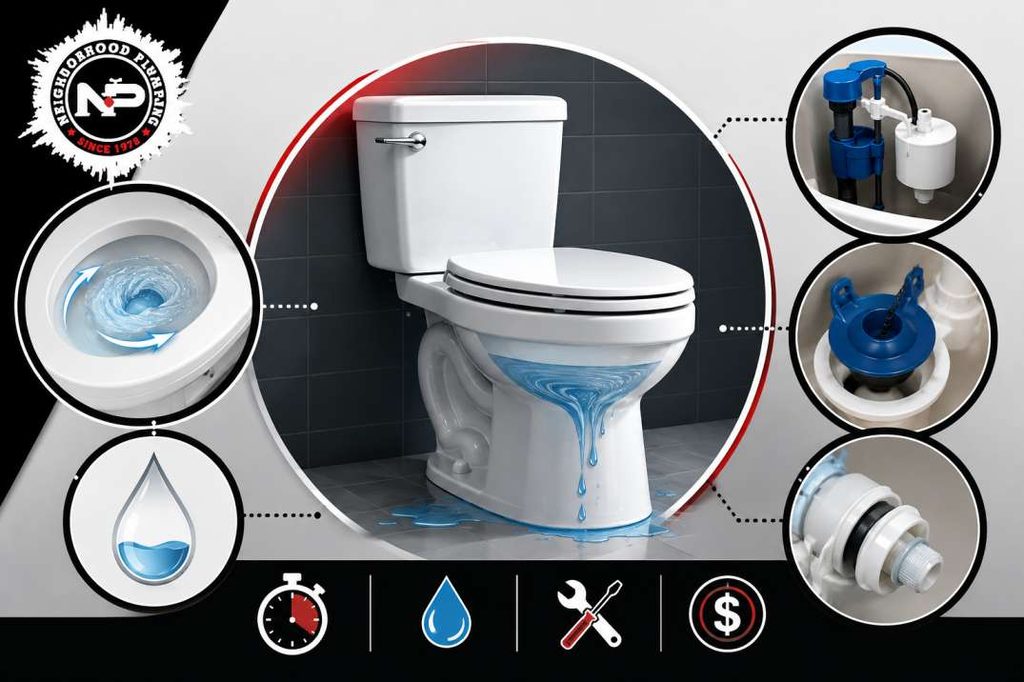
5. Running Toilets and Toilet Leaks

A toilet that continues running after flushing is another problem homeowners often tolerate for too long.

The cause may be relatively simple, such as a worn valve, damaged seal or faulty flushing mechanism.

However, the longer the toilet runs, the more water it can waste.

A toilet that intermittently refills when nobody has used it is also worth investigating. This can indicate a slow internal leak that may not be obvious.
Running Toilets and Toilet Leaks

An easy homeowner check

If you suspect a toilet is leaking internally, listen for periodic refilling when the toilet has not been used.

You can also inspect the area around the toilet for signs of moisture.

Never assume that a toilet that flushes correctly is necessarily functioning efficiently. Internal components can deteriorate while the fixture remains operational.

6. Low Water Pressure and Inconsistent Flow

Low water pressure can be frustrating, particularly when multiple fixtures are being used.

However, the location and timing of the problem provide useful clues.

For example, ask:

  • Is the pressure low at one fixture or throughout the home?
  • Did the problem appear suddenly?
  • Is hot water pressure different from cold?
  • Does the pressure change when another tap is opened?
  • Are there signs of a leak?
  • Has plumbing work recently been completed?

A problem affecting only one tap could be associated with the fixture itself.

A whole-house pressure change may require a broader assessment.

For homeowners in older properties, ageing or restricted pipework may also contribute to inconsistent flow.

The important point is not to assume that replacing one tap will solve a problem affecting the entire plumbing system.

7. Hot Water Problems

Hot water systems are another frequent source of household plumbing complaints.

The symptoms can vary significantly:

  • Water takes too long to heat
  • Hot water runs out unusually quickly
  • Water temperature fluctuates
  • The system makes unusual noises
  • Water is leaking around the system
  • Hot water is not available at all

The appropriate response depends heavily on the type of hot water system and the nature of the fault.

A minor component issue may be repairable, while an ageing system may require replacement.

Why diagnosis matters

Replacing equipment without first establishing why it has failed can lead to unnecessary expense.

A professional assessment should consider the system’s condition, age, installation and symptoms before recommending the most appropriate course of action.

Emergency Plumbing: Knowing When a Problem Cannot Wait

Not every plumbing issue requires an emergency response.

A dripping tap can generally be scheduled for a convenient repair. A major uncontrolled leak is different.

Situations that may warrant urgent attention include:

  • A burst water pipe
  • Rapidly spreading water damage
  • A major leak that cannot be isolated
  • Sewer overflow
  • Significant flooding caused by plumbing
  • No water where an urgent supply issue exists
  • A serious hot water system leak

If you are dealing with an urgent plumbing failure, knowing where your main water isolation point is can save valuable time.

Every homeowner should ideally know how to shut off the home’s water supply and where relevant isolation valves are located.

Local Plumber Advice: Small Warning Signs Are Worth Investigating

One of the most useful lessons from everyday plumbing work is that plumbing systems often provide warning signs before a major failure occurs.

A drain becomes slower.

A tap starts dripping.

A toilet begins refilling by itself.

A water stain appears.

The hot water supply becomes inconsistent.

None of these automatically means a major repair is coming. But they are signals that something has changed.

A Local Plumber can help identify whether the issue is isolated or part of a larger problem.

This is particularly valuable when several small symptoms appear at the same time.

For example, low water pressure combined with dampness or unexplained water usage should not simply be treated as unrelated inconveniences.

Preventative Plumbing Maintenance Can Reduce Surprises

Homeowners generally think about plumbing when something breaks. A better approach is to incorporate preventative plumbing maintenance into normal property care.

This does not mean constantly paying for unnecessary inspections or replacing functioning equipment.

Instead, it means paying attention to the condition of the plumbing system and addressing reasonable warning signs before they become failures.

Useful preventative habits include:

  • Check under sinks periodically for moisture.
  • Look for corrosion around exposed connections.
  • Do not pour cooking grease down drains.
  • Use suitable drain strainers.
  • Monitor unusual changes in water usage.
  • Pay attention to recurring blockages.
  • Check toilets for persistent running.
  • Know where water isolation valves are located.
  • Have recurring plumbing issues properly diagnosed.
  • Avoid repeatedly relying on temporary fixes.

Preventative maintenance is particularly relevant for established homes where some plumbing components may have been installed many years ago.

What Homeowners Often Get Wrong About Plumbing Problems

“If the leak is small, it is not serious.”

Size does not always indicate severity.

A small concealed leak can cause considerable damage over time, while a visible dripping tap may be relatively straightforward to repair.

The location and source matter more than the number of drops.

“Drain cleaner fixes a blocked drain.”

It may improve symptoms temporarily, but recurring blockages require diagnosis.

If the same drain repeatedly becomes blocked, investigate why.

“All plumbing problems need to be fixed immediately.”

Not necessarily.

Some problems are urgent; others can be scheduled.

The important skill is recognising the difference.

“The cheapest repair is always the best option.”

A low-cost temporary repair may be appropriate for a minor issue, but repeatedly repairing a failing component may not represent good value.

A good plumber should explain the available options rather than automatically recommend the most expensive solution.

Expert Tips for Managing Plumbing Problems in Your Home

1. Describe the symptom accurately

Instead of simply saying “the shower is broken,” explain what is happening.

For example:

“The shower pressure drops after about five minutes, and the basin remains normal.”

Specific information helps the plumber diagnose the problem more efficiently.

2. Mention when the problem started

A sudden change can point toward a different cause than a problem that has gradually developed over six months.

3. Tell the plumber about previous work

Previous repairs, renovations or fixture replacements can provide important context.

4. Ask what caused the problem

Understanding the cause helps prevent the same issue from returning.

5. Ask about temporary versus permanent repairs

If there are multiple options, ask what each solution involves, how long it is expected to last and what risks remain.

6. Do not conceal recurring symptoms

If a drain has blocked four times in six months, mention all four incidents.

The history may be more useful than the latest blockage itself.

Why Choosing Plumbers in Alphington Should Be About More Than Availability

When selecting Plumbers in Alphington, homeowners naturally consider price and availability. Those factors matter, particularly during urgent situations.

However, technical competence and communication are equally important.

A trustworthy plumbing professional should be able to explain:

  • What they believe is causing the problem
  • What needs to be repaired
  • Whether the repair is urgent
  • What options are available
  • Whether further investigation is recommended
  • What limitations or uncertainties exist
  • What maintenance could reduce recurrence

For residential plumbing Alphington, this practical communication can make the repair process considerably easier for homeowners.

You do not need to become a plumbing expert yourself. You should, however, receive enough information to make an informed decision about your property.

Final Takeaway: Pay Attention Before a Small Problem Becomes a Big One

The Common Plumbing Problems in Alphington are not always dramatic when they begin.

A slow drain, dripping tap, running toilet, low water pressure or small water stain can seem insignificant. Yet these symptoms can sometimes provide early evidence of a developing plumbing fault.

The most useful approach is neither to panic over every minor issue nor to ignore problems until they become emergencies.

Instead:

  • Recognise warning signs.
  • Deal with recurring problems properly.
  • Know how to isolate your water supply.
  • Use qualified professionals for work that requires specialist knowledge.
  • Ask questions about the cause and available repair options.
  • Consider preventative maintenance for an ageing or heavily used system.

Whether you need routine Plumbing Repairs or an urgent response to a burst pipe, informed decisions can help protect your home and reduce unnecessary disruption.

If you are dealing with an unexplained leak, recurring blockage, failing fixture or another plumbing concern, Neighbourhood Plumbers can assess the problem and explain the practical next steps.

Frequently Asked Questions

1. What are the most common plumbing problems in Alphington homes?

Common issues include leaking taps and fixtures, blocked drains, concealed water leaks, running toilets, low water pressure, burst pipes and hot water problems. The exact causes vary depending on the property’s age, plumbing installation, maintenance history and household usage.

One important point is that recurring problems deserve more attention than isolated minor faults. For example, a drain that blocks repeatedly may indicate an underlying drainage issue rather than simply requiring another quick clearing.

2. When should I call an Emergency Plumber in Alphington?

An Emergency Plumber in Alphington may be appropriate when a plumbing failure is causing or could rapidly cause significant damage. Examples include burst pipes, uncontrolled water leaks, sewer overflow or major flooding that cannot be safely isolated.

If water is flowing uncontrollably, the first priority is to shut off the water supply if you can do so safely. Then arrange professional assistance rather than attempting a complex repair yourself.

3. How can I tell if I have a hidden water leak?

Look for unexplained dampness, water stains, mould or musty smells, swollen cabinetry, damaged flooring or unusual water consumption.

Another useful warning sign is moisture that repeatedly appears in the same location despite no obvious source.

A hidden leak should not be ignored simply because the amount of visible water is small. Water can travel through building materials before appearing some distance from the actual leak.

4. How often should homeowners arrange preventative plumbing maintenance?

There is no single maintenance interval that is appropriate for every property. A newer home with modern plumbing may have different requirements from an older property with ageing fixtures and pipework.

Instead of relying only on a calendar, homeowners should monitor the condition of their plumbing and investigate recurring or changing symptoms. Professional advice can also help determine whether particular components or systems require periodic inspection based on their age and condition.

5. Should I repair or replace a faulty plumbing fixture?

It depends on the condition, age and type of fixture, as well as the nature of the fault.

A worn internal component may make a repair sensible. If a fixture is heavily deteriorated, repeatedly failing or difficult to source replacement parts for, replacement may provide better long-term value.
What 400+ Plumbing Jobs in Broadmeadows Revealed About the Most Common Household Plumbing Issues

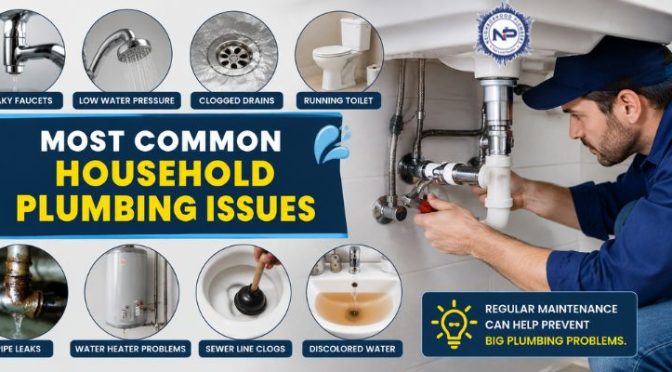
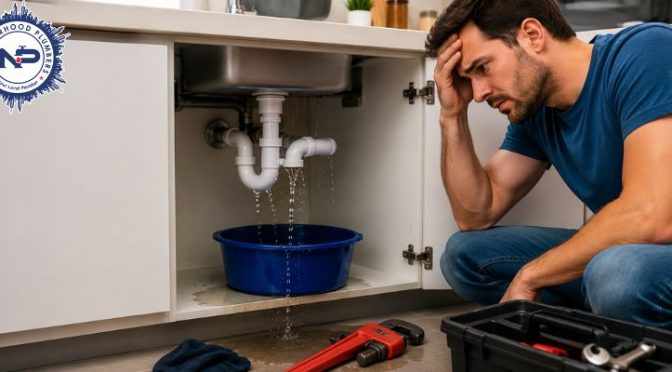
When a plumbing problem appears, it’s rarely convenient. A dripping tap may seem harmless until it increases your water bill. A slow drain might not feel urgent until it turns into a complete blockage. And a small leak hidden behind a wall can quietly damage flooring, insulation, and even structural timber before anyone notices.

After hundreds of residential call-outs, one thing becomes clear: most plumbing emergencies don’t happen without warning. They often begin as small issues that homeowners overlook. This article explores the Common Plumbing Problems Broadmeadows homeowners experience most often and what over 400 real household plumbing jobs have revealed about preventing expensive repairs.

Whether you’re maintaining an older property or have recently moved into a newer home, understanding these patterns can help you identify issues earlier and make better decisions when hiring Plumbers in Broadmeadows.

Why Plumbing Problems Keep Repeating in Broadmeadows Homes

Every suburb has its own plumbing challenges. In Broadmeadows, a combination of ageing homes, changing weather conditions, tree root growth, and everyday household wear contributes to recurring plumbing issues.

Older homes often contain ageing pipework, while newer properties can still develop issues caused by poor installation, shifting foundations, or neglected maintenance.

Across hundreds of service calls, the same household problems appear repeatedly:

  • Hidden water leaks
  • Blocked drains
  • Burst pipes
  • Faulty hot water systems
  • Overflowing toilets
  • Leaking taps
  • Low water pressure
  • Stormwater drainage issues

Recognising these patterns allows homeowners to take preventative action before a small issue becomes a major repair.

Understanding the Real Cost of Ignoring Small Plumbing Issues

Many homeowners delay repairs because the problem appears minor.

Unfortunately, plumbing rarely fixes itself.

A dripping tap can waste thousands of litres of water every year.

A slow leak beneath flooring may eventually require:

  • Floor replacement
  • Wall repairs
  • Mould removal
  • Electrical inspections
  • Insurance claims

Prompt attention almost always costs less than waiting.

Plumbing Repairs That Homeowners Need Most

Plumbing Repairs

One of the biggest findings from hundreds of residential jobs is that preventative repairs save significant money over time.

Common repair requests include:

Leaking Taps

Although they seem harmless, leaking taps increase water usage and often indicate worn internal components.

Replacing washers early prevents larger valve failures.

Running Toilets

Continuous water flow can dramatically increase utility bills while placing unnecessary pressure on plumbing systems.

Faulty Hot Water Units

Many homeowners ignore inconsistent water temperatures until the system completely fails.

Regular servicing often extends equipment life.

Blocked Kitchen Drains

Cooking oils, food scraps and grease gradually restrict drainage.

Professional cleaning prevents complete blockages.

Water Leaks Are More Serious Than Most People Think

Water Leaks

Hidden leaks consistently rank among the most expensive household plumbing problems.

Signs often include:

  • Damp walls
  • Bubbling paint
  • Higher water bills
  • Reduced water pressure
  • Musty smells
  • Warped flooring

Many leaks remain hidden for months.

Professional leak detection equipment allows plumbers to locate problems without unnecessary wall removal or excavation.

Early detection protects both your property and your budget.

Why Burst Pipes Happen More Often Than Expected

Burst Pipes

Burst pipes rarely happen without warning.

Common causes include:

  • Pipe corrosion
  • Tree root intrusion
  • Ground movement
  • High water pressure
  • Frozen or expanding pipes in colder conditions
  • Old galvanised plumbing

Many homeowners first notice:

  • Wet gardens
  • Water pooling indoors
  • Sudden pressure loss
  • Water stains

Immediate isolation of the water supply significantly reduces property damage.

Common Plumbing Problems Broadmeadows Homeowners Experience

Common Plumbing Problems Broadmeadows

After analysing hundreds of residential plumbing jobs, several patterns continue to appear.

Blocked Bathroom Drains

Hair, soap residue and mineral deposits gradually reduce drainage performance.

Ignoring slow drains often leads to complete blockages.

Kitchen Sink Blockages

Cooking grease remains one of the leading causes.

Although hot water temporarily improves flow, grease usually hardens further along the pipe.

Tree Root Damage

Established trees commonly invade underground sewer pipes through tiny cracks.

Professional camera inspections identify these issues before excavation begins.

Toilet Problems

Repeated blockages often indicate deeper sewer issues rather than simple misuse.

Professional diagnosis prevents recurring repairs.

Low Water Pressure

This may result from:

  • Internal corrosion
  • Pressure regulator faults
  • Hidden leaks
  • Blocked supply pipes

Simply replacing fixtures rarely solves the underlying cause.

Emergency Plumbing Situations Every Homeowner Should Recognise

Emergency Plumbing

Not every plumbing issue requires immediate attendance.

However, homeowners should contact an Emergency Plumber Broadmeadows immediately if they experience:

  • Burst water pipes
  • Overflowing sewer drains
  • No running water
  • Gas-related plumbing emergencies
  • Major roof leaks during storms
  • Flooding inside the home
  • Hot water system failures causing leaks

Quick action reduces damage while protecting occupants.

Residential Plumbing Broadmeadows Requires Local Knowledge

Every suburb develops unique plumbing characteristics.

Experienced professionals working in residential plumbing Broadmeadows understand:

  • Local pipe materials
  • Drainage layouts
  • Council infrastructure
  • Common soil movement
  • Tree root hotspots

This local experience often speeds up diagnosis because plumbers have encountered similar issues in nearby homes.

Why Licensed Plumbers Broadmeadows Matter

Choosing qualified professionals is about more than compliance.

Experienced licensed plumbers Broadmeadows provide:

  • Accurate diagnosis
  • Safe installations
  • Building code compliance
  • Proper testing
  • Long-term reliability

Cheap repairs frequently become expensive when underlying issues remain unresolved.

Professional workmanship protects both your investment and your family’s safety.

Preventative Plumbing Maintenance Saves Thousands

Preventative Plumbing Maintenance

The biggest lesson from over 400 plumbing jobs is that preventative maintenance consistently reduces emergency repairs.

Homeowners should schedule periodic inspections covering:

  • Water pressure testing
  • Leak detection
  • Hot water servicing
  • Drain inspections
  • Flexible hose checks
  • Roof plumbing
  • Outdoor drainage

Small maintenance visits often prevent major plumbing failures months later.

Practical Plumbing Tips Every Household Can Use

Simple habits help extend the life of your plumbing system.

Never Pour Grease Down the Sink

Allow grease to cool before disposing of it in household waste.

Install Drain Strainers

These inexpensive devices reduce hair and food entering drains.

Know Your Main Water Shut-Off Valve

During emergencies, quickly stopping the water supply limits damage.

Every household member should know its location.

Watch Your Water Bill

Unexpected increases often indicate hidden leaks.

Inspect Outdoor Taps Regularly

Small external leaks frequently go unnoticed because they’re outside.

Common Plumbing Misconceptions

Many homeowners unknowingly make plumbing problems worse.

“Chemical Drain Cleaners Fix Everything”

These products often damage pipes without removing the underlying blockage.

Professional mechanical cleaning is usually safer.

“A Small Leak Isn’t Urgent”

Small leaks rarely stay small.

They often worsen gradually while causing hidden structural damage.

“DIY Repairs Save Money”

Incorrect repairs frequently increase labour costs when professionals eventually attend.

Attempting repairs without proper knowledge may also void product warranties.

“New Homes Don’t Need Plumbing Inspections”

Even recently built homes benefit from routine maintenance.

Installation defects, settlement movement and blocked drains can affect properties of any age.

Expert Advice From Years of Residential Plumbing Experience

Experienced plumbers consistently recommend three simple strategies.

Fix Problems Early

The earlier a repair begins, the lower the overall cost.

Invest in Regular Maintenance

Annual inspections identify developing problems before they become emergencies.

Choose Long-Term Solutions

Temporary repairs may seem cheaper initially but often require repeated service visits.

Permanent repairs usually deliver better value.

What Homeowners Can Learn From 400+ Plumbing Jobs

One recurring lesson stands above the rest.

Most emergency plumbing jobs begin as maintenance issues.

A slow leak becomes water damage.

A blocked drain becomes sewer overflow.

A noisy pipe becomes a burst pipe.

Recognising early warning signs allows homeowners to avoid unnecessary stress, expensive repairs and prolonged disruption.

Good plumbing maintenance isn’t about reacting to emergencies—it’s about preventing them.

Conclusion

The experience gained from more than 400 residential plumbing jobs highlights a simple truth: prevention is always more affordable than emergency repairs. Understanding the Common Plumbing Problems in Broadmeadows homeowners regularly face allows you to spot early warning signs, protect your property, and avoid unnecessary costs.

Whether it’s repairing hidden leaks, addressing ageing pipework, or scheduling routine inspections, working with experienced Plumbers Broadmeadows helps ensure your home’s plumbing system remains safe and reliable throughout the year. For homeowners looking for dependable advice and quality workmanship, Neighbourhood Plumbers continues to support local households with practical solutions, preventative maintenance, and responsive service when it matters most.

Frequently Asked Questions

1. What is the most common plumbing problem in Broadmeadows homes?

Hidden water leaks, blocked drains, leaking taps, and ageing pipework are among the most common issues. Older homes may also experience corrosion and tree root intrusion, while newer properties can still develop installation-related problems. Early inspections usually prevent these issues from becoming costly emergencies.

2. When should I call an Emergency Plumber Broadmeadows?

You should contact an Emergency Plumber Broadmeadows if you have a burst pipe, severe water leak, overflowing sewer, complete loss of water supply, or significant flooding inside your home. Acting quickly can minimise water damage and reduce repair costs.

3. How often should household plumbing be inspected?

Most professionals recommend a comprehensive plumbing inspection every 12 months. Homes with older plumbing systems, large trees nearby, or previous plumbing issues may benefit from more frequent inspections to identify leaks, pressure problems, and drainage concerns before they worsen.

4. Can preventative plumbing maintenance really save money?

Yes. Routine maintenance helps identify worn fittings, small leaks, blocked drains, and ageing components before they fail. Preventative servicing is generally much less expensive than repairing major water damage, replacing burst pipes, or responding to emergency plumbing situations.

5. Why should I hire licensed plumbers instead of attempting DIY repairs?

Licensed plumbers have the training, equipment, and experience to diagnose problems accurately and complete repairs safely in accordance with Australian standards. DIY repairs often address only the symptoms, leaving the underlying issue unresolved and potentially increasing repair costs later.

5 Costly Plumbing Mistakes Broadmeadows Property Owners Can Easily Avoid

When it comes to owning a home or managing an investment property, plumbing problems are often ignored until they become expensive emergencies. Many Plumbers in Broadmeadows agree that the majority of major plumbing repairs they attend could have been prevented with timely inspections and basic maintenance.

A dripping tap may seem harmless. A slow drain might feel like an inconvenience rather than a problem. However, these seemingly minor issues can quickly develop into burst pipes, hidden water damage, mould growth, structural deterioration, and unexpectedly high water bills.

This guide explores the five most costly plumbing mistakes property owners make and, more importantly, how you can avoid them. Whether you own a family home, rental property, or commercial premises, understanding these common issues can help you save thousands of dollars while keeping your plumbing system operating efficiently.

One of the most effective ways to prevent these issues is by prioritising Plumbing Maintenance Broadmeadows, which helps identify hidden problems before they become emergencies.

Why Preventive Plumbing Mistakes Matters More Than Ever

Modern plumbing systems are designed to last for decades, but they are not maintenance-free. Every pipe, valve, fixture, and drainage system experiences wear over time.

In many Broadmeadows properties, especially older homes, plumbing systems often contain ageing components that gradually weaken due to:

  • Mineral build-up
  • Corrosion
  • Tree root intrusion
  • Ground movement
  • Seasonal temperature changes
  • Everyday household use

Waiting until something breaks usually means paying far more than the cost of prevention.

Experienced Plumbers in Broadmeadows regularly find that homeowners unknowingly ignore warning signs for months before calling for help.

Plumbing Maintenance: Mistake #1 — Ignoring Small Water Leaks

One of the biggest mistakes homeowners make is assuming a tiny leak isn’t urgent.

Why Small Leaks Become Big Problems

Even a slow drip can waste thousands of litres of water each year.

Hidden leaks behind walls or beneath flooring often cause:

  • Timber rot
  • Mould growth
  • Damaged plaster
  • Electrical hazards
  • Foundation movement

Many property owners only discover these leaks after noticing peeling paint or a musty smell.

Real-World Example

A Broadmeadows homeowner ignored a dripping laundry tap for nearly a year because it “wasn’t getting worse.”

Unfortunately, the leak travelled inside the wall cavity, damaging insulation and plasterboard. What could have been a simple repair turned into several thousand dollars in restoration work.

How to Avoid It

  • Check under sinks monthly.
  • Inspect outdoor taps.
  • Watch for unexplained increases in water bills.
  • Look for damp patches around walls and ceilings.
  • Schedule regular Plumbing Maintenance Broadmeadows inspections.

Pipe Repairs: Mistake #2 — Using DIY Fixes Instead of Permanent Repairs

Temporary plumbing fixes often become permanent habits.

Unfortunately, duct tape, pipe clamps, and sealants rarely solve the underlying issue.

Why DIY Repairs Often Cost More

Homeowners commonly attempt repairs using:

  • Waterproof tape
  • Epoxy putty
  • Flexible connectors
  • Temporary hose clamps

While these products have emergency uses, they are not long-term solutions.

Improper repairs may:

  • Increase water pressure problems
  • Cause hidden leaks
  • Lead to burst pipes
  • Void insurance claims in some situations

Professional Pipe Repairs focus on identifying the source—not simply covering the symptoms.

Expert Insight

Experienced plumbers frequently discover multiple hidden issues behind what initially appeared to be one leaking pipe.

Repairing the visible damage without diagnosing the cause often results in repeat failures.

Water Leaks: Mistake #3 — Waiting Too Long Before Calling a Professional

Many people hope plumbing problems will somehow fix themselves.

Unfortunately, plumbing systems rarely work that way.

Warning Signs That Should Never Be Ignored

Call experienced Plumbers in Broadmeadows if you notice:

  • Water pressure suddenly drops
  • Gurgling drains
  • Damp walls
  • Bubbling paint
  • Discoloured ceilings
  • Constantly running toilet
  • Wet patches in the garden
  • Unpleasant drain odours

These symptoms usually indicate much larger issues developing behind the scenes.

Why Delaying Costs More

Small repairs often become:

  • Pipe replacements
  • Ceiling restoration
  • Flooring replacement
  • Mould remediation
  • Structural drying

Early intervention almost always reduces repair costs significantly.

Home Plumbing: Mistake #4 — Treating Drains Like Rubbish Bins

Blocked drains remain one of the most common causes of emergency plumbing callouts.

Many homeowners unknowingly create recurring blockages through everyday habits.

What Should Never Go Down Household Drains?

Avoid flushing or washing away:

  • Cooking grease
  • Coffee grounds
  • Wet wipes
  • Cotton buds
  • Hair
  • Food scraps
  • Sanitary products
  • Excessive paper towels

Even products labelled “flushable” often contribute to major drain blockages.

Kitchen Drain Problems

Grease appears harmless while hot.

Once inside underground pipes, it cools and hardens.

Over time, it traps:

  • Soap residue
  • Food waste
  • Hair
  • Dirt

The result is a complete blockage requiring professional equipment.

Bathroom Drain Issues

Hair combines with soap residue to create stubborn clogs that chemical drain cleaners rarely solve completely.

Repeated chemical use can even damage older pipes.

Plumbing Services: Mistake #5 — Skipping Routine Maintenance

Many homeowners spend money fixing problems instead of preventing them.

Routine inspections remain one of the smartest investments for any property owner.

What Does Preventive Plumbing Maintenance Include?

Professional inspections typically involve checking:

  • Water pressure
  • Pipe condition
  • Tapware
  • Toilets
  • Hot water systems
  • Flexible hoses
  • Valves
  • Outdoor plumbing
  • Stormwater drainage

Regular Plumbing Maintenance helps identify issues before they become emergencies.

Long-Term Benefits

Preventive maintenance helps:

  • Extend plumbing lifespan
  • Reduce emergency callouts
  • Improve water efficiency
  • Lower utility bills
  • Prevent hidden water damage
  • Protect property value

Affordable Plumber Broadmeadows: Why Cheapest Isn’t Always Best

Many property owners search for the lowest quote.

However, selecting an affordable plumber Broadmeadows should involve more than comparing prices.

A quality plumber provides:

  • Accurate diagnosis
  • Proper repairs
  • High-quality materials
  • Transparent pricing
  • Long-term solutions

Poor workmanship often leads to repeat visits that ultimately cost more.

Value comes from solving the problem correctly the first time.

Trusted Plumber Broadmeadows: What Experience Really Looks Like

A trusted plumber Broadmeadows doesn’t simply repair pipes.

They investigate why the problem occurred.

Experienced plumbers often inspect:

  • Water pressure
  • Pipe age
  • Drain condition
  • Water quality
  • Ventilation
  • Previous repair quality

This bigger-picture approach helps prevent recurring problems.

Common Plumbing Myths That Cost Homeowners Money

Many plumbing misconceptions continue to circulate.

Here are some of the most common:

Myth: A slow leak isn’t serious.

Reality:
Even tiny leaks can cause major structural damage over time.

Myth: Chemical drain cleaners solve blockages.

Reality:
They often damage pipes while only partially clearing the obstruction.

Myth: Plumbing only needs attention when something breaks.

Reality:
Preventive inspections reduce emergency repairs dramatically.

Myth: All plumbers provide the same quality.

Reality:
Experience, equipment, diagnostic ability, and workmanship vary significantly.

Myth: Low water pressure is normal in older homes.

Reality:
It often signals hidden plumbing issues requiring investigation.

Practical Tips Every Broadmeadows Property Owner Should Follow

Simple habits can significantly extend the life of your plumbing system.

Monthly Checklist

  • Check taps for drips.
  • Inspect exposed pipes.
  • Test toilet flushing performance.
  • Clean sink strainers.
  • Monitor water bills.
  • Listen for unusual pipe noises.

Every Six Months

  • Inspect outdoor plumbing.
  • Check hot water system valves.
  • Look for signs of moisture around walls.
  • Test water pressure.

Annually

Arrange professional Plumbing Maintenance Broadmeadows to inspect your entire plumbing system.

Preventive servicing usually costs far less than emergency repairs.

When Should You Call Professional Plumbers?

Some plumbing issues should never be delayed.

Contact experienced Plumbers in Broadmeadows if you notice:

  • Burst pipes
  • No hot water
  • Sewer odours
  • Overflowing drains
  • Water stains
  • Gas hot water concerns
  • Repeated drain blockages
  • Sudden pressure loss

Prompt action can prevent secondary damage throughout your property.

Why Preventive Plumbing Saves More Than Just Money

Good plumbing maintenance protects far more than pipes.

It also protects:

  • Your home’s structure
  • Indoor air quality
  • Water efficiency
  • Appliance lifespan
  • Family health
  • Property value

Many expensive plumbing emergencies begin with warning signs that were present for weeks—or even months.

The earlier they’re identified, the simpler and more affordable the solution usually becomes.

Conclusion

Plumbing problems rarely appear without warning. Most costly repairs begin as small, manageable issues that gradually worsen over time. By recognising the warning signs, avoiding common mistakes, and investing in regular Plumbing Maintenance Broadmeadows, property owners can significantly reduce the risk of expensive emergencies.

Whether it’s repairing a small leak, addressing blocked drains, or scheduling routine inspections, taking proactive steps today helps protect your home, your finances, and your peace of mind.

If you’re unsure about the condition of your plumbing system, seeking advice from experienced Plumbers in Broadmeadows like Neighbourhood Plumbers can provide valuable insights and help identify potential issues before they become major repairs.

Frequently Asked Questions

1. How often should plumbing maintenance be carried out in a Broadmeadows home?

For most residential properties, a comprehensive plumbing inspection every 12 months is recommended. Older homes, properties with mature trees, or homes that have experienced previous plumbing issues may benefit from more frequent inspections. Preventive maintenance helps detect hidden leaks, worn components, and drainage issues before they become expensive problems.

2. What are the earliest signs that I may need Plumbing Repairs Broadmeadows?

Some of the earliest warning signs include reduced water pressure, slow-draining sinks, unusual pipe noises, damp patches on walls, unexpectedly high water bills, and persistent toilet leaks. Addressing these symptoms early often prevents more extensive repairs and water damage.

3. Can small plumbing leaks really cause major property damage?

Yes. Even a slow leak can allow moisture to build up inside walls, under flooring, or around structural timber. Over time, this can lead to mould growth, timber decay, damaged insulation, and costly restoration work. Small leaks are often inexpensive to repair when detected early.

4. Is preventive plumbing maintenance worth the cost?

Absolutely. Routine maintenance typically costs far less than emergency repairs resulting from burst pipes, severe blockages, or hidden leaks. Regular inspections also improve water efficiency, extend the life of plumbing fixtures, and reduce the likelihood of unexpected breakdowns.

5. How do I choose reliable Plumbers in Broadmeadows?

Look for plumbers with proven local experience, transparent pricing, strong customer reviews, appropriate licensing, and a focus on long-term solutions rather than temporary fixes. A reliable plumber will thoroughly investigate the cause of the problem, explain the available options, and recommend repairs based on your property’s specific needs rather than applying a one-size-fits-all approach.