Tag Archives: blocked drains Broadmeadows

The Annual Drain Maintenance Plan Every Broadmeadows Homeowner Should Follow 

We all know that blocked drains in Broadmeadows could begin with something insignificant. Slow draining of your sink, bad odour coming from it, or delays in water drainage could be something to ignore. However, the above could develop into serious plumbing issues if they are not addressed.

Drain maintenance could assist in identifying plumbing issues early on. The service could also help ensure that the pipework is always free from clogs.

In many instances, a simple annual schedule could be adequate for monitoring your drains. Drain maintenance in Broadmeadows does not serve as a replacement for expert plumbing in case of major issues but could assist in recognising potential plumbing problems early.

Why Annual Drain Maintenance Matters

Your drainage system works every day. Kitchen sinks, showers, toilets, laundry areas, and outdoor drains all send water through your pipework.

Over time, pipes can collect:

  • Hair
  • Food scraps
  • Soap residue
  • Grease and fat
  • Dirt
  • Tree roots
  • Mineral deposits
  • Foreign objects

Some buildup happens slowly. You may not notice it until water starts draining slowly. Regular drain maintenance in Broadmeadows helps you keep an eye on these areas. It can also support healthier drainage systems around your home.

Your Yearly Drain Maintenance Checklist

A simple homeowner plumbing checklist can make annual maintenance easier.

CheckWhat to Look For
Kitchen drainsSlow water, grease, or food buildup
Bathroom drainsHair, soap, and slow drainage
ToiletsSlow flushing or repeated blockages
Outdoor drainsLeaves, dirt, and standing water
Floor drainsBad smells or slow drainage
DownpipesLeaves and visible blockages
Sewer areasOverflow, unusual smells, or wet ground
Visible pipesLeaks, damage, or corrosion

You do not need to wait until something fails. Checking these areas during the year can help you notice changes early.

January: Start With a Full Drain Check

The beginning of the year is a good time to check your home’s drainage system. Walk around your property. Look at outdoor drains and grates. Remove leaves and other loose debris that you can safely reach.

Inside the home, check sinks, showers, and toilets.

Ask yourself:

  • Is water draining normally?
  • Are any drains making unusual sounds?
  • Is there a bad smell?
  • Has a drain blocked more than once?
  • Is water backing up?

Do not continue treating the symptom if you realize that there is a recurring problem. There may be some underlying reason why the blockage keeps occurring.

February: Check Kitchen Drains

Kitchen drains are normally filled with fats, oils, food waste, and other residues. Cooking oils should never be poured into the kitchen sink drain. Let it cool before disposal. Using sink filters when applicable will help to avoid any build-up in the drain system.

If your kitchen drain takes a longer time to drain out water compared to before, then you should be aware of that. It might indicate the need for blocked drains in Broadmeadows cleaning. 

March: Focus on Bathroom Drains

Hair and soap residue are some of the most common things that cause drain clogs in the bathroom. Check for slower water flow in shower and bathroom drains. 

Do not force objects down a drain to remove a blockage. This can push the material deeper into the pipe. If a bathroom drain keeps blocking after basic cleaning, professional assessment may be needed.

April: Inspect Outdoor Drains

Outdoor drainage is important, especially before periods of heavy rain.

Leaves, soil, and garden debris can collect around drain openings. This can slow the movement of water.

Check accessible outdoor drains and remove loose debris.

Also look for:

  • Standing water
  • Overflow marks
  • Damaged grates
  • Soil around drainage points
  • Water flowing toward the house

If water regularly pools around your property, the issue may need more than simple cleaning.

May: Check Your Sewer System

Sewer problems can become serious if they are ignored.

Watch for signs such as:

  • Repeated toilet blockages
  • Several slow drains at once
  • Unusual sewer smells
  • Gurgling pipes
  • Water backing up
  • Wet areas around sewer lines

If several drains become slow at the same time, there may be a problem deeper in the drainage system.

This is a good time to contact a licensed plumber for further investigation.

June: Look for Repeat Blockages

A drain that blocks once may have a simple cause. A drain that blocks again and again deserves more attention.

Repeated blockages can sometimes point to:

  • Pipe buildup
  • Tree root intrusion
  • Damaged pipes
  • Poor pipe connections
  • Structural pipe problems
  • Objects trapped inside the pipe

Avoid relying on repeated quick fixes. The right solution depends on the actual cause.

July: Keep Pipes Clear

Good habits can help reduce drain problems.

For example:

  • Do not flush wipes unless they are specifically suitable for your plumbing system.
  • Do not pour grease into sinks.
  • Use strainers where appropriate.
  • Keep hair out of shower drains.
  • Do not flush household rubbish.
  • Keep outdoor drains clear of leaves.

These small steps can support healthy drainage systems throughout the year.

August: Consider Professional Drain Cleaning

Home maintenance has limits. If you have a persistent problem with slow drainage or even repeated clogs, professional drain cleaning is necessary. A plumber could examine your drainage system and decide on a proper cleaning procedure.

Professional drain cleaning should address the root cause of the problem and not simply restore flow to your drains.

September: Check for Tree Root Problems

Trees and drainage pipes can sometimes create problems when roots enter damaged or poorly sealed pipes.

Possible warning signs include:

  • Repeated blockages
  • Slow drains
  • Unusual pipe sounds
  • Wet patches in the garden
  • Problems that return soon after cleaning

You should not attempt to extract any roots yourself. You can ask the plumber to check out your pipes and give the right course of action.

October: Prepare for Heavy Rain

Prior to periods of heavy rains, make sure that you have prepared your exterior drainage areas.

You must ensure that there are no leaves covering any accessible grates. Water needs to flow away from your house. Having good surface drainage will lower the chance of water building up around your house. In case of any drainage issues, you may need professional help.

November: Check Your Plumbing Before the Holidays

Homeowners tend to use their plumbing more during this period because they have more people coming in. Before this busy period, you need to check if your drains have any warning signs.

It is better to solve any problem in the early stages of the process rather than having to face the problem when there are many people around.

December: Review Your Drain Maintenance Plan

At the end of the year, review the problems you experienced.

Ask:

  • Which drains caused problems?
  • Did any blockage happen more than once?
  • Were any repairs completed?
  • Did you notice unusual smells?
  • Were outdoor drains clear?
  • Does any plumbing issue still need attention?

Keep a simple record. This can help you identify recurring issues over time.

When Should You Call a Plumber?

Not every drain issue needs an emergency response. However, some signs should not be ignored.

Contact a licensed plumbing professional if you notice:

  • Frequent blockages
  • Water backing up
  • Several blocked drains
  • Sewage smells
  • Sewage overflow
  • Persistent slow drainage
  • Gurgling pipes
  • Wet areas near drainage pipes
  • A blockage that returns after cleaning

These signs can indicate a deeper drainage issue.

Why Professional Drain Maintenance Can Help

DIY maintenance will be effective for simple malfunctions. Professional inspections will be helpful in case the reason for the malfunction is unknown, or the problem persists.

A certified plumber can check the visible sections of the system and suggest proper fixes or cleaning.

This will be especially beneficial for old houses. The drains of old houses might have problems such as old pipes or worn-out joints, which cannot be noticed on the surface.

Common Preventive Drain Maintenance Mistakes

Find out the common preventative drain maintenance mistakes.

Pouring Grease Down the Sink

The grease can accumulate along the walls of the pipe.

Ignoring Slow Drains

Slow drains can be a sign of a problem. Do not wait until there is a complete blockage.

Using Too Much Chemical Cleaner

The harsh chemicals are not necessarily good for all plumbing systems.

Flushing Unsuitable Items

The toilets are made for waste and toilet paper only. Other items might block the drain.

Ignoring Outdoor Drainage

Outdoor drains need care too. Leaves and soil can restrict water flow.

A Simple Yearly Plan

The simplest way to keep your drains healthy is by incorporating drain check-ups into your regular house routine.

Monthly: See if your drains are draining slowly, have any odors, and make any unusual sounds.

Quarterly: Inspect kitchen, bathroom, and exterior drains.

Biannually: Identify any recurring clogs and exterior drainage issues.

Once a year: Review your complete drain maintenance in Broadmeadows and arrange professional help if problems keep returning.

This simple approach can help homeowners stay ahead of common drainage issues.

Conclusion

Good drainage maintenance starts with simple habits. Check your drains regularly. Keep waste out of your pipes. Clear accessible outdoor drains. Pay attention to slow water, bad smells, and repeated blockages.

The yearly inspection of blocked drains in Broadmeadows will enable you to remain organised. In case of serious issues, contact a licensed plumbing specialist.

Homeowners who want drain maintenance in Broadmeadows will be able to address these concerns and ensure that their drain works well all year round. 

Frequently Asked Questions

1. How often should I have my drains professionally cleaned?

It depends. Some homes will require cleaning on a regular basis due to constant blockages. A plumber should suggest how often this procedure needs to be done based on your home’s specific case.

2. What is the first sign of a blocked drain?

Slow drainage is one of the most common early signs. Gurgling sounds, bad smells, and water backing up can also indicate a developing problem.

3. Can I prevent blocked drains at home?

Sure. Don’t put grease, food scraps, and wipes into your drains. Protect your drains when possible and make sure the outside drains are clean.

4. Are recurring blockages a serious problem?

Yes, it is. Constant blockages may have some underlying reason. You should find out what it is to fix the problem once and for all.

5. Why is regular drain maintenance important?

A routine checkup can help you spot any problem and address it before it causes bigger trouble. 
CCTV Drain Inspection vs Traditional Drain Clearing: Which Solution Finds the Real Problem?

A blocked drain can be deceptively simple. Water stops flowing, a plumber clears the obstruction, and everything appears normal again. But what happens when the blockage returns a few days or weeks later?

That is where the difference between traditional drain clearing and CCTV Drain Inspection in Broadmeadows becomes important. Clearing a blockage can restore flow, but it does not necessarily explain why the drain blocked in the first place. Tree roots, cracked pipes, collapsed sections, grease buildup, displaced joints and damaged sewer lines can continue causing problems beneath the ground.

For homeowners dealing with Blocked Drains in Broadmeadows, understanding when to clear a blockage and when to investigate the underlying pipe condition can prevent repeated call-outs and unnecessary repair work.

This CCTV Drain Inspection Guide explains how camera inspections work, what they can reveal, when traditional drain cleaning is enough and when advanced diagnostics provide a much clearer picture of the real problem.

CCTV Inspection vs Traditional Drain Cleaning: What Is the Difference?

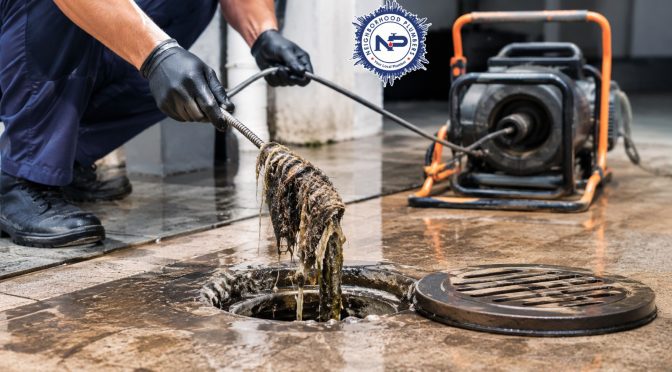
Traditional Drain Cleaning focuses primarily on restoring water flow. Depending on the nature and location of the obstruction, a plumber may use mechanical drain equipment, high-pressure water jetting or other appropriate methods to break apart and remove accumulated material.

This can be exactly what is needed when the cause is a straightforward blockage.

For example, a kitchen sink may stop draining because grease and food residue have accumulated inside the pipe. Once the material is removed, normal drainage may return and the issue may not come back.

A camera inspection takes a different approach.

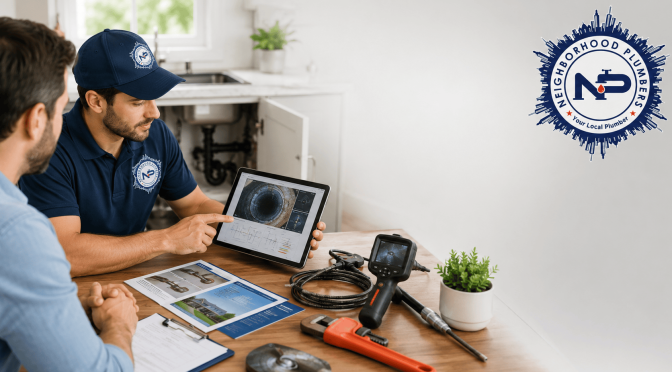
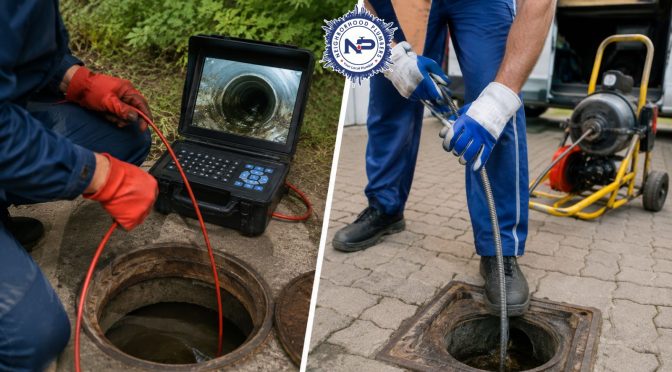
Instead of concentrating only on removing the obstruction, CCTV Inspection allows a plumber to examine the interior of the pipe using a small waterproof camera. The camera travels through accessible sections of the drainage system and transmits images that can help identify the location and nature of a problem.

The two methods therefore answer different questions:

  • Drain cleaning: How can we restore the flow?
  • CCTV inspection: What is happening inside the pipe?
  • Drain repairs: What needs to be repaired if the pipe itself is damaged?

In many real-world situations, the most effective approach is not choosing one method over the other. It is using them in the correct sequence.

Why a Cleared Drain Does Not Always Mean a Fixed Drain

One of the most common misunderstandings about blocked drains is assuming that restored flow means the underlying problem has disappeared.

Imagine a household experiencing a slow bathroom drain. A plumber clears a buildup and the water begins flowing normally.

Several weeks later, the same drain becomes slow again.

The repeated blockage is useful information.

It suggests that something may still be contributing to the restriction. The cause could be recurring buildup, poor pipe gradient, root intrusion, a damaged section or another physical problem within the drainage system.

Continuing to clear the same obstruction without investigating the reason for recurrence can become an expensive cycle.

This is where advanced drain diagnostics can provide greater value. Rather than repeatedly treating the symptom, an inspection can help determine whether there is an underlying defect that needs a different solution.

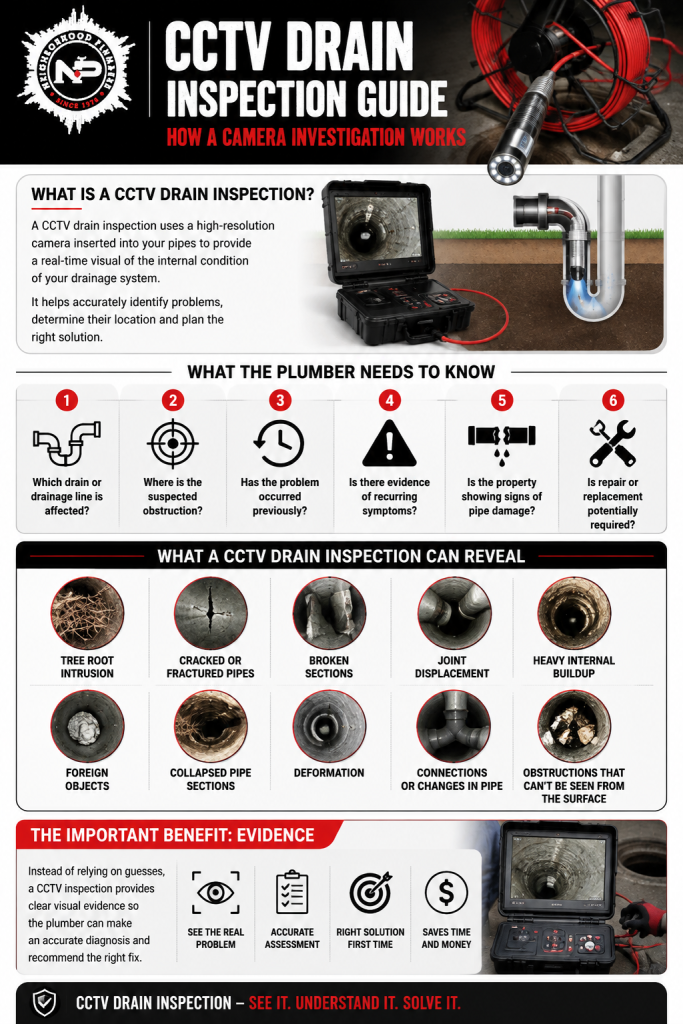
CCTV Drain Inspection Guide: How a Camera Investigation Works

A professional CCTV Drain Inspection Guide should start with understanding what the inspection is intended to establish.

The plumber generally needs to know:

  1. Which drain or drainage line is affected?
  2. Where is the suspected obstruction?
  3. Has the problem occurred previously?
  4. Is there evidence of recurring symptoms?
  5. Is the property showing signs of pipe damage?
  6. Is repair or replacement potentially required?

Once the appropriate access point has been identified, a specialist inspection camera can be introduced into the drainage line.

CCTV Drain Inspection Guide

The camera provides a visual view of the internal pipe condition. Depending on access, pipe configuration and the equipment used, the inspection may reveal issues such as:

  • Tree root intrusion
  • Cracked or fractured pipes
  • Broken sections
  • Joint displacement
  • Heavy internal buildup
  • Foreign objects
  • Collapsed pipe sections
  • Deformation
  • Connections or changes in the pipe
  • Obstructions that cannot be easily identified from the surface

The important benefit is evidence.

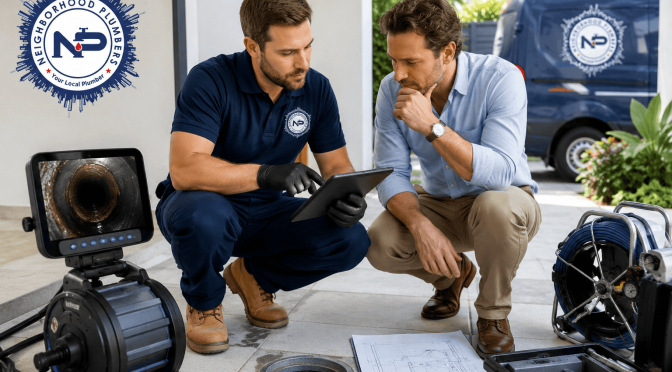
Instead of relying entirely on assumptions about what might be underground, the plumber can make an assessment based on what is actually visible inside the drainage system.

Sewer Pipes: What a Camera Can Reveal

Sewer Pipes can deteriorate for different reasons, and the symptoms on the surface do not always reveal the cause.

A recurring blockage, for example, could result from roots entering through a damaged joint. Removing the roots may restore flow temporarily, but if the entry point remains open, the problem may return.

Similarly, a pipe can have a structural defect that creates a location where waste material repeatedly catches.

A CCTV camera can help identify these conditions.

Tree Root Intrusion

Tree roots naturally seek moisture. If a drainage pipe has a compromised joint or opening, roots can enter and grow inside the pipe.

A blockage caused by roots may respond to mechanical removal or high-pressure cleaning, but recurring root intrusion may indicate that the pipe itself needs attention.

Cracked or Broken Pipes

A damaged pipe may continue carrying water for some time before symptoms become severe.

Cracks can allow surrounding soil or other material to enter the pipe and contribute to recurring restrictions. A camera inspection can help identify visible damage and establish whether further investigation or repair is appropriate.

Displaced Pipe Joints

Older or poorly aligned drainage systems can develop displaced joints. Even a relatively small change in alignment can create a point where debris accumulates.

Without viewing the inside of the pipe, it may be difficult to distinguish this from an ordinary blockage.

Non-Invasive Plumbing Inspections: Why Visibility Matters

Traditional diagnostic methods often rely on symptoms, access points and the plumber’s experience.

That experience remains extremely valuable.

However, non-invasive plumbing inspections can add another layer of information without requiring immediate excavation or the removal of large sections of property.

This matters because drainage systems are frequently located beneath:

  • Driveways
  • Concrete paths
  • Garden beds
  • Flooring
  • Landscaping
  • Buildings
  • Other finished surfaces

If a drainage problem can be located more precisely before excavation begins, homeowners may have a clearer understanding of what work is actually necessary.

That does not mean CCTV eliminates the need for excavation in every case. If a pipe is structurally damaged, physical access may still be required for repair or replacement.

The advantage is that the investigation can help determine where the problem is and what type of problem is present before disruptive work is undertaken.

When Traditional Drain Cleaning Is the Better First Step

CCTV is useful, but it should not be treated as necessary for every minor blockage.

Consider a household where a bathroom basin has recently become slow. There is no history of recurring blockages, there are no unusual smells and other fixtures are draining normally.

A straightforward obstruction may be the most likely explanation.

In that situation, appropriate Drain Cleaning may solve the problem without requiring an extensive investigation.

The key is to look at the pattern.

A one-off blockage and a repeatedly blocked drain should not necessarily be approached in exactly the same way.

When CCTV Inspection Becomes Particularly Valuable

A camera inspection becomes more useful when the symptoms suggest something beyond a simple obstruction.

Consider investigating further when:

The Same Drain Keeps Blocking

Repeated blockages are one of the strongest reasons to investigate the drainage line itself.

Cleaning Only Provides Temporary Relief

If flow improves immediately after cleaning but deteriorates again soon afterwards, the obstruction may be a symptom of a deeper issue.

Multiple Fixtures Are Affected

If toilets, showers, sinks or other fixtures begin showing drainage problems at the same time, the issue may involve a shared section of the drainage system.

There Are Unusual Drainage Smells

Persistent odours can sometimes indicate drainage problems that require further investigation, although smells can have several causes and should not automatically be interpreted as evidence of pipe damage.

You Suspect Pipe Damage

Signs such as recurring blockages, unusual wet areas or unexplained drainage problems can justify a closer assessment.

You Are Considering Major Drain Repairs

Before undertaking substantial excavation or pipe replacement, establishing the location and condition of the affected section can help inform the repair strategy.

Accurate Drain Assessment Can Prevent Unnecessary Work

One of the biggest advantages of camera-based investigation is the potential for a more accurate drain assessment.

Suppose a homeowner is told that a buried drainage pipe may need replacement because of recurring blockages.

That is a significant decision.

Before committing to extensive excavation, it can be useful to establish whether the problem is actually caused by a collapsed section, a root intrusion, a displaced joint or something that can be treated without replacing the entire line.

A camera inspection does not guarantee that every defect will be visible or that every repair decision will be straightforward. Pipe access, water levels, deposits, camera limitations and the physical condition of the line can affect what can be observed.

Nevertheless, visual evidence can substantially improve decision-making compared with guessing based only on symptoms.

A Real-World Example: The Recurring Backyard Blockage

Consider a Broadmeadows homeowner who experiences a blocked outdoor drain several times over the course of a year.

Each time, the obstruction is removed and drainage improves.

Initially, traditional clearing may be entirely reasonable.

But after repeated occurrences, the pattern changes the diagnostic picture.

A CCTV inspection could reveal roots entering through a damaged section of the pipe. In that situation, simply clearing the roots repeatedly treats the immediate obstruction but leaves the entry point unresolved.

The appropriate long-term solution may involve repairing the affected section rather than repeatedly clearing the same blockage.

This is an important distinction between symptom management and problem identification.

Common Mistakes Homeowners Make With Blocked Drains

Assuming Every Blockage Is the Same

Different causes require different approaches. Grease, roots, foreign objects and structural pipe defects should not automatically be treated as identical problems.

Repeatedly Clearing the Same Drain Without Investigating

If a drain repeatedly blocks, keeping the same treatment strategy without considering the underlying cause can increase long-term costs.

Assuming CCTV Means the Pipe Must Be Replaced

A camera inspection is an investigative tool. It does not automatically mean that excavation or replacement is required.

The purpose is to understand the condition of the pipe so that an appropriate response can be considered.

Waiting Until the Drain Completely Fails

Early investigation can sometimes provide more options than waiting until a drainage line becomes severely damaged or inaccessible.

Choosing a Repair Before Establishing the Problem

Replacing or excavating a pipe based solely on assumptions can create unnecessary disruption. Diagnosis should come before major remedial work whenever practical.

Expert Tips for Managing Blocked Drains Broadmeadows

If you are dealing with Blocked Drains Broadmeadows, start by documenting the symptoms.

Note:

  • Which fixture is affected
  • How frequently the problem occurs
  • Whether multiple fixtures are involved
  • Whether cleaning provides temporary relief
  • Whether unusual smells are present
  • Whether the problem appears after heavy rainfall
  • Whether the blockage is inside or outside the property

This information can help a plumber understand the history before beginning the assessment.

If the problem is recurring, ask what evidence supports the recommended repair.

A good diagnostic discussion should explain what has been observed, what remains uncertain and why a particular course of action is being recommended.

That transparency is especially important when the proposed work involves excavation, replacement of Sewer Pipes or significant property disruption.

How to Decide Between Drain Cleaning and CCTV Inspection

A practical decision-making framework is simple.

One-off, straightforward blockage:
Traditional clearing may be appropriate.

Recurring blockage:
Consider investigating the cause.

Multiple affected fixtures:
A broader drainage assessment may be warranted.

Suspected root intrusion:
CCTV can help establish the location and extent of the problem.

Suspected structural damage:
Camera inspection can provide useful evidence before major repair work.

Major drain replacement being considered:
Establishing the affected section and condition of the pipe can help inform the repair strategy.

The best approach is therefore not necessarily “CCTV instead of drain clearing.”

In many situations, it is:

Clear the obstruction → inspect if the problem persists or warrants investigation → identify the cause → choose the appropriate repair.

Conclusion: Find the Cause, Not Just the Blockage

Traditional drain clearing remains an important and effective response to many straightforward blockages. But when a problem keeps returning, removing the obstruction is not necessarily the same as solving the drainage issue.

That is where CCTV Drain Inspection in Broadmeadows can provide valuable diagnostic information. By viewing the inside of the drainage line, plumbers can investigate conditions that are difficult to confirm from the surface and develop a more informed accurate drain assessment.

For homeowners dealing with recurring Blocked Drains Broadmeadows, the right question is not simply, “How quickly can this blockage be cleared?” It is also, “Why did this blockage happen, and is it likely to happen again?”

A practical CCTV Drain Inspection Guide approach means using the least disruptive diagnostic method that provides enough information to make a sensible decision. Sometimes that means straightforward cleaning. Sometimes it means camera inspection followed by targeted Drain Repairs.

Neighbourhood Plumbers takes a problem-first approach to drainage issues, focusing on understanding the symptoms and the condition of the drainage system before recommending unnecessary work.

For recurring drainage problems, Neighbourhood Plumbers can help homeowners assess whether traditional clearing is sufficient or whether a more detailed inspection would provide useful information about the underlying cause.

FAQS

1. Is CCTV inspection necessary every time a drain becomes blocked?

No. A single, straightforward blockage with no history of recurring problems may be appropriately handled with conventional drain clearing. CCTV becomes more valuable when blockages repeatedly return, several fixtures are affected, cleaning provides only temporary relief or there is reason to suspect a damaged drainage line. The decision should be based on symptoms, history and the plumber’s assessment rather than treating every blockage identically.

2. Can a CCTV camera find tree roots inside a drainage pipe?

A camera can often provide a clear visual indication of root intrusion when the affected section is accessible and visibility is adequate. It may show roots entering through joints, cracks or other openings and help identify their location. However, the inspection should be interpreted in context because camera visibility can be affected by standing water, heavy deposits, severe blockages or pipe configuration. Further assessment may sometimes be required before deciding on repairs.

3. Does a CCTV inspection mean my sewer pipe needs replacing?

Not necessarily. CCTV is a diagnostic method, not a recommendation for replacement by itself. An inspection may reveal a condition that can be addressed through cleaning, localised repair or another appropriate solution. In other cases, significant structural deterioration may justify replacement. The value of the inspection is that it provides additional information before homeowners commit to disruptive or expensive work.

4. Can CCTV inspection prevent unnecessary excavation?

It can help reduce uncertainty about the location and nature of a drainage problem before excavation is considered. For example, if an inspection identifies a damaged section in a particular location, the repair strategy can potentially be planned around that evidence rather than excavating large areas to search for the problem. It cannot eliminate excavation when physical repair is necessary, but it can help make excavation more targeted.

5. What should I ask a plumber after a CCTV drain inspection?

Ask what was found, where it was found, whether the issue is structural or simply an obstruction, and whether the recommended solution addresses the underlying cause. If repairs are proposed, ask whether the affected section can be identified precisely and what alternatives are available. You can also ask whether the recommendation is based on visible evidence from the inspection or on symptoms that still require confirmation.

What We Found After Clearing Hundreds of Blocked Drains in Broadmeadows Homes

After clearing hundreds of residential drains, one pattern becomes clear: most blockages do not happen overnight. They are usually the result of months or years of grease, hair, food scraps, tree roots, foreign objects or damaged pipework gradually restricting the flow. Homeowners often notice the problem only when water starts draining slowly, a toilet backs up or an unpleasant smell appears.

Our experience dealing with Blocked Drains Broadmeadows has shown that understanding the cause is just as important as clearing the immediate blockage. A drain that repeatedly fails needs more than a quick fix. It needs the underlying problem identified and addressed.

Blocked Drains: What Hundreds of Jobs Taught Us

Every drainage call is slightly different, but recurring patterns appear when you look at a large number of homes. Some blockages are simple and can be cleared quickly. Others reveal deeper issues involving pipe condition, poor drainage habits or structural problems.

In Broadmeadows homes, the most useful question is not simply, “How do we unblock this drain?” It is, “Why did this drain block in the first place?”

That distinction matters because a temporary opening in the pipe does not necessarily mean the drainage system is healthy.

The Most Common Causes We Encounter

The causes vary depending on which part of the drainage system is affected. Common examples include:

  • Hair and soap residue in bathroom drains
  • Cooking grease and food waste in kitchen pipes
  • Excessive toilet paper or unsuitable items flushed down toilets
  • Tree roots entering damaged or ageing pipes
  • Foreign objects entering outdoor drains
  • Sediment and debris accumulating in external drainage lines
  • Collapsed, cracked or displaced pipe sections
  • Poorly maintained residential drainage systems

A blockage can also develop when several smaller problems combine. For example, a partially damaged pipe may already have restricted flow. Grease or debris then catches against the damaged section, allowing the blockage to grow much faster.

Common Drain Problems Broadmeadows Homeowners Should Watch For

The earliest warning signs are often easy to dismiss. A sink that takes a little longer to empty may not seem urgent. Neither does a toilet that occasionally bubbles or a shower that leaves a small amount of water around the drain.

However, these symptoms can indicate that the pipe is becoming restricted.

Common Drain Problems Broadmeadows homeowners experience often begin with changes in drainage performance rather than a complete blockage.

Slow Draining Water

Slow drainage is one of the most useful early warning signs. When a basin, shower or sink empties more slowly than usual, something may be restricting the pipe.

It does not automatically mean a major sewer problem. A localised buildup near the fixture may be responsible. But if several fixtures begin draining slowly at approximately the same time, the issue may be further along the drainage line.

Gurgling Sounds

Gurgling can occur when air is moving through water in a partially restricted drainage system. If a toilet gurgles when the shower is running, or a sink makes unusual sounds when another fixture is used, it is worth investigating.

The sound itself does not identify the exact cause. It is a clue that the drainage system may not be flowing or ventilating as it should.

Bad Drain Smells

A persistent sewage or rotten smell can indicate stagnant water, organic buildup or a drainage problem. Sometimes the smell comes from a dry trap, but repeated odours should not simply be covered with air fresheners.

The source needs to be identified, particularly if unpleasant smells are accompanied by slow drainage or bubbling fixtures.

Recurring Drain Blockages Are a Warning Sign

A drain that blocks once may simply have encountered an isolated problem. A drain that blocks every few weeks or months is different.

Recurring drain blockages often indicate that the original cause has not been fully addressed.

For example, plunging may restore flow temporarily, but it does not necessarily remove accumulated material from the pipe. Similarly, clearing an obstruction near a fixture will not solve a damaged pipe further downstream.

If the same drain repeatedly causes trouble, homeowners should consider whether the issue involves:

  1. Incomplete blockage removal
  2. Heavy buildup inside the pipe
  3. Tree root intrusion
  4. Damaged or displaced pipework
  5. Poor drainage design
  6. A larger obstruction in the sewer line

The frequency of recurrence can be useful diagnostic information for a plumber.

Drain Cleaning: Why the First Attempt Matters

Effective Drain Cleaning Broadmeadows residents can rely on should focus on restoring proper flow rather than simply creating a small opening through the obstruction.

Different blockages require different approaches. A minor buildup may respond to appropriate mechanical cleaning, while a substantial obstruction may require more comprehensive equipment.

The plumber should first establish what is happening and where the restriction is located. This helps prevent unnecessary work and reduces the risk of repeatedly treating the wrong section of pipe.

Clearing Is Not the Same as Fixing

This is an important distinction homeowners sometimes overlook.

If a drain is blocked by grease, removing the buildup may resolve the immediate problem. But if the grease has accumulated because the pipe has poor flow or has a damaged section, the same problem can return.

Likewise, removing tree roots can restore drainage temporarily, but root growth often indicates that the pipe has a weakness or opening that allowed roots to enter.

The goal should be to restore reliable drainage and understand what caused the failure.

Residential Drainage Systems Have Several Connected Parts

A home’s drainage network is more than the visible plughole. Water from sinks, showers, toilets and other fixtures moves through a network of pipes before reaching larger drainage or sewer infrastructure.

Because these components are connected, a problem that appears in one location may originate elsewhere.

For example, if multiple fixtures back up at the same time, the blockage may be further downstream than the individual fixtures. Clearing only the nearest drain may therefore provide little lasting improvement.

Understanding how residential drainage systems connect allows a plumber to investigate the symptoms in context rather than treating every fixture as an isolated problem.

CCTV Inspection: When a Camera Tells the Bigger Story

When a blockage keeps returning, a CCTV Inspection can provide information that traditional clearing methods cannot.

A small inspection camera can be guided through accessible drainage pipework to help identify issues such as:

  • Tree root intrusion
  • Cracked pipes
  • Broken sections
  • Joint displacement
  • Heavy internal buildup
  • Foreign objects
  • Structural deterioration
  • Locations where the pipe condition changes

The advantage is that the plumber can see what is happening inside the pipe rather than relying entirely on surface symptoms.

Why CCTV Inspection Can Prevent Guesswork

Imagine a homeowner has experienced three blockages in six months. Each time, the drain is cleared and the water flows again. Without investigating further, the homeowner may continue paying for repeated emergency callouts.

A camera inspection may reveal a cracked section of pipe where debris repeatedly collects.

In that situation, another round of basic clearing may only postpone the next failure. Identifying the damaged section gives the homeowner better information about whether repair or replacement is appropriate.

Tree Roots and Drainage Problems

Tree roots are a common cause of persistent drainage trouble when they gain access to vulnerable pipe joints or damaged sections.

Roots naturally seek moisture. A small opening in a drainage pipe can therefore become an entry point. Once inside, roots can grow and catch toilet paper, grease and other debris, gradually reducing the pipe’s internal diameter.

Root intrusion does not necessarily mean that every nearby tree must be removed. The important step is understanding why the roots entered the pipe and assessing the condition of the affected section.

Repeatedly removing roots without addressing the damaged pipe may result in the problem returning.

Sewer Repairs: When Clearing Is No Longer Enough

Not every blockage requires pipe repair. However, when inspection reveals structural damage, continued cleaning may not be the best long-term solution.

Sewer Repairs may be considered when pipes are cracked, collapsed, severely displaced or otherwise unable to carry wastewater effectively.

The appropriate repair method depends on factors such as:

  • Location of the damaged section
  • Depth of the pipe
  • Extent of structural damage
  • Accessibility
  • Surrounding landscaping or structures
  • Pipe material and condition
  • Local requirements
  • Cost and expected service life

A professional should explain the findings and available options rather than automatically recommending the most extensive solution.

What Homeowners Often Get Wrong About Drain Blockages

Some drainage habits are based on common assumptions that do not always hold up in practice.

“If Water Is Flowing, the Drain Is Fine”

Not necessarily. A partially restricted pipe can still drain water for weeks or months before eventually becoming completely blocked.

A slow drain should be treated as an early warning rather than something that must wait until the water stops completely.

“Boiling Water Solves Every Kitchen Blockage”

Hot water may help with some greasy residue, but it cannot reliably clear every blockage. It also should not be treated as a substitute for proper diagnosis when drainage is repeatedly restricted.

The safest approach is to understand what material is causing the blockage before deciding how to address it.

“Chemical Drain Cleaners Are a Permanent Solution”

Chemical products may appear convenient, but repeatedly relying on them does not address structural problems, root intrusion or major physical obstructions.

If the drain keeps blocking, repeated chemical treatment can delay proper diagnosis while the underlying issue continues.

“Only Old Homes Get Drain Problems”

Age can influence pipe condition, but newer properties are not immune to drainage issues. Construction debris, inappropriate materials, landscaping changes, poor installation or everyday usage can all contribute to blockages.

The condition of the individual drainage system matters more than simply the age of the home.

A Local Plumber Looks at the Pattern, Not Just the Blockage

The value of local plumbing expertise goes beyond knowing how to clear a blocked pipe. Experienced plumbers see recurring patterns and can use information from the property and the homeowner’s history to guide an investigation.

For example, knowing that a particular drain has blocked three times in the past year changes the approach. So does knowing that the problem occurs after heavy rainfall, only when multiple fixtures are used or only in a particular section of the home.

What to Tell Your Plumber

Before a plumbing visit, homeowners can provide useful information by noting:

  • Which fixtures are affected
  • When the problem started
  • Whether drainage became gradually slower
  • Whether multiple drains are affected
  • Whether there are unusual smells or sounds
  • How often the blockage has occurred
  • Whether previous repairs or cleaning were performed
  • Whether recent landscaping or construction work took place

These details can help the plumber understand the history before beginning the investigation.

Practical Ways to Reduce Future Blockages

No household can eliminate every drainage problem, but sensible maintenance can reduce avoidable blockages.

Keep Grease Out of Kitchen Drains

Cooking fats and grease can cool and accumulate inside pipes. Instead of pouring them down the sink, allow them to cool and dispose of them appropriately.

Use Hair Catchers in Showers

A simple drain screen can capture hair before it enters the pipe. It will not stop every type of blockage, but it can reduce one of the most common bathroom drainage contributors.

Be Careful What Goes Down the Toilet

Toilets should not be treated as general waste disposal systems. Items that do not break down appropriately can contribute to blockages further along the drainage line.

Respond to Slow Drainage Early

Waiting until a drain completely stops can turn a manageable restriction into an urgent problem. If a drain is repeatedly slow, investigate the cause before the situation escalates.

When Should You Call a Professional?

A professional assessment becomes particularly important when:

  • Several fixtures are affected.
  • Wastewater is backing up.
  • The same drain repeatedly blocks.
  • There is a strong sewage smell.
  • You hear persistent gurgling.
  • Outdoor drains overflow.
  • You suspect tree roots.
  • Previous clearing attempts have failed.
  • The problem returns shortly after cleaning.

A single blocked basin may be relatively straightforward. Multiple affected fixtures or recurring failures deserve a broader assessment because they can indicate an issue further down the drainage network.

Expert Advice: Don’t Wait for the Worst Symptom

One of the clearest lessons from dealing with hundreds of drainage problems is that homeowners often wait for a complete blockage before taking action.

That is understandable. A slightly slow shower drain is easy to ignore when everything else in the house works normally.

But drainage systems often provide warnings before they fail completely. Slow flow, gurgling, recurring smells and repeated minor blockages are useful clues.

Acting on those clues can make diagnosis simpler and may reduce the chance of emergency damage or repeated callouts.

The Real Lesson From Hundreds of Broadmeadows Drain Jobs

The biggest takeaway is that a blocked drain should be treated as information, not simply an inconvenience.

Sometimes the cause is straightforward: hair, food waste or a localised buildup. Sometimes it reveals tree root intrusion, damaged pipework or another issue that requires further investigation.

The difference between a short-term fix and a lasting solution often comes down to identifying the cause.

For homeowners experiencing Blocked Drains Broadmeadows, paying attention to early warning signs and seeking appropriate professional assessment can help protect the wider drainage system. When a blockage is recurring, techniques such as CCTV inspection can provide valuable evidence before decisions about repairs are made.

Neighbourhood Plumbers takes a practical approach to drainage problems, focusing on understanding the cause rather than treating every blockage as an isolated event. Their local experience can be useful when homeowners need help interpreting recurring drainage symptoms and deciding what should be investigated next.

If your home has experienced repeated blockages, slow drainage or unexplained wastewater problems, Neighbourhood Plumbers can assess the situation and explain the practical options. The aim should always be reliable drainage and an informed repair decision, rather than simply getting water moving again for a few days.

Frequently Asked Questions

1. Why do my drains keep blocking?

Repeated blockages can be caused by heavy buildup, tree roots, damaged pipes, unsuitable materials entering the drainage system or an obstruction further downstream. If the same drain blocks repeatedly after being cleared, the recurring problem deserves further investigation. A professional may recommend inspection methods that can identify whether the issue is inside the pipe rather than at the visible drain opening.

2. How can I tell if a blockage is serious?

A blockage becomes more concerning when multiple fixtures are affected, wastewater backs up, sewage smells persist or the same drain repeatedly fails. These symptoms can indicate a restriction further along the drainage system. Acting early is generally preferable to waiting until wastewater overflows, particularly where toilets, showers and other fixtures are connected to the same drainage line.

3. When is a CCTV drain inspection useful?

A camera inspection is particularly useful when blockages keep returning, previous clearing attempts have not solved the problem or there is suspicion of root intrusion or damaged pipework. It allows the condition and location of an internal problem to be assessed visually. This information can help determine whether further cleaning, repair or another solution is appropriate.

4. Can tree roots cause blocked drains?

Yes. Tree roots can enter vulnerable drainage pipes through cracks, gaps or damaged joints. Once inside, they can grow and trap debris, gradually restricting water flow. Removing the roots may restore drainage, but if the pipe remains damaged, the roots may return. The long-term approach depends on the condition and location of the affected pipe.

5. Should I wait until a drain is completely blocked before calling a plumber?

No. Slow drainage, gurgling, recurring odours and repeated minor blockages can all provide useful early warnings. Waiting until a drain completely fails may make the situation more disruptive and can increase the risk of wastewater backing up. Early professional assessment can help identify whether the problem is a simple restriction or a sign of a larger drainage issue.

7 Common Causes of Blocked Drains in Broadmeadows Homes

A slow-draining sink, unpleasant odours, or water backing up into your shower can quickly turn from a minor inconvenience into an expensive plumbing problem. Many homeowners don’t realise that most Blocked Drains develop gradually, giving off warning signs long before a complete blockage occurs. Understanding what causes drain blockages can help you prevent damage, reduce repair costs, and protect your home’s plumbing system. If you’re dealing with Blocked drains Broadmeadows, identifying the root cause early is the first step towards an effective and long-lasting solution.

Why Blocked Drains Are a Common Problem in Broadmeadows

Every home relies on a network of pipes to safely remove wastewater. Over time, everyday activities such as cooking, showering, washing clothes, and flushing toilets introduce grease, soap residue, hair, food scraps, and other debris into the drainage system. While modern plumbing is designed to handle regular household waste, poor maintenance and ageing infrastructure can significantly increase the risk of blockages.

Broadmeadows includes a mix of older and newer homes. Older properties may have ageing pipes, while newer homes often experience blockages caused by increased water usage and improper disposal habits. Environmental factors such as mature trees, heavy rainfall, and shifting soil can also affect underground drainage systems.

Knowing the most common causes allows homeowners to take preventative action before a simple blockage becomes a major plumbing emergency.

1. Grease, Fat and Cooking Oil Build-Up

One of the leading causes of household drain blockages begins in the kitchen.

Although cooking oil may appear harmless when poured down the sink, it cools and solidifies inside the pipes. Over time, grease combines with food particles, soap residue, and other debris to create stubborn blockages that restrict water flow.

Many homeowners unknowingly contribute to this problem by rinsing frying pans, baking trays, or greasy dishes under hot water. While hot water temporarily melts grease, it quickly hardens further down the drainage system.

Prevention Tips

  • Dispose of cooking oil in sealed containers.
  • Wipe greasy cookware before washing.
  • Use sink strainers to catch food scraps.
  • Schedule regular drain cleaning services if your kitchen experiences frequent slow drainage.

Small changes in kitchen habits can significantly extend the life of your drainage system.

2. Hair and Soap Residue in Bathroom Drains

Bathrooms are another common location where blocked drains develop.

Hair naturally collects inside shower and basin pipes, while soap residue creates sticky deposits that trap additional debris. Over several months, these materials combine to restrict water flow until the drain becomes completely blocked.

Homes with larger families often experience this issue more frequently due to increased daily use.

Signs to Watch For

  • Water pooling around your feet during showers
  • Slow-draining bathroom basins
  • Gurgling sounds
  • Musty smells coming from drains

Installing simple drain guards and cleaning them regularly can prevent much of this build-up before it enters the plumbing system.

3. Tree Root Intrusion

Tree roots are among the most difficult drainage problems affecting residential properties.

Underground pipes naturally produce moisture through tiny cracks or loose joints. Tree roots detect this moisture and gradually grow towards the pipe, eventually entering through small openings.

Once inside, roots continue expanding until they restrict or completely block wastewater flow.

This issue commonly affects older homes where clay or ageing pipework is more vulnerable to cracking.

Modern inspection technology allows plumbers to locate root intrusion accurately before recommending the most appropriate repair solution.

In severe situations, pipe relining services provide a long-lasting repair option without extensive excavation.

How a Drain Plumber Diagnoses Hidden Drain Problems

Finding the visible blockage is only part of solving the problem.

An experienced drain plumber uses specialised diagnostic equipment to identify the underlying cause rather than treating only the symptoms.

Modern techniques include:

  • CCTV drain inspections
  • High-pressure water jetting
  • Electronic pipe locating
  • Flow testing

These technologies allow plumbers to pinpoint damage quickly while avoiding unnecessary digging or guesswork.

Accurate diagnosis also prevents recurring blockages that often occur when only temporary solutions are applied.

4. Flushing Items That Should Never Enter the Toilet

Despite marketing claims, many products labelled as “flushable” do not break down effectively inside residential plumbing systems.

Common culprits include:

  • Wet wipes
  • Paper towels
  • Cotton buds
  • Sanitary products
  • Nappies
  • Dental floss

Unlike toilet paper, these materials remain largely intact, creating stubborn blockages throughout sewer lines.

Households can avoid costly repairs simply by placing suitable waste bins in bathrooms and educating family members about proper disposal practices.

5. Damaged or Collapsed Pipes

Ageing pipes eventually deteriorate.

Ground movement, corrosion, poor installation, and heavy vehicle traffic can all contribute to cracked, misaligned, or collapsed drainage pipes.

When pipes become damaged, wastewater no longer flows efficiently, allowing debris to collect around damaged sections.

These structural failures often require professional assessment before determining whether repairs or pipe relining services provide the most suitable long-term solution.

Modern pipe relining creates a durable new pipe within the existing structure, reducing excavation and minimising disruption to landscaping.

Why Regular Drain Cleaning Services Prevent Bigger Plumbing Problems

Many homeowners wait until drains completely stop flowing before calling a plumber.

Preventative maintenance offers a far more cost-effective approach.

Professional drain cleaning services remove grease, mineral deposits, organic matter, and developing obstructions before they become severe.

Benefits include:

  • Improved water flow
  • Reduced unpleasant odours
  • Longer pipe lifespan
  • Lower emergency repair costs
  • Early identification of hidden plumbing issues

Routine maintenance is particularly valuable for households with mature gardens, older plumbing, or large families using bathrooms and kitchens heavily.

6. Heavy Rainfall and Stormwater Debris

Broadmeadows occasionally experiences periods of heavy rainfall that place additional pressure on residential drainage systems.

Leaves, dirt, branches, and garden debris can enter stormwater drains, reducing their ability to carry excess rainwater away from the property.

Blocked outdoor drains may eventually cause:

  • Backyard flooding
  • Overflowing gutters
  • Water pooling around foundations
  • Damage to landscaping

Keeping outdoor drainage points clear throughout the year greatly reduces these risks.

Regular inspections before winter also help ensure stormwater systems continue operating efficiently.

7. Lack of Preventative Plumbing Maintenance

Perhaps the most overlooked cause of drainage issues is simply waiting too long before arranging professional inspections.

Many plumbing problems develop gradually over several years.

Minor warning signs often include:

  • Slow drainage
  • Bubbling noises
  • Recurring minor blockages
  • Sewer odours
  • Water backing up after heavy use

Ignoring these symptoms frequently allows small issues to become major repairs.

Regular maintenance helps identify developing problems before emergency call-outs become necessary.

When Sewer Repair Services Become Necessary

Not every blockage can be solved using conventional drain clearing techniques.

If CCTV inspections reveal structural damage, severe root intrusion, pipe collapse, or significant corrosion, professional sewer repair services may be required.

Modern repair methods often minimise excavation while restoring full drainage performance.

Early intervention prevents wastewater leaks, environmental contamination, and further deterioration of underground infrastructure.

Ignoring damaged sewer lines almost always increases repair costs over time.

Common Mistakes Homeowners Make With Blocked Drains

Many well-intentioned DIY solutions can actually make plumbing problems worse.

Common mistakes include:

  • Pouring harsh chemical cleaners into repeatedly blocked drains
  • Using excessive force with drain rods
  • Ignoring recurring slow drainage
  • Flushing unsuitable materials
  • Delaying professional inspections

Chemical cleaners may temporarily dissolve organic material but often damage older pipes while failing to remove the underlying obstruction.

Professional diagnosis usually provides safer and longer-lasting results.

Expert Advice From Experienced Plumbing Professionals

After years of working with residential drainage systems, experienced plumbers consistently observe one important pattern.

Most major blockages begin as small maintenance issues.

Simple habits such as using sink strainers, disposing of grease correctly, arranging routine inspections, and responding quickly to early warning signs dramatically reduce the likelihood of expensive plumbing emergencies.

Investing in preventative care is almost always less costly than emergency repairs or extensive excavation work.

Conclusion

Understanding the causes of Blocked Drains empowers homeowners to prevent many common plumbing problems before they escalate. From grease build-up and tree root intrusion to ageing pipes and poor disposal habits, most blockages develop gradually and provide warning signs that should never be ignored. Taking a proactive approach with regular inspections and maintenance helps protect your plumbing system while reducing long-term repair costs.

If you’re experiencing Blocked drains Broadmeadows, seeking professional advice early can make all the difference. Neighbourhood Plumbers combines practical experience with modern diagnostic equipment to accurately identify drainage issues and recommend effective solutions, whether that involves blocked drain services, pipe relining services, or sewer repair services. By focusing on long-term outcomes rather than temporary fixes, Neighbourhood Plumbers helps homeowners maintain reliable plumbing systems and avoid unnecessary future disruptions.

Frequently Asked Questions

1. What are the first signs of a blocked drain?

Early warning signs include slow-draining sinks or showers, unpleasant smells, gurgling noises, overflowing outdoor drains, and water backing up after using appliances or plumbing fixtures. Addressing these symptoms promptly often prevents larger and more expensive plumbing problems.

2. Can tree roots really block underground pipes?

Yes. Tree roots naturally seek moisture and can enter small cracks or joints in underground pipes. Once inside, they expand and trap debris, eventually restricting or completely blocking water flow. CCTV drain inspections are commonly used to confirm root intrusion before recommending repairs.

3. Are chemical drain cleaners safe to use?

Chemical drain cleaners may provide temporary relief but can damage older pipes if used repeatedly. They also rarely solve the underlying cause of recurring blockages. Professional diagnosis and mechanical cleaning methods generally offer safer and more effective long-term results.

4. How often should household drains be professionally cleaned?

For most homes, professional drain cleaning every 12 to 24 months is sufficient. Properties with mature trees, older plumbing systems, or heavy household usage may benefit from more frequent inspections and preventative maintenance.

5. When should I call a professional plumber instead of trying DIY methods?

If blockages keep returning, multiple drains are affected, wastewater backs up into the home, or you notice strong sewer odours, it’s time to contact a qualified plumber. These symptoms often indicate deeper issues that require specialised equipment and expert assessment rather than temporary DIY fixes.

How Much Does It Cost to Fix Blocked Drains in Broadmeadows?

There are a few domestic issues that can be more irritating than having a blocked drain in the house. Starting with merely a drain in the sink or a gurgling shower, the problem can quickly worsen to become flooding, foul smells, and considerable destruction of property. Among the first things to consider when experiencing blocked drains in Broadmeadows is: what does it cost?

The price depends on a number of variables such as the location of the obstruction, its cause, the necessary tools, and the need for urgent work. While many try to find cheap blocked drains Broadmeadows services, opting for a service by price only does not necessarily mean being economical in the end.

This article outlines the actual cost of fixing drains, how costs affect prices, and how plumbers deal with this issue.

Why Is This an Issue for People in Broadmeadows?

Broadmeadows is one of Melbourne’s well-established suburbs, having both older and new housing estates, commercial and industrial buildings.

Many of the old housing estates built prior to the 1980s have aged drainage systems. As time passes, tree roots, grease build-up, pipe corrosion, and shifting soil can lead to severe blockages.

In Australia, as per WSAA, sewer blockages are the most frequent problems when it comes to plumbing and drainage services in Australian residential homes. Victoria’s local councils receive thousands of service requests annually for drainage problems caused by tree root invasion and the accumulation of debris.

It becomes clear then that blocked drain repairs are a much more common occurrence than we tend to think about.

What Causes Blockages in Drains?

The knowledge of the cause of the problem often influences the price of repair.

Common Causes of Drainage Blockages

CauseDescription
Tree RootsRoots enter cracks seeking moisture
Grease BuildupFat and oils harden inside pipes
Wet WipesNon-flushable products create obstructions
Hair AccumulationCommon in bathroom drains
Foreign ObjectsToys, sanitary products, and debris
Pipe CollapseOlder pipes may crack or collapse
Soil MovementGround shifting can misalign pipes

How Much Does It Cost to Fix a Blocked Drain in Broadmeadows?

The actual blocked drains in Broadmeadows prices vary based on the severity of the blockage and the technology required to diagnose and clear it.

Typical Drain Clearing Costs

Service TypeTypical Cost Range (AUD)
Basic Drain Clearing$150 – $350
CCTV Drain Inspection$200 – $500
High-Pressure Water Jetting$300 – $700
Tree Root Removal$400 – $1,200+
Pipe Relining$2,000 – $8,000+
Emergency After-Hours ServiceAdditional $150 – $500

These figures represent general industry pricing across Melbourne and may vary depending on property access, pipe condition, and urgency.

How Much Does It Cost to Fix a Blocked Drain in Broadmeadows?

The actual blocked drains Broadmeadows prices vary based on the severity of the blockage and the technology required to diagnose and clear it.

Typical Drain Clearing Costs

Service TypeTypical Cost Range (AUD)
Basic Drain Clearing$150 – $350
CCTV Drain Inspection$200 – $500
High-Pressure Water Jetting$300 – $700
Tree Root Removal$400 – $1,200+
Pipe Relining$2,000 – $8,000+
Emergency After-Hours ServiceAdditional $150 – $500

These figures represent general industry pricing across Melbourne and may vary depending on property access, pipe condition, and urgency.

Why the Cheapest Solution May Not Be the Best One

When it comes to fixing blocked drains, most homeowners tend to conduct an online search for cheap options. However, it is critical to understand that addressing the problem and finding its solution are quite different things.

The homeowner notices water backing up from the laundry sink. He chooses a service to clear the clogged drain at $120. After two months, the pipe starts blocking again because he did not identify tree roots as the underlying reason.

Consequently, the homeowner ends up paying for several visits which makes his decision cheaper than conducting an inspection in the first place.

Modern plumbers address the problem, seeking the underlying reasons, instead of restoring the current pipe state.

The Importance of CCTV Inspection in Modern Days

One of the reasons why modern plumbing became more efficient is the implementation of CCTV technology.

Plumbers insert a tiny waterproof camera into the drainage system to determine:

  • Tree root intrusion
  • Pipe cracks
  • Pipe collapses
  • Excess grease
  • Object blocking the drain
  • Joint misalignments

According to recent industry reports, CCTV inspections can save up to 70% of diagnosing time compared to traditional techniques.

Why the Cheapest Solution May Not Be the Best One

When it comes to fixing blocked drains, most homeowners tend to conduct an online search for cheap options. However, it is critical to understand that addressing the problem and finding its solution are quite different things.

The homeowner notices water backing up from the laundry sink. He chooses a service to clear the clogged drain at $120. After two months, the pipe starts blocking again because he did not identify tree roots as the underlying reason.

Consequently, the homeowner ends up paying for several visits which makes his decision cheaper than conducting an inspection in the first place.

Modern plumbers address the problem, seeking the underlying reasons, instead of restoring the current pipe state.

Why Tree Roots Significantly Increase Repair Costs

Tree roots are among the most expensive causes of blocked drains. Roots naturally seek water sources. Even tiny cracks in underground pipes can attract root growth.

Once inside, roots expand rapidly and trap:

  • Toilet paper
  • Waste materials
  • Grease
  • Debris

The result is recurring blockages that worsen over time.

Warning Signs of Root Intrusion

  • Repeated drain blockages
  • Gurgling sounds
  • Slow drainage throughout the house
  • Bad odours outdoors
  • Wet patches in the yard

In severe cases, complete pipe replacement may be required.

Emergency Drain Blockages Are More Expensive

A considerable number of plumbing emergencies happen after normal business hours.

In cases where blocked sewer lines develop, they get even worse after dark when plumbing fixtures are extensively used.

Plumbing emergencies typically require:

  • Instantaneous services
  • After-hour labour rates
  • Special tools
  • Fast diagnostics

While emergency repairs are expensive, postponing them may lead to more costly water damage.

From the Insurance Council of Australia, it has been found that escape-of-liquid insurance claims have remained the most common insurance claims by homeowners across the country.

Example of Real-Life Plumbing Emergency

For instance, think about a home in Broadmeadows where the owners experience slow draining in the kitchen sink from time to time.

Instead of scheduling for an examination of the drainage, they repeatedly use chemical drain cleaners for several months until the blockage becomes severe and extends to the sewer line.

What could have been cleared with just $250 worth of drain cleaning now requires the following services:

  • Inspection with a CCTV camera
  • High-pressure jetting of the pipes
  • Tree roots extraction
  • Pipe repair

At a cost higher than $2,000.

Conclusion: Blocked Drains in Broadmeadows

Pricing of blocked drains in Broadmeadows does not only depend on the blockage. Other things, such as pipes’ condition, accessibility, presence of roots in the pipes, requirement for emergency services, and diagnostic equipment, contribute to the cost.

Even though a number of homeowners prefer blocked drains Broadmeadows solutions that are inexpensive, the cheapest is the one that solves the problem right away.

No matter whether you are struggling with a sluggish sink, frequent toilet blockages, or severe sewage overflow, spending on proper diagnosis and repairing the drain will keep you from further expenses in the future. If you are looking for a cheap blocked drains in Broadmeadows service, Neighborhood Plumbers can become a good match for you. Acting quickly when suspecting drainage problems is the best move in this situation.

FAQs

What are the blocked drains Broadmeadows costs?

Simple drain cleaning may cost between $150 and $350, but some services, like pipe inspection using a camera, root removal, or pipe lining, may be considerably more expensive.

What causes blocked drains in Broadmeadows?

Tree root intrusion is one of the most common causes, particularly in older residential areas with mature trees. 

How are blocked drains in Broadmeadows fixed?

Plumbers typically use CCTV cameras, drain snakes, and high-pressure water jetting to locate and remove blockages effectively. 

Are cheap blocked drains Broadmeadows services worth it?

Low-cost services may provide temporary relief, but comprehensive diagnostics often deliver better long-term value and prevent recurring issues.

Can a blocked drain damage my property

Yes. Untreated drainage issues can lead to flooding, water damage, mould growth, foundation issues, and expensive repairs.

Blocked Drains in Broadmeadows Can Cause Problems

A drain blockage can disrupt your housework and make you tense. It begins with slow-draining sinks, a clogged toilet that does not flush well, or an unusual gurgling noise coming from the bathroom. The tendency for most homeowners is that such issues could be minor, and they can be handled anytime during weekends. However, this assumption should not necessarily be the case.

Drain blockages occur all too often in Broadmeadows as one of the most frequent plumbing emergencies. This situation occurs particularly among old houses due to various factors, including aged piping, tree roots, and build-up issues. Even though not all drain blockages are major, there are cases when these issues escalate to major emergencies.

It becomes quite crucial to differentiate regular blockages from emergencies in order to save both time and money on plumbing services. For those experiencing blocked drains in Broadmeadows, knowing the right steps to take first is important.

Why Are Drain Blockages So Common in Broadmeadows?

There are several reasons why drain blockages in Broadmeadows become a common problem for many homeowners. One particular reason for this is the diversity found in this suburb. 

Why Blocked Drains Are So Common in Broadmeadows

Broadmeadows consists of old houses, renovated properties, and new buildings. This variety in the suburb’s construction is one of its best features, but it can result in some interesting plumbing situations.

The following are just some of the most common factors behind blocked drains in Broadmeadows:

  • Tree root infiltration
  • Fatty deposits in kitchen pipes
  • Accumulation of hair and soap
  • Foreign items flushed down toilets
  • Old and worn-out sewer pipes
  • Damaged and collapsed underground drainage pipes

While the trees around many local properties bring much-needed shade and character, their natural thirst for water can cause serious problems. Root systems will grow and follow any moisture they find, including even the tiniest crack in your underground pipes.

The Differences between a Minor Drain Blockage and a Real Emergency

Just because you’ve got a blocked drain doesn’t mean that you’re facing a plumbing emergency. Most homeowners struggle to figure out if their situation qualifies as a drain emergency or not.

Minor Blockage Symptoms

They affect only one plumbing fixture:

  • Slow-draining bathroom sink
  • Slow-draining shower
  • A blockage of a single toilet

Often, these issues arise slowly enough that you can investigate them during normal business hours.

Emergency Drain Problems

A blockage becomes an emergency when it threatens health, safety, or property.

Examples include:

  • Sewage is backing up into the home
  • Water overflowing from multiple drains
  • Flooding inside the property
  • Strong sewer odors throughout the house
  • Multiple fixtures are failing simultaneously

These situations often require emergency blocked drains in Broadmeadows services.

Example of Real-World Situation: Signs Not Taken Into Consideration

A Broadmeadows homeowner observed that there were occasional gurgling sounds at their bathroom sink when the washing machine was draining. Because everything worked fine, they dismissed the idea that it could be anything serious. 

Over several weeks to come: 

  • There were slow flushing times in the toilet.
  • The drainage in the shower got worse.
  • They detected a sewer odor around the laundry.

During a particularly rainy weekend, sewage water overflowed out of the floor drain in the laundry. Upon conducting a CCTV drain inspection, they found that tree roots had invaded the main sewer pipe. Later, the homeowner confessed that all the warning signs had already been there for months.

The thing we should learn from this case is that drain disasters usually don’t just pop up out of nowhere.

What to Do When Experiencing a Drain Disaster in Broadmeadows 

Being prepared can greatly help minimize potential damage.

Stop Using Water Right Away

Among the common mistakes homeowners make during such emergencies is that they keep on using plumbing devices.

Things you shouldn’t do include:

  • Flush toilets
  • Open taps
  • Use dishwashers
  • Do laundry

Each liter of water going down the drains makes the backup worse.

Find Out if Other Appliances Are Affected

It’s among the easiest ways of determining the situation.

Ask yourself:

  • Is only one sink blocked?
  • Are multiple drains slow?
  • Does flushing the toilet affect another fixture?

If multiple fixtures are involved, the blockage is likely deeper within the drainage system.

Checking for sewage backups

If you notice wastewater backing up into any of the following fixtures/areas, consider this a serious situation that should be dealt with urgently:

1. Showers

2. Floor drains

3. Toilets

4. Laundry areas

Raw sewage is full of bacteria that can be harmful and can cause serious health risks.

Avoid using chemical drain cleaners

Many homeowners resort to using chemical drain cleaners right away. Unfortunately, the use of chemical drain cleaners often:

1. Don’t help to get rid of the major blockage

2. Damage the older plumbing pipes

3. Create a hazardous situation for plumbers

Chemical drain cleaners rarely remove the cause of the blockage when it is severe in nature.

Some of the worst possible signs of a drain emergency will never be ignored:

Multiple Drain Blockages

If you have multiple drains that are blocked at the same time, there is generally a blockage in your main sewer line—rather than just an isolated fixture.

Strong sewer odors

If you continually smell something resembling rotten eggs or sewage, you may have a blockage either in a drain or trapped in an area of your plumbing system. Both of these situations not only create an unpleasant odor, but they are major red flags of a plumbing problem.

Gurgling sounds throughout the home

If you hear gurgling noises from your various fixtures, the primary cause of these sounds is air trapped behind the blockage(s) causes a pressure imbalance. Because of this, you can expect the following to happen:

1. Bubbling toilets

2. Noisy drains

3. Gurgling sinks

Although many homeowners don’t take these sounds seriously (and tend to think of them as nothing), most plumbers view them as an early warning sign. 

Water Pooling Around Outdoor Drains

If water collects around external drain points during normal household use, a blockage may be preventing proper flow.

Tree Root Problems in Broadmeadows

Tree roots are often the reason that plumbers are called to unblock drains in Broadmeadows.

The Reason Roots Grow Towards Pipes

Tree roots have a natural instinct for finding water and nutrients to grow. A small crack in a pipe can be all it takes for a tree root to start filling the gap where the water is leaking.

Over time, tree roots will:

  • Invade the inside of the pipe
  • Become larger as they continue to grow
  • Catch waste material around the roots
  • Create blockages that will only get worse

A Real Life Example

A customer of mine had to clear their kitchen drain every six months due to a blockage (the drain was cleared temporarily). After a few times of clearing the blockage, it was determined that a large mass of tree roots was taking up a large amount of the sewer line via a CCTV inspection. Without identifying the cause of the problem, it would have continued on indefinitely.

Blocked Drains in Broadmeadows Prices and Damages

Many people hold off on calling for professional help for blocked drains in Broadmeadows out of fear of the cost to fix them. But if you put off the repairs to your blocked drains, you will likely end up spending more money than if you had gotten the repairs done sooner.

Property Damage

Blocked drains can result in flooding and water damage to your property, such as:

  • Flooring
  • Carpets
  • Walls
  • Cabinets 

Mold Growth

Excess moisture creates ideal conditions for mold development.

Structural Issues

Persistent water exposure can weaken structural materials over time.

More Expensive Repairs

A blockage caught early may require simple clearing.

A neglected blockage may require:

  • Pipe excavation
  • Drain replacement
  • Extensive cleaning and restoration

Conclusion: A Blocked Drain Can Become a Big Problem

A blocked drain can easily become a real plumbing crisis in a very short time. Be it due to tree root intrusion, grease accumulation, pipe damage, or even problems with the sewer line, immediate intervention is necessary. In case of multiple drains being backed up, foul sewer smells, gurgling noises coming from the drains, or if you find any sign of sewage in your house, it’s important that you cease all use of water in the premises and contact a professional plumber. As for residents who have clogged drains in Broadmeadows, learning about the signs to look out for can save you a lot of trouble, expense, and heartache. Emergency blocked drains in Broadmeadows services are available through Neighborhood Plumbers. 

FAQS

1. When is a blocked drain considered an emergency?

When there is sewage backing up, flooding, issues with multiple fixtures, strong sewer smells, or situations where there is potential for danger or damage.

2. What are some causes of blocked drains in Broadmeadows?

Some common causes include tree roots, buildups of grease and hair, objects in the pipe, damage to pipes, and old drainage systems.

3. Can I use a chemical cleaner on my drain if it’s blocked?

Not generally. Chemical drain cleaners are not usually effective at clearing blockages and will cause damage to pipes.

4. Why would all my drains be blocked at once?

Several blocked drains could mean that the main sewer line is clogged; professional investigation may be required.

5. How do I prevent future blockages?

Regular maintenance and avoiding bad habits, among other practices, will help you to avoid future drain issues.