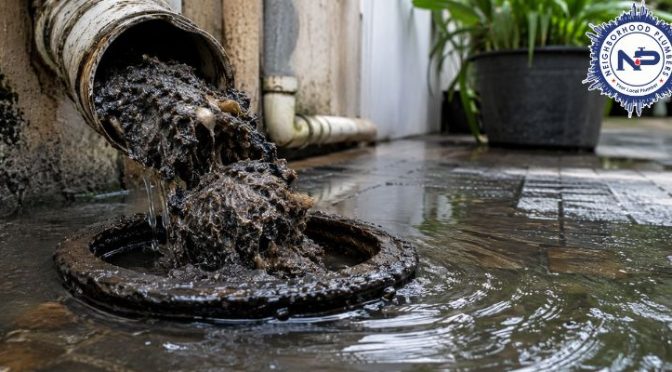

A slow-draining sink, unpleasant odours, or water backing up into your shower can quickly turn from a minor inconvenience into an expensive plumbing problem. Many homeowners don’t realise that most Blocked Drains develop gradually, giving off warning signs long before a complete blockage occurs. Understanding what causes drain blockages can help you prevent damage, reduce repair costs, and protect your home’s plumbing system. If you’re dealing with Blocked drains Broadmeadows, identifying the root cause early is the first step towards an effective and long-lasting solution.
Why Blocked Drains Are a Common Problem in Broadmeadows
Every home relies on a network of pipes to safely remove wastewater. Over time, everyday activities such as cooking, showering, washing clothes, and flushing toilets introduce grease, soap residue, hair, food scraps, and other debris into the drainage system. While modern plumbing is designed to handle regular household waste, poor maintenance and ageing infrastructure can significantly increase the risk of blockages.
Broadmeadows includes a mix of older and newer homes. Older properties may have ageing pipes, while newer homes often experience blockages caused by increased water usage and improper disposal habits. Environmental factors such as mature trees, heavy rainfall, and shifting soil can also affect underground drainage systems.
Knowing the most common causes allows homeowners to take preventative action before a simple blockage becomes a major plumbing emergency.
1. Grease, Fat and Cooking Oil Build-Up
One of the leading causes of household drain blockages begins in the kitchen.
Although cooking oil may appear harmless when poured down the sink, it cools and solidifies inside the pipes. Over time, grease combines with food particles, soap residue, and other debris to create stubborn blockages that restrict water flow.
Many homeowners unknowingly contribute to this problem by rinsing frying pans, baking trays, or greasy dishes under hot water. While hot water temporarily melts grease, it quickly hardens further down the drainage system.
Prevention Tips
- Dispose of cooking oil in sealed containers.
- Wipe greasy cookware before washing.
- Use sink strainers to catch food scraps.
- Schedule regular drain cleaning services if your kitchen experiences frequent slow drainage.
Small changes in kitchen habits can significantly extend the life of your drainage system.
2. Hair and Soap Residue in Bathroom Drains
Bathrooms are another common location where blocked drains develop.
Hair naturally collects inside shower and basin pipes, while soap residue creates sticky deposits that trap additional debris. Over several months, these materials combine to restrict water flow until the drain becomes completely blocked.
Homes with larger families often experience this issue more frequently due to increased daily use.
Signs to Watch For
- Water pooling around your feet during showers
- Slow-draining bathroom basins
- Gurgling sounds
- Musty smells coming from drains
Installing simple drain guards and cleaning them regularly can prevent much of this build-up before it enters the plumbing system.
3. Tree Root Intrusion
Tree roots are among the most difficult drainage problems affecting residential properties.
Underground pipes naturally produce moisture through tiny cracks or loose joints. Tree roots detect this moisture and gradually grow towards the pipe, eventually entering through small openings.
Once inside, roots continue expanding until they restrict or completely block wastewater flow.
This issue commonly affects older homes where clay or ageing pipework is more vulnerable to cracking.
Modern inspection technology allows plumbers to locate root intrusion accurately before recommending the most appropriate repair solution.
In severe situations, pipe relining services provide a long-lasting repair option without extensive excavation.
How a Drain Plumber Diagnoses Hidden Drain Problems
Finding the visible blockage is only part of solving the problem.
An experienced drain plumber uses specialised diagnostic equipment to identify the underlying cause rather than treating only the symptoms.
Modern techniques include:
- CCTV drain inspections
- High-pressure water jetting
- Electronic pipe locating
- Flow testing
These technologies allow plumbers to pinpoint damage quickly while avoiding unnecessary digging or guesswork.
Accurate diagnosis also prevents recurring blockages that often occur when only temporary solutions are applied.
4. Flushing Items That Should Never Enter the Toilet
Despite marketing claims, many products labelled as “flushable” do not break down effectively inside residential plumbing systems.
Common culprits include:
- Wet wipes
- Paper towels
- Cotton buds
- Sanitary products
- Nappies
- Dental floss
Unlike toilet paper, these materials remain largely intact, creating stubborn blockages throughout sewer lines.
Households can avoid costly repairs simply by placing suitable waste bins in bathrooms and educating family members about proper disposal practices.
5. Damaged or Collapsed Pipes
Ageing pipes eventually deteriorate.
Ground movement, corrosion, poor installation, and heavy vehicle traffic can all contribute to cracked, misaligned, or collapsed drainage pipes.
When pipes become damaged, wastewater no longer flows efficiently, allowing debris to collect around damaged sections.
These structural failures often require professional assessment before determining whether repairs or pipe relining services provide the most suitable long-term solution.
Modern pipe relining creates a durable new pipe within the existing structure, reducing excavation and minimising disruption to landscaping.
Why Regular Drain Cleaning Services Prevent Bigger Plumbing Problems
Many homeowners wait until drains completely stop flowing before calling a plumber.
Preventative maintenance offers a far more cost-effective approach.
Professional drain cleaning services remove grease, mineral deposits, organic matter, and developing obstructions before they become severe.
Benefits include:
- Improved water flow
- Reduced unpleasant odours
- Longer pipe lifespan
- Lower emergency repair costs
- Early identification of hidden plumbing issues
Routine maintenance is particularly valuable for households with mature gardens, older plumbing, or large families using bathrooms and kitchens heavily.
6. Heavy Rainfall and Stormwater Debris
Broadmeadows occasionally experiences periods of heavy rainfall that place additional pressure on residential drainage systems.
Leaves, dirt, branches, and garden debris can enter stormwater drains, reducing their ability to carry excess rainwater away from the property.
Blocked outdoor drains may eventually cause:
- Backyard flooding
- Overflowing gutters
- Water pooling around foundations
- Damage to landscaping
Keeping outdoor drainage points clear throughout the year greatly reduces these risks.
Regular inspections before winter also help ensure stormwater systems continue operating efficiently.
7. Lack of Preventative Plumbing Maintenance
Perhaps the most overlooked cause of drainage issues is simply waiting too long before arranging professional inspections.
Many plumbing problems develop gradually over several years.
Minor warning signs often include:
- Slow drainage
- Bubbling noises
- Recurring minor blockages
- Sewer odours
- Water backing up after heavy use
Ignoring these symptoms frequently allows small issues to become major repairs.
Regular maintenance helps identify developing problems before emergency call-outs become necessary.
When Sewer Repair Services Become Necessary
Not every blockage can be solved using conventional drain clearing techniques.
If CCTV inspections reveal structural damage, severe root intrusion, pipe collapse, or significant corrosion, professional sewer repair services may be required.
Modern repair methods often minimise excavation while restoring full drainage performance.
Early intervention prevents wastewater leaks, environmental contamination, and further deterioration of underground infrastructure.
Ignoring damaged sewer lines almost always increases repair costs over time.
Common Mistakes Homeowners Make With Blocked Drains
Many well-intentioned DIY solutions can actually make plumbing problems worse.
Common mistakes include:
- Pouring harsh chemical cleaners into repeatedly blocked drains
- Using excessive force with drain rods
- Ignoring recurring slow drainage
- Flushing unsuitable materials
- Delaying professional inspections
Chemical cleaners may temporarily dissolve organic material but often damage older pipes while failing to remove the underlying obstruction.
Professional diagnosis usually provides safer and longer-lasting results.
Expert Advice From Experienced Plumbing Professionals
After years of working with residential drainage systems, experienced plumbers consistently observe one important pattern.
Most major blockages begin as small maintenance issues.
Simple habits such as using sink strainers, disposing of grease correctly, arranging routine inspections, and responding quickly to early warning signs dramatically reduce the likelihood of expensive plumbing emergencies.
Investing in preventative care is almost always less costly than emergency repairs or extensive excavation work.
Conclusion
Understanding the causes of Blocked Drains empowers homeowners to prevent many common plumbing problems before they escalate. From grease build-up and tree root intrusion to ageing pipes and poor disposal habits, most blockages develop gradually and provide warning signs that should never be ignored. Taking a proactive approach with regular inspections and maintenance helps protect your plumbing system while reducing long-term repair costs.
If you’re experiencing Blocked drains Broadmeadows, seeking professional advice early can make all the difference. Neighbourhood Plumbers combines practical experience with modern diagnostic equipment to accurately identify drainage issues and recommend effective solutions, whether that involves blocked drain services, pipe relining services, or sewer repair services. By focusing on long-term outcomes rather than temporary fixes, Neighbourhood Plumbers helps homeowners maintain reliable plumbing systems and avoid unnecessary future disruptions.
Frequently Asked Questions
1. What are the first signs of a blocked drain?
Early warning signs include slow-draining sinks or showers, unpleasant smells, gurgling noises, overflowing outdoor drains, and water backing up after using appliances or plumbing fixtures. Addressing these symptoms promptly often prevents larger and more expensive plumbing problems.
2. Can tree roots really block underground pipes?
Yes. Tree roots naturally seek moisture and can enter small cracks or joints in underground pipes. Once inside, they expand and trap debris, eventually restricting or completely blocking water flow. CCTV drain inspections are commonly used to confirm root intrusion before recommending repairs.
3. Are chemical drain cleaners safe to use?
Chemical drain cleaners may provide temporary relief but can damage older pipes if used repeatedly. They also rarely solve the underlying cause of recurring blockages. Professional diagnosis and mechanical cleaning methods generally offer safer and more effective long-term results.
4. How often should household drains be professionally cleaned?
For most homes, professional drain cleaning every 12 to 24 months is sufficient. Properties with mature trees, older plumbing systems, or heavy household usage may benefit from more frequent inspections and preventative maintenance.
5. When should I call a professional plumber instead of trying DIY methods?
If blockages keep returning, multiple drains are affected, wastewater backs up into the home, or you notice strong sewer odours, it’s time to contact a qualified plumber. These symptoms often indicate deeper issues that require specialised equipment and expert assessment rather than temporary DIY fixes.