
A blocked drain can quickly disrupt your daily routine. Whether it’s a slow-draining kitchen sink, a shower that won’t empty properly, or an overflowing outdoor drain after heavy rain, the visible symptom is often only part of the problem. Many homeowners assume that clearing the blockage is enough, but experienced plumbers know that identifying the root cause is what prevents recurring issues.
This Drain Diagnosis Guide explains the professional process used to investigate Blocked Drains in Craigieburn before any repair work begins. Instead of relying on guesswork, today’s plumbing professionals use advanced technology and proven inspection methods to understand exactly what’s happening inside your drainage system. Knowing the cause first saves time, reduces unnecessary repairs, and helps homeowners make informed decisions.
Why Accurate Drain Diagnosis Matters Before Any Repair
A blocked drain is a symptom rather than the actual problem. The obstruction could be caused by tree roots, grease build-up, collapsed pipes, foreign objects, ageing infrastructure, or poor installation. Treating every blockage the same often results in temporary fixes that fail within weeks or months.
Professional plumbers approach drainage issues much like a doctor diagnosing an illness. Instead of immediately recommending repairs, they first gather evidence to understand why the blockage occurred.
This careful process delivers several benefits:
- Prevents unnecessary excavation
- Reduces repeat call-outs
- Identifies hidden structural damage
- Provides accurate repair recommendations
- Saves homeowners money over the long term
When diagnosis comes first, repairs become far more effective.
Context: Why Craigieburn Homes Experience Drain Problems
As Craigieburn continues to grow, many properties combine older drainage infrastructure with newer home extensions and landscaping projects. Large trees, expanding root systems, increased household water usage, and ageing underground pipes all contribute to drainage problems.
Different homes experience different challenges.
Older properties often suffer from deteriorating clay pipes that crack over time.
Newer developments may experience blockages caused by construction debris, poor installation practices, or incorrect pipe gradients.
Environmental conditions also play a role. Heavy rainfall can overwhelm partially blocked stormwater systems, while long dry periods encourage tree roots to search aggressively for moisture inside underground pipes.
Understanding these local conditions helps plumbers perform a more targeted inspection.
Step 1: Listening to the Homeowner’s Experience
Before touching any equipment, experienced Plumbing Experts begin by asking questions.
The homeowner’s observations often provide valuable clues that help narrow down possible causes.
Common questions include:
- Which fixtures are draining slowly?
- Did the blockage occur suddenly or gradually?
- Are multiple drains affected?
- Have previous repairs been completed?
- Are unusual smells present?
- Does the problem worsen during rainfall?
For example, if every fixture backs up simultaneously, the blockage likely exists in the property’s main sewer line rather than a single sink or shower.
These early conversations frequently shorten inspection time and improve diagnostic accuracy.
Step 2: Initial Visual Drain Diagnosis
Drain Diagnosis Starts Above Ground
Before using specialised equipment, plumbers conduct a thorough visual assessment.
This includes checking:
- Overflow relief gullies
- Outdoor drains
- Stormwater pits
- Inspection openings
- Sewer vents
- Internal fixtures
Visible warning signs often include:
- Standing water
- Slow drainage
- Water stains
- Overflowing inspection points
- Persistent odours
- Gurgling sounds
These observations provide valuable information before more advanced inspection methods begin.
Step 3: CCTV Inspection Reveals the Real Cause
Why CCTV Inspection Has Changed Modern Plumbing
One of the biggest advances in modern plumbing is CCTV Inspection technology.
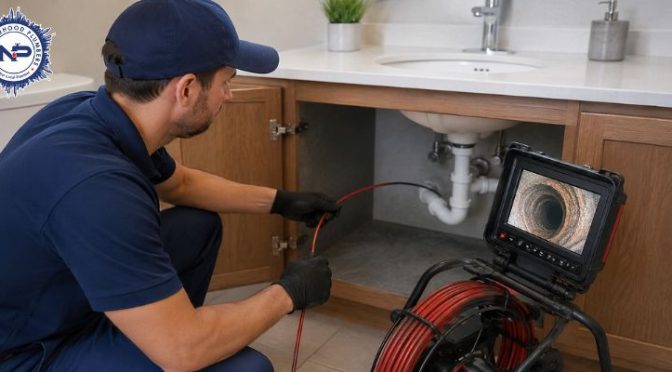
Rather than excavating pipes based on assumptions, plumbers insert a waterproof high-definition camera into the drainage system.
The live video feed shows:
- Tree root intrusion
- Grease accumulation
- Pipe cracks
- Misaligned joints
- Broken sections
- Foreign objects
- Pipe corrosion
This visual evidence removes uncertainty and allows accurate planning before repairs begin.
CCTV Drain Inspection Craigieburn Provides Accurate Answers
A professional CCTV Drain Inspection Craigieburn allows plumbers to inspect the full length of underground drainage without damaging driveways, gardens, or landscaping.
During inspection, technicians record:
- Pipe condition
- Blockage location
- Pipe material
- Severity of damage
- Water flow restrictions
The homeowner can often view the footage, making repair recommendations much easier to understand.
Instead of hearing “your drain needs replacing,” customers can actually see the problem themselves.
Step 4: Drain Camera Assessment Identifies Hidden Issues
Not every drainage problem is obvious.
A drain camera assessment frequently discovers multiple contributing factors inside the same pipe.
For example:
A kitchen drain may contain heavy grease deposits while tree roots have entered further downstream.
Simply removing the grease would provide only temporary relief because the root intrusion would continue restricting flow.
Camera technology also detects:
- Bellied pipes holding stagnant water
- Joint separation
- Early pipe deterioration
- Construction defects
- Partial collapses
Finding every contributing issue allows repairs to address the complete problem instead of only the most obvious symptom.
Step 5: Professional Drain Inspection Confirms the Best Repair Method
Every blockage requires a different solution.
A professional drain inspection ensures repairs match the actual condition of the drainage system.
Possible recommendations include:
- High-pressure water jetting
- Root cutting
- Localised pipe repair
- Pipe relining
- Section replacement
- Preventative maintenance
Without proper inspection, homeowners sometimes pay repeatedly for temporary clearing services while the underlying structural issue remains unresolved.
Diagnosis prevents this costly cycle.
Step 6: Drain Cleaning Without Guesswork
Drain Cleaning Based on Evidence
Professional Drain Cleaning should never begin before understanding what caused the blockage.
Different obstructions require different techniques.
Grease build-up responds well to high-pressure jetting.
Tree roots often require specialised cutting equipment.
Foreign objects may need retrieval equipment.
Collapsed pipes cannot simply be cleaned because the structural damage must first be repaired.
Choosing the correct cleaning method protects pipe integrity while delivering longer-lasting results.
Step 7: When Sewer Repairs Become Necessary
Sewer Repairs Should Be the Last Decision, Not the First
Many homeowners worry that every blocked drain automatically means expensive excavation.
Fortunately, this is rarely true.
Only after diagnosis confirms structural failure do plumbers recommend Sewer Repairs.
Sometimes a small localised repair is sufficient.
In other situations, trenchless pipe relining can restore damaged sections without digging across the property.
Accurate blockage diagnosis ensures repairs remain proportional to the actual problem rather than based on assumptions.
Common Misconceptions About Blocked Drains
Many drainage myths continue to cost homeowners unnecessary money.
One common misconception is that chemical drain cleaners permanently solve blockages. In reality, these products often remove only part of the obstruction while potentially damaging certain pipe materials.
Another misunderstanding is believing that if water eventually drains away, the blockage has cleared itself. Slow drainage usually indicates a restriction that continues worsening over time.
Some homeowners also assume every blocked drain requires excavation. Modern inspection technology frequently identifies non-invasive repair options that avoid unnecessary digging.
Perhaps the biggest misconception is treating recurring blockages as isolated events. Multiple blockages often indicate a deeper structural problem that requires proper investigation.
Expert Tips for Preventing Future Drain Problems
Experienced plumbers recommend several practical habits that significantly reduce future drainage issues.
Avoid pouring fats, oils, and grease into kitchen sinks, as they solidify inside pipes over time.
Install drain strainers in showers and bathroom basins to capture hair before it enters the drainage system.
Schedule routine inspections if your property contains mature trees growing near underground sewer lines.
Never flush wipes, sanitary products, paper towels, or other non-flushable materials, even when packaging suggests they are suitable.
Most importantly, arrange an inspection whenever drains begin slowing rather than waiting for complete blockage. Early diagnosis is usually faster, less expensive, and less disruptive.
Final Thoughts
Diagnosing a blocked drain properly is about far more than clearing an obstruction. A structured investigation identifies the real cause, ensures repairs are necessary, and helps homeowners avoid recurring plumbing problems. By following a proven Drain Diagnosis Guide, plumbing professionals can recommend solutions based on evidence rather than assumptions, giving homeowners greater confidence in every repair decision.
When homeowners experience Blocked Drains in Craigieburn, working with experienced professionals who prioritise accurate diagnosis before repairs can make all the difference. Neighbourhood Plumbers follows a systematic inspection process that combines practical experience with modern technology to identify drainage issues accurately. Whether the cause is tree roots, pipe damage, or accumulated debris, the focus remains on delivering clear answers before recommending any repair. A professional CCTV Drain Inspection Craigieburn combined with experienced assessment helps ensure every solution is based on facts, allowing Neighbourhood Plumbers to provide informed recommendations that support long-term drainage performance.
Frequently Asked Questions
1. How long does a professional blocked drain inspection usually take?
Most residential drain inspections take between 30 minutes and two hours, depending on the complexity of the drainage system and the severity of the blockage. Simple obstructions may be identified quickly, while larger properties or recurring drainage problems often require more detailed camera inspections. Taking the time to complete a thorough diagnosis helps avoid unnecessary repairs later.
2. Can CCTV drain inspections find problems before they become serious?
Yes. CCTV technology is valuable not only for locating existing blockages but also for identifying early warning signs such as minor cracks, joint movement, root intrusion, corrosion, and developing pipe deformation. Detecting these issues early allows homeowners to plan maintenance before emergency failures occur, often reducing long-term repair costs.
3. Are tree roots always responsible for blocked drains?
No. Although tree roots are a common cause of sewer blockages, many other factors can restrict drainage. Grease accumulation, foreign objects, collapsed pipes, incorrect installation, pipe corrosion, and heavy sediment build-up can all create similar symptoms. A professional inspection is the only reliable way to determine the exact cause before repairs begin.
4. Why shouldn’t I rely on chemical drain cleaners?
Chemical drain cleaners often provide only temporary relief and may not remove the entire blockage. In some cases, repeated chemical use can damage certain pipe materials or create safety risks for plumbers working on the system later. Professional diagnosis followed by the correct cleaning method is generally safer and more effective.
5. How often should homeowners have their drains professionally inspected?
There is no universal schedule because every property is different. Homes with mature trees, older drainage systems, or a history of recurring blockages benefit from more frequent inspections. Even without obvious problems, arranging a professional assessment every few years can help identify developing issues before they become major repairs, supporting the long-term reliability of the drainage system.