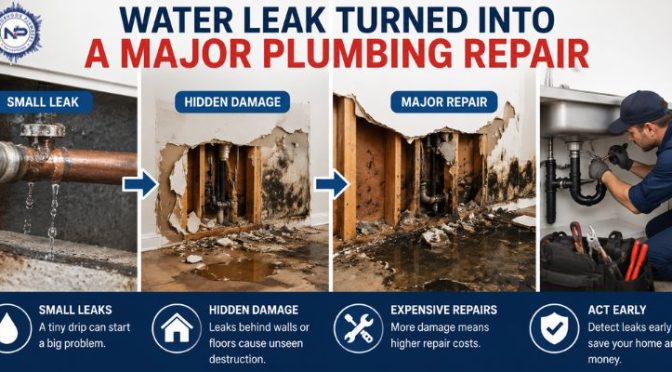
Water leaks rarely begin as dramatic emergencies. Most start with a tiny drip hidden behind a wall, beneath a floor, or under a kitchen sink. Because the signs are often subtle, homeowners tend to ignore them until the problem becomes impossible to overlook. By then, what could have been a simple repair may have developed into structural damage, mould growth, soaring water bills, and expensive restoration work.
This is a story that many Plumbers in Craigieburn have seen time and again. A seemingly harmless drip can quietly damage a property for weeks or even months before anyone realises the extent of the issue. Understanding how these leaks develop—and recognising the early warning signs—can save homeowners thousands of dollars while protecting the value and safety of their property.
When a Tiny Leak Becomes a Big Problem
Imagine a family living in a modern Craigieburn home. Everything appears normal except for a faint damp smell near the laundry. Occasionally, the floor feels slightly cooler than the surrounding tiles, but nothing seems serious enough to investigate.
Weeks pass.
The water meter continues spinning slowly even when no taps are running. The monthly water bill increases slightly, but rising utility prices seem like the obvious explanation.
Months later, paint begins bubbling along one wall. Timber skirting boards start swelling. One morning, the family discovers water seeping through laminate flooring.
What began as a pinhole leak inside a concealed pipe has now caused extensive water damage beneath the flooring and inside internal walls.
Unfortunately, this scenario is far more common than many homeowners realise.
Understanding Hidden Water Leak Craigieburn Problems
A Hidden Water Leak Craigieburn issue is particularly challenging because the leak often develops where it cannot easily be seen. Pipes concealed inside walls, ceilings, under concrete slabs, or beneath flooring may continue leaking for long periods before obvious symptoms appear.
Unlike burst pipes that demand immediate attention, hidden plumbing leaks slowly cause deterioration.
These leaks commonly affect:
- Internal wall cavities
- Bathroom plumbing
- Kitchen water lines
- Underground supply pipes
- Laundry connections
- Roof plumbing systems
- Hot water service pipework
Because water naturally travels before becoming visible, the actual source of the leak may be several metres away from the damage homeowners first notice.
Leak Detection: Why Early Action Saves Thousands
Small Leaks Never Stay Small
One of the biggest misconceptions is believing a slow drip cannot cause significant damage.
A tiny leak may release hundreds of litres of water over several weeks. While that water may never flood the home, it continuously saturates timber, insulation, plasterboard and flooring.
Over time this can lead to:
- Timber rot
- Structural weakening
- Mould growth
- Electrical hazards
- Damaged cabinetry
- Flooring replacement
- Higher water bills
Early Leak Detection allows plumbers to identify these problems before repairs become major renovation projects.
Why Hidden Plumbing Leaks Are Difficult to Spot
Hidden plumbing leaks rarely produce obvious symptoms immediately.
Instead, homeowners often notice subtle warning signs such as:
- Damp odours
- Bubbling paint
- Water stains
- Low water pressure
- Constantly running water meter
- Warm spots on flooring
- Unexpected increases in water bills
- Mould appearing without visible moisture
Experienced plumbers know these small clues often point towards much larger issues concealed behind finished surfaces.
Pipe Repairs: What Happens When Leaks Are Ignored
When a leak remains untreated, pipe deterioration often continues.
Older copper pipes may corrode internally.
PVC joins may slowly separate.
Tree roots may invade underground pipelines.
Water pressure fluctuations may enlarge existing cracks.
Eventually, what started as a minor repair becomes extensive Pipe Repairs involving wall removal, floor replacement or excavation.
Repair costs increase because plumbers must not only repair the damaged pipe but also address secondary damage caused by prolonged moisture exposure.
Real-Life Example: A Laundry Leak That Cost Five Times More
A homeowner noticed occasional moisture beneath the laundry cabinet but assumed minor condensation was responsible.
For almost four months the leak continued unnoticed.
Eventually:
- Cabinet bases collapsed
- Floorboards warped
- Internal wall framing absorbed moisture
- Mould developed behind plasterboard
- The adjoining hallway flooring required replacement
The original leaking pipe could have been repaired in under an hour.
Instead, restoration involved plumbers, flooring specialists, cabinet installers and mould remediation contractors.
This illustrates why professional inspections are always less expensive than delayed repairs.
Water Damage: The Hidden Cost Beyond Plumbing
Many people assume the plumbing repair itself represents the largest expense.
In reality, Water Damage frequently costs significantly more than fixing the pipe.
Moisture affects nearly every building material differently.
Timber
Water causes swelling, warping and eventual decay.
Plasterboard
Gyprock absorbs moisture quickly, losing structural strength while encouraging mould growth.
Flooring
Laminate flooring usually requires replacement after prolonged water exposure.
Engineered timber may separate or buckle.
Carpets develop odours and bacterial growth.
Electrical Systems
Water entering wall cavities creates potential electrical safety hazards requiring licensed electricians to inspect affected wiring.
Emergency Plumbing: When Waiting Is No Longer an Option
Some leaks develop slowly.
Others suddenly worsen without warning.
Corrosion may finally cause complete pipe failure.
Water pressure may split weakened fittings.
Flexible braided hoses may burst unexpectedly.
These situations require immediate Emergency Plumbing assistance to minimise property damage.
Homeowners should never delay emergency repairs when experiencing:
- Rapid water loss
- Flooding
- Burst pipes
- Overflowing fixtures
- Ceiling water leaks
- Sudden drops in water pressure
- Continuous running water meter
Acting quickly dramatically reduces restoration costs.
Why Water Leak Detection Craigieburn Technology Has Changed Plumbing
Modern Water Leak Detection Craigieburn methods are far more advanced than simply looking for visible water.
Professional plumbers now use specialised equipment including:
Thermal Imaging Cameras
Temperature differences reveal moisture hidden inside walls without destructive investigation.
Acoustic Leak Detection
Sensitive listening equipment identifies pressurised water escaping from underground pipes.
Moisture Meters
These devices accurately measure moisture levels inside walls, flooring and ceilings.
Pressure Testing
Sections of plumbing are isolated to determine whether concealed leaks exist.
Using these non-invasive techniques helps minimise unnecessary wall removal while locating leaks more accurately.
Common Mistakes Homeowners Make
Many costly plumbing repairs begin with good intentions but poor decisions.
Ignoring Small Warning Signs
Minor dampness often indicates larger concealed problems.
Delaying Professional Inspections
Waiting several months usually increases repair costs significantly.
Attempting DIY Repairs
Temporary sealants rarely solve hidden pipe failures.
Incorrect repairs may worsen water damage.
Assuming Higher Bills Are Normal
Gradually increasing water usage often indicates hidden plumbing leaks rather than seasonal variation.
Forgetting Regular Maintenance
Routine inspections identify ageing plumbing before failures occur.
Experienced Local Plumbers Know Where Problems Usually Begin
One advantage of working with experienced local plumbers is their familiarity with common plumbing issues affecting Craigieburn properties.
Different housing developments often share similar plumbing layouts, construction methods and pipe materials.
This experience helps professionals identify likely leak locations more efficiently, reducing unnecessary investigation and repair time.
Knowledge of local soil movement, seasonal weather conditions and water pressure variations also assists in diagnosing recurring plumbing issues unique to the area.
Practical Ways to Prevent Major Plumbing Repairs
Although no plumbing system lasts forever, homeowners can significantly reduce risk through preventative maintenance.
Check Your Water Meter
Turn off every water outlet inside the home.
If the meter continues moving, a hidden leak may exist.
Monitor Water Bills
Unexpected increases deserve investigation even when usage habits remain unchanged.
Inspect Wet Areas
Regularly examine bathrooms, laundries, kitchens and outdoor taps.
Replace Ageing Flexible Hoses
Braided hoses have limited service lives.
Replacing them proactively prevents sudden failures.
Schedule Periodic Plumbing Inspections
Professional inspections identify developing issues before expensive damage occurs.
Expert Advice from Professional Plumbers
Experienced plumbers consistently recommend acting on the earliest warning signs rather than waiting for obvious damage.
Moisture rarely disappears on its own.
If you notice unusual smells, damp walls, bubbling paint or unexplained water bills, arranging an inspection immediately almost always reduces long-term repair costs.
Investing in preventative maintenance provides far greater value than funding major renovations caused by avoidable plumbing failures.
Learning from One Small Leak
Every major plumbing repair starts somewhere.
Often, it begins with a drip so small it barely attracts attention.
The difference between a minor repair and a costly restoration usually comes down to timing.
Many homeowners who experience significant water damage later admit they noticed early warning signs but assumed the issue would resolve itself.
Professional plumbing inspections, prompt repairs and regular maintenance remain the most effective ways to protect both your property and your budget.
For homeowners seeking experienced guidance, Neighbourhood Plumbers understands how quickly concealed leaks can escalate. Their practical approach focuses on identifying problems early, providing honest recommendations and helping homeowners avoid unnecessary repair costs.
Rather than waiting for visible damage to appear, recognising the signs of a Hidden Water Leak Craigieburn situation and acting promptly can make all the difference. Whether it’s preventative maintenance or professional leak investigation, Neighbourhood Plumbers encourages homeowners to treat even minor plumbing concerns seriously. Early intervention is almost always the most affordable solution.
Frequently Asked Questions
1. How can I tell if I have a hidden water leak?
Hidden leaks often reveal themselves through indirect signs rather than visible water. Watch for unusually high water bills, damp odours, mould growth, bubbling paint, warped flooring, reduced water pressure, or a water meter that continues moving when no water is being used. If you notice one or more of these symptoms, arranging a professional inspection is the safest approach.
2. Can a small leak really cause major structural damage?
Yes. Even a slow leak can release hundreds or thousands of litres of water over time. Continuous moisture weakens timber, damages plasterboard, ruins flooring, and creates conditions for mould growth. In many cases, the cost of repairing water damage greatly exceeds the cost of fixing the original leak.
3. What equipment do professional plumbers use to detect hidden leaks?
Modern plumbers use specialised technology such as thermal imaging cameras, acoustic listening devices, moisture meters, pressure testing equipment, and pipe inspection cameras. These tools help locate concealed leaks accurately while minimising unnecessary damage to walls or flooring during the investigation.
4. Should I attempt to repair a suspected hidden leak myself?
Temporary DIY repairs may stop visible dripping for a short period but rarely address the underlying problem. Hidden leaks often require specialised equipment to locate accurately. Incorrect repairs can allow moisture to continue spreading unnoticed, resulting in more extensive damage. Professional diagnosis is generally the most cost-effective solution.
5. How often should my home’s plumbing be professionally inspected?
A professional plumbing inspection every one to two years is recommended for most homes, particularly older properties. Homes with ageing pipework, mature trees near underground services, or previous leak history may benefit from more frequent inspections. Preventative maintenance helps identify small problems before they become expensive emergencies.