All posts by admin

7 Simple Maintenance Habits to Reduce the Need for Emergency Plumbing in Melbourne

A plumbing problem rarely starts as a major emergency. A slow drain can become a blockage. A small Water Leak can damage cabinetry, flooring, or walls. An ageing connection can eventually fail and leave you dealing with a Burst Pipe.

For Melbourne homeowners, these problems can be particularly disruptive. Older properties, changing weather conditions, ageing pipework, tree roots, hard-to-reach plumbing, and everyday household use can all contribute to unexpected plumbing issues.

The good news is that many plumbing emergencies show warning signs before they become serious.

Simple Plumbing Maintenance can help homeowners identify those signs early, protect their property, and reduce the likelihood of expensive repairs. This guide explains seven practical habits that can help you Prevent Plumbing Emergencies and keep your home’s plumbing system working reliably.

If a serious leak, overflowing toilet, sewer problem, or burst pipe has already occurred, prompt professional assistance from a qualified provider of Emergency Plumbing in Melbourne is important. However, preventative care remains one of the most effective ways to reduce the frequency of urgent plumbing problems.

Why Preventative Plumbing Care Matters in Melbourne?

Your plumbing system operates every day, often without receiving much attention. Water enters through supply pipes, travels through fixtures and appliances, and leaves through drainage and sewer systems.

Small defects can develop gradually.

For example, a slightly worn tap washer may cause a minor drip. A homeowner might ignore it because the amount of water appears insignificant. Over time, however, moisture can damage surrounding surfaces, encourage mould growth, or indicate that another component needs attention.

The same principle applies to drainage.

A drain that takes a few extra seconds to empty may indicate the beginning of a developing blockage. If grease, hair, soap residue, or other material continues accumulating, the restriction can eventually become severe.

This is why preventative plumbing care is not about constantly repairing things. It is about observing your plumbing, responding to early warning signs, and arranging professional attention when something does not look or operate normally.

1. Plumbing Maintenance Starts With Watching for Small Changes

One of the simplest habits is also one of the most effective: pay attention to changes in how your plumbing behaves.

Homeowners interact with taps, toilets, showers, sinks, appliances, and drains every day. That makes them the first people likely to notice something unusual.

Watch for:

  • Taps that continue dripping after being turned off
  • Toilets that run intermittently
  • Drains becoming slower
  • Unusual noises in pipes
  • Water pressure suddenly changing
  • Damp areas around fixtures
  • Unexplained increases in water usage
  • Musty smells near wet areas
  • Water appearing where it normally should not

These symptoms do not always mean an emergency is imminent. However, they deserve attention.

Why should small problems not be ignored?

Consider a bathroom basin that has started draining slowly. It may still function, so the homeowner continues using it normally.

Several weeks later, the drain becomes completely blocked.

A relatively manageable maintenance issue has now become an urgent plumbing problem.

Early intervention can often be simpler and less disruptive than waiting for complete failure.

2. Prevent Plumbing Emergencies by Protecting Your Drains

Blocked drains are among the most common household plumbing problems.

Kitchen sinks are exposed to cooking oils, fats, food particles, and detergents. Bathroom drains collect hair, soap residue, skin oils, and other debris. Outdoor drains can accumulate leaves and dirt.

You can reduce unnecessary blockages by changing what goes down your drains.

Kitchen drain habits

Avoid deliberately pouring fats and oils down the sink. Even when they are liquid, they can cool inside pipes and contribute to deposits.

Instead:

  • Allow cooking oil to cool.
  • Place solidified grease in the appropriate waste container.
  • Scrape food scraps into the bin before washing dishes.
  • Use a suitable sink strainer where practical.
  • Clean strainers regularly.

Bathroom drain habits

Hair is a common contributor to shower and basin blockages.

A simple drain cover can catch a significant amount of hair before it enters the pipework.

Cleaning the cover regularly is far easier than dealing with a severely restricted drain.

3. Check for a Water Leak Before It Becomes Serious

A Water Leak can be obvious, such as water dripping from a visible pipe. It can also be hidden behind walls, under flooring, inside cabinets, or around plumbing fixtures.

Learning to recognise the early signs is an important part of home maintenance.

Look for:

  • Damp patches
  • Peeling paint
  • Swollen cabinetry
  • Discoloured walls or ceilings
  • Persistent musty smells
  • Mould around plumbing areas
  • Water pooling under sinks
  • Unexpectedly high water consumption
  • Sounds of running water when fixtures are not being used

A particularly useful observation is whether your water meter appears to record usage when the household is not using water. Persistent unexplained consumption can warrant further investigation.

A practical example

Imagine a homeowner notices that the cabinet beneath the kitchen sink feels slightly damp.

There is no obvious flood, so the issue is easy to overlook.

But a small connection may be slowly leaking every time the tap is used. Months of moisture exposure could damage the cabinet and surrounding materials.

Investigating the problem early may prevent much greater damage.

4. Know the Warning Signs of a Burst Pipe

A Burst Pipe can release a large volume of water very quickly. While not every burst can be prevented, maintenance and early detection can reduce the likelihood of some failures and limit damage when a problem occurs.

Warning signs can include:

  • Sudden loss of water pressure
  • Unexpected water pooling
  • Wet areas appearing on walls or ceilings
  • Water sounds behind walls
  • Damp or saturated flooring
  • Rapid changes in water usage
  • Cracked or visibly damaged pipework

If a pipe suddenly bursts, the priority is to limit water damage.

If it is safe and you know where the main water isolation point is, shut off the water supply and contact a qualified plumber promptly.

Do not assume that a visible leak is the only problem. Water can travel through building materials and emerge some distance away from the actual failure point.

5. Schedule an Annual Pipe Inspection

Many plumbing components are hidden from view. You cannot assess the entire condition of your plumbing system simply by looking underneath the kitchen sink.

A professional Pipe Inspection can help identify developing issues that may otherwise remain unnoticed.

An inspection may be particularly useful for:

  • Older homes
  • Properties with recurring drainage problems
  • Homes with ageing pipework
  • Properties that have experienced previous leaks
  • Homes with unusual water pressure
  • Properties with mature trees near underground drainage
  • Homes being prepared for renovation or sale

The appropriate inspection frequency depends on the property’s age, plumbing condition, history, and risk factors.

What an inspection can reveal?

Depending on the situation, a plumber may investigate pipe condition, drainage performance, leaks, connections, pressure-related issues, and other potential vulnerabilities.

For drainage problems, specialised inspection equipment may also help identify issues inside pipes without immediately resorting to extensive excavation.

The objective is not to find something to repair unnecessarily. It is to understand the condition of the system and address genuine risks before they become disruptive.

6. Maintain Your Home Plumbing Fixtures and Appliances

Your Home Plumbing system includes more than pipes hidden behind walls.

Fixtures and water-using appliances also need basic care.

Pay attention to:

  • Taps
  • Showerheads
  • Toilets
  • Washing machines
  • Dishwashers
  • Hot water systems
  • Flexible hoses
  • Isolation valves
  • Sink connections

Flexible hoses deserve particular attention because they can deteriorate over time.

Check visible hoses for cracking, bulging, corrosion, or other signs of deterioration. Do not wait for a hose to fail before considering its condition.

Toilets deserve attention too

A toilet that constantly runs may seem like a minor annoyance, but it can waste water and indicate a faulty internal component.

Likewise, repeated toilet blockages are not something to simply accept as normal household behaviour.

If a toilet regularly struggles to flush, the underlying cause should be investigated rather than repeatedly relying on temporary fixes.

7. Keep a Simple Plumbing Maintenance Record

A surprisingly useful habit is keeping track of plumbing work performed at your property.

Record information such as:

  • Date of plumbing repairs
  • Location of the issue
  • Type of repair
  • Replacement components
  • Recurring drainage problems
  • Approximate age of appliances
  • Previous leak locations
  • Inspection dates

This creates a basic history of your plumbing system.

It can help a plumber understand whether a problem is isolated or recurring.

For example, if the same drain has been cleared several times within a year, repeated clearing may not be addressing the underlying cause. A deeper investigation may be more appropriate.

This type of record can therefore contribute to reducing emergency repairs over the long term.

How to Build a Practical Preventative Plumbing Routine?

You do not need to spend every weekend inspecting your plumbing.

A simple routine is enough for most households.

Every month

Check:

  • Under-sink cabinets
  • Visible pipe connections
  • Toilet operation
  • Tap leaks
  • Shower drainage
  • Unusual smells
  • Visible moisture

Every few months

Consider:

  • Cleaning drain strainers
  • Checking appliance hoses
  • Cleaning accessible outdoor drains
  • Reviewing recurring plumbing problems
  • Checking whether water usage seems unusual

Annually

Consider arranging an annual plumbing inspection, particularly if the property is older or has a history of plumbing issues.

The inspection can provide a professional assessment of areas that are difficult for homeowners to evaluate themselves.

Common Plumbing Maintenance Mistakes to Avoid

Preventative maintenance is useful, but incorrect DIY work can sometimes make a plumbing problem worse.

Pouring excessive chemicals into blocked drains

Chemical drain cleaners are not a universal solution.

They may fail to remove the underlying obstruction and can create additional hazards for anyone subsequently working on the plumbing.

If a blockage keeps returning, identify the cause instead of repeatedly treating the symptom.

Ignoring slow drains

A slow drain is often treated as an inconvenience rather than a warning.

If drainage is becoming progressively slower, investigate it early.

Tightening fittings excessively

More force does not always mean a better seal.

Over-tightening certain plumbing connections can damage components or create additional problems.

Assuming visible plumbing is the entire system

A dry cupboard does not guarantee that there is no concealed leak elsewhere.

Some plumbing problems occur behind walls, below floors, or underground.

Attempting complex repairs without appropriate knowledge

Basic observation and maintenance are reasonable for homeowners. However, plumbing systems involve water pressure, drainage, hot water equipment, and building infrastructure.

When a problem is beyond a simple maintenance task, professional assessment is usually the safer approach.

When Should You Call for Emergency Plumbing in Melbourne?

Preventative maintenance cannot eliminate every plumbing emergency.

Some failures happen suddenly.

You should seek urgent professional assistance when you experience situations such as:

  • A major burst pipe
  • Rapid uncontrolled water leakage
  • Serious sewer overflow
  • A significant plumbing leak causing property damage
  • No water following a suspected plumbing failure
  • A blocked sewer causing wastewater to back up
  • A plumbing problem that creates an immediate risk to the property

When contacting emergency plumbing services Melbourne, explain the symptoms clearly.

Tell the plumber:

  1. What happened
  2. Where the problem is located
  3. Whether water is still flowing
  4. Whether you have isolated the water supply
  5. Whether electricity could be affected by water
  6. Whether wastewater is involved

Clear information can help the professional understand the urgency before arriving.

Expert Tips for Preventative Plumbing Care

From a practical maintenance perspective, three habits make a particularly meaningful difference.

First, respond to changes early.
A new leak, strange noise, slow drain, or pressure change should not automatically be treated as normal ageing.

Second, look for patterns.
A recurring blockage or repeated leak usually deserves more investigation than another quick repair.

Third, understand your property’s risk profile.
A modern home with recently installed plumbing may have different maintenance needs from an older Melbourne property with ageing pipework and established trees nearby.

The goal is not to predict every failure. It is to identify preventable risks and deal with them before they become disruptive.

Conclusion

Plumbing emergencies are not always predictable, but homeowners can reduce many avoidable problems through consistent maintenance.

Watching for early warning signs, protecting drains, checking for leaks, monitoring pipe condition, maintaining fixtures, and keeping a repair history can all contribute to a healthier plumbing system.

Most importantly, do not dismiss small changes as harmless simply because the plumbing is still functioning.

A slow drain can become a blockage. A small leak can become property damage. A recurring problem can eventually become an emergency.

The best way to Prevent Plumbing Emergencies is to combine sensible homeowner checks with professional assessment when something appears unusual. For Melbourne properties, a practical maintenance routine can provide greater peace of mind while helping identify problems before they become urgent.

If a serious plumbing failure does occur, prompt help from a qualified Emergency Plumbing professional in Melbourne can help limit disruption and protect the property.

Frequently Asked Questions

1. How often should homeowners carry out Plumbing Maintenance?

Basic visual checks can be performed regularly throughout the year, while the appropriate professional inspection frequency depends on the property’s age, plumbing condition, and history.

Homes with older pipework, recurring leaks, drainage problems, or previous plumbing failures may benefit from more frequent professional assessment.

A routine approach is generally more useful than waiting until something breaks.

2. What are the earliest signs of a Water Leak?

Early signs can include damp cabinets, unexplained moisture, mould, peeling paint, water stains, musty smells, unusually high water consumption, or the sound of water running when fixtures are turned off.

Not every sign confirms a leak, but unexplained moisture should be investigated rather than ignored.

3. Can homeowners prevent every Burst Pipe?

No. Preventative maintenance can reduce certain risks, but it cannot guarantee that a pipe will never fail.

Age, corrosion, physical damage, installation issues, ground movement, and other factors can contribute to pipe failure.

Knowing where the main water shut-off point is located and recognising early warning signs can help reduce the consequences when a failure occurs.

4. Is a slow drain always a sign of a serious plumbing problem?

Not necessarily. A slow drain may result from a relatively simple accumulation of hair, grease, soap residue, or other debris.

However, repeated or progressively worsening blockages can indicate a deeper drainage issue.

If the problem keeps returning after basic cleaning, professional assessment can help determine whether the restriction is inside the pipework.

5. When is a Pipe Inspection worth arranging?

A professional inspection can be particularly worthwhile when a property has recurring drainage issues, unexplained water loss, ageing plumbing, repeated leaks, or a history of blockages.

It can also be useful before major renovations or when buying an older property, depending on the circumstances.

The purpose is to establish what is actually happening inside the plumbing system rather than relying only on visible symptoms.
What You Should Do in the First 30 Minutes of a Plumbing Emergency Before Your Plumber Arrives?

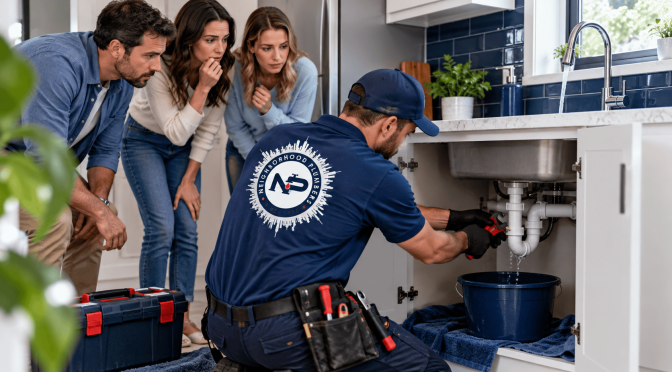
A plumbing emergency can go from a small inconvenience to serious property damage in minutes. A Burst Pipe, overflowing toilet, major Water Leak, or failed hot water connection can release a surprising amount of water before professional help arrives. Knowing what to do immediately can reduce water damage, protect electrical systems, and make the plumber’s job easier.

If you are dealing with emergency plumbing in Melbourne, the first 30 minutes are especially important. Whether it is a Burst Pipe Emergency in the middle of the night or a sudden leak under the kitchen sink, taking the right steps can prevent a stressful situation from becoming a costly repair.

This practical Plumbing Emergency Checklist explains what homeowners and tenants should do while waiting for professional assistance. It focuses on immediate emergency water shut-off, home plumbing safety, and damage prevention rather than attempting complex repairs yourself.

Why Do the First 30 Minutes of a Plumbing Emergency Matter?

Water does not need much time to cause significant damage.

A broken pipe behind a wall can continue releasing water until the supply is isolated. An overflowing fixture can soak flooring, cabinetry, and plaster. If water reaches electrical outlets, appliances, or wiring, the situation can also become a safety concern.

The priority is therefore not repairing the plumbing yourself. It is controlling the situation safely.

In practical plumbing situations, the order of response generally looks like this:

  1. Stop or reduce the water flow.
  2. Keep people away from unsafe areas.
  3. Protect electrical systems if it can be done safely.
  4. Move vulnerable belongings away from the water.
  5. Contain or remove standing water where practical.
  6. Document the damage.
  7. Contact an appropriate plumbing professional.
  8. Give the plumber clear information about what happened.

This sequence helps minimise unnecessary damage while keeping safety ahead of property concerns.

What Is the First Thing You Should Do During Emergency Plumbing?

The first thing to establish is where the water is coming from and whether you can safely stop the supply.

Do not immediately start dismantling pipes, removing fittings or trying to seal a pressurised pipe with household materials. A temporary patch may fail, and attempting a repair without understanding the system can make the problem worse.

Instead, identify whether the water is coming from:

  • A burst or cracked pipe
  • A leaking flexible hose
  • An overflowing toilet
  • A failed tap or valve
  • A leaking hot water system
  • A blocked drain causing wastewater to back up
  • A washing machine or dishwasher connection
  • A ceiling or wall where the source is not immediately visible

If the source is obvious and there is a local isolation valve, closing it may stop the flow without shutting down the entire property’s water supply.

If you cannot identify the source, the main water supply may need to be isolated.

How Do You Handle a Burst Pipe Emergency?

A Burst Pipe Emergency requires quick action because a pressurised water line can release a large volume of water continuously.

If a visible pipe has split or broken, move away from the immediate spray if necessary and locate the nearest suitable isolation point.

What Should You Do With a Burst Pipe?

Follow this basic process:

  1. Do not touch damaged electrical equipment.
  2. Locate the local isolation valve if one is clearly accessible.
  3. If necessary, locate the property’s main water isolation point.
  4. Turn the valve off carefully rather than forcing it.
  5. Open a cold-water tap briefly if appropriate to help relieve residual pressure.
  6. Place buckets or containers under controlled drips.
  7. Remove nearby valuables, furniture and belongings.
  8. Call a qualified plumber.

If the valve is old, stiff, or difficult to operate, do not use excessive force. A damaged valve can create another leak.

A common real-world example is a washing machine hose failure. The hose can release water rapidly, but the local valve behind the appliance may stop the supply. If that valve is accessible and safe to operate, it can be much faster than isolating the entire property.

Where Is the Shut Off Valve and How Do You Use It?

Knowing the location of your shut-off valve before an emergency occurs is one of the simplest ways to improve home plumbing safety.

The main water isolation point can vary depending on the property’s design and plumbing arrangement. It may be located near the property boundary, water meter or another accessible service location.

Some fixtures also have individual isolation valves. These can commonly be found near:

  • Toilets
  • Sinks
  • Basins
  • Washing machines
  • Dishwashers
  • Certain plumbing appliances

A local valve can isolate one fixture while leaving the rest of the home’s water supply available.

What If You Cannot Find the Shut-Off Valve?

Do not spend a long time searching while water is actively spreading.

If you cannot identify the main isolation point, contact your plumber and explain the situation. If safe and appropriate, ask another household member to locate the valve while you keep people away from the affected area.

It is also worth learning where your property’s water isolation point is during a normal day. This small preparation step can save valuable time during an actual emergency.

What Should You Do About a Water Leak?

A Water Leak is not always obvious.

Some leaks produce an immediate puddle, while others appear as damp walls, bubbling paint, stained ceilings, swollen cabinetry, or unexplained moisture around flooring.

If you notice water coming through a ceiling, do not assume the visible point is the source. Water can travel along structural materials before appearing elsewhere.

How Can You Contain a Water Leak Safely?

If the leak is small and accessible:

  • Place a container beneath the drip.
  • Use towels to prevent water from spreading.
  • Move furniture and possessions away from the affected area.
  • Isolate the relevant fixture if possible.
  • Avoid opening walls or ceilings yourself.
  • Take photographs of the affected areas.
  • Arrange professional assessment.

For a ceiling leak, avoid standing directly underneath sagging plasterboard or other visibly weakened materials. Water accumulation can add significant weight to a ceiling.

When Should You Turn Off the Main Water Supply?

The main supply should generally be considered when a leak is substantial, the source cannot be isolated locally, or water is continuing to spread.

For example, if a pipe inside a wall has failed and there is no accessible local isolation valve, shutting off the main supply may be the safest practical way to stop additional water entering the plumbing system.

However, water isolation should never come at the expense of personal safety.

If you cannot safely access the valve because of flooding, electrical hazards, structural concerns, or another dangerous condition, stay clear and seek professional assistance.

Why Is Plumbing Safety More Important Than Saving Property?

It is understandable to want to protect floors, furniture and appliances immediately. However, an emergency should always be approached from a safety-first perspective.

Water and electricity can create a particularly dangerous combination.

If water has reached electrical outlets, power boards, appliances or visible electrical equipment, do not handle the equipment while standing in water.

What Should You Do If Water Reaches Electrical Equipment?

If you can reach the electrical switchboard without entering a wet or hazardous area, electrical power to the affected area may need to be isolated.

If reaching the switchboard requires walking through standing water or approaching damaged electrical equipment, do not attempt it.

Instead:

  • Keep everyone away from the affected area.
  • Do not touch electrical appliances.
  • Do not use electrical tools around the water.
  • Seek appropriate emergency assistance.
  • Tell the plumber about the electrical concern before they arrive.

This is an important part of Plumbing Safety that homeowners sometimes overlook while concentrating on the water itself.

What Should You Do During Emergency Water Shut-Off?

An emergency water shut-off should be controlled rather than rushed.

Once you locate the appropriate valve, turn it carefully. Some valves require clockwise movement to close, but the exact configuration can vary.

After shutting the supply:

  1. Check whether the active flow has stopped.
  2. Look for continued pressure-fed leakage.
  3. Do not assume all water will disappear immediately.
  4. Continue containing residual water.
  5. Keep affected areas clear.
  6. Wait for professional assessment if the plumbing system has been damaged.

Remember that shutting off the water does not necessarily remove water already inside pipes, fixtures, walls or flooring.

How Can You Prevent Further Damage While Waiting?

Once the water supply is controlled, your next priority should be damage prevention.

Move items such as:

  • Rugs
  • Electronics
  • Documents
  • Furniture
  • Clothing
  • Wooden items
  • Appliances
  • Personal belongings

away from the affected area where it is safe to do so.

Use towels, buckets, and other suitable containers to control minor residual water. If there is substantial standing water, do not use electrical appliances such as household vacuum cleaners unless they are specifically designed and safe for that purpose.

For a larger incident, professional water extraction and drying may also be required after the plumbing repair.

This is particularly important because visible water is only part of the problem. Moisture trapped underneath flooring, inside cabinetry or behind walls can contribute to secondary damage if it is not properly dried.

What Information Should You Give Your Emergency Plumber?

When contacting a 24-hour emergency plumber Melbourne service, give as much useful information as possible.

A clear description can help the plumber understand the likely urgency and prepare appropriate equipment.

Tell them:

  • What happened
  • Where the water is coming from
  • Whether the flow is continuous
  • Whether you have isolated the water
  • Whether the leak is from a hot or cold-water line
  • Whether electrical equipment is affected
  • Whether wastewater is involved
  • Whether there is visible structural damage
  • How long the problem has been occurring

If you can safely take photographs or short videos, these may also help communicate the situation.

For example, saying “there is water under the kitchen sink” is less informative than explaining that “the flexible hose beneath the sink is spraying water continuously and the local isolation valve has been closed.”

What Should You Include in a Plumbing Emergency Checklist?

A useful Plumbing Emergency Checklist should be simple enough to follow under pressure.

Plumbing Emergency Checklist

Immediate response

  • Identify the source of the water.
  • Keep children and pets away.
  • Avoid electrical hazards.
  • Locate the nearest suitable isolation valve.
  • Shut off the water if it is safe to do so.

Damage prevention

  • Move valuables away from the water.
  • Use buckets or towels to contain manageable leaks.
  • Avoid unnecessary movement through contaminated water.
  • Protect vulnerable flooring where practical.

Professional assistance

  • Contact a qualified emergency plumber.
  • Explain the type and location of the problem.
  • Tell them whether the water has been isolated.
  • Mention electrical or wastewater concerns.
  • Provide photographs if they can be taken safely.

After the emergency is controlled

  • Document visible damage.
  • Keep receipts for relevant emergency expenses where appropriate.
  • Follow professional advice about drying and restoration.
  • Do not conceal or permanently repair damaged areas before they have been properly assessed if an insurance claim may be involved.

What Are the Most Common Mistakes During a Plumbing Emergency?

People often make understandable mistakes because they are trying to solve the problem quickly.

Trying to Repair a Pressurised Pipe

A burst pipe under pressure is not a good DIY repair situation. Taping, gluing or holding a damaged section in place may provide only temporary relief and can fail unexpectedly.

Ignoring a Small Leak

A slow leak may seem harmless, but water damage can accumulate over hours or days. Damp cabinetry, flooring, and wall cavities can become significantly more expensive to repair if the underlying leak is ignored.

Using Electrical Appliances Around Water

This is one of the most serious mistakes. Electrical equipment should not be used in wet or flooded areas unless its use is specifically safe for the conditions.

Forcing an Old Valve

A stiff valve should not be treated as something that simply requires more force. Excessive pressure can damage the valve or connected plumbing.

Assuming the Visible Leak Is the Source

Water frequently travels. A stain on a ceiling, for example, may be several metres away from the actual failed pipe.

Waiting Too Long Before Calling for Help

If water continues to flow and you cannot safely control it, delaying professional assistance increases the potential for property damage.

What Can You Do Before a Plumbing Emergency Happens?

Preparation is one of the most effective forms of home plumbing safety.

Every household should know:

  • Where the main water isolation point is
  • Where individual fixture valves are located
  • How to recognise signs of hidden leaks
  • Which areas contain vulnerable electrical equipment
  • Who to contact for urgent plumbing assistance

It can also be useful to keep basic emergency supplies together, such as:

  • Towels
  • Buckets
  • A torch
  • Disposable gloves
  • Basic cleaning supplies
  • A list of important emergency contacts

Do not wait for a pipe to burst to discover that the main water valve is difficult to access.

What Do Experienced Plumbers Recommend During a Plumbing Emergency?

One of the most useful principles in Emergency Plumbing is to control what you can and avoid creating additional hazards.

An experienced plumber would generally rather arrive at a property where the water has been safely isolated than find that a homeowner attempted to dismantle the plumbing and accidentally caused further damage.

Another practical tip is to observe the water before shutting everything down where safe. Identifying whether it is clean mains water, hot water, or wastewater can provide valuable information.

For example, wastewater from a blocked drain should be treated differently from clean water coming from a failed supply pipe. Avoid unnecessary contact with contaminated water and use appropriate protective measures.

It is also useful to tell the plumber whether the problem appeared suddenly or developed gradually. A sudden failure may point toward a burst component, while recurring dampness may indicate a concealed leak or drainage problem.

How Does the First 30 Minutes Change With Different Plumbing Emergencies?

Not every emergency should be handled identically.

Burst Pipe

Prioritise water isolation immediately and keep people away from unsafe areas.

Overflowing Toilet

If accessible, stop the water supply to the toilet and avoid flushing again. If wastewater is involved, minimise contact and contamination.

Hot Water Leak

Be cautious around hot water and the hot water system itself. Do not attempt complex repairs to the system.

Ceiling Water Leak

Keep clear of visibly sagging or damaged ceiling materials and investigate the source professionally.

Blocked Drain Overflow

Treat wastewater as potentially contaminated. Keep children and pets away and avoid spreading the water to clean areas.

Appliance Hose Failure

If the appliance has a dedicated isolation valve and it is safely accessible, shutting that valve may stop the supply while you wait for professional assistance.

What Should You Never Do During a Plumbing Emergency?

There are several situations where the safest response is to stop and wait for professional help.

Do not:

  • Enter standing water near electrical equipment.
  • Cut into walls to search for a hidden pipe.
  • Attempt to dismantle pressurised plumbing.
  • Use excessive force on valves.
  • Pour chemicals into an overflowing fixture.
  • Ignore sewage contamination.
  • Continue using a fixture that is visibly failing.
  • Assume a temporary tape repair is a permanent solution.
  • Delay professional assistance while attempting complicated DIY work.

The purpose of the first 30 minutes is damage control, not full repair.

When Should You Call a 24 Hour Emergency Plumber Melbourne Service?

You should seek urgent professional assistance when the leak is substantial, the water cannot be isolated, wastewater is involved, a pipe has burst, or the problem presents a risk of significant property damage.

A 24-hour emergency plumber in Melbourne can assess the immediate fault, identify the underlying cause, and determine what permanent repair is required.

Even after the water stops, professional assessment may still be necessary. A concealed leak can continue causing damage even when there is no longer an obvious stream or puddle.

Conclusion: What Should You Remember During the First 30 Minutes?

The first 30 minutes of a plumbing emergency are about making the situation safer and limiting further damage.

Remember the basic sequence:

Identify the problem → isolate the water if safe → protect people and electrical systems → contain the water → protect belongings → document the damage → call a professional.

Keeping a Plumbing Emergency Checklist accessible and knowing the location of your Shut Off Valve can make a significant difference when something goes wrong.

Whether you are facing a Burst Pipe Emergency, a serious Water Leak, or another urgent plumbing problem, avoid unnecessary DIY repairs and focus on safe water isolation and damage prevention until professional help arrives.

FAQs

What should I do first if a pipe bursts inside my home?

First, keep everyone away from the affected area and determine whether you can safely access the appropriate water isolation valve. Shut off the local valve or main supply if necessary and safe. Then move valuables away from the water and contact an emergency plumber. If electrical equipment is affected, treat that as an additional safety hazard and do not enter standing water to access it.

How do I find my home’s main shut-off valve?

The location varies between properties. It may be near the water meter, property boundary, or another designated service area. Individual fixtures may also have smaller isolation valves nearby. It is worth identifying these locations before an emergency occurs. If you are unsure which valve controls your water supply, ask a qualified plumber during a routine visit rather than experimenting during a major leak.

Should I turn off electricity during a plumbing emergency?

If water has reached electrical equipment, outlets or wiring, electrical power may need to be isolated. However, only do this if the switchboard can be reached without entering standing water or approaching an electrical hazard. Never touch electrical equipment while standing in water. If there is any doubt about electrical safety, keep people away and obtain appropriate professional assistance.

Can I repair a Burst Pipe myself before the plumber arrives?

A homeowner may be able to isolate the water supply and contain residual water, but repairing a pressurised or concealed burst pipe is generally not an appropriate emergency DIY task. Temporary materials such as tape may fail under pressure. Professional assessment is important because the visible break may not reveal the full extent of the plumbing or water damage.

How can I reduce water damage while waiting for an emergency plumber?

After safely isolating the water supply, remove furniture, electronics, documents and other vulnerable belongings from the affected area. Use buckets and towels to manage small amounts of residual water where safe. Avoid electrical appliances in wet areas, keep people away from contaminated water, and document the damage with photographs. Acting quickly can reduce the amount of water that reaches flooring, cabinetry and other building materials.

How We Solved a Recurring Tree Root Drain Blockage for an Alphington Homeowner?

A blocked drain is frustrating enough when it happens once. When the same drain keeps backing up after being cleared, however, the problem is usually deeper than a simple build-up of hair, grease, soap, or debris.

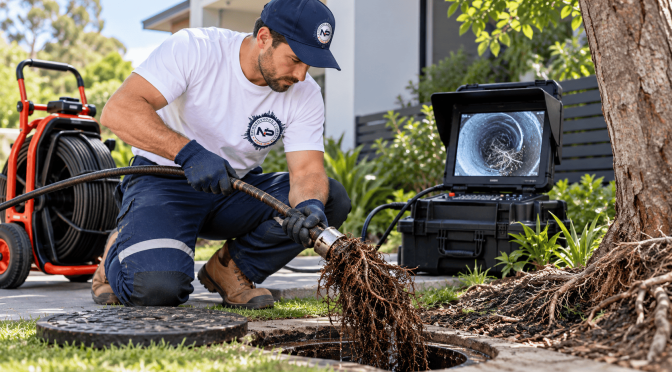
That was the situation faced by an Alphington homeowner who had experienced repeated drainage problems despite having the line cleared several times. The immediate blockage would disappear, but within weeks or months, slow drainage and wastewater backup would return. The investigation eventually revealed a Tree Root Drain Blockage caused by roots entering the underground drainage line.

This type of problem requires more than repeatedly clearing the symptoms. The underlying cause needs to be identified, assessed, and addressed appropriately.

For homeowners dealing with Blocked Drains in Alphington, this case provides a useful example of how drainage specialists can approach a recurring blockage, why tree root intrusion is particularly troublesome, and when techniques such as CCTV inspection and mechanical root removal can make a significant difference.

Why Was This Drain Blocking Again?

Recurring drainage problems can be difficult to diagnose because the symptoms often look similar regardless of the underlying cause.

A homeowner may notice:

  • Water draining slowly from sinks or showers
  • Toilets taking longer to empty
  • Gurgling sounds from drains
  • Unpleasant sewage smells
  • Water pooling around an outdoor drain
  • Wastewater returning through floor drains
  • A blockage that disappears temporarily after cleaning
  • Multiple blockages affecting the same section of plumbing

In this Alphington case, the repeated nature of the problem was the most important clue.

If a drain has been cleared correctly but becomes blocked again relatively quickly, it is worth asking a more important question: What is causing the blockage to return?

Possible causes include damaged pipes, collapsed sections, incorrect pipe gradients, accumulated grease, foreign objects, sediment, or tree root intrusion.

Where mature trees are growing near underground drainage infrastructure, roots deserve particular attention.

Tree Roots: Why Can They Enter Drain Pipes?

Tree roots naturally seek moisture and nutrients. Underground drainage pipes can provide an attractive environment because they carry water and may have small amounts of moisture surrounding joints or imperfections.

Healthy, intact modern pipes generally provide a strong barrier. Problems can develop when a pipe has:

  • Cracked or fractured sections
  • Loose or deteriorated joints
  • Small gaps between pipe connections
  • Structural movement
  • Age-related deterioration
  • Poorly sealed joints
  • Existing damage caused by ground movement

A root does not necessarily need a large opening to begin entering a drainage pipe. A small weakness can provide an initial pathway. Once inside, the root system can continue growing.

The result can be a progressively narrowing pipe.

At first, wastewater may continue flowing normally. As roots become denser, however, toilet paper, grease, sediment, and other material can become trapped around them. The root growth effectively creates a net that catches additional debris.

This is one reason a Tree Root Drain Blockage can return soon after a conventional drain clearing.

What Made This Alphington Drainage Problem Different?

The homeowner had already experienced temporary relief from previous blockage-clearing work.

That information changed the investigation.

Rather than assuming another blockage was simply more of the same material, an experienced drainage professional would consider the history of the line. A recurring blockage in the same location suggests that the obstruction may have an underlying structural or environmental cause.

The surrounding property also matters.

Alphington has established residential areas where mature landscaping and older underground infrastructure can coexist. Trees can provide significant environmental and aesthetic value, but their root systems can extend well beyond the visible canopy.

This means a tree does not have to be immediately beside an inspection point for its roots to potentially affect underground drainage.

The objective was therefore not simply to restore flow for another few weeks. The objective was to determine why the blockage kept returning.

Blocked Drains: Finding the Actual Cause

A professional drainage investigation should begin with the symptoms but should not stop there.

One useful approach is to establish a basic history:

  1. Where does the blockage occur?
  2. How frequently does it return?
  3. Has the same drain been cleared previously?
  4. Which fixtures are affected?
  5. Does the problem worsen after heavy rain?
  6. Are there mature trees near the drainage route?
  7. Has the property experienced ground movement or landscaping changes?
  8. Are there unusual smells, sounds or wastewater overflow?

These questions help narrow the possible causes.

For example, a single slow bathroom basin may have a localised obstruction. Several fixtures becoming affected at the same time may indicate a problem further downstream in the main drainage line.

A recurring blockage after previous clearing is another important warning sign.

The goal is to move from treating a symptom to diagnosing the system.

CCTV Inspection: Seeing Inside the Drain

One of the most useful diagnostic tools for recurring drainage problems is a CCTV Inspection.

Instead of relying entirely on what can be seen from an access point, a drain camera can travel through the pipe and provide visual information about the internal condition of the line.

Depending on the circumstances, a CCTV survey may reveal:

  • Root growth
  • Cracked pipes
  • Broken joints
  • Displaced pipe sections
  • Heavy sediment
  • Grease accumulation
  • Foreign objects
  • Corrosion
  • Deformation
  • Partial collapses
  • Areas where wastewater flow is restricted

For a suspected Tree Root Drain Blockage, this visual evidence is particularly valuable.

It can help establish whether roots are merely present or whether they are actually restricting the pipe. It can also help identify the approximate location and severity of the intrusion.

This distinction matters because seeing roots does not automatically mean the entire drainage system needs replacement.

How Did We Confirm the Tree Root Intrusion?

In the Alphington homeowner’s situation, the recurring nature of the blockage prompted a closer inspection rather than another routine clearing attempt.

The drainage line was assessed to determine where the obstruction was located and what was causing it.

The investigation identified root growth within the affected section of pipe.

This explained why previous clearing had only provided temporary results.

Removing the material blocking the pipe restored the immediate flow, but the underlying root intrusion remained. As the roots continued to grow and collect debris, the same section became restricted again.

This is a common pattern with recurring root-related drainage problems.

The important lesson is simple: if the same blockage keeps returning, investigate the reason before repeatedly treating the symptom.

Tree Root Removal Alphington: What Happens During Root Removal?

When roots have entered a drain, the appropriate removal technique depends on the pipe’s condition, root density, and accessibility.

Mechanical drain-cleaning equipment can be used in suitable circumstances to cut through and remove root growth from the inside of the pipe.

The process generally involves:

1. Locating the affected section

The blockage and root intrusion need to be located as accurately as practical.

2. Assessing pipe condition

Root cutting inside a severely damaged or collapsed pipe may not be an appropriate long-term solution.

3. Removing the obstruction

Suitable equipment can break through accumulated root growth and restore the internal diameter of the pipe.

4. Flushing and cleaning

The line may then be thoroughly cleaned to remove remaining debris and loosened material.

5. Re-inspecting the pipe

A follow-up inspection can help establish whether the obstruction has been adequately removed and whether additional structural defects are present.

For homeowners searching for Tree Root Removal Alphington, this diagnostic-first approach is important. Root removal should not be viewed as a one-size-fits-all treatment.

The condition of the pipe determines what should happen next.

Why Simply Cutting the Roots May Not Be Enough?

Root cutting can restore drainage capacity, but it does not necessarily eliminate the reason roots entered the pipe.

Think of it as removing growth from a damaged section rather than automatically repairing the damaged section itself.

If a pipe has a significant crack or failed joint, roots may eventually return.

The appropriate long-term response depends on factors such as:

  • The size and location of the pipe
  • The extent of structural damage
  • Root density
  • Accessibility
  • The age of the drainage system
  • The location of surrounding vegetation
  • The cost and practicality of different repair options

In some situations, regular professional cleaning may be reasonable. In others, a damaged section may require repair or replacement.

That is why a proper diagnosis is more valuable than automatically recommending the most extensive intervention.

Tree Roots: What Should Homeowners Look For?

Homeowners cannot see underground root intrusion directly, but there are warning signs that should not be ignored.

Slow Drainage That Keeps Returning

If a drain repeatedly becomes slow after being cleared, investigate further.

Gurgling Sounds

Gurgling can indicate restricted airflow or drainage within a partially obstructed pipe.

Repeated Toilet Problems

If multiple toilets or fixtures experience drainage issues, the problem may be located further along the main drainage line.

Persistent Outdoor Drain Problems

Overflowing or slow-flowing external drains can indicate restrictions in underground pipework.

Unpleasant Drain Odours

Persistent sewage-related smells may indicate drainage problems, although smells alone cannot confirm root intrusion.

Problems Near Established Trees

Mature trees near drainage infrastructure do not automatically mean there is a blockage. However, they can increase the relevance of root intrusion when combined with recurring drainage symptoms.

How Did We Prevent the Problem From Becoming a Bigger Repair?

The biggest advantage of identifying a recurring Tree Root Drain Blockage early is that it allows the homeowner to understand the condition of the drainage system before a more serious failure occurs.

A severely compromised pipe can eventually experience:

  • Major flow restrictions
  • Repeated wastewater backups
  • Pipe collapse
  • Ground saturation
  • Damage to surrounding landscaping
  • More extensive excavation requirements

Early diagnosis does not guarantee that expensive repairs can always be avoided. It does, however, provide better information for deciding what should happen next.

This is where long-term drain repair becomes relevant.

A repair strategy should be based on the actual condition of the pipe rather than simply the presence of roots.

Long-Term Drain Repair: When Is It Necessary?

Not every root intrusion requires immediate pipe replacement.

If the pipe is structurally sound and the issue is primarily organic root growth, appropriate cleaning and ongoing monitoring may be sufficient for a period of time.

However, long-term drain repair should be considered where inspections identify significant structural problems.

Potential indicators include:

  • Repeated root intrusion after professional cleaning
  • Large cracks
  • Broken pipe sections
  • Separated joints
  • Significant deformation
  • Pipe collapse
  • Persistent leakage
  • Severe deterioration
  • Recurring blockages despite appropriate maintenance

Modern drainage repair methods may offer alternatives to extensive excavation in some situations, depending on the specific circumstances.

The right choice should be based on inspection findings, access, pipe material, and the severity of the defect.

Drain Cleaning Services in Alphington: What Should You Expect?

Quality drain cleaning services in Alphington should focus on restoring drainage while considering why the blockage occurred.

For a straightforward local blockage, cleaning may solve the problem.

For recurring blockages, however, a more comprehensive approach may involve:

  • Initial assessment
  • Drain location
  • Appropriate clearing equipment
  • Root removal where necessary
  • Pipe cleaning
  • CCTV inspection
  • Condition assessment
  • Recommendations based on findings

Homeowners should be cautious about assuming that the cheapest immediate clearing option is always the most economical solution.

If a $200 clearing job needs to be repeated several times because the underlying issue remains unidentified, the total cost can quickly exceed the cost of proper diagnosis.

The most useful question is often not “How quickly can the drain be cleared?” but “Why does this drain keep blocking?”

Experienced Drainage Specialists: What Makes Their Approach Different?

Experience matters most when a drainage problem does not follow the usual pattern.

An experienced drainage professional understands that different symptoms can have very different causes.

For example, a blocked kitchen sink may be caused by grease and food residue, while a recurring external blockage could involve roots, structural defects, or a damaged underground connection.

Experienced drainage specialists typically consider:

  • The property’s drainage history
  • Pipe configuration
  • Access points
  • Surrounding landscaping
  • Pipe age and material
  • Previous repair work
  • Blockage frequency
  • Results from inspections

They also know when not to make assumptions.

A camera inspection showing roots in a pipe is useful evidence. A camera inspection showing roots alongside a damaged joint provides more information and may change the recommended solution.

This evidence-based approach helps homeowners make better maintenance and repair decisions.

Common Mistakes Homeowners Make With Recurring Drain Blockages

Mistake 1: Assuming Every Blockage Is a One-Off

A blockage that happens once may be isolated.

A blockage that happens repeatedly deserves further investigation.

Mistake 2: Ignoring Slow Drainage

Many serious blockages begin as a gradual reduction in flow.

Waiting until wastewater overflows can make the situation more disruptive.

Mistake 3: Using Excessive Chemical Drain Cleaners

Chemical products may provide temporary relief for certain types of organic build-up, but they are not a substitute for diagnosing structural or root-related drainage problems.

They may also create risks for plumbing materials, occupants, and anyone subsequently working on the system.

Mistake 4: Cutting Nearby Trees Without Evidence

A nearby tree does not automatically mean its roots are responsible for a blockage.

Tree removal can be a major decision and should not be based solely on suspicion.

First, establish whether roots are actually affecting the drainage line and assess the condition of the pipe.

Mistake 5: Repeating the Same Drain-Clearing Method

If the same method has repeatedly produced only temporary results, doing the same thing again may not address the cause.

Recurring problems call for a different level of investigation.

Practical Tips for Preventing Future Drain Problems

No maintenance strategy can guarantee that underground drainage will never develop problems, but homeowners can reduce avoidable risks.

Keep Trees and Drainage Infrastructure Under Observation

If a property contains mature vegetation and an older drainage system, recurring drainage problems should be investigated promptly.

Do Not Flush Problem Materials

Avoid putting wipes, sanitary products, oils, grease and unsuitable materials into household drainage systems.

Respond to Early Warning Signs

Slow drainage, gurgling and repeated minor blockages are worth investigating before they become major backups.

Keep Records of Previous Drain Work

Knowing where a drain was previously blocked and what was found can help future professionals diagnose recurring issues more efficiently.

Consider Periodic Inspection for Persistent Problems

If a drainage line has a known history of root intrusion or structural defects, periodic professional assessment may be more practical than waiting for another emergency.

Expert Advice: What Would We Do Differently Next Time?

The biggest practical lesson from this Alphington case is that recurrence is evidence.

It does not tell you exactly what the problem is, but it tells you that the initial explanation may be incomplete.

If a drain has been cleared several times and continues to block, I would recommend stepping back and asking:

What changed?

Where exactly is the blockage occurring?

Is the same section repeatedly affected?

Could roots be entering through a damaged joint?

Is there evidence of a structural pipe problem?

Would a CCTV Inspection provide information that conventional clearing cannot?

These questions shift the focus from emergency response to diagnosis.

For homeowners, that can save considerable frustration.

The objective is not necessarily to perform the biggest repair. It is to identify the smallest appropriate intervention that properly addresses the underlying problem.

What Can Homeowners Learn From This Alphington Case?

The homeowner’s recurring blockage was not simply a matter of poor household drain habits.

The repeated symptoms were connected to a deeper issue: root growth within the drainage line.

Once the cause was identified, the drainage problem could be approached more strategically.

This case demonstrates several important principles:

  • Repeated blockages should not automatically be treated as isolated incidents.
  • Mature trees can be relevant when investigating recurring underground drainage problems.
  • Root intrusion is often associated with weaknesses in a pipe rather than roots simply penetrating an otherwise perfect pipe.
  • CCTV inspection can provide valuable evidence about underground pipe conditions.
  • Root removal may restore flow but does not always address underlying pipe defects.
  • Long-term repairs should be based on the condition of the drainage infrastructure.
  • Professional diagnosis can help homeowners avoid repeatedly paying for temporary solutions.

For anyone experiencing Blocked Drains in Alphington, the key is to look beyond the immediate symptom.

Final Takeaway: Solving a Tree Root Drain Blockage Properly

A recurring Tree Root Drain Blockage can be one of the more persistent drainage issues a homeowner encounters. The roots may be removed, and the water may begin flowing again, but if the underlying pipe condition is not understood, the problem can return.

The Alphington homeowner’s experience shows why recurring drainage problems deserve a diagnostic approach.

Rather than repeatedly clearing the same blockage without investigating its cause, homeowners can benefit from establishing where the problem occurs, inspecting the affected section, and determining whether root intrusion, structural damage, or another issue is responsible.

A CCTV Inspection can be particularly useful when the problem is underground and difficult to assess from the surface.

The most important question is therefore not simply “How do I unblock my drain?”

It is “Why does my drain keep blocking?”

Answering that question is often the first step toward a more reliable and cost-effective drainage solution.

Frequently Asked Questions

What causes a Tree Root Drain Blockage?

A Tree Root Drain Blockage generally develops when roots enter a drainage pipe through a crack, damaged joint, gap or other weakness. Once inside, roots can grow and trap toilet paper, sediment, grease, and other debris. This progressively reduces the available space for wastewater to flow. The blockage can therefore become recurring rather than remaining a one-time obstruction.

How can I tell if tree roots are blocking my drain?

You cannot reliably confirm root intrusion simply by looking at surface symptoms. Recurring blockages, slow drainage, gurgling, outdoor drain overflow, and problems occurring near established trees can provide clues, but they are not conclusive. A CCTV Inspection can provide much stronger evidence by showing whether roots are inside the pipe and identifying the affected section.

Can tree roots be removed without replacing the entire drain?

In some situations, yes. If the drainage pipe remains structurally sound, appropriate root removal and cleaning may restore effective flow without replacing the pipe. However, if roots have entered through a significant crack, failed joint, or severely damaged section, removing the roots alone may only provide temporary relief. The condition of the pipe should be assessed before deciding whether further repair is necessary.

How often should a drain with previous root intrusion be inspected?

There is no universal inspection interval because the appropriate frequency depends on the pipe condition, severity of previous root growth, surrounding vegetation, and history of recurrence. A drainage professional can recommend a practical monitoring approach after inspecting the line. If symptoms such as slow drainage or repeated blockages return, the system should be reassessed rather than waiting for a complete backup.

Should I remove a tree if its roots are blocking my drain?

Not necessarily. A nearby tree does not automatically mean it should be removed. The first step is to establish whether its roots are actually affecting the drainage system and whether the pipe has an underlying defect. Depending on the circumstances, professional root removal, pipe repair, ongoing monitoring, or another drainage solution may be appropriate. Tree removal should be considered separately and, where necessary, with advice from a qualified arborist.

Blocked Drains in Alphington Repair Costs and What Influences the Final Price

A blocked drain rarely arrives at a convenient time. One day, your kitchen sink may drain slowly. The next, wastewater could back up through a floor drain, toilet, or shower. When that happens, one of the first questions homeowners ask is simple: How much will it cost to fix?

The answer depends on what is causing the blockage, where it is located, how severe the problem is, and whether additional repairs are needed.

This Blocked Drain Cost Guide explains the main factors that influence the price of dealing with Blocked Drains in Alphington, from simple household blockages to damaged pipes and deeper drainage problems.

If you are comparing Drain Repairs in Alphington, looking into residential drain cleaning in Alphington, or trying to understand a drainage repair estimate, knowing what affects the final cost can help you make a more informed decision.

Why Do Blocked Drains in Alphington Have Different Repair Costs?

There is no single price for every blocked drain because the problem can occur at different points within a drainage system.

A blockage close to a sink may be relatively straightforward to locate and clear. A blockage deep underground can require specialist equipment, inspection, excavation, or pipe repairs.

Several factors can influence the final cost, including:

  • Location of the blockage
  • Severity of the obstruction
  • Type of blockage
  • Accessibility of the affected pipe
  • Length of the affected drainage line
  • Condition of the existing pipe
  • Equipment required
  • Whether CCTV inspection is necessary
  • Whether excavation is required
  • Emergency or after-hours attendance
  • Additional repairs discovered during the inspection

This is why a responsible plumber should investigate the problem before providing a final drain repair pricing figure.

What Usually Causes a Blocked Drain?

Understanding the cause is important because different blockages require different approaches.

Common causes include:

Grease and Food Waste

Kitchen drains can accumulate grease, oils, food particles, and other materials over time.

Pouring cooking oil down the sink may seem harmless because it is liquid when hot. As it cools inside the pipe, however, it can stick to the pipe walls and collect other debris.

Eventually, the opening becomes smaller and water drains more slowly.

Hair and Soap Residue

Bathroom drains commonly collect hair, soap residue, skin particles, and other debris.

A shower that drains slowly is often an early warning sign.

Ignoring it can allow the obstruction to become larger.

Tree Roots

Tree roots can enter damaged or poorly sealed underground pipes while searching for water.

Once inside, roots can continue growing and collect other materials.

A root-affected drain may repeatedly block even after temporary clearing.

Foreign Objects

Objects accidentally flushed or washed down a drain can create obstructions.

This can include wipes, sanitary products, excessive paper, toys, food packaging, and other unsuitable materials.

Damaged or Collapsed Pipes

Sometimes the blockage is not simply debris.

Cracked, displaced, collapsed, or heavily deteriorated pipes can restrict wastewater flow and cause recurring drainage problems.

In these situations, clearing the blockage alone may only provide temporary relief.

Drain Repairs and the Cost of Different Problems

The type of work required is one of the biggest influences on the final price.

Simple Drain Clearing

If the pipe is structurally sound and the blockage is accessible, the solution may involve clearing the obstruction.

The plumber may use appropriate mechanical or high-pressure equipment depending on the circumstances.

This type of job is generally less complicated than repairing a damaged underground pipe.

However, the exact cost still depends on accessibility, blockage severity, equipment, and time required.

CCTV Drain Inspection

When the cause is uncertain, or the blockage keeps returning, a CCTV drain inspection can be useful.

A small inspection camera can travel through the drainage line and provide information about what is happening inside the pipe.

The inspection may identify:

  • Tree root intrusion
  • Cracks
  • Pipe displacement
  • Structural damage
  • Heavy buildup
  • Foreign objects
  • Recurring blockage points

This can prevent guesswork.

For example, if a drain has been cleared several times but keeps blocking every few weeks, simply clearing it again may not be the most economical long-term solution.

Finding the underlying issue can help determine what repair is actually needed.

High Pressure Drain Cleaning

High-pressure water cleaning can be useful for certain types of drainage buildup.

Depending on the pipe and obstruction, professional equipment can remove accumulated material from the internal walls of the drainage line.

This can be particularly useful when a pipe has significant grease, sediment, or other buildup.

However, high-pressure cleaning is not automatically the right solution for every pipe.

A severely damaged or fragile pipe needs to be assessed before aggressive cleaning methods are used.

Drain Cleaning and What Affects the Price?

The phrase “drain cleaning” can describe very different levels of work.

Clearing a small obstruction near an accessible fixture is not the same as cleaning a long underground drainage line.

Factors that can affect the cost include:

The Location

A blockage under a kitchen sink may be easier to access than one located deep underground.

The Depth

The deeper the affected pipe, the more difficult access can become.

The Type of Blockage

Grease, roots, sediment, foreign objects, and structural problems may require different equipment and techniques.

The Length of the Drainage Line

A longer affected section may require more time and specialist equipment.

Recurring Problems

If the same drain repeatedly blocks, further investigation may be necessary.

A professional should explain what they believe is causing the problem rather than repeatedly charging for temporary clearing without addressing the underlying cause.

Blocked Drain Cost Guide for Homeowners

The most useful way to understand drainage costs is to think in terms of levels of complexity, rather than expecting one fixed price.

Lower Complexity

This may involve an accessible blockage with a clear cause and no evidence of pipe damage.

The work may primarily involve clearing the obstruction.

Moderate Complexity

This may involve a deeper blockage, difficult access, extensive buildup, or the need for specialist equipment or inspection.

The plumber may need additional time to locate and resolve the problem.

Higher Complexity

This can involve damaged underground pipes, extensive root intrusion, collapsed sections, excavation, pipe replacement, or other structural work.

The final cost can be substantially higher because the work involves more than simply removing an obstruction.

This is why homeowners should be cautious about advertisements promising an identical low price for every type of blocked drain.

A genuine drainage problem needs to be assessed according to its actual circumstances.

What Is Included in a Drainage Repair Estimate?

Before approving significant work, ask what the estimate covers.

A useful drainage repair estimate should make the proposed work understandable.

Depending on the situation, it may identify:

  • Initial attendance
  • Inspection or diagnosis
  • Drain clearing
  • Specialist equipment
  • CCTV inspection
  • Labour
  • Replacement components
  • Excavation
  • Pipe repair
  • Waste disposal
  • Additional work if required

Ask whether the quoted amount is fixed, estimated, or dependent on the condition discovered during the job.

This distinction matters.

For example, a plumber may be able to estimate the cost of clearing an accessible blockage but may not know the full repair cost until a damaged underground pipe has been inspected.

A transparent explanation is more useful than an artificially precise price given without diagnosis.

Emergency Plumbing and Blocked Drains

Some drainage problems should be treated more urgently than others.

A slow bathroom sink is inconvenient, but sewage backing up into a home is a different situation.

You may need Emergency Plumbing assistance when you experience:

  • Sewage overflow
  • Significant wastewater backup
  • Multiple blocked fixtures
  • A blocked toilet with overflowing wastewater
  • Strong sewage odours accompanied by drainage failure
  • Water backing up through floor drains
  • A drainage failure affecting essential household use

The longer contaminated wastewater remains inside a property, the greater the potential hygiene and property concerns.

If wastewater is overflowing, avoid unnecessary contact with it and keep children and pets away from the affected area.

Why Multiple Blocked Fixtures Matter?

If only one sink is blocked, the problem may be local.

But if your toilet, shower, laundry, and sinks are all draining slowly at the same time, the problem may be further down the main drainage system.

This distinction can save time during diagnosis.

Imagine a homeowner notices that the kitchen sink is slow, then the shower starts draining slowly a few days later. Eventually, the toilet begins backing up.

Treating each fixture separately may miss the bigger issue.

The symptoms together suggest that the problem may involve a shared drainage line.

Sewer Repairs and Structural Drain Problems

Not every drainage problem is caused by something that can simply be removed.

Underground pipes can deteriorate over time.

Potential structural problems include:

  • Cracked pipes
  • Broken sections
  • Misaligned joints
  • Collapsed pipes
  • Tree root intrusion
  • Corrosion or deterioration
  • Ground movement
  • Pipe deformation

These issues may require Sewer Repairs or another form of structural drainage work.

Why Pipe Condition Matters

Suppose a pipe has a large crack that allows tree roots to enter.

A plumber might clear the roots today, but if the damaged section remains, the roots may return.

The homeowner could then experience another blockage months later.

In that situation, the long-term solution may involve repairing or replacing the affected pipe rather than repeatedly clearing it.

This is one reason professional drain solutions should focus on the cause, not just the immediate symptom.

Plumbing Costs and What Homeowners Should Ask

Drainage problems can be stressful, and that is exactly when clear communication becomes important.

Before approving non-emergency work, ask:

What is causing the blockage?

Where is the blockage located?

How will you confirm the cause?

Does the pipe appear structurally sound?

Is CCTV inspection recommended?

What equipment will be required?

Is this an estimated or fixed price?

What happens if additional damage is discovered?

Does the estimate include labour and equipment?

These questions do not require technical expertise.

They simply help you understand what you are paying for.

How Can You Reduce Drain Repair Costs?

The cheapest drainage solution is not always the lowest-cost option over time.

If a drain keeps blocking, repeatedly paying for basic clearing can eventually cost more than investigating the underlying problem.

Early attention can help.

Watch for warning signs such as:

  • Slow drainage
  • Gurgling sounds
  • Bad odours
  • Water pooling
  • Repeated toilet blockages
  • Wastewater backing up
  • Multiple fixtures draining slowly

Do not wait until the drainage system completely fails if these symptoms are becoming more frequent.

Common Mistakes Homeowners Make

Pouring Chemical Drain Cleaners Into Every Blockage

Chemical products are not a universal solution.

They may not address the actual cause of a serious obstruction and can create safety concerns for anyone working on the drainage system later.

Continuing to Use a Repeatedly Blocked Drain

If a drain blocks every few weeks, there is probably a reason.

Repeated clearing without investigation may only treat the symptom.

Ignoring Tree Root Problems

If roots have entered a drainage line, removing the visible blockage may not solve the underlying structural issue.

Assuming the Cheapest Quote Is the Best Quote

A quote that excludes inspection, equipment, repairs, or other necessary work may not actually be the cheapest final solution.

Compare what each estimate includes.

Attempting Underground Repairs Without Proper Equipment

Excavating a drainage line without knowing exactly where the problem is can cause unnecessary property damage.

Professional diagnosis should come first.

Practical Tips for Preventing Blocked Drains in Alphington

Prevention starts with everyday habits.

Keep Grease Out of Kitchen Drains

Allow cooking fats and oils to cool and dispose of them appropriately instead of washing them down the sink.

Use Drain Screens

Screens can help catch hair, food particles, and other debris before they enter the pipe.

Be Careful With What Goes Down Toilets

Only flush materials suitable for the plumbing system.

Watch for Early Warning Signs

A slowly draining fixture is often easier to address than a completely blocked drainage line.

Maintain Outdoor Areas

If your property has mature trees near underground drainage lines, recurring root-related issues may warrant professional investigation.

Expert Advice on Getting a Fair Drainage Price

When dealing with Blocked Drains in Alphington, focus on diagnosis, scope, and transparency rather than searching for one universal price.

A professional assessment should explain what has been found and why a particular repair is recommended.

For example, if a plumber recommends replacing a section of underground pipe, ask what evidence supports that recommendation.

If CCTV footage shows a collapsed or badly damaged section, the proposed repair has a clear basis.

If the drain simply has a removable obstruction, extensive replacement may not be necessary.

This approach helps homeowners make decisions based on evidence.

It also supports better long-term maintenance because you understand what happened and what can be done to reduce the chance of recurrence.

Final Thoughts

Understanding drainage costs starts with understanding the problem itself.

A simple blockage, recurring root intrusion, damaged pipe, and collapsed underground drain are very different situations. They require different equipment, levels of labour, and repair strategies.

This Blocked Drain Cost Guide is intended to help homeowners understand why Blocked Drains in Alphington can have significantly different repair costs and why an accurate diagnosis matters before major work is approved.

Whether you need Drain Repairs in Alphington, residential drain cleaning in Alphington, or more extensive sewer work, ask what is causing the problem, what solution is being recommended, and what the estimate actually includes.

Most importantly, do not ignore repeated warning signs. Slow drainage, unusual smells, gurgling, wastewater backup, and recurring blockages can all indicate that a larger drainage issue is developing.

A well-diagnosed problem allows you to choose professional drain solutions based on the actual condition of the system rather than simply treating the same symptom again and again.

Frequently Asked Questions

How much does it cost to fix a blocked drain in Alphington?

There is no single price because blocked drains vary significantly. A straightforward accessible blockage can require much less work than a deep blockage involving CCTV inspection, high-pressure cleaning, tree roots, excavation, or damaged underground pipes. The most reliable approach is to obtain a clear assessment of the cause and understand which services, equipment, labour, and repairs are included in the estimate.

What makes drain repair pricing more expensive?

Several factors can increase drain repair pricing, including difficult access, deeper blockages, severe root intrusion, structural pipe damage, specialist equipment, CCTV inspection, excavation, and emergency attendance. A recurring blockage can also increase the overall cost if the underlying cause needs to be investigated and repaired instead of simply cleared.

Is CCTV drain inspection worth the additional cost?

It can be particularly useful when a blockage is recurring, difficult to locate, or suspected to involve pipe damage or tree roots. A camera inspection provides visual information about the inside of the drainage line. This can help distinguish between a removable obstruction and a structural problem, making it easier to plan an appropriate repair rather than relying entirely on guesswork.

Why does my drain keep blocking after it has been cleaned?

Repeated blockages can indicate that the original cause has not been addressed. Possible reasons include tree roots, pipe damage, heavy internal buildup, poor drainage conditions, or a recurring foreign-object obstruction. If a drain repeatedly fails shortly after cleaning, it is worth investigating the underlying drainage line rather than continuing with the same temporary solution.

How can I get a more accurate drainage repair estimate?

Give the plumber as much information as possible, including which fixtures are affected, how long the problem has existed, whether wastewater is backing up, and whether the problem has happened before. Ask what inspection is required, what work is included, whether equipment and labour are covered, and whether the price is fixed or subject to additional work if hidden damage is discovered.

The Hidden Water Leaks We Find Most Often in Melbourne Homes and How They Start

A dripping tap is easy to notice. A damp patch spreading across a wall is harder to ignore. But some of the most expensive plumbing problems begin with neither. Leak Detection in Melbourne often involves finding water that has been escaping quietly behind walls, beneath floors, inside ceilings, or around plumbing connections for weeks or even months.

These Hidden Water Leaks can be particularly difficult for homeowners because the visible damage is not always located where the leak actually starts. A stained ceiling may be caused by plumbing on the level above. A musty smell may indicate moisture behind a wall. Even an unexpectedly high water bill can be an early warning sign.

Professional water leak detection in Melbourne is therefore not simply about finding where water is visible. It is about identifying the source, understanding how the leak developed, assessing the extent of moisture migration and determining the most appropriate repair without creating unnecessary damage to the property.

This guide explains the hidden leaks commonly encountered in Melbourne homes, how they start, what warning signs homeowners should watch for and how modern non-invasive leak detection methods can help diagnose problems before they become major building issues.

Why Hidden Water Leaks Are So Difficult to Find?

Water does not always travel in a straight line.

Once water escapes from a pipe, fitting or waterproofed area, gravity, building materials and structural cavities can influence where it travels. Moisture may move along timber, masonry, insulation or concrete before eventually becoming visible.

This creates a common diagnostic problem.

The location where you see the damage may not be the location where the leak began.

For example, imagine a bathroom located above a living room. A small plumbing connection begins leaking beneath the bathroom floor. Instead of immediately appearing through the ceiling below, water may travel sideways through the floor structure before eventually producing a brown stain several metres away.

This is why simply opening the wall or ceiling at the first visible stain can be an inefficient approach.

A systematic Plumbing Inspection starts by determining the likely source and tracing the moisture pathway.

Leak Detection: The Hidden Leaks We Encounter Most Often

Different plumbing systems fail in different ways. Some leaks develop suddenly, while others are caused by gradual deterioration.

Here are several common categories worth understanding.

Leaking Water Supply Pipes

Pressurised water supply pipes can develop leaks because of age, corrosion, damaged connections, movement or deterioration of components.

A supply pipe leak can continue even when nobody is using a tap because the pipe remains under pressure.

Common warning signs include:

  • A water meter that continues moving when all fixtures are off
  • Unexpected increases in water consumption
  • Damp areas around walls or floors
  • Hissing or faint running-water sounds
  • Mould or persistent musty odours
  • Peeling paint or swollen skirting boards

A small pressurised leak can release water continuously, making early investigation important.

Shower and Bathroom Leaks

Bathrooms are among the areas where moisture-related problems can become complicated.

Not every bathroom leak originates from a damaged pipe. Water may enter the building structure through deteriorated seals, failed waterproofing, damaged grout or junctions around fixtures.

A shower leak may initially appear as:

  • Dampness in an adjoining room
  • Mould around skirting
  • Swollen flooring
  • Discolouration on a ceiling below
  • Persistent musty smells
  • Loose or damaged finishes

Determining whether the problem is plumbing-related or waterproofing-related is an important part of diagnosis.

Toilet Plumbing Leaks

Toilets have several potential leak points, including supply connections, cistern components, pan connections and seals.

Some toilet leaks are obvious because water is visible around the base.

Others are much less noticeable.

A slow leak can allow moisture to enter surrounding flooring or adjacent building materials without producing an obvious puddle.

Laundry Leaks

Washing machines, flexible hoses, taps, waste connections and nearby pipework can all contribute to leaks.

Laundry areas can be particularly deceptive because appliances may hide plumbing connections.

A homeowner might assume that a small amount of water appearing beside a washing machine is simply splash or condensation. Repeated moisture should not automatically be dismissed.

Hidden Plumbing Leaks Behind Walls

One of the more challenging situations in plumbing leak detection in Melbourne is a suspected leak inside a wall cavity.

Walls can conceal both hot and cold-water pipes. If a connection fails or a pipe develops a defect, water can accumulate within plasterboard, insulation or framing.

The first visible sign may be surprisingly subtle.

You might notice:

  • Paint bubbling
  • A soft section of plasterboard
  • A faint yellow or brown mark
  • Peeling wallpaper or paint
  • Mould growth
  • A musty smell
  • Skirting boards becoming swollen
  • A wall feeling unusually cool or damp

The important point is that visible damage should not be treated as proof of the exact leak location.

How Hidden Plumbing Leaks Start

Several factors can contribute to concealed pipe leaks.

Age: Plumbing components naturally deteriorate over time.

Movement: Building movement or pipe movement can place stress on joints and connections.

Corrosion: Certain materials and environmental conditions can contribute to pipe deterioration.

Poor installation: Incorrectly supported or connected pipework may be more susceptible to premature problems.

High pressure: Excessive or fluctuating water pressure can place additional stress on plumbing components.

Temperature changes: Hot-water systems and temperature cycles can contribute to expansion and contraction.

The cause matters because repairing the visible symptom without addressing the underlying problem can lead to recurrence.

Water Leaks Beneath Floors

A leak beneath a floor can be particularly difficult for a homeowner to identify.

Depending on the construction of the property, pipes may run beneath slabs, within subfloor spaces or through concealed areas.

A hidden leak may cause:

  • Damp flooring
  • Warped timber
  • Musty smells
  • Cracking or lifting finishes
  • Mould
  • Unexplained moisture
  • Warm or cool patches in some circumstances

In some situations, moisture can migrate significantly before becoming visible.

This is where non-invasive leak detection can provide an important diagnostic advantage.

Instead of immediately removing large sections of flooring, a technician can use appropriate detection equipment to investigate moisture patterns and identify areas requiring closer examination.

Moisture Damage: Why Small Leaks Can Become Big Problems

A plumbing leak does not need to be dramatic to cause significant damage.

Water can affect building materials gradually.

What Can Prolonged Moisture Do?

Depending on the location and duration, persistent moisture can contribute to:

  • Mould growth
  • Timber deterioration
  • Swollen flooring
  • Damaged plasterboard
  • Peeling paint
  • Staining
  • Deterioration of cabinetry
  • Damaged insulation
  • Unpleasant odours
  • Reduced indoor comfort

The longer moisture remains present, the greater the possibility that secondary damage will develop.

This is why Moisture Damage should be considered part of the diagnostic picture rather than merely a cosmetic issue.

A professional assessment should distinguish between the active water source and the resulting moisture damage.

How Non-Invasive Leak Detection Works

Modern leak diagnosis does not always require immediate demolition.

Depending on the suspected problem, professionals may use a combination of diagnostic techniques.

Acoustic Detection

Specialised acoustic equipment can help detect the sound produced by pressurised water escaping from pipework.

This can be useful where the pipe is concealed beneath a surface.

Thermal Imaging

Thermal imaging can identify temperature differences associated with moisture or water movement.

It is important to understand that a thermal camera does not simply “see a leak.” It detects thermal patterns that require professional interpretation.

Environmental conditions, insulation and surface materials can affect the results.

Moisture Measurement

Moisture meters can help identify elevated moisture levels in suitable building materials.

Comparing readings across different areas can help establish whether a suspicious section is unusually wet.

Pressure Testing

Where appropriate, pressure testing can help determine whether a pressurised plumbing system is losing pressure.

This can provide useful evidence when investigating suspected supply-line leaks.

Dye Testing

In certain situations, controlled dye testing can help determine whether water from a particular fixture or drainage point is entering another area.

The appropriate method depends on the suspected source.

The strongest diagnosis often comes from combining multiple observations rather than relying on one piece of equipment.

Residential Leak Diagnosis: A Practical Example

Consider a homeowner who notices a faint brown mark on a downstairs ceiling.

Their first assumption may be that a roof problem is responsible.

However, the room above contains a bathroom.

During a structured residential leak diagnosis, the technician may investigate:

  1. Whether the water supply system is losing pressure.
  2. Whether nearby plumbing fixtures show evidence of leakage.
  3. Whether moisture is concentrated around a particular area.
  4. Whether the bathroom floor or shower area has elevated moisture.
  5. Whether drainage or waterproofing issues could explain the symptoms.
  6. How the moisture pattern corresponds with the building layout.

The important lesson is that the ceiling stain is a symptom, not necessarily the source.

This type of systematic investigation can prevent unnecessary exploratory demolition.

Plumbing Inspection: When Should You Call a Professional?

You do not need to wait for obvious flooding.

Consider arranging an inspection if you notice unexplained changes such as:

  • A sudden increase in water usage
  • Damp patches without an obvious cause
  • Persistent mould
  • Musty smells
  • Peeling paint
  • Warped flooring
  • Repeated ceiling stains
  • Sounds of running water when fixtures are off
  • Moisture around plumbing fixtures
  • Recurrent damage after previous repairs

One particularly useful homeowner check is the water meter.

Turn off taps and water-using appliances and make sure nobody is using water. If the meter continues registering consumption, it may justify further investigation.

However, meter movement alone does not establish where the leak is located.

Why Melbourne Homeowners Should Not Ignore Small Leaks?

It is easy to postpone an investigation when the problem appears minor.

A tiny damp mark may seem harmless.

The difficulty is that the visible symptom does not tell you how long water has been present or how far it has travelled.

For example, a small plumbing leak inside a wall can continue every hour of the day. The volume released at any single moment may be small, but the cumulative effect can be substantial.

Early diagnosis can therefore help homeowners understand:

  • Whether there is an active leak
  • Where the leak is likely occurring
  • Whether water is still escaping
  • What materials may have been affected
  • What repair is actually required

Pipe Repairs: Why Finding the Source Comes First

Once a leak is identified, the repair should address the underlying failure rather than simply treating the visible damage.

For example, repainting a stained wall does not solve a leaking pipe.

Likewise, replacing damaged flooring without identifying the moisture source may result in the new material being exposed to the same problem.

The repair strategy depends on the type and location of the failure.

It may involve:

  • Replacing a damaged pipe section
  • Repairing a plumbing connection
  • Replacing a failed fitting
  • Repairing a fixture
  • Addressing drainage problems
  • Rectifying waterproofing defects where appropriate
  • Drying affected materials
  • Restoring damaged finishes

Good Pipe Repairs begin with an accurate diagnosis.

Common Mistakes Homeowners Make With Hidden Water Leaks

Mistake 1: Waiting Until There Is Visible Water

Many concealed leaks never produce obvious puddles.

Waiting for visible water can mean waiting until the building materials have already been affected.

Mistake 2: Assuming Every Damp Patch Is a Plumbing Leak

Moisture can originate from plumbing, condensation, rainwater ingress, drainage, waterproofing failures or other sources.

A proper diagnosis should consider competing explanations.

Mistake 3: Repairing the Visible Damage First

Painting, replacing plasterboard or changing flooring before finding the source can hide symptoms temporarily without solving the underlying problem.

Mistake 4: Assuming the Closest Pipe Is the Source

Water can travel through concealed spaces.

The closest visible pipe is not automatically responsible.

Mistake 5: Relying on One Diagnostic Method

No single detection method is appropriate for every leak.

Experienced professionals interpret equipment readings alongside building layout, plumbing configuration, moisture patterns and visible evidence.

Expert Advice for Preventing Hidden Water Leaks

You cannot prevent every plumbing failure, but regular attention can help identify warning signs earlier.

Know Where Your Main Water Shut-Off Is

Every homeowner should know how to shut off the property’s main water supply.

If a significant leak develops, shutting off the supply quickly can limit water damage while professional assistance is arranged.

Check Visible Connections

Occasionally inspect accessible areas around:

  • Toilets
  • Sinks
  • Washing machines
  • Hot-water equipment
  • Outdoor taps
  • Flexible hoses

Look for corrosion, moisture, deterioration or unusual movement.

Pay Attention to Water Bills

An unexplained increase in consumption can sometimes provide an early clue that water is being lost somewhere in the property.

Do Not Ignore Odours

A persistent musty smell can sometimes indicate moisture that is not immediately visible.

It does not prove a plumbing leak, but it is worth investigating when combined with other signs.

Investigate Repeated Damage

If the same area repeatedly develops staining, mould or deterioration after previous repairs, the original diagnosis may not have addressed the actual source.

What Makes a Good Leak Detection Investigation?

A quality investigation should answer more than:

“Where is the water?”

It should work toward answering:

“Where is the water coming from?”

“Is the leak currently active?”

“How did the leak likely start?”

“How far has moisture travelled?”

“What materials may have been affected?”

“What repair is required?”

“Is further investigation necessary?”

This distinction is important because the objective is not simply to find moisture. It is to establish a defensible diagnosis that supports the next repair decision.

Final Thoughts on Hidden Water Leaks

Hidden Water Leaks rarely announce themselves at the beginning. They often start with something small: a deteriorating fitting, a damaged pipe, a failed seal or a slow plumbing connection. Over time, that seemingly minor issue can produce moisture damage in places far removed from the original source.

For homeowners, recognising early warning signs is one of the most effective ways to reduce the risk of extensive damage.

If you notice unexplained dampness, unusual water consumption, persistent mould, musty smells or recurring staining, professional Leak Detection in Melbourne can help establish whether an active plumbing leak is responsible.

Whether the investigation involves water leak detection in Melbourne, acoustic testing, moisture measurement, thermal imaging or another suitable diagnostic method, the goal should always be the same: identify the source accurately, minimise unnecessary disruption and make the right repair based on evidence.

The sooner Hidden Water Leaks are properly diagnosed, the easier it is to make informed decisions about repairs and protect the home from avoidable Moisture Damage.

Frequently Asked Questions

What are the most common signs of a hidden water leak in a Melbourne home?

Common warning signs include unexplained increases in water consumption, damp or discoloured walls, ceiling stains, persistent musty smells, mould, swollen skirting boards, warped flooring and sounds of running water when fixtures are not being used. None of these signs proves the exact source by itself. For example, a ceiling stain could result from plumbing above, waterproofing failure or another source of water ingress. The pattern, location and building configuration need to be assessed together.

How does professional water leak detection find a leak behind a wall?

Professionals can use several diagnostic techniques depending on the suspected plumbing system and building construction. Acoustic equipment can detect sounds associated with pressurised leaks, while moisture meters can identify elevated moisture levels in suitable materials. Thermal imaging may reveal temperature patterns associated with moisture. Pressure testing can also help establish whether a pressurised system is losing water. Combining methods is often more reliable than relying on a single reading.

Can a hidden plumbing leak cause damage even if there is no visible water?

Yes. Water can remain inside wall cavities, flooring systems, ceilings or other concealed areas without immediately producing a puddle. Building materials may gradually absorb moisture, potentially contributing to staining, mould, deterioration or swelling. This is one reason unexplained odours, persistent dampness or recurring damage should not automatically be dismissed simply because there is no visible running water.

Should I repair the damaged wall or floor before finding the leak?

Generally, the water source should be identified and addressed before cosmetic restoration is completed. Painting over a stain or replacing damaged flooring without resolving an active leak can result in the same problem returning. A sensible sequence is to diagnose the source, stop or repair the leak, assess the affected area, allow appropriate drying where necessary and then restore damaged finishes.

When should Melbourne homeowners arrange leak detection?

Consider professional assessment when you notice unexplained water usage, recurring stains, damp patches, mould, musty odours, warped materials, unusual plumbing sounds or moisture around fixtures. You should also consider investigation when previous repairs have failed to prevent the same problem from returning. Early residential leak diagnosis can help determine whether the issue is an active plumbing leak or another source of moisture before unnecessary repair work is undertaken.

10 Emergency Plumbing Call-Outs an Emergency Plumber in Melbourne Responds to Most Often

A plumbing problem rarely waits for a convenient time. A pipe can split overnight, a toilet can overflow before work, or a hidden water leak can suddenly send water through a ceiling. When water damage is developing by the minute, knowing what to do first can prevent a manageable repair from becoming a much larger restoration job.

An Emergency Plumber in Melbourne is commonly called when a plumbing failure cannot safely wait until normal business hours. The immediate priority is usually to control the water, identify the source, protect the property and determine whether a repair or replacement is required.

Melbourne homes and commercial properties can have very different plumbing configurations, from older pipework and renovated bathrooms to newer developments with multiple bathrooms, hot-water systems and complex drainage. That means the cause of an emergency is not always obvious from the first visible symptom.

This guide explains the 10 Emergency Plumbing Problems that commonly lead to urgent call-outs, what homeowners can do before help arrives, and when a problem should be treated as genuinely urgent.

What Makes a Plumbing Problem an Emergency?

Not every dripping tap requires an emergency response. A plumbing issue becomes more urgent when it creates a risk of significant water damage, sewage exposure, loss of essential services, or further property damage.

Typical warning signs include:

  • Water flowing uncontrollably from a pipe or fitting
  • A rapidly spreading water leak
  • Sewage backing up into bathrooms or living areas
  • An overflowing toilet that will not stop
  • No usable toilet or essential water service
  • A burst pipe inside a wall, ceiling or floor
  • Water reaching electrical equipment or power outlets
  • A major blockage causing multiple fixtures to back up
  • A hot-water system leaking heavily
  • A suspected underground or concealed water leak

The right response depends on the circumstances. A small leak beneath a bathroom vanity may be inconvenient, while a failed pipe inside a ceiling can cause extensive damage within a short period.

For that reason, urgent plumbing response is not simply about arriving quickly. It is about assessing the situation correctly and taking appropriate steps to limit further damage.

Why Do Melbourne Homeowners Need an Emergency Plumber?

Melbourne properties experience a mixture of modern and ageing plumbing systems. Renovations can also create situations where older pipework connects with newer fixtures, appliances or drainage components.

A plumbing failure can therefore happen for several reasons, including:

  • Ageing or deteriorated pipes
  • Corroded fittings
  • Excessive water pressure
  • Blocked or damaged drains
  • Tree-root intrusion
  • Poorly performing seals
  • Failed valves
  • Appliance connection failures
  • Accidental damage
  • Extreme temperature changes
  • General wear and tear

A qualified plumber does more than remove the immediate symptom. The underlying cause should be considered so that a temporary repair does not simply postpone the same problem.

This is particularly important when arranging a same-day plumbing service after a sudden failure. A quick response is valuable, but the quality of diagnosis and repair matters just as much.

1. Burst Pipe

A Burst Pipe is one of the clearest reasons to seek urgent plumbing assistance.

A burst can release a large volume of water rapidly, particularly when the damaged section is connected directly to the mains supply. If the pipe is inside a wall, ceiling or under flooring, the visible water may be only a small indication of the actual damage.

What should you do when a pipe bursts?

If it is safe to do so, shut off the relevant water supply as quickly as possible. For a significant uncontrolled leak, the property’s main water isolation point may need to be turned off.

Then:

  1. Keep people away from the affected area.
  2. Move valuables and furniture away from standing water.
  3. Do not operate electrical equipment that has been exposed to water.
  4. Photograph the damage for documentation.
  5. Contact a licensed emergency plumber.

A plumber will normally locate the failed section, isolate the water, assess the condition of the surrounding pipework and determine the appropriate repair.

The important point is not to assume that drying the visible water solves the problem. Water trapped behind walls, cabinetry or flooring can create secondary damage if the source is not properly addressed.

2. Major Water Leak

A Water Leak can be deceptively difficult to identify.

You may notice an unexplained increase in water use, damp flooring, bubbling paint, staining, mould-like odours or water appearing in an unexpected location. Sometimes the actual leak is several metres away from where the water becomes visible.

How can you tell if a water leak needs urgent attention?

Look for:

  • Water appearing when all fixtures are switched off
  • A constantly moving water meter
  • Damp patches without an obvious source
  • Sudden water pressure changes
  • Wet areas around walls or ceilings
  • Unexplained increases in water consumption
  • Sounds of running water behind walls

A concealed leak deserves particular attention because it may continue for hours without being noticed.

Electrical safety is also important. If water has reached light fittings, power outlets, switchboards or electrical appliances, do not touch potentially affected equipment. The electrical hazard should be handled appropriately before entering or working in the affected area.

3. Overflowing Toilet

An Overflowing Toilet is more than an unpleasant inconvenience. If contaminated water begins entering flooring, walls, or adjoining rooms, the situation can quickly become a sanitation and property-damage issue.

Why does a toilet overflow?

Common causes include:

  • Severe toilet blockage
  • Excessive paper or unsuitable materials
  • A blocked drain line
  • Problems further along the sewer system
  • A faulty cistern mechanism
  • A partially closed or malfunctioning valve

If the toilet continues filling, stop the water supply to the cistern if you can safely access the isolation valve.

Do not repeatedly flush the toilet in an attempt to clear the blockage. That can increase the amount of water released into the room.

If multiple fixtures are also backing up, the problem may be further down the drainage system rather than inside the toilet itself. That distinction matters because plunging or treating the toilet alone may not resolve the underlying blockage.

4. Sewer or Drain Backflow

Sewer backflow is among the more serious Emergency Plumbing Problems because wastewater can introduce hygiene risks and cause extensive damage.

Warning signs can include:

  • Wastewater returning through floor drains
  • Multiple drains backing up simultaneously
  • Unpleasant sewer odours
  • Gurgling toilets
  • Slow drainage throughout the property
  • Wastewater appearing in bathrooms or outdoor drainage areas

What should you do during a sewer backup?

Avoid unnecessary contact with the wastewater and keep children and pets away from the affected area.

Do not assume that chemical drain cleaners will solve a major sewer blockage. They may be ineffective against certain obstructions and can create additional hazards for anyone subsequently working on the drainage system.

A licensed emergency plumber can investigate whether the blockage is localised or connected to a larger drainage problem.

5. No Water or Sudden Loss of Water Pressure

A sudden loss of water can be an emergency when it affects the entire property, and there is no obvious external explanation.

First determine whether the issue affects:

  • One tap
  • One bathroom
  • Several fixtures
  • The entire property

If only one fixture has poor pressure, the problem may be isolated to that fitting. If every outlet suddenly loses pressure, the cause could be related to the property’s plumbing system or an external supply issue.

When should you call an emergency plumber?

If neighbouring properties have normal water service and your property has suddenly lost supply, checking the property’s valves and plumbing system may be appropriate.

However, do not start dismantling plumbing fixtures simply to investigate. A plumber can determine whether the problem is a failed valve, damaged pipework, blockage or another fault.

6. Hot Water System Leak or Failure

A hot-water system can create both plumbing and property concerns when it develops a substantial leak.

Signs of trouble may include:

  • Water pooling around the system
  • A leaking pressure-relief component
  • Unusual noises
  • Loss of hot water
  • Visible corrosion
  • Water discharging continuously
  • A noticeable reduction in hot-water performance

What should you do if the hot-water system is leaking?

Do not attempt to dismantle the system yourself.

If there is significant water discharge, isolate the water supply where appropriate and keep clear of hot components or escaping hot water.

The exact response depends on the type of hot-water system installed. A qualified professional can assess whether the problem is repairable or whether a component or complete system requires replacement.

7. Blocked Main Drain

A minor sink blockage is usually different from a blocked main drain.

When several fixtures begin draining slowly or backing up at the same time, the restriction may be located within a shared drainage line.

For example, a homeowner might first notice a slow bathroom basin. A few hours later, the shower may drain slowly, and the toilet may begin gurgling. Treating each fixture separately misses the pattern.

How is a serious drain blockage investigated?

An experienced plumber may assess the drainage layout, inspect accessible points, and use appropriate diagnostic equipment where required.

Depending on the situation, mechanical drain clearing or other specialised methods may be necessary.

The goal should be to restore drainage while identifying why the blockage occurred, particularly if similar problems have happened previously.

8. Leaking Tap or Failed Valve That Cannot Be Isolated

A dripping tap is rarely an emergency by itself. A failed valve is different if it prevents the water supply from being controlled.

A damaged isolation valve can make it difficult to stop water reaching a leaking fixture or appliance.

This can occur with:

  • Washing machine connections
  • Dishwasher connections
  • Toilet cisterns
  • Basin taps
  • Outdoor taps
  • Hot-water components

Why can a small fitting become a major problem?

A failed connection can release water continuously. If the fixture is located inside cabinetry, behind an appliance or near flooring that absorbs moisture, damage may develop before the leak becomes obvious.

If the leak cannot be isolated safely, contacting an Emergency Plumber is sensible rather than continuing to experiment with valves or fittings.

9. Gas Plumbing Emergency

Gas-related issues require a different level of caution.

If you suspect a gas leak, do not attempt to locate the leak yourself using flames, electrical switches or other ignition sources.

Leave the area if necessary and follow appropriate emergency procedures. If there is immediate danger, contact the relevant emergency service.

Gas plumbing work should only be undertaken by appropriately licensed professionals with the required qualifications for the work.

What are common warning signs of a gas problem?

Potential warning signs include:

  • A persistent gas smell
  • Unusual appliance behaviour
  • Damaged gas connections
  • Unexpected changes in appliance operation
  • A suspected damaged gas pipe

Never treat a suspected gas leak as an ordinary plumbing repair.

10. Plumbing Damage After Renovation or Property Work

Plumbing emergencies can sometimes occur after construction, landscaping, renovation or other property work.

For example, drilling, excavation or changes to a bathroom or kitchen can unintentionally affect concealed services if their location was not properly established before work began.

This is one reason experienced contractors consider existing plumbing before modifying walls, floors, cabinetry or external areas.

A leak following renovation should not automatically be blamed on the newest fixture. The fault could involve an existing pipe, connection or drainage route.

How Does an Urgent Plumbing Response Usually Work?

When a homeowner contacts emergency plumbing services in Melbourne, useful information can make the initial assessment more efficient.

Tell the plumber:

  • What happened
  • When the problem started
  • Whether water is still flowing
  • Whether the water is clean or contaminated
  • Which fixtures are affected
  • Whether the problem is isolated or widespread
  • Whether you have shut off the water
  • Whether water has reached electrical equipment
  • Whether previous repairs have been attempted

Photos or videos can also help explain the situation, provided you can take them safely.

The plumber can then prioritise the immediate risk before investigating the underlying fault.

What Can Homeowners Do Before the Plumber Arrives?

The safest first response is generally containment, not repair.

If appropriate and safe:

Shut off the water

Know where your property’s main water isolation point is located before an emergency occurs.

Reduce further damage

Move furniture, rugs, electronics and valuables away from affected areas where practical.

Protect yourself

Avoid contact with sewage or contaminated water.

Consider electrical hazards

If water is close to electrical equipment, do not touch wet switches, outlets or appliances.

Document the incident

Take photographs of the affected areas for maintenance records and, where relevant, insurance purposes.

Do not make the situation worse

Avoid dismantling pipes, using unsuitable chemicals or repeatedly operating blocked fixtures.

What Are the Most Common Mistakes During a Plumbing Emergency?

Waiting Because the Leak Looks Small

A small visible leak does not always mean a small underlying problem. Water can travel behind walls and cabinetry.

Repeatedly Flushing a Blocked Toilet

Repeated flushing can turn a blockage into an overflow.

Using Excessive Drain Chemicals

Chemical products are not appropriate for every type of blockage and can introduce additional risks.

Ignoring Multiple Slow Drains

Several slow fixtures can indicate a shared drainage restriction rather than several unrelated problems.

Attempting Complex DIY Repairs

Plumbing systems can involve mains pressure, concealed pipework, hot water, and drainage. An incorrect repair can increase damage and make the eventual diagnosis more difficult.

When Is 24/7 Emergency Plumbing Actually Necessary?

The phrase 24/7 Emergency Plumbing should not mean calling urgently for every minor maintenance issue.

An out-of-hours response is generally more justified when delaying the repair could result in significant damage, loss of essential services, or a safety concern.

Examples include:

  • Major burst pipes
  • Uncontrolled water leaks
  • Sewer backflow
  • Serious drainage failure
  • Significant hot-water leaks
  • Plumbing failures causing immediate property damage

A leaking tap that can be isolated and safely managed may be suitable for normal scheduling, while a pipe releasing water into a ceiling cavity may require immediate attention.

How Can Homeowners Reduce Emergency Plumbing Problems?

Preventive maintenance is often less disruptive than emergency repair.

Consider periodically checking:

  • Flexible hoses for visible deterioration
  • Exposed pipework for corrosion
  • Toilet cisterns for constant running
  • Areas beneath sinks for moisture
  • Hot-water system surroundings
  • Outdoor drainage
  • Taps and isolation valves
  • Signs of dampness around walls and ceilings

Know the location of your water shut-off points and make sure other household members know how to access them.

For older properties, a plumbing inspection can also help identify components that may be approaching the end of their service life.

What Should You Look For in a Licensed Emergency Plumber?

Choosing someone based only on speed can be a mistake.

Look for a licensed emergency plumber who can clearly explain:

  • What appears to have failed
  • What immediate action is required
  • Whether the repair is temporary or permanent
  • What caused the failure, if identifiable
  • What additional work may be necessary
  • What the quoted or estimated costs include

A good tradesperson should also explain limitations honestly. For example, a plumber may be able to stop a leak immediately but need additional investigation to determine why a concealed pipe failed.

That transparency is important when dealing with urgent work because homeowners may be making decisions under pressure.

How Long Does Emergency Plumbing Repair Take?

There is no universal repair time.

A simple failed tap connection might be repaired relatively quickly, while a concealed burst pipe, sewer obstruction, or damaged drainage line can require substantially more investigation.

The time depends on:

  • Location of the fault
  • Accessibility
  • Extent of damage
  • Type of pipe or fitting
  • Availability of replacement components
  • Whether excavation is necessary
  • Whether additional specialists are required

The priority during an emergency is normally to make the property safe and stop or control the immediate problem before completing any secondary work.

Why Is Experience Important During Emergency Plumbing?

Two plumbing problems can produce the same visible symptom while having completely different causes.

For example, a toilet that will not drain could have a local blockage. But if nearby drains are also backing up, the issue may involve a larger drainage line.

Similarly, a damp ceiling could be caused by a bathroom leak, roof-related water entry or a plumbing pipe concealed above the ceiling.

Experience helps a plumber interpret these patterns instead of treating only the first visible symptom.

This is especially valuable during an urgent plumbing response, when unnecessary trial-and-error can increase disruption.

What Should You Do If a Plumbing Emergency Happens at Night?

Night-time plumbing failures can be stressful because visibility is limited and access to equipment or replacement parts may be more difficult.

Start by controlling what you safely can.

If water is actively escaping, isolate the supply where possible. Keep people away from affected areas and avoid electrical hazards. If wastewater is involved, minimise contact and prevent children or pets from entering the area.

Then provide the plumber with a clear description of what has happened.

For example, saying, “The kitchen tap is leaking” is useful, but “The flexible hose under the sink split and water is still flowing even though the tap is off” gives much more actionable information.

What Should You Expect From a Same-Day Plumbing Service?

A same-day plumbing service should begin with diagnosis rather than immediately replacing components without understanding the problem.

A sensible process can involve:

  1. Assessing the reported emergency
  2. Identifying the immediate source
  3. Controlling the water or drainage issue
  4. Inspecting the affected components
  5. Explaining the cause where it can be established
  6. Carrying out an appropriate repair
  7. Checking the system after the repair
  8. Advising whether follow-up work is necessary

For more complex faults, additional diagnostic work may be required.

The objective should be a safe and technically appropriate outcome rather than simply making the visible symptom disappear.

What Are the Biggest Misconceptions About Emergency Plumbing?

“If the water has stopped, the problem is fixed.”

Not necessarily. A valve may have simply stopped the immediate flow while the damaged component remains faulty.

“A plunger can solve every blockage.”

Plungers can be useful for some localised blockages, but they are not a universal solution for deeper drainage problems.

“All leaks need the same repair.”

The correct repair depends on the pipe material, location, fitting, pressure and underlying cause.

“Emergency plumbing always means replacing everything.”

In many situations, a targeted repair is possible. Replacement depends on the condition and suitability of the affected components.

“Fast arrival is the only thing that matters.”

Response time matters, but accurate diagnosis, appropriate equipment, safe work practices and a durable repair are equally important.

Expert Tips for Preventing Emergency Call-Outs

A few simple habits can make a meaningful difference.

Know Your Main Water Isolation Point

Do not wait until water is running across the floor to discover where the main shut-off is located.

Do Not Ignore Repeated Problems

A recurring blocked drain, leaking fitting or fluctuating water pressure may indicate an underlying issue.

Watch for Small Changes

Damp smells, discoloured ceilings, unexplained water consumption and gurgling drains can provide early warning.

Avoid Overloading Drainage Systems

Do not put grease, unsuitable materials or excessive solids into drainage systems.

Inspect Accessible Plumbing

Look beneath sinks and around toilets and appliances periodically for moisture, corrosion or deterioration.

Keep Emergency Contacts Available

Having a trusted plumber’s details accessible can save valuable time when a failure occurs outside normal hours.

Conclusion

Plumbing emergencies are rarely convenient, but the first response can make a significant difference. Knowing how to isolate water, recognising warning signs and avoiding risky DIY repairs can help reduce the consequences of a sudden failure.

The most serious Emergency Plumbing Problems usually involve uncontrolled water, burst pipes, major leaks, sewer backflow, blocked main drains or failures that affect essential services. Acting promptly is particularly important when water is entering walls, ceilings, flooring or areas containing electrical equipment.

An Emergency Plumber in Melbourne can assess the immediate situation, identify the likely source and determine the appropriate repair. Whether the issue requires a simple component replacement or more detailed drainage investigation, the priority should always be safety, damage control and a properly diagnosed solution.

Most importantly, do not wait for a small warning sign to become a major failure. Regular checks, knowing where your water isolation points are located and addressing recurring plumbing issues early can help keep everyday plumbing problems from becoming emergency call-outs.

Frequently Asked Questions

What is the most common reason to call an Emergency Plumber in Melbourne?

Burst pipes, serious water leaks, blocked or overflowing toilets, sewer backflow and major drainage problems are among the situations that commonly require urgent attention. The key consideration is whether the problem is actively causing damage, creating a sanitation concern or preventing essential plumbing services from being used safely.

How quickly should I respond to a burst pipe?

Immediately. If it is safe, shut off the relevant water supply and move valuables away from the affected area. Do not wait to see whether the leak becomes worse because mains-connected pipes can release substantial amounts of water. If electrical equipment has been exposed to water, avoid touching it and address the electrical hazard appropriately.

Can I fix an overflowing toilet myself?

You can take basic containment steps, such as stopping the cistern from continuing to fill if the isolation valve is accessible. Avoid repeatedly flushing the toilet. If the blockage does not clear or other drains are backing up, the problem may be deeper in the drainage system and should be assessed by a qualified plumber.

What should I do if I discover a water leak behind a wall?

If the leak is active, isolate the water supply if possible and avoid damaging the wall simply to investigate. Keep electrical equipment away from the affected area and arrange professional assessment. A concealed leak can cause structural and internal damage even when only a small amount of water is visible.

When should I use 24/7 Emergency Plumbing instead of waiting until morning?

Use an emergency response when waiting could reasonably result in significant property damage, sewage exposure, loss of essential plumbing services or another immediate risk. A controllable, isolated maintenance issue may not require an overnight call-out. When uncertain, describe the symptoms clearly to the plumber so the urgency can be assessed.

How CCTV Drain Inspections Help Prevent Blocked Drains in Alphington Without Digging

A blocked drain rarely starts with a dramatic warning. More often, the problem develops gradually: water drains a little slower, a sink gurgles, an unpleasant smell appears, or a toilet takes longer than usual to clear. By the time wastewater backs up, the underlying issue may already be significant.

For homeowners dealing with Blocked Drains in Alphington, identifying the cause early can make a major difference. A CCTV drain inspection provides a way to investigate drainage problems from inside the pipe without immediately excavating gardens, paving, flooring, or other surfaces.

Instead of guessing whether the problem is tree roots, accumulated debris, a damaged pipe, or a structural defect, plumbers can use a small inspection camera to see what is happening inside the drainage system. This makes CCTV technology valuable for both troubleshooting existing problems and identifying developing defects before they become major blockages.

This CCTV Drain Inspection Guide explains how the technology works, what plumbers look for, when an inspection is worthwhile, and why non-invasive investigation can lead to more targeted drain cleaning and pipe repairs.

What Is CCTV Drain Inspection?

A CCTV drain inspection uses a specialised waterproof camera attached to a flexible cable. The camera is inserted through an appropriate access point in the drainage system and moved through the pipe.

As the camera travels, it sends live images to a monitor. The plumber can examine the internal condition of the pipe and identify problems that would otherwise remain hidden underground.

Depending on the drainage layout and access available, the inspection can reveal:

  • Tree root intrusion
  • Accumulated grease and debris
  • Foreign objects
  • Cracked pipes
  • Broken or displaced pipe sections
  • Corrosion or deterioration
  • Pipe deformation
  • Connections and junctions
  • Recurring blockage points
  • Restrictions in the pipe
  • Other visible structural abnormalities

The major advantage is that the investigation can often be performed without digging up the entire suspected section of drainage.

This does not mean excavation is never necessary. If the inspection identifies a severely damaged or collapsed pipe, excavation or another repair method may eventually be required. The value of CCTV is that it helps determine where and why the problem exists before unnecessary physical work begins.

Why Are Blocked Drains in Alphington Difficult to Diagnose?

A drainage blockage is not always located directly beneath the fixture where symptoms appear.

For example, water backing up in a bathroom may be caused by a restriction further along the drainage line. Similarly, several slow-draining fixtures may indicate an issue in a shared section of pipe rather than a problem with one individual drain.

This makes surface-level diagnosis unreliable.

A homeowner may try plunging, chemical products, or basic drain cleaning and see temporary improvement. However, if the underlying issue is a damaged pipe or root intrusion, the blockage may return.

CCTV inspection allows the plumber to investigate the drainage pathway rather than treating only the visible symptom.

That distinction is particularly important when blockages are recurring.

How Does CCTV Drain Inspection Work?

The process is relatively straightforward, although the exact approach depends on the property’s drainage configuration.

1. The Drainage Symptoms Are Assessed

The plumber first considers what is happening.

Important questions include:

  • Which fixtures are affected?
  • How frequently does the blockage occur?
  • Does wastewater drain slowly or stop completely?
  • Are there unusual smells?
  • Is there gurgling?
  • Have previous drain cleaning attempts worked?
  • Are multiple fixtures affected?

These details help determine where to begin the investigation.

2. An Appropriate Access Point Is Located

The camera needs access to the drainage system.

Depending on the property, this may involve an inspection opening, drain access point, or another suitable entry location.

The objective is to access the pipe while minimising disruption to the surrounding property.

3. The Camera Travels Through the Pipe

The camera is guided through the drainage line while the plumber observes the footage.

Modern equipment can provide a detailed view of the pipe interior, allowing the operator to assess restrictions and visible defects.

4. The Plumber Identifies the Problem

The footage can help establish whether the issue involves roots, debris, a structural defect, or another obstruction.

This is where advanced drain diagnostics become useful.

Instead of simply saying that a pipe is blocked, the plumber can investigate the condition of the pipe itself.

5. Targeted Action Can Be Recommended

Once the cause is better understood, the appropriate response can be considered.

That may involve:

  • Drain cleaning
  • Root removal
  • Targeted pipe repairs
  • Further investigation
  • Replacement of damaged sections
  • Ongoing maintenance

The exact solution depends on what the inspection reveals.

What Can CCTV Drain Inspection Reveal?

A camera inspection is valuable because different causes of drainage problems require different responses.

Tree Root Intrusion

Tree roots are a common concern for underground drainage systems.

Roots naturally seek moisture, and existing joints, cracks, or small openings can provide opportunities for root intrusion.

Inside a pipe, roots can trap paper, grease and other debris. Over time, the restriction can become substantial enough to cause recurring blockages.

A CCTV inspection can show where root growth has entered the drainage line and how extensive the visible intrusion appears to be.

This information can help distinguish a simple obstruction from a potentially damaged pipe that may continue to allow root entry.

Grease and Organic Build-Up

Kitchen drainage systems can accumulate grease, fats and food residue.

These materials may adhere to pipe walls and gradually reduce the available flow area.

The problem can be particularly frustrating because water may continue to drain for some time before the restriction becomes severe.

A camera inspection can help establish whether internal build-up is contributing to the reduced flow.

Cracked or Broken Sewer Pipes

A blockage can sometimes be a symptom rather than the actual problem.

If a pipe has cracked or broken, debris and surrounding material may enter the drainage system. This can create recurring restrictions even after the pipe has been cleaned.

A CCTV inspection can provide visual evidence of visible structural defects and help identify the affected section.

Displaced Pipe Joints

Underground drainage pipes can contain joints where separate sections connect.

If a joint becomes displaced, the change in alignment can create a restriction where debris collects.

A camera provides an internal view that can help identify such irregularities.

Why Is Non-Invasive Drain Inspection Valuable?

Traditional investigation methods can involve excavation when the location or cause of a problem is unknown.

Digging may disturb:

  • Landscaping
  • Garden beds
  • Paving
  • Concrete
  • Driveways
  • Flooring
  • Other surfaces

That does not make excavation inherently wrong. Sometimes excavation is necessary to repair a damaged underground pipe.

The problem occurs when extensive digging begins before the actual location and nature of the defect are understood.

Non-invasive drain inspection can reduce unnecessary investigation by allowing the drainage system to be examined internally first.

For homeowners, this can mean a more informed repair decision.

The principle is simple:

Inspect first where practical, diagnose the problem, then determine the appropriate repair strategy.

How Does CCTV Help With Accurate Blockage Detection?

One of the biggest advantages of CCTV technology is improved localisation.

A plumber can potentially determine where a visible obstruction or defect occurs within the drainage line.

Some specialised camera systems may also incorporate distance measurements or locating technology, depending on the equipment being used.

This can be particularly useful when a repair requires access to a specific underground section.

Rather than excavating a broad area based on an estimate, the inspection information can help narrow the investigation.

This is one reason accurate blockage detection is so important when dealing with recurring drainage problems.

When Should You Consider CCTV Drain Inspection?

Not every slow drain necessarily requires a camera inspection.

A straightforward blockage that clears completely and does not return may be resolved through appropriate drain cleaning.

However, CCTV inspection becomes particularly useful when the situation is more complicated.

Consider an inspection when:

Why Does the Blockage Keep Coming Back?

Repeated blockages are an important warning sign.

If a drain has been cleared several times but the same problem continues, there may be an underlying structural or physical cause.

What If Multiple Drains Are Affected?

When several fixtures begin draining slowly or backing up, the problem may involve a shared drainage section.

An internal inspection can help investigate the affected pathway.

When Is Drain Cleaning Only Providing Temporary Relief?

If cleaning restores flow but the blockage returns shortly afterwards, it is worth investigating why.

The pipe may contain roots, structural defects, significant build-up, or another persistent obstruction.

What If You Suspect a Damaged Sewer Pipe?

If there are signs that the drainage infrastructure itself may be compromised, visual inspection can provide useful information before repair decisions are made.

How Can CCTV Drain Inspection Support Drain Cleaning?

CCTV and drain cleaning are not competing approaches.

They can work together.

For example, suppose a bathroom drain repeatedly backs up.

A plumber may clear the immediate restriction to restore flow. If the problem has a history of recurring, a camera inspection can then investigate whether something inside the pipe is causing the recurrence.

The inspection may reveal:

  • Root intrusion
  • Residual debris
  • Pipe deformation
  • A damaged joint
  • Another visible restriction

This provides a more complete picture than simply restoring water flow.

In practical terms, Drain Cleaning addresses the obstruction, while CCTV can help investigate the reason the obstruction developed or returned.

What Role Does CCTV Play in Sewer Pipes?

The condition of Sewer Pipes is not always obvious from above ground.

Underground pipes can deteriorate without producing visible surface signs until drainage performance is affected.

CCTV technology provides an internal perspective that can help assess visible conditions along accessible sections of the system.

This can be especially valuable for older drainage infrastructure or properties experiencing repeated problems.

However, homeowners should understand that a CCTV camera is a diagnostic tool, not a guarantee that every defect will be identified. Camera visibility can be affected by standing water, heavy obstruction, pipe configuration, access limitations, or other site conditions.

A responsible assessment should explain these limitations rather than treating camera footage as infallible.

How Can CCTV Reduce Unnecessary Pipe Repairs?

Repairing a drainage system without understanding the actual fault can lead to unnecessary work.

For instance, if a blockage is caused by accumulated debris but a property owner assumes that the entire pipe needs replacement, the proposed solution may be excessive.

Conversely, repeatedly cleaning a pipe that has a significant structural defect may only delay the necessary repair.

CCTV helps establish which situation is more likely.

This supports a more targeted approach to Pipe Repairs.

Depending on the inspection findings, the appropriate response might be a simple cleaning, localised repair, or more substantial replacement.

The goal should always be to match the repair to the actual condition of the drainage system.

What Are the Benefits of Advanced Drain Diagnostics?

Advanced drain diagnostics can provide several practical advantages.

Better Problem Identification

Seeing inside the pipe can provide information that surface symptoms cannot.

More Targeted Repairs

Knowing where a visible defect occurs can help inform the repair strategy.

Less Guesswork

Visual evidence can make discussions about the drainage problem more specific.

Better Planning

If excavation or repair is required, inspection findings may help establish the scope of work.

Useful Information for Recurring Problems

When a blockage repeatedly returns, understanding the underlying condition can be more valuable than repeatedly treating the symptom.

What Mistakes Should Homeowners Avoid?

Assuming Every Blockage Is a Simple Build-Up

Not every blockage is caused by hair, food or paper.

Structural defects and roots can also contribute to drainage restrictions.

Repeatedly Using Chemical Drain Products

Chemical drain products may not address the underlying cause of a recurring blockage and can create additional considerations for plumbing systems and personal safety.

Persistent problems deserve proper assessment.

Waiting Until Wastewater Backs Up

A slow drain is often easier to investigate than a completely failed drainage system.

Ignoring early warning signs can allow a developing restriction to become more disruptive.

Assuming Digging Is Always Required

Modern diagnostic equipment can often provide useful information before excavation is considered.

Assuming CCTV Always Means Pipe Replacement

An inspection does not automatically mean that the pipe needs to be replaced.

The findings should determine the response.

What Should You Ask a Plumber About CCTV Inspection?

Before arranging an inspection, homeowners can ask practical questions.

What area of the drainage system will be inspected?

Understand whether the camera will examine the affected branch, main drainage line, sewer connection, or another section.

Where is the suspected blockage?

Ask whether the plumber can identify the approximate location of the visible obstruction.

What did the camera actually show?

A useful assessment should explain the observed condition in understandable language.

Does the pipe require cleaning or repair?

The recommended response should relate directly to the inspection findings.

Are there limitations to the inspection?

Ask whether access, water, obstruction, pipe configuration, or other factors prevented complete visibility.

These questions help homeowners make decisions based on evidence rather than assumptions.

Expert Tips for Preventing Recurring Drain Problems

CCTV inspection is primarily diagnostic, so preventing future blockages also requires sensible drainage habits.

Keep Grease Out of Kitchen Drains

Allowing fats and grease to enter the drainage system can contribute to build-up.

Dispose of cooking fats appropriately rather than relying on hot water to carry them away.

Be Careful About What Goes Down Toilets

Toilets should not be treated as general waste disposal systems.

Items that do not break down appropriately can contribute to blockages.

Pay Attention to Slow Drainage

A gradual change in drainage speed can be an early indication that something is developing inside the pipe.

Investigate Recurring Problems

If the same drain repeatedly blocks, avoid treating every occurrence as an isolated incident.

Repeated symptoms are a reason to investigate the underlying cause.

Consider the Surrounding Landscape

Where underground drainage is located near established vegetation, root intrusion can be a consideration when blockages repeatedly occur.

A plumber can determine whether roots are actually present rather than assuming they are responsible.

How Does CCTV Inspection Change the Repair Process?

Consider a hypothetical Alphington homeowner whose kitchen and laundry drains have blocked three times within six months.

Initially, a standard cleaning restores the flow.

A few weeks later, the problem returns.

Instead of repeatedly treating the symptom, a CCTV inspection is performed.

The camera identifies a significant restriction in a shared drainage section and shows visible root intrusion around a pipe joint.

That information changes the conversation.

The homeowner now knows the recurring blockage is not simply random debris. The plumber can consider appropriate cleaning and determine whether the affected section requires further repair.

Without the inspection, repeated cleaning might continue without addressing the underlying issue.

This illustrates the practical value of CCTV: better information can lead to better decisions.

Is CCTV Drain Inspection Suitable for Every Property?

CCTV inspection can be useful across many residential drainage situations, but access and pipe configuration matter.

Older properties, complex drainage layouts, inaccessible sections, severe blockages, or heavily flooded pipes can affect what the camera can see.

A professional should assess whether the available access points are suitable and explain what can realistically be inspected.

The technology should be viewed as one part of a broader diagnostic process rather than a standalone solution for every drainage problem.

Why Is a Professional Diagnosis Important?

Drainage systems are underground, interconnected and sometimes difficult to interpret from symptoms alone.

A qualified plumber can combine:

  • Customer observations
  • Drainage symptoms
  • Physical inspection
  • CCTV footage
  • Drain cleaning results
  • Pipe configuration
  • Previous repair history

This broader assessment helps distinguish between an isolated blockage and a recurring infrastructure problem.

For homeowners experiencing Blocked Drains in Alphington, that distinction can be important when deciding whether to clean, repair, monitor, or investigate further.

Conclusion

CCTV technology has changed the way drainage problems can be investigated.

Rather than immediately excavating a garden, driveway or other surface, a camera can often provide an internal view of the drainage system first. This supports non-invasive drain inspection, more informed Drain Diagnosis, and more targeted decisions about cleaning and repairs.

For homeowners experiencing recurring Blocked Drains in Alphington, CCTV can help identify potential causes such as root intrusion, debris accumulation, damaged joints, cracks, or other visible restrictions.

The key point is that CCTV does not magically prevent a blockage. Its value lies in finding problems earlier, understanding why blockages occur, and reducing the guesswork involved in deciding what to do next.

A proper CCTV Drain Inspection Guide should therefore focus on diagnosis rather than simply selling technology. When used appropriately, camera inspection can help homeowners understand their drainage system, avoid unnecessary disruption, and make repair decisions based on what is actually visible inside the pipe.

If a drain repeatedly blocks, drains slowly, or shows other warning signs, investigating the underlying cause may be more useful than repeatedly treating the same symptom.

Frequently Asked Questions

What is CCTV drain inspection and how does it work?

CCTV drain inspection uses a waterproof camera attached to a flexible cable to view the inside of a drainage pipe. The camera is introduced through a suitable access point and moved through the pipe while the plumber watches the footage.

The inspection can reveal visible obstructions, tree roots, cracks, displaced joints, build-up and other abnormalities. Depending on the equipment, the plumber may also be able to estimate the location of an identified problem.

It is particularly useful when the cause of a blockage is uncertain or when the same problem keeps returning.

Why should I consider CCTV inspection for recurring blocked drains?

Recurring blockages can indicate that something more than temporary debris is restricting the drainage system.

For example, a pipe may have root intrusion, a damaged joint or another structural issue. Standard drain cleaning may restore flow temporarily without addressing the underlying cause.

CCTV inspection provides an opportunity to look inside the pipe and determine whether a persistent issue is visible. This can help inform whether further cleaning, monitoring or pipe repairs are appropriate.

Can CCTV drain inspection prevent a blocked drain?

CCTV inspection itself does not prevent a blockage. Its main purpose is diagnosis.

However, it can contribute to prevention by identifying developing problems before they become severe. For example, discovering visible root intrusion or significant build-up may allow the issue to be addressed before a complete blockage occurs.

For this reason, CCTV is best understood as a diagnostic and maintenance-planning tool rather than a preventative treatment on its own.

Does CCTV drain inspection mean my pipes need to be replaced?

No. A camera inspection does not automatically mean pipe replacement is required.

The footage may show a relatively straightforward obstruction that can be addressed through drain cleaning. Alternatively, it may reveal a structural defect requiring repair or further investigation.

The appropriate response depends on the condition of the pipe, severity of the problem, accessibility, age and other site-specific factors.

A good diagnosis should explain what was actually observed and why a particular repair is being recommended.

When is CCTV drain inspection better than simply cleaning the drain?

CCTV becomes particularly useful when a blockage is recurring, when multiple drains are affected, when previous cleaning has only provided temporary relief, or when there is concern about damaged sewer pipes.

If a single minor blockage clears completely and does not return, a camera inspection may not always be necessary.

The decision should be based on the symptoms and history of the drainage system. When the underlying cause is uncertain, CCTV can provide valuable information before more invasive work is considered.

The Annual Drain Maintenance Plan Every Broadmeadows Homeowner Should Follow 

We all know that blocked drains in Broadmeadows could begin with something insignificant. Slow draining of your sink, bad odour coming from it, or delays in water drainage could be something to ignore. However, the above could develop into serious plumbing issues if they are not addressed.

Drain maintenance could assist in identifying plumbing issues early on. The service could also help ensure that the pipework is always free from clogs.

In many instances, a simple annual schedule could be adequate for monitoring your drains. Drain maintenance in Broadmeadows does not serve as a replacement for expert plumbing in case of major issues but could assist in recognising potential plumbing problems early.

Why Annual Drain Maintenance Matters

Your drainage system works every day. Kitchen sinks, showers, toilets, laundry areas, and outdoor drains all send water through your pipework.

Over time, pipes can collect:

  • Hair
  • Food scraps
  • Soap residue
  • Grease and fat
  • Dirt
  • Tree roots
  • Mineral deposits
  • Foreign objects

Some buildup happens slowly. You may not notice it until water starts draining slowly. Regular drain maintenance in Broadmeadows helps you keep an eye on these areas. It can also support healthier drainage systems around your home.

Your Yearly Drain Maintenance Checklist

A simple homeowner plumbing checklist can make annual maintenance easier.

CheckWhat to Look For
Kitchen drainsSlow water, grease, or food buildup
Bathroom drainsHair, soap, and slow drainage
ToiletsSlow flushing or repeated blockages
Outdoor drainsLeaves, dirt, and standing water
Floor drainsBad smells or slow drainage
DownpipesLeaves and visible blockages
Sewer areasOverflow, unusual smells, or wet ground
Visible pipesLeaks, damage, or corrosion

You do not need to wait until something fails. Checking these areas during the year can help you notice changes early.

January: Start With a Full Drain Check

The beginning of the year is a good time to check your home’s drainage system. Walk around your property. Look at outdoor drains and grates. Remove leaves and other loose debris that you can safely reach.

Inside the home, check sinks, showers, and toilets.

Ask yourself:

  • Is water draining normally?
  • Are any drains making unusual sounds?
  • Is there a bad smell?
  • Has a drain blocked more than once?
  • Is water backing up?

Do not continue treating the symptom if you realize that there is a recurring problem. There may be some underlying reason why the blockage keeps occurring.

February: Check Kitchen Drains

Kitchen drains are normally filled with fats, oils, food waste, and other residues. Cooking oils should never be poured into the kitchen sink drain. Let it cool before disposal. Using sink filters when applicable will help to avoid any build-up in the drain system.

If your kitchen drain takes a longer time to drain out water compared to before, then you should be aware of that. It might indicate the need for blocked drains in Broadmeadows cleaning. 

March: Focus on Bathroom Drains

Hair and soap residue are some of the most common things that cause drain clogs in the bathroom. Check for slower water flow in shower and bathroom drains. 

Do not force objects down a drain to remove a blockage. This can push the material deeper into the pipe. If a bathroom drain keeps blocking after basic cleaning, professional assessment may be needed.

April: Inspect Outdoor Drains

Outdoor drainage is important, especially before periods of heavy rain.

Leaves, soil, and garden debris can collect around drain openings. This can slow the movement of water.

Check accessible outdoor drains and remove loose debris.

Also look for:

  • Standing water
  • Overflow marks
  • Damaged grates
  • Soil around drainage points
  • Water flowing toward the house

If water regularly pools around your property, the issue may need more than simple cleaning.

May: Check Your Sewer System

Sewer problems can become serious if they are ignored.

Watch for signs such as:

  • Repeated toilet blockages
  • Several slow drains at once
  • Unusual sewer smells
  • Gurgling pipes
  • Water backing up
  • Wet areas around sewer lines

If several drains become slow at the same time, there may be a problem deeper in the drainage system.

This is a good time to contact a licensed plumber for further investigation.

June: Look for Repeat Blockages

A drain that blocks once may have a simple cause. A drain that blocks again and again deserves more attention.

Repeated blockages can sometimes point to:

  • Pipe buildup
  • Tree root intrusion
  • Damaged pipes
  • Poor pipe connections
  • Structural pipe problems
  • Objects trapped inside the pipe

Avoid relying on repeated quick fixes. The right solution depends on the actual cause.

July: Keep Pipes Clear

Good habits can help reduce drain problems.

For example:

  • Do not flush wipes unless they are specifically suitable for your plumbing system.
  • Do not pour grease into sinks.
  • Use strainers where appropriate.
  • Keep hair out of shower drains.
  • Do not flush household rubbish.
  • Keep outdoor drains clear of leaves.

These small steps can support healthy drainage systems throughout the year.

August: Consider Professional Drain Cleaning

Home maintenance has limits. If you have a persistent problem with slow drainage or even repeated clogs, professional drain cleaning is necessary. A plumber could examine your drainage system and decide on a proper cleaning procedure.

Professional drain cleaning should address the root cause of the problem and not simply restore flow to your drains.

September: Check for Tree Root Problems

Trees and drainage pipes can sometimes create problems when roots enter damaged or poorly sealed pipes.

Possible warning signs include:

  • Repeated blockages
  • Slow drains
  • Unusual pipe sounds
  • Wet patches in the garden
  • Problems that return soon after cleaning

You should not attempt to extract any roots yourself. You can ask the plumber to check out your pipes and give the right course of action.

October: Prepare for Heavy Rain

Prior to periods of heavy rains, make sure that you have prepared your exterior drainage areas.

You must ensure that there are no leaves covering any accessible grates. Water needs to flow away from your house. Having good surface drainage will lower the chance of water building up around your house. In case of any drainage issues, you may need professional help.

November: Check Your Plumbing Before the Holidays

Homeowners tend to use their plumbing more during this period because they have more people coming in. Before this busy period, you need to check if your drains have any warning signs.

It is better to solve any problem in the early stages of the process rather than having to face the problem when there are many people around.

December: Review Your Drain Maintenance Plan

At the end of the year, review the problems you experienced.

Ask:

  • Which drains caused problems?
  • Did any blockage happen more than once?
  • Were any repairs completed?
  • Did you notice unusual smells?
  • Were outdoor drains clear?
  • Does any plumbing issue still need attention?

Keep a simple record. This can help you identify recurring issues over time.

When Should You Call a Plumber?

Not every drain issue needs an emergency response. However, some signs should not be ignored.

Contact a licensed plumbing professional if you notice:

  • Frequent blockages
  • Water backing up
  • Several blocked drains
  • Sewage smells
  • Sewage overflow
  • Persistent slow drainage
  • Gurgling pipes
  • Wet areas near drainage pipes
  • A blockage that returns after cleaning

These signs can indicate a deeper drainage issue.

Why Professional Drain Maintenance Can Help

DIY maintenance will be effective for simple malfunctions. Professional inspections will be helpful in case the reason for the malfunction is unknown, or the problem persists.

A certified plumber can check the visible sections of the system and suggest proper fixes or cleaning.

This will be especially beneficial for old houses. The drains of old houses might have problems such as old pipes or worn-out joints, which cannot be noticed on the surface.

Common Preventive Drain Maintenance Mistakes

Find out the common preventative drain maintenance mistakes.

Pouring Grease Down the Sink

The grease can accumulate along the walls of the pipe.

Ignoring Slow Drains

Slow drains can be a sign of a problem. Do not wait until there is a complete blockage.

Using Too Much Chemical Cleaner

The harsh chemicals are not necessarily good for all plumbing systems.

Flushing Unsuitable Items

The toilets are made for waste and toilet paper only. Other items might block the drain.

Ignoring Outdoor Drainage

Outdoor drains need care too. Leaves and soil can restrict water flow.

A Simple Yearly Plan

The simplest way to keep your drains healthy is by incorporating drain check-ups into your regular house routine.

Monthly: See if your drains are draining slowly, have any odors, and make any unusual sounds.

Quarterly: Inspect kitchen, bathroom, and exterior drains.

Biannually: Identify any recurring clogs and exterior drainage issues.

Once a year: Review your complete drain maintenance in Broadmeadows and arrange professional help if problems keep returning.

This simple approach can help homeowners stay ahead of common drainage issues.

Conclusion

Good drainage maintenance starts with simple habits. Check your drains regularly. Keep waste out of your pipes. Clear accessible outdoor drains. Pay attention to slow water, bad smells, and repeated blockages.

The yearly inspection of blocked drains in Broadmeadows will enable you to remain organised. In case of serious issues, contact a licensed plumbing specialist.

Homeowners who want drain maintenance in Broadmeadows will be able to address these concerns and ensure that their drain works well all year round. 

Frequently Asked Questions

1. How often should I have my drains professionally cleaned?

It depends. Some homes will require cleaning on a regular basis due to constant blockages. A plumber should suggest how often this procedure needs to be done based on your home’s specific case.

2. What is the first sign of a blocked drain?

Slow drainage is one of the most common early signs. Gurgling sounds, bad smells, and water backing up can also indicate a developing problem.

3. Can I prevent blocked drains at home?

Sure. Don’t put grease, food scraps, and wipes into your drains. Protect your drains when possible and make sure the outside drains are clean.

4. Are recurring blockages a serious problem?

Yes, it is. Constant blockages may have some underlying reason. You should find out what it is to fix the problem once and for all.

5. Why is regular drain maintenance important?

A routine checkup can help you spot any problem and address it before it causes bigger trouble. 

7 Common Causes of Blocked Drains in Alphington Homes and When to Call a Plumber!

A slow-draining sink may seem like a minor household inconvenience, but it can be the first warning sign of a much larger drainage problem. When water starts pooling in the shower, the kitchen sink takes longer to empty, or an unpleasant smell comes from a floor drain, ignoring the symptoms can allow a small blockage to become a serious plumbing issue.

For homeowners dealing with Blocked Drains in Alphington, understanding what causes drainage problems can make it easier to respond before wastewater backs up into the property.

Alphington homes can have very different plumbing configurations depending on the property’s age, renovations, landscaping, and existing pipework. Some drainage issues are caused by everyday household use, while others develop underground and remain hidden until the blockage becomes severe.

The good news is that many common drainage problems can be identified early. Knowing what to look for, what preventative steps are worthwhile, and when to contact a plumber can help protect your home’s residential drainage systems and reduce the likelihood of recurring problems.

What Are the Most Common Drain Problems Alphington Homeowners Face?

The Common Drain Problems Alphington homeowners encounter are not always caused by the same thing. A blocked kitchen sink may have a completely different cause from a backed-up toilet or an outdoor drain overflowing after heavy rain.

Some common warning signs include:

  • Water draining noticeably slower than usual
  • Gurgling sounds from sinks or drains
  • Unpleasant drain odours
  • Water backing up through another fixture
  • Toilets flushing slowly
  • Shower water pooling around your feet
  • Repeatedly blocked drains
  • Outdoor drainage areas overflowing
  • Wet or unusually damp areas around underground pipework

One important point is that symptoms can sometimes appear in a different location from the actual blockage.

For example, if a bathroom drain is slow but the toilet is also making unusual gurgling sounds, the problem may extend beyond a single fixture. Treating only the visible symptom may provide temporary relief without resolving the underlying restriction.

Why Do Kitchen Drains Become Blocked?

Kitchen drains are particularly vulnerable because food residue, oils, fats, and other substances can enter the drainage system during everyday use.

What Happens When Grease Enters a Drain?

Cooking oils and fats may be liquid when poured into a pan, but they can cool and adhere to the inside of drainage pipes. Over time, other particles can stick to this residue, gradually reducing the available space for water to flow.

This process does not necessarily create an immediate blockage. A drain may work normally for months before becoming noticeably slower.

A typical example is a kitchen sink that begins draining slightly slower every few weeks. The homeowner may continue using it because the water still disappears. Eventually, the accumulated material becomes substantial enough to restrict the pipe.

How Can Food Waste Cause a Blockage?

Even with a sink strainer, small food particles can enter the drainage system. Rice, pasta, coffee grounds, vegetable scraps, and other materials can contribute to buildup.

Putting large amounts of food waste down the sink increases the likelihood of problems.

A simple preventative approach is to scrape plates into the bin before washing them and use an appropriate sink strainer.

Why Can Hair Cause Bathroom Blockages?

Hair is one of the most common contributors to bathroom drain restrictions.

When hair enters a shower or bathroom drain, it can combine with soap residue, shampoo, skin oils, and other materials. Instead of passing freely through the pipe, these substances can form a tangled mass that gradually restricts water flow.

What Are the Signs of a Hair-Related Blockage?

You may notice:

  • Water taking longer to drain
  • Water collecting around the shower drain
  • A gradually worsening drainage problem
  • Occasional gurgling
  • A drain that requires frequent cleaning

Hair-related blockages often start small. This is why early cleaning can be more effective than waiting until the shower stops draining completely.

However, repeatedly removing surface debris does not necessarily solve the problem if the blockage has moved deeper into the pipe.

How Can Tree Roots Cause Sewer Blockages?

Tree roots are a different type of drainage problem because they can affect underground pipework.

Roots naturally seek moisture and can enter damaged or compromised underground pipes through small gaps or joints. Once inside, they may continue growing and create an increasingly restrictive obstruction.

Why Are Root-Related Blockages Difficult to Identify?

Unlike a blockage directly beneath a sink, a root intrusion may be located several metres away from the affected fixture.

You might notice:

  • Repeated drainage problems
  • Multiple fixtures becoming slow
  • Persistent sewer odours
  • Unexplained wet patches
  • Recurring blockages despite previous cleaning

If a drain keeps becoming blocked after conventional cleaning, it is worth investigating why the blockage is returning.

This is where CCTV Inspection technology can be particularly useful. A small camera can be introduced into suitable pipework to help identify the internal condition of the drainage line.

Rather than guessing what is happening underground, a plumber can use visual information to determine whether roots, damaged sections, accumulated debris, or another obstruction may be contributing to the problem.

What Causes Sewer Blockages in Older Homes?

Older properties can have drainage systems that have undergone years of use, repairs, modifications, or renovations.

How Can Aging Pipework Affect Drainage?

Pipe materials can deteriorate over time, and underground sections may be affected by movement, corrosion, cracking, joint problems, or other structural issues depending on the system.

This does not mean every older home has defective drainage.

Instead, homeowners should pay attention to patterns. If a property repeatedly experiences blockages in the same area, simply clearing the obstruction each time may not be the most effective long-term approach.

An experienced plumber can determine whether the issue appears to be a straightforward blockage or whether further investigation is appropriate.

Why Can Flushing the Wrong Items Block a Toilet?

Toilets are designed to handle human waste and toilet paper. Flushing unsuitable materials can contribute to blockages.

Common examples include:

  • Wet wipes
  • Paper towels
  • Sanitary products
  • Cotton products
  • Excessive amounts of paper
  • Cleaning materials that are not designed to be flushed

Even products marketed as flushable may behave differently once they enter a drainage system. Homeowners should follow the manufacturer’s instructions and local wastewater guidance rather than assuming anything that can be flushed will break down quickly enough to avoid problems.

What Should You Do if a Toilet Starts Backing Up?

If water rises unusually high after flushing, stop using the toilet until the cause is understood.

Continuing to flush can turn a partial obstruction into an overflow, potentially spreading contaminated wastewater onto bathroom surfaces.

If plunging does not resolve a straightforward blockage, or if multiple fixtures are affected, professional assessment may be appropriate.

How Can Foreign Objects Create Blocked Drains?

Children, pets, household activities, and simple accidents can all introduce unexpected objects into drainage systems.

Small toys, packaging, excessive paper, cleaning materials, or other objects can become lodged in a pipe.

Unlike soft organic buildup, a solid object may not respond well to chemical drain products or basic plunging.

Trying to force an object deeper into a drainage pipe can make the situation worse. If you suspect something solid has entered a drain, professional assessment is usually a better approach than repeatedly applying chemicals or using excessive force.

Why Does Heavy Rain Sometimes Reveal Drainage Problems?

Rainfall can place additional demand on outdoor drainage infrastructure.

If an outdoor drain, stormwater system, or other drainage point is already restricted by leaves, dirt, sediment, or debris, increased water flow can expose the problem quickly.

What Should You Check After Heavy Rain?

Look for:

  • Standing water around outdoor drains
  • Slow water movement
  • Overflowing drainage points
  • Unusually wet sections of the garden
  • Water entering areas where it normally does not collect

It is important not to automatically assume that every outdoor drainage problem is a sewer blockage. Stormwater and wastewater systems serve different purposes, and identifying which system is affected is part of proper diagnosis.

When Should You Call a Plumber for Blocked Drains?

Not every slow drain requires an emergency callout, but certain situations should not be ignored.

You should consider contacting a plumber when:

  • The blockage keeps returning
  • Multiple drains are affected
  • Water backs up into another fixture
  • There is a persistent sewage smell
  • The toilet repeatedly overflows
  • Drainage problems are getting worse
  • You suspect damaged underground pipework
  • There is wastewater backing up into the home
  • DIY methods have failed

The biggest warning sign is recurrence.

If a drain is cleared today and becomes blocked again shortly afterward, the blockage may be a symptom rather than the actual problem.

What Is the Best Approach to Drain Cleaning Alphington?

Drain Cleaning Alphington homeowners arrange should address the nature and location of the blockage rather than rely on a one-size-fits-all solution.

Different blockages may require different techniques.

Depending on the situation, a plumber may use suitable mechanical equipment, water-based cleaning methods, inspection equipment, or other specialised techniques.

Why Is Diagnosis Important Before Drain Cleaning?

Imagine two properties with identical symptoms: both have a kitchen sink that will not drain.

At the first property, the cause might be accumulated grease near the kitchen waste line.

At the second, the restriction might be further downstream or related to a damaged section of pipe.

Both properties have a “blocked drain,” but the appropriate approach may be completely different.

That is why effective drain work starts with understanding the problem.

How Does CCTV Inspection Help Find Hidden Drainage Problems?

CCTV Inspection can provide useful information when a blockage is recurring, difficult to locate, or suspected to involve underground pipework.

A drainage camera can allow the plumber to inspect the inside of accessible pipe sections and look for conditions such as:

  • Root intrusion
  • Cracks
  • Misaligned joints
  • Heavy buildup
  • Foreign objects
  • Structural deterioration
  • Persistent obstructions

The major advantage is visibility.

Without an inspection, an underground drainage problem can become a process of clearing the blockage and waiting to see whether it returns.

With appropriate camera inspection, the plumber may be able to identify where the problem is and what type of issue is present.

CCTV does not automatically mean excavation or pipe replacement. In fact, accurate diagnosis can help avoid unnecessary work by showing whether a major structural problem actually exists.

What Are Recurring Drain Blockages Telling You?

Recurring drain blockages deserve more attention than a one-off blockage.

If the same drain becomes restricted repeatedly, ask why.

Possible explanations include:

  • Persistent grease accumulation
  • Tree root intrusion
  • Pipe damage
  • Incorrect drainage configuration
  • Foreign objects
  • Heavy sediment
  • A blockage located further downstream

For example, a homeowner might use a drain cleaner every few months whenever the bathroom becomes slow. While this may temporarily improve flow, the repeated pattern suggests that something is continuing to restrict the system.

At that stage, investigation may provide more value than repeating the same temporary treatment.

How Can You Protect Residential Drainage Systems?

Preventative maintenance does not require complicated routines.

What Can You Do in the Kitchen?

Avoid putting cooking oils, fats, coffee grounds, and large quantities of food scraps down the sink.

Use a strainer and dispose of solid waste appropriately.

What Can You Do in the Bathroom?

Use drain covers where practical to capture hair and debris.

Clean the cover regularly rather than allowing material to accumulate.

What Can You Do Outdoors?

Keep leaves, soil, and garden debris away from drainage points where possible.

After significant rainfall, check whether water is draining normally.

Why Does Preventative Maintenance Matter?

A drainage system is easy to ignore when everything works normally. Small preventative actions can reduce the amount of material entering the pipework and make early warning signs easier to notice.

What DIY Drain Cleaning Mistakes Should You Avoid?

DIY methods can be appropriate for simple surface-level issues, but aggressive approaches can create additional problems.

Why Should You Be Careful With Chemical Drain Cleaners?

Strong chemical products can present safety concerns and may not address the underlying cause of a recurring blockage.

Mixing different chemical drain products is particularly dangerous.

Always follow product instructions and avoid experimenting with combinations of cleaning chemicals.

What Happens When You Keep Using a Blocked Fixture?

Continuing to use a sink, toilet, or shower that is backing up can cause wastewater to overflow.

Once wastewater enters floors, cabinetry, walls, or other areas, the problem can become considerably more disruptive.

Why Is Repeated Plunging Not Always the Answer?

Plunging can sometimes clear a straightforward obstruction, but repeated failure suggests that the blockage may be deeper, more substantial, or caused by another issue.

The objective should be to restore reliable drainage, not simply make water disappear temporarily.

How Do You Choose the Right Plumbing Services in Alphington?

When searching for plumbing services in Alphington, focus on the contractor’s ability to diagnose drainage issues as well as clear them.

Ask practical questions such as:

  • What could be causing the blockage?
  • How will the blockage be located?
  • Is inspection required?
  • What equipment may be used?
  • Could the problem return?
  • What signs would indicate damaged pipework?
  • Will the plumber explain the recommended work before proceeding?

A trustworthy plumbing professional should be able to explain the proposed approach without relying on unnecessary technical jargon.

For significant drainage problems, look for licensed drain specialists with relevant experience in residential drainage systems.

What Are the Biggest Misconceptions About Blocked Drains?

Is a Slow Drain Just a Minor Problem?

Not always.

A slow drain can be an early indication of buildup or a developing obstruction. If the problem progressively worsens, early investigation may prevent a more disruptive blockage.

Does Boiling Water Fix Every Drain?

No.

While hot water may help with some minor kitchen residue, it is not a universal solution for tree roots, foreign objects, structural pipe problems, or substantial blockages.

Does a Drain Cleaner Remove the Root Cause?

Usually not.

A chemical product may affect certain types of buildup, but it cannot correct damaged pipes or remove every type of physical obstruction.

Does a One-Time Drain Cleaning Guarantee the Problem Is Gone?

Not necessarily.

If there is an underlying structural or recurring cause, the blockage may return.

What Expert Tips Can Help Alphington Homeowners Prevent Drain Problems?

A few practical habits can make a meaningful difference.

Pay attention to gradual changes.
Drainage rarely goes from perfect to severely blocked without warning. Slower flow, occasional gurgling, or odours may appear first.

Keep track of recurring problems.
If the same drain becomes blocked several times, record when it happens and what fixtures were affected. This information can help a plumber identify patterns.

Do not ignore multiple affected fixtures.
When several drains become slow simultaneously, the issue may be further down the drainage line rather than at an individual fixture.

Know the difference between cleaning and diagnosis.
Clearing an obstruction restores flow. Finding why the obstruction occurred can help prevent recurrence.

Consider CCTV when problems keep returning.
A camera inspection can be useful when conventional clearing does not provide a lasting solution.

Act quickly when wastewater backs up.
Preventing contaminated water from spreading through the property should be a priority.

When Is Professional Drainage Investigation Worthwhile?

Professional investigation becomes increasingly valuable when the problem is persistent, difficult to locate, or affecting multiple areas of the property.

A licensed plumber can assess the symptoms and determine whether the situation calls for straightforward cleaning, more detailed inspection, or investigation of the underground drainage system.

This is especially relevant for homes experiencing Blocked Drains in Alphington repeatedly.

The goal is not to recommend the most complicated solution. The goal is to determine what is actually happening and choose an appropriate response.

What Is the Key Takeaway About Blocked Drains in Alphington?

Most household drainage problems begin with something relatively ordinary: grease, hair, food particles, foreign objects, roots, sediment, or general buildup.

The problem becomes more serious when these causes are ignored or repeatedly treated without understanding why the blockage keeps returning.

For Alphington homeowners, watching for early symptoms, maintaining household drains, and responding appropriately to recurring issues can help protect their residential drainage systems.

If basic cleaning does not resolve the problem, multiple fixtures are affected, wastewater is backing up, or blockages repeatedly return, professional assessment is the sensible next step.

Understanding the Common Drain Problems Alphington properties experience can help homeowners act earlier and avoid turning a manageable drainage issue into a major plumbing disruption.

Conclusion

Blocked drains are more than an inconvenience when they become frequent or start affecting multiple parts of your home. Kitchen waste, hair, tree roots, foreign objects, aging pipework, unsuitable flushed materials, and outdoor debris can all contribute to drainage problems.

The key is knowing when a minor issue has become a pattern.

For homeowners dealing with Blocked Drains in Alphington, early attention can help identify the cause before a slow drain becomes a major backup. Regular maintenance, sensible household habits, and appropriate professional investigation can all contribute to healthier drainage.

If you are experiencing recurring blockages, unexplained drainage symptoms, or wastewater backups, consider having the issue assessed by an appropriately qualified plumbing professional rather than repeatedly treating the symptom.

FAQs

What should I do first when a drain becomes blocked?

Stop adding more water to the affected fixture and assess whether the problem is isolated or affecting multiple drains. For a simple sink or shower blockage, removing visible debris and using an appropriate plunger may help. If water is backing up, the blockage repeatedly returns, or several fixtures are affected, contact a plumber rather than continuing with repeated DIY attempts.

Why do my drains keep becoming blocked after they have been cleaned?

Recurring blockages can indicate that the original cause has not been addressed. There may be persistent buildup, roots, a foreign object, pipe damage, or an obstruction further along the drainage line. A plumber may recommend a more detailed assessment, including CCTV inspection where appropriate, to determine why the problem keeps returning.

When should I call a plumber instead of trying to clear a blocked drain myself?

Call a plumber when the blockage is severe, affects multiple fixtures, causes wastewater to back up, returns frequently, or does not respond to reasonable basic measures. You should also seek professional assistance if you suspect damaged underground pipework or root intrusion. Avoid repeatedly using strong chemicals or aggressive methods when the cause is unknown.

How can I prevent blocked drains in my Alphington home?

Keep food scraps, cooking fats, oils, and unsuitable materials out of kitchen drains. Use hair-catching drain covers in bathrooms and regularly clean them. Avoid flushing inappropriate items down toilets and keep outdoor drainage points clear of leaves and debris. Most importantly, respond to gradual changes in drainage rather than waiting for a complete blockage.

What is a CCTV inspection and when is it useful?

A CCTV inspection uses a small camera to view the inside of suitable drainage pipes. It can be useful when blockages are recurring, difficult to locate, or suspected to involve roots, damaged pipes, heavy buildup, or foreign objects. The information gathered can help a plumber understand the condition and location of the problem before recommending further work.

The 7 Most Common Causes of Blocked Drains We Find in Alphington Homes

A blocked drain rarely starts as a major plumbing emergency. More often, it begins with a slow bathroom drain, a kitchen sink that takes longer to empty, an unpleasant smell, or water that briefly pools around a floor waste.

By the time wastewater stops flowing altogether, the underlying problem may have been developing for weeks or even months.

For homeowners dealing with Blocked Drains in Alphington, understanding the cause is just as important as clearing the immediate obstruction. A plunger or drain cleaner may restore flow temporarily, but if the real issue is tree-root intrusion, damaged pipework, grease accumulation, or a recurring obstruction deeper within the drainage system, the blockage can return.

This guide looks at the seven most common causes of blocked drains found in residential properties, how to recognise the warning signs, what homeowners can do safely, and when it is better to contact licensed drain specialists.

The aim is not simply to clear a blocked pipe. It is to understand Common Drain Problems in Alphington, identify them earlier, and protect the long-term performance of your home’s drainage system.

Why Do Blocked Drains Keep Happening in Alphington Homes?

A residential drainage system is designed to transport wastewater away from bathrooms, kitchens, laundries and other fixtures efficiently.

When unwanted materials enter the pipework, deposits accumulate, or the pipe itself becomes damaged, the normal flow can gradually become restricted.

Several factors can contribute to this process, including:

  • Food scraps and cooking grease
  • Hair and soap residue
  • Excessive toilet paper or unsuitable items
  • Tree roots entering underground pipes
  • Foreign objects
  • Collapsed or damaged pipework
  • Poor drainage design or inadequate flow
  • Soil movement around underground services
  • Age-related deterioration
  • Recurring obstructions that were never completely removed

The important point is that not every blockage occurs for the same reason.

A bathroom blockage may require a completely different solution from an underground sewer obstruction. Correct diagnosis can therefore save time, prevent unnecessary work, and reduce the likelihood of the same problem returning.

What Are the 7 Most Common Causes of Blocked Drains?

1. What Happens When Hair and Soap Build Up in Bathroom Drains?

Hair is one of the most familiar causes of slow bathroom drainage.

When hair enters a shower or bathroom drain, it can become trapped around rough surfaces, existing deposits or other material inside the pipe. Soap residue and body oils can then attach to the accumulation.

Initially, the drain may still work normally.

Over time, however, the opening becomes increasingly restricted.

You might notice:

  • Water draining slowly from the shower
  • Water pooling around your feet while showering
  • A gurgling sound after the basin empties
  • Unpleasant smells
  • A blockage that becomes progressively worse

A common mistake is to wait until the drain stops completely.

A slow drain is often an early warning that something is restricting flow.

How Can Homeowners Reduce Bathroom Drain Blockages?

Simple preventative habits can make a difference.

Consider using suitable drain strainers in showers and basins to catch hair before it enters the pipework.

It is also sensible to avoid deliberately washing large amounts of hair, wipes, cotton products or other materials down the drain.

If a bathroom drain repeatedly becomes slow despite reasonable maintenance, the problem may be deeper than surface-level hair accumulation.

2. Why Does Grease Cause Kitchen Drain Problems?

Kitchen sinks are another common source of drainage problems.

Cooking oils, fats and grease can appear harmless when they are poured down a sink with hot water. However, as these substances travel through the drainage pipe, they can cool and adhere to internal surfaces.

Other food particles may then stick to the greasy coating.

The result can be a progressively narrowing pipe.

This type of obstruction can be particularly frustrating because the sink may initially drain normally and then become slower over time.

What Should You Never Put Down a Kitchen Drain?

Avoid deliberately disposing of:

  • Cooking oil
  • Fat
  • Grease
  • Coffee grounds
  • Large food scraps
  • Fibrous food waste
  • Materials that do not readily break down in water

Even when hot water temporarily improves flow, it does not necessarily remove the underlying deposit.

For significant accumulation, Drain Cleaning Alphington services may be required to physically remove the obstruction rather than simply pushing it farther through the system.

3. How Can Tree Roots Cause Sewer Blockages?

Tree roots are one of the more serious causes of underground drainage problems.

Roots naturally seek moisture and nutrients. If underground pipe joints have deteriorated, shifted or developed openings, roots can sometimes enter the drainage network.

Once inside, they can grow and create an increasingly dense obstruction.

This is particularly important when homeowners experience recurring drain blockages.

A blockage that repeatedly returns after basic clearing may indicate that something is continuously interfering with the pipe.

Potential warning signs include:

  • Repeatedly blocked toilets
  • Slow drainage across multiple fixtures
  • Gurgling sounds
  • Persistent sewage odours
  • Wastewater backing up
  • Blockages that return shortly after clearing

A tree-root problem generally requires more than simply removing the immediate obstruction.

The underlying pipe condition needs to be assessed so the appropriate long-term solution can be considered.

4. What Foreign Objects Can Block Residential Drains?

Not every blockage is caused by gradual buildup.

Sometimes an object enters the drainage system and becomes lodged inside the pipe.

In bathrooms, unsuitable items may include wipes, sanitary products, cotton products and other materials that should not be flushed.

In kitchens, larger food scraps or objects accidentally dropped into a sink can also contribute to blockages.

Children can occasionally place small objects where they should not go, while household maintenance or renovation work can introduce construction debris into drainage points.

The problem becomes more complicated when the object travels deeper into the system.

A plunger may not remove it, and aggressive DIY attempts can potentially move the obstruction further into the pipe.

If a blockage begins suddenly after an object may have entered the drainage system, tell the plumber what happened. That information can help guide the diagnostic process.

When Do Sewer Blockages Become a Bigger Problem?

5. Why Can Damaged or Collapsed Pipes Cause Blockages?

Sometimes the blockage is actually a symptom of a damaged drainage pipe.

Underground pipework can deteriorate due to age, ground movement, root intrusion, corrosion depending on the pipe material, poor installation, or physical damage.

A damaged section may create a lip, crack, displaced joint or collapsed area where debris becomes trapped.

This can produce a cycle:

  1. Wastewater enters the pipe.
  2. Debris catches on the damaged section.
  3. More material accumulates.
  4. Water flow becomes restricted.
  5. The drain blocks.
  6. The blockage is cleared.
  7. The damaged section remains.
  8. The blockage returns.

This is why simply clearing a repeatedly blocked drain may not solve the underlying issue.

How Can a CCTV Inspection Help?

A CCTV Inspection can provide a visual assessment of the internal condition of accessible drainage pipework.

Instead of relying entirely on assumptions, a camera can help identify issues such as:

  • Root intrusion
  • Cracked sections
  • Displaced joints
  • Heavy deposits
  • Foreign objects
  • Structural deterioration
  • Significant restrictions

This type of investigation can be particularly useful when conventional clearing has only provided temporary relief.

6. What Happens When Too Much Waste Enters the Drainage System?

Every drainage system has practical limits.

When inappropriate material is repeatedly introduced into a pipe, deposits can accumulate faster than normal wastewater flow can carry them away.

This can happen in several parts of a home.

Laundry Drains

Lint, dirt and other material from washing can contribute to drainage problems when the system is already restricted.

Bathroom Drains

Hair, soap residue and unsuitable products can accumulate.

Kitchen Drains

Grease and food particles are common contributors.

Toilets

Toilets are designed to handle human waste and toilet paper, not household rubbish.

Flushing inappropriate products can contribute to obstruction and potentially create problems farther along the sewer line.

Good drainage maintenance starts with controlling what enters the system.

7. How Can Poor Drainage Design or Existing Plumbing Problems Cause Recurring Blockages?

Some drainage problems are related to the configuration or condition of the plumbing system itself.

A pipe with inadequate fall, poor connections, unsuitable installation, or an ongoing structural problem may not transport wastewater effectively.

In older properties, previous repairs or modifications can also influence how different sections of the system connect.

This can make diagnosis more complicated.

For homeowners experiencing Common Drain Problems in Alphington, the most useful question may therefore be:

“Why does this blockage keep coming back?”

If the answer is not established, repeatedly paying for temporary clearing may become more expensive over time.

A proper assessment can determine whether the issue is a simple obstruction or part of a larger drainage problem.

What Are the Warning Signs of a Developing Drain Problem?

A completely blocked drain is obvious.

The more useful skill is recognising the signs before the situation becomes severe.

Watch for:

  • Slow-moving water
  • Gurgling drains
  • Bad smells
  • Water backing up
  • Toilet levels changing unexpectedly
  • Multiple slow fixtures
  • Overflowing outdoor drains
  • Repeated blockages
  • Wet areas around drainage points
  • Sewage odours near external inspection points

One slow sink does not necessarily mean the entire sewer system has a problem.

However, when several fixtures begin behaving differently at approximately the same time, the obstruction may be farther downstream.

How Does Drain Cleaning Work?

What Is Professional Drain Cleaning Designed to Achieve?

Drain Cleaning is intended to remove an obstruction and restore appropriate flow.

The method used depends on the location, type and severity of the blockage.

A technician may first assess the symptoms and drainage layout before selecting an appropriate method.

Depending on the situation, equipment can include mechanical drain-cleaning tools or high-pressure water equipment.

The objective should not simply be to make water disappear temporarily.

A good diagnostic approach asks:

What caused the blockage?

Where is the obstruction located?

Is the pipe structurally sound?

Is there a reason the blockage is likely to return?

These questions help distinguish a one-off blockage from an ongoing drainage defect.

When Should You Call an Emergency Plumber in Alphington?

Some drainage problems can wait for a scheduled appointment.

Others should be addressed quickly.

You may need an emergency plumber in Alphington when wastewater is backing up into living areas, toilets cannot be used, sewage is overflowing, multiple fixtures are affected, or there is a significant risk of property damage or hygiene problems.

Particular attention is warranted when:

  • Sewage is entering the home
  • Multiple drains are blocked simultaneously
  • A toilet is overflowing
  • Wastewater is backing up through floor wastes
  • An external sewer drain is overflowing
  • The blockage is accompanied by unusual plumbing noises
  • Water damage is developing around affected areas

Do not continue using affected fixtures if doing so causes wastewater to rise.

Reducing additional water entering the system can help limit the immediate impact while professional assistance is arranged.

What Can Homeowners Do Before a Plumber Arrives?

If you have a blocked drain, there are several sensible steps you can take.

Stop Adding Water

If wastewater is backing up, avoid running taps, showers, washing machines or dishwashers connected to the affected drainage system.

Protect the Surrounding Area

Move valuables, furniture and household items away from potentially affected areas.

Avoid Harsh Chemical Experiments

Repeatedly pouring aggressive chemical drain products into a severely blocked pipe is not necessarily an effective solution.

It can also create hazards for anyone who later needs to work on the plumbing.

Record the Symptoms

Tell the plumber:

  • When the problem started
  • Which fixture is affected
  • Whether other drains are slow
  • Whether the problem has happened before
  • Whether sewage is involved
  • Whether any unusual item may have entered the drain

These details can help with diagnosis.

How Can You Prevent Recurring Drain Blockages?

Preventative maintenance starts with everyday habits.

Keep Food Waste Out of Sinks

Use a suitable waste collection method rather than treating the kitchen drain as a disposal system.

Use Drain Strainers

Strainers can help catch hair and larger particles before they enter bathroom and kitchen pipework.

Be Careful What You Flush

Only flush materials intended for toilet disposal.

Deal With Slow Drains Early

A slow drain should not automatically be treated as a minor inconvenience.

Early investigation may identify a developing obstruction before wastewater backs up.

Pay Attention to Repeated Problems

If the same drain blocks several times, ask why.

A recurring blockage can indicate a deeper restriction, root intrusion, damaged pipe, or other issue that needs investigation.

What Are the Biggest Mistakes Homeowners Make With Blocked Drains?

Mistake 1: Waiting Until the Drain Is Completely Blocked

A slow drain can be an early warning.

Waiting until wastewater has nowhere to go can turn a manageable issue into an urgent plumbing problem.

Mistake 2: Assuming a Plunger Has Solved Everything

A plunger may help with some simple blockages, but it cannot correct a damaged pipe or remove every type of deeper obstruction.

Mistake 3: Repeatedly Using Chemical Drain Cleaners

Chemical products may provide temporary relief in some situations, but they are not a substitute for proper diagnosis when the problem keeps returning.

Mistake 4: Ignoring Multiple Affected Fixtures

When the kitchen sink, bathroom drains and toilet begin showing symptoms, the issue may be located farther along the drainage system.

Mistake 5: Choosing a Solution Without Finding the Cause

Clearing the blockage is only half the job when there is an underlying drainage defect.

What Should You Ask Licensed Drain Specialists?

Before work begins, homeowners can ask practical questions such as:

Where do you believe the blockage is located?

What evidence supports that diagnosis?

Is this likely to be a one-off obstruction or a recurring problem?

Does the pipe appear structurally sound?

Would a CCTV Inspection be useful?

What cleaning method do you recommend and why?

Are there any signs of tree-root intrusion?

What can I do to prevent the problem from returning?

These questions encourage a diagnosis-led approach rather than focusing only on immediate pipe clearance.

How Do Residential Drainage Systems Need to Be Maintained?

Well-maintained residential drainage systems depend on both appropriate household use and attention to early warning signs.

Homeowners do not normally need to carry out complicated maintenance themselves.

Instead, focus on sensible prevention:

  • Keep inappropriate materials out of drains.
  • Remove hair from shower strainers regularly.
  • Dispose of cooking oils correctly.
  • Address slow drainage promptly.
  • Investigate recurring blockages.
  • Pay attention to sewage odours.
  • Arrange professional assessment when symptoms persist.

For older properties or homes with a history of repeated drainage issues, periodic professional assessment may be worthwhile.

What Does an Experienced Drain Specialist Look For?

An experienced drainage professional does more than identify where water has stopped flowing.

They look for patterns.

For example, if a single bathroom basin is slow, the issue may be local.

If several fixtures are affected, the obstruction may be farther downstream.

If the same external drain repeatedly overflows, there may be a persistent restriction or structural problem.

If the blockage returns shortly after cleaning, the original cause may still be present.

This pattern-based approach is particularly important when dealing with Blocked Drains in Alphington, because the correct solution depends on the location and nature of the problem rather than simply the fact that a drain is blocked.

Why Is Early Diagnosis Better Than Repeated Emergency Repairs?

Imagine two homeowners.

The first notices that a shower drain has been getting slower for several weeks. Instead of ignoring it, they arrange an assessment. The obstruction is identified before wastewater begins backing up, and appropriate cleaning restores the drainage system.

The second homeowner continues using the affected bathroom until the drain completely stops. Eventually, wastewater backs up, multiple fixtures become difficult to use, and the issue requires urgent attention.

The difference is not necessarily the original blockage.

It is how early the problem was recognised.

Early diagnosis does not guarantee that every drainage problem will be inexpensive or simple to fix. It does, however, provide a better opportunity to understand the problem before it escalates.

Conclusion

A blocked drain is often more than an inconvenience. It can be a warning that something inside the drainage system needs attention.

The seven common causes discussed here range from everyday buildup caused by hair, soap, grease and unsuitable waste to more complex problems involving tree roots, foreign objects, damaged pipes and persistent drainage restrictions.

For homeowners experiencing Blocked Drains in Alphington, the most important step is to look beyond the immediate symptom.

Ask:

What caused the blockage?

Where is it located?

Why has it happened?

Has it occurred before?

Could there be an underlying problem with the pipework?

What can be done to prevent it from returning?

Understanding Common Drain Problems in Alphington can help homeowners recognise warning signs earlier and make more informed decisions about maintenance and repairs.

Whether the issue requires straightforward Drain Cleaning, investigation with a CCTV Inspection, or assistance from licensed drain specialists, a diagnosis-led approach is usually more useful than repeatedly treating the same symptom.

The best time to investigate a recurring drainage problem is before it becomes a major backup.

Frequently Asked Questions

What is the most common cause of blocked drains in homes?

There is no single cause across every property, but household waste and gradual buildup are frequent contributors. Hair, soap residue, grease, food particles and unsuitable flushed items can restrict drainage over time. Underground issues such as tree roots or damaged pipes can also cause persistent blockages. The location of the blockage and the symptoms help determine the likely cause.

Why do my drains keep blocking after they have been cleaned?

A recurring blockage may indicate that the original cause has not been addressed. Possible explanations include heavy buildup, tree-root intrusion, a damaged pipe, a foreign object, or another persistent restriction. If the same drain repeatedly blocks shortly after cleaning, ask for the underlying cause to be investigated rather than continuing with temporary clearance alone.

When should I arrange a CCTV Inspection for a blocked drain?

A CCTV Inspection can be particularly useful when a blockage keeps returning, several fixtures are affected, root intrusion is suspected, or there is concern about the condition of underground pipework. The camera can provide visual information about the inside of accessible pipes and help determine whether the issue is simply an obstruction or a structural problem.

Is a blocked drain an emergency?

Not every blocked drain is an emergency. A slow basin may be suitable for a scheduled assessment, while sewage backing up into the home, overflowing toilets, or multiple affected fixtures can require urgent attention. If wastewater is entering living areas or there is a risk of property damage or hygiene issues, minimise water use and seek prompt plumbing assistance.

How can I prevent Common Drain Problems in Alphington?

Prevention starts with controlling what enters your drainage system. Keep grease, cooking oil, food scraps, hair, unsuitable wipes and other inappropriate materials out of drains. Use suitable strainers, respond to slow drainage early, and investigate recurring blockages. If a drainage problem repeatedly returns despite cleaning, professional diagnosis can help identify whether an underlying pipe or sewer issue is responsible.