Tag Archives: Pipe Maintenance Melbourne

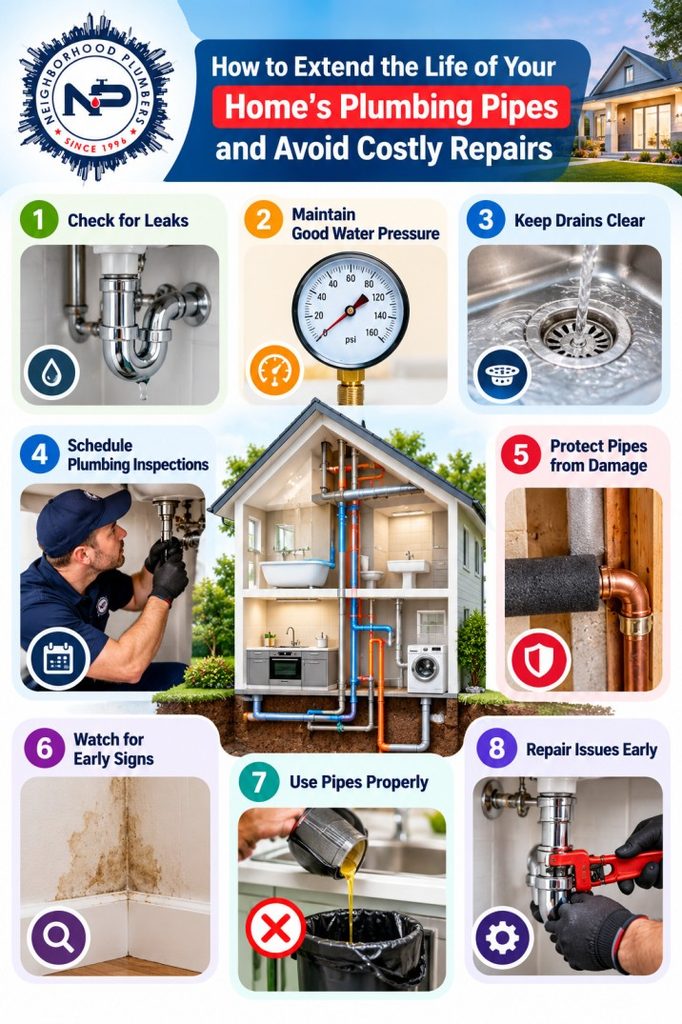
How to Extend the Life of Your Home’s Plumbing Pipes and Avoid Costly Repairs?

Your home’s plumbing system works quietly in the background every day. From supplying clean water for showers and cooking to carrying wastewater safely away, pipes play an essential role in keeping your household comfortable. However, because most plumbing pipes are hidden behind walls, beneath floors or underground, homeowners often overlook their condition until something goes wrong.

A small leak, unusual water pressure, rusty-looking water or a recurring drain blockage may seem like a minor inconvenience. Left unresolved, however, these warning signs can develop into significant plumbing problems, resulting in water damage, expensive repairs and unnecessary disruption.

This is why regular Pipe Maintenance Melbourne homeowners can rely on is important for protecting their properties. Understanding how your plumbing system works, recognising early warning signs and arranging timely inspections can help prevent avoidable damage.

This practical Pipe Maintenance Guide explains how to look after household pipes, improve their lifespan and identify problems before they become expensive. Whether you live in an older Melbourne property or a recently built home, the right maintenance habits can make a meaningful difference to your plumbing system.

Why Is Regular Pipe Maintenance Important for Melbourne Homes?

Plumbing pipes are exposed to everyday wear and tear. Water pressure, temperature changes, mineral deposits, corrosion and ground movement can gradually affect their condition.

Melbourne homes also have different plumbing requirements depending on their age, construction materials, location and previous maintenance history. An older property may have ageing metal pipework, while a newer home may use modern copper or approved plastic piping.

Regular maintenance helps homeowners identify developing issues rather than waiting for a pipe to fail.

Here are some important reasons to maintain your plumbing system:

  • Prevent water damage: Small leaks can gradually damage plasterboard, flooring, cabinetry and structural materials.
  • Maintain water quality: Deteriorating internal pipework can affect the appearance and quality of household water.
  • Protect water pressure: Mineral build-up, corrosion and restrictions can reduce water flow.
  • Reduce unexpected expenses: Early repairs are often less disruptive than dealing with extensive water damage.
  • Extend pipe lifespan: Suitable maintenance reduces unnecessary stress on plumbing components.
  • Improve household efficiency: Fixing leaks and inefficient fittings helps avoid unnecessary water consumption.

For homeowners, preventative pipe maintenance is not about replacing every old pipe. It is about understanding the condition of the existing system and taking appropriate action at the right time.

1. Understand Your Home’s Plumbing Pipe Materials

One of the first steps towards effective Pipe Maintenance is understanding what type of pipes your property uses.

Different materials have different strengths, limitations and maintenance requirements. Knowing what is installed can help you recognise potential problems and make better decisions when repairs are needed.

Copper Pipes

Copper pipes have been widely used in Australian residential plumbing because they are durable and suitable for water supply systems.

However, copper is not completely resistant to deterioration. Corrosion can develop under certain water conditions, particularly where pipes are exposed to unsuitable materials, aggressive environments or poor installation practices.

Watch for:

  • Green or blue staining around pipe connections.
  • Small pinhole leaks.
  • Repeated moisture around joints.
  • Discoloured water after periods of non-use.

A plumber can investigate whether the issue is isolated or indicates broader deterioration.

Galvanised Steel Pipes

Some older Melbourne properties may still contain galvanised steel pipes.

These pipes have a protective zinc coating, but this coating can deteriorate over time. Internal rust and mineral accumulation may gradually restrict water flow.

Common warning signs include:

  • Reduced water pressure.
  • Brown or rusty-looking water.
  • Repeated leaks.
  • Uneven water flow between fixtures.

If several taps experience similar problems, the issue may involve the main supply pipework rather than individual tap fittings.

Plastic Plumbing Pipes

Modern plumbing systems may use approved plastic materials such as PEX or other suitable piping products.

These systems offer flexibility and resistance to certain types of corrosion. However, they still require correct installation, suitable fittings and protection against physical damage, excessive temperatures and environmental exposure.

Practical tip: If you have recently purchased an older home, ask a licensed plumber to identify the visible pipe materials and assess any accessible sections of the plumbing system.

2. Monitor Water Pressure Before It Damages Your Pipes

Water pressure affects how your plumbing system performs every day. Excessively high pressure can place unnecessary stress on pipe joints, valves, flexible connectors and appliances.

On the other hand, consistently low pressure may indicate restrictions, leaks, faulty fittings or supply-related issues.

What Are the Warning Signs of Incorrect Water Pressure?

Pay attention to changes such as:

  • Taps suddenly producing weaker water flow.
  • Shower pressure changing without an obvious reason.
  • Water hammer or banging noises when taps close.
  • Repeated leaks around fittings.
  • Pressure differences between different parts of the property.

A single tap with low flow may simply have a blocked aerator or showerhead. However, if several fixtures are affected, the problem may be further along the plumbing system.

How Can You Maintain Suitable Water Pressure?

A qualified plumber can measure the pressure and determine whether it is appropriate for the property’s plumbing and connected appliances.

Depending on the findings, the solution may involve:

  • Inspecting pressure-reducing valves.
  • Checking for partially closed isolation valves.
  • Removing suitable fixture-level restrictions.
  • Investigating concealed pipe blockages.
  • Assessing the water supply connection.

Avoid installing pressure-control devices or adjusting plumbing components without understanding the system’s requirements.

Maintaining appropriate Water Pressure is an important part of extending pipe lifespan because it helps reduce unnecessary stress on the entire system.

3. Identify Small Leaks Through Regular Leak Detection

A hidden leak can continue for weeks or months before becoming obvious.

Water may escape behind a bathroom wall, beneath a kitchen cabinet, under a concrete slab or through an underground supply pipe. By the time visible damage appears, moisture may already have affected surrounding materials.

This makes regular Leak Detection an essential part of residential plumbing care.

What Signs Suggest a Hidden Pipe Leak?

Look for these common indicators:

  • Unexplained increases in water bills.
  • Damp patches on walls, floors or ceilings.
  • Peeling paint or bubbling plaster.
  • Musty smells in enclosed areas.
  • Mould developing without an obvious source.
  • Wet areas in the garden during dry weather.
  • Water meter movement when no water is being used.

Not every damp patch indicates a plumbing leak. Roof problems, condensation, drainage issues and external moisture can create similar symptoms. Proper investigation is important before deciding what needs repair.

How Can You Perform a Basic Water Meter Test?

Melbourne homeowners can use their water meter as an initial check.

Follow these steps:

  1. Turn off taps and water-using appliances.
  2. Make sure irrigation systems and automatic water features are not operating.
  3. Record the water meter reading.
  4. Avoid using water for a suitable testing period.
  5. Check the meter again.
  6. If the reading has changed, repeat the test to rule out accidental water use.

A change in the reading may indicate continuous water consumption or a leak. However, some appliances and systems can use water automatically, so check these before drawing conclusions.

For a more detailed investigation, a plumber may use acoustic equipment, thermal imaging where suitable, pressure testing or specialised inspection tools.

Expert insight: A recurring damp patch that disappears and returns should never be ignored. Even if the area looks dry, moisture may still be present inside the wall or beneath the flooring.

4. Schedule Regular Plumbing Inspection

Waiting until a pipe bursts is not a sensible maintenance strategy.

A professional Plumbing Inspection can identify visible deterioration, loose connections, corrosion, unusual pressure conditions and other developing issues.

The appropriate inspection frequency depends on the property’s age, pipe materials, previous repair history and overall condition.

What Should a Plumbing Inspection Include?

A residential plumbing assessment may cover:

  • Accessible water supply pipes.
  • Visible joints and connections.
  • Taps, mixers and isolation valves.
  • Toilet connections and cisterns.
  • Hot water system connections.
  • Signs of corrosion or mineral build-up.
  • Water pressure and flow performance.
  • Accessible drainage components.
  • Evidence of moisture around plumbing fixtures.

Where necessary, the plumber may recommend additional testing rather than assuming the entire system is in good or poor condition based on a visual check.

When Should You Arrange an Inspection?

Consider arranging an assessment when:

  • You purchase an older property.
  • Your home has recurring plumbing problems.
  • Water pressure changes unexpectedly.
  • You notice unexplained dampness.
  • Your pipes have not been assessed for many years.
  • You are planning renovations that involve plumbing alterations.

A professional inspection gives you a clearer understanding of the system’s condition and helps prioritise maintenance work.

5. Protect Pipes From Temperature Changes and Physical Damage

Pipes can be affected by temperature changes, accidental impacts and unsuitable storage or renovation activities.

Although Melbourne does not experience the same prolonged freezing conditions as some colder regions, exposed pipework can still be affected by cold weather and temperature fluctuations.

Insulate Vulnerable Pipework

Pipes located in roof spaces, external areas, garages and other exposed locations may benefit from suitable insulation.

Proper insulation can help reduce temperature-related stress and protect vulnerable sections from environmental exposure.

Use insulation products suitable for the pipe material and installation location. Ensure that any work near hot water equipment follows the manufacturer’s safety requirements.

Avoid Accidental Pipe Damage

Many household plumbing problems begin during ordinary maintenance or renovation work.

For example, drilling into a wall to install shelving or fixing a garden post can accidentally damage concealed water pipes.

Before carrying out work that involves drilling, cutting or excavation:

  • Check available building and plumbing plans.
  • Identify likely pipe routes.
  • Use suitable detection equipment where appropriate.
  • Avoid drilling near known plumbing connections.
  • Engage qualified professionals when the pipe locations are uncertain.

Never assume that a pipe runs in a predictable straight line behind a wall.

6. Keep Tree Roots Away From Underground Plumbing

Tree roots are a common concern for underground drainage systems.

Roots naturally seek moisture and can enter existing cracks, loose joints or damaged sections of drainage pipes. Once inside, they may gradually collect debris and restrict wastewater flow.

The problem can be particularly disruptive when blockages return after temporary clearing.

Warning Signs of Root-Related Pipe Problems

Watch for:

  • Repeated drain blockages.
  • Gurgling sounds from toilets and drains.
  • Slow drainage across multiple fixtures.
  • Unpleasant smells near outdoor drains.
  • Sewage backing up through floor wastes.
  • Wet or unusually green patches in the garden.

How Can You Reduce the Risk?

Consider the following precautions:

  • Understand where underground drainage pipes are located.
  • Avoid planting large trees directly above known drainage routes.
  • Maintain suitable clearance between trees and plumbing infrastructure.
  • Investigate recurring blockages rather than relying on repeated temporary clearing.
  • Arrange a CCTV drain inspection if a plumber suspects root intrusion.

A camera inspection can help identify cracks, root entry, displaced joints and other internal drainage problems.

In some cases, targeted repairs may resolve the problem without replacing the entire drainage line.

7. Look After Drains and Avoid Chemical Overuse

Although drainage pipes and water supply pipes perform different functions, both require regular care.

Household drains collect soap residue, grease, hair, food particles and other materials. Over time, these substances can accumulate and restrict wastewater flow.

Simple Habits That Help Protect Drainage Pipes

  • Use suitable drain strainers in showers and kitchen sinks.
  • Avoid pouring cooking oil and grease down kitchen drains.
  • Dispose of food scraps in the appropriate waste bin.
  • Remove visible hair from shower strainers.
  • Avoid flushing wipes, sanitary products and other unsuitable items.
  • Investigate recurring slow drainage.

Are Chemical Drain Cleaners Always a Good Solution?

No. Strong chemical cleaners are not suitable for every blockage or pipe material.

Repeated or incorrect use can create safety risks and may damage certain plumbing components. Mixing different cleaning chemicals can also produce dangerous reactions.

For a minor accessible blockage, a suitable plunger may help. Persistent or recurring blockages should be investigated by a plumber who can identify the actual cause.
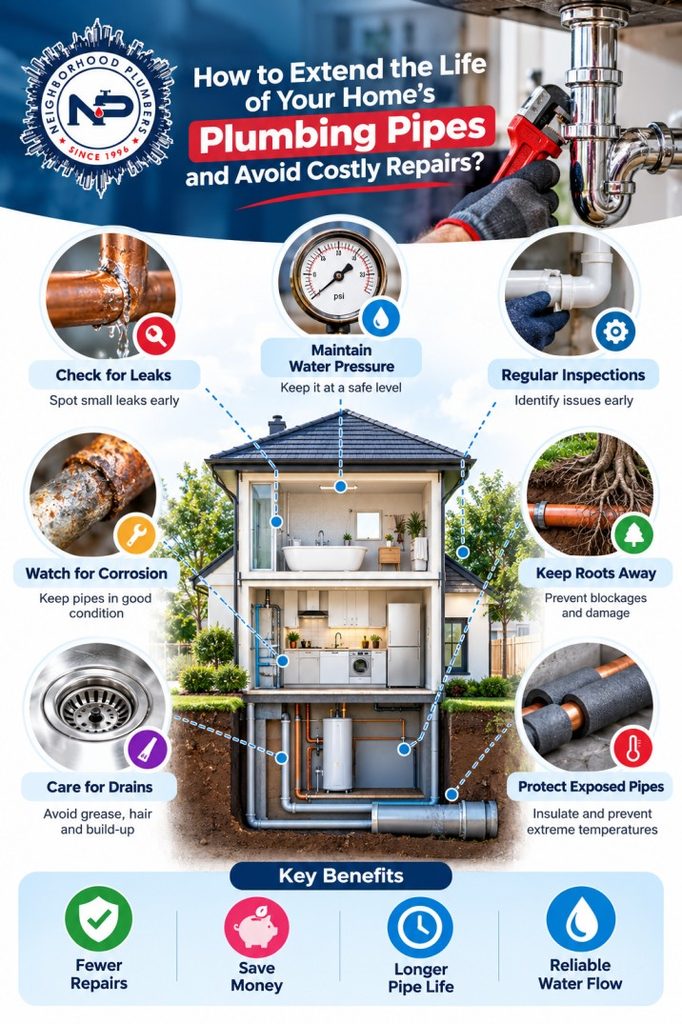
8. Arrange Timely Pipe Repairs Instead of Ignoring Small Problems

Small plumbing faults rarely improve simply because they are left alone.

A loose connection may begin as a minor drip but eventually cause water damage. A small crack in a drainage pipe may allow roots to enter and create a larger obstruction.

Arranging appropriate Pipe Repairs Melbourne homeowners need at an early stage can help prevent more extensive damage.

Common Plumbing Problems That Require Attention

Plumbing problemPossible causeRecommended action
Dripping pipe jointWorn seal or loose connectionProfessional assessment and repair
Low water flowRestriction, leak or pressure issueCheck pressure and pipe condition
Rusty-looking waterInternal corrosion or sedimentInvestigate water quality and pipework
Repeated drain blockageRoots, debris or damaged drainageConsider CCTV inspection
Damp wall or ceilingPossible concealed leakArrange leak investigation
Water hammerPressure or pipe support issueInspect the plumbing system

When Is Pipe Repair Better Than Replacement?

The decision depends on the location, extent and cause of the damage.

A localised leak in an otherwise sound pipe may only require a targeted repair. However, repeated failures, widespread corrosion or significant internal deterioration may indicate that replacing an affected section is a more practical long-term option.

A good assessment should explain:

  • What has failed.
  • Why the problem occurred.
  • Whether surrounding pipework is also deteriorating.
  • What repair options are available.
  • Whether the proposed solution addresses the underlying cause.

This approach avoids unnecessary replacement while reducing the risk of repeated repairs.

9. Follow a Preventative Pipe Maintenance Routine

Consistent maintenance is easier when it becomes part of your household routine.

You do not need to inspect every pipe every week. Instead, combine simple visual checks with periodic professional assessments.

Monthly Maintenance

  • Check visible pipes beneath sinks.
  • Look for dripping taps and leaking toilet connections.
  • Check for moisture around the hot water system.
  • Notice unusual changes in water pressure.
  • Look for damp patches around plumbing fixtures.

Every Three to Six Months

  • Check the water meter for unexplained water use.
  • Clean suitable tap aerators and showerhead fittings.
  • Inspect exposed outdoor pipework.
  • Check garden taps and irrigation connections.
  • Look for signs of recurring drain problems.

Annually or As Recommended

  • Arrange a plumbing assessment where the property’s age or condition warrants it.
  • Review recurring leaks and previous repair work.
  • Check accessible isolation valves.
  • Assess exposed and vulnerable pipe sections.
  • Review any professional recommendations from earlier inspections.

This is a practical starting schedule, not a compulsory maintenance standard. Older properties or homes with a history of leaks may need more frequent attention.

10. Understand How Maintenance Helps Extend Pipe Lifespan

The lifespan of plumbing pipes varies significantly depending on their material, installation quality, water conditions, maintenance history and operating environment.

For example, a well-installed copper system may remain serviceable for decades, while poorly maintained or deteriorating galvanised steel pipework may develop restrictions and leaks much earlier.

There is no single replacement age that applies to every household plumbing system.

Practical Ways of Extending Pipe Lifespan

Address corrosion early: Visible corrosion, staining and recurring leaks deserve investigation before deterioration spreads.

Maintain suitable pressure: Excessive pressure can place additional stress on pipework and fittings.

Prevent unnecessary blockages: Appropriate drain habits reduce the likelihood of recurring restrictions and associated problems.

Protect exposed pipes: Suitable insulation and physical protection help reduce environmental and accidental damage.

Use compatible materials: When repairs are needed, the replacement fittings and pipes must be appropriate for the existing plumbing system.

Keep repair records: Documenting previous leaks, replacements and inspections helps plumbers understand the system’s history.

The main objective of extending pipe lifespan is not to make old plumbing last indefinitely. It is to maintain safe, reliable performance and replace deteriorating sections before they cause serious damage.

11. Common Pipe Maintenance Mistakes Homeowners Should Avoid

Even homeowners who regularly check their plumbing can make mistakes that increase the likelihood of damage.

Ignoring Small Leaks

A slow drip may seem harmless, but continuous moisture can damage cabinets, floors and nearby building materials.

Better approach: Investigate recurring leaks promptly, even when the water loss appears small.

Assuming Low Water Pressure Is Normal

Weak flow from one tap may indicate a simple fitting problem. Low pressure throughout the property may point to a larger issue.

Better approach: Compare different fixtures and arrange an assessment if the change is widespread or persistent.

Using Chemical Cleaners for Every Blockage

Chemical products do not resolve every underlying drainage problem.

Better approach: Use suitable basic methods for minor blockages and seek professional assistance for recurring issues.

Attempting Complex DIY Pipe Repairs

Working on regulated plumbing without the appropriate qualifications can create safety, compliance and insurance problems.

Better approach: Use a properly licensed or registered plumbing practitioner for regulated plumbing work in Victoria.

Replacing Pipes Without Identifying the Cause

Replacing one damaged section may not solve the problem if excessive pressure, corrosion or ground movement is affecting the surrounding system.

Better approach: Ask for an explanation of the underlying cause before approving major work.

12. When Should You Call a Licensed Melbourne Plumber?

Some plumbing problems require prompt professional attention rather than routine monitoring.

Contact a licensed plumber if you notice:

  • A burst or actively leaking water supply pipe.
  • Water entering electrical areas.
  • Repeated leaks in the same location.
  • Significant unexplained water loss.
  • Sewage backing up into the property.
  • Sudden widespread changes in water pressure.
  • Persistent dampness that may involve concealed pipework.
  • Visible deterioration across multiple pipe sections.

If water is near electrical equipment, keep away from the affected area and contact the appropriate emergency services or utility provider where necessary. Do not touch wet electrical fittings.

In Victoria, plumbing work must be carried out by an appropriately licensed or registered practitioner, or by a person working under the required supervision. Only a licensed plumber can issue a plumbing compliance certificate.

Homeowners should check the practitioner’s licence details and confirm that their licence covers the type of work required.

At Neighborhood Plumbers, a practical approach to residential plumbing care starts with understanding the problem, checking the condition of the affected pipework and recommending an appropriate solution. For homeowners, this means focusing on the cause of the issue rather than simply treating its visible symptoms.

Conclusion: Protect Your Plumbing With Consistent Maintenance

Your home’s plumbing system deserves attention long before a burst pipe or major leak occurs. Understanding pipe materials, monitoring water pressure, identifying hidden leaks and arranging appropriate inspections can help prevent unnecessary damage.

A consistent approach to Pipe Maintenance Melbourne homeowners can follow does not need to be complicated. Simple household checks, sensible water usage habits and timely professional assistance can make a significant difference to plumbing performance.

Use this Pipe Maintenance Guide as a starting point for better residential plumbing care. Remember that preventative pipe maintenance is about identifying problems early, making informed repair decisions and extending pipe lifespan wherever the condition of the system allows.

Neighborhood Plumbers encourages homeowners to take plumbing warning signs seriously and seek professional advice when something does not look right. Looking after your pipes today can help reduce avoidable disruption and protect your home for years to come.

Frequently Asked Questions About Pipe Maintenance

1. How Often Should I Arrange Pipe Maintenance in Melbourne?

The frequency depends on your home’s age, pipe materials, plumbing condition and previous repair history.

A newer property with modern plumbing and no history of leaks may only need routine visual checks and professional attention when a problem develops or an assessment is otherwise recommended.

Older properties, particularly those with galvanised steel pipes, recurring leaks or unexplained pressure changes, may benefit from more regular professional inspections.

A useful approach is to check visible plumbing monthly, monitor water usage and arrange a professional assessment whenever warning signs appear.

2. What Are the First Signs That My Water Pipes Need Repair?

The earliest signs are often subtle.

Look for small water stains, unexplained dampness, green corrosion around copper fittings, rusty-looking water, changes in water pressure and unexpected increases in water consumption.

You may also notice that several taps are producing weaker flow or that plumbing fixtures make unusual noises.

If the same problem keeps returning after a minor repair, the underlying pipework should be investigated rather than repeatedly treating the symptom.

3. Can High Water Pressure Damage Household Pipes?

Yes. Excessively high water pressure can increase stress on pipe joints, flexible hoses, valves and connected appliances.

Over time, this may contribute to leaks or premature component failure.

A plumber can measure the pressure and determine whether a pressure-reducing valve or another corrective measure is appropriate.

Avoid adjusting pressure-control equipment without professional guidance, as the correct setting depends on the property’s plumbing configuration and applicable requirements.

4. Is It Better to Repair or Replace Old Plumbing Pipes?

It depends on the condition and extent of deterioration.

If one isolated section has developed a leak and the surrounding pipework is in good condition, a targeted repair may be suitable.

However, widespread corrosion, repeated leaks, significant internal restrictions or multiple failing connections may make replacement more practical.

A professional assessment should consider the pipe material, damage location, expected remaining service life and the risk of future failures.

Replacing only what is necessary can be sensible, provided the repair addresses the underlying problem.

5. How Can I Check for a Hidden Water Leak at Home?

Start by turning off taps, appliances and other water-using systems. Record your water meter reading, wait without using water and check the meter again.

If the reading changes, repeat the test to rule out accidental water consumption or automatic appliances.

Also inspect cupboards, walls, ceilings and floors for dampness, discolouration or unusual smells.

Remember that a meter test can indicate unexplained water use but cannot identify the exact location of a leak. A licensed plumber may use specialised leak detection equipment to locate concealed problems accurately.

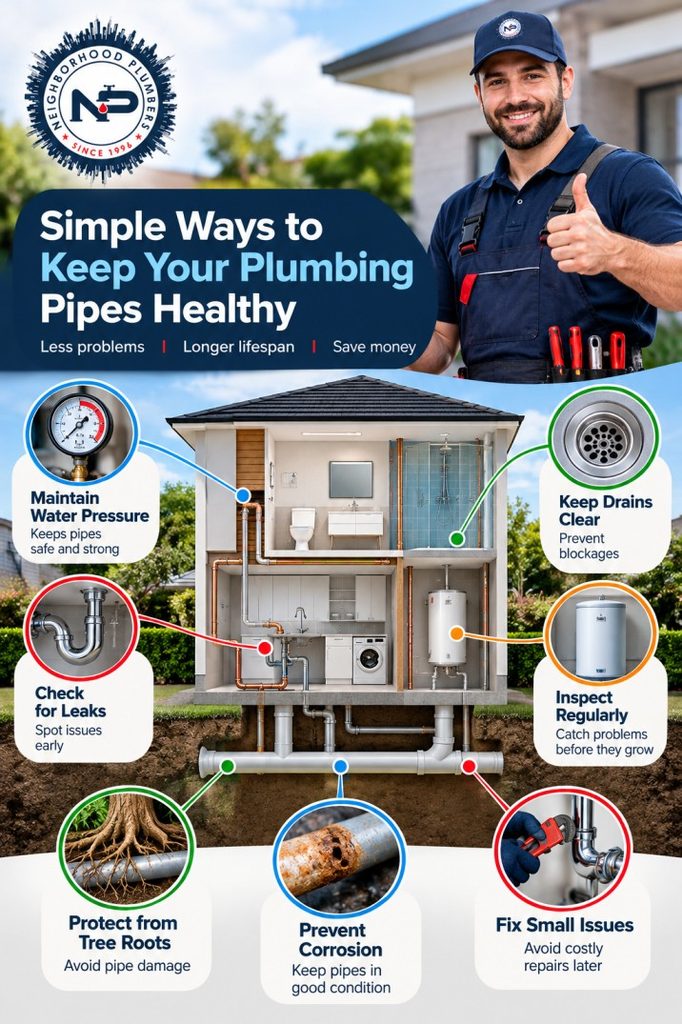
How to Extend the Life of Your Home’s Plumbing Pipes and Avoid Costly Repairs?

Your home’s plumbing pipes work every day to deliver clean water, remove wastewater and keep your household running smoothly. However, many homeowners only think about their pipes when a leak appears, the water pressure drops or a blocked drain disrupts their routine. By then, a small plumbing issue may have already caused damage to walls, floors or cupboards.

Following a practical Pipe Maintenance Melbourne routine can help homeowners identify early warning signs, reduce unnecessary plumbing expenses and keep their water systems working reliably. Melbourne homes have different plumbing needs depending on their age, pipe materials, water usage and exposure to changing weather conditions.

The good news is that you do not need to understand every technical detail of your plumbing system to look after it properly. A few sensible habits, regular checks and timely professional assessments can make a meaningful difference.

This Pipe Maintenance Guide explains how to care for your home’s plumbing pipes, recognise developing problems, maintain suitable water pressure and understand when professional attention is necessary. It also covers practical ways to extend pipe life and avoid preventable repair costs.

Why Is Pipe Maintenance Important for Melbourne Homes?

Plumbing pipes gradually experience wear from regular water flow, pressure changes, corrosion, movement and everyday use. The speed of deterioration depends on the materials used, installation quality, water conditions and the environment surrounding the pipes.

Older Melbourne properties may contain ageing metal pipes, deteriorating joints or sections that have been modified during previous renovations. Newer homes can also experience problems caused by poor installation, damaged fittings, excessive pressure or tree roots entering underground drainage pipes.

Regular Pipe Maintenance helps homeowners identify these issues before they become major disruptions.

For example, a small leak beneath a kitchen sink might initially appear harmless. However, if the leak continues for several weeks, moisture can damage cabinetry, encourage mould growth and affect nearby flooring. Repairing the original connection is usually simpler than dealing with the additional damage.

Routine maintenance can help you:

  • Identify minor leaks before they cause extensive water damage.
  • Recognise changes in water pressure and drainage performance.
  • Reduce the risk of sudden pipe failures.
  • Protect walls, floors, foundations and stored belongings.
  • Plan repairs before an urgent breakdown occurs.
  • Make informed decisions about replacing ageing pipework.

Maintenance cannot prevent every plumbing failure, but it can improve the chances of detecting problems early and managing repair costs.

How Can Preventative Pipe Maintenance Extend Pipe Lifespan?

Preventative pipe maintenance involves checking the condition of your plumbing system, managing avoidable risks and addressing small faults before they develop into larger problems.

The most effective approach combines simple household observations with professional inspections when needed.

1. Check Exposed Pipes for Early Warning Signs

Start with the plumbing that is easy to see. Look beneath kitchen and bathroom sinks, around laundry connections, near hot-water systems and along accessible sections of pipework.

Pay attention to:

  • Green or blue deposits on copper pipes.
  • Rust, flaking or discolouration on metal pipework.
  • Damp patches around joints and valves.
  • Cracked plastic fittings.
  • Water stains on nearby walls or cupboards.
  • Loose brackets or visibly unsupported pipes.
  • Unusual condensation that does not disappear under normal conditions.

Not every sign of moisture indicates a leak. Cold-water pipes can develop condensation in humid conditions, while some surface discolouration may be old staining. However, persistent dampness deserves investigation.

Practical example: If you notice a cupboard base becoming damp even when the sink has not been used, dry the area and inspect the accessible connections. Check again after normal use. If the moisture returns, arrange a plumbing assessment rather than repeatedly wiping it away.

Never dismantle pressurised pipework or attempt to repair a damaged hot-water connection without appropriate knowledge and equipment.

2. Keep an Eye on Your Water Meter

Your water meter can help identify a possible leak that is not immediately visible.

To perform a basic check:

  1. Turn off taps, showers, washing machines and other water-using appliances.
  2. Make sure toilets are not refilling and irrigation systems are not running.
  3. Check whether the meter’s leak indicator or reading continues to move.
  4. If water use is still registering, repeat the check after allowing for appliances that may operate automatically.
  5. Investigate further if unexplained water use continues.

A moving meter does not automatically prove a leak in a pipe. A toilet cistern, an appliance or another connected system may be using water.

If the meter continues to register water consumption when everything should be off, a licensed plumber or your water provider may help identify the source.

This simple check is particularly useful when you receive an unexpectedly high water bill or notice dampness without an obvious explanation.

3. Protect Pipes from Physical Damage

Exposed pipes can be damaged by renovation work, heavy storage items, accidental impacts and poorly positioned equipment.

Avoid hanging heavy objects from plumbing pipes or using them as supports. When drilling into walls, check for plumbing and electrical services before starting work. Use reliable service plans or suitable detection equipment rather than assuming pipes follow a particular route.

Where pipes pass through cupboards, garages or utility areas, keep access clear so leaks and corrosion can be spotted.

Pipe insulation can also be useful in suitable locations, particularly around hot-water pipework where it reduces heat loss. Insulation must be appropriate for the pipe material, operating temperature and environment. It should not conceal existing leaks or trap moisture against vulnerable surfaces.

How Should You Manage Water Pressure to Protect Pipes?

Water Pressure affects how your plumbing system operates. Excessively high pressure can place additional stress on valves, flexible hoses, joints, taps and appliances. Very low pressure, meanwhile, can indicate a supply restriction, faulty fitting, leak or other plumbing problem.

Neither high nor low pressure should automatically be blamed on ageing pipes without further investigation.

What Are the Warning Signs of Excessive Water Pressure?

Possible warning signs include:

  • Taps producing unusually forceful water flow.
  • Repeated failures of flexible hoses or fittings.
  • Water hammer, which sounds like banging in the pipes.
  • Frequent problems with tap washers or valves.
  • Pressure-related faults affecting multiple fixtures.

Water hammer can also result from loose pipe supports, fast-closing valves or appliance operation, so its cause should be assessed rather than assumed.

How Can You Check Your Home’s Water Pressure?

A suitable pressure gauge can provide a more reliable reading than judging flow by eye. A plumber can measure static pressure and assess whether the system needs a pressure-limiting device or another adjustment.

In Victoria, plumbing work must comply with applicable requirements, including the relevant Plumbing Code of Australia provisions and Victorian regulations. A licensed plumber should determine the correct solution for the particular property.

Do not adjust pressure-control equipment without understanding its function. Excessive pressure reduction can also affect the performance of showers, appliances and other fixtures.

Expert tip: If several taps suddenly have weaker flow, investigate whether the problem affects the whole property or only one fixture. A single affected tap may have a blocked aerator or faulty cartridge. A property-wide change may point to a supply issue, pressure-control fault or leak.

How Does Leak Detection Help Prevent Expensive Damage?

Leak Detection is an important part of maintaining a healthy plumbing system because not every leak produces a visible puddle.

Water can escape behind walls, beneath floors, inside ceiling cavities or through underground pipes. The longer a concealed leak remains unnoticed, the greater the potential for damage to building materials and surrounding areas.

Which Signs May Indicate a Hidden Leak?

Look for recurring symptoms such as:

  • Unexplained increases in water bills.
  • Damp or musty smells in rooms without an obvious source.
  • Bubbling paint, peeling wallpaper or swollen skirting boards.
  • New water stains on ceilings.
  • Persistent wet patches in the garden during dry weather.
  • Water meter movement when water use has stopped.
  • A hot-water system or pipe connection that repeatedly loses water.

Some of these symptoms can have alternative causes, including roof leaks, poor ventilation or groundwater. Proper diagnosis matters because repairing the wrong component wastes time and money.

What Methods Can Professionals Use to Find Leaks?

Depending on the suspected location and pipe material, a qualified plumber may use:

  • Pressure testing to assess whether a system maintains pressure.
  • Acoustic equipment to listen for leak-related sounds.
  • Thermal imaging to identify temperature patterns that may indicate moisture or hot-water leakage.
  • Moisture meters to assess damp building materials.
  • Inspection cameras for suitable drainage pipes.
  • Targeted access after reviewing the evidence.

No single method works in every situation. For example, thermal imaging can reveal unusual temperature patterns but does not independently prove that a pipe is leaking. Results must be interpreted alongside other observations.

If a concealed leak is suspected, early professional assessment can help limit unnecessary wall or floor removal.

How Can You Prevent Blocked Drains and Protect Drainage Pipes?

Your home’s drainage system carries wastewater away from sinks, showers, toilets and appliances. Although drainage pipes do not always experience the same conditions as pressurised water supply pipes, they still require sensible care.

What Should You Keep Out of Household Drains?

Avoid treating sinks and toilets as general waste disposal systems.

Keep the following materials out of drains wherever possible:

  • Cooking grease and oil.
  • Coffee grounds and large food scraps.
  • Wet wipes, sanitary products and paper towels.
  • Hair and accumulated soap residue.
  • Construction debris, paint and unsuitable chemicals.

Grease can cool and accumulate inside pipes, trapping other waste and gradually restricting flow. Hair and soap residue can build up around bathroom drain fittings, while wipes may contribute to blockages even when labelled flushable.

Use sink strainers and shower hair catchers, and clean them regularly. Scrape excess food into the bin before washing dishes.

Avoid repeatedly pouring strong chemical drain cleaners into a blocked pipe. These products may damage some materials, create hazardous splashes or complicate subsequent repairs. Persistent blockages are better assessed to identify the actual cause.

Why Should You Take Tree Roots Seriously?

Tree roots can enter drainage pipes through existing cracks, damaged joints or openings. Once inside, they may collect debris and progressively restrict wastewater flow.

Warning signs include recurring toilet or drain blockages, slow drainage across several fixtures, gurgling sounds and persistent sewage odours.

A plumber may recommend a drainage camera inspection when root intrusion or pipe damage is suspected. The appropriate repair depends on the condition and location of the affected section.

Removing the immediate obstruction may restore flow, but damaged pipework can allow the problem to return. Addressing the underlying defect is often essential for a lasting result.

When Should You Arrange a Plumbing Inspection?

A Plumbing Inspection helps assess the condition of accessible pipework, connections, fixtures and relevant plumbing components. It may also identify issues that are difficult for a homeowner to evaluate safely.

There is no single inspection interval that suits every property. A newer home with no plumbing symptoms may need a different maintenance schedule from an older property with a history of leaks or repeated drainage problems.

Consider arranging an inspection when:

  • You purchase an older home.
  • The property has a history of leaks or pipe failures.
  • Water pressure changes without an obvious explanation.
  • Several fixtures drain slowly or repeatedly become blocked.
  • You notice corrosion, dampness or unusual pipe noises.
  • You plan renovations that may affect plumbing.
  • Your water bill rises unexpectedly.
  • You have concerns about the age or material of existing pipes.

An inspection can also be useful before renovating a bathroom or kitchen. Checking accessible pipework before new cabinets, tiles or flooring are installed may help identify problems while access is still straightforward.

A standard inspection is not necessarily a guarantee that every concealed defect will be found. Ask the plumber what areas will be examined, whether testing is included and which limitations apply.

How Can Pipe Repairs Melbourne Homeowners Need Be Reduced?

The goal of maintenance is not to eliminate every repair. Pipes and fittings eventually wear out, and some failures occur without much warning. The aim is to reduce preventable damage and make repairs more manageable.

For homeowners considering Pipe Repairs Melbourne, the right solution depends on the source of the problem, the pipe’s material, its accessibility and the extent of deterioration.

Which Plumbing Problems Need Prompt Attention?

Small drips from an accessible tap connection may be manageable for a short period while you arrange a repair, provided the area remains safe and dry. However, active leaks inside walls, burst pipes, sewage backflow and major water discharge need urgent attention.

If a pipe bursts:

  1. Turn off the water at the appropriate isolation valve or main shut-off if it is safe to do so.
  2. Keep clear of water near electrical outlets, appliances or wiring.
  3. If water is threatening electrical equipment, do not enter the affected area; obtain appropriate electrical assistance.
  4. Move belongings away from the water if it is safe.
  5. Contact a licensed plumber and document the damage for insurance purposes where appropriate.

If you cannot locate the source of a leak, avoid opening walls or digging underground without professional advice.

What Repair Options May Be Available?

Depending on the fault, a plumber may recommend:

  • Replacing a damaged fitting or flexible hose.
  • Repairing a leaking joint.
  • Replacing a corroded section of pipe.
  • Clearing a drainage obstruction.
  • Repairing or relining suitable damaged drains.
  • Replacing pipework that has widespread deterioration.

Relining is not appropriate for every damaged drain, and a localised repair may not be economical when extensive sections are failing. Ask for an explanation of the defect, the proposed repair and any alternatives.

In the middle of your maintenance planning, Neighborhood Plumbers can be considered as a local service option when professional advice is needed. Whichever provider you choose, look for appropriate Victorian licensing, clear communication, an itemised quote where practical and an explanation of the work’s scope.

How Can You Focus on Extending Pipe Lifespan?

Extending pipe lifespan starts with understanding that different pipe materials age in different ways. Copper, galvanised steel, PVC, and other approved plastic piping systems have different installation requirements and vulnerabilities.

Copper pipes may develop corrosion under certain conditions. Galvanised steel can corrode internally and gradually restrict water flow. Plastic pipework may be affected by unsuitable temperatures, physical damage, incompatible fittings or incorrect installation.

The material alone does not determine how long a pipe will last. Water chemistry, workmanship, operating conditions and maintenance history also matter.

What Should You Know About Older Plumbing Materials?

If your home is older, do not assume every pipe needs immediate replacement simply because of its age. Equally, do not assume that visible sections represent the condition of concealed pipework.

A qualified plumber can assess accessible areas, identify known materials where possible and recommend further investigation when symptoms justify it.

Where the existing system has widespread corrosion, repeated leaks or persistent restrictions, replacing selected sections may only provide a temporary solution. A broader replacement plan could be more practical, particularly when major renovations are already planned.

How Should You Maintain Hot-Water Pipework?

Hot-water pipes experience different operating temperatures from cold-water lines. Insulation can help reduce heat loss in suitable locations, while secure supports and correctly installed fittings help protect the system.

Keep access around the hot-water unit clear and watch for visible leaks, corrosion or changes in operation. Never adjust temperature controls, safety valves or pressure-relief components without understanding the manufacturer’s instructions and applicable requirements.

If a hot-water system is leaking, producing unusual discharge or showing signs of damage, seek professional assessment rather than attempting to seal a safety-related component.

What Is a Practical Residential Plumbing Care Routine?

Consistent residential plumbing care does not need to be complicated. The following schedule provides a useful starting point, but adjust it to the age, condition and history of your home.

FrequencyMaintenance taskWhat to look for
MonthlyCheck accessible sink and laundry connectionsDrips, moisture and damaged hoses
MonthlyObserve taps, showers and toiletsChanges in flow, slow drainage or continuous refilling
Every few monthsClean strainers and hair catchersHair, food residue and soap accumulation
Every few monthsReview the water bill or meter readingsUnexplained increases in water consumption
AnnuallyReview visible plumbing and previous issuesCorrosion, recurring leaks and ageing fittings
As neededArrange professional assessmentHidden leaks, persistent blockages or unexplained pressure changes

This is a practical observation schedule, not a mandatory inspection standard. Homes with a history of plumbing failures may need more frequent checks.

Keep a simple record of repairs, dates, replaced fittings and recurring symptoms. This history can help a plumber identify patterns and recommend whether a local repair or a broader upgrade makes more sense.

What Common Pipe Maintenance Mistakes Should You Avoid?

Some well-intentioned habits can make plumbing problems worse.

Ignoring Small Leaks

A slow drip can seem unimportant, especially if it occurs inside a cupboard. However, ongoing moisture can damage surfaces and conceal a more serious connection problem.

Better approach: Investigate recurring moisture promptly, even when the amount of water appears small.

Assuming Low Water Pressure Means Old Pipes

Low flow may result from a blocked aerator, faulty mixer, partially closed valve, supply interruption or pressure-control issue.

Better approach: Compare several fixtures and note whether the change is sudden or gradual before deciding what needs repair.

Using Chemical Drain Cleaners Repeatedly

Repeated chemical treatment may fail to remove the cause of a blockage and can introduce additional safety risks.

Better approach: Remove accessible debris safely and arrange professional assessment for persistent or recurring obstructions.

Attempting Unqualified Pipe Repairs

Incorrect sealants, incompatible fittings and poorly tightened connections can create new leaks. Work on certain plumbing systems also requires a licensed professional.

Better approach: Restrict household maintenance to safe, accessible observations and straightforward cleaning. Use appropriately qualified tradespeople for repairs and regulated work.

Replacing Pipes Without Understanding the Cause

A damaged section may reflect a local fitting problem, but repeated failures can also indicate a wider issue involving corrosion, pressure or installation.

Better approach: Ask what caused the failure and whether the proposed repair addresses the underlying problem.

What Expert Tips Can Help You Avoid Costly Plumbing Repairs?

A few additional habits can make your maintenance routine more effective.

Know where your main water shut-off is located. Every adult in the household should know how to find it and operate it safely. In an emergency, this can reduce the amount of water escaping before assistance arrives.

Pay attention to changes rather than isolated events. One slow drain may be a local blockage. Several slow drains appearing together may indicate a shared drainage problem. A pattern of recurring symptoms is often more informative than a single observation.

Keep renovation records. Save invoices, inspection reports and details of replaced pipes or fittings. These records can help future tradespeople understand the system and avoid unnecessary investigative work.

Request a clear explanation before approving major work. Ask which component has failed, how the diagnosis was reached, whether the proposed repair is localised or system-wide, and what limitations remain after the work.

Do not postpone urgent problems to fit a routine schedule. Active leaks, burst pipes, sewage overflow and water near electrical hazards require prompt action. Routine maintenance is intended to reduce risk, not replace emergency responses.

How Can a Pipe Maintenance Guide Help You Protect Your Home?

A practical Pipe Maintenance Guide gives homeowners a repeatable way to notice early warning signs, manage avoidable risks and make informed decisions about repairs. Regular observations, sensible water-use habits, safe drainage practices and professional inspections when warranted can all contribute to a more reliable plumbing system.

The key is to act on changes rather than wait for a small defect to become an expensive emergency. Keep track of unusual water bills, recurring dampness, pressure changes and drainage issues. Where the cause is uncertain, a qualified assessment is generally more useful than repeated guesswork.

For Melbourne homeowners, Pipe Maintenance Melbourne should be approached as an ongoing part of property care, with maintenance decisions based on the home’s pipe materials, age, condition and actual symptoms. When a problem needs professional attention, Neighborhood Plumbers is a name to consider while comparing appropriately qualified local providers. A clear diagnosis and suitable repair plan can help protect your property and support the long-term performance of your plumbing system.

Frequently Asked Questions

1. How Often Should Plumbing Pipes Be Checked in a Melbourne Home?

Check visible pipes and accessible connections monthly for leaks, dampness, corrosion and other changes. Review water usage and drainage performance regularly, and consider a professional inspection when the property is older, has a history of failures or develops recurring symptoms.

There is no universal rule requiring every home to receive a full plumbing inspection annually. The appropriate frequency depends on the condition of the system, the materials used and any known problems. An inspection after purchasing an older property or before a major renovation may be particularly useful.

2. What Are the First Signs That a Plumbing Pipe Is Failing?

Common warning signs include unexplained water bills, damp cupboards, water stains, corrosion, recurring leaks, reduced flow and persistent drainage problems. You may also hear unusual banging or notice water meter movement when the property should not be using water.

None of these signs identifies the exact cause on its own. For example, low flow may come from a blocked tap aerator rather than a damaged supply pipe. Compare symptoms across different fixtures and arrange an assessment when the cause remains unclear.

3. Can High Water Pressure Damage Household Pipes?

Yes. Excessive pressure can place additional stress on joints, valves, flexible hoses, taps and connected appliances. Over time, this may contribute to leaks or premature component failure, particularly where fittings are already worn or incorrectly installed.

A pressure gauge can help establish the actual pressure, while a licensed plumber can assess whether pressure regulation is appropriate. Avoid making adjustments based only on how forcefully water comes from a tap, because flow rate and water pressure are not the same thing.

4. When Should I Call a Plumber for Pipe Repairs?

Arrange professional assistance when you have persistent leaks, suspected concealed pipe damage, repeated drain blockages, unexplained water use or significant pressure changes. Burst pipes, sewage overflow and active leaks that threaten electrical equipment require urgent attention.

If water is escaping rapidly, isolate the supply if it is safe and accessible. Stay away from wet electrical areas and seek appropriate assistance. For less urgent faults, explain the symptoms, when they began and whether they affect one fixture or the entire property. This information can help the plumber assess the likely cause.

5. Is It Better to Repair Old Pipes or Replace Them?

The best option depends on the pipe material, the extent of deterioration, the frequency of previous failures and the cost of accessing the affected section. A localised defect in otherwise sound pipework may be suitable for a targeted repair.

However, widespread corrosion, repeated leaks or extensive internal restrictions may make broader replacement more practical. A qualified plumber should explain the evidence supporting the recommendation, the expected benefits, any disruption involved and the limitations of each option. Age alone is not enough to determine whether all pipes need replacing.

How to Extend the Life of Your Home’s Plumbing Pipes and Avoid Costly Repairs

Your home’s plumbing pipes work every day, carrying clean water to your kitchen, bathroom, laundry, and outdoor taps. Most of the time, you hardly think about them. However, small problems such as dripping joints, slow drains, changing water pressure, and hidden moisture can develop long before a pipe starts leaking badly.

The good news is that you do not always need expensive replacements to keep your plumbing system in good condition. Regular checks, sensible water use, timely repairs, and professional inspections can help identify problems early and reduce avoidable plumbing costs.

Following a practical Pipe Maintenance Guide is particularly useful for Melbourne homeowners because plumbing systems can face a range of challenges, including ageing pipework, tree root intrusion, mineral deposits, soil movement, and seasonal changes in water use. The exact risks depend on your property’s age, pipe material, installation quality, and local conditions.

Whether you live in an older home with original pipework or a newer property with modern plumbing, understanding how your system works can help you make better maintenance decisions.

This guide explains how Pipe Maintenance Melbourne homeowners can use simple preventative steps to extend pipe lifespan, recognise early warning signs, and know when professional help is needed. It also explains when Pipe Repairs Melbourne services may be necessary, which maintenance mistakes to avoid, and how to protect your home’s plumbing without spending money unnecessarily.

Why Is Regular Pipe Maintenance Important?

Plumbing pipes are designed to last for years, but their condition can deteriorate over time. Corrosion, excessive pressure, poor installation, unsuitable drain cleaning products, and physical damage can all shorten their useful life.

A small leak behind a vanity cabinet, for example, may initially appear harmless. If left unnoticed, it can damage the cabinet, weaken surrounding materials, encourage mould growth, and increase water consumption. Repairing the pipe early may be much simpler than addressing the damage caused by the leak.

Regular maintenance helps homeowners:

  • Identify small leaks before they cause extensive damage.
  • Maintain consistent and comfortable water pressure.
  • Reduce unnecessary water wastage.
  • Recognise corrosion, blockages, and deteriorating pipe joints.
  • Plan repairs before an emergency develops.
  • Make informed decisions about pipe replacement.

The goal is not to repair pipes that are still working properly. It is to identify genuine risks early and address them at the right time.

Understanding the Different Types of Plumbing Pipes

Before developing a maintenance routine, it helps to understand which pipes are installed in your property. Different materials have different strengths, weaknesses, and maintenance requirements.

Copper pipes

Copper is commonly used in water supply systems because of its durability and resistance to many forms of damage. However, copper pipes can still develop pinhole leaks, corrosion, or joint failures under certain conditions.

Green or blue staining around exposed copper pipework can indicate corrosion, although the cause needs to be assessed rather than assumed.

PVC and other plastic pipes

Plastic pipes are widely used in drainage and some water supply applications, depending on the pipe type and its suitability for the installation. They resist many forms of corrosion, but can crack through impact, deteriorate under unsuitable exposure conditions, or fail at poorly installed connections.

Never assume that every plastic pipe is suitable for hot water or potable water. The pipe’s markings and intended application matter.

Galvanised steel pipes

Older properties may contain galvanised steel water pipes. Over time, internal corrosion and mineral deposits can restrict the passage of water.

If several taps gradually lose pressure, an ageing or restricted supply pipe may be one possible cause. A plumber can determine whether cleaning, targeted repair, or replacement is the most appropriate option.

What does pipe material mean for maintenance?

Pipe age alone does not determine whether replacement is necessary. A plumber should consider the material, visible condition, leak history, water quality, installation, and accessibility before recommending major work.

This assessment helps homeowners avoid both premature replacement and the risks of ignoring deteriorating pipework.

How to Practise Preventative Pipe Maintenance at Home

Preventative pipe maintenance means identifying and reducing plumbing risks before they turn into leaks, blockages, or major failures. It does not require specialist equipment for every task. A consistent routine can help you notice changes that would otherwise go unnoticed.

1. Check Exposed Pipes for Early Warning Signs

Start with the pipes you can safely see beneath kitchen sinks, bathroom vanities, laundry tubs, and outdoor taps.

Look for:

  • Water droplets around pipe joints or valves.
  • Rust, discolouration, or unusual deposits.
  • Damp cupboards, swollen timber, or peeling paint.
  • Cracked plastic fittings or loose connections.
  • Persistent musty smells near plumbing fixtures.

A dry tissue can help reveal a small leak around an accessible joint. Wipe the area dry, place the tissue underneath, and check whether moisture returns during normal use.

Practical example: A homeowner notices a small damp patch beneath the kitchen sink but assumes it came from washing dishes. Checking the cupboard after the sink has been unused for a while may help establish whether a supply connection is leaking. If moisture keeps returning, arrange an inspection rather than repeatedly drying the area.

Do not tighten unfamiliar fittings aggressively. Excessive force can damage threads, seals, or older connections.

2. Watch for Changes in Water Pressure

Water pressure affects everyday tasks such as showering, washing dishes, and filling a washing machine. A sudden or gradual change can sometimes indicate a plumbing problem.

If several taps become weaker, possible causes include:

  • A partially closed isolation valve.
  • A pressure regulator problem.
  • Restricted or corroded pipes.
  • A leak in the supply system.
  • A water supply issue affecting the property or street.

If only one tap has low flow, the cause may be much simpler, such as a blocked aerator or showerhead.

When should you investigate water pressure?

Notice whether the change occurs at one fixture or throughout the house. Check whether it started suddenly, developed gradually, or coincided with work on the water supply.

Avoid assuming that higher pressure is always better. Excessive pressure can place unnecessary strain on pipework, flexible hoses, valves, and appliance connections. A licensed plumber can measure pressure and assess whether it falls within the appropriate limits for your installation.

If pressure drops suddenly alongside visible water, unexplained dampness, or a suspected burst pipe, treat the situation as urgent.

3. Keep Drains Clear Without Damaging Pipes

Drainage pipes need attention too. Kitchen sinks collect grease and food residue, bathroom drains collect hair and soap deposits, and outdoor drains may receive leaves and garden debris.

A few habits can reduce blockages:

  • Wipe cooking grease into a suitable waste container instead of pouring it down the sink.
  • Use sink strainers to catch food particles.
  • Remove accessible hair from shower strainers.
  • Keep outdoor grates clear of leaves and dirt.
  • Avoid flushing wipes, sanitary products, cotton buds, or other unsuitable items.

For minor, accessible clogs, a suitable plunger or careful cleaning of a removable strainer may be enough.

However, repeated blockages can indicate a deeper issue, such as pipe damage, incorrect drainage gradients, or tree root intrusion. Strong chemical drain cleaners can also damage certain plumbing materials or create hazards when mixed with other products.

If the same drain repeatedly backs up, investigate the underlying cause instead of treating the symptom every few weeks.

4. Protect Pipes From Physical Damage

Pipes can be damaged during ordinary home improvement work. Drilling into a wall, installing shelves, replacing cabinetry, or digging in a garden can puncture concealed water lines.

Before drilling or cutting into walls and floors, determine where plumbing services may run. Use appropriate service-location information and professional assistance where necessary.

In gardens, avoid planting large trees directly above or close to underground drainage lines without considering the mature root system and pipe condition. Roots commonly exploit existing cracks or leaking joints; they do not necessarily break into every sound pipe.

If you are renovating an older property, consider a plumbing inspection before closing walls or covering accessible pipework. Discovering a problem during the renovation is generally easier than opening a finished wall later.

5. Pay Attention to Flexible Hoses and Connections

Flexible hoses under sinks, behind toilets, and near appliances can deteriorate with age and exposure. A failed hose can release substantial amounts of water in a short period, particularly when the supply remains pressurised.

Check accessible hoses for bulging, kinks, corrosion at metal fittings, cracking, or signs of moisture. Keep them free from tension and avoid storing heavy items against them.

There is no single replacement interval that applies to every hose. Follow the manufacturer’s recommendations and have older or questionable connections assessed by a plumber. Replacing a worn hose before it fails may be a sensible precaution, especially in a property that is unattended for extended periods.

How to Extend Pipe Lifespan in Melbourne Homes

Extending pipe lifespan requires more than fixing visible leaks. The aim is to reduce the conditions that accelerate deterioration and to identify problems before damage spreads.

Understand the effects of corrosion and mineral deposits

Internal deposits can gradually reduce the effective diameter of some pipes. Corrosion may weaken metal pipework, while unsuitable water chemistry or dissimilar metal connections can contribute to deterioration in particular installations.

Warning signs include rusty-looking water, recurring discolouration, reduced flow, and repeated pinhole leaks. These symptoms can have other causes, so testing and inspection may be necessary.

Avoid using household chemicals to treat suspected pipe corrosion. If several fixtures show similar symptoms, ask a licensed plumber to assess the water supply and pipe material.

Consider Melbourne’s local property conditions

Melbourne homes vary considerably in age, construction, soil conditions, and plumbing design. A property in an established suburb may have ageing metal pipes or older drainage lines, while a newer home may have modern plastic pipework.

Ground movement, nearby trees, construction work, and changes in soil moisture can affect some underground pipes, especially where joints or existing defects are present.

This does not mean every Melbourne home has a ground-movement problem. It means maintenance decisions should be based on the property’s actual condition rather than a general assumption about the region.

Avoid unnecessary pressure on plumbing fixtures

Repeatedly forcing stiff taps, over-tightening valves, or using fixtures as supports can damage connections. Check for dripping taps and running toilets, as these can waste water and may indicate worn washers, cartridges, seals, or other components.

Fixing a faulty tap does not always require replacing the pipe behind it. The key is to identify which component has failed and repair that component appropriately.

Leak Detection: How to Recognise Hidden Plumbing Problems

Not every leak produces a visible puddle. Some develop inside walls, beneath flooring, or in underground supply lines.

Effective Leak Detection begins with noticing changes in the property and checking whether they can be explained.

Look for these warning signs

  • Damp patches that return after drying.
  • Paint that bubbles or plaster that becomes discoloured.
  • Flooring that warps or feels unexpectedly damp.
  • A persistent musty smell in a normally dry area.
  • Unexplained increases in water consumption.
  • The sound of running water when fixtures are switched off.

One useful preliminary check is to observe the water meter when all taps and water-using appliances are off. If the meter continues to register water use, there may be a leak or another source of consumption.

For a more meaningful test, make sure toilets are not refilling, automatic appliances are not operating, and any other water use has stopped. Follow the water provider’s guidance for reading your meter.

A moving meter does not prove that a pipe is leaking. A running toilet, irrigation system, or other connected fixture may be responsible.

When is professional leak detection worthwhile?

A plumber may use acoustic equipment, thermal imaging, pressure testing, or other suitable diagnostic methods depending on the suspected leak and the building materials.

These methods are not interchangeable. Thermal imaging, for example, identifies temperature differences rather than directly confirming every leak. A professional combines test results with the location, pipe layout, and visible evidence.

Avoid cutting into walls or lifting flooring based only on a damp patch. A targeted investigation can help limit unnecessary damage.

Why a Regular Plumbing Inspection Matters

A planned Plumbing Inspection helps assess the condition of visible pipework, accessible valves, water connections, drainage symptoms, and other relevant components.

The right inspection frequency depends on the property’s age, plumbing material, previous leaks, and risk factors. There is no universal rule requiring every home to undergo the same inspection every year.

An inspection is particularly worth considering when:

  • You buy an older home.
  • Your property has experienced repeated leaks.
  • Water pressure changes without a clear explanation.
  • You notice corrosion or recurring drainage problems.
  • You are planning a major renovation.
  • You have been away for an extended period and discover signs of water damage.

An inspection should lead to useful findings, not an automatic recommendation to replace everything. Ask the plumber to distinguish between immediate defects, items that need monitoring, and optional upgrades.

For Pipe Maintenance Melbourne homeowners, this approach helps prioritise safety and genuine plumbing risks while keeping maintenance decisions proportionate to the evidence.

When Do You Need Pipe Repairs Melbourne Services?

Routine maintenance can prevent some problems, but it cannot reverse serious corrosion, repair a cracked pipe, or restore every damaged connection.

Professional Pipe Repairs Melbourne services may be necessary when a pipe leaks repeatedly, a joint fails, a drainage line becomes damaged, or water supply problems persist despite basic checks.

Situations that require prompt attention

Warning signPossible causeRecommended action
Water spraying from a pipeBurst pipe or failed connectionIsolate the water supply if safe and seek urgent plumbing assistance
Repeated pinhole leaksCorrosion or pipe deteriorationArrange an assessment of the affected pipework
Several drains backing upMain drain blockage or damaged lineAvoid continued use and arrange a drainage inspection
Persistent dampness in wallsConcealed leak or another moisture sourceInvestigate before opening the wall
Rust-coloured waterCorrosion, sediment, or a supply issueDetermine the source before choosing a repair
Sudden loss of water pressureSupply issue, leak, or restricted pipeCheck whether the issue affects one fixture or the whole property

If water is near electrical equipment, do not touch wet electrical components. Keep people away from the affected area and contact the appropriate emergency professionals.

Repair or replace? How should you decide?

A localised repair may be suitable if a single fitting or accessible pipe section has failed while the surrounding pipework remains sound.

Replacement may be more practical when the system has widespread corrosion, repeated failures in different locations, severely restricted internal flow, or pipe materials that are unsuitable for the installation.

Consider these factors before approving major work:

  • The number and location of previous failures.
  • The condition of the remaining pipework.
  • Whether the same problem is likely to recur.
  • Access costs, including walls, floors, and landscaping.
  • The expected durability of the proposed repair.
  • Whether replacement can be staged to reduce disruption.

For example, repairing one damaged joint in an otherwise sound system may be reasonable. If several ageing pipes have developed leaks within a short period, repeated patch repairs may cost more over time than a planned replacement.

Ask for a clear explanation of the defect, the available options, and the likely consequences of delaying the work.

A Simple Pipe Maintenance Schedule for Homeowners

A manageable routine is more useful than an ambitious checklist that is quickly forgotten. Use the following schedule as a starting point, adjusting it to your property’s condition and the manufacturer’s maintenance recommendations.

Monthly: Quick visual checks

Inspect accessible pipes beneath sinks, look for unexplained moisture, check for dripping taps, and notice any changes in water pressure or drainage.

Every few months: Review water use and drainage

Clean accessible strainers, remove outdoor debris, check visible appliance hoses, and investigate unexplained changes in water consumption.

Annually or as needed: Review plumbing condition

Consider a professional assessment if the home is older, has a history of leaks, or shows signs of deterioration. The appropriate interval depends on risk and condition.

Before holidays or extended absences

Check for visible leaks, ensure appliances and taps are not left running unnecessarily, and identify the main water isolation valve so you know where it is if an emergency occurs.

This schedule is a practical guide rather than a substitute for maintenance instructions specific to your plumbing system.

Common Pipe Maintenance Mistakes to Avoid

Even well-intentioned homeowners can accidentally make plumbing problems worse.

Mistake 1: Ignoring small leaks

A slow drip may seem insignificant, but it can damage cabinetry, flooring, and wall materials. Investigate recurring moisture instead of assuming it will stop on its own.

Mistake 2: Treating every blockage with chemicals

Chemical cleaners may be unsuitable for particular pipes and can create dangerous reactions when mixed. Mechanical cleaning or professional diagnosis may be safer, especially for recurring blockages.

Mistake 3: Assuming low water pressure means a damaged pipe

A blocked tap aerator, faulty pressure regulator, partially closed valve, or external supply problem can cause similar symptoms. Check the pattern before deciding on a repair.

Mistake 4: Attempting repairs beyond your skills

Replacing a washer or cleaning a removable strainer may be manageable for some homeowners. Working on concealed supply pipes, pressurised systems, or complex drainage problems can create further damage if done incorrectly.

In Victoria, plumbing work must comply with applicable licensing and regulatory requirements. Use a suitably licensed plumber for work that requires professional plumbing expertise.

Mistake 5: Replacing pipes based only on age

Older pipes deserve attention, but age alone does not prove that a system has failed. A condition assessment helps determine whether monitoring, a localised repair, or planned replacement is justified.

Expert Advice for Better Residential Plumbing Care

Good residential plumbing care is about understanding the warning signs, maintaining accessible components, and acting before a minor defect becomes a major problem.

The following practical habits can make a real difference.

Know where your main water shut-off valve is. In a leak emergency, knowing how to isolate the supply can reduce the amount of water released. Make sure the valve is accessible and ask a plumber for help if it is difficult to operate.

Keep records of plumbing repairs. Note the date, location, material, and nature of each repair. If the same section develops problems repeatedly, these records help the plumber identify a pattern.

Investigate recurring problems rather than repeatedly treating symptoms. A drain that blocks every month or a joint that leaks after repeated repairs may have an underlying defect that needs a different solution.

Check the source of unexplained water bills. Compare usage over similar periods and account for household occupancy, irrigation, and appliance use. If consumption remains unusually high, inspect toilets and visible connections before arranging further investigation.

Ask for evidence before approving expensive work. Request an explanation of the defect, photographs where useful, the reason for the proposed repair, and a breakdown of the available options. Where replacement is recommended, ask whether the problem is isolated or widespread.

At Neighborhood Plumbers, the most useful maintenance advice is practical and proportionate: identify the problem, understand its likely cause, and choose a repair that suits the condition of the plumbing rather than replacing components unnecessarily.

Conclusion: Protect Your Plumbing Before Problems Grow

Keeping your home’s plumbing in good condition does not have to be complicated. Regularly check accessible pipes, pay attention to water pressure, protect drainage systems from unsuitable waste, and investigate dampness or unexplained water consumption before the problem becomes more serious.

A consistent Pipe Maintenance Guide can help homeowners make informed decisions about preventative maintenance, extending pipe lifespan, and scheduling repairs when they are genuinely needed. Remember that early warning signs are useful clues, not definitive diagnoses. Professional assessment is important when the cause is unclear, or the damage may be concealed.

For homeowners considering Pipe Maintenance Melbourne solutions, the best approach is to focus on the actual condition of the plumbing, rather than relying on pipe age alone. Timely Pipe Repairs Melbourne services can address confirmed defects, while a sensible maintenance routine can help reduce avoidable disruption.

Neighborhood Plumbers can be mentioned as a local option for homeowners who need professional guidance on plumbing concerns. The priority should always be a clear diagnosis, an explanation of suitable options, and work that addresses the underlying problem. With regular checks and timely action, you can protect your home, manage maintenance costs, and keep your plumbing system working reliably for years to come.

Frequently Asked Questions About Pipe Maintenance

1. How often should I arrange pipe maintenance in Melbourne?

The frequency depends on the age, material, and condition of your plumbing. A home with newer pipework and no history of leaks may need only routine visual checks and inspections when concerns arise. An older property with corrosion, repeated leaks, or changing water pressure may benefit from more frequent professional assessments. Monthly visual checks are a useful starting point, but they do not replace a targeted inspection when warning signs appear.

2. What are the first signs that my plumbing pipes need attention?

Common warning signs include damp cupboards, unexplained water bills, recurring blockages, rusty-looking water, reduced flow, and water stains on walls or ceilings. You may also hear running water when all fixtures are off. None of these signs proves that a pipe has failed, but they justify further investigation if the problem persists. If a pipe bursts or water is spreading rapidly, isolate the supply if safe and seek urgent assistance.

3. Can regular pipe maintenance really reduce plumbing costs?

Yes, it can reduce some avoidable costs by helping identify leaks, deteriorating hoses, and drainage problems before they cause extensive damage. For example, repairing a leaking connection early may prevent damage to a kitchen cabinet or nearby flooring. However, maintenance cannot prevent every failure, particularly where pipes have severe corrosion or hidden structural damage. Its main benefit is earlier detection, better planning, and fewer surprises.

4. What is the difference between pipe maintenance and pipe repairs?

Pipe maintenance involves routine checks, monitoring water pressure, keeping drains clear, inspecting accessible connections, and identifying early warning signs. Pipe repairs involve correcting an existing defect, such as a leaking joint, cracked pipe, or damaged drainage section. Maintenance may help reduce the likelihood of some failures, but repairs become necessary when a defect is identified. Repeated problems should be investigated to determine whether a larger section of pipework needs attention.

5. Should I repair or replace old plumbing pipes?

The decision should be based on the pipe material, condition, leak history, corrosion, water flow, and likely future reliability. A single damaged fitting may need only a localised repair. Widespread corrosion, repeated leaks, or severely restricted pipework may justify replacement. Ask a licensed plumber to explain the evidence, compare repair and replacement options, and identify any risks associated with delaying the work. This helps you avoid both unnecessary replacement and repeated spending on an unreliable system.