Tag Archives: Plumbing Maintenance Melbourne

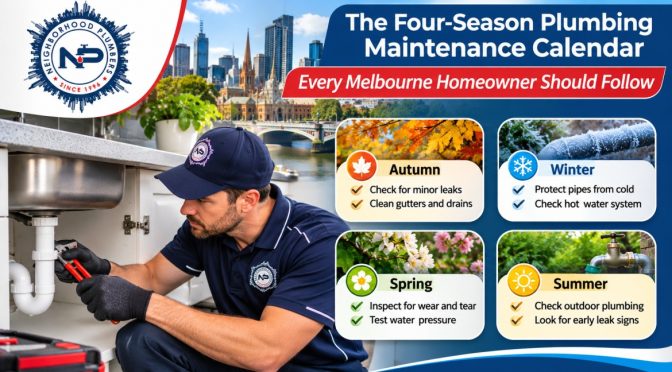
The Four-Season Plumbing Maintenance Calendar Every Melbourne Homeowner Should Follow

Melbourne is famous for four seasons in one day. Your pipes feel every one of them. Hot north winds dry out the ground in summer. Cold snaps chill exposed pipes in winter. Spring storms test every gutter and drain. That is why smart Plumbing Maintenance Melbourne homeowners plan around the weather, not around emergencies.

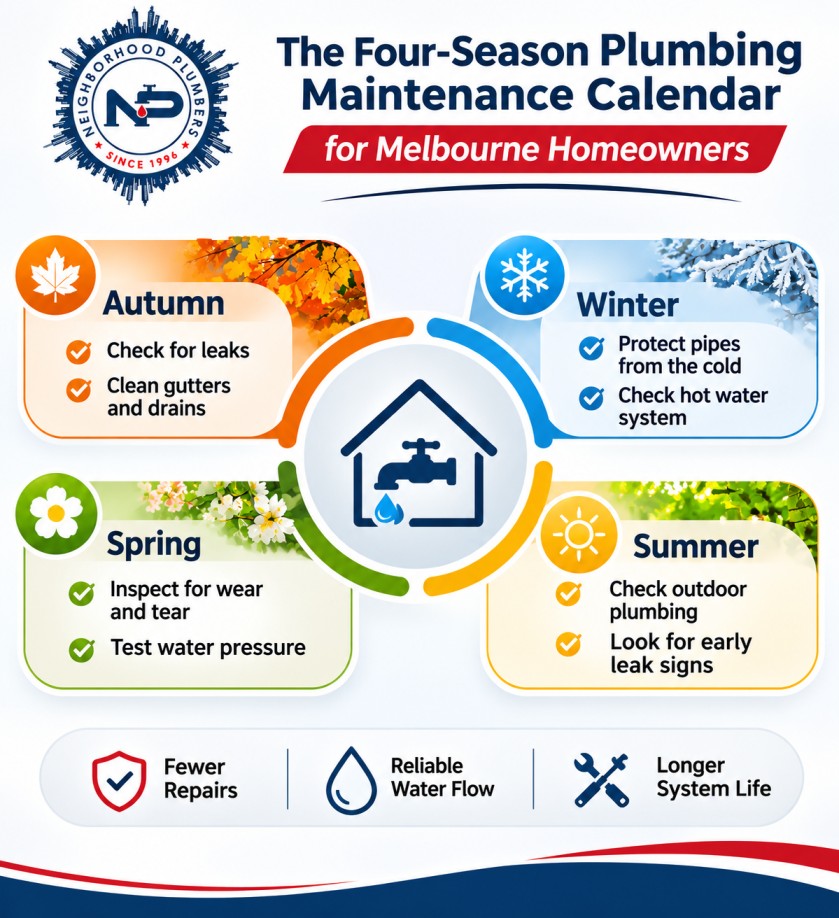
A simple Plumbing Maintenance Calendar turns that idea into a habit. Instead of waiting for a burst pipe or a blocked sewer, you check the right things at the right time. Each task takes minutes, yet together they protect your home all year.

This guide walks you through each season, starting with spring, since we are in it now. You will learn which jobs matter most, why they matter in Melbourne, and how Seasonal Plumbing Maintenance stops small problems from growing.

Why Does Melbourne Weather Make Seasonal Plumbing So Important?

Melbourne’s climate puts unusual stress on home plumbing. Large parts of the north and west sit on reactive clay soil. That clay shrinks when it dries in summer and swells when it soaks in winter. The ground moves, and buried pipes move with it.

Weather also changes how you use water. Summer brings garden watering, pool top-ups and long showers after the beach. Winter brings heavy hot water demand and long, cold nights. Each shift places a different load on your pipes, drains and hot water system.

Year-round plumbing maintenance works because it matches the task to the risk. You clear gutters before storms, protect pipes before frost and check hot water before peak demand. Timing is what makes each job effective.

How Should You Prepare Your Plumbing in Spring?

Spring, from September to November, is a season of growth and storms. Both affect your plumbing in ways most people never think about.

  • Inspect sewer lines for tree roots. Trees grow fast in spring, and their roots hunt for water. Older clay sewer pipes have joints that roots can crack and enter. Gurgling toilets or slow drains in spring often point to early root intrusion.
  • Clear gutters, downpipes and stormwater pits. Melbourne often gets heavy spring storms. Blocked gutters overflow into eaves and walls, while blocked stormwater pits flood courtyards. Clean them out before the first big downpour.
  • Check outdoor taps and garden irrigation. Turn on each outdoor tap and look for drips at the spindle. Run your irrigation system and walk the lines. Winter cold can crack fittings, and you only notice once you water again.
  • Look for winter damage indoors. Check under sinks, behind toilets and around the laundry for any new stains. Small leaks that started in winter often show up as marks in spring.

What Plumbing Tasks Matter Most in Summer?

Summer, from December to February, brings heat, holidays and higher water use. Your system works hard, and weak points tend to show.

Managing Water Pressure During Peak Use

Summer is when water pressure problems often appear. Heavy garden watering, guests and extra laundry all increase demand. Australian Standard AS/NZS 3500 sets 500 kPa as the maximum pressure at outlets inside a home. Some Melbourne suburbs receive mains pressure well above that.

If your pipes bang when taps shut off, that is water hammer. It is a sign that pressure is too high or pipes are loose. A plumber can test your pressure in minutes and fit a pressure limiting valve if needed.

Holiday and Heatwave Checks

  • Turn off the water before you travel. If you leave for more than a few days, shut the main stopcock. A burst flexi hose under a sink can release a huge amount of water while you are away.
  • Watch your solar hot water system. During heatwaves, solar systems can run very hot. It is normal for the relief valve to release a little water. Constant flow, though, needs a plumber’s attention.
  • Go easy on the kitchen drain. Christmas and summer barbecues mean more fats and oils. Wipe greasy pans with paper towel before washing, and never pour fat down the sink.

Last summer, a family in Glen Waverley called us on Boxing Day. Their sewer had backed up into the shower. Tree roots had entered a clay joint months earlier, and holiday guests pushed it over the edge. A spring sewer check would have found those roots well before the big day.

Why Is Autumn the Best Season for Drain Cleaning?

Autumn, from March to May, is the most important season in any Plumbing Maintenance Calendar. It sets up your home for the cold, wet months ahead.

Drain Cleaning Before Winter Rain

Falling leaves fill gutters, downpipes and stormwater drains. Once winter rain arrives, those blockages force water back up and into places it should not go. Autumn is the right time to clear every outside drain.

Inside the house, autumn is also a good time for drain cleaning. Pull hair from shower drains, clean basin traps and flush kitchen drains with hot water. If a drain still runs slowly after that, book a professional. High-pressure jetting clears build-up that plungers cannot reach.

Book Your Annual Professional Inspection

Autumn is the ideal time for a full professional service. At Neighborhood Plumbers, we suggest booking in April or May. Pipes are under little stress, and you have time to fix any issues before winter.

A professional visit should include a water pressure test, a hot water system check, thermal scanning for hidden leaks and a drain review. You should also receive a written report with photos. That record becomes part of your Plumbing Maintenance Melbourne history and helps track changes year to year.

How Do You Protect Hot Water Systems and Pipes in Winter?

Winter, from June to August, is when plumbing systems face their heaviest load. Cold weather and high hot water use expose any weakness.

Hot Water Systems Under Pressure

Your hot water system works hardest in winter. Longer, hotter showers and more washing all increase demand. Watch for these warning signs:

  • Water takes longer to heat up. This can point to sediment build-up in the tank or a failing heating element. Sediment also reduces the tank’s capacity over time.
  • Rusty or discoloured hot water. Brown water from hot taps only can mean the tank is corroding inside. Storage tanks use a sacrificial anode to slow this, and a plumber should check it every few years.
  • Pooling water around the unit. A small drip from the relief valve line is often normal. Water pooling at the base of the tank is not. It may mean the tank itself is leaking.

Never adjust or block the relief valve yourself. It exists to release dangerous pressure. Hot water and gas work in Victoria must always be done by a licensed plumber.

Protecting Exposed Pipes From the Cold

Outer suburbs such as the Dandenongs, Macedon Ranges and parts of the Yarra Valley can drop below freezing on clear nights. Water in exposed pipes can freeze, expand and crack the pipe. The leak then starts when the ice thaws.

Wrap outdoor pipes, under-house pipes and pipes in unheated garages with foam lagging. It is cheap, easy to fit and lasts for years. Also disconnect garden hoses so water cannot freeze back into the tap.

What Common Mistakes Undo a Seasonal Plumbing Checklist?

A seasonal plumbing checklist only works if you avoid these common traps:

  • Doing everything at once. Many people try to check the whole house in one afternoon each year. Spreading tasks across the seasons is easier and catches problems while they are still small.
  • Skipping the boring jobs. Clearing gutters and testing stopcocks feels dull. Yet these simple tasks prevent some of the most common water damage we see in Melbourne homes.
  • Ignoring early warning sounds. Gurgling drains, banging pipes and hissing toilets all signal a problem. Waiting until the next season often makes the repair bigger.
  • Using chemical drain cleaners. Harsh chemicals can damage older pipes and seals. They also rarely clear root intrusion or heavy grease build-up.

Expert Tips for Protecting Home Plumbing Systems All Year

These tips come from years of working in Melbourne homes of every age:

  • Set phone reminders for each season. Add four reminders a year, one at the start of each season. A short reminder is the easiest way to keep Seasonal Plumbing Maintenance on track.
  • Run a water meter test every season. Turn off every tap and appliance, note the meter reading and check again after two hours. Any movement means water is escaping somewhere.
  • Know your main stopcock. In most Melbourne homes, it sits beside the water meter near the front boundary. Test it twice a year so it turns freely in an emergency.
  • Keep a simple plumbing log. Note what you checked, what you found and any work done. A plumber can use that record to spot slow changes you might miss.

What Is the Key Takeaway for Melbourne Homeowners?

A Plumbing Maintenance Calendar works because it matches each job to the season that needs it most. Spring covers roots and storms. Summer covers pressure and holidays. Autumn covers drains and inspections. Winter covers hot water and frost.

Follow this Seasonal Plumbing Maintenance routine and you will spot most problems while they are still small and simple to fix. You also gain a clear record of your home’s plumbing health.

If you would like help building a Plumbing Maintenance Melbourne routine for your own home, start with a full autumn or spring inspection. The team at Neighborhood Plumbers is always happy to walk you through your system and explain which seasonal checks matter most for your property.

Frequently Asked Questions

What Is the Best Time of Year for a Professional Plumbing Inspection in Melbourne?

Autumn, especially April or May, is the best time for most Melbourne homes. Pipes are under little stress, and you have time to fix issues before winter brings cold nights and heavy hot water use. A second check in spring suits older homes, homes with clay sewer pipes or properties with large trees nearby. Spring checks catch winter damage and early root growth before the busy summer period arrives.

How Do I Know If Tree Roots Are Getting Into My Sewer Pipes?

Common signs include gurgling toilets, slow drains across several fixtures and sewage smells near outdoor gully traps. You may also notice lush, green patches of grass above the sewer line. Roots grow fastest in spring and summer, so symptoms often appear then. A plumber can confirm the problem with a CCTV drain camera. They can then clear the roots with a high-pressure jetter and suggest a longer-term repair if needed.

Why Does My Hot Water Run Out Faster in Winter?

Your hot water system works much harder in winter. Incoming cold water is colder, so the system needs more energy to heat it. People also take longer, hotter showers. If the tank holds sediment, it has less usable space for hot water. A faulty thermostat or heating element can also cut output. If the problem continues, ask a licensed plumber to test the system and check the tank and anode.

What Water Pressure Is Safe for a Melbourne Home?

Australian Standard AS/NZS 3500 sets 500 kPa as the maximum pressure at outlets inside a home. Most plumbers aim for 350 to 450 kPa, which gives good flow without stressing pipes and appliances. Some Melbourne suburbs receive mains pressure much higher than this. A pressure limiting valve fitted after the meter solves the issue. A plumber can test your pressure in about five minutes using a gauge on an outside tap.

Which Seasonal Plumbing Tasks Can Homeowners Do Safely?

Homeowners can safely clear gutters, clean drain traps, remove hair from shower drains and clean tap aerators. You can also test your stopcock, lag exposed pipes, check under sinks for leaks and run a water meter test. These tasks need no special tools or licence. Anything involving hot water systems, gas, sewer lines or pipe repairs should go to a licensed plumber. In Victoria, that rule protects both your safety and your insurance.

DIY Plumbing Maintenance vs Professional Annual Servicing: What Should Homeowners Handle?

Most plumbing problems start small. A tap drips, a drain slows down, or a toilet keeps running after you flush. You can fix some of these yourself in ten minutes. Others hide a deeper fault that only trained eyes and proper tools will find. Knowing the difference is the heart of smart Plumbing Maintenance Melbourne homeowners can rely on.

Good DIY Plumbing Maintenance saves you time and catches small issues early. But it has clear limits. Push past those limits and a simple job can turn into a flooded laundry or an unsafe hot water system.

This guide draws a clear line between the two. You will learn which jobs belong to you, which need a Professional Plumbing Inspection, and how to spot the warning signs that tell you to stop and call for help.

Why Does the DIY vs Professional Question Matter?

Melbourne homes are a mix of old and new. Weatherboard cottages in Northcote still run galvanised steel pipes. Newer townhouses in Point Cook use plastic PEX lines and push-fit joints. Each system ages in its own way, and each fails in its own way.

Victoria also has firm rules. Almost all plumbing work connected to the water supply, sewer, stormwater or gas must be done by a registered or licensed plumber. Homeowners can handle simple upkeep, such as cleaning aerators, swapping a showerhead or clearing a sink trap. Anything beyond that is not just risky. In many cases, it is against the law and can void your home insurance.

So the real question is not “Can I do this?” It is “Should I, and is it safe?”

What Are the Best DIY Plumbing Tasks for Homeowners?

Some homeowner plumbing tasks are simple, safe, and genuinely useful. Doing them every month or season keeps your system healthy between visits.

  • Clean tap aerators and showerheads. Melbourne’s water carries fine sediment that builds up in aerators. Unscrew them, soak them in white vinegar overnight, and rinse them clean. You will often see stronger flow straight away.
  • Check under sinks for moisture. Open the cupboards under your kitchen and bathroom sinks once a month. Run your hand along the pipes and look for stains, swollen chipboard, or a musty smell. These are early signs of a slow leak.
  • Clear drain traps and hair catchers. Pull hair from shower drains and empty the bottle trap under the bathroom basin. Use a bucket and gloves. Avoid harsh chemical drain cleaners, because they can damage older pipes and seals.
  • Test the toilet for silent leaks. Add a few drops of food colouring to the cistern. Wait 20 minutes without flushing. If colour appears in the bowl, the flush valve seal is leaking and needs attention.
  • Know and test your main stopcock. In most Melbourne homes, it sits beside the water meter near the front boundary. Turn it off and on twice a year so it never seizes when you really need it.

Simple Leak Detection You Can Do Yourself

The water meter test is the best leak check any homeowner can do. Turn off every tap, appliance, and irrigation system. Write down the meter reading, then wait two hours without using any water. If the reading has moved, water is escaping somewhere on the property.

This test does not tell you where the leak is. It simply tells you that one exists. That is your signal to book a professional, not to start cutting into walls.

Where Does DIY Plumbing Become Unsafe?

Here is where many homeowners go wrong. Online videos make DIY Plumbing Maintenance look easy, even for complex jobs. They rarely show the risks or the rules.

Jesse, a homeowner in Reservoir, learned this the hard way. His hot water system’s relief valve kept dripping, so he watched a video and tightened it with a wrench. The drip stopped. Two weeks later, the system began making loud rumbling noises. Our plumber found the valve had been forced shut. That valve exists to release dangerous pressure. Blocking it put the whole tank at risk of rupture.

Leave these jobs to a licensed plumber, always:

  • Anything on the hot water system. Relief valves, tempering valves, anodes and thermostats control heat and pressure. A mistake here can cause scalding or a tank failure.
  • Any gas work. Gas appliances, gas lines and gas hot water units are strictly licensed work in Victoria. A small leak can become a fire or carbon monoxide risk.
  • Pipe repairs inside walls or under floors. Cutting, joining and replacing pipe needs the right fittings and pressure testing. A poor joint may hold for weeks, then fail without warning.
  • Sewer and stormwater lines. Blocked sewers, tree root intrusion and broken stormwater pipes need cameras, jetters and specialist knowledge.
  • New taps, toilets and fixtures that connect to the supply. Installing or relocating these counts as plumbing work and needs a licensed plumber.

What Happens During a Professional Plumbing Inspection?

A yearly Professional Plumbing Inspection covers the parts of your system you cannot see or safely test. At Neighborhood Plumbers, we often find issues the owners never noticed, because they sit behind walls or inside tanks.

A proper visit includes:

  • Water pressure testing. The plumber fits a gauge to an outside tap. Australian Standard AS/NZS 3500 sets 500 kPa as the maximum pressure at outlets inside a home. Many Melbourne suburbs exceed that, which strains every pipe and fitting.
  • Hot water system check. The plumber tests the relief valve, inspects the tank for corrosion, and checks that the tempering valve keeps bathroom water at a safe temperature.
  • Thermal and moisture scanning. Thermal cameras and moisture meters show hidden leaks behind tiles, in walls, and under floors. This finds problems long before they stain a ceiling.
  • Drain and sewer review. For older homes or homes with large trees, a drain camera can spot root intrusion or cracked clay pipes early.
  • A written report. You should receive clear notes and photos of what the plumber found and what needs attention first.

Why Professional Plumbing Servicing Catches What You Miss

Professional plumbing servicing works because plumbers see the same faults every week. They know that a faint knock in a laundry wall often means water hammer. They know that green crust on a copper joint means corrosion has started. These patterns are easy to miss when you only look at your own home once a year.

How Do You Build a Safe Plumbing Maintenance Routine?

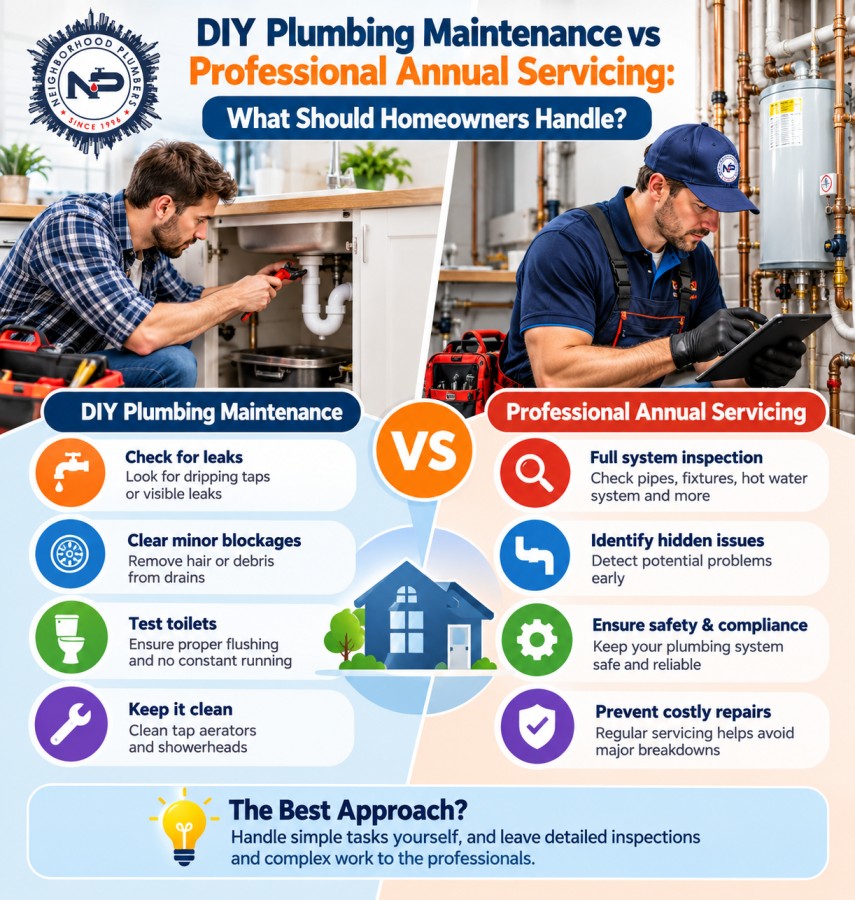
The best approach blends both sides. You handle the regular, simple checks. A professional handles the annual deep review. Together, they give you safe plumbing maintenance all year round.

A simple Plumbing Maintenance Melbourne routine looks like this:

  • Every month. Check under sinks, look at visible pipes, and watch your toilet for running water. These checks take five minutes and catch most slow leaks early.
  • Every season. Clean aerators and showerheads, clear drain traps, and run the water meter test. Do an extra check of outdoor taps and exposed pipes before winter.
  • Every year. Book a full professional inspection, ideally in April or May. That gives you time to fix issues before cold nights and heavy rain arrive.

Write down what you check and when. A simple note on your phone works well. That record helps your plumber spot changes over time.

Common Mistakes Homeowners Make With Plumbing Maintenance

After years of call-outs, we see the same mistakes again and again:

  • Over-tightening fittings. Many people think tighter means safer. In fact, over-tightening cracks plastic fittings and crushes washers, which causes the very leak you wanted to stop.
  • Using plumber’s tape as a fix. Thread tape seals threads during installation. It does not repair a cracked pipe or a failed joint, and wrapping it around a leak only hides the problem.
  • Pouring fats and wipes down drains. Cooking fat sets hard in pipes, and “flushable” wipes do not break down. Both cause blockages that DIY plungers rarely clear.
  • Ignoring small signs. A dripping relief valve, a slow drain, or a noisy pipe all carry a message. Waiting usually turns a small job into a large one.

Expert Tips for Smarter Plumbing Maintenance

These tips come straight from our time on the tools across Melbourne homes:

  • Label your shut-off valves. Tag the main stopcock and the isolation valves under sinks and toilets. In an emergency, anyone in the house can then stop the water fast.
  • Take photos before you touch anything. If you clean a trap or swap a showerhead, photograph the parts first. It makes reassembly simple and helps your plumber if something goes wrong.
  • Ask your plumber to show you. A good plumber will happily point out your stopcock, pressure valve and relief valve. That five-minute walk-through makes your own checks far more useful.
  • Always check the licence. In Victoria, ask for your plumber’s registration or licence number and a compliance certificate for larger jobs. This protects your home and your insurance.

What Is the Final Verdict on DIY vs Professional Care?

DIY Plumbing Maintenance is about watching, cleaning, and testing. It is not about repairing pipes, valves, or gas lines. Keep your own jobs simple, and stop the moment a task needs tools, cutting, or a new part on the supply line.

A yearly Professional Plumbing Inspection covers everything you cannot see, test, or legally fix. That balance gives you a safer home and fewer surprises.

If you have not had a full Plumbing Maintenance Melbourne check in the past year, now is the right time to book one. The team at Neighborhood Plumbers is always happy to walk you through your system and show you which checks you can safely do yourself.

Frequently Asked Questions

What Plumbing Jobs Can I Legally Do Myself in Victoria?

Victorian homeowners can usually handle simple upkeep that does not change the plumbing system itself. This includes cleaning tap aerators, swapping a screw-on showerhead, clearing hair from drains, emptying a basin trap, and testing for leaks. Anything that connects to the water supply, sewer, stormwater, or gas generally needs a registered or licensed plumber. If you are unsure, check with a licensed plumber first. Unlicensed work can create safety risks and may affect your insurance cover.

How Often Should I Book a Professional Plumbing Inspection?

Most Melbourne homes benefit from one full inspection each year, ideally in April or May before winter. Older homes with galvanised steel, early copper or clay sewer pipes may need checks every six months. Homes with large trees near the sewer line also benefit from regular drain camera checks. Your plumber can suggest a schedule based on your home’s age, pipe materials and past issues. A written report each year helps track changes over time.

Why Is DIY Work on Hot Water Systems So Dangerous?

Hot water systems store water under heat and pressure. The relief valve releases excess pressure, and the tempering valve keeps bathroom water at a safe temperature. If either valve is blocked, adjusted, or fitted wrongly, the tank can fail or deliver scalding water. Many systems also run on gas, which is strictly licensed work in Victoria. A dripping relief valve is often normal, so never tighten or block it. Call a licensed plumber to test it instead.

What Are the Signs I Need Professional Leak Detection?

Call a plumber if your water meter moves when no water is in use. Other signs include damp patches on walls or ceilings, lifting floor tiles, musty smells, mould near wet areas, or a sudden drop in water pressure. Warm spots on a concrete floor can point to a leaking hot water line under the slab. Professionals use thermal cameras, moisture meters and pressure tests to find the exact spot without tearing out large sections of wall.

Can Regular DIY Checks Replace Professional Plumbing Servicing?

No, but they make professional servicing far more effective. Your monthly checks catch visible issues early, such as drips, slow drains, and running toilets. A professional inspection covers hidden risks like high water pressure, corroded joints, hot water valve faults, and sewer problems. The two work best together. Keep a simple log of your own checks and share it with your plumber. It helps them focus on the areas that matter most in your home.

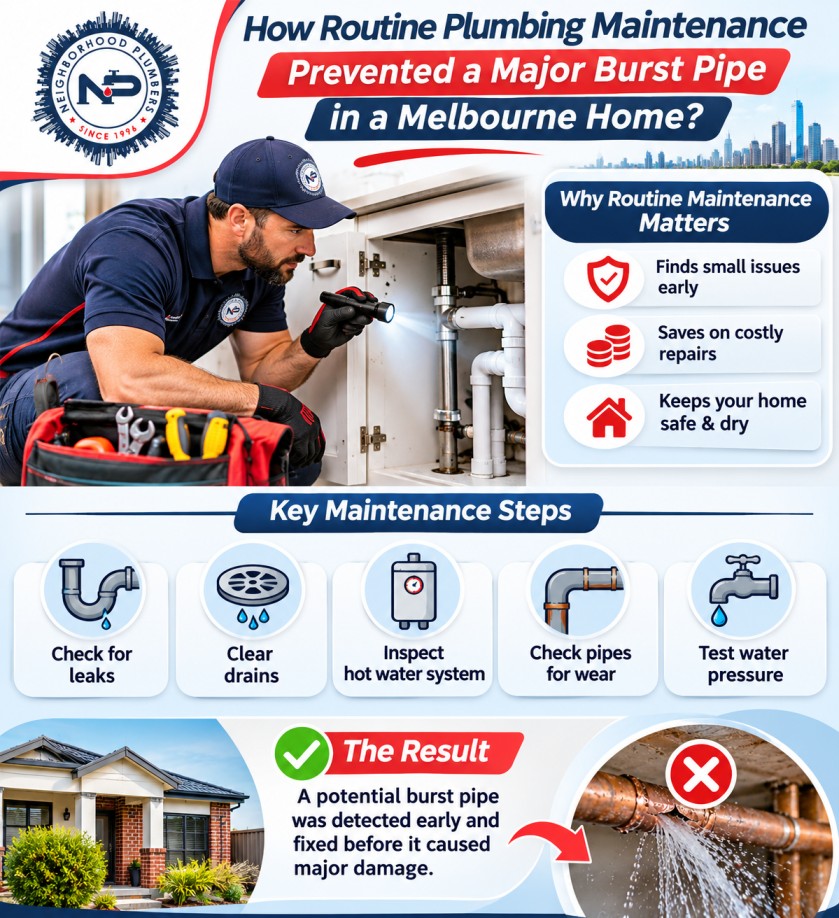
How Routine Plumbing Maintenance Prevented a Major Burst Pipe in a Melbourne Home?

A burst pipe rarely gives you a warning. It usually fails at night, inside a wall or under a floor, while the house sleeps. By morning, carpets are soaked, plaster is sagging and the repair bill keeps growing. That is why regular Plumbing Maintenance Melbourne checks matter far more than most homeowners think.

This Plumbing Maintenance Case Study follows a 1970s brick veneer home in Bentleigh East. A routine yearly inspection found a corroded copper joint and dangerously high water pressure. The plumber fixed both issues in under three hours. Without that visit, the joint would most likely have split within weeks.

Below, you will see exactly what the plumber found, why it mattered and what it cost. You will also learn simple Burst Pipe Prevention steps that any Melbourne household can follow this week.

Why Do Burst Pipes Happen in Melbourne Homes?

Melbourne homes face a mix of risks that many other cities do not. Australian Standard AS/NZS 3500 sets 500 kPa as the maximum water pressure at outlets inside a home. Yet mains pressure in some Melbourne suburbs sits well above that. Without a pressure limiting valve, every pipe and joint in the house carries that extra load all day, every day.

Here are the four causes we see most often:

  • Ageing pipe materials. Many post-war and 1970s homes still run galvanised steel or thin early copper. Galvanised pipe rusts from the inside out, so the wall thins quietly until it splits under pressure.
  • High pressure and water hammer. When a washing machine or dishwasher valve snaps shut, water slams to a stop. That shock creates a loud knock and flexes the pipe. Thousands of small knocks a year fatigue joints and fittings.
  • Reactive clay soils. Large parts of Melbourne’s north and west sit on reactive clay. It shrinks in dry summers and swells in wet winters. That movement shifts slabs and footings, and it bends the pipes that run through them.
  • Cold winter mornings. Exposed pipes in outer areas such as the Dandenongs and Macedon Ranges can freeze on frosty nights. Ice expands inside the pipe and cracks it, and the leak starts when it thaws.

What Did Our Plumbing Maintenance Case Study Reveal?

The Home and the Owners

Priya and Tom own a three-bedroom home in Bentleigh East. They book a plumbing service every May, before winter. They had no visible problems this year. Tom only mentioned “a faint bang in the wall when the washing machine stops.” Most people would ignore that sound. Our plumber did not.

How Leak Detection Found the Hidden Risk

The plumber first fitted a pressure gauge to the front garden tap. It read 870 kPa, which is almost double the safe limit. Next, he scanned the laundry wall with a thermal camera. A cool patch showed up behind the washing machine taps. A moisture meter then confirmed damp framing.

He cut a small access panel and found the real issue. A copper elbow had green corrosion and a pinhole weep. The pipe also had no clips, so it jumped every time the machine valve closed. The framing was damp but not yet rotten. That combination of high pressure, a weak joint and constant movement is a textbook burst waiting to happen.

Pipe Repairs Completed in One Visit

The plumber completed four repairs on the same day:

  • Fitted a pressure limiting valve. He installed it after the water meter and set it to 450 kPa. This single part took stress off every pipe, tap and appliance in the home.
  • Replaced the damaged section. He cut out 1.2 metres of copper, including the corroded elbow, and fitted new pipe and fittings.
  • Secured the pipe run. He added saddle clips every metre so the pipe could no longer flex inside the wall.
  • Added a water hammer arrestor. He fitted it at the washing machine taps to absorb the shock when the valves snap shut.

Here is how the numbers compared:

ItemRoutine Maintenance VisitLikely Burst Pipe Outcome
Total costAbout $780$8,000 to $15,000+
Time to fixUnder 3 hours2 to 6 weeks of drying and repairs
Damage to homeOne small wall panelWet framing, plaster, flooring and carpet
Insurance claimNot neededExcess paid, possible claim dispute
DisruptionWater off for 90 minutesLaundry and nearby rooms unusable

What Are the Scheduled Maintenance Benefits for Your Home?

The Bentleigh East job shows the real value of scheduled maintenance benefits. A small fee caught a problem the owners could not see or hear clearly. At Neighborhood Plumbers, we find that most serious failures give small signs for months before they break. A trained eye simply spots them sooner.

Booking Plumbing Maintenance Melbourne services once a year brings several clear gains:

  • Small faults stay small. A weeping joint costs a few hundred dollars to fix. A burst one can cost thousands once water reaches floors and walls.
  • Lower water bills. Hidden leaks waste water around the clock. A slow drip inside a wall can add a noticeable amount to your quarterly bill without you knowing why.
  • Stronger insurance position. Many home policies exclude damage from gradual leaks or poor upkeep. A record of yearly servicing helps show you took reasonable care of your home.
  • Longer appliance life. Correct pressure protects your hot water system, dishwasher and washing machine. Their valves and seals last longer when they are not fighting 870 kPa.

What Does Preventative Plumbing Success Look Like in Practice?

Preventative plumbing success is not luck. It comes from a set routine that checks the same weak points every year. A proper service should test pressure, inspect visible pipes, check the hot water relief valve and scan high-risk walls for moisture.

Good Burst Pipe Prevention also means writing everything down. Our plumbers note the pressure reading, pipe materials and any wear each year. Over time, that record shows trends. A joint that looked fine last year but shows staining now gets fixed before it fails.

A Simple Plumbing Maintenance Schedule for Melbourne Homes

TaskHow OftenWho Should Do It
Check under sinks for drips or stainsMonthlyHomeowner
Water meter leak testEvery 3 monthsHomeowner
Water pressure testYearlyLicensed plumber
Hot water relief valve checkYearlyLicensed plumber
Thermal and moisture scan of wet areasYearlyLicensed plumber
Inspect exposed and outdoor pipesBefore winterHomeowner or plumber

Practical Burst Pipe Prevention Tips You Can Use Today

You do not need tools for most of these checks. You just need ten minutes and a little attention.

  • Find your main stopcock now. In most Melbourne homes, it sits next to the water meter near the front boundary. Make sure it turns freely. In an emergency, every minute you save means less water inside the house.
  • Do a meter leak test. Turn off every tap and appliance. Write down the meter reading, then check it again after two hours. If the number moved, water is escaping somewhere.
  • Listen for knocking pipes. A bang when taps or appliances shut off is water hammer. It is a clear sign that pressure is too high or pipes are loose.
  • Lag exposed pipes. Wrap outdoor and under-house pipes with foam insulation before June. It costs a few dollars per metre at any hardware store.
  • Watch for slow changes. Look for bubbling paint, musty smells, swollen skirting boards or a sudden jump in your water bill. Each one can point to a hidden leak.

Common Mistakes That Lead to Water Damage

Most water damage we see comes from habits, not bad luck. Avoid these four common mistakes:

  • Ignoring small drips. A slow drip is a pipe telling you something is wrong. Drips only get worse, and they often get worse all at once.
  • Assuming new homes are safe. New builds can have poorly fitted push-fit joints or no pressure valve at all. We regularly find pressure problems in homes less than five years old.
  • Relying on DIY patches. Tape, epoxy and clamps can buy a day or two. They are not a repair, and they can hide a growing problem behind a neat finish.
  • Never testing water pressure. Few homeowners know their own pressure reading. Yet it is one of the biggest drivers of pipe failure, and a gauge test takes five minutes.

Expert Advice on Professional Plumbing Care

After years of service calls, these are the tips we give every client who asks about professional plumbing care:

  • Book before winter. April and May are the best months. Pipes are under the least stress, and you fix issues before frosty nights arrive.
  • Ask for a written report with photos. A good plumber shows you what they found, not just what they charged. Keep those reports with your home records.
  • Retest pressure after nearby mains work. When your water retailer upgrades mains in your street, pressure can rise. A quick test confirms your valve still holds the right setting.
  • Always use a licensed plumber. In Victoria, plumbing work must be done by a registered or licensed plumber. Jobs over $750 also need a compliance certificate, so ask for one every time.

What Is the Key Takeaway?

This Plumbing Maintenance Case Study proves a simple point. A three-hour visit and about $780 stopped a failure that could have cost more than ten times that amount. The owners kept their home dry, their insurance untouched and their winter stress-free.

Smart Burst Pipe Prevention starts with checks you can do yourself, such as meter tests and listening for knocking pipes. A yearly professional inspection then covers the risks you cannot see.

If you have not booked Plumbing Maintenance Melbourne services in the last 12 months, now is a good time to start. The team at Neighborhood Plumbers is always happy to answer questions and check your water pressure, so your home stays dry all year.

Frequently Asked Questions

How Often Should I Book Plumbing Maintenance in Melbourne?

Most Melbourne homes need one full service each year. We suggest April or May, before winter brings colder nights and heavier rain. Older homes with galvanised steel or early copper pipes may need checks every six months, because corrosion moves faster in those materials. Homes on reactive clay soil also benefit from more frequent visits, since ground movement can stress pipes between services. Ask your plumber to set a schedule based on your home’s age and pipe type.

What Are the Early Warning Signs of a Burst Pipe?

Watch for knocking or banging when taps or appliances shut off. Also look for bubbling paint, damp patches, musty smells or swollen skirting boards near wet areas. Lower water pressure at one tap can point to a leak in that line. A sudden rise in your water bill is another strong clue. If you notice any of these, run a meter leak test straight away and call a licensed plumber before the problem grows.

What Water Pressure Is Safe for a Melbourne Home?

Australian Standard AS/NZS 3500 sets 500 kPa as the maximum pressure at outlets inside a home. Most plumbers aim for 350 to 450 kPa, which gives good flow without stressing pipes. Some Melbourne suburbs receive mains pressure far higher than this. A pressure limiting valve fitted after the meter fixes the problem for good. A plumber can test your pressure in about five minutes using a simple gauge on an outside tap.

Does Home Insurance Cover Burst Pipe Water Damage?

Many policies cover sudden and accidental bursts, but most exclude damage from slow leaks, wear and tear or poor upkeep. Insurers often ask how long a leak existed and whether you maintained the plumbing. Yearly service reports help you answer those questions with confidence. Policies differ widely, so read your product disclosure statement carefully. If anything is unclear, call your insurer and ask how they treat gradual leaks before you ever need to claim.

(H3) What Happens During a Professional Plumbing Maintenance Visit?

A full visit usually takes one to two hours. The plumber tests water pressure, checks the hot water relief valve and inspects visible pipes under sinks, in the laundry and outside. Many also use thermal cameras and moisture meters to scan walls near wet areas. They then check taps, toilets and stopcocks for wear. Finally, you should receive a written report with photos, a list of any issues and clear repair priorities.

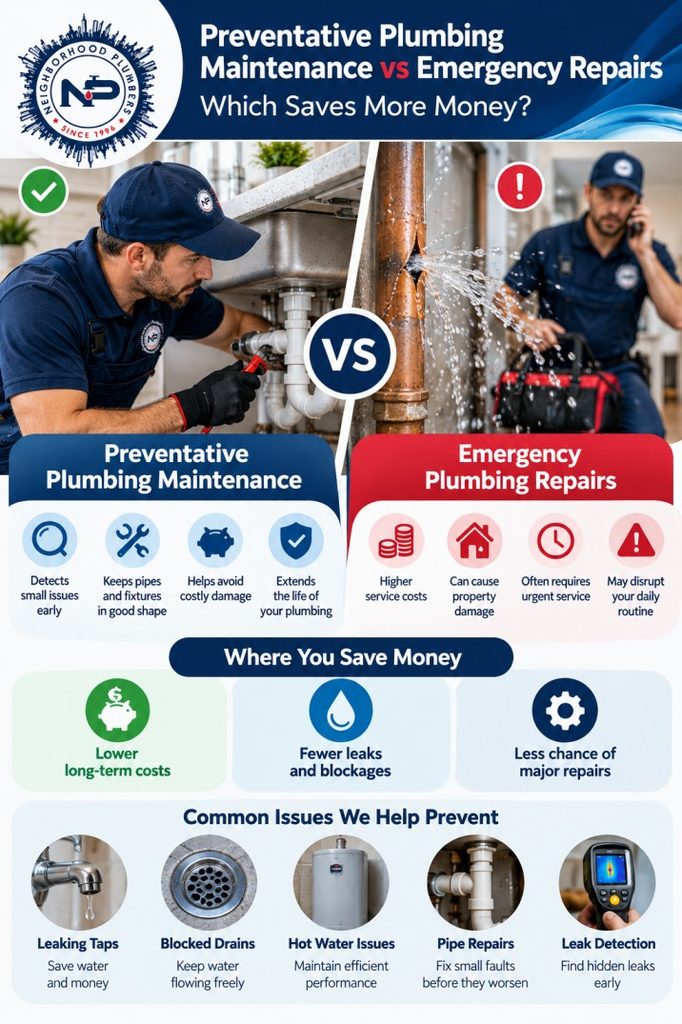
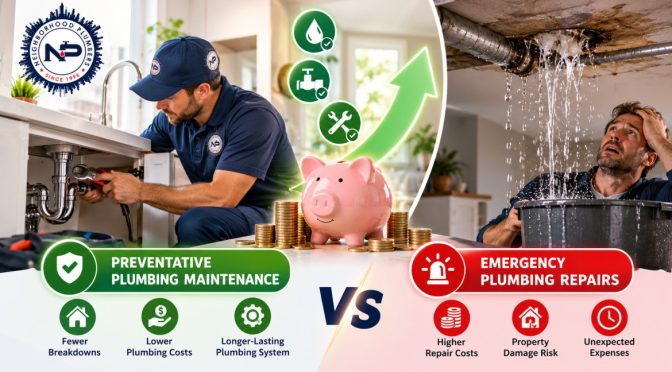
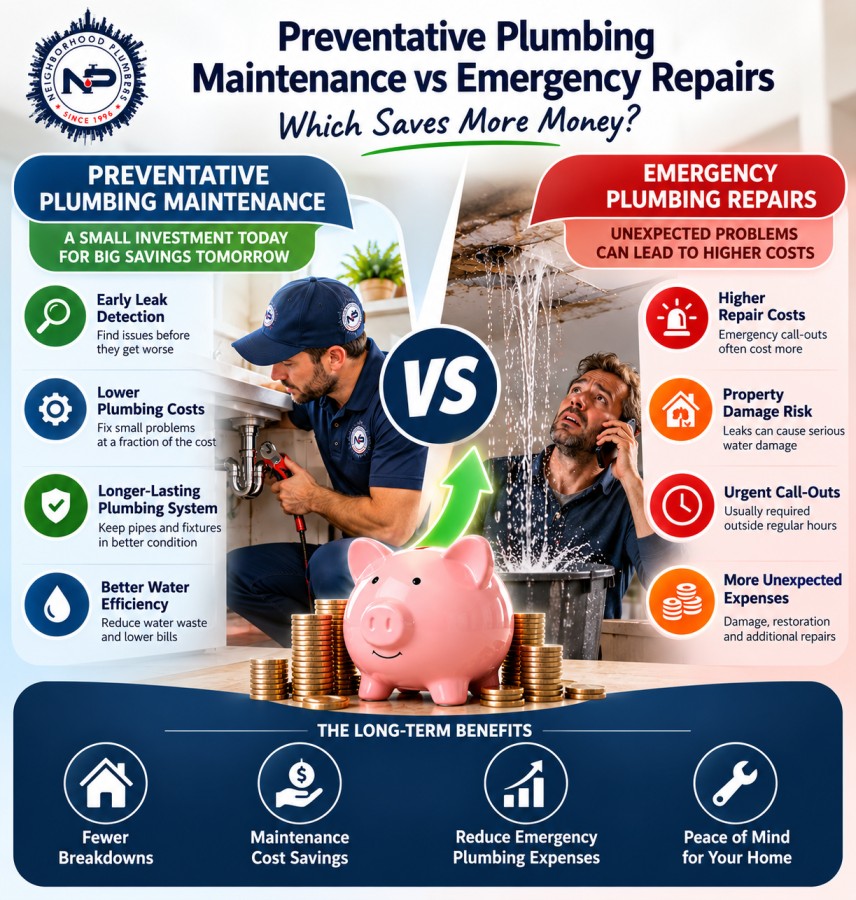
Preventative Plumbing Maintenance vs Emergency Repairs: Which Saves More Money?

A dripping tap, a slow-draining sink or a small damp patch on the wall may not seem like a serious problem. It is tempting to put off repairs when everything still appears to be working. However, minor plumbing issues can gradually become expensive problems when they are left unattended.

For Melbourne homeowners, Plumbing Maintenance Melbourne is about more than fixing leaks. It involves identifying early warning signs, maintaining pipes and fixtures, monitoring water pressure, and addressing small faults before they disrupt daily life. Regular maintenance can also help reduce water waste and limit damage to floors, walls, cabinetry and other parts of a property.

Emergency repairs are sometimes unavoidable. A burst pipe, overflowing toilet or sudden loss of water requires prompt attention. The challenge is that these situations can involve urgent labour, additional repair work and damage that extends beyond the plumbing system itself.

So, which approach saves more money: preventative maintenance or emergency repairs? In most cases, a sensible maintenance routine costs less over time than repeatedly waiting for something to fail. However, the actual savings depend on the property’s age, plumbing condition, usage patterns and the type of problem involved.

This guide explains the differences, examines common household scenarios, discusses Plumbing Maintenance Costs, and shares practical ways Melbourne homeowners can protect their plumbing systems without spending unnecessarily.

What Is Preventative Plumbing Maintenance?

Preventative plumbing maintenance means checking, cleaning and servicing plumbing components before a major fault develops. Instead of waiting for a leak or blockage to become disruptive, homeowners address early signs of wear while the repair is still manageable.

A maintenance check may cover:

  • Taps, mixers and visible pipe connections for leaks.
  • Toilets for running water, faulty flush mechanisms and leaking cisterns.
  • Drains for slow flow, recurring blockages and unpleasant smells.
  • Hot water systems for visible leaks, corrosion and signs of poor performance.
  • Water pressure and accessible pipework for unusual changes or deterioration.
  • External taps and exposed pipes for damage, loose fittings or moisture.

The right inspection depends on the property’s condition. A modern townhouse with recently installed plumbing may need less attention than an older Melbourne home with ageing pipes and a history of recurring blockages.

Why does this matter? A small fault is often easier to investigate when there is no active flooding, damaged cabinetry or urgent need to restore water. Early attention also gives homeowners more time to compare quotes and plan suitable repairs.

Preventative maintenance does not mean replacing every ageing component or paying for unnecessary inspections. It means identifying genuine risks and dealing with them at the appropriate time.

Preventative Plumbing Maintenance vs Emergency Repairs

Both approaches have a place in responsible property care. The difference lies in timing, urgency and the potential cost of damage.

Preventative plumbing maintenance

Planned work

  • Problems are identified before they worsen.
  • Routine visits can be scheduled during business hours.
  • Repairs can be budgeted for in advance.
  • The risk of avoidable water damage may be reduced.

Emergency plumbing repairs

Urgent work

  • Immediate action may be necessary to control damage.
  • After-hours attendance can increase the bill.
  • Damaged walls, flooring or belongings may require separate repairs.
  • Parts may need urgent replacement to restore essential services.

How Emergency Plumbing Can Become Expensive

Imagine a homeowner notices a small damp patch beneath a bathroom vanity. The water seems to appear only occasionally, so the homeowner places a towel underneath and leaves it for several weeks.

Eventually, a connection fails or the leak becomes more severe. Water spreads into the cabinet base, damages nearby materials and creates a need for more extensive drying and repairs.

The original plumbing fault may have been relatively simple. The final bill can be much larger because the repair now involves additional damage.

This is an illustrative scenario, not a claim that every small leak will cause major damage. The key lesson is that the total cost of a plumbing failure includes more than the plumber’s invoice.

When Emergency Repairs Are Unavoidable

Not every plumbing emergency can be prevented. Sudden pipe failures, accidental damage, unexpected component breakdowns and severe blockages can occur even when a property is maintained properly.

If water is escaping rapidly, a drain is overflowing with sewage or a hot water system develops a serious leak, delaying action to wait for a routine appointment can make matters worse.

In these circumstances, contact an appropriately licensed plumber and follow safe isolation instructions where possible. Maintenance is designed to reduce avoidable failures, not eliminate every possibility of an emergency.

How Maintenance Cost Savings Add Up Over Time

The financial benefit of maintenance comes from managing small problems before they create larger expenses. The strongest savings usually come from preventing secondary damage, identifying faults early and avoiding repeated repairs to the same underlying issue.

Consider these common situations.

1. Fixing a Dripping Tap Early

A dripping tap may result from a worn washer, damaged seal or faulty cartridge. If the underlying problem is straightforward, repairing it early may require relatively little work.

Leaving it unresolved wastes water and allows the fault to continue. If the fitting deteriorates further, replacement parts or a more extensive repair may become necessary.

Practical tip: If a tap continues dripping after being turned off firmly, do not keep tightening it. Excessive force can damage the fitting. Arrange an assessment if a simple, appropriate adjustment does not solve the problem.

2. Investigating Slow Drains Before They Block Completely

A slow kitchen or bathroom drain may be caused by accumulated grease, hair, soap residue or a deeper drainage issue.

A minor, accessible blockage may be relatively simple to clear. However, repeated blockages can indicate a problem further along the drainage system, including damaged pipes or tree-root intrusion.

Practical tip: Avoid pouring cooking grease down kitchen drains. Use suitable drain strainers, and seek professional advice when a blockage keeps returning. Repeatedly using harsh chemical cleaners may damage some plumbing materials and does not address every underlying cause.

3. Maintaining Hot Water Systems

A hot water system that produces inconsistent temperatures, makes unusual noises or shows signs of leakage deserves attention.

A timely assessment may identify a repairable component before the system fails completely. However, maintenance cannot guarantee that an ageing unit will not need replacement.

Practical tip: Never remove covers from gas or electrical equipment, tamper with pressure-relief devices or attempt internal repairs yourself. Have qualified professionals assess the system.

4. Identifying Pipe Problems Early

Corrosion, loose connections and hidden leaks can develop gradually. Warning signs include unexplained dampness, peeling paint, discoloured walls, persistent musty smells and an unexpected increase in water consumption.

Professional Leak Detection can help locate the source of a suspected leak without unnecessary exploratory work. The appropriate method depends on the pipework, building materials and location of the suspected fault.

Early identification may limit the amount of flooring, plaster or cabinetry that needs to be removed for access.

Understanding Plumbing Maintenance Costs in Melbourne

The cost of maintenance varies according to the type of inspection, the property’s size and age, the accessibility of the plumbing and whether repairs are required.

For Melbourne homeowners, published 2026 pricing guides provide useful budgeting benchmarks. One Melbourne guide lists standard plumbing labour at approximately $84–$210 per hour and common leaking-tap repairs at $84–$275, while an after-hours emergency visit may range from $260–$735. These are indicative market estimates, not guaranteed prices.

A useful distinction is that an inspection, a repair and a major replacement are three different expenses.

ExpenseWhat affects the price?
Routine inspectionNumber of fixtures, inspection scope and accessibility
Minor repairsFault type, replacement parts and labour
Drain investigationBlockage severity, access and diagnostic equipment
Leak detectionLeak location, building materials and detection method
Pipe repairsPipe material, damage extent and access requirements
Emergency attendanceTime of day, urgency, travel and work required

What Influences the Final Bill?

Several factors can change a plumbing quote:

  • Timing: Evening, weekend and public holiday attendance often costs more than planned weekday work.
  • Access: A visible leaking joint is generally easier to reach than a damaged pipe behind tiles or beneath a concrete slab.
  • Materials: Pipe type, fitting compatibility and replacement component availability affect the cost.
  • Extent of damage: A single faulty connection differs from widespread corrosion or damaged drainage.
  • Diagnostic requirements: CCTV drain inspections or specialist leak-detection equipment may be needed for difficult faults.
  • Additional restoration: Replacing tiles, plasterboard, cabinetry or flooring may require separate trades.

Before approving work, ask for a written quote or clear estimate that explains labour, parts, call-out fees, GST where applicable, and any likely additional charges.

Do not choose a plumber solely because the initial price is the lowest. A clear explanation of the fault and the proposed solution can help you judge whether the work addresses the actual problem.

Is Preventative Plumbing a Good Investment?

A preventative plumbing investment makes the most financial sense when the expected cost of inspection and necessary maintenance is reasonable compared with the likely cost of a failure.

However, not every property requires the same maintenance schedule. Spending money on unnecessary replacements can be just as unhelpful as ignoring genuine warning signs.

A practical approach is to prioritise maintenance according to risk.

  • Higher priority: Active leaks, recurring blockages, visible pipe corrosion and unexplained water damage.
  • Medium priority: Intermittent dripping taps, slow drains, inconsistent hot water and changes in water pressure.
  • Routine monitoring: Accessible fittings, external taps and plumbing components that appear to be working normally.

These are practical priority categories, not a substitute for professional assessment. Any sign of active flooding, sewage overflow or another serious failure should be addressed urgently.

For older homes, consider the plumbing system’s history rather than relying only on its age. Previous repairs, pipe materials, drainage issues and water-pressure problems can help determine where inspection effort is most valuable.

A property with a history of repeated leaks may benefit from more targeted inspections than a newer home with no known problems.

Emergency Plumbing and the Cost of Waiting

Some problems can wait for a planned appointment. Others need immediate attention. Knowing the difference helps homeowners avoid unnecessary emergency call-outs without taking risks with their property.

When Should You Call Emergency Plumbing Melbourne?

Contact an Emergency Plumbing Melbourne when the problem poses an immediate risk to people, property or essential plumbing services.

Examples include:

  • A burst water pipe causing rapid flooding.
  • A serious leak that cannot be contained safely.
  • Sewage backing up into a home.
  • A major water leak near electrical equipment.
  • A sudden plumbing failure that threatens significant structural or internal damage.

If a leak occurs, turn off the relevant water supply if it is safe to do so. If you cannot identify the correct isolation valve, contact your plumber or water provider for guidance.

If water is near electrical outlets, appliances or a switchboard, do not enter the affected area or touch electrical equipment. Keep clear and seek appropriate emergency assistance.

For a suspected gas leak, avoid flames and electrical switches, leave the affected area and contact the appropriate gas emergency service from a safe location.

When Can You Book a Routine Repair?

A minor dripping tap, a slow drain that is not overflowing or a loose external tap may be suitable for a planned appointment, provided there is no immediate safety or damage risk.

However, a small visible symptom can sometimes indicate a more serious hidden problem. A damp patch that keeps returning, for example, deserves investigation even if the water flow is not obvious.

The aim is not to delay repairs. It is to match the response to the level of risk.

Leak Detection and Pipe Repairs: Where Early Action Matters Most

Water leaks can be difficult to identify because the visible damage does not always appear close to the source.

A leak beneath a bathroom floor may cause moisture to appear in a nearby room. A pipe concealed inside a wall may leave a stain several centimetres away from the actual fault.

Signs That Your Home May Have a Hidden Leak

Look out for these warning signs:

  • Your water meter indicates usage when all known water outlets are switched off and no water-dependent appliances are operating.
  • Water bills increase without a clear explanation.
  • Paint bubbles, plaster softens or flooring becomes damp.
  • You notice persistent musty odours.
  • Water pressure changes unexpectedly.
  • A ceiling stain grows or reappears after being dried.

A water meter test can provide useful clues, but it cannot identify every leak. Meter arrangements, storage systems and automatic appliances can complicate the results. Follow the water provider’s instructions and ask a plumber to investigate unexplained usage.

Why Professional Pipe Repairs Can Save Money

A proper repair should address the cause of the leak rather than simply conceal its symptoms.

For example, replacing a damaged section of pipe may be more appropriate than repeatedly tightening a connection if the underlying material is corroded. Similarly, clearing a drain may provide temporary relief if the real issue is damaged pipework or root intrusion.

A professional assessment helps determine whether a repair, replacement or further diagnostic testing is justified.

Where practical, ask the plumber to explain:

  1. What evidence identifies the source of the problem?
  2. Is the proposed work a permanent repair or a temporary measure?
  3. Are there signs of related damage nearby?
  4. What is included in the quote?
  5. Is follow-up inspection or monitoring recommended?

These questions make it easier to understand the work and avoid paying repeatedly for incomplete solutions.

Reducing Emergency Plumbing Expenses With a Simple Home Routine

You do not need specialist tools or complicated maintenance plans to reduce everyday plumbing risks. A few consistent habits can make a difference.

Monthly: Check visible plumbing

Look beneath sinks, around toilet connections and near the hot water system for moisture, rust marks or unexplained puddles. Do not dismantle equipment to inspect it.

Every few weeks: Keep drains clear

Remove visible hair and debris from accessible strainers. Keep grease, wipes and unsuitable waste out of household drains.

Know where to isolate the water

Learn the location of your property’s main water shut-off valve. Make sure household members know where it is and how to operate it safely.

Periodically: Review system condition

Follow manufacturer guidance for hot water equipment and arrange professional inspections when the system’s age, condition or history makes them appropriate.

Keep a Record of Recurring Problems

A basic plumbing record can help you make better maintenance decisions. Note when a leak appears, whether a drain blocks repeatedly, what repairs have already been completed and whether the same fault returns.

For rental properties or multi-occupant homes, encourage residents to report small leaks promptly rather than waiting until a scheduled inspection.

This information can help a plumber identify recurring patterns and determine whether a component needs replacement instead of another temporary fix.

Common Plumbing Maintenance Mistakes That Cost Homeowners More

Even well-intentioned homeowners can make choices that increase repair costs.

Ignoring Small Leaks

A small leak may seem harmless when it produces only a few drops. But persistent moisture can damage surrounding materials, and the source may be more serious than it first appears.

Better approach: Investigate recurring moisture promptly, especially when it appears near walls, ceilings, floors or cabinetry.

Using Chemical Drain Cleaners Repeatedly

Chemical cleaners are not a universal solution for blocked drains. Some products can be hazardous, may be unsuitable for particular plumbing materials and can leave dangerous residues when used incorrectly.

Better approach: Follow product instructions carefully, avoid mixing cleaning chemicals and seek professional advice for recurring blockages.

Attempting Repairs Beyond Your Skills

Incorrect fittings, excessive force or unsuitable sealants can turn a minor fault into a larger repair. Gas-related plumbing and many other regulated plumbing tasks require appropriately licensed professionals in Victoria.

Better approach: Limit DIY activity to simple tasks that are lawful and safe, such as cleaning accessible strainers or replacing suitable tap washers where permitted. Leave complex pipework, concealed leaks and regulated work to qualified tradespeople.

Waiting Until the Weekend

Putting off a repair can sometimes mean the fault becomes urgent outside normal business hours. That can increase the cost of attendance.

Better approach: If a problem is worsening or recurring, arrange an assessment before it becomes an emergency. Never delay urgent repairs simply to avoid an after-hours charge.

Choosing a Quote Without Checking the Scope

Two quotes may appear different because they include different materials, diagnostic work, warranties or restoration requirements.

Better approach: Compare the actual work proposed, not just the total price. Ask what happens if the initial investigation reveals a more extensive fault.

Expert Advice: How to Decide Whether Maintenance Is Worth the Cost

A useful way to compare maintenance with emergency repairs is to examine the expected total cost rather than focusing on the first invoice.

Consider a hypothetical example involving a minor pipe leak.

  • Option A: A homeowner arranges an early inspection and approves a small repair.
  • Option B: The homeowner ignores the leak until the pipe fails, potentially requiring urgent plumbing work and repairs to water-damaged materials.

Option A is likely to be cheaper if the early repair prevents substantial additional damage. However, the exact saving cannot be calculated without knowing the fault, labour, materials and extent of any later damage.

A simple decision framework can help:

QuestionWhat it tells you
Is there active leakage or a safety risk?Whether immediate action is needed
Has the same problem returned?Whether the underlying cause remains unresolved
Is the plumbing system ageing or damaged?Whether targeted inspection may be worthwhile
What does the quote include?Whether the proposed cost is comparable with alternatives
Could waiting damage other parts of the home?Whether postponement creates a larger financial risk

A Practical Budgeting Strategy

Set aside a reasonable amount for routine property maintenance, including plumbing. The appropriate budget depends on the home’s age, the number of bathrooms, the condition of its pipes and your previous repair history.

There is no universal percentage or fixed annual amount that suits every property.

Prioritise known faults first, then plan inspections and upgrades based on evidence. If your home has recurring leaks or drainage issues, spending money on a proper diagnosis may be more valuable than repeatedly paying for the same short-term repair.

The goal is reducing emergency plumbing expenses, not eliminating every maintenance expense. A sensible plan spends money where it has the greatest potential to prevent damage or improve reliability.

Conclusion: Make Plumbing Maintenance a Smarter Long-Term Investment

The choice between preventative maintenance and emergency repairs is not simply about paying a small bill today versus a large bill tomorrow. It is about understanding the condition of your plumbing system, responding to warning signs and avoiding damage that could have been prevented.

For most Melbourne homeowners, planned inspections and timely repairs are a sensible way to manage plumbing risks. Fixing a leaking tap, investigating a recurring blockage or identifying a concealed leak early may prevent more extensive work later. At the same time, maintenance should be proportionate to the property’s actual needs rather than a reason to replace components unnecessarily.

If you are reviewing your home’s plumbing condition, start with visible warning signs, previous repair records and any unexplained changes in water usage. Obtain clear advice and compare quotes before approving non-urgent work.

Neighborhood Plumbers can be a starting point for homeowners looking to take a more proactive approach to plumbing care. The most valuable investment is not necessarily the most expensive maintenance plan; it is the right repair, completed at the right time, before a manageable fault becomes a costly disruption.

Frequently Asked Questions

1. Is preventative plumbing maintenance cheaper than emergency repairs?

In many cases, yes. Routine maintenance can identify worn seals, leaking connections and developing blockages before they cause more extensive damage. Emergency repairs may involve higher attendance charges, urgent replacement parts and damage to floors, walls or cabinetry.

However, preventative maintenance does not guarantee savings on every property. The financial benefit depends on whether a genuine fault is identified and whether early action prevents a more expensive problem.

2. How often should Melbourne homeowners arrange plumbing maintenance?

There is no single schedule that suits every home. Newer properties with no known plumbing issues may need occasional checks and maintenance according to manufacturer guidance. Older properties, homes with recurring leaks and houses with ageing drainage systems may benefit from more targeted inspections.

Check visible plumbing regularly, respond to warning signs promptly and ask a licensed plumber to recommend an inspection schedule based on your property’s condition and repair history.

3. What are the most common signs that plumbing repairs are needed?

Common warning signs include dripping taps, slow drains, running toilets, unexplained increases in water consumption, damp walls, musty smells and inconsistent water pressure.

A single symptom does not always identify the underlying cause. For example, a slow drain may result from a simple obstruction or a more serious drainage fault. If the problem keeps returning, professional assessment can help prevent repeated spending on temporary fixes.

4. How much do plumbing maintenance and emergency repairs cost in Melbourne?

Costs depend on the work required, access to the plumbing, materials and the time of the appointment. Published Melbourne estimates for 2026 place standard plumbing labour at roughly $84–$210 per hour, while a leaking-tap repair may cost approximately $84–$275. After-hours emergency visits can cost substantially more.

These figures are indicative only, not a fixed price list. A routine inspection may have a different fee structure from a repair visit. Ask for an itemised quote or a clear explanation of call-out fees, labour, parts and any additional work before approving non-urgent repairs.

5. Can regular plumbing maintenance prevent every emergency?

No. Preventative maintenance reduces some avoidable risks, but pipes can fail suddenly, fixtures can be damaged and equipment can break down unexpectedly.

Its main value is identifying developing faults, keeping plumbing components in suitable condition and reducing the likelihood that a manageable issue will become a major problem. Homeowners should still know how to isolate their water supply and how to obtain urgent assistance when a serious failure occurs.

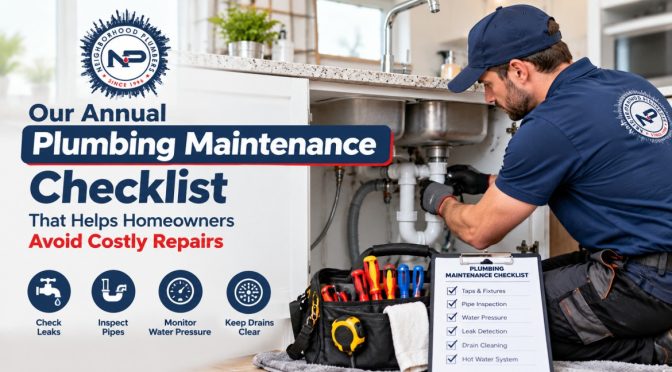
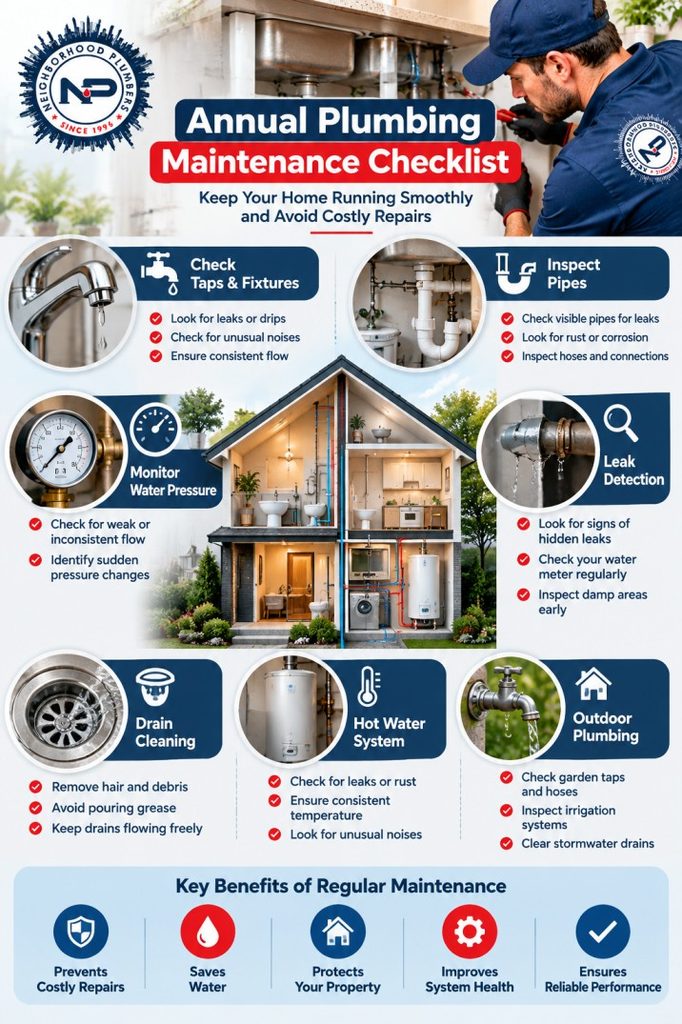
Our Annual Plumbing Maintenance Checklist That Helps Homeowners Avoid Costly Repairs

Plumbing problems rarely start with a major burst pipe or a flooded bathroom. More often, they begin with a dripping tap, a slow-draining sink, a small damp patch, or a toilet that keeps running after flushing. These warning signs may seem minor, but ignoring them can lead to water damage, higher water bills, and expensive repairs.

Following a regular Annual Plumbing Checklist helps homeowners identify these issues before they become serious. For properties in Melbourne, seasonal weather changes, ageing pipes, tree roots, and everyday water usage can all affect plumbing performance.

Whether you live in an older home, a modern townhouse, or an investment property, routine Plumbing Maintenance Melbourne homeowners can carry out safely can help protect their property and maintain a reliable water supply.

This guide explains what to inspect throughout the year, which warning signs deserve attention, and when professional assistance is the sensible choice. You will also learn how simple preventative home maintenance can support the long-term health of your plumbing system.

Why Is Annual Plumbing Maintenance Important for Melbourne Homes?

Your plumbing system operates every day, often without receiving much attention until something goes wrong. Water enters through supply pipes, passes through taps and appliances, and leaves through drainage and sewer systems. A problem in any part of this network can affect other areas of the property.

Regular maintenance helps identify developing faults while they are still manageable.

For example, a homeowner might notice a slight drop in water pressure in the kitchen. The cause could be a blocked tap aerator, a partially closed valve, a faulty pressure regulator, or a problem with the water supply. Checking the issue early can prevent unnecessary replacements and help identify whether a plumber is needed.

Melbourne properties also have different plumbing challenges depending on their age and location. Older homes may have deteriorating pipework, while properties with established gardens can experience tree-root intrusion into underground drains. Homes with poorly ventilated wet areas may develop dampness around plumbing fixtures that requires further investigation.

The main benefits of annual maintenance include:

  • Early problem detection: Identify small leaks, corrosion, and drainage issues before they worsen.
  • Water conservation: Reduce avoidable water waste from dripping taps and leaking toilets.
  • Property protection: Detect moisture that could damage cabinetry, flooring, walls, and foundations.
  • Improved reliability: Check fixtures, valves, and visible pipework for signs of wear.
  • Better repair planning: Understand which components need attention before an unexpected failure occurs.

Annual maintenance cannot prevent every plumbing emergency. However, it gives homeowners a practical way to monitor changes and make informed repair decisions.

What Should Your Annual Plumbing Checklist Include?

A useful Annual Plumbing Checklist covers water supply pipes, taps, toilets, drainage, hot water equipment, outdoor plumbing, and visible signs of water damage.

You do not need specialised equipment to complete basic visual checks. A torch, a notebook, and access to your water meter can be enough for many observations.

The important point is to record what you find and compare it with previous inspections.

1. Inspect Visible Pipes and Connections

Start by examining accessible pipework beneath kitchen sinks, bathroom vanities, laundry tubs, and other areas where water connections are visible.

Look for:

  • Water droplets around joints or valves.
  • Green, white, or rusty deposits on metal fittings.
  • Swollen cabinetry or peeling laminate beneath sinks.
  • Damp flooring near toilets and washing machines.
  • Cracked flexible hoses or signs of deterioration.
  • Water stains on ceilings below bathrooms or laundries.

A small amount of moisture can sometimes come from condensation, but persistent dampness should not be dismissed without checking its source.

For example, a kitchen cupboard may appear dry during the day but develop a damp smell after the dishwasher runs. This pattern may indicate a leak that occurs only when the appliance drains or fills.

Avoid tightening unfamiliar fittings aggressively. Excessive force can damage threads or worsen a weakened connection. If you find active leaking, isolate the relevant water supply if it is safe to do so and arrange an appropriate repair.

2. Check Taps, Showerheads, and Toilets

Taps and toilets are among the most frequently used plumbing fixtures in a home. Their small faults can waste water over time.

Turn each tap on and off, checking for unusual noises, inconsistent flow, loose handles, and persistent dripping. Examine showerheads for uneven spray patterns or mineral deposits that may restrict flow.

Toilets deserve particular attention. A cistern that continually refills may have a worn inlet valve, a faulty flush valve, or a deteriorated seal.

To check for a possible toilet leak, place a few drops of food colouring in the cistern without flushing. If the colour appears in the bowl before you flush, water is likely passing through the flush mechanism. Clean the bowl normally after the test.

Do not assume that a toilet is working properly simply because there is no visible water on the floor. Internal leaks can continue unnoticed for weeks.

3. Examine Hot Water System Warning Signs

Your hot water system should provide a reasonably consistent supply at the temperature and flow expected for your household.

Check for visible corrosion, unusual noises, water around the base, or changes in hot water availability. For storage systems, inspect the surrounding area for dampness and any obvious deterioration.

Some discharge from a temperature and pressure relief valve may occur during normal operation, depending on the system. However, continuous discharge, substantial leakage, or repeated changes in performance should be assessed by a qualified professional.

Never cap or obstruct a relief valve, and do not dismantle gas, electrical, or pressurised hot water equipment yourself.

If hot water becomes rusty, unusually cloudy, or inconsistent, record the changes and seek professional advice. The cause could involve the system itself, the supply, or other plumbing components.

How Does Pipe Inspection Help Prevent Expensive Repairs?

Pipe Inspection is an important part of preventative home maintenance because pipes can deteriorate or develop leaks in places that are difficult to see.

Visible pipework can be checked during your annual review, but concealed pipes and underground drains may require professional testing or specialised inspection equipment.

What to Look for During a Pipe Inspection

Inspect accessible pipes in cupboards, garages, utility areas, and beneath sinks. Pay attention to corrosion, damaged insulation, loose supports, staining, and moisture around joints.

Outside, look for unexplained wet patches, unusually lush vegetation in one area, or ground that remains damp during dry weather. These signs do not automatically prove that a pipe is leaking, but they can justify further investigation.

If your property has a history of recurring leaks, pipe blockages, or unexplained water loss, ask whether a more detailed inspection would be appropriate.

When Is a Professional Pipe Inspection Necessary?

A plumber may recommend a closer examination when:

  • Water pressure changes across several fixtures.
  • Leaks keep returning after repairs.
  • Dampness appears without an obvious source.
  • Drainage problems repeatedly affect the same area.
  • The property has ageing pipework or a history of plumbing failures.

Depending on the suspected problem, a professional may use pressure testing, moisture detection, a drain camera, or other diagnostic methods.

These methods are not interchangeable. A drain camera, for example, helps examine accessible internal drain surfaces, but it does not locate every leak in a pressurised water supply pipe.

The best inspection method depends on the symptoms and the plumbing system involved.

Why Should You Check Water Pressure Every Year?

Water Pressure affects the performance of showers, taps, appliances, and other fixtures. Changes in pressure can be an early indication of a developing plumbing issue, although they can also result from changes in the water supply.

Turn on several taps individually and observe whether the flow appears consistent with normal household performance. Then check whether operating one fixture noticeably affects another.

A weak shower with otherwise normal tap flow may have a restricted showerhead or a local valve issue. Low flow throughout the house may point to a broader supply problem, a faulty pressure-control component, or a leak.

Very high pressure can also be harmful. It may place additional stress on fittings, appliance hoses, and valves, potentially contributing to premature wear.

What Is the Difference Between Water Pressure and Water Flow?

Water pressure describes the force driving water through the system. Water flow describes the volume of water delivered over a period of time.

A tap can have adequate static pressure but poor flow because of a blockage, restricted pipe, or partially closed valve.

If you notice a significant change, compare several fixtures and note whether the issue is isolated or widespread. A plumber can measure pressure and investigate the underlying cause rather than replacing fixtures unnecessarily.

Do not adjust pressure-control equipment without understanding its function. Incorrect adjustments may create additional problems or affect other fixtures.

How Can Leak Detection Protect Your Property?

Leak Detection is not just about finding water dripping from a pipe. Some leaks occur behind walls, beneath floors, around concealed connections, or underground.

Water can travel along building materials before becoming visible, meaning the damp patch you see may not be directly beneath the source.

Signs of a Hidden Plumbing Leak

Watch for these warning signs:

  • Water bills increase without a clear change in household usage.
  • Paint bubbles or plaster discolours near plumbing fixtures.
  • Floorboards swell or flooring becomes unusually soft.
  • A persistent musty smell develops in a cupboard or bathroom.
  • Water meter readings change when water should not be running.
  • A toilet, tap, or appliance connection repeatedly develops faults.

You can perform a basic water meter check if your property has an accessible meter. Turn off taps and water-using appliances, make sure toilets have finished refilling, and check whether the meter continues to register water use.

If it does, repeat the check after confirming that no automatic appliances or irrigation systems are operating. A moving meter can indicate water use or a leak, but it does not establish the location or cause.

If you suspect a leak, avoid opening walls or floors without a clear plan. Targeted professional testing can help reduce unnecessary damage during investigation.

What Should You Do If You Find a Leak?

For a minor leak, stop using the affected fixture if necessary and isolate the local supply where safe. If water is spreading rapidly, locate the main water isolation valve if it is accessible and safe to operate.

Keep water away from electrical equipment. If there is a risk of electrical contact, do not enter the affected area; seek appropriate emergency assistance.

Photograph the affected area and note when the problem occurs. These details can help a plumber distinguish between a constant leak and one associated with a particular appliance or fixture.

For homeowners seeking reliable maintenance support, Neighborhood Plumbers can be considered as part of the process of arranging an assessment when a plumbing issue requires professional attention.

Why Is Drain Cleaning Important for Long-Term Plumbing Health?

Blocked drains often develop gradually. Grease, soap residue, hair, food particles, and other debris can accumulate inside pipes, reducing the space available for wastewater to flow.

Tree roots can also enter damaged underground drainage pipes, particularly where existing joints or sections have deteriorated.

Signs Your Drains Need Attention

Check for:

  • Water draining slowly from sinks or showers.
  • Gurgling sounds from drains or toilets.
  • Unpleasant smells coming from waste outlets.
  • Water backing up into another fixture.
  • Repeated blockages in the same location.

A single slow bathroom basin may have a local blockage. However, several fixtures draining poorly at the same time can indicate a larger drainage problem.

Safe Drain Cleaning Practices

Remove visible hair and debris from accessible drain strainers, and clean removable components according to the manufacturer’s instructions.

Avoid pouring cooking grease into kitchen sinks. Allow it to cool and dispose of it appropriately rather than washing it into the drainage system.

Do not routinely use harsh chemical drain cleaners as a substitute for maintenance. Some products can damage certain materials, create hazardous splashes, or pose risks if mixed with other cleaning chemicals.

If a blockage keeps returning, a plumber may need to identify the underlying cause using mechanical clearing, a drain camera, or another suitable method.

Important: Never mix drain-cleaning products with bleach, acids, or other chemicals. Follow product labels and keep chemicals away from children and pets.

How Should You Maintain Outdoor Plumbing and Stormwater Drains?

Outdoor plumbing is easy to overlook because it is not used as visibly as indoor fixtures. However, garden taps, irrigation connections, external pipes, and stormwater drainage can all affect your property’s water management.

Walk around the property and inspect accessible outdoor taps for dripping, damaged handles, loose connections, and moisture around the wall penetration.

Check garden hoses and irrigation systems for leaks or damaged fittings. If your irrigation system operates automatically, review it while running so you can identify broken sprinklers or water escaping where it should not.

Clear leaves and loose debris from accessible stormwater grates. Keep drainage openings unobstructed, particularly before periods of heavy rain.

However, do not assume that a stormwater drain and a sewer drain serve the same purpose. They are separate systems in many properties, and the appropriate maintenance method depends on the type of drainage involved.

If water repeatedly pools near the house, enters a garage, or flows towards the building rather than away from it, investigate the cause before the next major rainfall.

Never enter a stormwater pit, sewer chamber, or confined drainage space. These areas can contain dangerous gases, unstable structures, and other hazards.

Your Annual Plumbing Checklist: A Practical Maintenance Schedule

A yearly inspection is a useful starting point, but some checks should happen more frequently. The following schedule helps distribute maintenance tasks across the year.

Monthly Checks

  • Look for dripping taps and running toilets.
  • Check beneath kitchen and bathroom sinks for moisture.
  • Notice changes in water pressure or drainage speed.
  • Review water usage for unexplained increases.
  • Check accessible appliance hoses for visible damage.

Seasonal Checks

Before periods of heavy rain, clear accessible outdoor drainage grates and inspect areas where water collects.

Before colder weather, check exposed pipework for damage and review any manufacturer-recommended precautions for outdoor plumbing.

During warmer months, inspect irrigation systems and garden taps for leaks. After storms or unusual weather, look for new damp patches or drainage problems.

Annual Checks

Once a year, review the entire property using your Annual Plumbing Checklist.

Include visible pipework, taps, toilets, hot water equipment, outdoor plumbing, drainage, and previous repair records. If the property has a history of leaks or blockages, consider whether more frequent professional inspections are justified.

The frequency of professional maintenance depends on the system, the age and condition of the property, manufacturer recommendations, and previous problems. An annual visual review does not mean every home requires the same professional service each year.

What Common Plumbing Maintenance Mistakes Should You Avoid?

Even well-intentioned homeowners can make small mistakes that complicate plumbing repairs.

Ignoring Small Leaks

A dripping tap may appear insignificant, but persistent water loss adds up over time. A leak beneath a sink can also damage cabinetry before it becomes obvious.

Address the cause rather than repeatedly placing a container beneath the leak.

Treating Every Blockage With Chemicals

Chemical cleaners may not remove the underlying cause of a recurring blockage. They can also create risks for anyone who later opens the drain or works on the pipe.

Identify whether the issue is local or affects multiple fixtures before choosing a response.

Assuming Low Water Pressure Means a Pipe Is Blocked

Poor flow can result from a restricted aerator, faulty valve, supply issue, or pressure-control problem. Replacing pipework without proper diagnosis may waste money.

Compare multiple fixtures and explain the symptoms to a qualified plumber.

Overlooking Appliance Connections

Washing machines, dishwashers, and refrigerators with water connections can develop leaks at hoses, valves, or fittings. These leaks may go unnoticed when appliances are pushed against walls.

Inspect accessible connections and follow the appliance manufacturer’s replacement and maintenance instructions.

Attempting Unsafe Repairs

Gas connections, electrical components, pressurised systems, and concealed plumbing faults may require specialist skills and equipment.

Know when to stop. A basic inspection is useful, but attempting a repair beyond your experience can increase the cost and risk.

Expert Tips for Better Plumbing System Health

A few consistent habits can make your maintenance routine more effective.

Keep a plumbing maintenance record. Record the date, location, symptoms, repairs, and any parts replaced. If a problem returns, this history can help identify a pattern.

Know where the main water shut-off valve is located. Make sure household members know how to find it and understand when it may be necessary to use it.

Investigate recurring problems rather than repeatedly treating symptoms. If the same drain blocks every few weeks, determine why. If a tap repeatedly loses pressure, look for the cause rather than replacing components at random.

Check after plumbing work. Following an authorised repair or appliance installation, observe the affected area for signs of leakage and follow the professional’s instructions.

Use qualified professionals for higher-risk work. In Victoria, the licensing and registration requirements for plumbing work depend on the type of work involved. Check the relevant Victorian Building Authority requirements and use an appropriately qualified plumber for regulated work.

Prioritise problems by risk. An active leak, sewage backup, suspected gas leak, or water near electrical equipment requires more urgent attention than a cosmetic tap issue. Do not delay action when safety or property damage is at stake.

These habits support preventative home maintenance without turning every minor observation into an expensive repair.

How Do You Know When to Call a Professional Plumber?

Some issues can be monitored during routine checks, while others require prompt assessment.

Arrange professional assistance when you notice persistent leaks, recurring drain blockages, unexplained water loss, significant pressure changes, hot water system faults, or dampness that cannot be traced to an obvious source.

Seek urgent help for a burst pipe, sewage backing up into the home, rapidly spreading water damage, or another condition that threatens people or property.

If you suspect a gas leak, avoid operating electrical switches or creating flames. Leave the affected area and contact the appropriate gas emergency service from a safe location.

A professional Plumbing Inspection Melbourne homeowners arrange should be based on the property’s condition and the symptoms identified. Depending on the situation, the assessment may include visible pipework, water supply connections, drainage, fixtures, and other relevant components.

Ask what will be inspected, what testing is necessary, which problems require immediate attention, and which repairs can reasonably be planned for later. A clear explanation helps you understand the evidence behind each recommendation.

Conclusion: Make Plumbing Maintenance a Regular Habit

A reliable plumbing system depends on more than repairing problems after they occur. Checking visible pipework, monitoring water pressure, investigating leaks, maintaining drains, and reviewing outdoor plumbing can help homeowners recognise early warning signs.

Use your Annual Plumbing Checklist to create a consistent maintenance routine, keep records of previous repairs, and address recurring problems instead of treating symptoms repeatedly. Remember that a visual check is only a starting point; concealed leaks, damaged underground drains, and other complex faults may require professional testing.

For homeowners who need help assessing a plumbing concern, Neighborhood Plumbers can be considered when arranging appropriate professional assistance. The most effective approach is to understand the problem, confirm the necessary work, and prioritise repairs according to their urgency.

Consistent Plumbing Maintenance Melbourne homeowners carry out throughout the year can support better plumbing system health, reduce avoidable water waste, and help protect the home from preventable damage. A little attention today can make it easier to plan repairs before they become disruptive emergencies.

Frequently Asked Questions

1. How often should Melbourne homeowners inspect their plumbing?

A basic visual review should happen regularly, with a more complete Annual Plumbing Checklist completed at least once a year as a practical starting point.

Check taps, toilets, accessible pipework, and visible appliance connections monthly. Review outdoor drainage seasonally and arrange additional inspections if you notice recurring faults.

Older properties, homes with a history of leaks, and buildings with problematic underground drains may need more frequent professional assessment. The appropriate schedule depends on the actual condition of the plumbing system.

2. What are the first signs of a plumbing problem?

Common early warning signs include dripping taps, slow drains, gurgling sounds, unexplained increases in water usage, damp cupboards, and changes in water pressure.

No single sign confirms a particular fault. For example, a slow drain may have a local obstruction, while several slow drains could indicate a broader problem.

Record when the symptom occurs and whether it affects one fixture or several. This information helps a plumber investigate the cause more efficiently.

3. Can annual plumbing maintenance really prevent costly repairs?

Routine maintenance can reduce the likelihood that some minor faults will go unnoticed until they cause substantial damage. For instance, identifying a leaking washing machine hose early may prevent water from damaging nearby flooring or cabinetry.

However, maintenance cannot eliminate every failure, especially where pipes are concealed or components fail unexpectedly.

The practical goal is to identify warning signs early, correct known problems, and maintain the system according to its condition and manufacturer’s recommendations.

4. What is included in a professional plumbing inspection?

The scope depends on the property and the reason for the inspection. A plumber may examine accessible pipes, taps, toilets, water connections, drainage symptoms, hot water equipment, and evidence of leakage.

Additional testing, such as drain-camera inspection or specialised leak detection, may be recommended if the initial findings justify it.

Ask for a clear explanation of the inspection scope and any limitations. A visual inspection alone cannot confirm that every concealed pipe is free from defects.

5. Which plumbing problems need immediate attention?

Burst pipes, uncontrolled leaks, sewage backups, and water entering areas with electrical equipment can present immediate risks. Isolate the water supply if it is safe, keep clear of electrical hazards, and seek urgent professional assistance.

A suspected gas leak requires a different response: leave the area, avoid flames and electrical switches, and contact the appropriate emergency service from a safe location.

Slow drains, minor drips, and cosmetic fixture issues may be less urgent, but they should still be assessed if they persist or worsen.

Preventative Plumbing Maintenance vs Emergency Repairs: Which Saves More Money?

A small plumbing problem can become an expensive repair when it is ignored. A dripping tap, slow-draining sink or minor pipe leak might appear harmless at first, but over time, these issues can waste water, damage property and lead to unexpected repair bills.

For Melbourne homeowners, understanding the difference between routine plumbing maintenance Melbourne services and emergency repairs is an important step towards protecting their property and household budget. Regular inspections can help identify developing faults before they become urgent, while emergency plumbing is essential when a sudden problem threatens your home or safety.

So, which option saves more money? In most situations, preventative maintenance is the more cost-effective long-term approach. However, the actual savings depend on the condition of your plumbing, the age of your property, the severity of a fault, and how quickly you respond.

This guide from Neighborhood Plumbers explains how preventative care compares with emergency repairs, what affects Plumbing Maintenance Costs, and which practical steps can help you avoid unnecessary plumbing expenses.

What Is Preventative Plumbing Maintenance?

Plumbing Maintenance Melbourne involves checking, cleaning, and maintaining plumbing fixtures, pipes, drains, and water connections to help keep a property’s plumbing system working properly.

Preventative maintenance focuses on identifying potential problems before they cause significant disruption. Rather than waiting for a pipe to burst or a drain to become completely blocked, homeowners can arrange periodic checks and address early warning signs.

Typical maintenance tasks include:

  • Checking taps, toilets and visible pipework for leaks.
  • Inspecting exposed pipe connections for corrosion or moisture.
  • Looking for signs of water damage around sinks, bathrooms and laundry areas.
  • Checking water pressure where a pressure-related problem is suspected.
  • Removing suitable drain obstructions before they become severe blockages.
  • Inspecting accessible drainage points for recurring problems.
  • Checking hot water system connections for visible leaks or deterioration.
  • Investigating unexplained increases in water consumption.

Not every property needs the same maintenance schedule. Older homes, properties with recurring drainage issues, and houses with ageing pipework may require closer attention than newer properties with well-maintained plumbing.

The objective is straightforward: identify developing problems early, repair them before they escalate, and reduce the likelihood of avoidable disruption.

Preventative Plumbing Maintenance vs Emergency Repairs

The main difference between preventative maintenance and emergency repairs is the timing of the work. Maintenance addresses warning signs and potential weaknesses before they develop into major faults. Emergency repairs respond to failures that need immediate attention.

Both are necessary, but they serve different purposes.

How Does Preventative Maintenance Save Money?

Preventative maintenance can reduce costs in several ways.

1. It helps identify minor leaks early.
A leaking pipe joint or worn tap washer may be relatively straightforward to repair. If the leak continues behind a wall or beneath flooring, it can cause damage that requires additional investigation, drying, and restoration.

2. It helps prevent serious blockages.
A drain that repeatedly empties slowly may indicate a developing obstruction. Investigating the cause early can help prevent a complete blockage, wastewater overflow or disruption to household activities.

3. It reduces water waste.
Dripping taps, leaking toilets and damaged connections can increase water consumption. Fixing these faults promptly can help reduce unnecessary water charges. Australian government guidance also recommends checking for leaks and monitoring water use to identify potential problems.

4. It supports better maintenance planning.
When a plumber identifies deteriorating pipework or worn components, the homeowner has more time to compare repair options, obtain quotes, and plan the work.

This is the practical value of a preventative plumbing investment. The benefit is not that every future failure can be prevented, but that avoidable damage and unexpected costs may be reduced.

When Does Emergency Plumbing Become Necessary?

Emergency plumbing is required when a fault creates an immediate risk of significant water damage, sewage exposure, loss of essential services or another urgent safety concern.

Examples include:

  • A burst pipe releasing water into a home.
  • A severe leak that cannot be contained safely.
  • A blocked sewer drain causing wastewater to back up.
  • A major leak from a hot water system.
  • A plumbing fault that creates an immediate risk to electrical equipment or building materials.

Emergency plumbing Melbourne services are particularly important when waiting could make the situation worse.

For example, a small leak under a kitchen sink might initially require only a local repair. If the pipe fails completely while the homeowner is away, water could spread into cabinetry, flooring and adjoining rooms. The final expense may then include plumbing work and property restoration.

When a serious leak occurs, shut off the relevant isolation valve or the main water supply if it is safe to do so. Keep clear of water near electrical equipment, and seek qualified assistance. If there is an immediate electrical danger, do not enter the affected area.

Plumbing Maintenance Costs vs Emergency Repair Costs

Understanding Plumbing Maintenance Costs requires more than comparing the price of a routine inspection with the cost of a call-out. The full financial impact includes labour, parts, urgency, access to damaged pipes and any secondary property damage.

There is no single price that applies to every Melbourne property. The cost of a repair depends on the fault, materials, labour required, accessibility and the plumber’s pricing structure.

What Influences Plumbing Costs?

The main factors affecting Plumbing Costs include:

  • Type of fault: Replacing a worn washer is different from repairing a damaged sewer line.
  • Accessibility: Pipes behind tiles, inside walls or beneath concrete may take longer to reach.
  • Time of service: After-hours, weekend and public holiday work may have different call-out or labour rates.
  • Parts and materials: The type, availability and quantity of replacement components affect the total.
  • Diagnostic requirements: Complex or concealed leaks may require specialised testing or camera inspections.
  • Property damage: Water-damaged flooring, plaster, cabinets or insulation can add costs beyond the plumbing repair itself.

Before approving work, ask for an explanation of the fault, the proposed solution, the expected total price and any possible additional charges.

Illustrative Cost Comparison

The following scenarios demonstrate how maintenance and emergency repairs can differ financially. They are examples for comparison, not verified local quotes or guaranteed savings.

SituationPreventative approachEmergency scenario
Minor tap leakRepair a worn component before further water is wastedContinued leakage increases water use and may damage surrounding fittings
Slow kitchen drainInvestigate the recurring blockage and clear it appropriatelyA complete blockage disrupts the kitchen and may cause an overflow
Ageing pipe connectionArrange an inspection and plan a targeted repairThe connection fails and water damages nearby surfaces
Concealed leakInvestigate early signs such as unexplained dampnessProlonged leakage causes extensive damage and more complex repairs

The key lesson is that the lowest immediate expense is not always the lowest overall expense. A planned repair may cost more than doing nothing today, but waiting can expose the property to a much larger bill.

At the same time, preventative maintenance should be proportionate. Replacing every functioning pipe or fixture without evidence of deterioration is not automatically cost-effective.

Leak Detection and Early Warning Signs

Leak Detection is one of the most valuable parts of preventative plumbing because some leaks remain hidden until damage becomes noticeable.

A leak may occur under a sink, inside a wall, beneath a slab or around a hot water system. The water might not appear at the actual point where the pipe has failed, making the source difficult to identify.

Which Warning Signs Should Homeowners Watch For?

Look for these common indicators:

  • Water bills that increase without an obvious change in household use.
  • Damp patches on walls, ceilings or floors.
  • Peeling paint, swollen skirting boards or musty smells.
  • Water pooling around toilets, sinks or hot water equipment.
  • Taps that continue dripping after being closed.
  • Toilets that refill unexpectedly or make persistent running-water sounds.
  • Reduced or inconsistent water pressure.
  • Drains that repeatedly empty slowly.

A useful initial check is to turn off taps and water-using appliances, then observe the water meter if the property’s supply arrangement permits it. Unexpected movement can indicate water use or a leak, although meter configuration and other connected systems may affect the result. If the reading changes unexpectedly, investigate further rather than assuming the exact location of the problem.

Do not open walls, dig around underground pipes or dismantle pressurised plumbing without the appropriate skills and equipment.

How Can Professional Leak Detection Reduce Repair Expenses?

A qualified plumber can assess the symptoms and choose an appropriate diagnostic method. Depending on the situation, this may involve pressure testing, moisture assessment, acoustic equipment or other specialised techniques.

Accurate diagnosis matters because repairing the wrong section of pipe can waste money while leaving the original problem unresolved.

For instance, a damp patch near a bathroom may result from a leaking water pipe, a failed shower seal or water escaping through another part of the installation. Identifying the actual source helps determine whether plumbing repairs, waterproofing work or another solution is required.

Early investigation does not guarantee that walls or floors will never need to be opened. It can, however, help narrow the problem and support a more targeted repair.

Pipe Repairs and Preventing Recurring Faults

Pipe Repairs are not always avoidable. Pipes deteriorate, fittings loosen, ground movement occurs and external damage can affect plumbing systems. The objective of maintenance is to recognise problems early and choose a repair that addresses their cause.

Why Do Pipes Fail?

Common causes include:

  • Corrosion or deterioration in older pipework.
  • Worn seals and joints.
  • Excessive or fluctuating water pressure.
  • Physical damage during renovations or landscaping.
  • Tree roots entering susceptible drainage systems.
  • Movement in the ground or building structure.
  • Poor-quality previous repairs or unsuitable components.

A visible leak may be only one symptom of a broader issue. If the same connection fails repeatedly, replacing the component without investigating the underlying cause may lead to further costs.

When Should a Pipe Be Repaired or Replaced?

A targeted repair may be appropriate when the fault is localised and the surrounding pipe remains in sound condition. Replacement may be worth considering when a section is extensively corroded, repeatedly leaking or otherwise unsuitable for continued use.

The decision should account for the pipe’s condition, age, material, location, repair history and the likely cost of future disruption.

For example, a homeowner with a single damaged pipe connection may benefit from a local repair. A property with several leaking sections of deteriorated pipework may be better served by a planned replacement strategy.

Ask the plumber to explain both options where practical. A clear comparison should cover immediate costs, expected durability, access requirements and the consequences of postponing the work.

Maintenance Cost Savings Through a Practical Schedule

Consistent maintenance does not mean paying for frequent inspections without a clear purpose. The most effective approach is to match the level of attention to the property’s age, plumbing condition and history of problems.

How Often Should Plumbing Be Checked?

There is no universal inspection interval for every residential plumbing system. Use the following as a practical starting point and adjust it according to the plumber’s findings.

  • Monthly: Look for visible leaks, dampness, running toilets and unusual changes in water consumption.
  • Every few months: Check accessible taps, sink connections, appliance hoses and exposed pipework for deterioration.
  • Annually: Consider a professional plumbing assessment if the property is older, has recurring faults or has not been checked for some time.
  • After a plumbing incident: Arrange follow-up checks where a previous leak, blockage or repair could indicate an underlying problem.

These are suggested monitoring intervals, not mandatory Australian regulations. A new home with no known issues may need less intervention than an older property with recurring leaks.

Which Maintenance Tasks Offer the Most Value?

Prioritise work that addresses a known risk or recurring symptom.

Repair dripping taps and leaking toilets. These faults can waste water and may indicate worn components that are relatively straightforward to replace.

Investigate recurring drainage issues. A drain that repeatedly blocks may need more than another round of cleaning. The cause could involve accumulated debris, pipe damage or root intrusion.

Check accessible appliance connections. Washing machines, dishwashers and other water-connected appliances can leak at hoses or connection points. Follow manufacturer guidance when checking or replacing components.

Monitor water pressure when symptoms appear. Unusually high pressure can place additional stress on plumbing components, while low pressure may indicate a leak, obstruction or another supply issue. A plumber can determine whether testing or corrective work is warranted.

Keep records of previous repairs. Recording the date, fault, repair and parts used helps identify recurring problems and supports better budgeting.

These steps encourage maintenance cost savings without turning routine care into unnecessary expenditure.

Reducing Emergency Plumbing Expenses

Even well-maintained plumbing can fail unexpectedly. The aim of reducing emergency plumbing expenses is to minimise the damage caused by a failure and avoid paying for preventable complications.

What Should You Do When a Plumbing Emergency Occurs?

Use this practical sequence when a serious leak or plumbing failure develops.

  1. Stop the water flow if safe.
    Close the relevant isolation valve or the main water supply where appropriate.
  2. Protect people and property.
    Keep people away from contaminated water and any area where water could contact electrical equipment.
  3. Avoid makeshift permanent repairs.
    A temporary measure should not create additional pressure, contamination or damage.
  4. Document the damage.
    Take photographs when it is safe to do so, particularly if an insurance claim may be necessary.
  5. Contact a qualified plumber.
    Explain the symptoms, when the problem began, whether the water supply has been isolated and whether sewage or electrical hazards are involved.
  6. Ask about the charges.
    Confirm the call-out fee, after-hours rates, diagnostic charges and likely repair costs before authorising work where circumstances permit.

In Victoria, plumbing work must be carried out by appropriately registered or licensed practitioners, subject to the applicable rules and supervision requirements. Check the practitioner’s credentials through the relevant regulator before engaging them.

How Can Homeowners Prepare Before a Failure Happens?

A few simple preparations can reduce confusion and help a plumber respond efficiently.

  • Know where the main water shut-off valve is located.
  • Keep access to isolation valves clear.
  • Maintain records of plumbing repairs and relevant product information.
  • Note recurring leaks, unusual sounds and drainage symptoms instead of dismissing them.
  • Review your home insurance policy to understand relevant water-damage exclusions, limits and notification requirements.
  • Identify a qualified plumbing professional before an emergency occurs.

Preparation will not eliminate emergency call-outs, but it can help you act quickly and make better decisions under pressure.

Common Mistakes That Increase Plumbing Expenses

Some avoidable decisions can turn a manageable plumbing issue into a more complicated repair.

Ignoring Small Leaks

A slow drip may appear insignificant, but persistent leakage can waste water and affect cabinetry, flooring or wall materials. Investigate recurring moisture rather than relying on towels or containers indefinitely.

Using Chemical Drain Cleaners Repeatedly

Repeated use of unsuitable products may damage certain plumbing materials, create handling hazards or fail to address the underlying cause of a blockage. Follow product instructions and seek professional advice if a drain keeps blocking.

Choosing the Cheapest Quote Without Comparing the Scope

A lower price does not necessarily include the same diagnostic work, replacement materials or follow-up. Compare written quotes on the work included, exclusions, labour, materials and applicable warranties.

Attempting Repairs Beyond Your Skills

Simple visual checks are useful, but work involving pressurised pipes, concealed services, sewer connections or regulated plumbing installations should be assessed by an appropriately qualified professional.

Replacing Equipment Without Investigating the Fault

A faulty fixture may not be the root cause of a problem. Before replacing expensive equipment, confirm whether the issue originates from the fixture, its connections, the pipework or the wider plumbing system.

Expert Advice for a Better Plumbing Budget

For Melbourne homeowners, the most practical strategy is to balance preventive spending against the risk of delayed repairs.

First, prioritise active leaks and safety concerns. A suspected leak causing property damage should not be postponed simply because a routine inspection is already planned.

Second, distinguish maintenance from upgrades. Replacing a worn seal is maintenance; installing a more water-efficient fixture is an upgrade. Both may have value, but the financial justification differs.

Third, assess the whole repair, not just the visible fault. If a plumber identifies repeated leaks, ask whether the cause is local deterioration, water pressure, movement or another underlying issue.

Fourth, plan larger work where urgency permits. Comparing quotes and scheduling a planned pipe replacement may provide better control over expenditure than waiting for a failure. Emergency situations, however, should be stabilised promptly.

Finally, judge maintenance by its purpose. A useful inspection should explain what was checked, what was found, which repairs are necessary and which items can be monitored. You should not feel pressured to approve unrelated upgrades without a clear explanation.

Conclusion

Preventative maintenance is generally the better financial strategy when it helps identify problems before they cause extensive damage. However, the right level of maintenance depends on the property, the condition of its plumbing and the risks identified during inspection.

For homeowners comparing Plumbing Maintenance Melbourne options, the goal should not be to spend money on unnecessary inspections or upgrades. It should be to address genuine problems early, maintain reliable plumbing fixtures and reduce the likelihood of avoidable emergencies.

Understanding Plumbing Maintenance Costs, monitoring warning signs and arranging timely Leak Detection or Pipe Repairs can help you make better decisions about household expenditure.

Neighborhood Plumbers encourages homeowners to take a practical approach: investigate unusual plumbing symptoms, understand the repair options and plan maintenance around the property’s actual needs. A small, timely repair can sometimes prevent a much larger problem later.

Frequently Asked Questions About Plumbing Maintenance

1. What Is the Difference Between Plumbing Maintenance and Emergency Plumbing?

Plumbing Maintenance focuses on identifying developing problems and keeping plumbing systems in good working condition. It may include checking visible pipework, investigating minor leaks and addressing recurring drainage issues.

Emergency Plumbing responds to urgent failures, such as burst pipes, severe leaks and sewage backups. Preventative maintenance can reduce some emergency risks, but it cannot eliminate every unexpected failure.

2. How Much Does Plumbing Maintenance Cost in Melbourne?

Plumbing Maintenance Costs vary according to the work required, the property’s condition, the time of service, labour charges and replacement materials. A basic inspection is different from a detailed leak investigation or a major pipe repair.

To understand the likely cost, request a written quote that explains the inspection scope, labour, materials and any additional diagnostic charges. Compare quotes based on the same work rather than choosing solely by price.

3. When Should I Call an Emergency Plumber Instead of Waiting?

Contact an emergency plumber when a plumbing fault presents an immediate risk of significant water damage, sewage exposure or loss of essential services. A burst pipe, uncontrolled leak or wastewater backing up into the property may require urgent attention.

If the problem is contained and there is no immediate danger, you may be able to arrange a planned repair. When uncertain, explain the symptoms to a qualified plumber and ask how urgently the issue needs attention.

4. How Can Leak Detection Help Reduce Plumbing Costs?

Leak Detection helps identify the source of unexplained moisture, water loss or unusual water consumption. Early investigation may prevent a minor fault from causing extensive damage to walls, flooring or cabinetry.

Professional diagnostic methods can also help avoid unnecessary repairs by distinguishing between possible causes. The appropriate method depends on the location, symptoms and type of plumbing system involved.

5. Which Plumbing Maintenance Tasks Should Homeowners Prioritise?

Start by checking for dripping taps, running toilets, visible leaks, damp patches and unusual changes in water bills. Pay attention to recurring drain blockages and deteriorating appliance connections.

Arrange professional assessment when symptoms persist, when a concealed leak is suspected or when pipework shows signs of significant deterioration. Older properties and homes with a history of plumbing problems may benefit from a more tailored maintenance plan.

The Plumbing Maintenance Mistakes We See Most Often During Annual Home Inspections

A plumbing problem rarely starts with a dramatic burst pipe or a flooded bathroom. More often, it begins with a slow-draining sink, a small patch of moisture beneath a vanity, a toilet that occasionally runs or a hot water system that makes unusual noises. These signs are easy to ignore until they become expensive repairs.

Regular inspections can help homeowners identify these warning signs before they develop into more serious issues. Effective Plumbing Maintenance Melbourne homeowners can rely on involves more than fixing visible leaks. It includes checking water pressure, inspecting accessible pipes, testing fixtures, monitoring drainage and understanding how everyday habits affect a home’s plumbing system.

One of the most useful aspects of an annual inspection is discovering the small maintenance oversights that have gradually become bigger problems. Common Plumbing Maintenance Mistakes include ignoring minor leaks, using harsh drain cleaners too frequently, overlooking hidden moisture and assuming that plumbing fixtures do not need attention until something stops working.

This guide explains the mistakes worth looking for, why they matter, and how homeowners can reduce the risk of unexpected plumbing failures through practical, preventative care.

Why Annual Plumbing Maintenance Matters for Melbourne Homes

Melbourne homes have different plumbing needs depending on their age, construction, water supply arrangements and previous renovation work. An older property may have ageing pipework, worn tap washers or drainage issues, while a recently renovated home may have poorly adjusted fixtures or connections that need monitoring.

Seasonal changes, household water use and gradual wear can also affect plumbing performance. For example, a garden tap that is rarely used may develop a leak around its connection, while a kitchen drain may gradually collect grease and food residue until water begins draining slowly.

Home Plumbing Maintenance helps homeowners identify these issues early, understand the condition of accessible plumbing components and plan repairs before they become urgent.

An annual inspection is a useful starting point, although it is not a guarantee against every plumbing failure. Older systems, recurring blockages, previous leaks and heavily used fixtures may require more frequent checks.

A practical inspection should consider:

  • Visible pipework beneath sinks, behind accessible appliances and around fixtures.
  • Tap connections, toilet cisterns and signs of water escaping.
  • Water pressure and unusual changes in flow.
  • Slow drains, gurgling sounds and unpleasant odours.
  • Hot water system condition, visible corrosion and signs of leakage.
  • Outdoor taps, exposed pipes and drainage around the property.

The aim is not to replace every component that shows ordinary wear. It is to distinguish between normal ageing, a developing fault and a problem that needs prompt professional attention.

1. Ignoring Small Water Leaks

One of the most common Plumbing Maintenance Mistakes is treating a minor leak as a cosmetic issue.

A dripping tap may appear harmless, particularly when the water collects neatly in the basin. However, a leak beneath a kitchen sink can damage cabinet panels, affect stored belongings and create damp conditions that encourage mould growth. A slow leak around a toilet connection may also go unnoticed because the water can collect behind the fixture.

What should homeowners check?

Look for these warning signs during routine household checks:

  • Water droplets on pipe connections beneath sinks.
  • Damp cabinet floors or swollen timber.
  • Discolouration on walls and ceilings near plumbing.
  • Loose tap handles or persistent dripping after the tap is closed.
  • Moisture around toilet bases or flexible hoses.
  • Unexplained increases in water consumption.

For example, a homeowner might notice that cleaning products stored beneath the kitchen sink have become damp. Rather than simply drying the cabinet, check accessible connections for moisture and arrange a plumbing assessment if the source is unclear.

A small leak does not always mean a major repair is needed. The appropriate solution depends on the cause, which could be a worn seal, a loose connection, damaged pipework or another fault.

Expert tip: Do not tighten every connection you find. Excessive force can damage fittings, and some plumbing components require specialised tools or replacement parts. If a leak continues or the source is hidden, have it assessed by a licensed plumber.

2. Neglecting Pipe Inspection

Pipes are easy to forget because much of the plumbing system is concealed behind walls, under floors or within cupboards. However, accessible pipework can reveal useful information about the condition of the wider system.

Effective Pipe Inspection involves checking visible sections for corrosion, moisture, damaged insulation, loose supports and signs of previous repairs.

Which pipe warning signs matter?

Pay attention to:

  • Greenish or white deposits around metal fittings.
  • Rust or corrosion on exposed metal pipes.
  • Cracks, bulges or visible damage on accessible plastic pipework.
  • Water stains near pipe penetrations.
  • Unusual noises when taps are opened or closed.
  • Repeated leaks occurring in the same area.

Not every stain indicates an active leak, and not every plumbing noise signals a serious fault. Nevertheless, recurring symptoms deserve investigation.

Consider an older Melbourne home where a visible pipe connection has developed corrosion. Painting over the affected section may improve its appearance, but it will not establish whether the pipe is still sound. A plumber can assess the material, condition and likely cause before recommending a repair.

Why concealed pipes need special attention

A concealed leak may show up as a musty smell, bubbling paint, a damp patch or unexplained water use. These symptoms can also have other causes, including roof leaks or condensation.

Avoid cutting into walls or lifting flooring without establishing where the moisture originates. A qualified plumber can use appropriate diagnostic methods, including specialised leak detection equipment when needed, to narrow down the source.

3. Using the Wrong Products for Drain Cleaning

Slow drains are frustrating, so it is understandable that homeowners want a quick solution. However, repeatedly pouring strong chemical products into a blocked drain can create additional problems.

Good Drain Cleaning starts with identifying what is causing the restriction. Hair and soap residue commonly accumulate in bathroom drains, while kitchen pipes may collect grease, food particles and other debris.

Common drain-cleaning errors

  • Pouring cooking oil or grease down the kitchen sink.
  • Flushing wipes, sanitary products or other unsuitable items.
  • Using chemical cleaners repeatedly without investigating recurring blockages.
  • Forcing a drain snake into a pipe without understanding the layout.
  • Ignoring gurgling sounds or slow drainage affecting multiple fixtures.

For example, if a kitchen sink drains slowly every few weeks, a chemical cleaner may temporarily improve the flow without removing the underlying buildup. If the blockage keeps returning, the problem may require a more thorough assessment.

A safer approach to everyday drain care

  1. Collect cooking grease in a suitable container rather than tipping it into the sink.
  2. Use drain strainers to catch hair and food debris.
  3. Remove accessible surface debris when it is safe to do so.
  4. Follow fixture and product instructions instead of mixing cleaning chemicals.
  5. Arrange an assessment when blockages recur or affect several drains.

Never mix drain-cleaning chemicals or combine them with other household cleaners. Some combinations can release hazardous gases or cause dangerous reactions. If a chemical product has already been used, tell the plumber before they work on the drain.

Repeated blockages, sewage smells and wastewater backing up into fixtures should not be treated as ordinary maintenance issues.

4. Overlooking Water Pressure Changes

Water pressure affects everyday tasks such as showering, washing dishes and filling appliances. However, many homeowners assume that stronger pressure is always better.

Excessively high pressure can place additional stress on plumbing fittings, appliance hoses, tap connections and other components. Low pressure, meanwhile, can indicate a partially closed valve, a blockage, a supply issue or a problem within the plumbing system.

How can you recognise a pressure problem?

Watch for changes such as:

  • Showers that suddenly become weaker.
  • Taps that deliver noticeably different flow rates.
  • Water hammer, which is a banging noise in pipework.
  • Flexible hoses that show signs of deterioration.
  • Pressure that changes significantly when another fixture is used.

A single weak tap does not necessarily indicate a whole-house problem. The cause might be a blocked aerator or an issue affecting only that fixture. If several taps experience the same change, the underlying cause may be elsewhere in the system.

A plumber can measure pressure and investigate whether it is appropriate for the property’s plumbing and connected appliances. Where required, pressure-regulating equipment may need adjustment or replacement.

Expert tip: Do not try to increase water pressure by randomly adjusting valves. First establish whether the issue affects one fixture, the entire property or the incoming water supply. This avoids unnecessary adjustments that could make the problem worse.

5. Treating the Toilet as a Maintenance-Free Fixture

Toilets often continue functioning even when internal components begin to wear. That makes them easy to overlook during routine household cleaning.

A faulty inlet valve, deteriorated seal or incorrectly adjusted float can allow water to run continuously or leak from the cistern. These problems may be difficult to notice because the water can move quietly into the toilet bowl.

What should an annual toilet check include?

Check whether:

  • The cistern continues refilling long after flushing.
  • Water occasionally runs into the bowl without anyone using the toilet.
  • The flush button sticks or requires repeated pressing.
  • The toilet base shows signs of moisture.
  • The cistern or connecting pipework has visible leaks.
  • Flushing performance has changed.

One practical check is to listen carefully after the cistern has refilled. If you hear water running again without another flush, the inlet valve or flushing mechanism may need attention.

A toilet that rocks when someone sits on it also deserves investigation. Movement can affect seals and connections, while a leak around the base may indicate a failed seal or another underlying issue.

Avoid assuming that every damp toilet base is caused by the same fault. Condensation, a leaking connection and a failed seal can produce similar symptoms, so the source should be identified before repairs begin.

6. Forgetting Hot Water System Maintenance

Hot water systems are essential household equipment, but many homeowners only think about them when the water turns cold.

An annual visual check can identify signs that deserve professional assessment, including corrosion, unusual noises, visible water leaks and deterioration around accessible connections.

The correct maintenance schedule depends on the type of system, its age, the manufacturer’s instructions and the components installed.

Warning signs to look for

  • Water collecting around the unit.
  • Rust or corrosion on visible external components.
  • Unusual changes in water temperature.
  • Persistent banging or rumbling noises.
  • Discharge from a temperature and pressure relief valve that appears abnormal.
  • Reduced hot water availability compared with normal use.

Some discharge from a relief valve can occur as part of normal operation, depending on the system. However, continuous discharge or a sudden change should be assessed rather than dismissed.

Never cap, block or disable a relief valve to stop water escaping. These devices are important safety components.

Hot water systems can involve electricity, gas, high temperatures and pressurised water. Internal servicing, safety-valve testing and repairs should be handled by appropriately qualified professionals.

For homeowners arranging preventative plumbing maintenance, checking the hot water system is an important part of understanding the property’s overall plumbing condition.

7. Assuming Outdoor Plumbing Does Not Need Attention

Outdoor plumbing often receives less attention than kitchen and bathroom fixtures. Yet garden taps, irrigation connections, exposed pipes and external drainage can develop faults over time.

A dripping garden tap may waste water, while a leaking irrigation connection can leave persistently wet soil near a building. Poor drainage can also contribute to water pooling around paths or foundations.

Outdoor areas worth checking

  • Garden taps and hose connections.
  • Visible irrigation valves and fittings.
  • Exposed pipework and signs of physical damage.
  • Drainage grates and accessible stormwater inlets.
  • Areas where water repeatedly pools after rain.
  • Plumbing connections serving outdoor kitchens or utility areas.

For example, a homeowner may notice a damp patch near an outdoor tap even when the garden has not been watered. The cause could be a leaking fitting or a damaged pipe, rather than rainwater alone.

It is also important to distinguish stormwater drainage from sewer drainage. These systems serve different purposes, and a problem affecting one should not automatically be treated as a problem with the other.

If water is pooling near the house, investigate whether the source is a plumbing leak, irrigation, surface runoff or a drainage issue. Where the cause is uncertain, a professional assessment can help prevent unnecessary excavation or repairs.

8. Delaying Repairs After Temporary Fixes

Temporary measures can be useful when they reduce immediate damage while a permanent repair is arranged. The mistake is treating them as a lasting solution.

Tape around a leaking pipe, a bucket beneath a connection or repeated resetting of a troublesome fixture may provide short-term relief. None of these measures establishes that the underlying problem has been resolved.

When should a temporary fix be followed by professional attention?

Arrange an assessment if:

  • A leak returns after a temporary repair.
  • A drain repeatedly becomes blocked.
  • A tap or valve needs frequent adjustment.
  • Dampness remains after the visible leak has stopped.
  • Water pressure continues to fluctuate.
  • A plumbing fault affects several fixtures.

If a pipe bursts or water is escaping rapidly, shut off the relevant water supply if it is safe to do so. If water is near electrical equipment, avoid the affected area and seek appropriate emergency assistance.

The priority is to limit damage without creating another hazard. Once the immediate problem is controlled, the permanent repair should address the underlying cause rather than merely covering its symptoms.

9. Skipping Annual Plumbing Inspections

An inspection is useful because plumbing problems do not always appear in the location where their effects become visible.

A damp patch on a ceiling, for instance, could originate from plumbing above it, a roof leak or another source. Likewise, recurring drainage problems may involve more than the visible fixture.

Annual plumbing inspections provide an opportunity to review the condition of accessible components, investigate recurring symptoms and identify maintenance priorities.

What should a useful inspection cover?

Leaks and visible pipework

Check accessible connections, pipe supports, corrosion, dampness and signs of earlier repairs.

Water flow and pressure

Investigate unusual pressure changes, inconsistent flow and signs of water hammer.

Drains and fixtures

Assess recurring blockages, slow drainage, toilet operation and unusual odours.

Hot water equipment

Look for visible deterioration, abnormal leakage and other warning signs requiring qualified servicing.

An inspection should be appropriate to the property’s age, plumbing configuration and known history. It does not automatically include opening walls, inspecting every concealed pipe or conducting a camera inspection of every drain.

Where a problem is suspected, additional testing may be recommended. Ask the plumber to explain what was inspected, what could not be accessed, which findings require attention and which repairs can reasonably be monitored.

This makes the inspection more useful than a simple checklist because it gives the homeowner a clear basis for prioritising work.

10. Attempting DIY Repairs Beyond Your Skills

Some plumbing tasks are suitable for routine household care. Cleaning a tap aerator, removing hair from an accessible drain cover or checking beneath a sink for moisture may be reasonable when performed safely.

Other tasks require technical knowledge, specialised tools or regulatory compliance.

Know the difference between basic care and plumbing work

Homeowners can generally focus on:

  • Monitoring visible leaks and water use.
  • Keeping accessible drain covers clear.
  • Cleaning removable components according to manufacturer instructions.
  • Checking for unusual sounds, smells or dampness.
  • Recording recurring issues for a plumber.

Professional assistance is appropriate when work involves concealed pipework, persistent leaks, complex drainage faults, hot water system repairs or alterations to water supply and sanitary plumbing.

In Victoria, plumbing work that falls within regulated categories must be performed by appropriately licensed or registered practitioners. Requirements depend on the type of work, so homeowners should confirm the relevant credentials before engaging someone.

DIY repairs can become more expensive if they damage fittings, conceal an active leak or fail to address the original fault. When in doubt, identifying the problem safely is more valuable than attempting an unfamiliar repair.

A Practical Home Plumbing Maintenance Schedule

A simple schedule helps homeowners notice changes without turning maintenance into a complicated task. The following routine can be adapted to the age and condition of the property.

FrequencyRecommended checks
MonthlyLook for dripping taps, running toilets, dampness beneath sinks and unusual water-use changes.
Every three monthsCheck accessible tap aerators, drain strainers, garden taps and visible plumbing connections.
Every six monthsReview recurring drainage issues, outdoor plumbing and signs of deterioration around accessible pipework.
AnnuallyArrange a risk-based plumbing inspection, review the hot water system and discuss unresolved or recurring faults.
When symptoms appearInvestigate sudden pressure changes, persistent leaks, sewage odours or repeated blockages promptly.

This is a practical household guide, not a universal servicing requirement. Manufacturer instructions and the condition of individual components may call for different intervals.

For older homes, properties with a history of leaks and households experiencing repeated blockages, a more frequent inspection schedule may be appropriate.

Neighborhood Plumbers provides reliable plumbing services in Melbourne, including emergency plumbing, leak detection, blocked drain clearing, and pipe repairs. Our experienced team delivers prompt, professional solutions to keep your plumbing system running smoothly.

Expert Tips for Better Preventative Plumbing Maintenance

Good maintenance is not about spending money on every possible upgrade. It is about identifying genuine risks, understanding the condition of the plumbing system and acting at the right time.

These practical habits can make inspections more productive.

Keep a record of recurring problems

If a drain blocks every few months or a tap repeatedly leaks after being repaired, record when the issue occurs and what was done previously.

This information helps a plumber determine whether the problem is isolated or recurring. It can also prevent homeowners from repeatedly paying for temporary fixes without understanding the underlying cause.

Monitor unusual water consumption

Compare water meter readings over a suitable period when household water use is stable and no water is being used during the test. Unexpected movement may indicate a leak, but irrigation systems, appliances and other water uses must be considered before drawing conclusions.

If consumption appears unusually high, investigate rather than assuming a hidden leak is definitely present.

Prioritise repairs according to risk

Not every defect needs immediate replacement. A minor cosmetic issue may be monitored, while an active leak, suspected sewage escape or damaged pressurised connection may require urgent attention.

Ask for clear explanations of the likely consequences of delaying a repair. This helps you make informed decisions instead of authorising unnecessary work or ignoring an important fault.

Ask for findings in plain language

A useful inspection should explain:

  • What was checked and what was inaccessible.
  • Which faults were found and what evidence supports the diagnosis.
  • Which issues require immediate attention.
  • Which items can be monitored.
  • Whether further testing is needed.
  • What maintenance is recommended and why.

This approach makes residential plumbing care easier to manage over the long term. It also gives homeowners a practical record to refer to during future inspections.

Common Plumbing Maintenance Myths to Avoid

Several misconceptions can lead homeowners to overlook developing problems.

Myth 1: A small leak is not worth repairing.

Even a slow leak can damage surrounding materials over time. Its importance depends on the location, duration and amount of water escaping, but it should not be ignored.

Myth 2: Chemical drain cleaners solve every blockage.

These products cannot reliably resolve every obstruction, particularly recurring or deeper drainage problems. Repeated use may also create safety risks.

Myth 3: New homes do not need plumbing inspections.

Newer properties can still develop loose connections, fixture problems or installation defects. Maintenance should reflect the system’s condition rather than the home’s age alone.

Myth 4: Strong water pressure means healthy plumbing.

High pressure is not automatically beneficial. Appropriate pressure depends on the plumbing system, connected equipment and applicable requirements.

Myth 5: An annual inspection prevents every emergency.

An inspection can identify certain risks, but concealed failures, sudden damage and unexpected equipment faults can still occur. Regular checks reduce avoidable risks; they do not eliminate them.

Conclusion

The biggest plumbing problems often begin with small warning signs that are easy to overlook. A dripping tap, slow drain, running toilet or damp patch may seem insignificant, but identifying the cause early can help limit damage and avoid unnecessary disruption.

For Melbourne homeowners, effective Plumbing Maintenance Melbourne practices start with understanding the condition of the property’s plumbing, checking accessible fixtures regularly and arranging professional assessments when symptoms appear. Combining these habits with appropriate Home Plumbing Maintenance and annual inspections creates a practical approach to protecting the home’s plumbing system.

The most important lesson is simple: do not wait for a plumbing emergency before paying attention to your pipes, drains and fixtures. By recognising Plumbing Maintenance Mistakes, prioritising genuine risks and addressing recurring problems properly, homeowners can make better maintenance decisions and manage their plumbing systems with greater confidence.

Frequently Asked Questions

1. How often should homeowners arrange plumbing maintenance in Melbourne?

An annual inspection is a reasonable starting point for many homes, particularly when the plumbing system has no known recurring problems. However, the appropriate frequency depends on the property’s age, pipe materials, water use, previous leaks and the condition of its fixtures.

A home with older pipework or repeated drainage problems may need more frequent assessment. Newer properties also benefit from routine checks because connections and fixtures can develop faults over time.

Between professional inspections, homeowners should monitor visible pipework, taps, toilets and accessible drainage points. Do not wait for the next scheduled inspection if a significant leak, sewage backup or sudden change in water pressure occurs.

2. What are the most common Plumbing Maintenance Mistakes homeowners make?

The most common mistakes include ignoring small leaks, overlooking toilet cistern faults, using drain-cleaning chemicals repeatedly, neglecting outdoor plumbing and delaying repairs after temporary fixes.

Another mistake is focusing only on visible fixtures while ignoring warning signs such as damp cupboards, unexplained water consumption and recurring odours.

The best response is to identify patterns rather than treating every symptom as an isolated problem. If the same fault returns after a repair, ask for the underlying cause to be investigated.

3. Can preventative plumbing maintenance reduce repair costs?

Yes, it can reduce the likelihood of some avoidable repairs by identifying developing faults before they cause additional damage. For example, repairing a leaking connection early may prevent moisture from damaging a cabinet or adjacent building materials.

However, the savings are not guaranteed. An inspection may identify a problem that already requires substantial work, and some failures occur without obvious warning signs.

The value of preventative plumbing maintenance comes from informed decisions, early detection where possible and appropriate repairs—not from assuming every inspection will prevent a major expense.

4. What should I do if I suspect a hidden water leak?

Look for signs such as unexplained dampness, musty odours, water stains, peeling paint or an unexpected increase in water consumption.

If it is safe and practical, stop using water throughout the property temporarily and check whether the water meter continues moving. Make sure appliances, irrigation and other water uses are accounted for. Meter movement can indicate water use or leakage, but it does not identify the exact source.

If you suspect an active leak, arrange a plumbing assessment. A professional may use suitable leak detection methods to investigate without unnecessary damage to walls or flooring.

If water is escaping rapidly, isolate the water supply if safe to do so. Keep away from wet electrical equipment and seek urgent assistance where there is an immediate hazard.

5. Does an annual plumbing inspection include every pipe and drain?

Not necessarily. A standard inspection generally focuses on accessible plumbing components, visible warning signs, fixtures and reported problems. Concealed pipework cannot always be assessed visually, and a camera inspection or specialised leak detection may be required when symptoms indicate a hidden fault.

The inspection’s scope depends on the property and the service agreed upon. A home with recurring blockages may need additional drainage investigation, while a property showing signs of concealed moisture may need targeted leak detection.

Before the inspection, explain any previous leaks, repeated blockages, unusual noises or changes in water pressure. Ask what the plumber will check, which areas will remain inaccessible and whether any additional testing is recommended.