All posts by admin

How Our Plumbers Diagnose a Blocked Drain Before Recommending Any Repairs?

When a sink starts draining slowly, or wastewater backs up into a shower, it is tempting to reach for a chemical drain cleaner or immediately assume the pipe needs to be replaced. But Blocked Drains in Broadmeadows can have very different causes, and treating the wrong problem can waste money while allowing the underlying damage to become worse. A professional plumber should diagnose the blockage before recommending a repair, rather than simply guessing from the symptoms.

A drain blockage may be caused by accumulated grease, hair, foreign objects, tree roots, damaged pipes, collapsed sections, poor drainage design, or a combination of problems. The location of the blockage also matters. A restriction close to a fixture requires a different approach from an obstruction deep inside a sewer line.

This is why a structured Drain Inspection Process is so important. Instead of immediately recommending excavation, pipe replacement, or aggressive cleaning, an experienced plumber can investigate the symptoms, assess the drainage system, identify the likely cause, and determine the most appropriate solution.

Why Drain Diagnosis Should Come Before Repairs?

A blocked drain is a symptom, not necessarily the actual problem.

For example, imagine a homeowner whose kitchen sink repeatedly backs up every few weeks. A basic approach might involve clearing the blockage each time it occurs. That may restore flow temporarily, but if grease has accumulated along the pipe or a damaged section is creating repeated restrictions, the same problem will return.

Another property may have slow drainage because tree roots have entered an underground sewer pipe. Clearing the immediate obstruction without inspecting the pipe could provide temporary relief while the roots continue to grow.

Professional drain diagnostics aims to answer several important questions:

  • Where exactly is the blockage?
  • What caused it?
  • How severe is the obstruction?
  • Is the pipe structurally sound?
  • Is there more than one problem?
  • Has the blockage affected other sections of the drainage system?
  • Can the issue be cleared without excavation?
  • Is a longer-term repair necessary?

Getting these answers before recommending major work is an important part of responsible plumbing practice.

What Causes Blocked Drains in Broadmeadows?

Understanding common causes helps explain why diagnosis is so important.

Grease and Food Waste

Kitchen drains are particularly vulnerable to grease, oil, food particles, and other materials accumulating inside the pipe.

Liquid grease may appear harmless when poured down the sink, but it can cool and adhere to pipe walls. Over time, other debris can stick to the buildup and gradually restrict water flow.

Hair and Soap Residue

Bathroom drains commonly collect hair, soap residue, and personal-care products.

A drain may continue functioning for months while the opening gradually becomes narrower. Eventually, water drains slowly or backs up.

Foreign Objects

Items that should never enter a drain can cause sudden blockages.

Depending on the situation, this could include wipes, sanitary products, toys, excessive paper products or other objects.

Tree Roots

Tree roots can enter underground pipes through small cracks or damaged joints.

Once inside, roots can catch waste and create increasingly severe restrictions. A recurring blockage in an underground drain may therefore require investigation rather than repeated surface-level clearing.

Damaged or Collapsed Pipes

Older or damaged pipes can develop cracks, displaced joints, or collapsed sections.

In these cases, cleaning the pipe may temporarily improve flow, but it cannot correct structural damage.

Poor Drainage Conditions

Incorrect falls, pipe restrictions, construction debris, or previous plumbing modifications can also contribute to recurring drainage problems.

This is why the right solution depends on what is actually happening inside the drainage system.

The Drain Inspection Process: What Happens First?

A professional Drain Inspection Process generally begins with information gathering and a visual assessment before more specialised equipment is used.

Step 1: Understanding the Symptoms

The plumber will typically ask questions such as:

  • When did the problem begin?
  • Is the drain completely blocked or just slow?
  • Does the problem affect one fixture or several?
  • Has the drain blocked previously?
  • Does wastewater back up elsewhere?
  • Have chemical drain cleaners been used?
  • Was there recent renovation or plumbing work?
  • Does the problem become worse after heavy rain?

These details can provide valuable clues.

For example, if several fixtures start backing up simultaneously, the issue may be further downstream than a single sink or shower.

Step 2: Inspecting Accessible Fixtures

The plumber can inspect the affected fixture, trap, visible pipework, and surrounding area where appropriate.

This helps determine whether the obstruction appears localised or whether further investigation is required.

Step 3: Assessing the Drainage Layout

Understanding which fixtures connect to which drainage lines helps narrow down the possible location.

If a bathroom, laundry and toilet are all affected, the blockage may be located in a shared section rather than inside one fixture’s individual waste pipe.

Step 4: Testing Drain Flow

Depending on the situation, the plumber may assess how quickly water moves through the system and observe how other fixtures respond.

This can provide additional information before invasive work is considered.

CCTV Drain Inspection: Looking Inside the Pipe

One of the most useful technologies for investigating difficult or recurring drainage problems is a CCTV Drain Inspection.

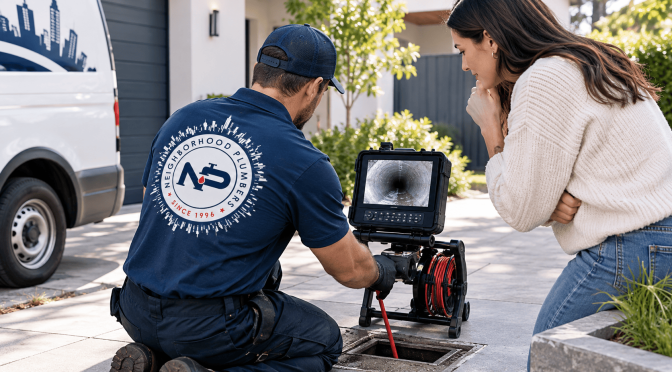
A small waterproof camera can be inserted into an accessible section of the drainage pipe. The camera provides a real-time view of the internal condition of the pipe.

This can reveal issues that cannot be accurately identified from the surface.

What Can Drain Camera Technology Show?

Depending on the quality of the equipment and conditions inside the pipe, camera inspection may help identify:

  • Tree-root intrusion
  • Cracks
  • Broken sections
  • Displaced pipe joints
  • Heavy buildup
  • Foreign objects
  • Structural deterioration
  • Collapsed sections
  • Certain connection problems
  • The approximate location of an obstruction

For CCTV Drain Inspection Broadmeadows, this type of investigation can be especially valuable when a blockage keeps returning or when the cause cannot be determined through ordinary inspection.

The objective is not to use a camera simply because it is available. It is to gather information that changes the repair decision.

Why Accurate Blockage Detection Matters?

Suppose a plumber discovers that a drain is blocked approximately several metres downstream.

That information alone may not explain why.

The obstruction could be:

  • A mass of accumulated debris
  • Tree roots
  • A damaged pipe
  • A foreign object
  • A structural defect causing repeated buildup

Accurate blockage detection helps separate these possibilities.

This distinction matters financially.

If the pipe is structurally sound and the blockage is caused by buildup, professional drain cleaning may be appropriate.

If the camera shows a collapsed pipe, cleaning alone will not permanently solve the problem.

If roots are entering through a damaged joint, simply clearing the roots may provide temporary flow but leave the underlying entry point unresolved.

Good diagnosis therefore helps prevent both under-treatment and unnecessary repair work.

Professional Drain Diagnostics: More Than Finding the Blockage

Professional drain diagnostics is not simply about finding where wastewater stops moving.

The plumber also needs to understand the condition of the surrounding drainage system.

Consider a drain that has blocked three times in six months.

If the plumber only clears the blockage, the immediate symptom disappears.

But a diagnostic approach asks:

Why does this keep happening?

The answer might be:

  • Persistent grease buildup
  • Root intrusion
  • Pipe damage
  • Incorrect pipe configuration
  • A recurring foreign-object problem
  • A structural restriction

This difference between treating a symptom and identifying a cause is one of the most important aspects of professional plumbing.

Drain Cleaning: When Is It the Right Solution?

Drain Cleaning can be an effective solution when the pipe is structurally sound but restricted by accumulated material.

Depending on the type and location of the blockage, professional equipment may be used to clear debris and restore flow.

The appropriate method depends on what the inspection reveals.

For example:

Soft Organic Buildup

Grease, soap residue, and similar buildup may respond well to suitable cleaning techniques.

Heavy Accumulation

A more substantial restriction may require specialised equipment to restore the internal diameter of the pipe.

Tree Roots

Root intrusion may require a different approach, and the plumber should determine whether the roots are entering through damaged sections.

Structural Damage

If the pipe itself is cracked, collapsed, or badly displaced, cleaning is unlikely to be a permanent solution.

This is why cleaning should follow diagnosis rather than replace it.

Sewer Pipes: Why Underground Problems Can Be Difficult to Find

Underground Sewer Pipes are difficult to inspect from the surface because much of the drainage system is hidden beneath floors, gardens, driveways, or other structures.

Without suitable diagnostic equipment, a plumber may only know that water is not flowing properly.

A CCTV inspection can provide useful visual information without immediately digging up the property.

This can help determine whether excavation is actually necessary.

For homeowners, that distinction can be significant. Excavation may involve removing paving, garden areas or other surfaces. If the pipe is structurally sound and the blockage can be cleared without excavation, an invasive repair may not be necessary.

Conversely, if the camera identifies significant structural damage, the visual evidence can help explain why more extensive work is being recommended.

A Real-World Example: Recurring Kitchen Drain Blockage

Consider a Broadmeadows home where the kitchen sink has been slow for several months.

The homeowner uses a supermarket drain product and the water improves temporarily.

A few weeks later, the blockage returns.

A professional assessment might reveal significant grease accumulation further along the waste pipe.

The important finding is not simply that the drain is blocked. It is that the restriction is recurring because material has built up along the pipe.

The appropriate response may involve professional cleaning and practical advice about preventing further grease accumulation.

The homeowner avoids repeatedly paying for temporary fixes that do not address the actual cause.

Another Example: A Blockage Caused by Tree Roots

Now consider a property where the toilet and bathroom drains repeatedly back up.

The blockage has been cleared previously, but it returns.

A CCTV inspection may show roots entering the underground sewer pipe through a damaged joint.

This changes the repair conversation completely.

The immediate blockage can be addressed, but the homeowner also needs to understand that the pipe has a structural issue allowing roots to enter.

Without that information, repeated cleaning could become an ongoing expense.

Why Plumbers Should Not Recommend Major Repairs Too Early

There are situations where pipe replacement or excavation is appropriate. However, recommending major work before understanding the condition of the pipe can create unnecessary expense.

A responsible diagnostic process should establish the evidence for the recommendation.

For example, before proposing significant excavation, it can be useful to establish:

  • Where the fault is located
  • What caused the problem
  • Whether the pipe is damaged
  • Whether the damaged section is accessible
  • Whether cleaning can resolve the issue
  • Whether the problem is likely to recur

This does not mean every blockage requires a camera inspection.

A straightforward local blockage may be resolved without extensive diagnostics.

The technology becomes particularly useful when symptoms are recurring, severe, unexplained, or associated with underground drainage.

Signs You May Need CCTV Drain Inspection

Consider asking about a CCTV Drain Inspection when:

  • The same drain keeps blocking
  • Several fixtures are affected
  • The blockage returns shortly after cleaning
  • Tree roots are suspected
  • There is unexplained wastewater backup
  • The property has older underground drainage
  • A previous plumber could not identify the cause
  • You are being advised to undertake major excavation
  • There are concerns about damaged sewer pipes

A camera inspection is particularly useful when the information gained can influence the repair decision.

Common Mistakes Homeowners Make With Blocked Drains

Pouring Chemicals Down Every Blockage

Chemical drain products may not solve the underlying issue and can create additional safety concerns.

They should not be treated as a substitute for professional diagnosis when a blockage is severe or recurring.

Assuming Every Blockage Is the Same

A bathroom hair blockage and a tree-root obstruction in an underground sewer pipe are completely different problems.

Ignoring Slow Drainage

Slow drainage is often treated as a minor inconvenience.

In reality, it can be an early warning that a restriction is developing.

Repeatedly Paying for Temporary Clearing

If a drain blocks again and again, simply clearing it each time may not be economical.

The cause needs to be investigated.

Digging Before Diagnosing

Excavation should generally be based on evidence of an underground problem rather than guesswork.

How Homeowners Can Help the Plumber Diagnose the Problem?

You can make diagnosis easier by providing useful information.

Before the plumber arrives, think about:

  • Which fixtures are affected?
  • When did the problem first appear?
  • Has it happened before?
  • How frequently does it recur?
  • What was happening when the blockage started?
  • Have you used drain chemicals?
  • Is there any unusual smell?
  • Has wastewater backed up into another fixture?
  • Have there been recent renovations?
  • Are there large trees near underground drainage areas?

Even seemingly small details can help establish a pattern.

What to Ask Before Approving Drain Repairs?

Homeowners do not need to be drainage experts to ask sensible questions.

Consider asking:

  1. Where is the blockage located?
  2. What appears to be causing it?
  3. Is the pipe structurally damaged?
  4. Can the blockage be cleared without excavation?
  5. Is CCTV inspection recommended, and why?
  6. Is this likely to happen again?
  7. What repair options are available?
  8. What is the difference between the immediate fix and the long-term solution?

A professional should be able to explain the reasoning behind the recommendation in understandable language.

Plumbing Services Should Be Based on Evidence

Good Plumbing Services are not simply about responding quickly to a blocked drain.

Quality workmanship also involves appropriate diagnosis, clear communication, and selecting a repair that matches the actual condition of the drainage system.

Homeowners should be wary of two extremes:

  • A plumber who recommends major work without explaining the evidence
  • A temporary fix that repeatedly treats the symptom without investigating the cause

The right approach depends on the individual property and the evidence available.

Expert Tips for Preventing Recurring Drain Problems

Keep Grease Out of Kitchen Drains

Allow grease to cool and dispose of it appropriately rather than deliberately pouring large quantities down the sink.

Be Careful What Goes Down the Toilet

Toilets should not be treated as general waste disposal systems.

Use Suitable Drain Screens

Hair and food particles can be captured before they enter waste pipes.

Pay Attention to Slow Drainage

A drain that becomes progressively slower deserves attention before it becomes completely blocked.

Maintain Outdoor Drainage Areas

Keep visible drainage points clear of leaves and debris where appropriate.

Investigate Recurring Problems

If a blockage returns repeatedly, do not assume it is simply bad luck.

Recurring problems often provide valuable diagnostic information.

Final Thoughts

A blocked drain does not automatically mean a damaged pipe, and a temporarily cleared drain does not automatically mean the problem is solved.

The most effective approach is to understand what is happening inside the drainage system before deciding what work is necessary. A structured Drain Inspection Process helps plumbers move from symptoms to evidence, whether that involves basic inspection, flow assessment, professional drain diagnostics or CCTV drain camera technology.

For homeowners dealing with Blocked Drains in Broadmeadows, the goal should be more than getting water moving again. It should be understanding why the blockage happened, whether the problem is likely to return, and what solution makes sense for the condition of the pipe.

When recurring or unexplained drainage problems occur, CCTV Drain Inspection Broadmeadows services can provide valuable information about underground pipes without immediately resorting to excavation. Combined with appropriate Drain Cleaning Services in Broadmeadows, professional diagnosis can help homeowners choose a practical solution based on what is actually happening inside the drainage system.

In short, diagnose first, repair second. It is a straightforward principle, but it can save time, prevent repeated blockages, and help homeowners avoid unnecessary plumbing work.

FAQs

1. Why does my drain keep blocking after it has already been cleaned?

Repeated blockage usually indicates that the original problem may not have been fully addressed. There may be heavy buildup further inside the pipe, tree-root intrusion, structural damage, or another restriction. If the same drain repeatedly blocks soon after cleaning, a more detailed assessment such as CCTV inspection may help determine why the problem keeps returning.

2. Is CCTV drain inspection necessary for every blocked drain?

No. A simple, isolated blockage may be resolved without camera inspection. CCTV becomes more useful when the blockage is recurring, difficult to locate, associated with underground drainage, or when structural damage is suspected. The value of the camera is that it can provide information that changes the repair decision rather than simply adding another step to every plumbing job.

3. Can a CCTV camera find tree roots inside sewer pipes?

A suitable drain camera can often provide visual evidence of root intrusion inside accessible sections of a drainage pipe. It may show roots entering through cracks, joints or damaged sections. Identifying the location and extent of root intrusion helps the plumber determine whether the immediate issue can be cleared and whether the underlying pipe requires further attention.

4. Should I use drain chemicals before calling a plumber?

It is generally better not to rely on repeated chemical treatments for severe, recurring, or unexplained blockages. Chemical products may not address structural problems, foreign objects or root intrusion. They can also create additional handling considerations for anyone who later works on the drainage system. If the drain is repeatedly failing, professional diagnosis is a more useful long-term approach.

5. How do I know whether my blocked drain needs repair or just cleaning?

The condition and cause of the blockage determine the appropriate response. If the pipe is structurally sound and restricted by removable buildup, professional drain cleaning may be sufficient. If inspection shows a cracked, collapsed, badly displaced, or otherwise damaged pipe, cleaning may only provide temporary relief. This is why diagnosis should come before recommending significant repairs.
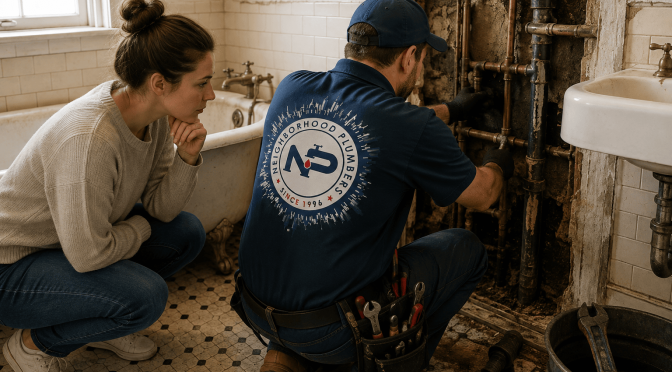
What We Found After Clearing Hundreds of Blocked Drains in Broadmeadows Homes

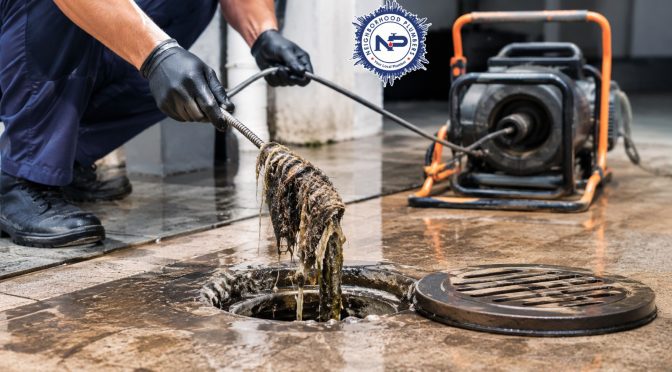
After clearing hundreds of residential drains, one pattern becomes clear: most blockages do not happen overnight. They are usually the result of months or years of grease, hair, food scraps, tree roots, foreign objects or damaged pipework gradually restricting the flow. Homeowners often notice the problem only when water starts draining slowly, a toilet backs up or an unpleasant smell appears.

Our experience dealing with Blocked Drains Broadmeadows has shown that understanding the cause is just as important as clearing the immediate blockage. A drain that repeatedly fails needs more than a quick fix. It needs the underlying problem identified and addressed.

Blocked Drains: What Hundreds of Jobs Taught Us

Every drainage call is slightly different, but recurring patterns appear when you look at a large number of homes. Some blockages are simple and can be cleared quickly. Others reveal deeper issues involving pipe condition, poor drainage habits or structural problems.

In Broadmeadows homes, the most useful question is not simply, “How do we unblock this drain?” It is, “Why did this drain block in the first place?”

That distinction matters because a temporary opening in the pipe does not necessarily mean the drainage system is healthy.

The Most Common Causes We Encounter

The causes vary depending on which part of the drainage system is affected. Common examples include:

  • Hair and soap residue in bathroom drains
  • Cooking grease and food waste in kitchen pipes
  • Excessive toilet paper or unsuitable items flushed down toilets
  • Tree roots entering damaged or ageing pipes
  • Foreign objects entering outdoor drains
  • Sediment and debris accumulating in external drainage lines
  • Collapsed, cracked or displaced pipe sections
  • Poorly maintained residential drainage systems

A blockage can also develop when several smaller problems combine. For example, a partially damaged pipe may already have restricted flow. Grease or debris then catches against the damaged section, allowing the blockage to grow much faster.

Common Drain Problems Broadmeadows Homeowners Should Watch For

The earliest warning signs are often easy to dismiss. A sink that takes a little longer to empty may not seem urgent. Neither does a toilet that occasionally bubbles or a shower that leaves a small amount of water around the drain.

However, these symptoms can indicate that the pipe is becoming restricted.

Common Drain Problems Broadmeadows homeowners experience often begin with changes in drainage performance rather than a complete blockage.

Slow Draining Water

Slow drainage is one of the most useful early warning signs. When a basin, shower or sink empties more slowly than usual, something may be restricting the pipe.

It does not automatically mean a major sewer problem. A localised buildup near the fixture may be responsible. But if several fixtures begin draining slowly at approximately the same time, the issue may be further along the drainage line.

Gurgling Sounds

Gurgling can occur when air is moving through water in a partially restricted drainage system. If a toilet gurgles when the shower is running, or a sink makes unusual sounds when another fixture is used, it is worth investigating.

The sound itself does not identify the exact cause. It is a clue that the drainage system may not be flowing or ventilating as it should.

Bad Drain Smells

A persistent sewage or rotten smell can indicate stagnant water, organic buildup or a drainage problem. Sometimes the smell comes from a dry trap, but repeated odours should not simply be covered with air fresheners.

The source needs to be identified, particularly if unpleasant smells are accompanied by slow drainage or bubbling fixtures.

Recurring Drain Blockages Are a Warning Sign

A drain that blocks once may simply have encountered an isolated problem. A drain that blocks every few weeks or months is different.

Recurring drain blockages often indicate that the original cause has not been fully addressed.

For example, plunging may restore flow temporarily, but it does not necessarily remove accumulated material from the pipe. Similarly, clearing an obstruction near a fixture will not solve a damaged pipe further downstream.

If the same drain repeatedly causes trouble, homeowners should consider whether the issue involves:

  1. Incomplete blockage removal
  2. Heavy buildup inside the pipe
  3. Tree root intrusion
  4. Damaged or displaced pipework
  5. Poor drainage design
  6. A larger obstruction in the sewer line

The frequency of recurrence can be useful diagnostic information for a plumber.

Drain Cleaning: Why the First Attempt Matters

Effective Drain Cleaning Broadmeadows residents can rely on should focus on restoring proper flow rather than simply creating a small opening through the obstruction.

Different blockages require different approaches. A minor buildup may respond to appropriate mechanical cleaning, while a substantial obstruction may require more comprehensive equipment.

The plumber should first establish what is happening and where the restriction is located. This helps prevent unnecessary work and reduces the risk of repeatedly treating the wrong section of pipe.

Clearing Is Not the Same as Fixing

This is an important distinction homeowners sometimes overlook.

If a drain is blocked by grease, removing the buildup may resolve the immediate problem. But if the grease has accumulated because the pipe has poor flow or has a damaged section, the same problem can return.

Likewise, removing tree roots can restore drainage temporarily, but root growth often indicates that the pipe has a weakness or opening that allowed roots to enter.

The goal should be to restore reliable drainage and understand what caused the failure.

Residential Drainage Systems Have Several Connected Parts

A home’s drainage network is more than the visible plughole. Water from sinks, showers, toilets and other fixtures moves through a network of pipes before reaching larger drainage or sewer infrastructure.

Because these components are connected, a problem that appears in one location may originate elsewhere.

For example, if multiple fixtures back up at the same time, the blockage may be further downstream than the individual fixtures. Clearing only the nearest drain may therefore provide little lasting improvement.

Understanding how residential drainage systems connect allows a plumber to investigate the symptoms in context rather than treating every fixture as an isolated problem.

CCTV Inspection: When a Camera Tells the Bigger Story

When a blockage keeps returning, a CCTV Inspection can provide information that traditional clearing methods cannot.

A small inspection camera can be guided through accessible drainage pipework to help identify issues such as:

  • Tree root intrusion
  • Cracked pipes
  • Broken sections
  • Joint displacement
  • Heavy internal buildup
  • Foreign objects
  • Structural deterioration
  • Locations where the pipe condition changes

The advantage is that the plumber can see what is happening inside the pipe rather than relying entirely on surface symptoms.

Why CCTV Inspection Can Prevent Guesswork

Imagine a homeowner has experienced three blockages in six months. Each time, the drain is cleared and the water flows again. Without investigating further, the homeowner may continue paying for repeated emergency callouts.

A camera inspection may reveal a cracked section of pipe where debris repeatedly collects.

In that situation, another round of basic clearing may only postpone the next failure. Identifying the damaged section gives the homeowner better information about whether repair or replacement is appropriate.

Tree Roots and Drainage Problems

Tree roots are a common cause of persistent drainage trouble when they gain access to vulnerable pipe joints or damaged sections.

Roots naturally seek moisture. A small opening in a drainage pipe can therefore become an entry point. Once inside, roots can grow and catch toilet paper, grease and other debris, gradually reducing the pipe’s internal diameter.

Root intrusion does not necessarily mean that every nearby tree must be removed. The important step is understanding why the roots entered the pipe and assessing the condition of the affected section.

Repeatedly removing roots without addressing the damaged pipe may result in the problem returning.

Sewer Repairs: When Clearing Is No Longer Enough

Not every blockage requires pipe repair. However, when inspection reveals structural damage, continued cleaning may not be the best long-term solution.

Sewer Repairs may be considered when pipes are cracked, collapsed, severely displaced or otherwise unable to carry wastewater effectively.

The appropriate repair method depends on factors such as:

  • Location of the damaged section
  • Depth of the pipe
  • Extent of structural damage
  • Accessibility
  • Surrounding landscaping or structures
  • Pipe material and condition
  • Local requirements
  • Cost and expected service life

A professional should explain the findings and available options rather than automatically recommending the most extensive solution.

What Homeowners Often Get Wrong About Drain Blockages

Some drainage habits are based on common assumptions that do not always hold up in practice.

“If Water Is Flowing, the Drain Is Fine”

Not necessarily. A partially restricted pipe can still drain water for weeks or months before eventually becoming completely blocked.

A slow drain should be treated as an early warning rather than something that must wait until the water stops completely.

“Boiling Water Solves Every Kitchen Blockage”

Hot water may help with some greasy residue, but it cannot reliably clear every blockage. It also should not be treated as a substitute for proper diagnosis when drainage is repeatedly restricted.

The safest approach is to understand what material is causing the blockage before deciding how to address it.

“Chemical Drain Cleaners Are a Permanent Solution”

Chemical products may appear convenient, but repeatedly relying on them does not address structural problems, root intrusion or major physical obstructions.

If the drain keeps blocking, repeated chemical treatment can delay proper diagnosis while the underlying issue continues.

“Only Old Homes Get Drain Problems”

Age can influence pipe condition, but newer properties are not immune to drainage issues. Construction debris, inappropriate materials, landscaping changes, poor installation or everyday usage can all contribute to blockages.

The condition of the individual drainage system matters more than simply the age of the home.

A Local Plumber Looks at the Pattern, Not Just the Blockage

The value of local plumbing expertise goes beyond knowing how to clear a blocked pipe. Experienced plumbers see recurring patterns and can use information from the property and the homeowner’s history to guide an investigation.

For example, knowing that a particular drain has blocked three times in the past year changes the approach. So does knowing that the problem occurs after heavy rainfall, only when multiple fixtures are used or only in a particular section of the home.

What to Tell Your Plumber

Before a plumbing visit, homeowners can provide useful information by noting:

  • Which fixtures are affected
  • When the problem started
  • Whether drainage became gradually slower
  • Whether multiple drains are affected
  • Whether there are unusual smells or sounds
  • How often the blockage has occurred
  • Whether previous repairs or cleaning were performed
  • Whether recent landscaping or construction work took place

These details can help the plumber understand the history before beginning the investigation.

Practical Ways to Reduce Future Blockages

No household can eliminate every drainage problem, but sensible maintenance can reduce avoidable blockages.

Keep Grease Out of Kitchen Drains

Cooking fats and grease can cool and accumulate inside pipes. Instead of pouring them down the sink, allow them to cool and dispose of them appropriately.

Use Hair Catchers in Showers

A simple drain screen can capture hair before it enters the pipe. It will not stop every type of blockage, but it can reduce one of the most common bathroom drainage contributors.

Be Careful What Goes Down the Toilet

Toilets should not be treated as general waste disposal systems. Items that do not break down appropriately can contribute to blockages further along the drainage line.

Respond to Slow Drainage Early

Waiting until a drain completely stops can turn a manageable restriction into an urgent problem. If a drain is repeatedly slow, investigate the cause before the situation escalates.

When Should You Call a Professional?

A professional assessment becomes particularly important when:

  • Several fixtures are affected.
  • Wastewater is backing up.
  • The same drain repeatedly blocks.
  • There is a strong sewage smell.
  • You hear persistent gurgling.
  • Outdoor drains overflow.
  • You suspect tree roots.
  • Previous clearing attempts have failed.
  • The problem returns shortly after cleaning.

A single blocked basin may be relatively straightforward. Multiple affected fixtures or recurring failures deserve a broader assessment because they can indicate an issue further down the drainage network.

Expert Advice: Don’t Wait for the Worst Symptom

One of the clearest lessons from dealing with hundreds of drainage problems is that homeowners often wait for a complete blockage before taking action.

That is understandable. A slightly slow shower drain is easy to ignore when everything else in the house works normally.

But drainage systems often provide warnings before they fail completely. Slow flow, gurgling, recurring smells and repeated minor blockages are useful clues.

Acting on those clues can make diagnosis simpler and may reduce the chance of emergency damage or repeated callouts.

The Real Lesson From Hundreds of Broadmeadows Drain Jobs

The biggest takeaway is that a blocked drain should be treated as information, not simply an inconvenience.

Sometimes the cause is straightforward: hair, food waste or a localised buildup. Sometimes it reveals tree root intrusion, damaged pipework or another issue that requires further investigation.

The difference between a short-term fix and a lasting solution often comes down to identifying the cause.

For homeowners experiencing Blocked Drains Broadmeadows, paying attention to early warning signs and seeking appropriate professional assessment can help protect the wider drainage system. When a blockage is recurring, techniques such as CCTV inspection can provide valuable evidence before decisions about repairs are made.

Neighbourhood Plumbers takes a practical approach to drainage problems, focusing on understanding the cause rather than treating every blockage as an isolated event. Their local experience can be useful when homeowners need help interpreting recurring drainage symptoms and deciding what should be investigated next.

If your home has experienced repeated blockages, slow drainage or unexplained wastewater problems, Neighbourhood Plumbers can assess the situation and explain the practical options. The aim should always be reliable drainage and an informed repair decision, rather than simply getting water moving again for a few days.

Frequently Asked Questions

1. Why do my drains keep blocking?

Repeated blockages can be caused by heavy buildup, tree roots, damaged pipes, unsuitable materials entering the drainage system or an obstruction further downstream. If the same drain blocks repeatedly after being cleared, the recurring problem deserves further investigation. A professional may recommend inspection methods that can identify whether the issue is inside the pipe rather than at the visible drain opening.

2. How can I tell if a blockage is serious?

A blockage becomes more concerning when multiple fixtures are affected, wastewater backs up, sewage smells persist or the same drain repeatedly fails. These symptoms can indicate a restriction further along the drainage system. Acting early is generally preferable to waiting until wastewater overflows, particularly where toilets, showers and other fixtures are connected to the same drainage line.

3. When is a CCTV drain inspection useful?

A camera inspection is particularly useful when blockages keep returning, previous clearing attempts have not solved the problem or there is suspicion of root intrusion or damaged pipework. It allows the condition and location of an internal problem to be assessed visually. This information can help determine whether further cleaning, repair or another solution is appropriate.

4. Can tree roots cause blocked drains?

Yes. Tree roots can enter vulnerable drainage pipes through cracks, gaps or damaged joints. Once inside, they can grow and trap debris, gradually restricting water flow. Removing the roots may restore drainage, but if the pipe remains damaged, the roots may return. The long-term approach depends on the condition and location of the affected pipe.

5. Should I wait until a drain is completely blocked before calling a plumber?

No. Slow drainage, gurgling, recurring odours and repeated minor blockages can all provide useful early warnings. Waiting until a drain completely fails may make the situation more disruptive and can increase the risk of wastewater backing up. Early professional assessment can help identify whether the problem is a simple restriction or a sign of a larger drainage issue.

Why Older Homes in Broadmeadows Experience Different Plumbing Problems Than Newer Properties?

An older home can have plenty of character, but its plumbing system may tell a very different story.

While a newer property is generally built around contemporary plumbing standards, older houses may contain ageing pipes, outdated fittings, deteriorated seals, modified pipework, or drainage systems that have been repaired several times over the years. These differences can make plumbing problems in established Broadmeadows properties more complicated than the symptoms initially suggest.

A dripping tap, slow drain, low water pressure, or recurring leak may appear to be a small maintenance issue. In some older homes, however, it can indicate a wider problem within the plumbing system.

Understanding these differences can help homeowners identify problems earlier, budget for repairs more realistically, and know when professional assessment is worthwhile.

For homeowners looking for Plumbers in Broadmeadows, the important consideration is not simply fixing the visible symptom. It is understanding why the problem is occurring and whether the underlying plumbing infrastructure needs attention.

Why Older Broadmeadows Homes Can Have Different Plumbing Needs?

The age of a property does not automatically mean its plumbing is poor. Many older homes have been renovated, partially repiped, or carefully maintained throughout their lifetime.

The challenge is that plumbing systems evolve.

A house may originally have been built with one configuration and then changed when:

  • A bathroom was renovated
  • A kitchen was extended
  • A laundry was relocated
  • Additional fixtures were installed
  • A hot water system was replaced
  • Drainage was modified
  • Previous leaks required repairs

This means two houses of a similar age can have very different plumbing conditions.

Newer homes are more likely to have plumbing systems designed as a complete installation using contemporary materials and planning principles. Older properties can instead have a mixture of original components and newer replacement sections.

That mixture is one reason why diagnosis matters.

Understanding Ageing Plumbing Systems

Ageing plumbing systems can develop problems gradually rather than failing all at once.

A pipe may continue functioning for years while its internal condition slowly deteriorates. Connections can loosen, seals can degrade, and mineral deposits can build up inside certain plumbing components.

Homeowners may notice symptoms such as:

  • Reduced water flow
  • Persistent dripping
  • Discoloured water
  • Repeated blockages
  • Damp areas
  • Unusual plumbing noises
  • Leaking joints
  • Slow drainage
  • Recurring toilet problems

Not every symptom means the entire plumbing system needs replacement.

An experienced plumber should determine whether the issue is isolated or part of a larger pattern.

Why Material Matters?

The materials used in an older property can influence the type of maintenance it requires.

Different pipe materials have different characteristics, service lives, and failure patterns. Some older systems may also contain components that are no longer commonly installed in modern residential construction.

If a repair involves connecting new components to older pipework, the connection needs to be appropriate for both systems.

This is where local plumbing expertise can be valuable. Someone assessing an established property needs to look beyond the newest fixture and understand how the existing system fits together.

Older Home Plumbing Problems Homeowners Should Recognise

Older Home Plumbing Problems are not always dramatic. In fact, many begin with small warning signs that are easy to overlook.

1. Recurring Leaks

One isolated dripping tap may be straightforward to repair.

Repeated leaks in different parts of the home deserve more attention.

If a property develops leaks around multiple fittings, connections, or pipe sections, it may be worth investigating the overall condition of the plumbing rather than treating every incident independently.

2. Low or Inconsistent Water Pressure

Water pressure can be affected by several factors, including supply conditions, valves, restrictions, fixture condition, and pipework.

In an older home, internal pipe deterioration or buildup can contribute to reduced flow.

A homeowner might notice that the shower pressure is acceptable at one time of day but noticeably weaker when several fixtures are operating.

The correct solution depends on identifying the actual cause.

Replacing a showerhead may improve the experience temporarily, but it will not solve an underlying pipework problem.

Water Pressure Problems in Older Properties

What Low Water Pressure Can Tell You?

Low water pressure or poor flow should not automatically be blamed on old pipes.

Possible causes include:

  • Partially closed valves
  • Blocked aerators
  • Faulty pressure-reducing equipment
  • Restrictions in pipework
  • Fixture problems
  • Supply-side issues
  • Leaking pipes
  • Multiple fixtures operating simultaneously

A useful first step is to determine whether the problem affects one fixture or the whole property.

If only one tap has poor flow, the fixture itself may be responsible.

If multiple fixtures throughout the house experience reduced flow, a broader assessment may be appropriate.

A Practical Example

Imagine an older Broadmeadows home where the kitchen tap works reasonably well, but the bathroom shower has become increasingly weak.

Replacing the showerhead might appear to be the obvious answer.

However, if the bathroom basin and toilet supply also show unusual symptoms, investigating the supply line and associated plumbing may provide a better explanation.

This is why good Home Plumbing diagnosis begins with patterns rather than assumptions.

Drainage Problems Can Become Recurring Issues

Drainage is another area where older homes can behave differently from newer properties.

A blocked sink or shower drain is common in any house, but recurring blockages deserve attention.

Potential causes include:

  • Hair and soap buildup
  • Grease accumulation
  • Foreign objects
  • Tree roots
  • Damaged drainage pipes
  • Poor pipe gradients
  • Collapsed or displaced sections
  • Long-term sediment accumulation

Why Repeated Blockages Matter?

Suppose a homeowner clears a blocked drain every few months.

Each blockage may appear to be a separate event. But if the same drain repeatedly slows down, the underlying drainage system may need investigation.

Continuously using chemical drain products can also be a poor long-term strategy. Some products may temporarily clear an obstruction without addressing structural problems deeper in the system.

Professional diagnosis can help determine whether the issue is a local blockage or a larger drainage problem.

Plumbing Repairs in Older Homes Require More Investigation

A repair in a newer property can sometimes involve replacing a clearly accessible component.

Older properties may be less predictable.

A plumber may encounter:

  • Limited access to pipework
  • Multiple pipe materials
  • Previous repairs
  • Hidden connections
  • Altered layouts
  • Difficult-to-reach valves
  • Deteriorated fittings

This does not necessarily make every repair expensive or complicated. It simply means the condition of the existing system should be considered before work starts.

Repair or Replace?

This is one of the most important decisions for homeowners.

A repair may be sensible when the problem is isolated and the surrounding pipework is in good condition.

Replacement may be more appropriate when:

  • Leaks are recurring
  • Several sections are deteriorating
  • Repairs are becoming frequent
  • Pipework is significantly compromised
  • The existing configuration creates repeated problems
  • Access makes repeated repairs impractical

A trustworthy professional should explain the reasoning behind the recommendation rather than automatically pushing for the largest possible project.

When Pipe Replacement Makes More Sense?

Pipe Replacement can be a major undertaking, so it should not be recommended without a clear reason.

However, constantly repairing failing sections can eventually become less practical than addressing the underlying issue.

Signs That Replacement May Need Investigation

Consider getting professional advice if you notice:

  • Multiple leaks over a short period
  • Persistent low flow
  • Repeated pipe failures
  • Visible corrosion or deterioration
  • Water quality concerns associated with internal plumbing
  • Frequent emergency repairs
  • Significant damage to accessible pipework

The appropriate replacement approach depends on the property’s plumbing configuration, access, materials, and the condition of the surrounding system.

Partial Replacement vs Whole-System Replacement

Not every older property requires complete repiping.

Sometimes replacing a particular section is enough.

In other cases, the plumbing has deteriorated across multiple areas, making a broader project more logical.

The decision should be based on evidence, not simply the age of the house.

Residential Plumbing in Broadmeadows Requires Property-Specific Thinking

Residential Plumbing in Broadmeadows covers a wide range of property types and plumbing configurations.

A modern townhouse, an established family home, and a substantially renovated older property may all have different plumbing requirements.

For this reason, homeowners should be cautious about assuming that a repair method that worked in one property will automatically work in another.

A professional assessment should take the individual property into account.

Why Previous Renovations Matter?

Renovations can conceal important information about a plumbing system.

For example, a bathroom may have modern tiles and fixtures while older pipework remains behind the walls.

Similarly, a kitchen renovation may have upgraded visible plumbing while leaving older drainage infrastructure beneath the property.

The visible age of a bathroom is therefore not always a reliable indicator of the age of the plumbing behind it.

Signs Your Older Home Needs a Plumbing Inspection

Not every plumbing problem requires an immediate full inspection.

However, certain combinations of symptoms should encourage homeowners to investigate further.

Consider professional assessment when you experience:

Repeated Problems

One blocked drain is common. Repeated blockages suggest something worth investigating.

Multiple Leaks

Leaks occurring in different areas can indicate that the plumbing system needs closer evaluation.

Persistent Odours

Unpleasant drainage smells may result from traps, blockages, ventilation problems, or other drainage issues.

Unexplained Dampness

Damp spots around walls, floors, cabinets, or ceilings should not be ignored, particularly when their source is unclear.

Sudden Changes in Water Flow

A significant change in water flow or pressure throughout the property deserves attention.

Unusual Pipe Noises

Banging, knocking, whistling, or other unusual sounds can sometimes indicate pressure, valve, or pipe-support issues.

The specific cause cannot be determined from the symptom alone, which is why inspection and diagnosis are important.

Common Mistakes Homeowners Make With Older Plumbing

Mistake 1: Treating Every Leak as a Separate Problem

Replacing one failed fitting without considering previous failures can result in a cycle of repeated repairs.

Keep a record of recurring plumbing issues. A pattern can help a professional identify whether the problem is isolated.

Mistake 2: Waiting Until a Small Problem Becomes an Emergency

A minor leak can be easier to manage than a major water-loss event.

If a problem keeps returning, investigate it before it causes additional damage.

Mistake 3: Assuming Modern Fixtures Fix Old Plumbing

Installing a new tap, shower, or toilet can improve a fixture’s performance, but it does not automatically upgrade the pipework supplying it.

Mistake 4: Choosing a Repair Based Only on Price

The cheapest immediate repair is not necessarily the most economical solution over several years.

Compare the immediate cost with the likelihood of repeat repairs and the condition of the surrounding system.

Mistake 5: Ignoring Access

Some older homes have plumbing located in difficult-to-access areas.

Before renovating, consider whether valves, connections, and service points will remain accessible after the work is completed.

Practical Plumbing Maintenance Tips for Older Homes

Good maintenance cannot stop every plumbing failure, but it can help homeowners identify problems earlier.

Monitor Water Usage

An unexplained increase in water consumption can sometimes indicate a leak.

Review your water bills and investigate unusual changes.

Check Under Sinks

Occasionally inspect cabinets beneath kitchen and bathroom sinks for:

  • Dampness
  • Staining
  • Corrosion
  • Drips
  • Musty smells

Early detection can prevent a small leak from becoming a larger problem.

Pay Attention to Drain Speed

A drain that becomes progressively slower should not necessarily be treated with repeated chemical products.

Track recurring drainage problems and seek appropriate advice if they continue.

Know Where Your Main Water Shut-Off Is

Every homeowner should know how to shut off the property’s water supply in an emergency.

This can reduce the amount of water released if a significant pipe failure occurs.

Do Not Ignore Small Changes

A small change in water pressure, unusual noise, or recurring dampness may provide an early warning.

Addressing warning signs early can sometimes prevent more extensive damage.

Expert Advice for Managing Older Plumbing

When dealing with an established home, the best approach is usually diagnosis first, intervention second.

Before approving substantial work, ask the plumber:

  • What is causing the problem?
  • Is the issue isolated?
  • What condition is the surrounding pipework in?
  • Is repair or replacement more appropriate?
  • What evidence supports the recommendation?
  • Are there signs of a broader drainage issue?
  • Will the proposed repair work work with the existing plumbing?
  • What maintenance should be expected afterward?

A professional who explains these points clearly is giving you useful information rather than simply selling a service.

Keep a Record of Plumbing Work

Older properties benefit from having a simple record of completed plumbing work.

Keep information about:

  • Major repairs
  • Pipe replacements
  • Hot water system installations
  • Bathroom renovations
  • Drainage work
  • Recurring issues

This history can help future plumbers understand what has already been changed.

It can also prevent unnecessary diagnostic work.

How Local Plumbing Expertise Helps?

Local experience does not mean every plumbing problem has a uniquely “Broadmeadows” solution.

Instead, local professionals are familiar with the types of residential properties, renovation patterns, and practical plumbing challenges commonly encountered in the area.

That experience can be useful when assessing an older property where the original plumbing may have been modified several times.

The most valuable expertise is the ability to distinguish between:

  • A simple fixture problem
  • A localised pipe repair
  • A drainage obstruction
  • A recurring infrastructure issue
  • A problem requiring broader investigation

That distinction can save homeowners from unnecessary work while ensuring significant problems are not overlooked.

When to Call a Professional Plumber?

Some basic maintenance tasks are reasonable for homeowners, but plumbing problems involving concealed pipework, significant leaks, drainage infrastructure, or major alterations are better assessed professionally.

Seek professional assistance when:

  • Water is leaking from concealed areas
  • Multiple fixtures have low flow
  • A drain repeatedly blocks
  • You cannot identify the source of dampness
  • A pipe has burst
  • There is significant water damage
  • Plumbing modifications are required
  • A recurring issue keeps returning after repairs

If water is actively escaping, shutting off the water supply where safe to do so can help limit damage while professional assistance is arranged.

Conclusion

Older properties in Broadmeadows can have plumbing challenges that differ from those found in newer homes because their systems may have experienced decades of use, repairs, renovations, and modifications.

The key lesson is not that every older house needs new pipes. It is that homeowners should look at the plumbing system as a whole rather than treating every symptom as an isolated event.

Recurring leaks, low Water Pressure, slow Drainage, unusual noises, and repeated Plumbing Repairs can all provide useful clues about the condition of an ageing system.

For homeowners considering Plumbers in Broadmeadows, a careful assessment can help determine whether a problem needs a straightforward repair, targeted Pipe Replacement, or more comprehensive investigation.

Ultimately, the goal is reliable Home Plumbing that works safely and efficiently for the people living in the property. Understanding the difference between an ageing component and a broader system problem is one of the best ways to make informed decisions, control unnecessary costs, and protect an older home for the years ahead.

FAQs

1. Are older homes more likely to have plumbing problems than newer homes?

Older homes are not automatically more problematic, but their plumbing may contain older materials, fittings, and previous modifications. Over time, components can wear, repairs can accumulate, and drainage or supply systems can change. This can make diagnosis more complicated than in a newer property with a recently installed plumbing system.

2. How can I tell whether my older home’s pipes need replacement?

There is no single symptom that proves a property needs repiping. Multiple leaks, recurring failures, persistent flow problems, visible deterioration, or frequent plumbing repairs can justify an assessment. A plumber should evaluate the condition and extent of the problem before recommending partial or complete replacement.

3. Can low water pressure be caused by old plumbing?

It can be, but low pressure has many possible causes. A partially closed valve, restricted fixture, supply issue, pressure-control equipment, leaking pipe, or deteriorated internal pipework could contribute. The first step is determining whether the problem affects one fixture or multiple areas of the home.

4. Why do older homes sometimes have recurring blocked drains?

Recurring blockages can result from repeated buildup, damaged drainage pipes, root intrusion, poor gradients, or other underlying drainage problems. If the same drain repeatedly becomes blocked, continually clearing the symptom may not solve the cause. Professional assessment can help identify what is happening further along the drainage system.

5. Should I replace all my plumbing when renovating an older bathroom?

Not necessarily. A bathroom renovation may provide an excellent opportunity to inspect accessible pipework, but complete replacement is not automatically required. The decision should depend on the condition, material, accessibility, age, previous repair history, and expected performance of the existing plumbing. A targeted replacement may be sufficient in some properties, while others may justify broader work.

DIY Plumbing Repairs vs Hiring a Licensed Plumber in Broadmeadows: What Actually Saves Money?

A dripping tap can look like a five-minute job. A slow drain may seem like something a bottle of drain cleaner can solve. Even a leaking pipe might appear manageable after watching a few online tutorials.

But plumbing is one of those areas where a small mistake can quickly become an expensive problem.

This is why homeowners often ask whether DIY Plumbing vs Professional repairs are the better choice. The answer depends on the type of problem, your experience, the tools available, and the potential consequences if something goes wrong.

For homeowners searching for Plumbers in Broadmeadows, the real question should not simply be, “How much will a plumber charge?” It should be, “What will this repair cost if I attempt it incorrectly?”

Some minor maintenance tasks are perfectly reasonable to handle yourself. Others require proper diagnosis, specialised equipment, plumbing knowledge, and professional workmanship.

Understanding that difference can help you save money while protecting your home from avoidable water damage and repeated repairs.

DIY Plumbing vs Professional: Understanding the Real Cost

The biggest mistake homeowners make when comparing DIY repairs with professional plumbing is looking only at the upfront cost.

A DIY repair might appear inexpensive because you are not paying labour charges. However, the actual cost can include tools, replacement parts, wasted materials, additional damage, and the time required to fix mistakes.

For example, imagine a homeowner notices a small leak beneath the kitchen sink. They tighten a connection, replace a washer, and assume the problem is solved.

A few days later, the cabinet base is damp again.

The original issue may have been a damaged fitting, deteriorated pipework, or a leak from another connection. What started as a simple repair has now caused water damage to the cabinet and flooring.

A professional assessment could have identified the underlying problem earlier.

This does not mean every plumbing issue requires a professional. It means homeowners should assess the risk and complexity of the repair, rather than simply comparing the price of a replacement part with a plumber’s invoice.

Licensed Plumber: When Professional Experience Matters

A Licensed Plumber brings more than the ability to tighten fittings or replace pipes.

Professional plumbing involves understanding how water supply systems, drainage, fixtures, pressure, pipe materials, and connections work together.

An experienced plumber can also identify signs of a larger problem that may not be obvious to a homeowner.

For example, a plumber investigating a blocked drain may discover:

  • Accumulated grease or debris
  • Tree-root intrusion
  • Damaged pipework
  • Incorrect pipe gradients
  • A recurring drainage problem
  • A partial obstruction deeper in the system

Simply clearing the visible blockage may provide temporary relief without addressing the reason it keeps returning.

This is where professional diagnosis can save money over time.

What Plumbing Problems Can You Safely Handle Yourself?

There are some basic household plumbing tasks that may be suitable for confident homeowners.

These generally involve limited risk and do not require modifications to the home’s plumbing system.

Depending on your experience, simple tasks may include:

  • Replacing a showerhead
  • Cleaning a removable tap aerator
  • Replacing certain tap washers
  • Cleaning accessible sink strainers
  • Clearing minor debris from a drain trap
  • Replacing a toilet seat
  • Tightening a visibly loose fixture connection

Even with these jobs, it is important to know your limits.

If you have to force a fitting, cut a pipe, disconnect a pressurised water line, alter drainage, or investigate water inside a wall, the job has moved beyond basic maintenance.

That is usually the point where professional help becomes the safer option.

Plumbing Repairs: Know When a Small Problem Is Not Small

One of the most useful skills a homeowner can develop is recognising warning signs.

A plumbing problem may look minor while indicating a much larger issue.

Watch for These Warning Signs

Pay attention to:

  • Water stains on walls or ceilings
  • Persistent dampness
  • Repeated drain blockages
  • Unusual pipe noises
  • Sudden changes in water pressure
  • Water pooling around fixtures
  • Persistent sewer smells
  • Damp cupboards beneath sinks
  • Toilets that frequently run or overflow
  • Multiple slow drains at the same time

If the same issue keeps returning after a DIY repair, do not keep replacing parts without finding the cause.

Repeated symptoms often mean the underlying problem has not been addressed.

Pipe Repairs Are Not Always a DIY Job

Pipework can be particularly risky for inexperienced homeowners.

A visible section of pipe may appear easy to replace, but the actual repair can involve pressure, pipe compatibility, hidden connections, access restrictions, and the condition of surrounding materials.

There is also a major difference between repairing an exposed pipe beneath a sink and repairing pipework inside a wall, ceiling, floor, or underground area.

A poorly completed repair can result in a slow leak that remains hidden for weeks or months.

By the time the damage becomes visible, the homeowner may be dealing with damaged plaster, cabinetry, flooring, insulation, or other building materials.

Professional pipe repairs are designed to address the immediate leak while considering the condition and configuration of the wider plumbing system.

Emergency Plumbing: When Waiting Can Cost More

Some plumbing problems should not be treated as weekend DIY projects.

A burst pipe, major water leak, overflowing toilet, sewage backup, or serious drainage failure can cause significant damage if left unresolved.

In these situations, Emergency Plumbing is about limiting damage as quickly as possible.

If water is actively escaping from a damaged pipe, the first priority is to shut off the appropriate water supply if it is safe and practical to do so.

Then seek professional assistance.

The longer water continues flowing into a building, the greater the potential for damage.

Trying several DIY solutions while water continues to spread can turn a plumbing emergency into a much larger restoration problem.

How Professional Plumbing Services Can Save Money

Professional plumbing services can sometimes seem more expensive because the initial invoice includes labour, expertise, equipment, and materials.

But the value is not limited to the repair itself.

A professional may be able to:

  1. Diagnose the actual cause of the problem.
  2. Identify related issues before they become serious.
  3. Use appropriate equipment for the job.
  4. Complete the repair correctly the first time.
  5. Explain what caused the failure.
  6. Recommend practical preventative measures.

This can reduce the likelihood of repeated repairs.

Consider a blocked kitchen drain. Pouring chemical cleaner into the pipe might temporarily improve drainage. If the blockage is caused by a deeper accumulation or damaged pipe, however, the problem may return.

A professional can investigate why the blockage occurred and determine the appropriate repair method.

That difference between treating a symptom and solving a cause is one of the biggest reasons professional work can provide better long-term value.

Local Plumber: Why Local Knowledge Can Be Useful

Choosing a Local Plumber can provide practical advantages when dealing with recurring household plumbing issues.

A local professional is familiar with the types of plumbing systems, property styles, and common issues found in the surrounding area.

For homeowners in Broadmeadows, this can be useful when dealing with older homes, renovations, drainage problems, or plumbing systems that have been modified over time.

Local service also makes it easier to arrange follow-up work if an issue requires additional attention.

However, homeowners should still check that the plumber is appropriately qualified, insured where applicable, and transparent about the proposed work.

Local availability should never replace professional standards.

Plumbing Safety Should Come Before Saving a Few Dollars

Plumbing involves water, pressure, drainage, and sometimes electrical systems located near wet areas.

That combination means safety should always be considered before attempting a repair.

Never take unnecessary risks to avoid a service call.

If you are unsure which valve controls a water supply, do not force it. If water is close to electrical equipment or outlets, avoid contact and seek appropriate assistance.

Similarly, do not cut into walls, floors, or ceilings without understanding what may be behind the surface.

There may be water pipes, electrical cables, structural components, or other services in concealed areas.

A professional approach is not about avoiding DIY entirely. It is about knowing when a task has become too risky or technically complicated to handle without appropriate expertise.

Common DIY Plumbing Mistakes That Become Expensive

Using Too Much Force

Plumbing fittings are not always designed to withstand excessive force.

Over-tightening can damage threads, fittings, washers, or fixtures.

A connection that stops leaking temporarily may later fail because the component was damaged during installation.

Mixing Incompatible Materials

Different plumbing materials may require specific connectors or installation methods.

Using an inappropriate fitting can create leaks or premature deterioration.

Relying on Chemical Drain Cleaners

Chemical drain products may appear to be an easy solution for blocked drains, but they do not address every type of blockage.

They can also create hazards during subsequent repair work.

If a blockage keeps returning, identifying the cause is usually more useful than repeatedly treating the symptom.

Replacing Parts Without Diagnosing the Problem

Buying a replacement cartridge, washer, seal, or valve based solely on appearance can result in wasted money.

The replacement part may not be the actual cause of the problem.

Ignoring Small Leaks

A slow leak is still a leak.

Water that repeatedly contacts cabinetry, flooring, walls, or other building materials can cause damage over time.

Do not assume a small leak is harmless simply because it is not producing a large amount of water.

Long-Term Plumbing Solutions Are Better Than Temporary Fixes

The cheapest repair today is not necessarily the cheapest solution over several years.

A temporary fix may cost less initially but require repeated attention.

A more complete repair may have a higher upfront cost while reducing future maintenance.

This is especially important for homeowners dealing with recurring problems.

For example, if the same bathroom drain blocks every few months, repeatedly clearing the blockage may become more expensive than investigating the drainage system properly.

Long-term plumbing solutions focus on the reason a problem occurs rather than simply restoring temporary function.

That approach can provide better value and greater peace of mind.

When Hiring a Licensed Plumber Is Usually the Better Choice

Professional help is generally worth considering when a plumbing task involves:

  • Hidden pipework
  • Major leaks
  • Burst pipes
  • Sewer problems
  • Persistent drainage issues
  • Water pressure problems
  • Gas-related plumbing work
  • Significant fixture replacement
  • Plumbing alterations during renovations
  • Work requiring specialised equipment
  • Problems that keep returning
  • Situations where you cannot identify the cause

If the repair requires opening walls or floors, changing pipe routes, modifying drainage, or working on complex systems, professional expertise becomes particularly valuable.

For homeowners looking for a Licensed Plumber in Broadmeadows, the focus should be on choosing someone who can explain the issue clearly and provide a practical repair strategy.

How to Decide: DIY or Professional?

Before picking up a wrench, ask yourself five questions:

1. Do I know exactly what is wrong?

If you are guessing, professional diagnosis may be worthwhile.

2. Can I complete the repair without cutting or modifying pipes?

If the answer is no, consider getting professional help.

3. What happens if I make the problem worse?

Think about potential water damage, property damage, and repair costs.

4. Do I have the correct tools and parts?

Using unsuitable equipment can cause further damage.

5. Is the problem affecting water, drainage, gas, or concealed pipework?

If so, professional assistance is generally the safer approach.

These questions help shift the decision from “Can I do this?” to “Is doing this myself actually the most economical option?”

Practical Ways to Save Money on Plumbing

Hiring a plumber does not mean you have to lose control of your budget.

There are several ways homeowners can reduce unnecessary costs.

Explain the Symptoms Clearly

Before the plumber arrives, note when the problem started and what you have observed.

For example, explain whether the drain is always slow or only becomes blocked after heavy use.

Good information can help the plumber diagnose the problem faster.

Deal With Problems Early

A small leak is usually easier to address than the damage caused by months of hidden moisture.

Likewise, repeated drain problems should be investigated before they become complete blockages.

Ask What the Repair Involves

A reputable professional should be able to explain the proposed work in understandable terms.

Ask what caused the problem, what needs to be repaired, and whether there are any important related issues.

Prioritise Necessary Work

Not every recommendation needs to be completed immediately.

Ask which repairs are urgent, which should be addressed soon, and which improvements can reasonably wait.

This allows you to make informed decisions based on both risk and budget.

Expert Advice: Think Beyond the Immediate Repair

One of the most useful lessons from real-world plumbing work is that recurring problems deserve investigation.

If a tap keeps leaking, a drain repeatedly blocks, or water pressure changes unexpectedly, do not simply keep replacing the same component.

Ask why it keeps happening.

This mindset can prevent homeowners from spending money on the same problem repeatedly.

It is also useful to keep basic records of plumbing repairs. Knowing when a fixture was replaced, what caused a previous leak, or when a drainage problem was last addressed can provide useful information for future maintenance.

Prevention matters too.

Regularly checking visible pipes, monitoring water usage, keeping drains free from inappropriate waste, and addressing leaks promptly can help reduce the likelihood of larger plumbing failures.

What Homeowners in Broadmeadows Should Look For in a Plumber

When comparing plumbing professionals, do not focus only on the quoted price.

Look for someone who:

  • Provides clear explanations
  • Is appropriately licensed for the work
  • Communicates the scope clearly
  • Gives transparent pricing where possible
  • Uses suitable materials
  • Takes safety seriously
  • Diagnoses the underlying problem
  • Does not pressure you into unnecessary work
  • Explains maintenance or prevention options

Good communication is especially important when the repair is complicated.

You should understand what is being repaired and why before work begins.

Final Thoughts on DIY Plumbing vs Professional Repairs

The decision between DIY and professional plumbing is not really about whether you can save the cost of a service call.

It is about understanding the total cost and risk of the repair.

Simple maintenance tasks may be reasonable for a capable homeowner. More complicated problems involving concealed pipes, major leaks, drainage, water pressure, or significant modifications are often better handled by an appropriately qualified professional.

For homeowners comparing Plumbers in Broadmeadows, the best approach is to look for long-term value rather than simply choosing the lowest upfront price.

A professional repair that solves the underlying problem can be more economical than several failed DIY attempts.

The goal is not to avoid DIY work. It is to know where DIY ends and professional plumbing begins.

When in doubt, prioritise plumbing safety, ask questions, understand the repair, and choose the solution that protects your home as well as your wallet.

Frequently Asked Questions

1. Is DIY plumbing always cheaper?

No. Simple jobs may cost less as DIY, but mistakes can create expensive leaks or property damage. Complex repairs are often better handled professionally.

2. When should I call a plumber?

Call a plumber for major leaks, burst pipes, recurring blockages, sewer problems, hidden pipe leaks, or repairs you cannot confidently diagnose.

3. Can I fix a leaking tap myself?

A simple washer or cartridge replacement may be manageable if you have the correct part and experience. If the leak continues, professional diagnosis is a better option.

4. Are blocked drains a DIY problem?

Minor surface blockages may sometimes be cleared safely. Recurring or severe blockages should be professionally inspected to find the underlying cause.

5. How can professional plumbing save money?

A professional can identify the actual cause of a problem and complete the repair correctly. This can prevent repeated repairs and reduce the risk of costly water damage.

How Early Leak Detection Saved a Broadmeadows Family Thousands in Water Damage Repairs

Water leaks are often silent, hidden, and surprisingly expensive. A tiny drip behind a wall or beneath a concrete slab may seem insignificant, but over weeks or months, it can cause severe structural damage, mould growth, soaring water bills, and costly repairs. That’s why identifying a Hidden Water Leak in Broadmeadows homeowners might never see has become one of the most valuable preventive steps in modern home maintenance.

For many families, early intervention makes the difference between a simple repair and a complete renovation. If you’re searching for experienced Plumbers in Broadmeadows, understanding how leak detection works—and why timing matters—can save you thousands while protecting your home’s value.

This article explores a realistic case study, expert insights, practical prevention tips, and the latest leak detection methods that every homeowner should know.

Why Hidden Water Leaks Are More Dangerous Than They Appear

Unlike a burst pipe that immediately demands attention, hidden leaks usually develop gradually.

They may occur:

  • Behind bathroom walls
  • Under kitchen cabinetry
  • Beneath concrete slabs
  • Inside ceiling cavities
  • Underground water lines
  • Around hot water systems

Because they remain out of sight, homeowners often don’t realize there’s a problem until secondary damage becomes obvious.

By then, repairs become significantly more expensive.

A Real-World Example: How Early Detection Prevented Major Damage

A family in Broadmeadows noticed something unusual.

Their quarterly water bill had increased by nearly 40%, despite no changes in household usage. At first, they suspected a billing error. A few weeks later, they also noticed:

  • Slight bubbling in hallway paint
  • Damp carpet near a bedroom wall
  • A faint musty smell after rainy days

Instead of waiting, they contacted experienced Plumbers in Broadmeadows to investigate.

Using modern leak detection equipment, technicians located a slow leak inside a concealed copper pipe behind the bathroom wall. Although the leak released only a small amount of water each day, it had already begun soaking insulation and timber framing.

Fortunately, the leak was discovered before significant structural deterioration occurred.

The family avoided:

  • Complete wall replacement
  • Flooring removal
  • Mould remediation
  • Electrical repairs
  • Cabinet replacement

Their repair costs remained limited to pipe replacement and minor plaster repairs—a fraction of what extensive water damage restoration would have cost.

Understanding Why Hidden Plumbing Leaks Develop

Aging Pipes

As plumbing systems age, corrosion gradually weakens metal pipes.

Even small pinhole leaks can develop over time.

Water Pressure Problems

Consistently high water pressure places additional stress on joints and fittings.

Over months or years, this stress may create hidden leaks.

Pipe Movement

Seasonal temperature changes cause pipes to expand and contract.

Repeated movement slowly loosens fittings.

Poor Previous Repairs

Temporary repairs sometimes fail long after homeowners believe the issue has been resolved.

Tree Root Intrusion

Outdoor plumbing systems frequently experience root intrusion that damages underground pipes.

These hidden plumbing leaks often remain undetected until significant water loss occurs.

Recognizing Early Warning Signs

One of the biggest mistakes homeowners make is ignoring subtle symptoms.

Common indicators include:

  • Unexpected increases in water bills
  • Damp walls
  • Bubbling paint
  • Ceiling stains
  • Mould growth
  • Musty smells
  • Reduced water pressure
  • Warm flooring in isolated areas
  • Constant sound of running water
  • Water meter movement when all taps are turned off

Even one of these signs deserves investigation.

Leak Detection Technology Has Changed

Modern plumbing no longer relies on guessing where leaks exist.

Professional Leak Detection today uses advanced, non-invasive technology that minimizes unnecessary wall or floor removal.

Common methods include:

Acoustic Listening Equipment

Sensitive microphones detect water escaping from pressurized pipes.

Thermal Imaging

Infrared cameras identify temperature differences caused by hidden moisture.

Moisture Mapping

Electronic moisture meters locate damp areas inside walls and flooring.

Pressure Testing

Pressure loss helps identify hidden plumbing failures.

CCTV Pipe Inspections

Small cameras inspect underground drainage systems without excavation.

These technologies improve accuracy while reducing repair costs.

Leak Detection Saves More Than Money

Early Leak Detection Broadmeadows services provide several long-term benefits.

Protects Structural Integrity

Continuous moisture weakens:

  • Timber framing
  • Plasterboard
  • Flooring
  • Cabinetry
  • Insulation

Preventing prolonged exposure helps preserve the home’s structure.

Reduces Mould Risk

Mould begins developing surprisingly quickly under suitable conditions.

Early leak repair limits moisture before mould colonies spread.

Improves Indoor Air Quality

Hidden moisture often contributes to poor indoor air quality.

Families with allergies or respiratory conditions may notice symptoms improving once leaks are repaired.

Lowers Utility Bills

Even small leaks waste thousands of litres annually.

Fixing them restores normal water consumption.

Water Damage Can Escalate Quickly

Flooring

Timber flooring absorbs moisture, causing:

  • Warping
  • Buckling
  • Discolouration

Walls

Gyprock loses strength after prolonged water exposure.

Paint begins peeling while internal framing may deteriorate.

Cabinetry

Kitchen and bathroom cabinets frequently swell beyond repair.

Electrical Systems

Water entering wall cavities creates potential electrical hazards.

Prompt intervention dramatically reduces these risks.

The Role of Early Leak Detection

Early leak detection is not simply about fixing today’s problem.

It also prevents tomorrow’s emergency.

Professional inspections often uncover:

  • Weak pipe joints
  • Corroded fittings
  • Developing slab leaks
  • Minor valve failures
  • Slow underground leaks

Addressing these issues proactively avoids much larger repairs later.

This demonstrates why early leak detection remains one of the smartest preventative investments homeowners can make.

Practical Ways Homeowners Can Monitor Their Plumbing

While professional inspections remain important, homeowners can identify early warning signs through regular observation.

Monthly habits include:

  • Checking under sinks
  • Inspecting exposed pipework
  • Monitoring water bills
  • Looking for ceiling stains
  • Testing water pressure
  • Examining outdoor taps
  • Watching for damp smells

Simple routine inspections often reveal problems before they become emergencies.

Common Misconceptions About Hidden Leaks

“No Visible Water Means No Leak”

False.

Many leaks remain concealed inside walls or beneath slabs for months.

“Small Leaks Aren’t Serious”

Tiny leaks often create the greatest long-term damage because they remain unnoticed.

“My Home Is Too New”

Even recently built homes can develop plumbing faults due to installation issues or manufacturing defects.

“I’ll Wait Until It Gets Worse”

Unfortunately, waiting almost always increases repair costs.

Early action consistently delivers better outcomes.

Why Local Plumbing Knowledge Matters

Every suburb presents unique plumbing characteristics.

Homes throughout Broadmeadows often vary in:

  • Pipe materials
  • Building age
  • Water pressure
  • Soil movement
  • Drainage systems

Professionals with local plumbing expertise understand these regional conditions and can often diagnose issues more efficiently than someone unfamiliar with the area’s infrastructure.

That local experience becomes especially valuable when investigating complex concealed leaks.

When Emergency Plumbing Becomes Necessary

Not every leak is an emergency.

However, immediate action is recommended when homeowners notice:

  • Rapid ceiling sagging
  • Burst pipes
  • Flooding
  • Major water pressure loss
  • Water near electrical outlets
  • Continuous water meter movement

Professional Emergency Plumbing services help minimize property damage while ensuring household safety.

Expert Advice From Years of Plumbing Experience

Experienced plumbers consistently recommend three simple strategies.

Never Ignore Higher Water Bills

Utility bills often provide the earliest warning of concealed leaks.

Investigate Minor Dampness Immediately

Even small damp patches deserve attention before they spread.

Schedule Preventive Plumbing Inspections

Homes over fifteen years old benefit greatly from periodic plumbing assessments.

These inspections frequently identify developing problems before homeowners notice visible symptoms.

Protecting Your Home With Preventive Plumbing Repairs

Routine Plumbing Repairs aren’t only about fixing problems.

They’re about preventing future ones.

Preventive maintenance may include:

  • Replacing worn valves
  • Updating aging pipework
  • Improving water pressure regulation
  • Inspecting flexible connections
  • Repairing minor joint leaks

These relatively inexpensive improvements help extend the lifespan of the entire plumbing system.

Choosing a Trusted Plumbing Professional

Leak detection requires experience, specialised equipment, and careful investigation—not guesswork.

When selecting a plumber, homeowners should look for:

  • Licensed professionals
  • Modern detection technology
  • Transparent communication
  • Accurate diagnosis
  • Long-term repair solutions
  • Local experience

Working with experienced professionals helps ensure repairs address the actual cause rather than only the visible symptoms.

Many homeowners rely on Neighbourhood Plumbers because of their practical approach to identifying concealed plumbing issues before they escalate into costly property damage. By combining advanced detection equipment with years of hands-on experience, Neighbourhood Plumbers focus on delivering accurate diagnoses and durable repair solutions rather than temporary fixes. Whether investigating an unusual water bill or responding to an urgent plumbing concern, Neighbourhood Plumbers understand that protecting a family’s home starts with finding the source of the problem as early as possible.

Conclusion

Hidden leaks rarely announce themselves with dramatic flooding. More often, they begin quietly, causing gradual damage that becomes increasingly expensive over time.

The Broadmeadows family’s experience demonstrates how identifying a Hidden Water Leak in Broadmeadows early prevented thousands of dollars in structural repairs. Whether the issue involves concealed pipework, slab leaks, or slow water loss inside walls, acting quickly can preserve your home’s value, improve safety, and reduce long-term costs.

If you notice rising water bills, unexplained dampness, or unusual plumbing behaviour, don’t wait for visible damage to appear. Early investigation by experienced Plumbers in Broadmeadows can often resolve a small issue before it turns into a major renovation project.

Frequently Asked Questions

1. How can I tell if I have a hidden water leak?

Look for warning signs such as unusually high water bills, damp patches, peeling paint, mould growth, musty odours, reduced water pressure, or a water meter that continues moving when no fixtures are being used. Even subtle changes are worth investigating.

2. What technology do plumbers use to detect hidden leaks?

Professional plumbers commonly use acoustic listening devices, thermal imaging cameras, moisture meters, pressure testing equipment, and CCTV drain cameras. These tools help locate leaks accurately while minimizing unnecessary damage to walls or floors.

3. Can a small hidden leak really cause major damage?

Yes. A slow leak may release only a small amount of water each day, but over weeks or months it can damage framing, flooring, insulation, plasterboard, cabinetry, and even electrical systems. Early repairs are almost always far less expensive than restoring water-damaged areas.

4. How often should my home’s plumbing be inspected?

Homes that are more than 10–15 years old can benefit from periodic plumbing inspections, especially if there have been previous leaks, fluctuating water pressure, or aging pipe materials. Regular checks help identify developing issues before they become emergencies.

5. Is leak detection worth the cost if I don’t see visible damage?

Absolutely. Professional leak detection can uncover concealed problems long before they cause significant property damage. In many cases, the cost of an inspection is minimal compared to the expense of repairing structural damage, mould growth, or replacing flooring and cabinetry caused by an undetected leak.

Why Plumbers in Broadmeadows Recommend a Twice-Yearly Home Plumbing Checklist?

Your home’s plumbing system works quietly in the background every day. You turn on a tap, flush a toilet, take a shower, or run the dishwasher without giving much thought to the network of pipes and fixtures that make daily life convenient. The problem is that plumbing issues rarely appear overnight. Most leaks, blockages, pressure problems, and pipe failures develop gradually, often going unnoticed until they become expensive repairs.

That’s exactly why experienced Plumbers in Broadmeadows encourage homeowners to complete a Home Plumbing Checklist at least twice a year. A simple seasonal inspection helps identify early warning signs before they develop into emergencies. Whether you own an older property or a newly built home, preventative maintenance can significantly reduce repair costs while improving water efficiency and protecting your property.

This guide explains why a twice-yearly inspection matters, what should be included in your Home Plumbing Checklist, and how regular Plumbing Maintenance Broadmeadows homeowners perform can extend the lifespan of their entire plumbing system.

Understanding Why Plumbing Problems Often Go Unnoticed

Unlike electrical faults that usually stop equipment immediately, plumbing systems often continue operating despite developing issues. A tiny leak behind a wall, a partially blocked drain, or slowly corroding pipes can remain hidden for months.

Many homeowners only discover problems when they notice:

  • Water stains on ceilings
  • Higher water bills
  • Damp smells
  • Low water pressure
  • Slow drains
  • Mould growth
  • Cracked walls or flooring caused by moisture

By this stage, repairs are often far more expensive than simple preventative maintenance.

Experienced plumbers regularly find that most major plumbing failures could have been avoided through routine inspections conducted every six months.

Why a Twice-Yearly Home Plumbing Checklist Makes Sense?

Seasonal weather changes place different types of stress on residential plumbing systems.

During cooler months, pipe contraction can expose weak joints, while warmer seasons often increase water usage, placing greater demand on fixtures and appliances.

Completing a Home Plumbing Checklist every spring and autumn helps homeowners identify seasonal issues before they become emergencies.

Benefits include:

  • Earlier leak identification
  • Reduced water wastage
  • Improved fixture performance
  • Better household hygiene
  • Lower maintenance costs
  • Longer plumbing system lifespan
  • Greater confidence during changing weather conditions

Rather than waiting for something to break, preventative maintenance keeps the entire system operating efficiently throughout the year.

Plumbing Maintenance: The Foundation of a Healthy Home

Why Regular Plumbing Maintenance Matters?

Routine Plumbing Maintenance is similar to servicing a vehicle. You may not notice immediate improvements after every inspection, but consistent care prevents larger mechanical failures.

Professional plumbers generally examine:

  • Water supply lines
  • Drainage systems
  • Hot water units
  • Kitchen plumbing
  • Bathroom fixtures
  • Outdoor taps
  • Isolation valves
  • Flexible hoses

These inspections often reveal small problems that homeowners overlook during everyday use.

For example, a flexible hose beneath a kitchen sink may appear perfectly normal while developing internal deterioration that eventually causes sudden flooding.

Replacing that inexpensive hose during routine maintenance is considerably cheaper than repairing water-damaged cabinetry.

Leak Detection: Finding Small Problems Before They Become Big Ones

Why Early Leak Detection Saves Thousands?

One of the most valuable parts of any Home Plumbing Checklist is effective Leak Detection.

Many plumbing leaks remain hidden because they occur inside:

  • Wall cavities
  • Roof spaces
  • Concrete slabs
  • Under sinks
  • Behind toilets
  • Garden irrigation lines

Signs worth investigating include:

  • Unexpected increases in water bills
  • Constantly running water meter
  • Musty odours
  • Peeling paint
  • Bubbling plaster
  • Soft flooring
  • Mould patches

Professional plumbers often use moisture meters, thermal imaging, and acoustic leak detection equipment to locate hidden leaks without unnecessary property damage.

Early detection protects both your plumbing system and your home’s structural integrity.

Water Pressure: Why Balance Is More Important Than Strength

Understanding Water Pressure

Many people assume stronger water pressure is always better.

In reality, excessively high Water Pressure places constant strain on:

  • Pipes
  • Flexible connectors
  • Washing machines
  • Dishwashers
  • Taps
  • Toilet valves
  • Hot water systems

Over time, excessive pressure accelerates wear throughout the plumbing system.

Conversely, low water pressure may indicate:

  • Hidden leaks
  • Pipe corrosion
  • Mineral build-up
  • Pressure regulator faults
  • Partially closed valves

Checking pressure during seasonal inspections allows plumbers to identify developing issues before expensive failures occur.

Maintaining balanced water pressure helps maximise appliance lifespan while improving daily comfort.

Pipe Repairs: Small Fixes Prevent Major Damage

When Minor Pipe Repairs Should Never Be Delayed?

One common mistake homeowners make is ignoring tiny plumbing issues because everything still appears to function normally.

Examples include:

  • Minor dripping joints
  • Surface corrosion
  • Loose fittings
  • Hairline cracks
  • Slow seepage

Although these issues seem insignificant, they rarely improve on their own.

Instead, water gradually weakens surrounding materials, eventually causing:

  • Timber rot
  • Wall damage
  • Flooring deterioration
  • Foundation moisture problems
  • Mould growth

Routine inspections allow minor Pipe Repairs to be completed while repairs remain straightforward and affordable.

Plumbing Inspection: What Professionals Actually Check

A Complete Plumbing Inspection Covers More Than Most People Expect

Professional inspections extend well beyond checking for visible leaks.

A thorough assessment usually includes:

Kitchen

  • Sink drainage
  • Mixer taps
  • Dishwasher connections
  • Water filters
  • Waste pipes

Bathroom

  • Shower heads
  • Basin taps
  • Toilet operation
  • Waterproof seals
  • Floor drains

Laundry

  • Washing machine hoses
  • Laundry tubs
  • Floor wastes
  • Water isolation valves

Outdoors

  • Garden taps
  • Irrigation systems
  • Stormwater drains
  • External pipework

Roof Plumbing

  • Gutters
  • Downpipes
  • Overflow points
  • Rainwater drainage

This systematic plumbing inspection checklist helps identify weaknesses throughout the home’s entire plumbing network.

Seasonal Plumbing Maintenance Tips Every Homeowner Should Follow

One of the most practical ways to protect your plumbing investment is through seasonal plumbing maintenance.

Spring

  • Test outdoor taps
  • Flush hot water systems if recommended
  • Inspect irrigation systems
  • Check garden drainage

Autumn

  • Clean gutters
  • Clear stormwater drains
  • Inspect exposed pipework
  • Test isolation valves

Throughout the Year

  • Watch water bills for unusual increases
  • Listen for running toilets
  • Inspect under sinks monthly
  • Test water pressure
  • Replace worn tap washers promptly

Following a seasonal routine helps prevent emergency plumbing call-outs.

A Practical Home Plumbing Checklist for Every Household

Below is a simplified Home Plumbing Checklist recommended by experienced plumbers.

Indoor

✔ Check every tap for leaks

✔ Test toilets for silent leaks

✔ Inspect under sinks

✔ Look for mould or damp patches

✔ Test hot water temperature

✔ Check washing machine hoses

✔ Examine visible pipework

✔ Confirm drains empty quickly

Outdoor

✔ Inspect external taps

✔ Clear gutters

✔ Check stormwater drainage

✔ Inspect irrigation systems

✔ Remove debris around drains

Completing this checklist twice yearly significantly improves long-term plumbing reliability.

Preventative Home Plumbing Saves More Than Money

Many homeowners focus only on repair costs.

However, preventative home plumbing offers additional benefits including:

  • Improved water conservation
  • Better indoor air quality
  • Reduced mould risk
  • Increased property value
  • Lower insurance claims
  • Longer appliance lifespan

Preventative care also provides peace of mind, particularly during heavy rainfall or holiday periods when plumbing emergencies can be especially disruptive.

Common Plumbing Mistakes Homeowners Make

Even well-maintained homes can develop avoidable plumbing problems.

Some of the most common mistakes include:

Ignoring Small Drips

Tiny leaks waste significant amounts of water over time.

Using Chemical Drain Cleaners Excessively

Repeated chemical use may damage certain pipe materials.

Treating Low Pressure as Normal

Reduced water pressure often signals developing plumbing issues.

Forgetting Outdoor Plumbing

Garden taps and irrigation systems deserve regular inspection too.

Waiting Until Something Breaks

Emergency repairs are usually much more expensive than preventative maintenance.

Expert Advice from Experienced Plumbers

Professionals working with residential plumbing systems often notice similar patterns across hundreds of homes.

Here are several practical recommendations based on real-world experience:

  • Keep a record of plumbing inspections.
  • Photograph any areas showing early corrosion.
  • Learn where your main water shut-off valve is located.
  • Replace flexible braided hoses every few years according to manufacturer recommendations.
  • Monitor monthly water bills for unexpected increases.
  • Never ignore unusual pipe noises.
  • Schedule inspections before seasonal weather changes rather than after problems develop.

These habits may seem simple, but they often prevent major household plumbing emergencies.

Signs You Should Arrange an Inspection Earlier Than Scheduled

Although a twice-yearly inspection suits most homes, certain warning signs require earlier attention.

Arrange a professional inspection if you notice:

  • Water pressure suddenly changes
  • Persistent dripping taps
  • Slow drainage throughout the house
  • Gurgling sounds from pipes
  • Discoloured water
  • Unpleasant drain odours
  • Damp walls
  • Rising water bills
  • Hot water inconsistencies

Prompt investigation usually prevents larger repair work.

Why Older Broadmeadows Homes Benefit Even More?

Many established homes in Broadmeadows contain ageing plumbing infrastructure that naturally experiences wear over decades.

Older properties may have:

  • Ageing galvanised pipes
  • Corroded fittings
  • Outdated valves
  • Tree root intrusion
  • Older hot water systems

Regular Plumbing Maintenance Broadmeadows homeowners invest in becomes especially valuable as plumbing systems age.

Instead of waiting for failures, proactive inspections help homeowners budget for upgrades while avoiding sudden emergencies.

Conclusion

A plumbing system is one of the hardest-working parts of any home, yet it often receives the least attention until something goes wrong. Following a twice-yearly Home Plumbing Checklist is a practical, cost-effective way to detect hidden issues, maintain reliable water flow, and reduce the likelihood of emergency repairs.

Experienced Plumbers in Broadmeadows consistently recommend preventative inspections because they know that early action almost always costs less than reactive repairs. From monitoring Water Pressure and improving Leak Detection to scheduling regular Plumbing Inspection visits and addressing minor Pipe Repairs, every step contributes to a healthier, more efficient home.

Whether your property is new or decades old, adopting a routine of Plumbing Maintenance Broadmeadows homeowners trust can protect your investment, conserve water, and provide confidence that your plumbing system is ready for every season.

Frequently Asked Questions

1. Why should I complete a Home Plumbing Checklist twice each year?

A twice-yearly Home Plumbing Checklist helps identify developing plumbing problems before they become emergencies. Seasonal inspections allow you to detect leaks, monitor water pressure, inspect fixtures, and maintain drainage systems while repairs remain relatively simple and affordable. This proactive approach also improves water efficiency and extends the lifespan of your plumbing system.

2. What does a professional plumbing inspection usually include?

A comprehensive plumbing inspection typically covers water supply lines, drainage systems, taps, toilets, hot water units, pipework, outdoor plumbing, isolation valves, gutters, stormwater drainage, and visible signs of corrosion or leaks. Professionals also assess overall system performance and identify potential maintenance requirements before failures occur.

3. How can I tell if my home has a hidden plumbing leak?

Hidden leaks often reveal themselves through indirect warning signs rather than visible water. Common indicators include unexpectedly high water bills, damp walls, musty odours, mould growth, peeling paint, soft flooring, or a continuously moving water meter when no water is being used. Early professional leak detection can minimise repair costs and prevent structural damage.

4. Is low water pressure always caused by blocked pipes?

Not necessarily. Low water pressure may result from several factors, including hidden leaks, mineral deposits, ageing pipework, partially closed valves, faulty pressure regulators, or issues with the local water supply. A proper inspection is the most reliable way to determine the exact cause and recommend the appropriate solution.

5. What are the biggest benefits of preventative plumbing maintenance?

Preventative plumbing maintenance helps reduce unexpected repair costs, conserves water, improves plumbing efficiency, extends the life of fixtures and appliances, protects your home’s structure from water damage, and provides peace of mind. Regular maintenance also makes it easier to plan upgrades rather than dealing with costly emergency repairs.

How Craigieburn Homeowners Can Reduce the Risk of Blocked Drains Throughout the Year

A blocked drain never occurs suddenly; there will be warning signs beforehand. The water will begin to drain slowly. There could be an unpleasant smell emanating from around the sink or an odd sound emanating from the pipework. Ignoring such symptoms will ensure a minor blockage becomes a serious plumbing issue in no time.

Most households usually contact a plumber only when their drain becomes blocked. This will mean that the issue will be costly to repair and may even take longer. Regular drain maintenance in Craigieburn ensures that minor issues are identified and sorted out before they become big emergencies.

Take the case of a family in Craigieburn after a weekend barbecue. Grease is poured down the kitchen sink while food debris is rinsed away through the drain. After a few months, there would be a buildup of grease in the pipes. Suddenly, one rainy day, the kitchen sink becomes blocked, and water backs up. Such an issue could have been sorted with an early maintenance check.

As per reports by the Australian Bureau of Statistics, more than 67 percent of households in Australia reside in detached dwellings, and their main problem is old plumbing infrastructure that requires maintenance. According to plumber experts, grease, tree roots, wet wipes, and food are some of the most common reasons behind blocked drains in households.

This guide will tell you about how you can prevent blocked drains in Craigieburn and the easy ways you can maintain good drainage systems all year round.

Why Drain Maintenance Is Important

For most of the time, your drains are not a big concern until there is a problem. Regular drain maintenance in Craigieburn will help to take care of everything.

This will:

  • Decrease the chances of any blockage.
  • Prevent any foul odor.
  • Increase the lifespan of the pipes.
  • Decrease the chances of needing an emergency plumber.
  • Maintain the plumbing system in good condition.

What Causes Blocked Drains?

Blockages occur due to accumulations over time. Waste materials will start to accumulate in the pipe and will make it impossible for the water to drain.

The common causes are:

CauseHow It Blocks Drains
Grease and cooking oilHardens inside pipes.
Food scrapsCollect and trap other waste.
HairForms clumps inside bathroom drains.
Soap residueBuilds up over time.
Wet wipesDo not break down properly.
Tree rootsGrow into underground pipes.

Knowing what causes blockages is the first step to preventing them.

Some Habits That Protect Your Drains

It is important to take small actions regularly. In this case, you should make sure that cooking oil is cooled and poured into a jar for its disposal through a garbage bin. You shouldn’t flush it down the drain. Make use of sink strainers in order to keep from flushing down leftover food and hair.

Only flush toilet paper down your toilet. Wet wipes, tissues, cotton swabs, and paper towels may clog the drain pipes although they are marketed as flushable.

Various Plumbing Needs in Various Places in Your Home

Each drain in your house has its specific needs for waste.

  • The kitchen drain usually has grease buildup along with food remnants.
  • Bathroom drains will have hair, soap residue, and toothpaste.
  • Laundry drain can contain lint as well as traces of laundry detergent.
  • Outdoor drains can get clogged by leaves, dust and even tree roots.

How Regular Drain Cleaning Helps

Professional drain cleaning gets fees accumulation before it causes a blockage. Modern plumbers use advanced technology such as CCTV drain camera inspections without digging up pipes. Sometimes high-pressure water jetting will be used to eliminate grease, tree roots and other accumulations.

This will clean current accumulation as well as help in preventing future problems. Most homeowners prefer doing it once a year at least.

Signs Your Drains Need to Be Checked

Blocked drains give clear indications. Don’t overlook those issues.

Indication of a Problem

Blocked drains often give early warning signs. Do not ignore these problems.

Warning SignWhat It May Mean
Water drains slowlyBuild-up inside the pipe.
Bad smellsWaste trapped in the drain.
Gurgling soundsAir trapped by a blockage.
Water backing upA blockage is getting worse.
Overflow outsidePossible sewer blockage.

Acting early usually prevents larger plumbing problems later.

Why Preventative Drain Maintenance Saves Money

Most of us believe that drain cleaning is just another additional cost. But the fact is that it actually helps in saving some money.

It is always easier and cheaper to remove a small clog in the drain than to deal with a blocked sewer pipe or any drain damage that can be costly and even involve digging in your garden.

For instance, there was a resident of Craigieburn who observed that their shower drain had slowed down. They did not wait but made a call to Drain Maintenance Craigieburn. The plumber discovered hair and soap clogged in the pipe. The whole process took less than an hour. It might lead to serious drain overflow that would spoil the bathroom floor. Drain maintenance prevents such issues from happening in the first place.

Why Tree Roots Are a Common Problem

Tree roots are some of the most significant reasons for drain clogging. Tree roots are always drawn towards water sources. Even the smallest hole in a drain will cause tree roots to get into the pipes where they grow bigger and cause blockages from paper towels, grease, and other debris.

If you live near big trees, you should consider checking your drains at least every few years. Plumbers who provide CCTV drain camera services will be able to diagnose tree root blockages without having to dig into your backyard. Early detection of these blockages can help to prevent serious pipe problems..

How Seasonal Weather Affects Your Drains

Seasonal weather changes can also impact your drainage system. In the fall season, leaves can create blockages in outside drains and gutters. Stormwater drains may even start overflowing in heavy rain due to water not being able to drain properly.

In the summertime, roots of trees grow quickly searching for water. Seasonal inspection of your drains will ensure that your drainage systems remain healthy all year round. Many people have drain inspection as a part of their plumbing maintenance routine.

Build a Simple Drain Care Routine

Looking after your drains does not take much time. Small habits throughout the year can prevent many plumbing problems.

How OftenWhat To Do
Every weekRemove hair from shower drains.
Every monthClean sink strainers.
Every 3 monthsCheck outdoor drains for leaves and dirt.
Every yearArrange professional pipe cleaning and inspection.

A simple residential plumbing care routine helps reduce emergency plumbing calls.

When Should You Call a Professional?

Some drain problems cannot be fixed with home remedies.

You should contact a plumber if:

  • Water keeps draining slowly.
  • Bad smells do not disappear.
  • Drains block again after cleaning.
  • Water backs up into sinks or showers.
  • Outdoor drains overflow during rain.
  • You think tree roots have entered the pipes.

To keep healthy drainage systems, you have to take care of them throughout the year. 

Why Local Experience Matters

Craigieburn homes vary from one to another. Newer homes might be equipped with a drainage system, while others are not. Old houses tend to have aged drainage pipes that will require special attention.

The knowledge that a local plumber has about Craigieburn’s common drainage problems includes the impact of weather changes and tree roots as well as household activities on local plumbing systems.

Choosing a local expert to prevent blocked drains in Craigieburn means you receive advice that suits your home, not general solutions that may not work.

Conclusion

Most blocked drains usually begin with a minor problem. Slow flowing, foul odors, and unusual noises are some of the signs of drain troubles that shouldn’t be overlooked. Regular drain maintenance in Craigieburn will help keep your plumbing pipes clear and prevent plumbing issues.

Good practices such as not disposing of grease, food waste, and wet wipes down your drains will go a long way in preventing blocked drains in Craigieburn. Professional Drain Cleaning services will even help prevent clogs caused by unseen buildup in your drains.

Regardless of whether you have an old house or a new one, preventative drain maintenance is always a good idea. Maintaining your drains now will help you avoid costly plumbing problems in the future. Neigborhood Plumbers have 26 years of experience in plumbing and you can call them anytime. Ensure your sewer care with the help of professionals. 

FAQs

1. How frequently should drain maintenance in Craigieburn be arranged?

Most homes require drain maintenance in Craigieburn once every 12 months. Some houses, especially with old plumbing systems or lots of trees nearby, will require more frequent inspections.

2. What is the main cause of blocked drains in Craigieburn?

The top causes include grease, food, hair, soap scum, wet wipes, and tree roots that grow into your underground pipes.

3. Will routine drain cleaning stop blocked drains?

Absolutely, Drain Cleaning will remove the grease, dirt and debris from your drains before it turns into a serious blockage.

4. How do you know that your drains are blocked?

There could be several signs which include slow draining, foul smell, gurgling sounds and backing up of water in sink or shower areas.

5. Why is drain maintenance so essential?

Drain Maintenance is vital in helping you detect the smaller plumbing issues before they become bigger and costlier issues.

What 400+ Plumbing Jobs in Broadmeadows Revealed About the Most Common Household Plumbing Issues

When a plumbing problem appears, it’s rarely convenient. A dripping tap may seem harmless until it increases your water bill. A slow drain might not feel urgent until it turns into a complete blockage. And a small leak hidden behind a wall can quietly damage flooring, insulation, and even structural timber before anyone notices.

After hundreds of residential call-outs, one thing becomes clear: most plumbing emergencies don’t happen without warning. They often begin as small issues that homeowners overlook. This article explores the Common Plumbing Problems Broadmeadows homeowners experience most often and what over 400 real household plumbing jobs have revealed about preventing expensive repairs.

Whether you’re maintaining an older property or have recently moved into a newer home, understanding these patterns can help you identify issues earlier and make better decisions when hiring Plumbers in Broadmeadows.

Why Plumbing Problems Keep Repeating in Broadmeadows Homes

Every suburb has its own plumbing challenges. In Broadmeadows, a combination of ageing homes, changing weather conditions, tree root growth, and everyday household wear contributes to recurring plumbing issues.

Older homes often contain ageing pipework, while newer properties can still develop issues caused by poor installation, shifting foundations, or neglected maintenance.

Across hundreds of service calls, the same household problems appear repeatedly:

  • Hidden water leaks
  • Blocked drains
  • Burst pipes
  • Faulty hot water systems
  • Overflowing toilets
  • Leaking taps
  • Low water pressure
  • Stormwater drainage issues

Recognising these patterns allows homeowners to take preventative action before a small issue becomes a major repair.

Understanding the Real Cost of Ignoring Small Plumbing Issues

Many homeowners delay repairs because the problem appears minor.

Unfortunately, plumbing rarely fixes itself.

A dripping tap can waste thousands of litres of water every year.

A slow leak beneath flooring may eventually require:

  • Floor replacement
  • Wall repairs
  • Mould removal
  • Electrical inspections
  • Insurance claims

Prompt attention almost always costs less than waiting.

Plumbing Repairs That Homeowners Need Most

Plumbing Repairs

One of the biggest findings from hundreds of residential jobs is that preventative repairs save significant money over time.

Common repair requests include:

Leaking Taps

Although they seem harmless, leaking taps increase water usage and often indicate worn internal components.

Replacing washers early prevents larger valve failures.

Running Toilets

Continuous water flow can dramatically increase utility bills while placing unnecessary pressure on plumbing systems.

Faulty Hot Water Units

Many homeowners ignore inconsistent water temperatures until the system completely fails.

Regular servicing often extends equipment life.

Blocked Kitchen Drains

Cooking oils, food scraps and grease gradually restrict drainage.

Professional cleaning prevents complete blockages.

Water Leaks Are More Serious Than Most People Think

Water Leaks

Hidden leaks consistently rank among the most expensive household plumbing problems.

Signs often include:

  • Damp walls
  • Bubbling paint
  • Higher water bills
  • Reduced water pressure
  • Musty smells
  • Warped flooring

Many leaks remain hidden for months.

Professional leak detection equipment allows plumbers to locate problems without unnecessary wall removal or excavation.

Early detection protects both your property and your budget.

Why Burst Pipes Happen More Often Than Expected

Burst Pipes

Burst pipes rarely happen without warning.

Common causes include:

  • Pipe corrosion
  • Tree root intrusion
  • Ground movement
  • High water pressure
  • Frozen or expanding pipes in colder conditions
  • Old galvanised plumbing

Many homeowners first notice:

  • Wet gardens
  • Water pooling indoors
  • Sudden pressure loss
  • Water stains

Immediate isolation of the water supply significantly reduces property damage.

Common Plumbing Problems Broadmeadows Homeowners Experience

Common Plumbing Problems Broadmeadows

After analysing hundreds of residential plumbing jobs, several patterns continue to appear.

Blocked Bathroom Drains

Hair, soap residue and mineral deposits gradually reduce drainage performance.

Ignoring slow drains often leads to complete blockages.

Kitchen Sink Blockages

Cooking grease remains one of the leading causes.

Although hot water temporarily improves flow, grease usually hardens further along the pipe.

Tree Root Damage

Established trees commonly invade underground sewer pipes through tiny cracks.

Professional camera inspections identify these issues before excavation begins.

Toilet Problems

Repeated blockages often indicate deeper sewer issues rather than simple misuse.

Professional diagnosis prevents recurring repairs.

Low Water Pressure

This may result from:

  • Internal corrosion
  • Pressure regulator faults
  • Hidden leaks
  • Blocked supply pipes

Simply replacing fixtures rarely solves the underlying cause.

Emergency Plumbing Situations Every Homeowner Should Recognise

Emergency Plumbing

Not every plumbing issue requires immediate attendance.

However, homeowners should contact an Emergency Plumber Broadmeadows immediately if they experience:

  • Burst water pipes
  • Overflowing sewer drains
  • No running water
  • Gas-related plumbing emergencies
  • Major roof leaks during storms
  • Flooding inside the home
  • Hot water system failures causing leaks

Quick action reduces damage while protecting occupants.

Residential Plumbing Broadmeadows Requires Local Knowledge

Every suburb develops unique plumbing characteristics.

Experienced professionals working in residential plumbing Broadmeadows understand:

  • Local pipe materials
  • Drainage layouts
  • Council infrastructure
  • Common soil movement
  • Tree root hotspots

This local experience often speeds up diagnosis because plumbers have encountered similar issues in nearby homes.

Why Licensed Plumbers Broadmeadows Matter

Choosing qualified professionals is about more than compliance.

Experienced licensed plumbers Broadmeadows provide:

  • Accurate diagnosis
  • Safe installations
  • Building code compliance
  • Proper testing
  • Long-term reliability

Cheap repairs frequently become expensive when underlying issues remain unresolved.

Professional workmanship protects both your investment and your family’s safety.

Preventative Plumbing Maintenance Saves Thousands

Preventative Plumbing Maintenance

The biggest lesson from over 400 plumbing jobs is that preventative maintenance consistently reduces emergency repairs.

Homeowners should schedule periodic inspections covering:

  • Water pressure testing
  • Leak detection
  • Hot water servicing
  • Drain inspections
  • Flexible hose checks
  • Roof plumbing
  • Outdoor drainage

Small maintenance visits often prevent major plumbing failures months later.

Practical Plumbing Tips Every Household Can Use

Simple habits help extend the life of your plumbing system.

Never Pour Grease Down the Sink

Allow grease to cool before disposing of it in household waste.

Install Drain Strainers

These inexpensive devices reduce hair and food entering drains.

Know Your Main Water Shut-Off Valve

During emergencies, quickly stopping the water supply limits damage.

Every household member should know its location.

Watch Your Water Bill

Unexpected increases often indicate hidden leaks.

Inspect Outdoor Taps Regularly

Small external leaks frequently go unnoticed because they’re outside.

Common Plumbing Misconceptions

Many homeowners unknowingly make plumbing problems worse.

“Chemical Drain Cleaners Fix Everything”

These products often damage pipes without removing the underlying blockage.

Professional mechanical cleaning is usually safer.

“A Small Leak Isn’t Urgent”

Small leaks rarely stay small.

They often worsen gradually while causing hidden structural damage.

“DIY Repairs Save Money”

Incorrect repairs frequently increase labour costs when professionals eventually attend.

Attempting repairs without proper knowledge may also void product warranties.

“New Homes Don’t Need Plumbing Inspections”

Even recently built homes benefit from routine maintenance.

Installation defects, settlement movement and blocked drains can affect properties of any age.

Expert Advice From Years of Residential Plumbing Experience

Experienced plumbers consistently recommend three simple strategies.

Fix Problems Early

The earlier a repair begins, the lower the overall cost.

Invest in Regular Maintenance

Annual inspections identify developing problems before they become emergencies.

Choose Long-Term Solutions

Temporary repairs may seem cheaper initially but often require repeated service visits.

Permanent repairs usually deliver better value.

What Homeowners Can Learn From 400+ Plumbing Jobs

One recurring lesson stands above the rest.

Most emergency plumbing jobs begin as maintenance issues.

A slow leak becomes water damage.

A blocked drain becomes sewer overflow.

A noisy pipe becomes a burst pipe.

Recognising early warning signs allows homeowners to avoid unnecessary stress, expensive repairs and prolonged disruption.

Good plumbing maintenance isn’t about reacting to emergencies—it’s about preventing them.

Conclusion

The experience gained from more than 400 residential plumbing jobs highlights a simple truth: prevention is always more affordable than emergency repairs. Understanding the Common Plumbing Problems in Broadmeadows homeowners regularly face allows you to spot early warning signs, protect your property, and avoid unnecessary costs.

Whether it’s repairing hidden leaks, addressing ageing pipework, or scheduling routine inspections, working with experienced Plumbers Broadmeadows helps ensure your home’s plumbing system remains safe and reliable throughout the year. For homeowners looking for dependable advice and quality workmanship, Neighbourhood Plumbers continues to support local households with practical solutions, preventative maintenance, and responsive service when it matters most.

Frequently Asked Questions

1. What is the most common plumbing problem in Broadmeadows homes?

Hidden water leaks, blocked drains, leaking taps, and ageing pipework are among the most common issues. Older homes may also experience corrosion and tree root intrusion, while newer properties can still develop installation-related problems. Early inspections usually prevent these issues from becoming costly emergencies.

2. When should I call an Emergency Plumber Broadmeadows?

You should contact an Emergency Plumber Broadmeadows if you have a burst pipe, severe water leak, overflowing sewer, complete loss of water supply, or significant flooding inside your home. Acting quickly can minimise water damage and reduce repair costs.

3. How often should household plumbing be inspected?

Most professionals recommend a comprehensive plumbing inspection every 12 months. Homes with older plumbing systems, large trees nearby, or previous plumbing issues may benefit from more frequent inspections to identify leaks, pressure problems, and drainage concerns before they worsen.

4. Can preventative plumbing maintenance really save money?

Yes. Routine maintenance helps identify worn fittings, small leaks, blocked drains, and ageing components before they fail. Preventative servicing is generally much less expensive than repairing major water damage, replacing burst pipes, or responding to emergency plumbing situations.

5. Why should I hire licensed plumbers instead of attempting DIY repairs?

Licensed plumbers have the training, equipment, and experience to diagnose problems accurately and complete repairs safely in accordance with Australian standards. DIY repairs often address only the symptoms, leaving the underlying issue unresolved and potentially increasing repair costs later.

Drain Snaking vs High-Pressure Jetting: Which Solution Works Better for Craigieburn Homes?

Blocked drains are one of those household problems that rarely announce themselves until the inconvenience becomes impossible to ignore. A slow-draining sink, recurring toilet backups, or unpleasant odours can quickly disrupt daily life. When dealing with Blocked Drains in Craigieburn, homeowners often hear about two common solutions—drain snaking and high-pressure jetting. Understanding these Drain Cleaning Methods helps you choose the right approach, avoid unnecessary costs, and protect your plumbing system for the long term.

Why Understanding Drain Cleaning Methods Matters

Not every blocked drain is the same. A bathroom sink clogged with hair requires a different solution from a sewer line blocked by tree roots or years of grease build-up.

Experienced plumbers know that selecting the wrong cleaning method may provide only temporary relief instead of solving the underlying issue. Choosing the appropriate technique depends on several factors, including:

  • The location of the blockage
  • The material causing the obstruction
  • The age and condition of the pipes
  • Whether the blockage is recurring
  • The overall health of the drainage system

For homeowners, understanding these differences leads to better maintenance decisions and fewer emergency plumbing situations.

Understanding the Two Most Common Drain Cleaning Methods

Drain Snaking: A Reliable Solution for Localised Blockages

Drain Snaking has been used by professional plumbers for decades and remains an effective option for many household drainage issues.

A plumbing snake (also called an auger) is a flexible metal cable inserted into the drain. As it rotates, it breaks through or retrieves the blockage, allowing water to flow again.

When Drain Snaking Works Best

Drain snaking performs particularly well when dealing with:

  • Hair blockages in bathroom drains
  • Small kitchen sink obstructions
  • Minor toilet blockages
  • Soap residue accumulation
  • Localised debris inside household pipes

In many Craigieburn homes, especially newer properties, drain snaking provides a fast and affordable solution when the blockage hasn’t spread throughout the drainage network.

Advantages of Drain Snaking

  • Fast removal of simple obstructions
  • Minimal disruption
  • Cost-effective for minor issues
  • Suitable for many indoor drains
  • Can retrieve physical objects trapped inside pipes

However, it does have limitations. While it opens a pathway through the blockage, it doesn’t always clean the pipe walls completely.

Drain Jetting: Deep Cleaning for Long-Term Results

How High-Pressure Water Cleaning Works

Drain Jetting uses highly pressurised water to clean the entire interior surface of drainage pipes.

Rather than punching a small hole through the blockage, the water scours grease, sludge, scale, roots, and accumulated debris from the pipe walls, restoring nearly full pipe capacity.

This approach has become one of the most recommended Drain Cleaning Methods for recurring household drainage issues.

Many homeowners experiencing repeated Blocked Drains in Craigieburn benefit from this more comprehensive cleaning process because it removes both the blockage and its underlying build-up.

Why High Pressure Drain Cleaning Craigieburn Is Growing in Popularity

Professional plumbers increasingly recommend High Pressure Drain Cleaning Craigieburn because it offers both immediate blockage removal and preventative maintenance.

Unlike traditional clearing methods, hydro jetting cleans much more than the obstruction itself.

Benefits include:

  • Removes grease completely
  • Flushes away accumulated sludge
  • Clears tree root intrusion
  • Eliminates mineral deposits
  • Restores pipe diameter
  • Reduces future blockages

For older homes where drainage systems have accumulated years of residue, this method often produces significantly longer-lasting results.

Comparing Drain Snaking and Drain Jetting

Which Method Cleans Sewer Pipes More Effectively?

Drain Snaking

Drain snaking primarily creates an opening through the blockage.

Imagine poking a hole through packed mud. Water begins flowing again, but much of the debris remains attached to the pipe walls.

Drain Jetting

Drain jetting works more like pressure washing.

The high-pressure water cleans the entire internal surface of the Sewer Pipes, removing grease, sediment, soap build-up and organic material that would otherwise cause future clogs.

For complete pipe restoration, drain jetting generally delivers a more thorough clean.

Real-Life Example from Residential Homes

Consider two neighbouring Craigieburn households experiencing slow kitchen drainage.

The first homeowner chooses drain snaking.

The blockage clears immediately, but three months later the sink begins draining slowly again because grease remains inside the pipe.

The second homeowner opts for High Pressure Drain Cleaning Craigieburn.

Years of grease and food residue are completely removed from the pipeline. Water flow returns to normal, and the household avoids recurring blockages for a much longer period.

This practical example illustrates why selecting the right solution often saves money over time.

Hydro Jet Drain Cleaning for Stubborn Blockages

Among today’s most effective plumbing technologies is hydro jet drain cleaning.

This process uses specialised equipment capable of producing powerful streams of water that safely remove:

  • Thick grease deposits
  • Soap build-up
  • Tree root intrusion
  • Sand and sediment
  • Organic waste
  • Mineral scale

Unlike chemical cleaners that may damage plumbing over time, hydro jetting relies solely on water pressure, making it an environmentally responsible cleaning solution when performed by trained professionals.

When Professional Drain Clearing Becomes Necessary

Many homeowners initially attempt DIY drain clearing products purchased from supermarkets.

While these products sometimes provide temporary relief, they often fail to remove the underlying cause.

Professional plumbers generally recommend professional drain clearing when:

  • Multiple drains block simultaneously
  • Water backs up repeatedly
  • Bad odours continue after cleaning
  • Gurgling sounds occur regularly
  • Outdoor drains overflow
  • Tree roots are suspected

Professional equipment can diagnose and remove blockages that household tools simply cannot reach.

Common Mistakes Homeowners Make

Even well-intentioned homeowners sometimes make drainage problems worse.

Some of the most common mistakes include:

Using Chemical Drain Cleaners Repeatedly

Strong chemicals may damage older pipes while only partially dissolving blockages.

Ignoring Slow Drains

Small restrictions gradually collect additional debris until complete blockage occurs.

Choosing the Cheapest Option Every Time

Temporary fixes often lead to repeated service calls.

Pouring Grease Down Kitchen Drains

Grease hardens inside pipes and becomes one of the leading causes of kitchen blockages.

Assuming Every Blockage Needs the Same Solution

Different causes require different cleaning methods.

Understanding these issues helps homeowners make smarter maintenance decisions.

Expert Tips for Long-Term Blockage Prevention

Preventing future drainage problems is often easier than dealing with emergency repairs.

Experienced plumbers recommend:

  • Never pour cooking oil or grease into sinks.
  • Install drain strainers in bathrooms.
  • Flush drains regularly with hot water.
  • Schedule inspections if your home has mature trees.
  • Avoid flushing wipes and hygiene products.
  • Address slow drainage before it worsens.

These simple habits contribute significantly to long-term blockage prevention while reducing maintenance costs over the life of your plumbing system.

Which Option Is Better for Craigieburn Homes?

There isn’t a universal answer.

Drain snaking remains an excellent solution for isolated, minor blockages where debris is confined to one location.

High-pressure jetting becomes the better investment when dealing with:

  • recurring blockages
  • older drainage systems
  • grease accumulation
  • tree roots
  • large-diameter drainage lines
  • comprehensive pipe cleaning

The right choice depends on both the cause and severity of the blockage rather than simply selecting the newest technology.

Final Thoughts

Choosing between drain snaking and high-pressure jetting isn’t about which method is universally better—it’s about selecting the right solution for the specific plumbing issue. While drain snaking remains highly effective for smaller, localised obstructions, high-pressure jetting provides a deeper clean that helps restore pipe performance and supports long-term blockage prevention. Understanding these Drain Cleaning Methods allows homeowners to make informed decisions that protect their plumbing investment.

If you’re experiencing recurring Blocked Drains in Craigieburn, consulting experienced professionals can help identify the true cause before recommending the most appropriate solution. Neighbourhood Plumbers combines practical experience with modern diagnostic equipment to assess each situation individually rather than relying on one-size-fits-all approaches. Whether a simple drain snake or advanced jetting is required, informed recommendations lead to more reliable and lasting results. Neighbourhood Plumbers continues to assist local homeowners with practical drainage solutions, helping keep household plumbing systems operating efficiently for years to come.

Frequently Asked Questions

1. How do I know whether my drain needs snaking or high-pressure jetting?

The best method depends on the cause of the blockage. Hair, soap residue, or small localised clogs are often successfully removed using drain snaking. However, recurring blockages, grease build-up, tree roots, or sediment throughout the pipe usually require high-pressure jetting for a more complete clean. A professional inspection can accurately identify which solution will provide the best long-term outcome.

2. Is high-pressure drain jetting safe for older plumbing systems?

Yes, provided the pipes are structurally sound. Professional plumbers often inspect the condition of the drainage system before performing jetting. If the pipes are severely damaged or deteriorated, repairs may be recommended first. When used appropriately, high-pressure jetting effectively cleans pipes without relying on harsh chemicals.

3. Why do my drains keep blocking after they’ve already been cleared?

Recurring blockages often indicate that only part of the obstruction was removed. Grease, mineral deposits, or tree roots may remain attached to the pipe walls, allowing debris to accumulate again. A more comprehensive cleaning method, such as high-pressure jetting, may be necessary to remove the underlying build-up rather than simply reopening the water flow.

4. Can I prevent blocked drains without professional maintenance?

Good household habits significantly reduce the risk of blockages. Avoid pouring grease down sinks, use drain strainers, dispose of food scraps properly, and never flush wipes or sanitary products. If your home has older plumbing or nearby trees, occasional professional inspections can help identify potential problems before they become costly emergencies.

5. How often should household drains be professionally cleaned?

There is no fixed schedule for every home. Properties with older plumbing, large families, or heavy kitchen usage may benefit from preventative cleaning every one to two years. Homes with recurring drainage issues or tree root intrusion may require more frequent inspections. Regular maintenance is generally less expensive and less disruptive than dealing with emergency blockages after they occur.

From Slow Drain to Sewer Backup: A Real Craigieburn Drain Repair Story

A blocked drain rarely starts as a major emergency. More often, it begins with a sink that empties a little slower than usual, a shower that pools around your feet, or a toilet that occasionally struggles to flush. These early warning signs are easy to dismiss, especially during a busy week. However, what seems like a minor inconvenience can quickly develop into a serious sewer backup that affects your entire home.

This is exactly what happened in one Craigieburn household. Their experience highlights why homeowners should never ignore drainage problems and how timely intervention can prevent extensive property damage. This Sewer Blockage Case Study demonstrates the importance of identifying issues early, using modern diagnostic equipment, and relying on experienced professionals to restore a drainage system safely.

If you’re experiencing Blocked Drains in Craigieburn, understanding how drainage problems develop can help you avoid costly repairs and protect your home.

Understanding How Small Drain Problems Become Major Sewer Issues

Drainage systems are designed to move wastewater efficiently from your home into the main sewer network. When something interrupts that flow, pressure begins building inside the pipes.

Initially, the symptoms may seem harmless:

  • Water draining slowly
  • Gurgling sounds from sinks
  • Unpleasant smells near drains
  • Occasional toilet bubbling
  • Water pooling around outdoor drains

Unfortunately, these warning signs often indicate that a blockage is already developing somewhere deeper within the pipe system.

As waste continues to accumulate, the restriction becomes more severe until wastewater has nowhere to go. Instead of flowing away, it begins backing up into fixtures inside the home.

The Craigieburn Story: From Slow Drain to Emergency

The homeowners first noticed their kitchen sink draining slowly several weeks before contacting a plumber.

At first they tried common household solutions:

  • Hot water
  • Baking soda mixtures
  • Store-bought drain chemicals
  • A small hand plunger

While these methods appeared to improve drainage temporarily, the problem always returned.

A few days later, additional symptoms appeared.

The laundry drain began overflowing.

The bathroom sink produced unpleasant smells.

The toilet occasionally gurgled after flushing.

Eventually, wastewater backed up through the floor waste in the laundry.

At that point, the issue had progressed far beyond a simple sink blockage.

Why Drain Problems Escalate So Quickly

Many homeowners assume each drain operates independently.

In reality, sinks, toilets, showers, floor wastes, and laundries are all connected through the home’s drainage network.

When the main sewer line becomes restricted, every connected fixture is affected.

This explains why homeowners often experience multiple symptoms simultaneously:

  • Slow showers
  • Overflowing floor drains
  • Toilet backup
  • Kitchen sink problems
  • Strong sewer odours

The longer the blockage remains untreated, the greater the risk of internal flooding.

Drain Cleaning: The First Step Toward Diagnosis

Professional Drain Cleaning is about much more than removing an obvious blockage.

Experienced plumbers first determine:

  • Where the blockage exists
  • What caused it
  • Whether pipe damage is present
  • If recurring issues indicate a larger problem

This prevents temporary fixes that fail within weeks.

In this Craigieburn case, initial cleaning restored partial flow, but further investigation revealed the blockage wasn’t the entire story.

CCTV Inspection Revealed the Hidden Cause

Modern plumbing relies heavily on CCTV Inspection technology.

Instead of digging unnecessarily, plumbers insert a specialised waterproof camera through the drainage system.

This allows them to identify:

  • Tree root intrusion
  • Pipe misalignment
  • Cracked pipes
  • Grease accumulation
  • Foreign objects
  • Collapsed pipe sections

In this Sewer Blockage Case Study, the camera revealed multiple tree roots had entered an ageing pipe through a cracked joint.

Those roots gradually trapped grease, food waste, paper products, and other debris until wastewater could no longer pass freely.

Without CCTV technology, the underlying cause may have remained undiscovered.

Sewer Repairs: Fixing the Real Problem

Simply removing roots without repairing the damaged pipe often leads to repeated blockages.

Effective Sewer Repairs focus on restoring the drainage system rather than providing a temporary solution.

Depending on inspection findings, repairs may include:

Localised Pipe Replacement

Damaged sections are removed and replaced while preserving surrounding infrastructure wherever possible.

Joint Repairs

Minor joint failures can sometimes be repaired before complete pipe failure develops.

Root Management

Removing invasive roots helps restore flow while preventing further structural damage.

System Testing

After repairs, the drainage system is tested to ensure wastewater flows correctly throughout the property.

Addressing the underlying issue provides homeowners with far greater long-term reliability.

Pipe Repairs That Protect Your Home

Damaged drainage pipes rarely improve on their own.

Over time, small cracks allow:

  • Tree roots to enter
  • Soil movement
  • Water leakage
  • Pipe deformation
  • Structural deterioration

Professional Pipe Repairs restore the integrity of the drainage system before larger failures occur.

In this Craigieburn property, repairing the damaged section eliminated repeated blockages that had frustrated the homeowners for months.

Emergency Drain Repair: When Waiting Makes Things Worse

Not every blocked drain requires immediate emergency attendance.

However, some situations should never be delayed.

These include:

  • Sewer water entering the home
  • Overflowing toilets
  • Multiple blocked fixtures
  • Water backing into showers
  • Wastewater emerging from floor drains

These situations often require emergency drain repair because wastewater contains harmful bacteria and creates significant health risks.

Quick action also helps minimise flooring, cabinetry, and structural damage.

Professional Drain Restoration Restores Long-Term Performance

Once repairs were completed, the Craigieburn drainage system underwent professional drain restoration.

This involved:

  • Clearing remaining debris
  • Confirming unrestricted water flow
  • Verifying repaired pipe integrity
  • Performing final camera inspection

Rather than simply fixing one blockage, restoration ensured the entire drainage system functioned efficiently again.

Homeowners gained confidence knowing future drainage performance had been thoroughly assessed.

The Value of Local Plumbing Expertise

Drainage systems vary between suburbs depending on:

  • Property age
  • Soil movement
  • Local vegetation
  • Council infrastructure
  • Historical construction methods

This is where local plumbing expertise becomes particularly valuable.

Professionals familiar with Craigieburn commonly encounter:

  • Tree root intrusion
  • Older earthenware pipes
  • Grease-related kitchen blockages
  • Stormwater and sewer interaction
  • Ground movement affecting underground pipes

Recognising these local patterns allows faster diagnosis and more effective repairs.

Emergency Drain Cleaning Craigieburn: When Is It Necessary?

Many homeowners wonder whether slow drainage justifies immediate attention.

While not every issue requires emergency service, Emergency Drain Cleaning in Craigieburn becomes important when:

  • Several drains block simultaneously
  • Sewer odours suddenly increase
  • Water backs up after flushing
  • Floor drains overflow
  • Wastewater enters living spaces

These warning signs often indicate a blockage within the property’s primary drainage system.

Ignoring them may allow damage to spread rapidly.

Common Mistakes Homeowners Make

This Craigieburn case reflects several mistakes plumbers frequently encounter.

Waiting Too Long

Small drainage problems rarely disappear without intervention.

Relying on Chemical Cleaners

Some chemical products can damage certain pipe materials while failing to remove the true blockage.

Assuming One Blocked Sink Is an Isolated Problem

Drainage systems are interconnected.

One blocked fixture may signal a developing main sewer restriction.

Ignoring Sewer Smells

Persistent odours often indicate ventilation or drainage issues requiring investigation.

Practical Tips for Preventing Future Blocked Drains

Although some causes are unavoidable, homeowners can reduce blockage risks through simple habits.

Dispose of Grease Properly

Never pour cooking oils into sinks.

Allow grease to cool before disposing of it with household waste.

Use Drain Strainers

Hair, food scraps, and debris become major contributors to blockages.

Simple strainers capture much of this material.

Schedule Periodic Inspections

Older homes benefit from occasional CCTV inspections, especially where mature trees are nearby.

Watch for Early Warning Signs

Slow drainage today may prevent expensive repairs tomorrow.

Expert Advice From Years of Drain Repair Experience

One of the biggest lessons from this real Craigieburn story is that drainage issues rarely develop overnight.

By the time wastewater enters the home, the blockage has often been forming for weeks or even months.

Experienced plumbers recommend treating these symptoms seriously:

  • Repeated slow drainage
  • Frequent plunging
  • Gurgling fixtures
  • Water backing into other drains
  • Sewer odours

Addressing these signs early usually results in simpler repairs and far less disruption.

Teams like Neighbourhood Plumbers understand that every drainage issue has an underlying cause. Careful diagnosis, modern inspection equipment, and practical repair strategies help deliver lasting results instead of temporary fixes.

Conclusion

This real Sewer Blockage Case Study demonstrates how a minor drainage inconvenience can gradually become a serious household emergency.

What began as a slow kitchen sink eventually affected multiple fixtures before wastewater backed into the home. Fortunately, thorough diagnosis, CCTV inspection, targeted repairs, and proper restoration solved the underlying problem rather than simply treating the symptoms.

If you’re dealing with Blocked Drains Craigieburn, acting early is always the smarter choice. Small warning signs often provide valuable opportunities to prevent larger, more disruptive repairs later.

For homeowners seeking experienced support, Neighbourhood Plumbers focuses on practical, accurate drainage solutions built around long-term reliability and informed decision-making.

Frequently Asked Questions

1. What usually causes blocked drains in Craigieburn homes?

The most common causes include tree root intrusion, grease buildup, food waste, hair, sanitary products, pipe damage, and natural ground movement affecting underground drainage systems. A professional inspection can identify the exact cause.

2. How can I tell if a blocked drain has become a sewer problem?

If multiple fixtures are draining slowly, toilets begin gurgling, sewer odours appear, or wastewater backs up through floor drains or showers, the blockage may be affecting the main sewer line and should be investigated promptly.

3. Why is CCTV inspection recommended before major drain repairs?

CCTV inspection provides a clear view inside underground pipes without unnecessary excavation. It helps identify cracks, root intrusion, collapsed sections, grease buildup, and other hidden problems so repairs can target the actual cause.

4. Are chemical drain cleaners a good long-term solution?

Chemical cleaners may temporarily improve flow in minor blockages, but they rarely solve deeper drainage issues. Repeated use can also affect certain pipe materials. Persistent drainage problems should always be professionally assessed.

5. When should I arrange Emergency Drain Cleaning Craigieburn services?

Immediate attention is recommended if wastewater backs into your home, multiple drains become blocked at once, toilets overflow, or strong sewer odours develop alongside slow drainage. These situations often indicate a significant blockage that requires prompt professional diagnosis and repair.