Category Archives: Blog

8 Plumbing Myths Every Homeowner Should Know About Plumbers in Alphington

A dripping tap, slow drain or damp patch can look like a small household inconvenience. In practice, these warning signs can sometimes point to problems that become considerably more expensive when left unresolved. For homeowners searching for Plumbers in Alphington, knowing what is fact and what is simply repeated plumbing folklore can make it easier to respond appropriately.

Many plumbing myths sound believable because they contain a small element of truth. The problem is that acting on them can delay proper diagnosis, damage fixtures or turn a manageable plumbing repair into a larger job.

This guide separates eight common Plumbing Myths in Alphington from practical advice. It also explains what homeowners can safely check themselves, when professional intervention is appropriate, and why qualified plumbing knowledge matters when dealing with leaks, drainage, water pressure and gas-related issues.

Why Plumbing Myths Can Cause Expensive Problems?

Plumbing systems are interconnected. A visible symptom is not always the location of the underlying fault.

For example, a damp cabinet beneath a kitchen sink may be caused by a loose connection, a deteriorated seal, a cracked waste component or water travelling from another point. Similarly, a slow drain does not necessarily mean there is only a small blockage near the plughole.

This is where expert plumbing advice becomes valuable. A qualified plumber considers the system as a whole rather than simply treating the most obvious symptom.

In Victoria, plumbing work must be performed by an appropriately registered or licensed plumbing practitioner, or by an apprentice under the required supervision. The Building and Plumbing Commission also recommends checking a practitioner’s credentials before engaging them.

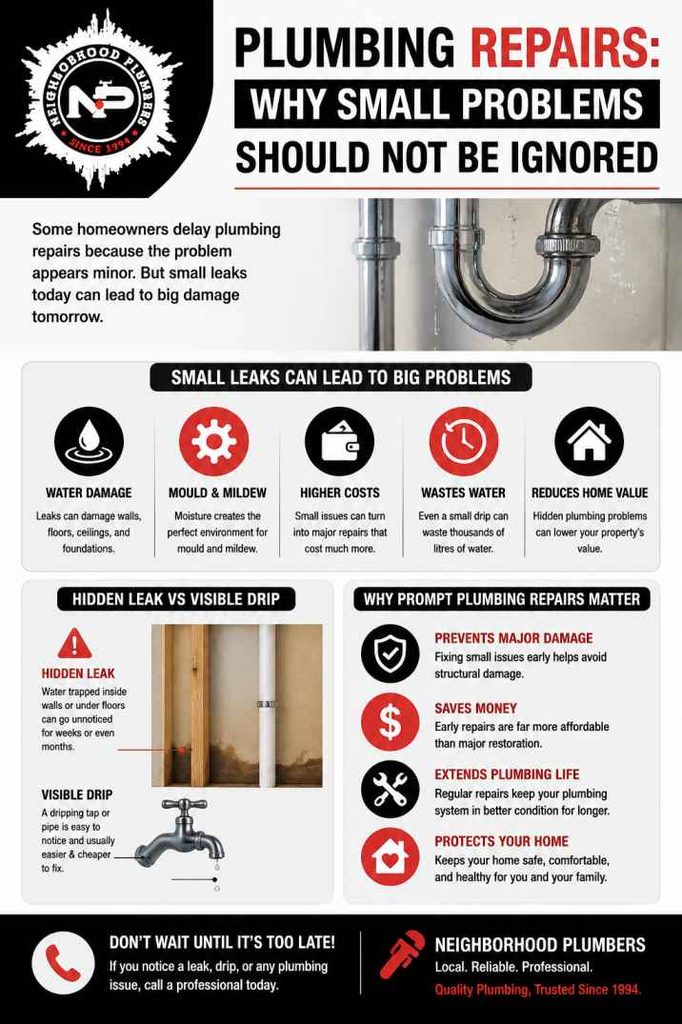
Myth 1: Small Water Leaks Are Not a Serious Problem

What is the truth about Water Leaks?

A common assumption is that a small drip is harmless because the amount of water being lost appears insignificant.

That is misleading.

A leaking tap may simply require a component replacement, but a leak inside a wall, under flooring or beneath a fixture can remain hidden for much longer. Persistent moisture can contribute to damaged cabinetry, deteriorated building materials, mould growth and other secondary problems.

Consider a bathroom where the homeowner notices a small amount of water around the base of a vanity. Wiping it up every few days may appear to solve the problem. However, if the moisture is coming from a concealed connection, the visible water is only the symptom.

What should homeowners do?

Start by identifying when the leak occurs.

Does it happen:

  • Only when the tap is running?
  • After using the shower?
  • When a toilet is flushed?
  • Continuously, even when fixtures are not being used?
  • After a nearby appliance operates?

These observations can help a plumber narrow down the source.

If water is accumulating rapidly, reaching electrical equipment, entering walls or ceilings, or causing significant property damage, treat the situation as urgent and seek appropriate Emergency Plumbing assistance.

Myth 2: A Blocked Drain Will Always Clear Itself

Can Plumbing Repairs wait for a slow drain?

A slow drain is often treated as something that will eventually resolve itself. In reality, recurring drainage problems usually deserve attention.

A drain may slow because of:

  • Hair and soap accumulation
  • Food and grease
  • Foreign objects
  • Mineral deposits
  • Tree-root intrusion
  • Damaged or poorly graded pipework
  • A developing blockage deeper in the drainage system

A homeowner may temporarily improve flow by removing visible debris, but that does not necessarily address the underlying restriction.

For instance, if a bathroom basin drains slowly for several weeks and then suddenly becomes blocked, the gradual slowdown was useful warning information. Waiting until the drain stops completely can turn a minor maintenance issue into a more disruptive plumbing repair.

A better approach

Notice patterns rather than waiting for complete failure.

If several fixtures begin draining slowly at roughly the same time, the problem may be further along the drainage system rather than inside one fixture. That is a situation where professional assessment is more useful than repeatedly applying household drain products.

Myth 3: Chemical Drain Cleaners Are the Best First Solution

Chemical drain products are widely available, which can create the impression that they are the easiest answer to every blockage.

They are not.

The appropriate response depends on the type and location of the obstruction. A chemical product may fail to resolve a substantial blockage, while repeated use can create additional concerns for plumbing components and makes subsequent work more hazardous.

What should you try first?

For a simple basin blockage, homeowners can often begin with basic, non-invasive maintenance such as removing accessible debris and cleaning the plug waste area.

However, if the blockage keeps returning, affects multiple fixtures or is accompanied by unusual smells, gurgling or wastewater backup, the issue deserves investigation.

Experienced licensed plumbing professionals can determine whether the problem is a local obstruction or evidence of a larger drainage fault.

The goal should not simply be to make water disappear temporarily. The goal is to establish why drainage has deteriorated.

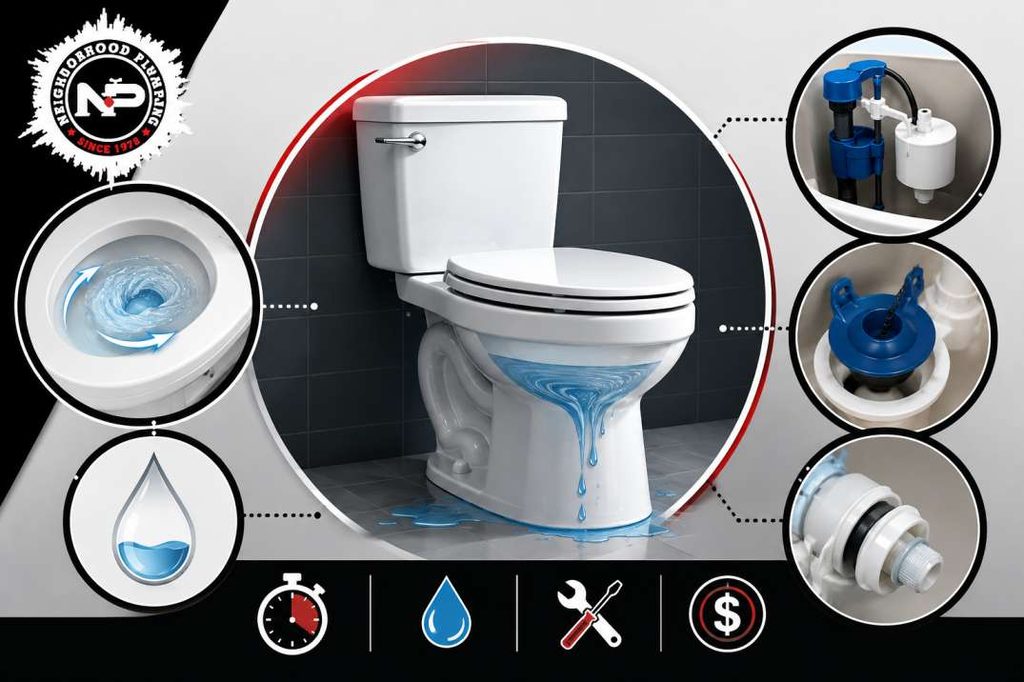
Myth 4: You Can Ignore a Running Toilet

A toilet that continues running after flushing can seem like a minor nuisance.

It is worth addressing.

The cause may be a worn seal, faulty inlet valve, incorrect float adjustment or another component problem. While the immediate consequence may be unnecessary water consumption, persistent operation can also indicate deterioration within the cistern.

A homeowner may be able to identify an obvious adjustment issue, but repeatedly changing components without understanding the mechanism can waste time.

When should a plumber investigate?

Professional assessment is particularly sensible when:

  • The toilet continually runs
  • Water appears around the base
  • The cistern does not refill correctly
  • The toilet frequently blocks
  • There is unexplained water usage
  • Repairs have already been attempted without success

This is one of those Plumbing Tips that sounds simple but saves homeowners trouble: do not confuse a small visible symptom with a complete diagnosis.

Myth 5: All Plumbers Do the Same Work

What should you know about licensed plumbing professionals?

Another misconception is that plumbing credentials are interchangeable.

They are not.

Victoria regulates plumbing through specific classes and categories of work. A practitioner must hold the appropriate registration or licence for the work they undertake. A licensed plumber has additional responsibilities and can issue compliance certificates for applicable work.

This distinction matters when homeowners compare quotes.

The lowest price is not automatically the best value if the person offering it is not appropriately authorised for the work.

How can homeowners check a plumber?

Before work begins, ask for the practitioner’s details and check their current registration or licence through the relevant Victorian practitioner search.

The BPC specifically advises homeowners not to rely solely on advertising, business cards, quotes or verbal claims when checking credentials.

That simple step provides a stronger foundation for trust.

Myth 6: You Only Need a Plumber When Something Breaks

Why is preventative plumbing maintenance important?

Waiting for complete failure is one of the most expensive approaches to household maintenance.

Plumbing systems gradually deteriorate. Seals age, flexible hoses can deteriorate, taps wear, valves become unreliable and drainage performance can change.

Regular observation can identify problems earlier.

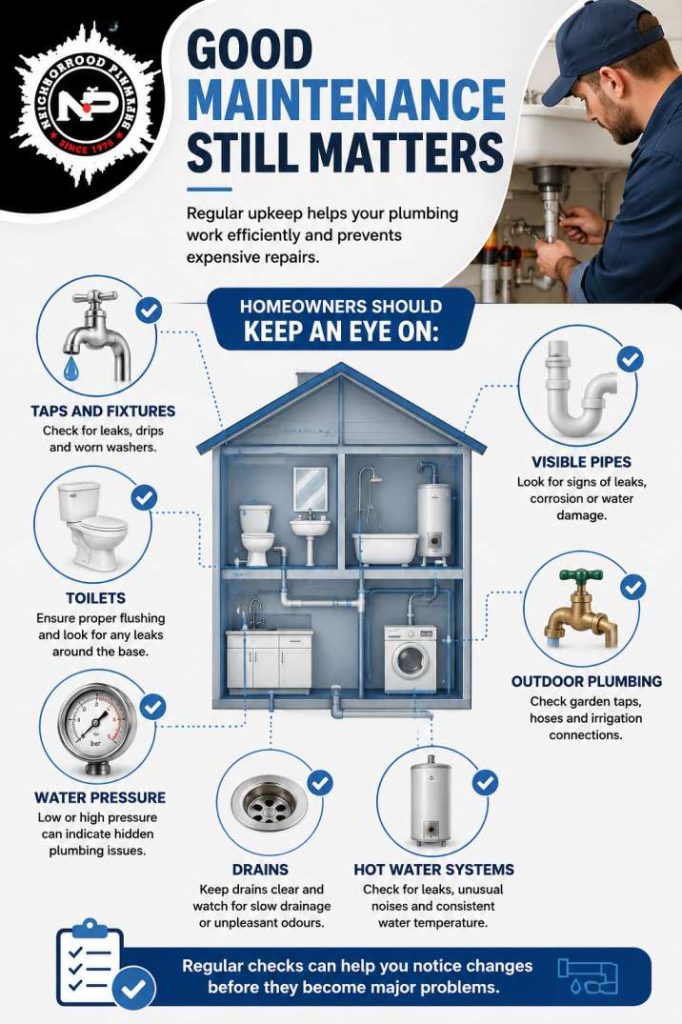
Homeowners should periodically look around areas such as:

  • Under kitchen and bathroom sinks
  • Around toilet bases
  • Near hot water equipment
  • Around outdoor taps
  • Beneath washing machines
  • Around shower areas
  • Near visible drainage points

Look for staining, corrosion, dampness, unusual smells or changes in water pressure.

Preventative maintenance does not mean paying for unnecessary inspections every time something looks slightly different. It means responding intelligently to warning signs rather than waiting for a major failure.

For older homes in particular, a plumbing assessment can help establish the condition of visible pipework, fixtures and drainage components.

Myth 7: Low Water Pressure Always Means a Plumbing Fault

Low water pressure is often blamed immediately on a blocked pipe or failing plumbing system.

Sometimes that is correct. Sometimes it is not.

The first useful question is whether the pressure problem affects one fixture or the entire property.

What does the pattern tell you?

If only one shower or tap has poor flow, the issue may be local. A blocked aerator, restrictive fitting, damaged cartridge or fixture problem could be responsible.

If several fixtures experience reduced pressure simultaneously, the cause may be elsewhere in the property’s water supply system or plumbing configuration.

Changes can also occur after renovation work, valve adjustments or other modifications.

A professional plumber can assess the symptoms rather than replacing components based on guesswork.

This is especially important when homeowners notice a sudden and unexplained change rather than a gradual decline.

Myth 8: DIY Plumbing Always Saves Money

When can homeowner plumbing mistakes become expensive?

DIY maintenance has a legitimate place in home ownership. Cleaning a tap aerator, removing accessible debris from a drain or replacing certain non-regulated household components may be straightforward.

The problem begins when a homeowner assumes every plumbing job is suitable for DIY work.

Common homeowner plumbing mistakes include:

  • Tightening fittings excessively
  • Using unsuitable sealants
  • Connecting incompatible components
  • Disturbing concealed pipework
  • Attempting regulated plumbing work without the required accreditation
  • Treating symptoms without finding the source
  • Continuing to use a fixture after a serious leak develops

A mistake beneath a sink may initially appear inexpensive. If an incorrect connection later fails while the homeowner is away, the resulting water damage can be far more costly than having the original work assessed properly.

Victoria’s plumbing framework exists partly to protect health, safety and the integrity of water supply and wastewater systems. Homeowners should therefore use appropriately authorised practitioners for regulated plumbing work.

What Plumbing Advice in Alphington Should Homeowners Follow?

Good Plumbing Advice in Alphington starts with recognising the difference between routine maintenance and a developing fault.

A useful homeowner checklist is:

1. Know where your main water isolation point is

If a major leak occurs, knowing how to isolate the water supply can reduce the amount of water released while professional help is arranged.

2. Pay attention to changes

A dripping tap, slow drain or unusual water pressure may provide useful early information.

3. Do not conceal recurring problems

Painting over a stain or repeatedly drying a damp cabinet does not resolve the cause.

4. Keep records of previous plumbing work

Knowing when fixtures, pipework or appliances were installed can help a plumber understand the property’s history.

5. Check credentials before regulated work

Use the Victorian practitioner search rather than relying only on advertising or recommendations.

6. Ask what caused the fault

Do not be afraid to ask a plumber to explain the diagnosis, proposed repair and likely cause. A clear explanation helps homeowners make informed decisions.

How Professional Leak Detection Can Find Hidden Problems?

What happens during Leak Detection?

Finding a leak is not always as simple as looking for water.

A concealed leak may produce secondary signs such as:

  • Damp or discoloured surfaces
  • Unexpected water usage
  • Musty odours
  • Peeling paint
  • Swollen cabinetry
  • Persistent moisture around fixtures
  • Unexplained drops in pressure

A plumber can assess the pattern and determine whether further investigation is warranted.

For example, if a bathroom wall develops a damp patch that grows after shower use, the timing provides useful diagnostic information. If the same patch remains damp regardless of fixture use, a different source may need to be considered.

The important principle is to identify the source before deciding on the repair.

What Should You Ask Plumbers Before Authorising Work?

Homeowners do not need to understand every technical aspect of plumbing to make an informed decision.

Ask practical questions such as:

What is causing the problem?

A reputable practitioner should be able to explain the diagnosis in understandable terms.

What needs to be repaired?

Ask whether the proposed work addresses the source or merely the visible symptom.

Is the work within your plumbing licence or registration?

This is particularly relevant for specialised or regulated plumbing work.

Will additional investigation be required?

Some faults cannot be diagnosed completely from a visual inspection.

Are there compliance requirements?

In Victoria, certain plumbing work requires a compliance certificate. For example, the BPC states that a compliance certificate is required where the total value of applicable plumbing work exceeds $750, with additional categories where a certificate is required regardless of cost.

Asking these questions creates a more transparent working relationship and reduces misunderstandings about the scope of work.

When Should You Call for Emergency Plumbing?

Not every plumbing issue requires an emergency response.

However, certain situations should be treated as urgent, particularly when delaying action could cause significant property damage or create a safety concern.

Examples include:

  • A burst water pipe
  • Rapidly escalating water leakage
  • Major wastewater backup
  • Significant flooding
  • A serious gas-related concern
  • Water entering electrical areas
  • A failed hot water system causing substantial leakage

If gas is involved, do not attempt to diagnose or repair the gas installation yourself. Leave the area if necessary and use the appropriate emergency and gas safety channels.

Expert Advice From a Homeowner’s Perspective

The most useful plumbing lesson is simple: look for patterns, not just symptoms.

A tap that drips once may be a minor maintenance issue. A tap that has gradually become harder to operate, leaks around its base and produces inconsistent flow tells a different story.

Likewise, a drain that occasionally slows after heavy use may need routine cleaning, while a drain that repeatedly backs up despite cleaning may indicate a deeper problem.

Experienced licensed plumbing professionals use these patterns to decide what should be tested, inspected or repaired.

That diagnostic mindset is what separates a lasting plumbing solution from a temporary fix.

Common Mistakes to Avoid

Before calling a plumber, homeowners can save time by avoiding these common mistakes:

Ignoring recurring symptoms

If the same issue keeps returning, assume there is a reason.

Choosing solely on price

A quote should be compared according to scope, credentials, materials, warranty arrangements and compliance requirements—not price alone.

Attempting regulated work without proper authorisation

Victoria has specific requirements around who may perform plumbing work.

Hiding evidence of a leak

Do not remove stains or damaged materials before the source has been identified if doing so could conceal useful evidence.

Waiting until a minor fault becomes an emergency

Early intervention is often simpler than emergency repair.

Conclusion

The biggest problem with Plumbing Myths in Alphington is not that they are always completely false. It is that they encourage homeowners to make decisions without understanding the actual cause of a plumbing problem.

A small leak can indicate a developing fault. A slow drain can be an early warning. A low-pressure fixture may have a local issue rather than a whole-house problem. And a DIY repair can be appropriate for simple maintenance but unsuitable for regulated or technically complex plumbing work.

For homeowners, the most reliable approach is to observe warning signs, act early, ask sensible questions and use appropriately qualified practitioners when professional plumbing work is required.

Good Plumbing Tips are ultimately about prevention and informed decisions. When a plumbing issue appears, focus less on the myth surrounding it and more on what the evidence is telling you. That approach can protect your home, reduce avoidable damage and help ensure that Plumbing Repairs address the underlying problem rather than merely hiding the symptom.

FAQs

1. How do I know if a plumbing problem is serious?

Look at the speed of deterioration, location and recurrence. Rapid leaks, sewage backup, significant water damage, gas concerns and water entering electrical areas require urgent attention. Recurring minor symptoms should also be investigated rather than repeatedly ignored.

2. What should I do if I find a water leak at home?

If safe to do so, isolate the relevant water supply and move belongings away from the affected area. If the leak is substantial or cannot be controlled, seek urgent plumbing assistance. Do not simply dry the visible water and assume the problem is resolved.

3. Are all plumbing jobs required to be completed by a licensed plumber?

Victoria’s requirements depend on the type of plumbing work. Plumbing practitioners must have the appropriate registration or licence, while apprentices must work under the required supervision. Certain work also requires a compliance certificate that only a licensed plumber can issue.

4. Is a slow drain always caused by a blockage?

No. A slow drain can result from local debris, deeper restrictions, damaged pipework, poor drainage characteristics or other issues. If cleaning does not provide a lasting improvement, professional diagnosis is preferable to repeatedly applying drain chemicals.

5. How can I choose reliable Plumbers in Alphington?

Start by checking that the practitioner is appropriately registered or licensed for the work required. The BPC provides a public search tool where homeowners can check licence or registration status, permitted work types and relevant conditions.
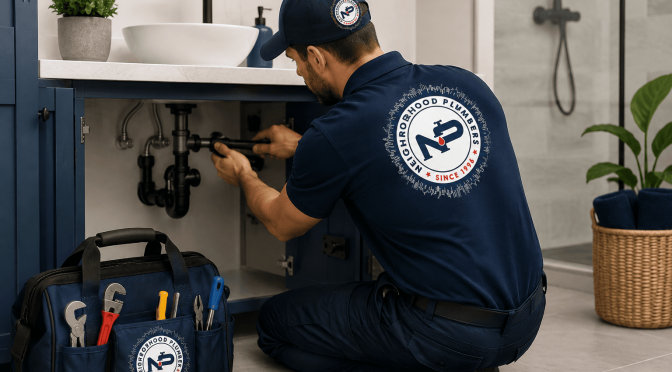
Why Older Alphington Homes Need a Different Plumbing Maintenance Strategy?

An older home can have plenty of character, but its plumbing system may tell a very different story from its beautifully maintained façade.

A property may have renovated kitchens, modern bathrooms and freshly painted interiors while still relying on ageing pipes, older drainage layouts, outdated fixtures or plumbing infrastructure that has been modified several times over the years. That is why homeowners looking for Plumbers in Alphington should not always approach an older property in the same way they would a recently built home.

The real issue is not simply the age of the house. It is the history and condition of the plumbing system.

Older plumbing may have been repaired, extended, replaced or altered in stages. One section could be relatively modern while another remains decades old. Small leaks, slow drainage or inconsistent water pressure can therefore be early signs of a wider maintenance issue rather than isolated inconveniences.

For homeowners researching Residential Plumbing in Alphington, understanding this difference can help prevent avoidable water damage and expensive emergency repairs.

This guide explains why older Alphington properties need a different plumbing maintenance strategy, what warning signs to watch for, when pipe repairs make sense, how water pressure affects ageing systems, and why local plumbing expertise matters when maintaining an established home.

Why Do Older Homes Need a Different Plumbing Strategy?

Older Homes

Older homes often contain plumbing systems that have evolved rather than been installed all at once.

A newer property may have a relatively consistent installation, with pipes, fixtures, drainage and water services installed according to a common design.

An older property may be completely different.

Over several decades, homeowners may have:

  • Replaced bathroom fixtures
  • Added an ensuite
  • Renovated the kitchen
  • Extended the house
  • Reconfigured drainage
  • Added outdoor plumbing
  • Replaced sections of water pipe
  • Modified hot-water services
  • Repaired leaking pipes
  • Connected newer fixtures to older pipework

The result can be a mixed-age plumbing system.

That is why a good maintenance strategy starts with understanding what is actually installed rather than assuming every pipe is the same age.

What Makes Ageing Plumbing Systems More Complicated?

Ageing plumbing systems can develop problems gradually.

A pipe may not fail dramatically on day one. Instead, you might notice:

  • Lower water flow
  • Occasional discolouration
  • Damp areas
  • Repeated minor leaks
  • Slow drains
  • Noisy pipes
  • Unexplained increases in water usage
  • Pressure changes
  • Corrosion around fittings
  • Recurring blockages

These symptoms deserve context.

For example, a slow bathroom basin may simply have a blocked trap. But if several fixtures throughout the property drain slowly, the problem could be further along the drainage system.

Similarly, a dripping tap is usually a local fixture problem. But unexplained dampness under cabinetry or near walls may warrant investigation of concealed pipework.

The objective is to identify whether a problem is isolated, recurring or systemic.

What Should Homeowners Know About Heritage Home Plumbing?

Heritage Home Plumbing

Alphington contains established residential areas where older and heritage-style properties form part of the local character.

When plumbing work is required in an older or heritage-listed property, the plumbing challenge can extend beyond simply replacing a pipe.

Some properties may have building features that homeowners want to preserve, including:

  • Original walls
  • Decorative ceilings
  • Timber floors
  • Ornate bathroom features
  • Original external finishes
  • Established gardens
  • Older architectural details

A plumber therefore needs to consider access and repair methods carefully.

If a property is formally included on the Victorian Heritage Register, proposed works may require approval depending on the nature of the work and whether an exemption applies. Heritage Victoria states that works to a state-listed heritage place should be checked against applicable exemptions and permit requirements before starting.

This does not mean every older Alphington house requires a heritage permit.

The important point is to verify the property’s status before undertaking work that could affect protected heritage fabric.

Why Does Access Matter in Older Houses?

Suppose a concealed pipe is leaking underneath an original timber floor.

The fastest-looking solution might be to remove a large section of flooring.

But a thoughtful repair strategy considers whether there is another practical access point, whether the affected section can be isolated, and whether replacing a specific pipe section is preferable to disturbing a larger area.

This is where experience becomes valuable.

The cheapest-looking repair is not always the least expensive repair once reinstatement, flooring, cabinetry, plaster and painting are included.

What Are the Most Common Plumbing Warning Signs in Older Alphington Properties?

A maintenance strategy should focus on patterns rather than waiting for catastrophic failure.

Watch for:

1. Repeated Leaks

One leaking tap is relatively straightforward.

Several leaks over a short period may indicate that fixtures, connections or associated plumbing components are reaching the end of their useful service life.

2. Persistent Low Water Flow

If water pressure or flow has gradually deteriorated, investigate rather than assuming it is simply a characteristic of an old home.

3. Slow Drainage

A drain that repeatedly blocks despite being cleared may have a deeper problem.

4. Damp Patches

Dampness near bathrooms, kitchens, walls or floors can have multiple causes, including plumbing leaks.

5. Unusual Pipe Noise

Knocking, banging or vibrating pipes may indicate pressure or installation-related issues.

6. Unexplained Water Consumption

A concealed leak can waste water without producing an obvious indoor puddle.

Yarra Valley Water notes that leaks can sometimes remain unseen and only become apparent through an unusually high water bill.

How Can Plumbing Maintenance Prevent Bigger Problems?

Plumbing Maintenance

The biggest mistake with an older plumbing system is treating maintenance as something that only happens after a pipe bursts.

Preventive maintenance is about identifying deterioration before it becomes an emergency.

A practical maintenance approach can include:

  • Checking visible pipework
  • Inspecting exposed connections
  • Monitoring water pressure
  • Checking toilets for silent leaks
  • Watching for dampness
  • Cleaning drains appropriately
  • Checking hot-water system performance
  • Investigating recurring blockages
  • Monitoring unusual water bills
  • Addressing small leaks promptly

The frequency of professional inspections depends on the property’s age, plumbing materials, condition and history.

A property with documented modern plumbing may need a different approach from a house where the pipe materials and previous alterations are unknown.

Why Is Documentation Useful?

If you know when a bathroom was renovated or when sections of pipework were replaced, keep those records.

Useful information includes:

  • Renovation dates
  • Plumbing invoices
  • Pipe replacement details
  • Drainage work
  • Hot-water system installation
  • Previous leak repairs
  • Compliance documentation

This gives future plumbers a clearer picture of the system.

What Role Does Water Pressure Play in Older Plumbing?

Water Pressure

Water pressure is one of the most misunderstood parts of residential plumbing.

Homeowners often assume that stronger pressure is always better.

It isn’t.

Excessive pressure can contribute to stress on plumbing components and leakage.

Yarra Valley Water explains that parts of its network can experience high water pressure and notes that pipe strength decreases as pipes age, which can contribute to increased leakage and bursts.

This is particularly relevant when thinking about an established home.

A pipe may have tolerated its operating conditions for many years, but deterioration can change its ability to handle those conditions.

What If Water Pressure Suddenly Changes?

A sudden pressure change deserves attention.

It could be related to:

  • Water authority works
  • A property-side plumbing issue
  • A partially closed valve
  • A restriction
  • A leak
  • Pressure regulation equipment
  • Changes elsewhere in the water system

Yarra Valley Water explains that local planned or emergency works can affect low water pressure and provides a bucket test homeowners can use to help determine whether the issue is before or after the meter.

If the issue is determined to be on the property side of the meter, a licensed plumber may need to investigate.

When Should You Consider Pipe Repairs?

Pipe Repairs

Not every old pipe needs immediate replacement.

That is an important distinction.

A professional assessment should consider:

  • Pipe material
  • Pipe condition
  • Leak frequency
  • Location
  • Accessibility
  • Previous repairs
  • Water pressure
  • Corrosion
  • Internal restrictions
  • Expected remaining service life
  • Cost of repeated repairs

For example, if an easily accessible connection has developed one isolated leak, replacing that component may be sensible.

But if an older section of pipe has developed multiple leaks in different locations, repeatedly repairing individual points may become a poor long-term strategy.

What Is Better: Repair or Replace?

The answer depends on the evidence.

Targeted repair may make sense when:

  • The affected section is isolated
  • The remaining pipework is in good condition
  • Access is straightforward
  • There is no evidence of widespread deterioration

Replacement may make more sense when:

  • Multiple failures have occurred
  • Corrosion is widespread
  • Restrictions are recurring
  • Previous repairs keep failing
  • The pipe material is unsuitable or deteriorated
  • Access costs make repeated repairs uneconomical

A trustworthy plumber should explain the reasoning rather than automatically recommend a full replacement.

How Does Drainage Differ in Older Homes?

Drainage

Drainage problems are particularly frustrating because the visible symptom can occur far from the actual cause.

For example, a kitchen sink may drain slowly because of a local blockage.

But if the kitchen, laundry and bathroom fixtures all begin draining slowly, the problem may be further downstream.

Older properties can also have drainage layouts that differ from modern construction.

Potential issues include:

  • Tree-root intrusion
  • Pipe deterioration
  • Cracked drainage pipes
  • Poor falls
  • Accumulated debris
  • Blocked junctions
  • Damaged underground pipes
  • Previous drainage modifications

Yarra Valley Water notes that damaged or old pipes can contribute to leaks and that property owners are responsible for repairing certain private plumbing issues.

Why Should Repeated Blockages Be Investigated?

If a drain is cleared repeatedly but blocks again a few weeks or months later, the objective should be finding the cause.

Repeated chemical treatment or mechanical clearing may temporarily restore flow without addressing:

  • Root intrusion
  • Structural damage
  • Pipe deformation
  • Persistent grease accumulation
  • A damaged junction
  • Poor drainage design

In these situations, diagnostic inspection can be more useful than repeatedly treating the symptom.

What Does Local Plumbing Expertise Actually Mean?

Local Plumbing Expertise

“Local” should mean more than simply having a nearby postcode.

Good local plumbing expertise involves understanding the types of problems commonly encountered in established residential properties and approaching each home individually.

For Plumbers in Alphington, this means being prepared to work with:

  • Older construction
  • Renovated homes
  • Heritage-style properties
  • Mixed-age plumbing
  • Established gardens
  • Existing drainage systems
  • Modern fixtures connected to older infrastructure

An experienced plumber should also be willing to explain what they have found.

For homeowners, useful questions include:

What caused the problem?

Is this isolated or likely to recur?

What condition is the surrounding pipework in?

Can the existing section be repaired?

Would replacement provide better long-term value?

Is there any evidence of a concealed leak?

Will the work require a compliance certificate?

These questions encourage a more transparent conversation.

Why Is Choosing a Licensed Plumber Important in Victoria?

Victorian plumbing work is regulated.

The Building and Plumbing Commission states that plumbing work in Victoria must be carried out by an appropriately licensed or registered plumbing practitioner, or by an apprentice under licensed supervision.

There is also an important distinction between registration and licensing.

A licensed plumber can undertake certain additional responsibilities, including issuing compliance certificates for eligible work.

For certain plumbing work, a compliance certificate is required.

The BPC currently states that a compliance certificate is required where the total value of plumbing work exceeds $750, including materials, appliances, labour and GST, as well as for specified categories regardless of value.

Homeowners should therefore ask whether their planned work requires a compliance certificate and retain relevant documentation.

This is particularly useful when renovating or selling a property later.

What Is a Compliance Certificate and Why Does It Matter?

A compliance certificate documents qualifying plumbing work and confirms that the licensed plumber responsible for the work certifies compliance with applicable requirements.

The BPC explains that compliance certificates also establish responsibility for rectification of defects associated with the certified plumbing work.

For an older home undergoing substantial plumbing changes, keeping these records can create a useful maintenance history.

Imagine buying an established property several years after a bathroom renovation.

Without documentation, it may be difficult to determine:

  • Who performed the plumbing work
  • Which sections were replaced
  • What appliances were installed
  • Whether qualifying work was certified
  • When the renovation occurred

Good records reduce that uncertainty.

How Can Homeowners Detect a Concealed Plumbing Leak?

Some leaks announce themselves.

Others don’t.

A concealed leak may produce:

  • Dampness
  • Musty smells
  • Peeling paint
  • Swollen cabinetry
  • Discoloured walls
  • Warped flooring
  • Mould-like growth
  • Unexplained water usage

Another clue is a water meter that continues registering usage when the property’s water fixtures are not being used.

Yarra Valley Water recommends a simple leak test for homeowners trying to determine whether a leak exists on their property.

If you suspect a concealed leak, do not wait until visible damage becomes extensive.

Early investigation can potentially reduce the amount of building material that needs to be repaired.

What Should Older Homeowners Check Before a Renovation?

If you are planning a kitchen or bathroom renovation, plumbing should be considered before demolition begins.

Ask:

  • Where are the existing water lines?
  • Where does the drainage run?
  • What condition are the existing pipes in?
  • Is the current water pressure suitable?
  • Can the existing pipework support the new fixtures?
  • Will the renovation require new drainage?
  • Are there heritage considerations?
  • Which work requires certification?
  • Will access to concealed plumbing be improved while walls or floors are open?

This is one of the best opportunities to address ageing infrastructure.

If a wall is already being opened for a renovation and an old pipe is clearly deteriorating, replacing it at that stage may be more practical than waiting for a leak after the renovation is complete.

What Plumbing Problems Should Never Be Ignored?

Certain symptoms deserve prompt attention.

Water Leaks

Even a small persistent leak can cause concealed damage.

Sewer Smells

Persistent sewer odours can indicate drainage or trap problems and should be investigated.

Sudden Loss of Water Pressure

A sudden change is different from gradually reduced flow and may warrant investigation.

Repeated Drain Blockages

Recurring blockages can indicate a deeper drainage problem.

Damp Walls or Floors

Especially where the dampness has no obvious external explanation.

Water Around the Hot-Water System

This should be assessed promptly, particularly if the leak is increasing.

Unexplained High Water Bills

A sudden increase can sometimes indicate a concealed leak.

What Are the Biggest Plumbing Maintenance Mistakes in Older Homes?

Mistake 1: Waiting for a Burst Pipe

A burst is often the final stage of deterioration, not the beginning.

Mistake 2: Repairing the Same Leak Repeatedly

Repeated failures at different points may indicate a broader pipe condition issue.

Mistake 3: Assuming Low Pressure Is Always Normal

Low pressure can have multiple causes, including network works or property-side restrictions.

Mistake 4: Using Chemical Drain Cleaners as a Long-Term Strategy

A chemical product may temporarily change the symptom without resolving the underlying drainage problem.

Mistake 5: Ignoring Small Damp Areas

A tiny damp patch can be the visible part of a concealed leak.

Mistake 6: Choosing a Plumber Based Only on Price

For older properties, diagnostic ability and experience can matter more than a low initial quote.

Mistake 7: Starting Heritage-Affecting Work Without Checking Requirements

For state-listed heritage properties, Heritage Victoria advises checking whether proposed work is exempt or requires approval before proceeding.

How Can You Build a Better Plumbing Maintenance Plan?

A practical plan can be divided into three levels.

Level 1: Regular Homeowner Checks

Every few months, look for:

  • Visible leaks
  • Dampness
  • Dripping taps
  • Toilet leaks
  • Slow drains
  • Changes in pressure
  • Unusual smells
  • Changes in water consumption

Level 2: Targeted Professional Assessment

Arrange professional investigation when:

  • A problem repeatedly returns
  • Several fixtures show similar symptoms
  • Pipework is visibly deteriorating
  • Water pressure changes unexpectedly
  • There is unexplained dampness
  • Drain blockages recur

Level 3: Planned Replacement

Consider proactive replacement when professional assessment identifies widespread deterioration or when repeated repairs no longer make financial sense.

This staged approach helps avoid two extremes: ignoring problems until they become emergencies and replacing perfectly serviceable plumbing unnecessarily.

When Is an Emergency Plumber in Alphington Necessary?

Emergency Plumber in Alphington

Not every leak requires emergency attendance.

A dripping tap can generally wait for a scheduled repair.

A rapidly spreading internal leak is different.

Emergency plumbing assistance may be appropriate when you have:

  • A burst water pipe
  • Rapid flooding
  • A major uncontrolled leak
  • Sewer overflow
  • A serious blocked drain causing wastewater backup
  • Significant water damage
  • A failed hot-water system creating an immediate hazard

If water is approaching electrical equipment, switchboards or other electrical hazards, do not put yourself at risk trying to isolate the problem.

Prioritise personal safety and seek appropriate emergency assistance.

What Can Homeowners Do Before a Plumber Arrives?

If it is safe to do so:

  1. Turn off the property’s water supply using the relevant stop tap.
  2. Move valuables away from the affected area.
  3. Remove standing water where practical and safe.
  4. Avoid using affected plumbing fixtures.
  5. Take photographs of visible damage.
  6. Note when the problem started.
  7. Tell the plumber whether the problem has happened before.

Do not dismantle pipes or attempt major repairs without the appropriate qualifications.

A few minutes spent documenting the problem can also help the plumber understand whether it is a new failure or a recurring issue.

What Should You Ask Plumbers in Alphington Before Approving Work?

Before agreeing to significant plumbing work, ask for a clear explanation.

What exactly has failed?

You should understand the immediate fault.

Why did it fail?

This helps determine whether another section may be at risk.

Can it be repaired or should it be replaced?

There should be a reason behind the recommendation.

What happens if we only repair the damaged section?

This helps you understand the risk of recurrence.

Is the plumbing work compliant?

Ask what standards and regulatory requirements apply.

Is a compliance certificate required?

The BPC identifies specific circumstances where compliance certificates are mandatory.

What will the repair involve?

Ask about access, excavation, wall removal, flooring and reinstatement.

Are there heritage considerations?

If the property is heritage-listed, confirm whether approvals or exemptions need to be considered.

Clear answers are a good sign that the plumber is approaching the work diagnostically rather than simply selling a replacement.

Expert Advice: Think About the Whole Plumbing System

One of the most useful principles for Older Home Plumbing Alphington is to stop thinking about plumbing as a collection of individual fixtures.

Your toilet, kitchen tap, shower, hot-water system, drainage and water supply are connected parts of a larger system.

If one component repeatedly fails, ask whether it is an isolated component or a symptom of broader deterioration.

For example:

A single leaking tap → probably a fixture problem.

Three leaking fixtures within a year → worth considering the condition of associated components.

Repeated pipe leaks → investigate the pipe system rather than treating each leak as unrelated.

Multiple slow drains → investigate the drainage network rather than repeatedly clearing individual fixtures.

This approach can reduce reactive maintenance and help homeowners make more informed decisions.

Final Thoughts

Older homes are not automatically plumbing problems.

Many established Alphington properties have plumbing systems that have performed reliably for decades.

The important difference is that age introduces history, variation and uncertainty.

A pipe installed decades ago may sit beside a modern replacement. A renovated bathroom may connect to older drainage. A previously repaired water line may behave differently from the original system. A heritage property may also require greater care when accessing concealed infrastructure.

That is why Older Home Plumbing Alphington should be approached with diagnosis, documentation and preventative thinking rather than a simple “repair when it breaks” mentality.

Regular Plumbing Maintenance, early investigation of leaks, sensible monitoring of Water Pressure, appropriate Pipe Repairs and attention to Drainage can all contribute to a more reliable home.

When professional work is required, use an appropriately licensed or registered plumber. Victoria’s Building and Plumbing Commission confirms that plumbing work must be performed by properly accredited practitioners, with licensed plumbers responsible for compliance certificates where required.

For homeowners considering Residential Plumbing in Alphington, the best maintenance strategy is rarely about replacing everything.

It is about understanding what you have, identifying what is deteriorating, fixing problems before they become emergencies and making replacement decisions based on evidence.

And when a serious leak, burst pipe or wastewater problem cannot wait, an Emergency plumber in Alphington can help address the immediate risk while a longer-term solution is considered.

The goal is simple: maintain the character of an older home without allowing its hidden plumbing infrastructure to become an unexpected liability.

Frequently Asked Questions

1. Why does an older Alphington home need different plumbing maintenance?

Older properties can contain mixed-age plumbing systems, previous repairs, altered drainage layouts and different generations of fixtures. The visible bathroom or kitchen may be modern while concealed pipework remains much older. Consequently, maintenance should focus on the condition and history of the entire system rather than simply replacing individual fixtures when they fail.

A plumber assessing an older property should consider recurring leaks, water pressure, pipe condition, drainage performance and previous alterations before recommending major replacement.

2. How can I tell if my older home’s pipes need replacement?

There is no single age at which every pipe needs replacement. The condition of the material matters more than age alone.

Warning signs can include repeated leaks, visible corrosion, reduced flow, recurring repairs, discoloured water, unexplained dampness and persistent plumbing failures.

If several problems occur in the same section of the system, ask the plumber whether the evidence suggests localised failure or broader deterioration. A targeted repair may be appropriate when the surrounding pipework is sound, while repeated failures can justify investigating replacement.

3. Can high water pressure damage older plumbing?

High water pressure can contribute to leakage and bursts, particularly as pipes age and their strength decreases. Yarra Valley Water specifically notes that high pressure can contribute to leaks and bursts and that pipe strength can reduce as plumbing infrastructure ages.

If your home’s pressure seems unusually high or has changed significantly, have the cause assessed rather than simply assuming stronger pressure is better. The solution may involve identifying whether the issue is on the property side of the meter or related to the broader water supply.

4. Should I replace old plumbing during a bathroom or kitchen renovation?

Not automatically.

A renovation is, however, an excellent opportunity to inspect accessible pipework because walls, cabinets and floors may already be opened.

If the existing plumbing is in poor condition, replacing it while access is available can prevent future disruption. If the pipes are in good condition, retaining them may be perfectly reasonable.

The best decision depends on pipe material, condition, accessibility, previous repairs and the planned changes to water supply and drainage.

5. Do plumbing renovations in an older heritage home require special approval?

It depends on the property’s heritage status and the proposed work.

Not every older home is heritage-listed, and not every plumbing repair requires heritage approval. However, Heritage Victoria states that owners of state-listed heritage places should check applicable exemptions and permit requirements before undertaking works that may affect heritage significance.

For a heritage property, it is sensible to establish its status before opening walls, disturbing original fabric or carrying out substantial alterations. A coordinated approach between the homeowner, plumber and relevant heritage authority can prevent unnecessary complications.

DIY Plumbing vs Hiring a Licensed Plumber in Alphington: Which Option Saves More?

A dripping tap can look like a five-minute job. A slow drain may seem like something a bottle of drain cleaner can solve. Even a leaking pipe can appear manageable when the problem is visible and easy to reach. But plumbing problems often become expensive when the underlying cause is missed, or an incorrect repair creates another issue.

For homeowners comparing DIY vs Professional Plumbing, the real question is not simply, “Which option costs less today?” It is, “Which option is more likely to solve the problem safely and prevent additional costs later?”

For straightforward maintenance tasks, a capable homeowner may be able to handle some minor jobs. However, leaks inside walls, blocked sewer lines, gas-related concerns, damaged pipes, water-pressure problems and other complex issues require appropriate expertise and, in many cases, licensed work.

This is where experienced Plumbers in Alphington can make a practical difference. A qualified plumber does more than replace a component or stop a leak. They diagnose the cause, assess the condition of the plumbing system, and select a repair that is appropriate for the property.

Whether you need an Emergency plumber in Alphington, routine Plumbing services in Alphington, or advice from a Licensed Plumber Alphington, understanding when DIY stops being sensible can help you protect your home, budget, and safety.

Why Does DIY Plumbing Look Cheaper Than It Really Is?

The biggest attraction of DIY plumbing is obvious: you do not pay a plumber’s labour charge.

If a homeowner spends $20 to $50 on a replacement washer, seal, trap or basic fitting and completes the work successfully, the immediate saving can be significant.

The problem is that the initial purchase price does not represent the entire cost of a plumbing repair.

A DIY project can become expensive when:

  • The actual cause of the problem is misdiagnosed.
  • The wrong replacement component is purchased.
  • A fitting is overtightened or cross-threaded.
  • A pipe is damaged while attempting a repair.
  • A concealed leak continues behind a wall or cabinet.
  • A blockage is pushed further into the drainage system.
  • Water damage occurs to flooring, cabinetry or plasterboard.
  • The homeowner attempts work that should be completed by a licensed professional.

Consider a leaking pipe beneath a kitchen sink. Replacing a visible washer might stop the dripping temporarily. But if the actual problem is corrosion, a damaged connection or excessive water pressure, the leak may return.

The cheaper repair has then become two repairs.

This is why experienced plumbers focus on long-term repair solutions, rather than simply making a visible symptom disappear.

When Is DIY Plumbing a Reasonable Choice?

Not every plumbing task requires a professional.

Some simple maintenance jobs can be appropriate for homeowners who understand the equipment involved and can complete the task without interfering with regulated plumbing systems.

Examples may include:

  • Replacing a showerhead with a compatible model.
  • Cleaning a removable sink aerator.
  • Clearing hair from a readily accessible shower drain.
  • Replacing certain tap components where no regulated work is involved.
  • Cleaning accessible strainers.
  • Performing basic visual checks for leaks.
  • Maintaining fixtures according to the manufacturer’s instructions.

Even with small jobs, it is important to know your limits.

A useful rule is simple: if you are unsure what you are looking at, stop before removing it.

Plumbing systems can contain pressurised water, concealed connections and components that require specialist knowledge. A mistake behind a wall or beneath a floor can be considerably more expensive than the original problem.

What Plumbing Problems Should You Leave to a Licensed Plumber?

Some plumbing problems should not be treated as weekend DIY projects.

A Licensed Plumber has the knowledge and training required to diagnose more complicated problems and perform regulated plumbing work according to applicable requirements.

Professional assistance is particularly appropriate for:

  • Major or concealed water leaks
  • Burst pipes
  • Sewer problems
  • Persistent drainage blockages
  • Backflow concerns
  • Significant water-pressure problems
  • Hot-water system faults
  • Gas plumbing issues
  • Plumbing alterations during renovations
  • Pipework requiring replacement
  • Recurring leaks
  • Water damage associated with plumbing
  • Problems affecting multiple fixtures

For these situations, hiring Plumbers in Alphington can be more economical than experimenting with a repair that may fail.

The objective is not simply to get the water flowing again. It is to understand why the problem happened and determine the appropriate repair.

What Can a Professional Plumber Identify That DIY Repairs Often Miss?

Is the Visible Leak Actually the Main Problem?

Water does not always appear where the pipe is damaged.

A leak inside a wall can travel along framing, insulation or other building materials before becoming visible. By the time a homeowner sees water staining, the source may be somewhere else.

A plumber considers the location, pattern and behaviour of the leak rather than automatically repairing the nearest visible fitting.

Could Low Water Pressure Indicate a Bigger Issue?

Low pressure affecting one fixture may have a relatively simple explanation.

However, a sudden or widespread change can indicate a restriction, damaged pipework, valve issue or another underlying problem.

Replacing one fixture without investigating the cause may not solve the issue.

Why Does the Drain Keep Blocking?

A recurring blockage is different from a one-off slow drain.

If a homeowner repeatedly uses a chemical drain cleaner or manually clears the same blockage, the underlying issue may remain.

Possible causes can include:

  • Accumulated debris
  • Grease buildup
  • Tree-root intrusion
  • Damaged drainage pipes
  • Poor pipe gradients
  • Structural deterioration
  • A deeper sewer obstruction

A professional assessment can help determine whether the problem is local to one fixture or part of a larger drainage issue.

Plumbing Repairs: DIY vs Professional Work

The right choice often depends on the risk, complexity, and consequences of failure.

DIY Plumbing May Make Sense When:

The task is minor, accessible, and clearly understood.

For example, replacing a compatible removable fixture may be relatively straightforward if the homeowner follows the manufacturer’s instructions and does not need to modify regulated plumbing.

Professional Plumbing Is Usually the Better Choice When:

The problem involves concealed pipework, drainage infrastructure, gas, hot-water systems, significant leaks or changes to the plumbing system.

A professional can investigate before deciding what needs to be repaired.

That diagnostic step is important.

A homeowner might see water beneath a bathroom vanity and assume the trap needs replacing. A plumber may discover that the water is coming from a supply connection, wall cavity, or another nearby component.

The repair decision should be based on the source—not simply the symptom.

How Much Can a DIY Mistake Really Cost?

The financial consequences depend on the property and severity of the mistake.

A minor failed repair might only mean buying another part.

A serious mistake can involve:

  • Emergency call-out costs
  • Replacement materials
  • Water extraction
  • Damaged flooring
  • Cabinet replacement
  • Plasterboard repairs
  • Mould remediation
  • Additional plumbing work
  • Temporary accommodation in severe cases

For example, imagine a homeowner notices a small leak beneath a bathroom basin late on a Saturday.

They tighten a connection but accidentally damage the fitting. Several hours later, the connection fails completely while the occupants are asleep.

What began as a small leak has now become an urgent water-damage problem.

The lesson is not that homeowners should never attempt basic maintenance. It is that risk needs to be considered alongside the price of the repair.

Emergency Plumbing: When Should You Call an Emergency Plumber?

Some plumbing problems should not wait until the next business day.

An Emergency plumber in Alphington may be appropriate when a plumbing failure presents an immediate risk of substantial water damage, loss of essential services or another serious property problem.

Situations that may require urgent attention include:

  • A burst water pipe
  • A major uncontrolled leak
  • Rapidly spreading water damage
  • Serious sewer overflow
  • A failed plumbing component that cannot be isolated
  • Significant flooding caused by plumbing
  • Other urgent plumbing failures

If water is escaping rapidly, the first priority is to reduce the source if it can be done safely—for example, by shutting off the appropriate water supply—and then seek professional assistance.

Do not take risks with electrical equipment or flooded areas.

What Should You Do Before the Plumber Arrives?

If there is a significant water leak:

  1. Identify the water source if it is safe to do so.
  2. Turn off the relevant water supply where possible.
  3. Move vulnerable belongings away from the affected area.
  4. Avoid electrical hazards around water.
  5. Take photographs of the affected area if appropriate.
  6. Contact a qualified plumbing professional.

Avoid repeatedly switching equipment on and off or dismantling fittings if you do not understand the system.

How Does Professional Plumbing Workmanship Save Money?

Good professional plumbing workmanship is not simply about neat-looking pipework.

It involves proper diagnosis, suitable materials, appropriate installation techniques and attention to the condition of connected components.

A temporary fix may stop water from escaping today.

A well-planned repair aims to restore reliable operation and reduce the likelihood of another failure.

For example, if an old connection has deteriorated, replacing only the damaged sealing component may not be the best long-term approach. The surrounding pipework and fittings may also need assessment.

Experienced plumbers look at the system as a whole.

That approach can prevent the frustrating cycle of repairing the same problem repeatedly.

Pipe Repairs: What Should Homeowners Know?

Pipe repairs can range from relatively simple accessible work to complex repairs involving concealed or underground pipework.

The difficulty is often impossible to judge from the visible symptom alone.

A wet patch on a wall could originate from:

  • A water supply pipe
  • A drainage pipe
  • A failed fitting
  • A roof or external water source
  • Condensation
  • Another building-related issue

Before cutting into a wall or floor, the source should be properly investigated.

For older properties, pipe material and condition also matter. Corrosion, previous modifications and ageing connections can influence the appropriate repair strategy.

A qualified plumber can determine whether repairing one section makes sense or whether a larger section of pipework needs attention.

Plumbing Safety: Why Experience Matters

Plumbing is closely connected with other building systems.

Water can come into contact with electrical components. Gas appliances require particular care. Hot water can cause serious burns. Drainage systems can expose occupants to contaminated water.

This is why plumbing safety should always take priority over saving a few dollars on labour.

Homeowners should be especially cautious around:

  • Gas appliances and gas pipework
  • Hot-water systems
  • Electrical equipment near water
  • Sewage and wastewater
  • Pressurised systems
  • Concealed pipework
  • Major drainage systems

If a task involves a system you do not understand, professional assistance is the safer choice.

Local Plumber: Why Local Knowledge Can Be Useful

Choosing a Local Plumber can provide practical advantages when a problem requires an on-site assessment.

A local professional understands that properties can differ considerably in age, construction style and plumbing configuration.

One Alphington home may have been substantially renovated, while another may retain older pipework and fixtures.

That context matters.

A good plumber should assess the actual property rather than assume every home has the same plumbing arrangement.

For homeowners searching for Plumbers in Alphington, the focus should therefore be on qualifications, relevant experience, transparent communication and the plumber’s ability to explain the proposed repair.

What Questions Should You Ask Before Hiring a Plumber?

Before agreeing to significant work, homeowners can ask:

  • What do you believe is causing the problem?
  • What needs to be repaired?
  • Is the problem urgent?
  • Are there alternative repair approaches?
  • What materials will be used?
  • Does the work require a licensed plumber?
  • What areas will need to be accessed?
  • What could happen if the repair is delayed?
  • What is included in the quoted work?
  • Will further investigation be required?

A trustworthy professional should be able to explain the work in understandable terms rather than relying on technical language alone.

Common DIY Plumbing Mistakes Homeowners Should Avoid

Mistake 1: Treating the Symptom Instead of the Cause

A recurring leak or blockage deserves investigation.

Repeatedly replacing the same component without finding the underlying reason can increase costs over time.

Mistake 2: Using Excessive Force

Plumbing fittings are not necessarily stronger because they are tightened harder.

Overtightening can damage threads, seals and components.

Mistake 3: Using the Wrong Materials

Different plumbing systems require compatible components.

A fitting that appears to fit may not be appropriate for the application.

Mistake 4: Ignoring Small Leaks

A small leak should not automatically be considered harmless.

Persistent moisture can damage cabinetry, flooring, walls and other building materials.

Mistake 5: Assuming Chemical Drain Cleaners Solve Every Blockage

Chemical products may not address the underlying reason for a recurring blockage and can create additional handling risks.

Mistake 6: Attempting Gas Plumbing as DIY Work

Gas-related plumbing work should be left to appropriately licensed professionals.

The potential consequences of an incorrect installation are too serious to justify experimentation.

What Is the Most Cost-Effective Plumbing Strategy?

The cheapest strategy is not necessarily the one with the lowest upfront price.

A more useful calculation is:

Initial repair cost + likelihood of failure + potential damage + future repair cost = true cost

If a $30 DIY repair has a high probability of causing a $1,000 problem, it is not genuinely economical.

Conversely, if a homeowner can safely complete a simple maintenance task without affecting regulated plumbing, DIY may be perfectly reasonable.

The objective is to choose the appropriate level of expertise for the problem.

DIY vs Professional Plumbing: A Practical Decision Guide

Consider DIY When:

  • The task is genuinely minor.
  • You understand the component involved.
  • No regulated plumbing work is required.
  • There is little risk if something goes wrong.
  • You can safely follow the manufacturer’s instructions.

Consider a Professional When:

  • The leak is concealed.
  • The problem keeps returning.
  • Several fixtures are affected.
  • Drainage problems are persistent.
  • Pipework requires alteration or replacement.
  • A hot-water system is involved.
  • Gas is involved.
  • Water damage is occurring.
  • You cannot confidently identify the cause.

Call for Urgent Help When:

  • A pipe has burst.
  • Water cannot be controlled.
  • Sewage is overflowing.
  • Significant flooding is occurring.
  • The problem poses an immediate safety or property-damage risk.

Expert Tips for Homeowners in Alphington

A few practical habits can reduce plumbing problems and make repairs easier.

Know Where Your Main Water Shut-Off Is

Every household member should know where the main water isolation point is located.

In a plumbing emergency, knowing how to isolate the supply can significantly reduce water damage.

Do Not Ignore Changes

Pay attention to:

  • New water stains
  • Unusual pipe noises
  • Persistent dampness
  • Repeated drain blockages
  • Sudden pressure changes
  • Unexpected increases in water usage

These may provide early clues that something needs attention.

Keep Records of Major Plumbing Work

Documentation about previous repairs, replacements and renovations can help a plumber understand the property’s history.

This can be particularly useful in older homes.

Fix Small Problems Before They Become Emergencies

A slow leak is generally easier to investigate than a failed pipe that has already caused extensive water damage.

Early attention does not guarantee that a major failure will be prevented, but it can reduce the consequences of known problems.

How Can Homeowners Choose Between DIY and a Professional Plumber?

The best decision starts with an honest assessment of your knowledge and the consequences of failure.

Ask yourself:

Do I know exactly what is causing the problem?

Can I complete the repair without modifying regulated plumbing?

What happens if the repair fails overnight?

Could water damage affect another part of the property?

Am I comfortable working around water, gas or other safety risks?

If the answers are uncertain, calling a qualified plumber is generally the more sensible approach.

The purpose of professional plumbing is not to make every small household task dependent on a tradesperson. It is to ensure that complex, high-risk or regulated work is handled correctly.

Conclusion

The answer to the DIY versus professional plumbing question is not always “hire a plumber.”

For simple, low-risk maintenance tasks, capable homeowners may be able to save money by doing the work themselves.

But when a problem involves hidden leaks, persistent blockages, damaged pipework, hot-water systems, gas, major drainage or significant water damage, attempting to save on labour can create much larger costs.

The smarter approach is to match the solution to the problem.

DIY vs Professional Plumbing should ultimately be about risk, expertise and long-term value—not simply the cheapest invoice today.

For homeowners seeking Plumbers in Alphington, a qualified professional can provide the diagnosis and professional plumbing workmanship needed for complex repairs, while helping identify long-term repair solutions rather than temporary fixes.

In short, know your limits, act early when something changes, and never compromise plumbing safety simply to reduce the upfront cost.

FAQs

1. Is DIY plumbing cheaper than hiring a professional plumber?

For genuinely minor tasks, DIY can cost less because you avoid labour charges. However, the saving depends on completing the job correctly. If an incorrect repair causes a leak, water damage or further component failure, the total cost can quickly exceed the price of hiring a plumber initially. The most economical choice depends on the complexity and risk of the job, not just the price of the replacement part.

2. When should I call an emergency plumber in Alphington?

An Emergency plumber in Alphington may be appropriate when you have a burst pipe, uncontrolled major leak, serious sewer overflow, significant flooding or another plumbing failure creating an immediate risk to people or property. If water is spreading rapidly, safely isolate the supply where possible and seek urgent professional assistance.

3. Can I fix a leaking tap myself?

Some homeowners can safely replace accessible tap components when the task is straightforward and does not involve regulated plumbing work. However, if the tap continues leaking after replacement, the leak comes from inside the wall or the fitting is damaged or corroded, further DIY work may make the problem worse. Persistent leaks are better assessed by a qualified plumber.

4. Why does my drain keep blocking after I clean it?

A recurring blockage can indicate a deeper issue rather than simply accumulated debris. Possible causes include grease, damaged pipework, tree roots, poor drainage gradients or a blockage further along the system. If the same drain repeatedly becomes blocked, professional investigation is usually more useful than repeatedly applying temporary solutions.

5. How do I know whether I need a Licensed Plumber Alphington?

If the job involves significant pipework, concealed plumbing, drainage infrastructure, hot-water systems, gas, plumbing alterations or a complex leak, professional assistance is generally appropriate. Licensing requirements can vary according to the type of work and jurisdiction, so homeowners should use an appropriately licensed professional for work that legally requires licensing.

How Early Leak Detection Prevented Major Structural Damage in an Alphington Home

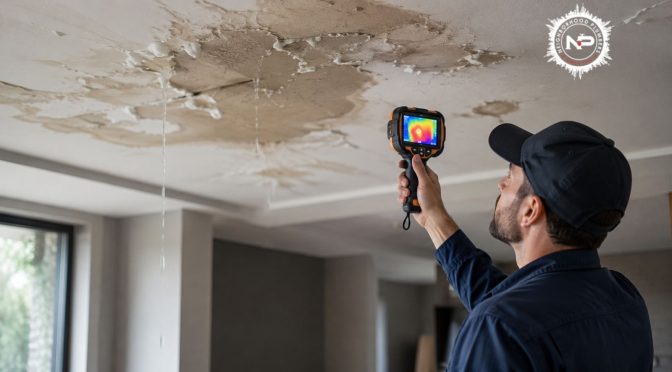
A small water stain on a ceiling or a slightly damp patch near a wall can be easy to ignore. Many homeowners assume it is a minor maintenance issue that can be dealt with later.

In reality, a hidden plumbing leak can continue releasing water for days, weeks, or even months without being obvious. By the time the problem becomes visible, moisture may already have affected plasterboard, timber framing, insulation, flooring, cabinetry, or other parts of the building.

This is why early Leak Detection can make such a significant difference.

Consider a typical Alphington home where a homeowner noticed a faint discoloured patch appearing on a wall near a bathroom. There was no obvious dripping tap, no flooded floor and no strong smell of moisture. Instead of painting over the mark, the homeowner arranged an inspection.

The investigation identified a Hidden Water Leak in Alphington behind the wall. A deteriorating plumbing connection was allowing a small but continuous amount of water to escape. Because the problem was identified early, the affected section could be repaired before moisture caused extensive structural deterioration.

This type of situation demonstrates an important lesson for homeowners: the visible symptom is not always the actual location or size of the plumbing problem.

For homeowners searching for Plumbers in Alphington, understanding how hidden leaks develop, how professionals locate them and what warning signs to take seriously can help prevent much more expensive repairs.

Why Hidden Plumbing Leaks Are So Difficult to Notice

A visible burst pipe is easy to identify. Water may pool on the floor, a fixture may stop working properly, or there may be an obvious flow of water.

Hidden plumbing leaks are different.

They can occur inside:

  • Wall cavities
  • Ceiling spaces
  • Under flooring
  • Behind cabinets
  • Around bathrooms
  • Beneath kitchens
  • Near pipe connections
  • Around hot-water systems
  • Within external or underground pipework

A small leak may release only a limited amount of water at a time. That does not mean it is harmless.

Water can travel along framing, flooring or other building materials before becoming visible. Consequently, the first sign a homeowner notices may be several metres away from the actual leak.

This is one reason professional Leak Detection in Alphington should focus on finding the source rather than simply treating the visible damage.

Leak Detection: A Real-World Alphington Example

Imagine a two-storey Alphington home where the occupants noticed a slight musty smell in a hallway.

There was no obvious plumbing failure. The bathroom appeared normal, the taps worked and there was no standing water.

The homeowner initially suspected the smell was caused by poor ventilation.

However, a closer inspection revealed that the hallway wall was adjacent to bathroom plumbing. Moisture readings indicated elevated moisture inside part of the wall cavity.

Further investigation identified a slow leak around a concealed plumbing connection.

The leak had not yet caused major visible damage, but moisture had begun affecting nearby materials.

The response was relatively straightforward:

  1. The leak source was identified.
  2. The damaged plumbing component was repaired.
  3. The affected area was assessed for moisture.
  4. Wet materials were allowed to dry appropriately.
  5. Damaged materials were replaced where necessary.
  6. The area was monitored to confirm that moisture levels returned to normal.

The important point is what did not happen.

The homeowner did not need to deal with extensive structural repairs, widespread mould remediation or major flooring replacement because the issue was addressed before it progressed.

This is the practical value of early leak detection.

Water Damage Can Develop Before You See Water

Homeowners often associate water damage with obvious flooding.

But significant damage can develop without a dramatic event.

A slow plumbing leak can gradually expose building materials to moisture. Depending on the location and conditions, this may contribute to:

  • Swollen timber
  • Damaged plasterboard
  • Deteriorated flooring
  • Staining
  • Peeling paint
  • Damp insulation
  • Musty odours
  • Corrosion around plumbing components
  • Mould growth where moisture remains
  • Deterioration of surrounding finishes

The severity depends on factors such as the amount of water escaping, how long the leak continues, ventilation, material type and whether the affected area can dry.

This is why homeowners should not wait for a ceiling to collapse or a floor to become visibly wet before investigating a suspected plumbing issue.

How Experienced Local Plumbers Find Hidden Leaks

Finding a concealed leak is not simply a matter of opening every wall until a wet pipe is found.

Experienced local plumbers generally begin by collecting information and narrowing down the possible source.

The process may involve several stages.

1. Understanding the Symptoms

The plumber may ask when the problem was first noticed and whether it changes under particular conditions.

Useful observations include:

  • A stain that becomes darker after using a bathroom
  • A water meter that moves when no fixtures are running
  • Unexplained dampness
  • A persistent musty smell
  • Sudden changes in water pressure
  • Unusually high water consumption
  • Sounds of running water
  • Damp flooring
  • Repeated paint bubbling

These details can help establish where the investigation should begin.

2. Checking Accessible Plumbing

The plumber can inspect visible fixtures, connections and pipework first.

This helps rule out simpler causes before more advanced investigation is considered.

3. Using Moisture and Detection Equipment

Depending on the situation, professionals may use specialist equipment to identify areas of abnormal moisture or trace the likely path of a leak.

The exact equipment used depends on the property and suspected leak.

4. Confirming the Source

The objective is not simply to identify a damp area.

A damp patch could be the result of water travelling from another location.

The source should be confirmed as accurately as practical before repairs begin.

Pipe Repairs: Why Fixing the Source Comes First

One of the most important principles in plumbing work is simple:

Do not repair the symptom while leaving the source active.

For example, painting over a stained wall may make the surface look better temporarily, but it does nothing to stop water escaping behind it.

Similarly, replacing damaged flooring without addressing a leaking pipe can result in the same damage returning.

Depending on the cause, Pipe Repairs may involve repairing or replacing a damaged connection, fitting, valve or section of pipework.

The appropriate repair depends on:

  • Pipe material
  • Age of the plumbing
  • Location of the damage
  • Condition of surrounding pipework
  • Accessibility
  • Cause of the failure
  • Applicable plumbing requirements

A professional assessment is important because a localised failure can sometimes indicate that other components are also reaching the end of their useful service life.

Emergency Plumbing: When a Leak Needs Immediate Attention

Not every leak requires the same response.

A minor issue may be investigated during normal service hours, while an active leak that is releasing substantial water requires urgent action.

Consider the following situations more serious:

  • Water is actively flowing from a wall or ceiling
  • A pipe has burst
  • Water is spreading across flooring
  • The ceiling is visibly bulging
  • A major fixture is leaking continuously
  • The water cannot be safely controlled
  • Electrical components may have been exposed to water

In these circumstances, Emergency Plumbing may be appropriate.

If safe to do so, homeowners should shut off the relevant water supply and avoid interacting with electrical equipment in wet areas.

Do not take unnecessary risks trying to access concealed plumbing yourself.

Plumbing Repairs: Why Small Problems Should Not Be Ignored

Some homeowners delay plumbing repairs because the problem appears minor.

A dripping connection may seem insignificant compared with a burst pipe.

However, the financial consequences of a leak are not determined solely by the amount of water escaping.

The location matters.

A small leak inside a wall can cause more complicated damage than a visible drip into an easily accessible sink.

For example, water trapped behind a cabinet may remain unnoticed for an extended period. By the time swelling becomes visible, the cabinet base, wall lining or flooring may already be affected.

Prompt Plumbing Repairs can therefore be a preventative measure rather than simply a response to an emergency.

Plumbing Repairs

Warning Signs of a Hidden Water Leak in Alphington

Homeowners should pay attention to changes that do not have an obvious explanation.

Unexplained Water Bills

A sudden or persistent increase in water consumption can indicate a leak, particularly when household usage has not changed.

It is not conclusive on its own, but it is worth investigating.

Damp or Discoloured Walls

Brownish marks, bubbling paint or unexplained dampness can indicate moisture entering from behind the surface.

Musty Odours

A persistent damp or musty smell can sometimes indicate moisture that is not readily visible.

Sounds of Running Water

Hearing water movement when all taps and fixtures are turned off deserves attention.

Flooring Changes

Warping, swelling, lifting or unusual softness can indicate moisture beneath or around flooring.

Repeated Surface Damage

If a stain returns after repainting or a section repeatedly develops dampness, the underlying cause should be investigated rather than repeatedly treating the surface.

Common Mistakes Homeowners Make

Mistake 1: Painting Over a Water Stain

A fresh coat of paint may hide the evidence temporarily.

It does not resolve the plumbing problem.

Mistake 2: Waiting for the Leak to Become Obvious

A leak does not need to produce a puddle to cause damage.

Small leaks can create long-term moisture exposure.

Mistake 3: Assuming the Visible Spot Is the Source

Water can travel through building materials.

The visible stain may be downstream from the actual plumbing failure.

Mistake 4: Ignoring a Small Increase in Water Usage

A gradual change in water consumption may be one of the earliest clues that something is wrong.

Mistake 5: Attempting Complex Repairs Without Understanding the Plumbing

DIY work may be appropriate for very simple maintenance tasks, but concealed plumbing can involve more complicated access, connections and building considerations.

Incorrect repairs can make the original problem worse.

Pro Tips From an Experienced Plumbing Perspective

Take Photographs When You First Notice a Change

A stain may become larger gradually, making it difficult to remember how it originally looked.

Photographs provide useful information for tracking progression.

Pay Attention to Patterns

Notice whether moisture appears after:

  • Showering
  • Running the dishwasher
  • Using the washing machine
  • Heavy rain
  • Using a particular bathroom
  • Running multiple fixtures

Patterns can provide valuable diagnostic clues.

Know Where Your Main Water Shut-Off Is

Every homeowner should know how to isolate the home’s water supply in an emergency.

This can limit water loss while professional assistance is arranged.

Do Not Ignore Recurring Dampness

If an area repeatedly becomes damp after apparently being dried, there is probably an underlying cause that needs investigation.

Ask What Caused the Failure

After the repair, ask the plumber what caused the leak.

Understanding whether the problem resulted from a failed connection, corrosion, age, movement or another factor can help with future maintenance decisions.

How Early Leak Detection Protects a Home

The biggest benefit of early leak detection is not simply stopping water loss.

It is limiting the chain reaction that can follow an unresolved plumbing problem.

A concealed leak can potentially progress from:

Small plumbing failure → moisture accumulation → damaged building materials → deterioration → more extensive repairs

Early intervention can interrupt that process.

This is particularly valuable when plumbing is concealed inside walls, ceilings or floors, where access and restoration can increase the overall complexity of the job.

The earlier the source is identified, the more options may be available for controlling the problem.

Choosing Plumbers in Alphington for Leak Investigation

When choosing Plumbers in Alphington, homeowners should look beyond availability and price.

For suspected concealed leaks, ask whether the plumber has experience with:

  • Leak investigation
  • Concealed pipework
  • Moisture-related plumbing problems
  • Accurate fault identification
  • Targeted repairs
  • Residential plumbing systems

A reliable professional should explain what they have found, what remains uncertain and what repair is recommended.

Clear communication is particularly important when a leak is located inside a wall or floor because the plumbing repair may only be one part of the overall restoration process.

Conclusion

A Hidden Water Leak in Alphington does not always announce itself with a burst pipe or flooded room. Sometimes it starts with a faint stain, an unusual smell, a small change in water usage or a patch of unexplained dampness.

Those early signs are worth taking seriously.

The Alphington homeowner described earlier avoided potentially extensive repairs because the leak was investigated before moisture had time to cause widespread damage. The lesson is straightforward: identifying the source early can be considerably easier than dealing with the consequences of a long-term concealed leak.

For homeowners, the most useful approach is to watch for warning signs, understand where the home’s water shut-off is located and arrange professional assessment when something does not look or feel right.

When you need Plumbers in Alphington, choose professionals who focus on identifying the underlying cause rather than simply treating the visible symptom. Good plumbing work is not only about fixing today’s leak; it is about helping protect the home from preventable problems tomorrow.

FAQS

1. How can I tell if I have a hidden plumbing leak?

There may not be one definitive sign. Common indicators include unexplained increases in water usage, damp or discoloured surfaces, musty smells, bubbling paint, warped flooring, unexplained sounds of running water and moisture appearing without an obvious source.

If several of these signs occur together, professional Leak Detection in Alphington is worth considering.

2. Can a small plumbing leak really cause structural damage?

Yes, depending on its location and how long it remains active.

A small leak inside a wall or ceiling can repeatedly expose timber, plasterboard, insulation and other materials to moisture. The extent of damage varies considerably, so the presence of a small leak does not automatically mean major structural damage will occur.

The important point is that early investigation gives the homeowner an opportunity to address the source before the situation becomes more extensive.

3. Is a water stain always caused by a leaking pipe?

No.

Water stains can have several possible causes, including plumbing leaks, roof leaks, condensation, drainage problems or water entering from another part of the building.

This is why it is important not to assume that a visible stain identifies the source. A qualified professional should investigate the circumstances and determine where the water is actually coming from.

4. What should I do if I suspect a Hidden Water Leak in Alphington?

Start by observing the symptoms and, if safe and practical, check whether the water supply can be isolated.

Avoid covering the affected area with paint or carrying out cosmetic repairs before the source is identified.

If water is actively escaping or the situation is causing significant damage, treat it as urgent and seek professional plumbing assistance.

5. How often should homeowners check for hidden plumbing leaks?

There is no universal inspection interval that applies to every property.

Older homes, properties with ageing plumbing, homes that have previously experienced leaks and houses with concealed pipework may benefit from closer monitoring.

Regardless of the home’s age, homeowners should respond promptly to unusual water consumption, dampness, stains, smells or changes in plumbing performance rather than waiting for a major failure.

The Complete Plumbing Health Check Every Alphington Home Should Have Once a Year

A plumbing problem rarely starts with a dramatic burst pipe. More often, the warning signs are subtle: a tap that takes longer to drain, water pressure that suddenly feels different, a toilet that runs occasionally, or a damp patch that seems to appear for no obvious reason. Left unchecked, small issues can develop into expensive repairs and significant water damage.

For homeowners searching for Plumbers in Alphington, an Annual Plumbing Inspection is one of the most practical ways to identify these problems before they become emergencies. A yearly plumbing health check gives you an opportunity to examine the home’s water supply, drainage, fixtures, pipework and visible signs of leakage as part of one planned assessment.

This is particularly useful in established homes where plumbing components have been exposed to years of normal wear and tear. A preventative approach does not mean every component needs replacing. It means understanding what condition your plumbing is actually in and addressing genuine problems before they escalate.

This guide explains what a comprehensive annual plumbing check should cover, what homeowners can inspect themselves, when professional assessment is worthwhile, and which warning signs should never be ignored.

Why Should Every Alphington Home Have an Annual Plumbing Inspection?

Plumbing systems are largely hidden. Pipes run behind walls, beneath floors and through ceiling spaces, while drainage infrastructure is often inaccessible without specialist equipment.

That makes plumbing different from many other parts of a home. You cannot always see a developing problem.

A Plumbing Inspection Alphington homeowners arrange proactively can identify issues such as:

  • Minor or concealed water leaks
  • Deteriorating pipe connections
  • Unusual water pressure
  • Slow drainage
  • Persistent tap or toilet leaks
  • Corrosion around plumbing fixtures
  • Drainage odours
  • Water stains or moisture
  • Problems with hot-water plumbing
  • Early signs of pipe deterioration

The purpose is not simply to find faults. A professional assessment should help establish which issues require immediate attention, which can be monitored, and which improvements may be sensible over the longer term.

That distinction is important because responsible plumbing advice should be based on the actual condition of the system rather than automatically recommending unnecessary work.

What Does an Annual Plumbing Inspection Include?

A thorough inspection should look beyond the most obvious fixtures.

What Does a Plumber Check During an Inspection?

A professional plumber will typically consider several areas of the home’s plumbing system.

Water Supply Pipework

The incoming water supply and accessible internal pipework should be checked for signs of leaks, corrosion, deterioration or unusual moisture.

Even a small leak can waste water continuously. More importantly, moisture around pipe connections can eventually damage cabinetry, flooring, plasterboard or other building materials.

Taps and Fixtures

Kitchen, bathroom and laundry fixtures should be checked for:

  • Dripping taps
  • Loose fittings
  • Damaged seals
  • Corrosion
  • Unusual noises
  • Poor water flow

A tap that drips occasionally may appear insignificant, but it can indicate a worn washer, cartridge, valve or connection.

Toilets

Toilets deserve particular attention because a concealed or slow leak can continue for a long time without being obvious.

Check whether the toilet:

  • Continues running after flushing
  • Requires repeated flushing
  • Has a loose base
  • Shows moisture around connections
  • Produces unusual sounds
  • Has inconsistent flushing performance

A professional can investigate problems that are not easily diagnosed through visual inspection alone.

Plumbing Inspection: The Water Pressure Check

Water pressure is one of the most useful indicators of plumbing performance.

What Does Unusual Water Pressure Mean?

If water pressure suddenly drops, the cause could be relatively simple, such as a partially closed valve or fixture restriction. However, persistent pressure problems can also point towards plumbing issues that need further investigation.

Excessively high pressure can also place additional stress on plumbing components, fixtures and connections.

During an inspection, a plumber can assess pressure rather than relying on how the shower or tap feels.

Homeowners should pay attention to changes such as:

  • Shower pressure suddenly becoming weak
  • One tap having significantly less flow than another
  • Pressure changing when multiple fixtures operate
  • Water flow becoming inconsistent
  • Pressure changing noticeably compared with previous months

A gradual change is particularly worth mentioning during a professional plumbing assessment because homeowners often adapt to small changes without realising that something has changed.

Leak Detection: Finding Problems Before They Become Expensive

Water leaks are among the most important reasons to schedule preventative plumbing inspections.

Some leaks are obvious. Others are hidden.

What Are the Warning Signs of a Hidden Plumbing Leak?

Look for:

  • Unexplained dampness
  • Musty smells
  • Discoloured walls or ceilings
  • Peeling paint
  • Swollen cabinetry
  • Mould or persistent condensation
  • Unusually high water usage
  • Sound of running water when fixtures are off
  • Damp areas around toilets or sinks

A hidden leak does not necessarily produce a visible puddle.

For example, a slow leak behind a bathroom wall may initially produce nothing more than a faint stain or musty odour. Over time, moisture can affect surrounding building materials.

Professional Leak Detection methods can be used when the source is not obvious from a visual inspection.

The important principle is simple: investigate unexplained moisture rather than repeatedly cleaning it up.

Pipe Repairs: When Is Repair Better Than Replacement?

Not every plumbing problem requires a complete pipe replacement.

Experienced plumbers consider factors such as:

  • Location of the damaged section
  • Type and condition of the pipe
  • Age of the plumbing
  • Severity of the problem
  • Frequency of previous repairs
  • Accessibility
  • Potential for further deterioration

When Should You Consider Pipe Repairs?

A localised issue may sometimes be addressed with a targeted repair. However, repeated failures in the same section can indicate a broader problem.

For example, if a homeowner has repaired the same pipe connection several times, continuing with isolated repairs may not be the most sensible long-term approach.

A professional assessment should explain why a repair or replacement is being recommended and what problem it is intended to solve.

That transparency is an important part of good plumbing practice.

Preventative Plumbing Inspection: What Homeowners Can Check

Professional inspections are valuable, but homeowners can also perform simple observations throughout the year.

Home Plumbing Checklist

Use this basic checklist every few months:

Kitchen

  • Check underneath the sink for moisture.
  • Inspect flexible hoses and visible connections.
  • Look for dripping taps.
  • Monitor unusual drainage smells.
  • Notice whether the sink drains slower than usual.

Bathroom

  • Check around the toilet base.
  • Inspect visible shower and basin connections.
  • Look for mould or unexplained dampness.
  • Pay attention to changes in shower pressure.
  • Check taps for persistent dripping.

Laundry

  • Inspect washing machine hoses.
  • Look around the laundry tub.
  • Check visible drainage connections.
  • Look for moisture after washing cycles.

Outdoor Areas

  • Inspect visible outdoor taps.
  • Look for continuously wet areas.
  • Check exposed pipework for damage.
  • Monitor unusual water usage.

These checks do not replace a professional inspection, but they can help you identify changes worth reporting.

Plumbing Maintenance That Can Prevent Bigger Problems

Good plumbing maintenance is not about constantly repairing things. It is about reducing avoidable stress on the system and responding to early warning signs.

What Plumbing Maintenance Should Homeowners Prioritise?

Simple habits include:

  • Fix dripping taps promptly.
  • Avoid putting grease and cooking oils down drains.
  • Do not flush unsuitable materials down toilets.
  • Clean accessible drain strainers.
  • Inspect washing machine hoses periodically.
  • Avoid forcing blocked drains with inappropriate chemicals.
  • Know where the main water isolation point is.
  • Keep records of recurring plumbing problems.

Knowing where the main shut-off valve is can be particularly important.

If a pipe suddenly fails, being able to isolate the water quickly can reduce the amount of water released before help arrives.

Emergency Plumber in Alphington: When Should You Call Immediately?

An annual inspection is designed to reduce emergencies, but it cannot eliminate every plumbing failure.

Some situations require prompt professional attention.

When Is a Plumbing Problem an Emergency?

Contact an Emergency Plumber in Alphington when you are dealing with circumstances such as:

  • A burst water pipe
  • Uncontrolled water leakage
  • Major flooding from a plumbing fixture
  • A blocked toilet causing overflow
  • Significant sewage backup
  • A serious leak that cannot be isolated
  • Water entering electrical areas
  • Rapidly worsening water damage

If water is close to electrical equipment, do not take unnecessary risks trying to investigate the problem yourself.

Where safe to do so, isolate the water supply and keep people away from affected areas while professional assistance is arranged.

How Often Should You Have a Plumbing Inspection?

For many homes, once a year is a sensible maintenance interval, particularly where the plumbing system is older or the property has experienced recurring issues.

However, circumstances vary.

A professional may recommend more frequent assessment if the home has:

  • Older pipework
  • A history of recurring leaks
  • Persistent drainage problems
  • Previous water damage
  • Significant renovations
  • Changes in water pressure
  • High household water usage
  • Plumbing components approaching the end of their expected service life

The right inspection frequency should be based on the condition and complexity of the plumbing system rather than an arbitrary schedule.

Professional Plumbing Assessment: What Homeowners Should Expect

A useful inspection should not simply end with a list of problems.

What Should a Professional Plumbing Assessment Tell You?

Ideally, you should understand:

  1. What was inspected.
  2. What issues were identified.
  3. Which problems require immediate attention.
  4. Which issues can be monitored.
  5. What risks may develop if an issue is ignored.
  6. What repair options are available.
  7. Whether further investigation is required.

For example, discovering a minor leak is useful, but understanding its location, likely cause and potential consequences is much more valuable.

A good plumber should also distinguish between a genuine safety or functional concern and a cosmetic issue.

Common Plumbing Inspection Mistakes Homeowners Make

Mistake 1: Waiting Until Something Breaks

Many homeowners assume plumbing maintenance is unnecessary while everything appears to work.

The problem is that hidden plumbing deterioration can progress without obvious symptoms.

Mistake 2: Ignoring Small Leaks

A dripping tap or slightly damp connection can be easy to dismiss.

Small leaks deserve attention because they can worsen and may indicate deteriorating components.

Mistake 3: Using Chemical Drain Cleaners Repeatedly

Chemical products may provide temporary relief from some blockages, but repeated use is not a substitute for determining why a drain keeps becoming blocked.

Recurring blockages may require proper diagnosis.

Mistake 4: Assuming Low Water Pressure Is Normal

If water pressure has gradually changed, it is worth investigating rather than automatically accepting it as normal.

Mistake 5: Only Checking Visible Pipes

Many important plumbing components are hidden from view.

A visual inspection by a homeowner cannot provide the same level of assessment as a professional inspection when a concealed problem is suspected.

Expert Tips for Maintaining an Alphington Home’s Plumbing

Keep a Record of Recurring Problems

If the same tap, toilet, drain or pipe connection repeatedly develops faults, record when the problem occurs.

Patterns can help a plumber diagnose the underlying cause.

Pay Attention to Changes

Your home effectively gives you baseline information.

You know how quickly the shower normally drains, how much pressure the kitchen tap usually has and how frequently the toilet cycles.

A noticeable change is worth investigating.

Know Your Water Isolation Points

Every adult in the household should know how to turn off the main water supply.

In a plumbing emergency, those few seconds can make a substantial difference.

Do Not Hide Symptoms Before an Inspection

If you notice a damp smell, intermittent dripping or unusual water pressure, tell the plumber.

Small observations from the homeowner can provide useful diagnostic information.

Who Benefits Most From an Annual Plumbing Inspection?

An Annual Plumbing Inspection can be particularly valuable for:

  • Owners of older homes
  • Landlords and property managers
  • Families with high water usage
  • Homeowners planning renovations
  • Properties with previous leaks
  • Homes experiencing recurring drainage issues
  • People preparing to sell a property
  • Homeowners who want a preventative maintenance routine

It is also useful after significant plumbing or renovation work because it provides an opportunity to confirm that the system is operating as expected.

What About Plumbing Before a Home Renovation?

Renovations can expose existing plumbing limitations.

If you are redesigning a kitchen, bathroom or laundry, consider the plumbing before finalising the layout.

A professional can help determine whether existing pipe locations, drainage capacity and water supply arrangements are suitable for the proposed changes.

This is much easier to address during planning than after walls, cabinetry and finishes have already been installed.

The Long-Term Value of Preventative Plumbing

Preventative plumbing is ultimately about avoiding surprises.

A homeowner who identifies a worn fitting during a planned inspection has far more control over the situation than someone discovering a failed connection at midnight while water is spreading through the house.

This does not mean every home needs extensive plumbing work every year.

In fact, one of the benefits of a proper inspection is knowing when not to replace something.

A professional inspection should provide useful information, prioritise genuine risks and help homeowners make informed decisions.

Final Thoughts

Your home’s plumbing system works every day, often without attracting any attention. That is precisely why preventative maintenance matters.

For homeowners looking for Plumbers in Alphington, an Annual Plumbing Inspection can provide a practical opportunity to identify leaks, assess Water Pressure, examine fixtures, review drainage and catch developing issues before they become disruptive repairs.

The most useful approach is not to wait for a plumbing emergency. Keep a simple home plumbing checklist, pay attention to changes and arrange a professional plumbing assessment when your home’s condition, age or warning signs justify it.

A yearly plumbing health check is a relatively straightforward step, but it can give homeowners something valuable: a clearer understanding of the condition of the system they rely on every day.

FAQs

What is an Annual Plumbing Inspection?

An Annual Plumbing Inspection is a planned assessment of a home’s plumbing system designed to identify developing problems before they become major failures. Depending on the property, it may include checking visible pipework, taps, toilets, drainage, water pressure, fixtures and signs of leaks.

The inspection can also identify recurring problems that may require further investigation. It is especially useful for older homes and properties with a history of plumbing faults.

How do I know if my home needs a Plumbing Inspection?

Changes are a good reason to arrange an inspection. If you notice unexplained dampness, unusual smells, reduced water pressure, recurring drain blockages, dripping fixtures or unexpected increases in water consumption, professional assessment is worthwhile.

Even without obvious symptoms, an annual inspection can be a sensible preventative measure, particularly in an older property.

Can a plumber find a hidden water leak?

Yes, depending on the circumstances and location of the leak. A plumber can begin with visual and accessible checks and may use specialist leak-detection methods when the source cannot be identified easily.

Signs such as unexplained moisture, water stains, mould, musty odours or unusual water usage can help indicate a concealed leak.

What should I do if a plumbing problem suddenly becomes serious?

First, stay safe and avoid entering areas where water may have reached electrical equipment. If it is safe to do so, isolate the water supply to reduce further damage.

For significant leaks, burst pipes, sewage backups or uncontrolled flooding, contact an Emergency Plumber in Alphington promptly. Avoid attempting complex repairs yourself if you are unsure of the cause or cannot safely access the affected area.

How can I maintain my plumbing between professional inspections?

Regular observation is one of the simplest forms of plumbing maintenance. Check visible connections, look for leaks, monitor water pressure and drainage, inspect washing machine hoses and pay attention to changes in how fixtures operate.

Avoid flushing unsuitable materials, putting grease down drains and repeatedly relying on harsh chemical products for recurring blockages. Most importantly, investigate small changes before they become major problems.

What We Learned From Plumbing Homes Across Alphington: The 7 Problems We Fix Most Often

Homes in Alphington have plenty of character, from established properties with ageing pipework to renovated homes with modern kitchens, bathrooms and upgraded fixtures. But regardless of a property’s age or renovation history, certain plumbing problems appear again and again.

For Plumbers in Alphington, this means many service calls are not caused by one dramatic failure. Instead, they often start with something small: a slow drain, a dripping tap, a toilet that keeps running or a water stain that gradually becomes more noticeable.

These issues are easy to dismiss when everything still appears to be working. The problem is that minor plumbing defects can develop into expensive repairs when they are left unresolved.

At Neighbourhood Plumbers, we believe homeowners benefit from understanding not only what goes wrong, but also why it happens and what warning signs should not be ignored.

This guide looks at seven of the Common Plumbing Problems in Alphington that homeowners are likely to encounter, what typically causes them, and what you can do to reduce the risk of a larger plumbing problem.

Why These Common Plumbing Problems Matter in Alphington

Every home has different plumbing requirements. An older property may have ageing pipework and drainage infrastructure, while a recently renovated home may have newer fixtures but more complex plumbing connections.

Local conditions, household habits, property age and previous repair work can all influence how a plumbing system behaves.

For residential plumbing Alphington, one of the most important lessons is that symptoms do not always reveal the underlying problem.

For example, a slow kitchen sink may appear to be nothing more than a blocked drain. However, repeated blockages could indicate a deeper drainage issue, unsuitable pipework or a developing restriction further along the system.

Similarly, a small water stain on a ceiling does not necessarily mean the ceiling itself is the problem. Water may have travelled from a leaking pipe or bathroom connection above it.

Understanding these differences helps homeowners make better decisions about when a DIY fix is appropriate and when professional investigation is warranted.

The 7 Common Plumbing Problems We See Most Often

1. Plumbing Repairs for Leaking Taps and Fixtures

A dripping tap is one of the easiest plumbing problems to ignore.

A few drops of water may not seem important, particularly when the tap continues to operate normally. But persistent dripping usually indicates that an internal component is no longer sealing correctly.

Depending on the fixture, the cause could include:

  • Worn washers or seals
  • Damaged cartridges
  • Loose or deteriorated connections
  • Corrosion
  • Excessive water pressure
  • Age-related deterioration

The practical issue is not simply the wasted water. A leaking connection can sometimes become progressively worse.

When should a dripping tap be investigated?

If tightening the handle or cleaning the aerator does not resolve the problem, repeatedly replacing temporary components may not be the best solution.

A plumber can determine whether the fixture should be repaired or whether replacement makes more sense based on its condition.

For homeowners considering Plumbing Repairs, this distinction matters. Spending repeatedly on a deteriorating fixture can eventually cost more than addressing the underlying issue properly.

2. Water Leaks That Are Difficult to See

Some of the most troublesome plumbing problems are the ones that remain hidden.

Visible leaks under a kitchen sink are usually easy to identify. Leaks inside walls, under floors or around concealed pipe connections can be much harder to detect.

Warning signs of hidden Water Leaks

Look for changes such as:

  • Damp or discoloured walls
  • Peeling paint
  • Swollen cabinetry
  • Musty smells
  • Persistent mould growth
  • Unexplained increases in water usage
  • Water stains on ceilings
  • Flooring that becomes unusually damp
  • Sounds of running water when fixtures are turned off

One common mistake is waiting for a large amount of visible water before investigating.

By that stage, moisture may already have affected surrounding building materials.

A practical approach is to treat unexplained moisture as a symptom worth investigating rather than simply cleaning up the visible area.

A real-world example

Imagine a homeowner notices a faint brown mark on a ceiling below a bathroom. The area is dried and repainted, but several weeks later the mark returns.

Painting over the stain has addressed the appearance, not the cause.

The plumbing needs to be assessed to determine whether the moisture is coming from a pipe, fitting, fixture or another source.

That is why experienced licensed plumbers Alphington can add value beyond simply repairing the visible symptom.

3. Burst Pipes and Sudden Plumbing Failures

A burst pipe is considerably more urgent than a minor dripping tap.

When a pressurised water pipe fails, water can enter walls, floors, cabinetry and other parts of a property very quickly.

What can cause Burst Pipes?

Pipe failures may be associated with:

  • Ageing materials
  • Corrosion
  • Physical damage
  • Deteriorated connections
  • Excessive pressure
  • Temperature-related stress
  • Previous poor-quality installation
  • General deterioration over time

Not every burst pipe looks dramatic. A failed connection behind a cabinet can also release a significant amount of water.

What should you do first?

If you discover a major water leak:

  1. Turn off the water supply if it is safe to do so.
  2. Move valuables and electrical items away from the affected area where possible.
  3. Avoid electrical equipment in wet areas.
  4. Contact a qualified plumber promptly.
  5. Document the damage for your insurer if appropriate.

Do not spend time attempting a complicated repair if water is continuing to flow.

A professional Emergency Plumber in Alphington can assess the immediate failure, isolate the affected section and determine what needs to be repaired.

The priority during a burst pipe is containment first and permanent repair second.

4. Blocked Drains and Recurring Drainage Problems

Blocked drains are among the most familiar plumbing issues for homeowners.

A bathroom basin, shower, kitchen sink or floor drain may gradually become slower before becoming completely blocked.

That gradual progression is useful because it gives homeowners an opportunity to act before the situation becomes more disruptive.

Common causes include:

  • Hair
  • Soap residue
  • Food waste
  • Grease and oils
  • Foreign objects
  • Tree root intrusion
  • Build-up within drainage pipes
  • Structural problems within older drains

A household drain cleaner may sometimes provide temporary relief, but it does not necessarily remove the cause.

If a drain repeatedly blocks after being cleared, that pattern deserves further investigation.

Repeated blockages can indicate that the obstruction has not been completely removed or that there is a broader drainage problem.

5. Running Toilets and Toilet Leaks

A toilet that continues running after flushing is another problem homeowners often tolerate for too long.

The cause may be relatively simple, such as a worn valve, damaged seal or faulty flushing mechanism.

However, the longer the toilet runs, the more water it can waste.

A toilet that intermittently refills when nobody has used it is also worth investigating. This can indicate a slow internal leak that may not be obvious.

Running Toilets and Toilet Leaks

An easy homeowner check

If you suspect a toilet is leaking internally, listen for periodic refilling when the toilet has not been used.

You can also inspect the area around the toilet for signs of moisture.

Never assume that a toilet that flushes correctly is necessarily functioning efficiently. Internal components can deteriorate while the fixture remains operational.

6. Low Water Pressure and Inconsistent Flow

Low water pressure can be frustrating, particularly when multiple fixtures are being used.

However, the location and timing of the problem provide useful clues.

For example, ask:

  • Is the pressure low at one fixture or throughout the home?
  • Did the problem appear suddenly?
  • Is hot water pressure different from cold?
  • Does the pressure change when another tap is opened?
  • Are there signs of a leak?
  • Has plumbing work recently been completed?

A problem affecting only one tap could be associated with the fixture itself.

A whole-house pressure change may require a broader assessment.

For homeowners in older properties, ageing or restricted pipework may also contribute to inconsistent flow.

The important point is not to assume that replacing one tap will solve a problem affecting the entire plumbing system.

7. Hot Water Problems

Hot water systems are another frequent source of household plumbing complaints.

The symptoms can vary significantly:

  • Water takes too long to heat
  • Hot water runs out unusually quickly
  • Water temperature fluctuates
  • The system makes unusual noises
  • Water is leaking around the system
  • Hot water is not available at all

The appropriate response depends heavily on the type of hot water system and the nature of the fault.

A minor component issue may be repairable, while an ageing system may require replacement.

Why diagnosis matters

Replacing equipment without first establishing why it has failed can lead to unnecessary expense.

A professional assessment should consider the system’s condition, age, installation and symptoms before recommending the most appropriate course of action.

Emergency Plumbing: Knowing When a Problem Cannot Wait

Not every plumbing issue requires an emergency response.

A dripping tap can generally be scheduled for a convenient repair. A major uncontrolled leak is different.

Situations that may warrant urgent attention include:

  • A burst water pipe
  • Rapidly spreading water damage
  • A major leak that cannot be isolated
  • Sewer overflow
  • Significant flooding caused by plumbing
  • No water where an urgent supply issue exists
  • A serious hot water system leak

If you are dealing with an urgent plumbing failure, knowing where your main water isolation point is can save valuable time.

Every homeowner should ideally know how to shut off the home’s water supply and where relevant isolation valves are located.

Local Plumber Advice: Small Warning Signs Are Worth Investigating

One of the most useful lessons from everyday plumbing work is that plumbing systems often provide warning signs before a major failure occurs.

A drain becomes slower.

A tap starts dripping.

A toilet begins refilling by itself.

A water stain appears.

The hot water supply becomes inconsistent.

None of these automatically means a major repair is coming. But they are signals that something has changed.

A Local Plumber can help identify whether the issue is isolated or part of a larger problem.

This is particularly valuable when several small symptoms appear at the same time.

For example, low water pressure combined with dampness or unexplained water usage should not simply be treated as unrelated inconveniences.

Preventative Plumbing Maintenance Can Reduce Surprises

Homeowners generally think about plumbing when something breaks. A better approach is to incorporate preventative plumbing maintenance into normal property care.

This does not mean constantly paying for unnecessary inspections or replacing functioning equipment.

Instead, it means paying attention to the condition of the plumbing system and addressing reasonable warning signs before they become failures.

Useful preventative habits include:

  • Check under sinks periodically for moisture.
  • Look for corrosion around exposed connections.
  • Do not pour cooking grease down drains.
  • Use suitable drain strainers.
  • Monitor unusual changes in water usage.
  • Pay attention to recurring blockages.
  • Check toilets for persistent running.
  • Know where water isolation valves are located.
  • Have recurring plumbing issues properly diagnosed.
  • Avoid repeatedly relying on temporary fixes.

Preventative maintenance is particularly relevant for established homes where some plumbing components may have been installed many years ago.

What Homeowners Often Get Wrong About Plumbing Problems

“If the leak is small, it is not serious.”

Size does not always indicate severity.

A small concealed leak can cause considerable damage over time, while a visible dripping tap may be relatively straightforward to repair.

The location and source matter more than the number of drops.

“Drain cleaner fixes a blocked drain.”

It may improve symptoms temporarily, but recurring blockages require diagnosis.

If the same drain repeatedly becomes blocked, investigate why.

“All plumbing problems need to be fixed immediately.”

Not necessarily.

Some problems are urgent; others can be scheduled.

The important skill is recognising the difference.

“The cheapest repair is always the best option.”

A low-cost temporary repair may be appropriate for a minor issue, but repeatedly repairing a failing component may not represent good value.

A good plumber should explain the available options rather than automatically recommend the most expensive solution.

Expert Tips for Managing Plumbing Problems in Your Home

1. Describe the symptom accurately

Instead of simply saying “the shower is broken,” explain what is happening.

For example:

“The shower pressure drops after about five minutes, and the basin remains normal.”

Specific information helps the plumber diagnose the problem more efficiently.

2. Mention when the problem started

A sudden change can point toward a different cause than a problem that has gradually developed over six months.

3. Tell the plumber about previous work

Previous repairs, renovations or fixture replacements can provide important context.

4. Ask what caused the problem

Understanding the cause helps prevent the same issue from returning.

5. Ask about temporary versus permanent repairs

If there are multiple options, ask what each solution involves, how long it is expected to last and what risks remain.

6. Do not conceal recurring symptoms

If a drain has blocked four times in six months, mention all four incidents.

The history may be more useful than the latest blockage itself.

Why Choosing Plumbers in Alphington Should Be About More Than Availability

When selecting Plumbers in Alphington, homeowners naturally consider price and availability. Those factors matter, particularly during urgent situations.

However, technical competence and communication are equally important.

A trustworthy plumbing professional should be able to explain:

  • What they believe is causing the problem
  • What needs to be repaired
  • Whether the repair is urgent
  • What options are available
  • Whether further investigation is recommended
  • What limitations or uncertainties exist
  • What maintenance could reduce recurrence

For residential plumbing Alphington, this practical communication can make the repair process considerably easier for homeowners.

You do not need to become a plumbing expert yourself. You should, however, receive enough information to make an informed decision about your property.

Final Takeaway: Pay Attention Before a Small Problem Becomes a Big One

The Common Plumbing Problems in Alphington are not always dramatic when they begin.

A slow drain, dripping tap, running toilet, low water pressure or small water stain can seem insignificant. Yet these symptoms can sometimes provide early evidence of a developing plumbing fault.

The most useful approach is neither to panic over every minor issue nor to ignore problems until they become emergencies.

Instead:

  • Recognise warning signs.
  • Deal with recurring problems properly.
  • Know how to isolate your water supply.
  • Use qualified professionals for work that requires specialist knowledge.
  • Ask questions about the cause and available repair options.
  • Consider preventative maintenance for an ageing or heavily used system.

Whether you need routine Plumbing Repairs or an urgent response to a burst pipe, informed decisions can help protect your home and reduce unnecessary disruption.

If you are dealing with an unexplained leak, recurring blockage, failing fixture or another plumbing concern, Neighbourhood Plumbers can assess the problem and explain the practical next steps.

Frequently Asked Questions

1. What are the most common plumbing problems in Alphington homes?

Common issues include leaking taps and fixtures, blocked drains, concealed water leaks, running toilets, low water pressure, burst pipes and hot water problems. The exact causes vary depending on the property’s age, plumbing installation, maintenance history and household usage.

One important point is that recurring problems deserve more attention than isolated minor faults. For example, a drain that blocks repeatedly may indicate an underlying drainage issue rather than simply requiring another quick clearing.

2. When should I call an Emergency Plumber in Alphington?

An Emergency Plumber in Alphington may be appropriate when a plumbing failure is causing or could rapidly cause significant damage. Examples include burst pipes, uncontrolled water leaks, sewer overflow or major flooding that cannot be safely isolated.

If water is flowing uncontrollably, the first priority is to shut off the water supply if you can do so safely. Then arrange professional assistance rather than attempting a complex repair yourself.

3. How can I tell if I have a hidden water leak?

Look for unexplained dampness, water stains, mould or musty smells, swollen cabinetry, damaged flooring or unusual water consumption.

Another useful warning sign is moisture that repeatedly appears in the same location despite no obvious source.

A hidden leak should not be ignored simply because the amount of visible water is small. Water can travel through building materials before appearing some distance from the actual leak.

4. How often should homeowners arrange preventative plumbing maintenance?

There is no single maintenance interval that is appropriate for every property. A newer home with modern plumbing may have different requirements from an older property with ageing fixtures and pipework.

Instead of relying only on a calendar, homeowners should monitor the condition of their plumbing and investigate recurring or changing symptoms. Professional advice can also help determine whether particular components or systems require periodic inspection based on their age and condition.

5. Should I repair or replace a faulty plumbing fixture?

It depends on the condition, age and type of fixture, as well as the nature of the fault.

A worn internal component may make a repair sensible. If a fixture is heavily deteriorated, repeatedly failing or difficult to source replacement parts for, replacement may provide better long-term value.

10 Plumbing Myths in Broadmeadows Homeowners Should Stop Believing 

Problems in your plumbing system do not necessarily involve a burst pipe. Rather, they usually happen because of leaks, drainage issues, unusual odours, and taps that don’t function properly. Plumbing advice in Broadmeadows can help you choose the best plumbing services. 

Some homeowners, especially in Broadmeadows, believe certain old plumbing techniques might prove to be harmful and end up in more trouble and high repair costs.

Whether it’s about water leakage and drainage, detecting leaks, or emergency repairs, proper knowledge about plumbing can be helpful for homeowners in Broadmeadows to safeguard their house.

Here we have discussed 10 common plumbing myths, along with what homeowners should be aware of. Know what plumbers in Broadmeadows can offer. 

Why Plumbing Repairs Myths Can Cause Problems

The plumbing system in our house is concealed and hidden behind walls, under the floor, and in the ceilings. Thus, problems can go unnoticed before it gets worse.

Sometimes, a small mistake can escalate a plumbing issue. For example, using excessive amounts of chemical drain cleaners can affect the plumbing equipment negatively. Also, a small leak can damage other things due to the moisture buildup.

Good plumbing advice in Broadmeadows should be based on how plumbing systems actually work.

Speaking with licensed plumbing professionals is usually safer. 

Myth 1: Small Water Leaks Are Nothing to Worry About

This might look like a small leak at first glance. Small water droplets beneath the sink or the tap can be seen. But it should never be ignored for its smallness. It wastes water despite being a small one. The problem gets aggravated further when water starts leaking into the cabinet, floor, walls, and other parts of the building.

Steps You Should Take

  • Determine the source of the leak.
  • Place a receptacle under the leaking area.
  • Do not use the fixture if the leak grows.
  • Schedule an inspection if you fail to identify the cause.

Professional leak detection can assist in identifying concealed leaks that are hard to find in a regular visual inspection.

Myth 2: You Can Fix Every Plumbing Problem Yourself

Do-it-yourself repair works can be carried out by homeowners in specific circumstances. This is due to the fact that there are some plumbing jobs that can be done with ease. Nevertheless, any error in pipe connections, fittings, valves, gas connections, and drainage systems would result in further complications. Such circumstances can also pose a risk.

When to Call a Plumber

Consider contacting a licensed plumber if you have:

  • A major water leak
  • Low or sudden changes in water pressure
  • Repeated drain blockages
  • Hidden moisture
  • Burst pipes
  • Sewer problems
  • Plumbing work that requires specialized equipment

Experienced plumbers in Broadmeadows can assess the problem and recommend an appropriate solution.

Myth 3: Hot Water Fixes Every Blocked Drain

Hot water can sometimes loosen grease in a kitchen sink. However, it is not a solution for every blocked drain.

A blockage may be caused by 

  • Hair
  • Food waste
  • Tree roots
  • Foreign objects
  • Damaged pipes or a build-up inside the drainage system.

Simply pouring hot water into the drain may not remove the actual cause. In some situations, very hot water may also be unsuitable for certain plumbing components.

A Better Approach

If a drain keeps blocking, do not keep treating the symptom.

Instead:

  1. Stop adding materials to the drain.
  2. Check whether other fixtures are also affected.
  3. Look for signs of slow drainage or unusual smells.
  4. Arrange a professional assessment if the problem continues.

Repeated blockages can be a sign that something deeper needs attention.

Myth 4: Drain Cleaners Are Always Safe

Drain cleaners have been widely regarded as one way out when faced with drain problems. However, though they work well, there are situations where drain cleaner may not be the most appropriate choice. Some drain cleaners are corrosive or caustic and can damage certain fixtures. They also might not clean the drain properly. And if it does not clean the drain properly, using more drain cleaner will only hide the issue until it is too late for a simple unclogging.

What Should You Do Instead?

If the clog in the drain is slight, it would probably be more sensible to unclog it using the recommended drain tools. In case the clog is persistent, it would be wise to contact a plumber. It is likely that pipes and drains will always need the services of a plumber in order to keep the clog at bay.

If the drain continues to get clogged and this problem becomes persistent, the plumbing needs professional assistance. The plumber will decide whether the problem is local or a bigger drain problem.

Myth 5: A Slow Drain Will Fix Itself

A slow drain is often treated as a minor inconvenience. But slow drainage can be an early warning sign.

Something may be restricting the pipe. It could be grease, hair, debris, mineral build-up, or another obstruction. If you ignore the problem, the drain may eventually stop working altogether.

Watch for These Warning Signs

Pay attention if:

  • Water takes longer to drain.
  • Several drains become slow.
  • You hear gurgling sounds.
  • There is a sewage-like smell.
  • Water backs up into another fixture.
  • The problem keeps returning.

One slow drain may be a simple blockage. Several affected fixtures may suggest a larger drainage problem.

Myth 6: You Can Always See a Water Leak

Not all leaks are visible. Water can escape from pipes inside walls, under floors, in ceilings, or around concealed plumbing connections.

You may notice the damage before you find the leak itself.

Possible warning signs include:

  • Damp patches
  • Peeling paint
  • Swollen cabinets
  • Musty smells
  • Unexpected mould growth
  • Higher water bills
  • Staining on walls or ceilings

This is where professional leak detection can be useful.

However, a professional plumber may be able to use correct techniques to determine the root cause and not just repair the first wet spot that he finds.

Myth 7: Plumbing Problems Only Happen in Old Homes

Although older homes will have old pipes, fittings, and fixtures, new homes can also encounter plumbing issues.

Problems can include incorrect installations, damage to fittings, clogs, leaks, and general wear and tear, regardless of the age of the property.

Good Maintenance Still Matters

Homeowners should keep an eye on:

  • Taps and fixtures
  • Toilets
  • Water pressure
  • Drains
  • Hot water systems
  • Visible pipes
  • Outdoor plumbing

Regular checks can help you notice changes before they become major problems.

Good Maintenance Still Matters

Myth 8: Low Water Pressure Is Always a Plumbing Problem

Low water pressure can have several possible causes. The issue may be limited to one tap or fixture. In other cases, it may affect the entire property.

Possible causes can include:

  • A blocked tap aerator
  • A faulty fixture
  • Pipe restrictions
  • A leak
  • A pressure-related issue
  • Problems within the wider water supply

Because the cause can vary, it is better not to assume that replacing one tap will solve everything.

If water pressure changes suddenly or becomes unusually low, a professional assessment can help identify the cause.

Myth 9: Plumbing Maintenance Is Only Needed When Something Breaks

It will cost you much to wait until something breaks down. Sometimes, small issues are easier to fix than to solve major problems.

For instance, small leaks can cause damage to adjacent materials. Slow drains can turn out to be total blockages. Broken fittings will break when it is least convenient for you. Plumbing maintenance should focus on detecting any changes.

Simple Maintenance Habits

Homeowners can:

  • Check under sinks for moisture.
  • Keep drains free from unnecessary waste.
  • Avoid flushing unsuitable items.
  • Check outdoor taps and hoses.
  • Watch for changes in water pressure.
  • Check for unusual plumbing smells.
  • Deal with leaks promptly.

These simple habits can help reduce avoidable plumbing problems.

Myth 10: Emergency Plumbing Is Only for Burst Pipes

It is clear that a broken pipe is definitely a plumbing emergency. However, this is not the only situation where an emergency plumber might be required.

A heavy sewage overflow, a leak, an overflowed toilet, or any other situation that results in the loss of important plumbing services can be an emergency plumbing situation as well.

The main thing that will determine if your situation qualifies as an emergency plumbing one is whether it might result in any damage or danger to your home if not fixed quickly.

When You May Need Emergency Plumbing

Seek urgent professional help when you have:

  • A burst or severely leaking pipe
  • Major water escaping inside the property
  • A serious sewer backup
  • An overflowing fixture that cannot be controlled
  • A leak affecting electrical areas
  • A plumbing problem causing rapid property damage

Fast action can help limit water damage and reduce the chance of a more expensive repair.

Common Homeowner Plumbing Mistakes to Avoid

Beyond these 10 myths, there are several common plumbing mistakes worth avoiding.

Ignoring Small Leaks

A dripping tap or damp pipe may seem minor. But leaving it for months can waste water and allow damage to develop.

Flushing the Wrong Items

Toilets are designed for human waste and toilet paper. Other materials can cause blockages.

Pouring Grease Down the Sink

There is the possibility that grease can accumulate in the drainage pipes.

Using Too Much Drain Cleaner

Just because more chemicals are used does not mean that a job is done well. Be sure to read instructions and contact professionals if necessary.

Ignoring Repeated Problems

If a certain drain repeatedly has blockage issues, there may be an underlying problem. Continuing to treat the blockage without addressing its root can be a waste of time and money.

When Should Broadmeadows Homeowners Call a Plumber?

Understanding when to contact a plumber could save you from unnecessary damage. 

You should think about contacting a plumber if:

  • You cannot find the source of a leak.
  • A blockage keeps returning.
  • Multiple drains are affected.
  • Water pressure changes suddenly.
  • You notice dampness without an obvious source.
  • A pipe bursts.
  • You suspect a sewer problem.
  • DIY repairs have not solved the issue.

A plumber can assess the situation. He can explain the available repair options. Good plumbing advice in Broadmeadows can help homeowners to focus on finding the cause of the problem, not just treating the visible symptom.

How Professional Plumbing Services Can Help

Professional plumbing work is not simply about fixing a broken pipe. A plumber can assess the wider system and look for the reason a problem is happening.

Depending on the issue, professional services may include:

  • Leak Detection
  • Plumbing Repairs
  • Drain inspections
  • Blocked drain services
  • Emergency plumbing
  • Water leak investigation
  • Fixture repairs
  • Pipe repairs
  • Plumbing maintenance

The right service depends on the cause and severity of the problem. For more complex issues, proper diagnosis is important before repair work begins.

Choosing the Right Plumbing Professional in Broadmeadows

Not all plumbing is just about a quick fix. When choosing a plumber, look for an expert who:

  • Holds the required plumbing registration or licence
  • Has experience with the type of problem you have
  • Explains the issue clearly
  • Provides a clear scope of work
  • Uses suitable equipment and methods
  • Follows relevant plumbing requirements
  • Provides appropriate documentation where required

It is true that expert plumbing advice can help you choose the best services. Professional reliability is always combined with an explanation of what has been discovered. Plumbing misconceptions might lead homeowners to postpone any repair work or use methods that do not solve the existing issue.

A leak might escalate into water damage. Slow draining might evolve into a full clog. A hidden leak might last for several weeks without being noticed. The best course of action would be to be aware of changes and avoid dangerous home solutions when something more than simple repair is required.

In the Broadmeadows area, homeowners who are looking for reliable plumbers might consider qualified professionals as a good choice to solve any existing plumbing problem.

However, professional plumbing service is not limited to solving problems. Proper prevention is another aspect of proper plumbing service.

For homeowners looking for reliable plumbers in Broadmeadows, choosing qualified professionals can help ensure plumbing problems are properly assessed and repaired.

Good plumbing care is not only about fixing problems when they happen. It is also about preventing small issues from becoming expensive ones.

Final Thoughts: Follow Plumbing Tips

This blog offers some valuable plumbing advice in Broadmeadows. However, plumbing myths can be very dangerous. They can mislead you on how to handle plumbing problems. There are various plumbing problems, such as dripping taps, blocked drains, and water leakage, which should be handled by professionals. Failure to deal with water leakage in good time will cause a lot of water damage. In addition, a slow drain can easily turn out to be a blocked drain. A tiny crack in water pipes may go unnoticed for quite some time. The only way out in such situations is to hire professional plumbers. It is important as a homeowner to be aware of all the possible plumbing problems so that you can always avoid them. If you are searching for plumbers in Broadmeadows, ensure you contact Neighbourhood Plumbers.

FAQs

How often do I need to check my house’s plumbing system?

There is no universal time schedule for all household owners. Still, it is strongly advisable to perform regular checks for any leaks, damp areas, slow water drainage, unpleasant odour, pressure, etc.

Is a dripping tap a sign of trouble?

A dripping tap is a hazardous signal. Mostly, the cause of such an issue is solved by tightening of the valve. But if the solution doesn’t work, you have to consult a professional plumber.

Why is my drain blocked?

A blocked drain is one of the most typical issues in the field of plumbing. There are different reasons for that: hair, grease, dirt, tree roots, broken pipes, etc. If it is impossible to unblock the drain easily, you have to contact a professional plumber.

What should I do if there is a serious water leakage?

In an emergency situation, it is extremely important to switch off the water supply to either the entire house or the particular location from where the leak occurred. If there is an electrical risk, you must make sure not to use any electrical equipment.

Can a plumbing problem cause an increase in my water bill?

If there is a water leak in the house, your water bill may skyrocket. A leak may not be noticed immediately, but the constant dripping will lead to high bills. If you have any doubts about whether there is a leak in your water pipe, you need to contact a professional plumber for help.

CCTV Drain Inspection vs Traditional Drain Clearing: Which Solution Finds the Real Problem?

A blocked drain can be deceptively simple. Water stops flowing, a plumber clears the obstruction, and everything appears normal again. But what happens when the blockage returns a few days or weeks later?

That is where the difference between traditional drain clearing and CCTV Drain Inspection in Broadmeadows becomes important. Clearing a blockage can restore flow, but it does not necessarily explain why the drain blocked in the first place. Tree roots, cracked pipes, collapsed sections, grease buildup, displaced joints and damaged sewer lines can continue causing problems beneath the ground.

For homeowners dealing with Blocked Drains in Broadmeadows, understanding when to clear a blockage and when to investigate the underlying pipe condition can prevent repeated call-outs and unnecessary repair work.

This CCTV Drain Inspection Guide explains how camera inspections work, what they can reveal, when traditional drain cleaning is enough and when advanced diagnostics provide a much clearer picture of the real problem.

CCTV Inspection vs Traditional Drain Cleaning: What Is the Difference?

Traditional Drain Cleaning focuses primarily on restoring water flow. Depending on the nature and location of the obstruction, a plumber may use mechanical drain equipment, high-pressure water jetting or other appropriate methods to break apart and remove accumulated material.

This can be exactly what is needed when the cause is a straightforward blockage.

For example, a kitchen sink may stop draining because grease and food residue have accumulated inside the pipe. Once the material is removed, normal drainage may return and the issue may not come back.

A camera inspection takes a different approach.

Instead of concentrating only on removing the obstruction, CCTV Inspection allows a plumber to examine the interior of the pipe using a small waterproof camera. The camera travels through accessible sections of the drainage system and transmits images that can help identify the location and nature of a problem.

The two methods therefore answer different questions:

  • Drain cleaning: How can we restore the flow?
  • CCTV inspection: What is happening inside the pipe?
  • Drain repairs: What needs to be repaired if the pipe itself is damaged?

In many real-world situations, the most effective approach is not choosing one method over the other. It is using them in the correct sequence.

Why a Cleared Drain Does Not Always Mean a Fixed Drain

One of the most common misunderstandings about blocked drains is assuming that restored flow means the underlying problem has disappeared.

Imagine a household experiencing a slow bathroom drain. A plumber clears a buildup and the water begins flowing normally.

Several weeks later, the same drain becomes slow again.

The repeated blockage is useful information.

It suggests that something may still be contributing to the restriction. The cause could be recurring buildup, poor pipe gradient, root intrusion, a damaged section or another physical problem within the drainage system.

Continuing to clear the same obstruction without investigating the reason for recurrence can become an expensive cycle.

This is where advanced drain diagnostics can provide greater value. Rather than repeatedly treating the symptom, an inspection can help determine whether there is an underlying defect that needs a different solution.

CCTV Drain Inspection Guide: How a Camera Investigation Works

A professional CCTV Drain Inspection Guide should start with understanding what the inspection is intended to establish.

The plumber generally needs to know:

  1. Which drain or drainage line is affected?
  2. Where is the suspected obstruction?
  3. Has the problem occurred previously?
  4. Is there evidence of recurring symptoms?
  5. Is the property showing signs of pipe damage?
  6. Is repair or replacement potentially required?

Once the appropriate access point has been identified, a specialist inspection camera can be introduced into the drainage line.

CCTV Drain Inspection Guide

The camera provides a visual view of the internal pipe condition. Depending on access, pipe configuration and the equipment used, the inspection may reveal issues such as:

  • Tree root intrusion
  • Cracked or fractured pipes
  • Broken sections
  • Joint displacement
  • Heavy internal buildup
  • Foreign objects
  • Collapsed pipe sections
  • Deformation
  • Connections or changes in the pipe
  • Obstructions that cannot be easily identified from the surface

The important benefit is evidence.

Instead of relying entirely on assumptions about what might be underground, the plumber can make an assessment based on what is actually visible inside the drainage system.

Sewer Pipes: What a Camera Can Reveal

Sewer Pipes can deteriorate for different reasons, and the symptoms on the surface do not always reveal the cause.

A recurring blockage, for example, could result from roots entering through a damaged joint. Removing the roots may restore flow temporarily, but if the entry point remains open, the problem may return.

Similarly, a pipe can have a structural defect that creates a location where waste material repeatedly catches.

A CCTV camera can help identify these conditions.

Tree Root Intrusion

Tree roots naturally seek moisture. If a drainage pipe has a compromised joint or opening, roots can enter and grow inside the pipe.

A blockage caused by roots may respond to mechanical removal or high-pressure cleaning, but recurring root intrusion may indicate that the pipe itself needs attention.

Cracked or Broken Pipes

A damaged pipe may continue carrying water for some time before symptoms become severe.

Cracks can allow surrounding soil or other material to enter the pipe and contribute to recurring restrictions. A camera inspection can help identify visible damage and establish whether further investigation or repair is appropriate.

Displaced Pipe Joints

Older or poorly aligned drainage systems can develop displaced joints. Even a relatively small change in alignment can create a point where debris accumulates.

Without viewing the inside of the pipe, it may be difficult to distinguish this from an ordinary blockage.

Non-Invasive Plumbing Inspections: Why Visibility Matters

Traditional diagnostic methods often rely on symptoms, access points and the plumber’s experience.

That experience remains extremely valuable.

However, non-invasive plumbing inspections can add another layer of information without requiring immediate excavation or the removal of large sections of property.

This matters because drainage systems are frequently located beneath:

  • Driveways
  • Concrete paths
  • Garden beds
  • Flooring
  • Landscaping
  • Buildings
  • Other finished surfaces

If a drainage problem can be located more precisely before excavation begins, homeowners may have a clearer understanding of what work is actually necessary.

That does not mean CCTV eliminates the need for excavation in every case. If a pipe is structurally damaged, physical access may still be required for repair or replacement.

The advantage is that the investigation can help determine where the problem is and what type of problem is present before disruptive work is undertaken.

When Traditional Drain Cleaning Is the Better First Step

CCTV is useful, but it should not be treated as necessary for every minor blockage.

Consider a household where a bathroom basin has recently become slow. There is no history of recurring blockages, there are no unusual smells and other fixtures are draining normally.

A straightforward obstruction may be the most likely explanation.

In that situation, appropriate Drain Cleaning may solve the problem without requiring an extensive investigation.

The key is to look at the pattern.

A one-off blockage and a repeatedly blocked drain should not necessarily be approached in exactly the same way.

When CCTV Inspection Becomes Particularly Valuable

A camera inspection becomes more useful when the symptoms suggest something beyond a simple obstruction.

Consider investigating further when:

The Same Drain Keeps Blocking

Repeated blockages are one of the strongest reasons to investigate the drainage line itself.

Cleaning Only Provides Temporary Relief

If flow improves immediately after cleaning but deteriorates again soon afterwards, the obstruction may be a symptom of a deeper issue.

Multiple Fixtures Are Affected

If toilets, showers, sinks or other fixtures begin showing drainage problems at the same time, the issue may involve a shared section of the drainage system.

There Are Unusual Drainage Smells

Persistent odours can sometimes indicate drainage problems that require further investigation, although smells can have several causes and should not automatically be interpreted as evidence of pipe damage.

You Suspect Pipe Damage

Signs such as recurring blockages, unusual wet areas or unexplained drainage problems can justify a closer assessment.

You Are Considering Major Drain Repairs

Before undertaking substantial excavation or pipe replacement, establishing the location and condition of the affected section can help inform the repair strategy.

Accurate Drain Assessment Can Prevent Unnecessary Work

One of the biggest advantages of camera-based investigation is the potential for a more accurate drain assessment.

Suppose a homeowner is told that a buried drainage pipe may need replacement because of recurring blockages.

That is a significant decision.

Before committing to extensive excavation, it can be useful to establish whether the problem is actually caused by a collapsed section, a root intrusion, a displaced joint or something that can be treated without replacing the entire line.

A camera inspection does not guarantee that every defect will be visible or that every repair decision will be straightforward. Pipe access, water levels, deposits, camera limitations and the physical condition of the line can affect what can be observed.

Nevertheless, visual evidence can substantially improve decision-making compared with guessing based only on symptoms.

A Real-World Example: The Recurring Backyard Blockage

Consider a Broadmeadows homeowner who experiences a blocked outdoor drain several times over the course of a year.

Each time, the obstruction is removed and drainage improves.

Initially, traditional clearing may be entirely reasonable.

But after repeated occurrences, the pattern changes the diagnostic picture.

A CCTV inspection could reveal roots entering through a damaged section of the pipe. In that situation, simply clearing the roots repeatedly treats the immediate obstruction but leaves the entry point unresolved.

The appropriate long-term solution may involve repairing the affected section rather than repeatedly clearing the same blockage.

This is an important distinction between symptom management and problem identification.

Common Mistakes Homeowners Make With Blocked Drains

Assuming Every Blockage Is the Same

Different causes require different approaches. Grease, roots, foreign objects and structural pipe defects should not automatically be treated as identical problems.

Repeatedly Clearing the Same Drain Without Investigating

If a drain repeatedly blocks, keeping the same treatment strategy without considering the underlying cause can increase long-term costs.

Assuming CCTV Means the Pipe Must Be Replaced

A camera inspection is an investigative tool. It does not automatically mean that excavation or replacement is required.

The purpose is to understand the condition of the pipe so that an appropriate response can be considered.

Waiting Until the Drain Completely Fails

Early investigation can sometimes provide more options than waiting until a drainage line becomes severely damaged or inaccessible.

Choosing a Repair Before Establishing the Problem

Replacing or excavating a pipe based solely on assumptions can create unnecessary disruption. Diagnosis should come before major remedial work whenever practical.

Expert Tips for Managing Blocked Drains Broadmeadows

If you are dealing with Blocked Drains Broadmeadows, start by documenting the symptoms.

Note:

  • Which fixture is affected
  • How frequently the problem occurs
  • Whether multiple fixtures are involved
  • Whether cleaning provides temporary relief
  • Whether unusual smells are present
  • Whether the problem appears after heavy rainfall
  • Whether the blockage is inside or outside the property

This information can help a plumber understand the history before beginning the assessment.

If the problem is recurring, ask what evidence supports the recommended repair.

A good diagnostic discussion should explain what has been observed, what remains uncertain and why a particular course of action is being recommended.

That transparency is especially important when the proposed work involves excavation, replacement of Sewer Pipes or significant property disruption.

How to Decide Between Drain Cleaning and CCTV Inspection

A practical decision-making framework is simple.

One-off, straightforward blockage:
Traditional clearing may be appropriate.

Recurring blockage:
Consider investigating the cause.

Multiple affected fixtures:
A broader drainage assessment may be warranted.

Suspected root intrusion:
CCTV can help establish the location and extent of the problem.

Suspected structural damage:
Camera inspection can provide useful evidence before major repair work.

Major drain replacement being considered:
Establishing the affected section and condition of the pipe can help inform the repair strategy.

The best approach is therefore not necessarily “CCTV instead of drain clearing.”

In many situations, it is:

Clear the obstruction → inspect if the problem persists or warrants investigation → identify the cause → choose the appropriate repair.

Conclusion: Find the Cause, Not Just the Blockage

Traditional drain clearing remains an important and effective response to many straightforward blockages. But when a problem keeps returning, removing the obstruction is not necessarily the same as solving the drainage issue.

That is where CCTV Drain Inspection in Broadmeadows can provide valuable diagnostic information. By viewing the inside of the drainage line, plumbers can investigate conditions that are difficult to confirm from the surface and develop a more informed accurate drain assessment.

For homeowners dealing with recurring Blocked Drains Broadmeadows, the right question is not simply, “How quickly can this blockage be cleared?” It is also, “Why did this blockage happen, and is it likely to happen again?”

A practical CCTV Drain Inspection Guide approach means using the least disruptive diagnostic method that provides enough information to make a sensible decision. Sometimes that means straightforward cleaning. Sometimes it means camera inspection followed by targeted Drain Repairs.

Neighbourhood Plumbers takes a problem-first approach to drainage issues, focusing on understanding the symptoms and the condition of the drainage system before recommending unnecessary work.

For recurring drainage problems, Neighbourhood Plumbers can help homeowners assess whether traditional clearing is sufficient or whether a more detailed inspection would provide useful information about the underlying cause.

FAQS

1. Is CCTV inspection necessary every time a drain becomes blocked?

No. A single, straightforward blockage with no history of recurring problems may be appropriately handled with conventional drain clearing. CCTV becomes more valuable when blockages repeatedly return, several fixtures are affected, cleaning provides only temporary relief or there is reason to suspect a damaged drainage line. The decision should be based on symptoms, history and the plumber’s assessment rather than treating every blockage identically.

2. Can a CCTV camera find tree roots inside a drainage pipe?

A camera can often provide a clear visual indication of root intrusion when the affected section is accessible and visibility is adequate. It may show roots entering through joints, cracks or other openings and help identify their location. However, the inspection should be interpreted in context because camera visibility can be affected by standing water, heavy deposits, severe blockages or pipe configuration. Further assessment may sometimes be required before deciding on repairs.

3. Does a CCTV inspection mean my sewer pipe needs replacing?

Not necessarily. CCTV is a diagnostic method, not a recommendation for replacement by itself. An inspection may reveal a condition that can be addressed through cleaning, localised repair or another appropriate solution. In other cases, significant structural deterioration may justify replacement. The value of the inspection is that it provides additional information before homeowners commit to disruptive or expensive work.

4. Can CCTV inspection prevent unnecessary excavation?

It can help reduce uncertainty about the location and nature of a drainage problem before excavation is considered. For example, if an inspection identifies a damaged section in a particular location, the repair strategy can potentially be planned around that evidence rather than excavating large areas to search for the problem. It cannot eliminate excavation when physical repair is necessary, but it can help make excavation more targeted.

5. What should I ask a plumber after a CCTV drain inspection?

Ask what was found, where it was found, whether the issue is structural or simply an obstruction, and whether the recommended solution addresses the underlying cause. If repairs are proposed, ask whether the affected section can be identified precisely and what alternatives are available. You can also ask whether the recommendation is based on visible evidence from the inspection or on symptoms that still require confirmation.

How a Recurring Kitchen Drain Blockage Was Permanently Fixed in a Broadmeadows Home?

A kitchen sink that drains slowly once is usually annoying. A kitchen sink that blocks every few weeks is something else entirely.

Recurring blockages often indicate that the visible obstruction is only part of the problem. Grease and food residue may be accumulating deeper inside the pipe, the pipe may have a damaged or poorly graded section, or an existing restriction may be catching debris every time water flows through the system.

This is why Blocked Drains in Broadmeadows should not always be approached as a simple “clear the blockage and move on” job. When a drainage problem keeps returning, the more useful question is: why does this drain keep blocking in the first place?

This article examines a realistic Broadmeadows kitchen drainage scenario and explains how a recurring blockage can be investigated, diagnosed and repaired properly. It also covers when drain cleaning is appropriate, when a CCTV inspection can provide better answers, and why long-term drain repair can be more effective than repeatedly treating the same symptom.

Understanding Recurring Kitchen Drain Issues

A recurring kitchen blockage usually develops gradually.

Food particles, cooking oils, grease, detergent residue and other materials can accumulate on the internal walls of a drainage pipe. Over time, the effective diameter of the pipe becomes smaller.

At first, the homeowner may notice that the water takes slightly longer to disappear.

Later, the sink may begin holding water after washing dishes. Eventually, the pipe can become sufficiently restricted that normal kitchen use causes the sink to back up.

A common pattern looks like this:

  1. The sink drains normally.
  2. Water begins draining more slowly.
  3. A basic drain cleaning restores normal flow.
  4. The problem returns after several weeks or months.
  5. The blockage becomes increasingly frequent.
  6. A deeper investigation reveals an underlying restriction or pipe problem.

The important point is that recurring kitchen drain issues require a different approach from an isolated blockage.

Kitchen Drain Problems: A Broadmeadows Case Scenario

Consider a typical Broadmeadows home where the kitchen sink has blocked several times over the course of a year.

The homeowner has already tried household drain products and had the drain cleared on previous occasions. Each time, the kitchen works normally for a while.

Then the problem returns.

During the latest episode, the sink takes several minutes to empty. Water begins backing up when the dishwasher is operating, and there is an unpleasant smell around the drain.

Rather than assuming another surface blockage is responsible, a professional plumber would consider several possible causes.

These could include:

  • Grease accumulation
  • Food debris
  • A deeper obstruction
  • Pipe scale or buildup
  • A damaged pipe section
  • Tree-root intrusion where applicable
  • Poor drainage flow
  • A collapsed or displaced pipe
  • A connection problem further along the drainage line

This is where a Kitchen Drain Repair Case Study becomes useful: it demonstrates why proper diagnosis matters when the same drainage fault repeatedly comes back.

Why Simply Clearing the Blockage May Not Be Enough?

Drain cleaning can be highly effective when the problem is caused by a removable obstruction.

However, clearing the immediate obstruction does not automatically prove that the drainage system is healthy.

Imagine a pipe with a narrow section caused by heavy internal buildup.

A cleaning process may open a small passage through the obstruction. Water flows again, so the homeowner understandably believes the problem has been solved.

But if significant residue remains inside the pipe, grease and food particles can quickly accumulate again.

The same symptom returns.

This creates a frustrating cycle:

Blockage → temporary clearing → normal drainage → buildup → blockage again

The solution is not necessarily a more aggressive version of the same treatment. The correct solution depends on identifying what is causing the restriction.

Kitchen Drain: Identifying the Source of the Problem

A professional assessment starts by gathering information.

A plumber may ask:

  • How often has the sink blocked?
  • Does the problem affect only the kitchen?
  • Does the dishwasher cause the sink to back up?
  • Are there unusual smells?
  • Does the drain gurgle?
  • Has the drain been cleaned previously?
  • Have chemical drain products been used?
  • Does the problem occur during heavy water use?

These details help establish a pattern.

If only the kitchen sink is affected, the issue may be localised to that branch of the drainage system.

If several fixtures are draining slowly, the restriction could be further downstream.

If wastewater is backing up from multiple fixtures, the situation may require more urgent investigation.

Step 1: Professional Drain Cleaning

Once the likely location of the obstruction has been established, the plumber can determine whether Drain Cleaning is an appropriate first step.

Drain cleaning methods vary according to the type and location of the blockage.

A professional may use suitable mechanical equipment or water-based cleaning methods to remove accumulated material.

For a kitchen drainage line, the objective should be more than simply creating a small opening through the blockage.

Where appropriate, cleaning should address as much of the internal buildup as practical.

This can improve flow and reduce the amount of material available to catch additional food particles and grease.

However, if the drain repeatedly blocks after cleaning, that is a strong reason to investigate further.

Step 2: CCTV Inspection for Recurring Blockages

When a blockage keeps returning, a CCTV Inspection can provide information that cannot be obtained simply by looking at the sink.

A small inspection camera can be introduced into an accessible section of the drainage system and used to examine the inside of the pipe.

Depending on the system and access available, the inspection may reveal:

  • Heavy internal buildup
  • Cracks
  • Pipe deformation
  • Root intrusion
  • Displaced joints
  • A collapsed section
  • Persistent obstructions
  • Poor pipe condition
  • Other structural abnormalities

The major advantage is that the plumber can make decisions based on what is actually happening inside the pipe rather than relying entirely on assumptions.

For recurring Blocked Drains, this distinction can save unnecessary work.

What the CCTV Inspection Revealed?

Returning to the Broadmeadows case scenario, imagine that the camera inspection identifies a section of the kitchen drainage pipe with significant internal buildup.

The pipe is not completely collapsed, but the internal passage has become considerably narrower.

The camera also shows that the obstruction is located beyond the immediate kitchen connection.

This explains why previous surface-level cleaning only provided temporary relief.

The problem was not simply “a blocked sink.”

It was a restricted drainage section that repeatedly collected new material.

That distinction changes the repair strategy.

Step 3: Choosing the Right Pipe Repairs

After identifying the underlying condition, the plumber can discuss appropriate Pipe Repairs.

Not every damaged or restricted pipe needs immediate replacement.

The appropriate solution depends on factors such as:

  • The severity of the damage
  • Pipe material
  • Pipe location
  • Accessibility
  • Age and condition of the drainage system
  • Whether the problem is structural or caused by buildup
  • The likelihood of the fault returning

In some situations, thorough cleaning may resolve the issue.

In others, repairing or replacing a defective section may provide a more reliable long-term result.

A professional should explain why a particular repair is being recommended rather than automatically proposing the most extensive option.

Why Long-Term Drain Repair Matters?

The goal of long-term drain repair is to address the reason the blockage keeps happening.

This is different from responding to the symptom each time it appears.

For example, if a damaged section of pipe repeatedly catches grease and food residue, cleaning that section every few months may become an expensive cycle.

If the pipe itself is contributing to the problem, addressing the defective section may be a more sensible long-term strategy.

This does not mean every recurring blockage requires pipe replacement.

It means the repair decision should be based on evidence.

What Happened After the Repair?

In a properly investigated scenario, the repair is followed by testing.

The plumber may run water through the kitchen drainage system to confirm that it flows correctly.

The system can then be monitored during normal use.

The homeowner should also receive practical advice about preventing future buildup.

A successful repair is not simply the moment when water starts flowing again. The real measure is whether the underlying fault has been appropriately addressed and whether the drainage system performs reliably afterward.

Kitchen Drain Blockage in Broadmeadows: Prevention Lessons

Even after a professional repair, everyday habits can influence kitchen drainage performance.

Dispose of Cooking Grease Properly

One of the most important habits is avoiding the disposal of cooking oil and grease down the kitchen sink.

Liquid grease can travel through the pipe while warm and later cool against the internal surface.

Over time, this can contribute to buildup.

Allow cooking oils and fats to cool and dispose of them appropriately instead of washing them into the drainage system.

Use a Sink Strainer

A sink strainer can help prevent larger food particles from entering the pipe.

It is a simple measure, but it reduces the amount of solid material entering the drainage system.

Do Not Treat the Sink as a Food Disposal System

Even small food scraps can contribute to accumulation when they combine with grease and other residues.

Scrape plates into the appropriate waste container before washing them.

Pay Attention to Slow Drainage

A slow drain is often an early warning.

Do not wait until the sink is completely blocked before taking action.

If drainage becomes progressively slower, investigate the issue before it develops into a major backup.

When to Call an Emergency Plumber in Broadmeadows?

Not every kitchen blockage is an emergency.

A slowly draining sink that remains usable may allow time for a scheduled plumbing assessment.

However, an Emergency Plumber in Broadmeadows may be appropriate when the blockage causes significant wastewater backup, affects multiple fixtures or creates an immediate hygiene or property-damage concern.

Seek urgent professional assistance when you notice:

  • Wastewater backing up onto floors
  • Multiple fixtures becoming blocked
  • Sewage-related smells or contamination
  • Water overflowing from a drain
  • A blockage accompanied by suspected pipe damage
  • Significant water damage
  • A drainage problem that is rapidly worsening

The priority in these situations is to prevent further damage and establish where the restriction is located.

Recurring Kitchen Drain Issues: What Homeowners Often Get Wrong

Mistake 1: Assuming Every Blockage Is the Same

Two blocked sinks can have completely different causes.

One may involve a small amount of food debris near the trap. Another may be caused by a deeper pipe restriction.

Treating them identically can lead to repeated problems.

Mistake 2: Relying on Chemical Drain Cleaners

Chemical drain products may appear convenient, but they do not address every type of blockage.

They may also create risks when used incorrectly or repeatedly.

If a drain continues blocking, professional diagnosis is more useful than repeatedly applying chemicals.

Mistake 3: Ignoring a Recurring Problem

A blockage that returns every few months is giving you useful information.

The recurrence itself suggests that something may remain unresolved.

Mistake 4: Choosing a Repair Without Diagnosis

Replacing pipes without identifying the cause can result in unnecessary expense.

On the other hand, repeatedly cleaning a structurally defective pipe can also waste money.

Diagnosis should come before major repair decisions.

Expert Plumbing Solutions for Long-Term Results

Reliable expert plumbing solutions begin with understanding the drainage system rather than simply reacting to the latest symptom.

For a recurring kitchen blockage, a logical process may involve:

  1. Listening to the homeowner’s description of the problem.
  2. Assessing the affected fixtures.
  3. Establishing whether the problem is local or widespread.
  4. Clearing the immediate blockage where appropriate.
  5. Investigating repeated failures.
  6. Using CCTV inspection when internal pipe condition needs confirmation.
  7. Identifying the underlying cause.
  8. Recommending proportionate repairs.
  9. Testing the drainage system afterward.
  10. Providing practical maintenance advice.

This approach is more transparent because every recommendation has a reason behind it.

How Experience Helps With Recurring Drain Problems?

Experienced plumbers learn to recognise patterns.

For example, a kitchen sink that blocks only after the dishwasher operates may point toward a restriction that becomes apparent when a larger volume of water enters the drainage line.

A sink that gurgles before blocking may provide another useful clue.

A drain that works immediately after cleaning but becomes slow again within weeks may indicate significant residual buildup or another underlying issue.

These observations do not replace proper testing, but they help an experienced professional determine where further investigation is worthwhile.

What Homeowners Should Ask Before Major Drain Repairs?

If a recurring blockage leads to a recommendation for significant repair work, ask practical questions.

Ask what caused the blockage

Understanding the cause helps determine whether the proposed repair makes sense.

Ask where the problem is located

Knowing whether the fault is near the kitchen, further downstream or outside the property provides useful context.

Ask whether inspection evidence is available

If CCTV has been used, the findings should be explained clearly.

Ask what happens if the blockage is only cleaned

Sometimes cleaning is enough. Sometimes it is only a temporary solution.

Understanding the difference can help you make an informed decision.

Ask about prevention

A good professional should be able to provide practical advice about reducing future grease, food and debris buildup.

A Practical Approach to Blocked Drains in Broadmeadows

When dealing with Blocked Drains in Broadmeadows, the best approach is not always the fastest apparent fix.

Start by observing the symptoms.

Is the blockage isolated to one sink? Does it recur? Is there wastewater backup? Are other fixtures affected?

Next, avoid actions that could make the situation worse. Do not continue forcing water through a severely blocked drain and avoid inappropriate DIY interventions.

Then determine whether professional drain cleaning, inspection or repair is warranted.

For a recurring problem, the focus should shift from “How do we clear this blockage?” to “Why does this blockage keep returning?”

That change in thinking is often what separates a temporary fix from a durable solution.

Conclusion: Fix the Cause, Not Just the Blockage

A recurring kitchen blockage can be frustrating, particularly when the drain has already been cleared several times.

The key lesson from this Kitchen Drain Repair Case Study is that repeated symptoms deserve deeper investigation. A temporary clearing may restore water flow, but it does not necessarily address the reason the blockage developed.

For homeowners dealing with Blocked Drains in Broadmeadows, the most practical approach is to consider the entire drainage system: how the blockage behaves, whether it returns, what inspection reveals and whether the pipe itself is contributing to the problem.

When appropriate, professional drain cleaning, CCTV inspection and targeted pipe repairs can help move the situation from repeated short-term fixes toward a more dependable result.

Frequently Asked Questions

1. Why does my kitchen sink keep blocking after it has already been cleaned?

A drain can continue blocking when the initial cleaning removes only the immediate obstruction while significant buildup or another underlying issue remains inside the pipe.

Grease, food residue, pipe deterioration or a structural problem can allow new debris to accumulate quickly.

If the same blockage repeatedly returns, professional investigation may be more useful than another basic clearing.

2. Is a CCTV inspection necessary for every blocked kitchen drain?

No. A straightforward blockage may be resolved without CCTV inspection.

However, CCTV can become particularly valuable when a blockage is recurring, difficult to locate, unusually severe or associated with suspected pipe damage.

The purpose is to obtain evidence about the internal condition of the drainage system before deciding whether more extensive repair is necessary.

3. How can I prevent recurring kitchen drain blockages?

Start with simple habits: avoid pouring cooking oil and grease into the sink, use a strainer to catch food particles and dispose of food waste appropriately.

Also pay attention to slow drainage.

If the sink repeatedly becomes slow despite good maintenance, arrange a professional assessment rather than assuming the problem is caused by everyday kitchen waste.

4. When does a blocked drain become an emergency?

A blocked drain becomes more urgent when wastewater is backing up, multiple fixtures are affected, sewage contamination is present, significant water damage is occurring or the blockage is rapidly worsening.

In these circumstances, stop using affected fixtures where practical and seek professional plumbing assistance.

5. Does every recurring blockage require pipe replacement?

No. Pipe replacement is not automatically required.

Some recurring blockages can be resolved through appropriate cleaning or maintenance once the cause is identified.

If inspection shows a damaged, collapsed, severely deteriorated or otherwise defective section of pipe, repair or replacement may be considered.

The appropriate solution should be based on the condition and location of the pipe rather than simply on how many times the drain has blocked.

Blocked Drain Repair Costs in Broadmeadows: What Affects the Final Price?

A blocked drain is one of those household problems that can start quietly and become disruptive very quickly. A sink may drain more slowly than usual, a bathroom floor waste may begin holding water, or a toilet may start backing up. By the time wastewater appears where it should not, homeowners are understandably asking how much the problem will cost to fix.

The reality is that Blocked Drain Repair Costs can vary significantly from one property to another. A simple obstruction close to an accessible drain may be resolved with routine drain cleaning, while a recurring blockage caused by tree roots or damaged underground pipework may require specialist investigation and more extensive repairs.

For homeowners dealing with Blocked Drains in Broadmeadows, understanding what influences the price can make it easier to assess quotes and avoid making decisions based only on the cheapest advertised figure.

This guide explains the factors plumbers consider when assessing a blocked drain, why some jobs are straightforward while others are more involved, how professional diagnosis influences drainage repair estimates, and what homeowners should ask before approving repair work.

Why Blocked Drain Pricing Can Vary?

There is no universal price for every blocked drain because the visible symptom does not always reveal the underlying problem.

For example, a kitchen sink may be blocked because grease and food residue have accumulated inside the waste pipe. Another property may have several slow drains because an underground sewer pipe has become restricted by tree roots.

Both situations can be described as a blocked drain, but the work required is very different.

The final price can be influenced by:

  • The location of the blockage
  • The cause of the obstruction
  • The severity of the blockage
  • Accessibility of the affected pipe
  • Drainage system layout
  • Equipment required
  • Time needed for diagnosis
  • Labour involved
  • Whether CCTV inspection is appropriate
  • Whether underground pipework is damaged
  • Whether excavation is necessary
  • Whether the problem requires urgent attendance

A professional assessment helps determine which factors actually apply to the property.

Drain Repairs and the First Assessment

Before recommending significant Drain Repairs, a plumber should establish what is happening within the drainage system.

The homeowner’s observations can provide valuable clues.

A plumber may ask:

  • When did the problem begin?
  • Is the drain completely blocked or simply slow?
  • Has the same drain blocked before?
  • Are several fixtures affected?
  • Does flushing the toilet cause another drain to back up?
  • Are there unusual smells?
  • Have you heard gurgling from the drains?
  • Has any plumbing or landscaping work recently taken place?

These details help determine whether the problem is likely to be isolated or further downstream.

One Blocked Fixture Versus Multiple Fixtures

If only one bathroom basin is slow, the restriction may be relatively close to that fixture.

If the toilet, shower and laundry drain are all affected, the problem may be further along a shared drainage line.

This distinction can influence both the diagnostic process and the eventual repair.

Previous Blockages Matter

A blockage that occurs once may be an isolated obstruction.

A blockage that returns every few months is different.

Repeated problems can indicate:

  • Tree-root intrusion
  • Damaged pipework
  • Heavy internal buildup
  • Misaligned joints
  • Poor drainage conditions
  • An obstruction that has not been completely removed

The history of the drainage system is therefore an important part of professional diagnosis.

Drain Cleaning and the Type of Blockage

The nature of the obstruction is another major factor affecting Blocked Drain Repair Costs.

Different blockages require different approaches.

Hair and Soap Residue

Bathroom drains commonly collect hair, soap residue and other debris.

A gradual buildup can reduce the internal diameter of a pipe until water begins draining slowly.

Early intervention may help prevent a minor restriction from becoming a complete blockage.

Grease and Food Debris

Kitchen sinks can experience problems when grease, cooking oils and food particles enter the drainage system.

Grease can adhere to pipe surfaces and trap additional debris.

A homeowner may initially notice that the sink takes longer to empty before the drain eventually becomes severely restricted.

Foreign Objects

Objects accidentally entering a drain can create more difficult blockages.

The location and nature of the object can affect the equipment and time required for removal.

Tree Roots

Tree roots can cause more complicated drainage problems.

Roots may enter through cracks, joints or damaged areas in underground pipes. Once inside, they can catch other debris and gradually restrict the flow of wastewater.

If tree roots are responsible for recurring blockages, repeatedly clearing the drain may not provide a lasting solution.

Sewer Repairs and Underground Problems

Underground drainage issues can make a repair more complicated.

A blocked drain may initially appear to be a simple obstruction, but further investigation can reveal a damaged or deteriorated section of pipe.

Possible problems include:

  • Cracked pipes
  • Broken sections
  • Displaced joints
  • Collapsed pipes
  • Root intrusion
  • Soil entering damaged pipework
  • Severe internal buildup

Why Pipe Condition Matters?

Imagine an underground drainage pipe with a damaged joint.

The pipe may continue operating for some time. However, the damaged area may allow roots or surrounding material to enter.

Debris can then accumulate around the intrusion, creating recurring blockages.

In this situation, clearing the blockage may restore flow temporarily, but it does not necessarily address the underlying problem.

Depending on the findings, appropriate Sewer Repairs may need to be considered.

Excavation Can Change the Scope of Work

If a damaged section of underground pipe cannot be appropriately repaired without accessing it from above, excavation may be required.

The complexity can depend on:

  • How deep the pipe is
  • Where the pipe is located
  • Whether concrete covers the area
  • Whether paving or landscaping must be disturbed
  • Soil conditions
  • How much pipe needs attention
  • Access for equipment

This is one reason it is difficult to provide an accurate repair price without understanding the actual site conditions.

What Affects Drainage Repair Estimates?

A reliable drainage repair estimate should reflect what has actually been found rather than relying on a generic price.

Several practical factors can influence the estimate.

Accessibility

An easily accessible inspection point can make diagnosis and repair simpler.

A blockage located beneath a concrete path, driveway or landscaped area may require additional work to reach.

Location

The type of drainage line matters.

A small fixture waste pipe, stormwater line and underground sewer pipe may require different equipment and repair methods.

Severity

A partially restricted drain is different from a completely blocked pipe with wastewater backing up into the property.

The more severe the obstruction, the more involved the work may become.

Equipment

Some drainage problems can be addressed with standard equipment, while others may require specialist tools or inspection technology.

Labour Time

The time required can depend on how easy the blockage is to locate, access and clear.

A transparent estimate should make the expected scope of work understandable.

Plumbing Costs and What a Quote Should Include

When comparing Plumbing Costs, homeowners should look beyond the initial advertised call-out price.

Depending on the business and job, costs may relate to:

  • Initial attendance
  • Diagnosis
  • Labour
  • Drain-clearing equipment
  • CCTV inspection
  • Materials
  • Pipe repairs
  • Excavation
  • Disposal
  • Emergency attendance

The pricing structure varies between plumbing businesses.

That makes it important to ask what is included before approving additional work.

Questions to Ask a Plumber

Before agreeing to a significant repair, consider asking:

  1. What is causing the blockage?
  2. Where is the blockage located?
  3. What method will be used to clear it?
  4. Is the pipe itself damaged?
  5. Is CCTV inspection recommended, and why?
  6. Does the quoted price include equipment?
  7. Are materials included?
  8. Could excavation be required?
  9. Are there additional after-hours charges?
  10. Is the recommended work intended as a temporary or longer-term solution?

Clear answers can make a quote much easier to evaluate.

Professional Drain Repair Versus Temporary Clearing

There is an important difference between restoring drainage flow and resolving the underlying cause.

Suppose a homeowner experiences a blocked drain three times within six months.

Each time, the drain is cleared and appears to work normally.

If the same problem keeps returning, simply repeating the previous clearing method may not be the best long-term approach.

A professional may investigate whether there is:

  • Tree-root intrusion
  • Structural pipe damage
  • Persistent debris accumulation
  • A damaged connection
  • A deeper obstruction

This is where professional drain repair differs from simply treating the immediate symptom.

The objective is to understand why the blockage keeps occurring and determine whether additional work is justified.

When CCTV Inspection Can Affect Repair Costs?

CCTV inspection is not automatically necessary for every blocked drain.

A straightforward blockage that responds appropriately to clearing may not require an internal camera inspection.

However, CCTV can be useful when:

  • The blockage repeatedly returns
  • The obstruction cannot be located easily
  • Multiple fixtures are affected
  • Underground pipe damage is suspected
  • Tree roots are suspected
  • A substantial repair is being considered
  • Previous drain clearing has only provided temporary relief

A camera can provide visual information about suitable sections of pipework.

It may reveal:

  • Root intrusion
  • Cracks
  • Displaced joints
  • Heavy deposits
  • Foreign objects
  • Structural deterioration
  • Collapsed sections

The purpose of CCTV is not to make a simple job unnecessarily complicated. It is to provide evidence when the cause cannot be established reliably through basic assessment alone.

Emergency Plumbing and Urgent Blockages

Not every blocked drain requires emergency attendance.

A slow basin or shower drain that has gradually deteriorated can often be scheduled for assessment.

However, Emergency Plumbing may be appropriate when wastewater is actively backing up or there is an immediate risk to the property or household sanitation.

Situations That May Require Urgent Attention

These can include:

  • Sewage backing up indoors
  • Multiple drains suddenly becoming unusable
  • An overflowing toilet connected to a drainage blockage
  • Wastewater entering living areas
  • Significant sewage overflow outdoors
  • A blockage affecting essential household facilities

If wastewater is backing up, stop using affected fixtures where possible.

Avoid repeatedly flushing toilets or running taps because additional water can worsen an overflow.

Why Emergency Work May Have Different Costs?

Emergency attendance can involve different pricing from scheduled work, especially outside normal operating hours.

Factors may include:

  • After-hours labour
  • Weekend attendance
  • Public holiday attendance
  • Immediate mobilisation
  • Equipment availability

Homeowners should ask about applicable charges when arranging emergency assistance, provided the situation allows time to do so.

How Location Can Affect Blocked Drain Repair Costs?

The physical location of the drainage problem can have a major impact on the work required.

A blockage inside a kitchen waste pipe may be accessible from an existing connection.

An underground blockage beneath a driveway presents a different challenge.

A plumber may need to consider:

  • Access to inspection points
  • Distance to the affected section
  • Depth of pipework
  • Surface materials
  • Landscaping
  • Existing structures
  • Drainage layout

For homeowners dealing with Blocked Drains in Broadmeadows, these physical factors can explain why two properties with seemingly similar symptoms may receive very different repair estimates.

Common Mistakes Homeowners Make

Assuming Every Blockage Has the Same Price

A simple obstruction and a damaged underground sewer pipe should not be expected to cost the same.

Choosing Only by the Cheapest Call-Out

The lowest initial price does not necessarily represent the lowest overall cost.

If additional equipment or repairs are required, the final price can change.

Compare what each quote includes.

Ignoring Repeated Blockages

Repeated blockages are valuable evidence.

If a drain repeatedly fails, there may be an underlying reason that needs investigation.

Treating Chemical Drain Cleaners as a Universal Solution

Chemical products are not appropriate for every drainage problem and may not address root intrusion, structural damage or serious obstructions.

Homeowners should avoid assuming that a chemical solution can resolve every type of blockage.

Assuming Flow Means the Problem Is Fixed

A drain that begins flowing again may still have an underlying issue.

If the same blockage returns shortly afterward, further diagnosis may be appropriate.

Practical Ways to Reduce Drain Problems

Homeowners cannot prevent every drainage issue, but everyday habits can reduce avoidable blockages.

Keep Cooking Grease Out of Drains

Avoid pouring cooking oils and grease into sinks.

As they cool, they can stick to pipe surfaces and contribute to buildup.

Use Drain Strainers

Kitchen and bathroom strainers can help prevent larger debris from entering the drainage system.

Dispose of Waste Correctly

Do not flush unsuitable items down toilets.

Items that do not break down appropriately can contribute to drainage blockages.

Respond to Slow Drainage Early

A slowly draining fixture may be an early warning sign.

Addressing the problem before a complete blockage develops may help reduce disruption.

Keep Records of Recurring Issues

If a property has repeated drainage problems, keep records of:

  • When blockages occurred
  • Which fixtures were affected
  • Previous repairs
  • Inspection reports
  • Photographs
  • Invoices

This information can help establish whether the problem is recurring and may assist future diagnosis.

Expert Advice Before Approving Drain Repairs

Homeowners can make better decisions by focusing on evidence rather than assumptions.

Ask What Caused the Blockage

Instead of asking only how much it will cost, ask what caused the problem.

Ask Where the Problem Is

Knowing whether the obstruction is near the fixture or further along an underground line can help explain the proposed work.

Ask How the Diagnosis Was Made

For major repairs, ask whether the recommendation is based on inspection, camera evidence, physical assessment or another diagnostic method.

Ask Whether the Solution Is Temporary

If a plumber recommends clearing rather than repairing damaged pipework, ask whether the clearing is expected to be temporary.

Ask About Additional Costs

Clarify whether the quote includes:

  • Labour
  • Equipment
  • Materials
  • Inspection
  • Excavation
  • Disposal
  • Emergency charges

A clear discussion before work begins can reduce misunderstandings.

A Practical Broadmeadows Example

Consider a homeowner who notices that the laundry drain is draining slowly.

At first, it seems like a minor issue.

A few weeks later, the bathroom shower also starts draining slowly. Then the toilet begins gurgling when the washing machine drains.

This pattern suggests the issue may extend beyond one individual fixture.

A plumber assessing the problem should consider whether several fixtures share a drainage line.

If the blockage is cleared but returns soon afterward, further investigation may be justified.

Suppose inspection identifies tree roots entering an underground pipe.

The homeowner now has a clearer explanation for the recurring blockage.

Instead of repeatedly paying for temporary clearing, they can discuss appropriate options for addressing the affected section of the drainage system.

This is why diagnosis matters when evaluating Drain Repairs Broadmeadows.

The objective is not simply to restore water flow for the moment. It is to understand the condition of the drainage system and choose a repair that matches the actual problem.

How to Compare Drain Repair Quotes?

When you receive more than one quote, avoid comparing only the final dollar figure.

Instead, compare:

  • What problem has been diagnosed
  • What work is included
  • Whether diagnosis is included
  • What equipment will be used
  • Whether CCTV is required
  • Whether materials are included
  • Whether excavation is included
  • Whether additional costs may arise
  • Whether the work addresses the underlying cause

For example, one quote may only cover basic drain cleaning while another includes investigation and repair of damaged pipework.

The second quote may initially appear more expensive, but the two quotes are not actually offering the same scope of work.

A fair comparison requires comparing like with like.

Final Thoughts

Understanding Blocked Drain Repair Costs is about much more than finding the lowest advertised price.

The most useful question is whether the proposed work matches the actual cause of the drainage problem.

A straightforward obstruction may require Drain Cleaning, while recurring blockages caused by roots, damaged joints or deteriorated underground pipework may require more comprehensive investigation and Sewer Repairs.

For homeowners experiencing Blocked Drains in Broadmeadows, factors such as accessibility, location, severity, equipment, labour and urgency can all influence the final price.

The best approach is to ask for a clear diagnosis before approving significant repair work. Understand what has been found, why the repair has been recommended, what the quoted price includes and whether additional costs could arise.

Most importantly, don’t ignore recurring drainage problems. A blockage that keeps returning may be telling you that something deeper is happening inside the drainage system.

A professional, evidence-based assessment can help homeowners make a more informed decision about Drain Repairs Broadmeadows and avoid repeatedly paying to treat the same symptom without understanding its underlying cause.

FAQs

What affects blocked drain repair costs in Broadmeadows?

Several factors can influence the final price, including the location and severity of the blockage, its cause, accessibility, labour requirements, equipment, inspection needs and whether underground pipework is damaged. Emergency attendance and excavation can also affect the overall cost.

Why do some blocked drains require more expensive repairs?

A simple obstruction may be cleared relatively easily. More complicated problems involving tree roots, damaged pipes, collapsed sections or difficult underground access can require additional diagnosis, equipment, labour and repair work.

Is CCTV inspection necessary for every blocked drain?

No. CCTV is generally more useful for recurring, difficult-to-locate or underground drainage problems. It can also be valuable when significant repair work is being considered because it may provide visual evidence of the pipe’s internal condition.

Can drain cleaning permanently fix a blocked drain?

It can resolve some blockages, particularly when the underlying cause is a removable buildup or obstruction. However, recurring blockages caused by tree roots, damaged pipes or structural problems may return unless the underlying issue is addressed.

How can I get a more accurate drainage repair estimate?

Give the plumber detailed information about the symptoms and previous blockages. Ask for the cause and location of the problem, what work is included, what equipment may be required and whether additional costs could arise. For complex or recurring problems, professional diagnosis may be needed before an accurate repair scope can be established.